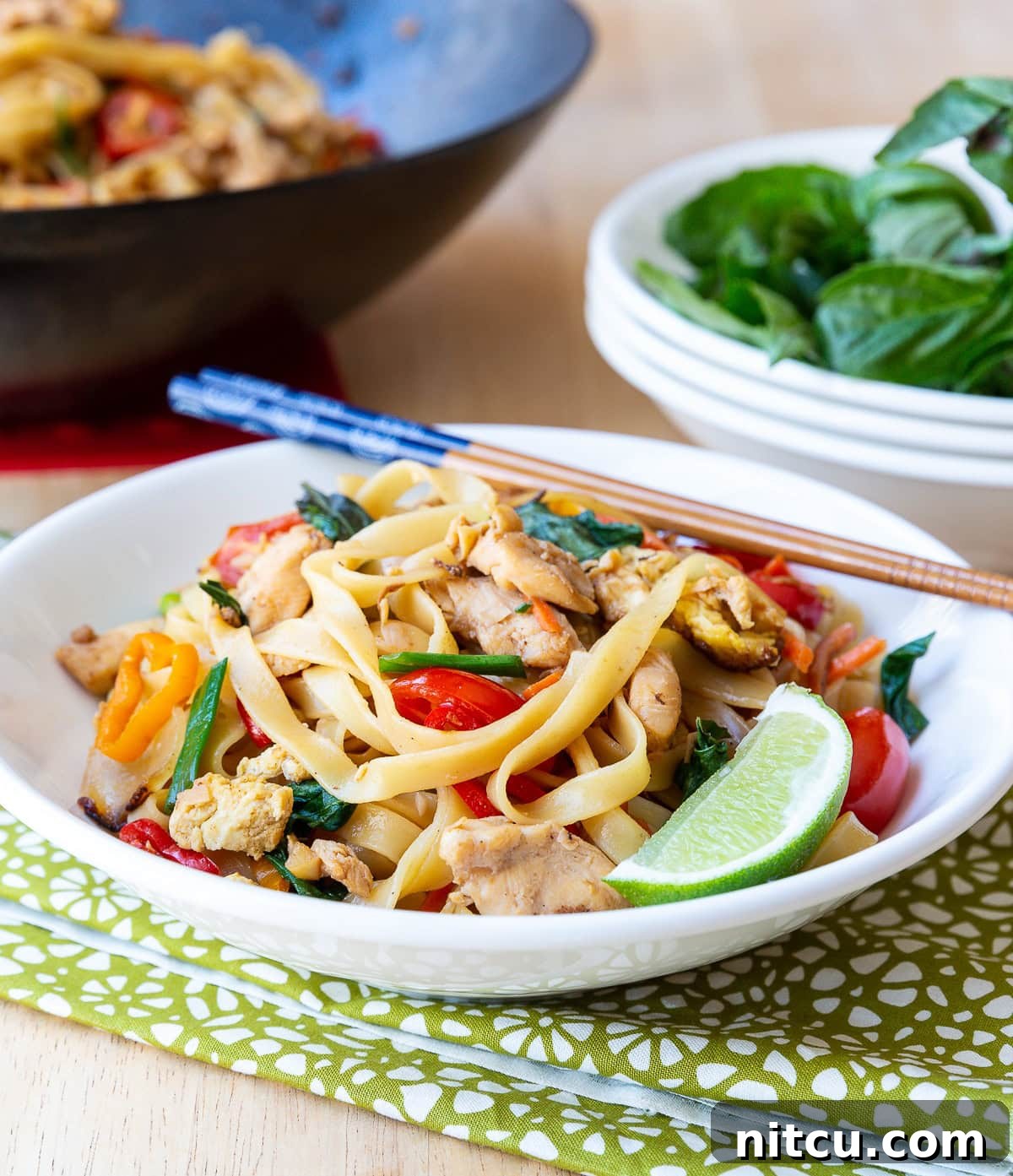
Pad Kee Mao Recipe (Drunken Noodles) – Embark on a culinary journey with Pad Kee Mao, also famously known as Thai Drunken Noodles. This beloved Asian stir-fry masterfully blends vibrant multicultural influences into a single, comforting, and remarkably flavorful dish. Our rendition perfectly balances the intense heat of Thai chilies with subtle sweetness and savory depths, all effortlessly prepared in just one wok. Get ready to transform your kitchen into a bustling Thai street food stall with this authentic and easy-to-follow recipe.
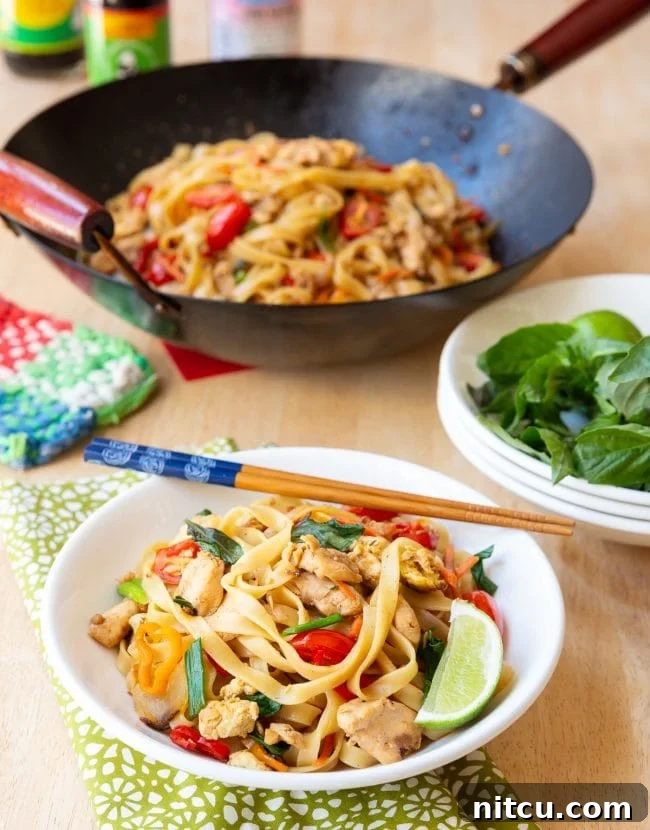
Why You’ll Love This Authentic Pad Kee Mao (Thai Drunken Noodles) Recipe
When you dine at a Thai restaurant in the Western world, certain staples consistently grace the menu. Alongside the ever-popular Pad Thai, aromatic Thai Fried Rice, and rich Red Curry, you’ll almost certainly find Pad Kee Mao, affectionately known as Drunken Noodles. But what makes this dish so universally adored?
Pad Kee Mao is more than just a noodle dish; it’s a vibrant testament to culinary evolution and cross-cultural exchange. It stands as a brilliant example of Asian “fusion food” in its most genuine form. The origins trace back to Chinese immigrants who introduced similar wide noodle dishes, such as Phat Si Ew, to surrounding regions. Over time, as this delicious concept made its way to Thailand, local culinary traditions infused it with distinctive Thai flavors. The most notable additions were the fiery spicy peppers and the intoxicatingly fragrant sweet Thai basil, transforming a simple noodle stir-fry into the complex, aromatic masterpiece we cherish today. In my humble opinion, these brilliant additions are what elevate Pad Kee Mao to an unforgettable gastronomic experience.
The Enigmatic Name: Why “Drunken Noodles”?
The name “Drunken Noodles” often sparks curiosity, given that the recipe traditionally contains no alcohol. Multiple captivating theories attempt to explain this intriguing moniker, each adding to the dish’s lore:
- The Heat Theory: One popular belief suggests that the noodles are so incredibly spicy that they make diners feel “drunk” from the sheer intensity, frantically reaching for a refreshing beverage to quell the fire. While our recipe allows you to adjust the heat to your preference, the traditional version can indeed be quite potent, inviting an exhilarating culinary challenge!
- The Hangover Cure Theory: Another widely accepted theory posits that these Thai noodles are the perfect companion to a cold beer, making them an ideal late-night snack or even a potent hangover cure. Imagine the satisfying warmth and spice cutting through the morning-after fog – a truly comforting thought for those in need!
- The Impromptu Chef Theory: A less common but charming theory describes a chef improvising a dish late at night, perhaps after a few drinks, using whatever ingredients were on hand. The result was this spontaneous, flavorful noodle dish, earning it the “drunken” label.
Regardless of the true origin, the name “Drunken Noodles” perfectly captures the adventurous and exhilarating spirit of this dish. Rest assured, you can certainly tailor the spiciness to your preference, ensuring your dinner guests depart delighted, not disoriented.
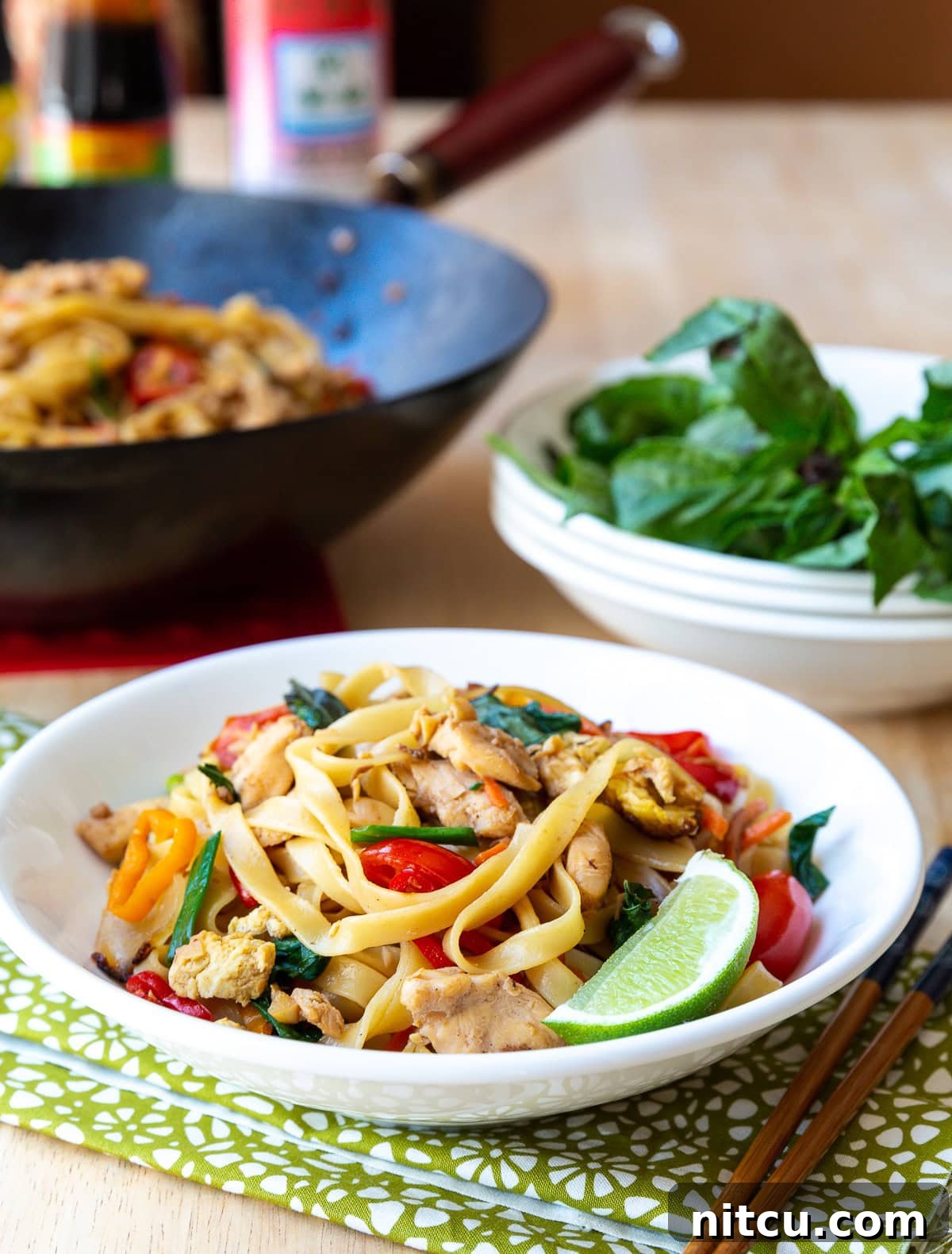
Essential Ingredients for Authentic Drunken Noodles
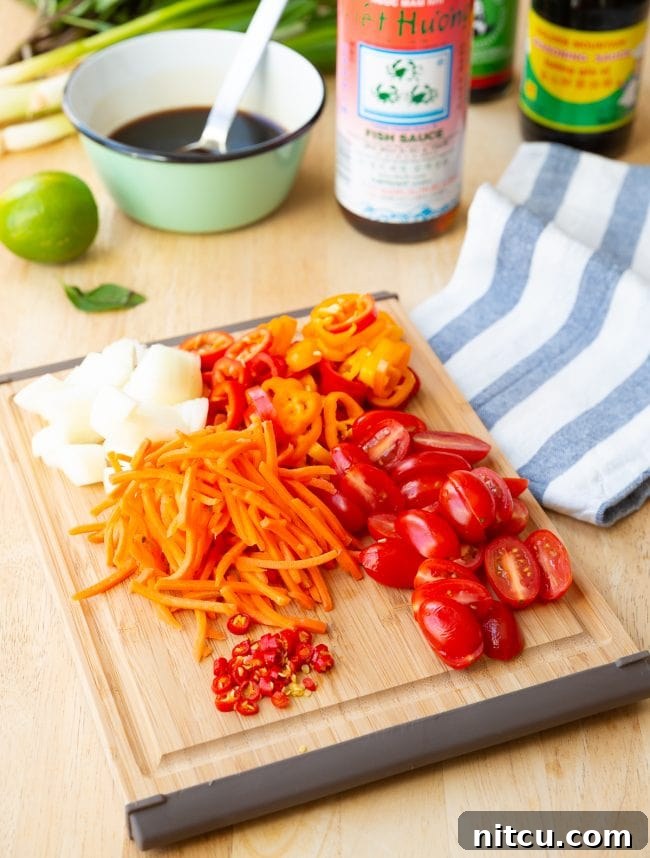
Crafting the perfect Pad Kee Mao relies on a specific blend of ingredients that contribute to its signature sweet, spicy, and savory profile. Don’t be intimidated by some of the more exotic names; most can now be found in major supermarkets or easily sourced from Asian grocery stores.
For the Irresistible Pad Kee Mao Sauce:
- Oyster Sauce: This staple brings a beautiful balance of savory, slightly sweet, and umami flavors, along with a rich, glossy texture thanks to its cornstarch content. It’s crucial for the depth of the sauce.
- Fish Sauce: An absolute cornerstone of East Asian cuisine, fish sauce (Nam Pla) provides an incomparable salty, deeply fermented, and savory kick. There is no true substitute for its unique character.
- Fresh Lime Juice: The bright, zesty acidity from fresh lime juice is essential. It cuts through the richness of the other sauces, adds a vibrant tang, and marries all the complex flavors into a harmonious blend.
- Maggi Sauce or Golden Mountain Sauce: These soy-based sauces are distinct from regular soy sauce, offering a more intense, savory, and slightly richer flavor profile. They contribute a significant salty depth, so be mindful not to add additional salt to the dish.
- Brown Sugar: A touch of brown sugar is vital for balancing the spiciness and saltiness. It introduces a caramel-like sweetness that rounds out the flavor, creating that quintessential Thai sweet-and-spicy dynamic.
A note on sourcing: Oyster sauce, fish sauce, and Maggi/Golden Mountain sauce are increasingly common in the international aisle of most mainstream grocery stores. For the best selection and value, an Asian grocery store is your go-to. Remember, these ingredients are inherently salty, so hold off on adding any extra salt during the cooking process.
For the Drunken Noodles Stir-Fry:
- Wide Rice Noodles: Traditionally, Pad Kee Mao is made with fresh, wide rice noodles, which offer a delightful chewy texture and absorb flavors beautifully. If fresh wide rice noodles are unavailable, dried wide rice noodles (rehydrated according to package instructions) or even wide egg noodles can be suitable alternatives, though the texture will vary slightly.
- Chicken Breast: Thinly sliced chicken breast cooks quickly in the wok and readily absorbs the vibrant sauce. You can easily substitute with other proteins like shrimp, beef, pork, or even extra-firm tofu for a vegetarian option.
- Eggs: Lightly beaten and scrambled eggs add a wonderful texture and richness, scattering throughout the noodles to create pockets of savory flavor.
- Onion: Peeled and chopped onion forms an aromatic base, contributing a sweet and pungent flavor when stir-fried.
- Garlic Cloves: Finely minced garlic is indispensable for creating the foundational aromatic layer that defines so many Asian stir-fries.
- Thai Chilies: For that signature Pad Kee Mao heat! Use fresh red Thai bird’s eye chilies, seeded and thinly sliced, to your desired spice level. For a milder alternative, or if Thai chilies are hard to find, seeded jalapeños can be used. Adjust the quantity (1-3 chilies) to control the heat.
- Carrots: Shredded carrots add a touch of natural sweetness, vibrant color, and a pleasant crunch.
- Red Bell Pepper: Sliced thinly, red bell pepper contributes a sweet, juicy crunch and a pop of color. Feel free to use any color bell pepper or a mix for visual appeal.
- Grape Tomatoes: Halved grape tomatoes add bursts of juicy, tangy freshness that complement the other flavors beautifully.
- Thai Basil Leaves: This is a non-negotiable ingredient for authentic Pad Kee Mao! Its unique sweet, peppery, and slightly anise-like aroma is what truly sets this dish apart and perfectly balances the heat of the chilies. You can use Thai holy basil (Kaprao) or regular Thai sweet basil (Horapha).
- Green Onion: The green tops of green onions (scallions), cut into 1-inch pieces, add a mild oniony flavor and a fresh, bright garnish at the end.
- Coconut Oil: Ideal for high-heat stir-frying in a wok or large skillet due to its high smoke point and subtle, pleasant aroma.
- Lime Wedges: Served on the side for garnishing, a squeeze of fresh lime juice just before eating brightens all the flavors and adds a final touch of zing.
How to Master Thai Drunken Noodles: A Step-by-Step Guide
Creating this sensational Pad Kee Mao is a dynamic and fast-paced process, characteristic of stir-frying. The key to success lies in proper preparation and a hot wok. Follow these steps for a perfect plate of Drunken Noodles every time:
- Prepare the Signature Sauce: In a small bowl, whisk together all the sauce ingredients until well combined. This ensures an even distribution of flavors. Take three tablespoons of this sauce and toss it with your thinly sliced chicken breast in a separate bowl to marinate while you prep the other ingredients. Set the remaining sauce aside.
- Noodle Preparation: Bring a large pot of water to a rolling boil. Cook your wide rice noodles according to the package instructions. Pay close attention to the cooking time to ensure they are al dente – tender yet still firm, as they will continue to cook in the wok. Drain them thoroughly and, if using fresh noodles, gently separate them to prevent sticking.
- Mise en Place – The Golden Rule: While the noodles cook, chop all your vegetables and aromatics (onions, garlic, Thai chilies, carrots, bell peppers, grape tomatoes, green onions, Thai basil). Having everything prepped and within arm’s reach is crucial for stir-frying, which moves very quickly.
- Wok Wizardry – Scrambled Eggs & Aromatics: Heat your wok or a large skillet over high heat until it’s smoking slightly. Add a teaspoon of coconut oil. Once hot, pour in the beaten eggs and scramble them quickly until just set. Push the cooked eggs up the side of the wok. Add another small amount of oil if necessary, then immediately add the chopped onions, Thai chilies (adjust quantity for desired heat), and minced garlic. Stir-fry for about 2 minutes until fragrant and slightly softened.
- Cooking the Chicken: Add the marinated chicken breast to the wok. Stir-fry for 3-5 minutes, or until the chicken is just barely cooked through and lightly browned. Once cooked, push the chicken mixture up the side of the wok, joining the eggs and aromatics. If you’re using a large skillet instead of a wok, you might need to transfer the cooked eggs and chicken to a separate dish temporarily to avoid overcrowding and ensure even cooking, adding them back later.
- Sauté the Vegetables: With the main ingredients moved aside, add the bell peppers and shredded carrots to the hot wok. Stir-fry for another 2 minutes until they are slightly tender-crisp, maintaining a vibrant color and a bit of bite. Remember, you can add other quick-cooking vegetables here like snow peas, broccoli florets, or baby corn.
- Combine and Finish: Bring all the ingredients from the sides of the wok into the center. Pour the drained noodles over the mixture. Add the remaining Pad Kee Mao sauce, fresh Thai basil leaves, and halved grape tomatoes, along with the 1-inch pieces of green onion tops. Toss everything vigorously, ensuring the sauce coats every noodle and ingredient evenly. Continue to stir-fry for another minute, allowing the flavors to meld and the basil to become fragrant.
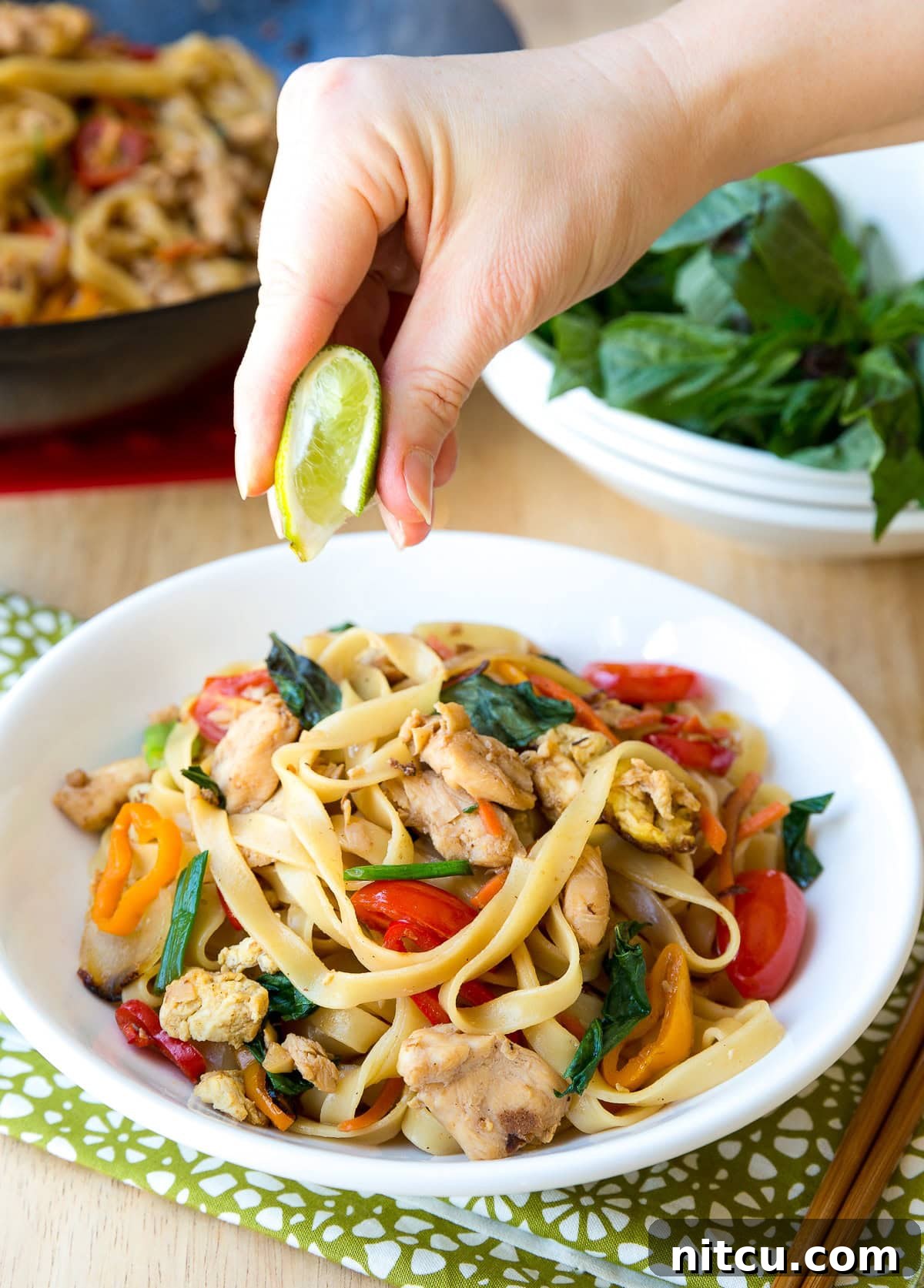
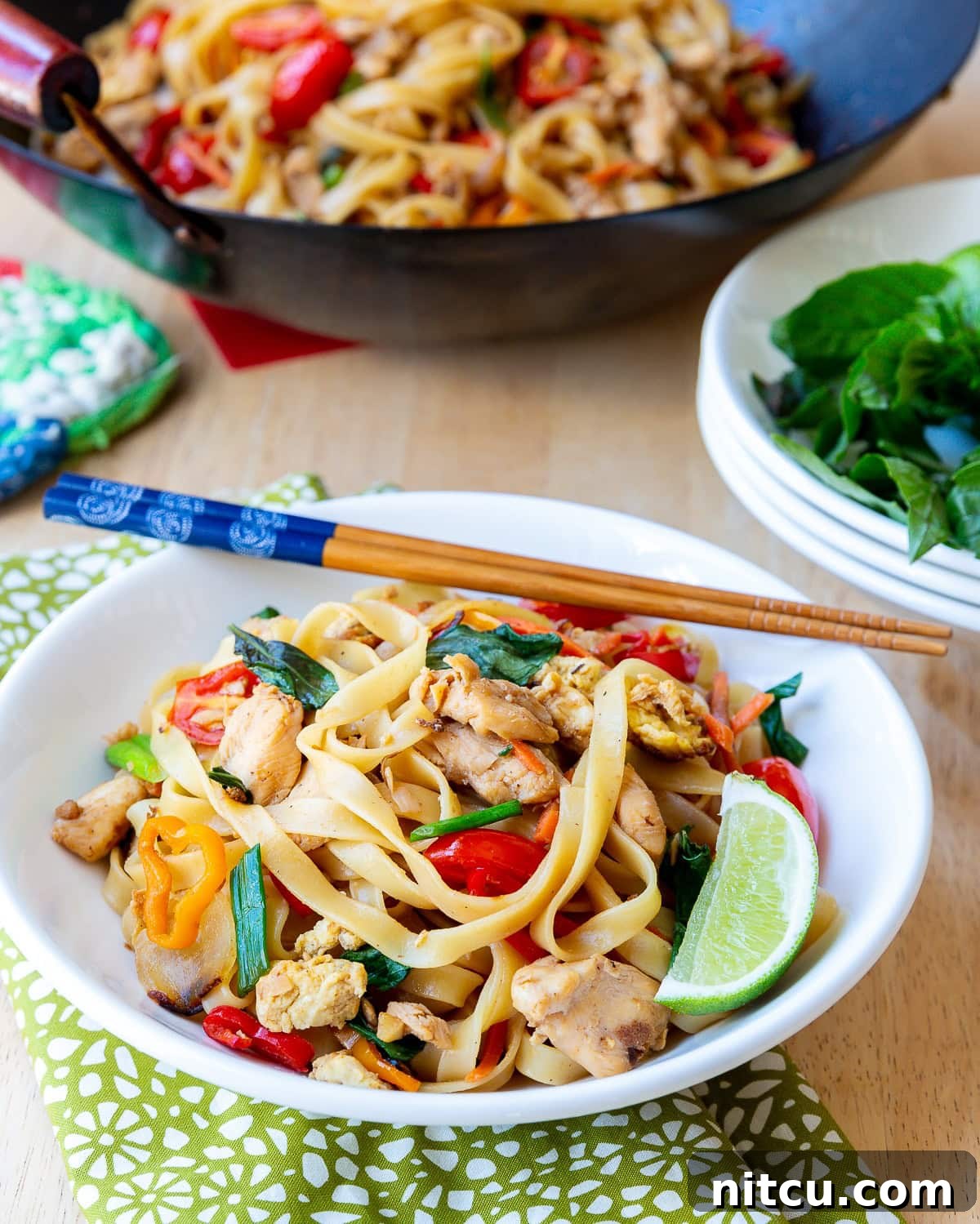
- Serve Immediately: Remove the wok from the heat and transfer the Drunken Noodles to serving bowls. Garnish with fresh lime wedges on the side. A squeeze of lime juice just before eating will add a final burst of freshness that brightens the entire dish.
Your homemade, authentic Pad Kee Mao (Drunken Noodles) is now ready to impress! Enjoy!
Expert Tips & Tricks for the Perfect Pad Kee Mao
- Prep Everything Ahead (Mise en Place): This cannot be stressed enough for stir-fries. Have all your meat sliced, vegetables chopped, and sauce mixed *before* you even turn on the heat. Stir-frying is a rapid process, and you won’t have time to chop while cooking.
- High Heat is Key: A wok or large skillet needs to be screaming hot to achieve that desirable smoky “wok hei” flavor and prevent ingredients from steaming instead of stir-frying. Don’t be afraid of the heat!
- Don’t Overcrowd the Wok: Cook in batches if necessary, especially if using a smaller skillet. Overcrowding lowers the pan temperature and leads to soggy rather than crispy vegetables and well-seared protein.
- Noodle Choice Matters: Fresh wide rice noodles (sometimes labeled “ho fun” or “chow fun” noodles) offer the best texture. If using dried, soak them until pliable but still slightly firm, as they will finish cooking in the wok. Avoid over-soaking, which leads to mushy noodles.
- Embrace the Thai Basil: This herb is essential for the authentic taste of Pad Kee Mao. Its unique flavor profile, a mix of sweet, peppery, and anise, truly elevates the dish. Stir it in at the very end to preserve its fresh, aromatic qualities. If Thai basil is absolutely unavailable, regular sweet basil can be a distant substitute, but the flavor will be noticeably different.
- Adjust the Spice to Your Liking: The beauty of homemade Pad Kee Mao is customizing the heat. Start with fewer Thai chilies (e.g., 1 chili) and taste as you go. For extra heat, finely slice additional chilies or add a dash of chili flakes at the table. For a milder version, remove the seeds from the chilies or use jalapeños.
- Vary Your Vegetables: While carrots and bell peppers are classic, feel free to add other quick-cooking vegetables like snow peas, broccoli florets, bok choy, mushrooms, or baby corn. This is a great way to add nutrients and color.
- Protein Power: Don’t limit yourself to chicken! Shrimp, thinly sliced beef (sirloin or flank steak), pork, or even a mix of seafood can be fantastic in Pad Kee Mao. For a vegetarian option, extra-firm tofu, pressed and cubed, works wonderfully.
- Don’t Add Extra Salt: The fish sauce, oyster sauce, and Maggi/Golden Mountain sauce are all inherently salty. Taste the dish before considering any additional seasoning.
Frequently Asked Questions About Pad Kee Mao (Drunken Noodles)
What exactly are Pad Kee Mao (Drunken Noodles)?
Pad Kee Mao, or Drunken Noodles, is a popular Thai stir-fried noodle dish characterized by its bold flavors: spicy, savory, slightly sweet, and aromatic from fresh Thai basil. It typically features wide rice noodles, a protein (like chicken, beef, or shrimp), vegetables, and a unique sauce blend including fish sauce, oyster sauce, and soy sauce.
Is it possible to cook Pad Kee Mao without a wok?
Absolutely! While a wok is ideal for its high heat distribution and curved shape, which facilitates stir-frying, you can definitely use a large, heavy-bottomed skillet or a Dutch oven. The key is to ensure your pan is very hot and to avoid overcrowding it. If your skillet is smaller, cook ingredients in batches (e.g., eggs, then chicken, then vegetables) and then combine them all with the noodles and sauce at the end. This prevents steaming and ensures a proper stir-fry.
How can I make Vegetarian or Vegan Drunken Noodles?
Making Pad Kee Mao vegetarian or vegan is simple and delicious!
- Protein Substitute: Replace chicken breast with pressed extra-firm tofu (cubed or crumbled), hearty mushrooms (like shiitake or oyster mushrooms), or even squash. Marinate your tofu in a little of the sauce before cooking for extra flavor.
- Sauce Adjustments: For a vegan version, you’ll need to find vegan oyster sauce (often mushroom-based) and ensure your fish sauce substitute is plant-based (there are several excellent vegan “fish sauces” available made from seaweed or fermented soybeans).
With these simple swaps, you can enjoy a healthy and flavorful plant-based Pad Kee Mao.
Is Pad Kee Mao a Gluten-Free dish?
It certainly can be! The wide rice noodles traditionally used in Pad Kee Mao are naturally gluten-free. The main area of concern lies with the sauces. Always carefully read the ingredient labels on your oyster sauce, fish sauce, and Maggi/Golden Mountain sauce. Most brands of fish sauce are naturally gluten-free. For oyster sauce, look for brands specifically labeled “gluten-free,” as some may contain wheat-based thickeners. Similarly, many Maggi or Golden Mountain sauces contain wheat; you’ll need to seek out gluten-free tamari or specific gluten-free soy-based sauces as substitutes to ensure the entire dish is gluten-free.
How long can this dish be stored, and can it be frozen?
If stored promptly in an airtight container in the refrigerator, Pad Kee Mao leftovers will remain fresh and delicious for 3-4 days. Reheat gently in a wok or microwave, adding a splash of water or broth if it seems dry. However, rice noodles tend to become mushy and lose their texture when frozen and then thawed. Therefore, it is not recommended to freeze this dish if you want to maintain its quality.
What’s the difference between Thai basil and regular basil?
While both are members of the basil family, Thai basil and common “sweet basil” (Genovese basil) have distinct flavor profiles. Thai basil boasts a more robust, peppery flavor with pronounced notes of anise or licorice. This unique characteristic is crucial for the authentic taste of Pad Kee Mao, providing a slightly spicy, complex aroma that beautifully complements the chilies. Sweet basil, on the other hand, is milder, with sweeter, clove-like notes. If Thai basil is unavailable, sweet basil can be used as a substitute, but be aware that the dish’s overall flavor will be subtly different, lacking that signature anise kick.
Are there other protein or vegetable variations for Pad Kee Mao?
Absolutely! Pad Kee Mao is incredibly versatile. You can easily switch up the protein by using thinly sliced pork, tender beef, succulent shrimp, or mixed seafood. For an extra spicy kick, finely chop some Thai Bird’s Eye chilies and sprinkle them over the top just before serving, or add a dash of your favorite chili oil. As for vegetables, feel free to get creative! Broccoli florets, snow peas, baby corn, bamboo shoots, and various mushrooms are all excellent additions that cook quickly and absorb the rich flavors of the sauce.
Looking for More Asian-Inspired Recipes? Be Sure to Also Try:
- Paleo Cauliflower Fried Rice
- Homemade Chinese Dumplings Recipe
- Authentic Bánh Xèo Recipe (Vietnamese Crepes)
- Better-Than-Takeout Orange Chicken
- Savory Korean Veggie Pancakes (Pajeon)
- Thai Baked Turkey Meatballs
- Elegant Hamachi Crudo (Yellowtail Crudo)
- Skinny Orange Chicken – From Add A Pinch
- Hoisin Caramelized Salmon Sesame Soba Noodles – From Half Baked Harvest
- Take-Out Fake-Out Crispy Beef – From Table for Two Blog
Pad Kee Mao Recipe (Drunken Noodles)
An Asian “fusion food” favorite that combines multicultural attributes in a comforting and healthy way. This Thai-influenced Pad Kee Mao is the perfect balance of spicy and slightly sweet flavors.
Prep Time: 20 minutes
Cook Time: 20 minutes
Total Time: 40 minutes
Servings: 8
Ingredients
For the Sauce:
- 1/4 cup oyster sauce
- 1/4 cup fish sauce
- 2 tablespoons fresh lime juice
- 2 tablespoons Maggi Sauce or Golden Mountain Sauce
- 2 tablespoons brown sugar
For the Drunken Noodles:
- 1 pound wide rice noodles (or egg noodles)
- 1 pound chicken breast, sliced into thin bite-size pieces
- 3 eggs, beaten
- 1 small onion, peeled and chopped
- 4 cloves garlic, minced
- 1 – 3 Thai chilies or 1 – 2 jalapeños, seeded and sliced thin (adjust to taste)
- 1 cup shredded carrots
- 1 cup red bell pepper, seeded and sliced thin (or any color peppers you like)
- 1 cup grape tomatoes, halved
- 1 cup loose Thai basil leaves
- 1 cup green onion tops, cut into 1-inch pieces
- Coconut oil for cooking
- Lime wedges for garnish
Instructions
- Whisk the sauce ingredients together in a small bowl. Place the sliced chicken in another bowl and spoon 3 tablespoons of sauce over the top to marinate. Mix well and set aside.
- Chop the rest of the ingredients while the chicken marinates. Boil a large pot of water and cook the noodles according to the package instructions until al dente. Drain thoroughly.
- Meanwhile, heat a wok or a large skillet to high heat. Add a teaspoon of coconut oil to the skillet and quickly scramble the eggs until just set. Push the eggs up the side of the wok. Add the chopped onions, Thai chilies (to your preferred heat level), and minced garlic. Stir-fry for 2 minutes until fragrant. Then add the marinated chicken and another teaspoon of oil if needed. Stir-fry until just barely cooked through (3-5 minutes). Push this mixture up the side of the wok. *If using a skillet, transfer the cooked items to a separate dish and add them back to the skillet after the noodles to prevent over-cooking.
- Now add the bell peppers and carrots to the hot wok. Stir-fry for 2 minutes until they are tender-crisp. Then, mix all the ingredients (including those pushed to the side, or returned from the separate dish) and pour the drained noodles over the top.
- Add the remaining sauce, fresh Thai basil leaves, halved grape tomatoes, and green onions. Toss and stir-fry vigorously for another minute, ensuring everything is well combined and heated through.
- Remove from heat and serve warm immediately with fresh lime wedges for an optional squeeze of citrus.
Notes
Keep Pad Kee Mao leftovers stored in an airtight container in the refrigerator for up to 3-4 days. It is not recommended that you freeze rice noodle dishes, as the texture of the noodles will significantly degrade upon thawing.
Nutrition Information (Approximate per serving)
Serving: 1 serving, Calories: 357kcal, Carbohydrates: 52g, Protein: 24g, Fat: 6g, Saturated Fat: 2g, Cholesterol: 145mg, Sodium: 927mg, Potassium: 635mg, Fiber: 4g, Sugar: 8g, Vitamin A: 3855IU, Vitamin C: 37.6mg, Calcium: 73mg, Iron: 2.4mg
Course: Main Course
Cuisine: American, Asian, Thai
Author: Sommer Collier