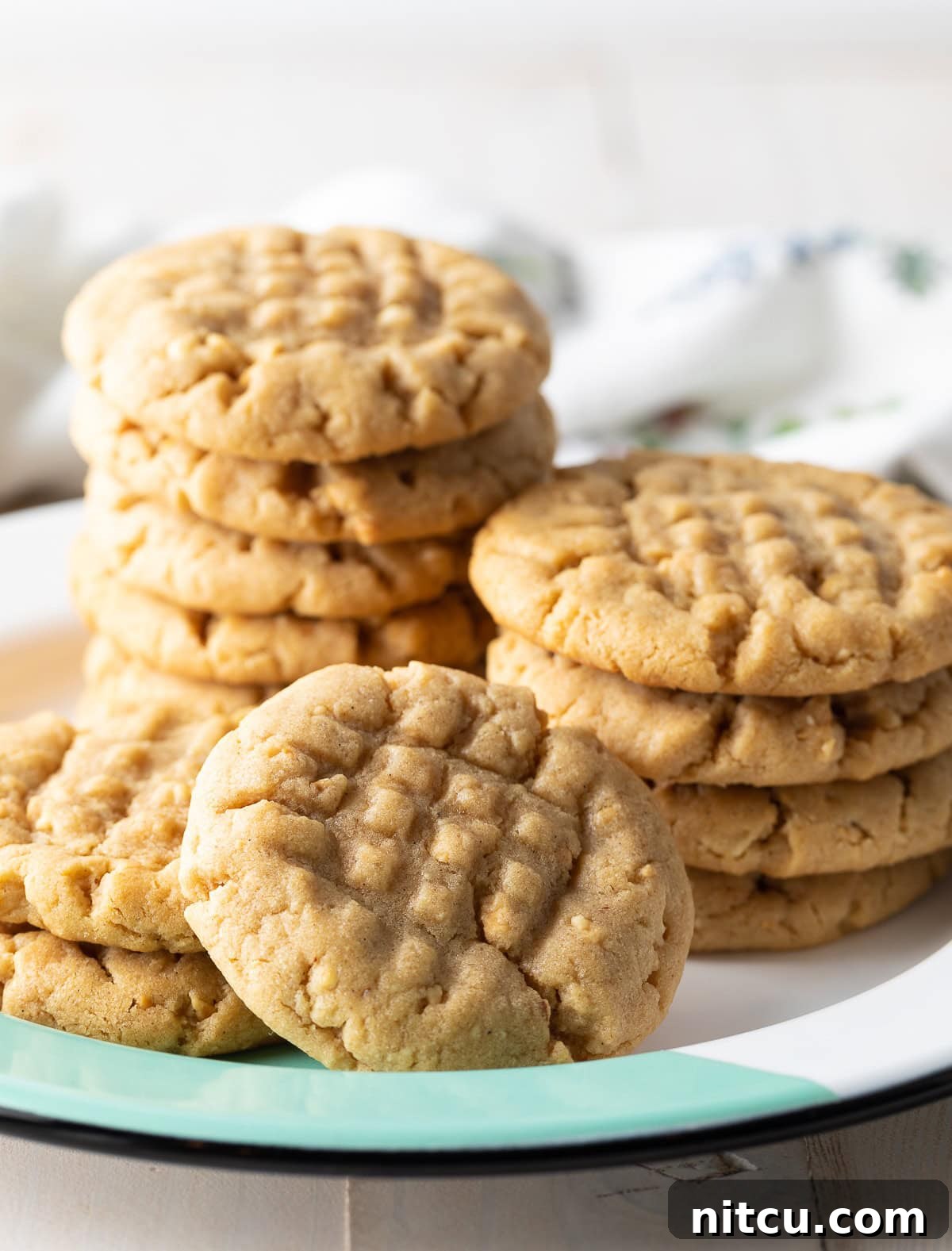
There’s something truly magical about a warm, freshly baked peanut butter cookie. Over the years, I’ve experimented with countless recipes, but this easy guide to making the best peanut butter cookies has consistently delivered unparalleled results. It features a special secret ingredient that ensures every batch is incredibly soft, richly flavored, and utterly irresistible. The simplicity of this recipe, combined with its flawless outcome, makes it my absolute go-to whenever I crave a classic, comforting homemade dessert that truly hits the spot.
Homemade Peanut Butter Cookies: A Recipe Worth Sharing
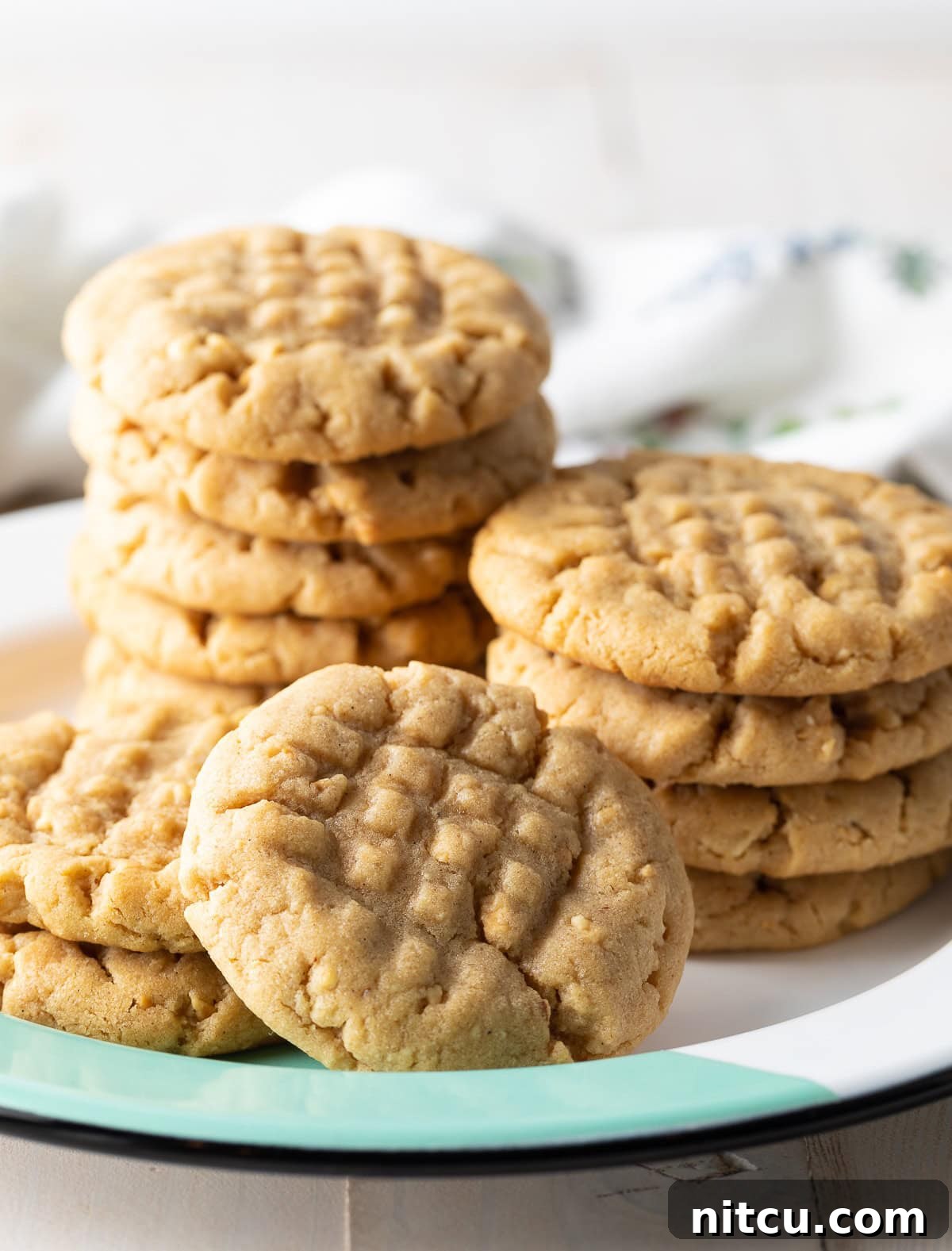
When it comes to cookies, Peanut Butter Cookies hold a special place in my heart—they might just be my all-time favorite variety. While I’ve praised other recipes before, I genuinely mean it this time: these homemade delights are in a league of their own. If I’m dedicating time to bake from scratch, I don’t settle for “good.” I aim for awesome, mind-blowing, impossibly ethereal cookies. And that’s precisely how I feel about this recipe for the best peanut butter cookies. They aren’t merely good; they are, dare I say, borderline addictive. If you’re a fan of soft, chewy cookies and, like many, have a deep affection for peanut butter, then prepare to meet your new favorite cookie recipe. This isn’t just baking; it’s crafting an experience.
Anna – ⭐⭐⭐⭐⭐ “Hands down the best peanut butter cookies I’ve ever had the pleasure of sinking my teeth into! I followed the recipe exactly, only slightly reducing the white sugar. My kids absolutely loved making the fork presses. 13/10 will definitely devour again!”
Table of Contents
- Homemade Peanut Butter Cookies: A Recipe Worth Sharing
- The Secret to Ultimate Peanut Butter Flavor & Texture
- Essential Ingredients for Perfect Peanut Butter Cookies
- Step-by-Step Guide: Crafting Your Best Peanut Butter Cookies
- Baking Wisdom: Expert Tips for Flawless Cookies
- Proper Storage for Lasting Freshness
- Frequently Asked Questions About Peanut Butter Cookies
- More Top Cookie Recipes You’ll Love
- Best Peanut Butter Cookies Recipe Card

The Secret to Ultimate Peanut Butter Flavor & Texture
I’ve refined this classic chewy peanut butter cookie recipe for over a decade, not because it’s inherently complex or calls for exotic ingredients, but because achieving true perfection takes time and dedication. Much like my beloved chocolate peanut butter spider cookies, this recipe has been meticulously tweaked and tested until I finally felt it reached the pinnacle of peanut butter cookie excellence. Now, I’m thrilled to share this culinary masterpiece with you.
Before we dive deeper, let’s agree on two common challenges faced by many peanut butter cookie recipes:
- Sometimes, soft and fluffy peanut butter cookies, despite their appealing texture, lack that crucial, intense peanut butter flavor. They just don’t have enough peanuttiness, which is, after all, the entire point of a peanut butter cookie.
- Conversely, when you add enough creamy peanut butter to achieve that coveted peanut essence, the cookie dough often becomes too dense, resulting in a finished cookie with a heavy, sometimes clay-like texture rather than a light, airy chew.
Are you nodding in agreement? Many bakers have experienced this dilemma. To create the ultimate flavor and texture, I needed a way to amplify the peanut flavor without compromising the delicate cookie texture by adding more creamy peanut butter. The solution, my friends, is surprisingly simple yet incredibly effective: finely ground peanuts.
By incorporating ground dry roasted peanuts directly into the cookie dough, you infuse the cookies with an intense, authentic peanut flavor that creamy peanut butter alone can’t achieve, all while preserving that coveted soft and chewy texture. Yes, this means one extra ingredient, but isn’t a jar of dry roasted peanuts a staple in most pantries? This small addition elevates a simple cookie into an extraordinary treat.
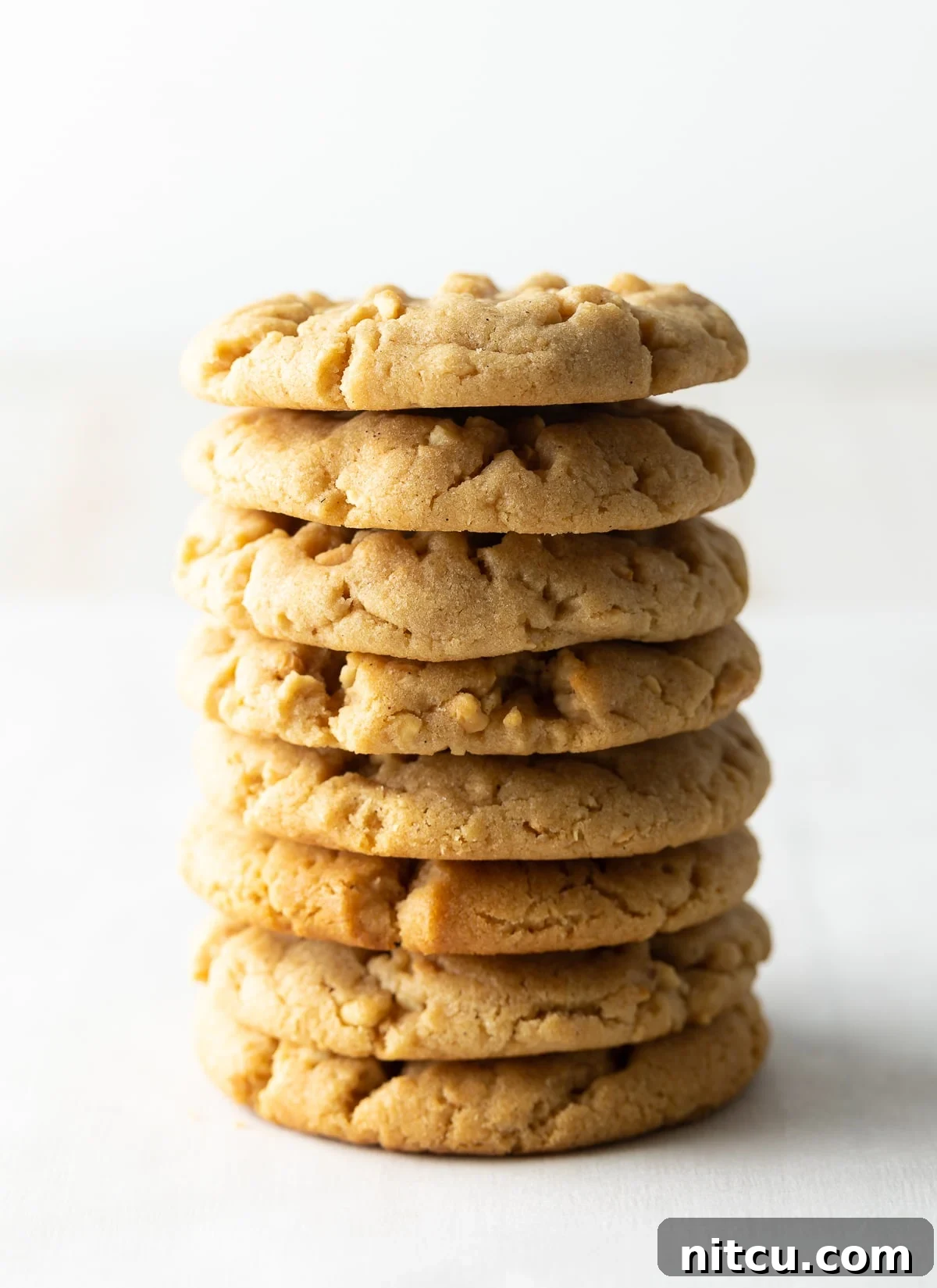
This homemade peanut butter cookie recipe remains an easy, pantry-friendly option, yet it delivers so much more. Each bite offers a bold, nutty explosion, a delightful balance of soft and chewy textures, crisp edges, a hint of salt, and sweet vanilla undertones. What’s more, these cookies maintain their fabulous texture for days, making them perfect for sharing (or secretly stashing away!). You’re welcome. *wink*
Essential Ingredients for Perfect Peanut Butter Cookies
Crafting the perfect peanut butter cookie starts with understanding the role of each ingredient. Here’s a detailed look at what you’ll need and how to get the best results:
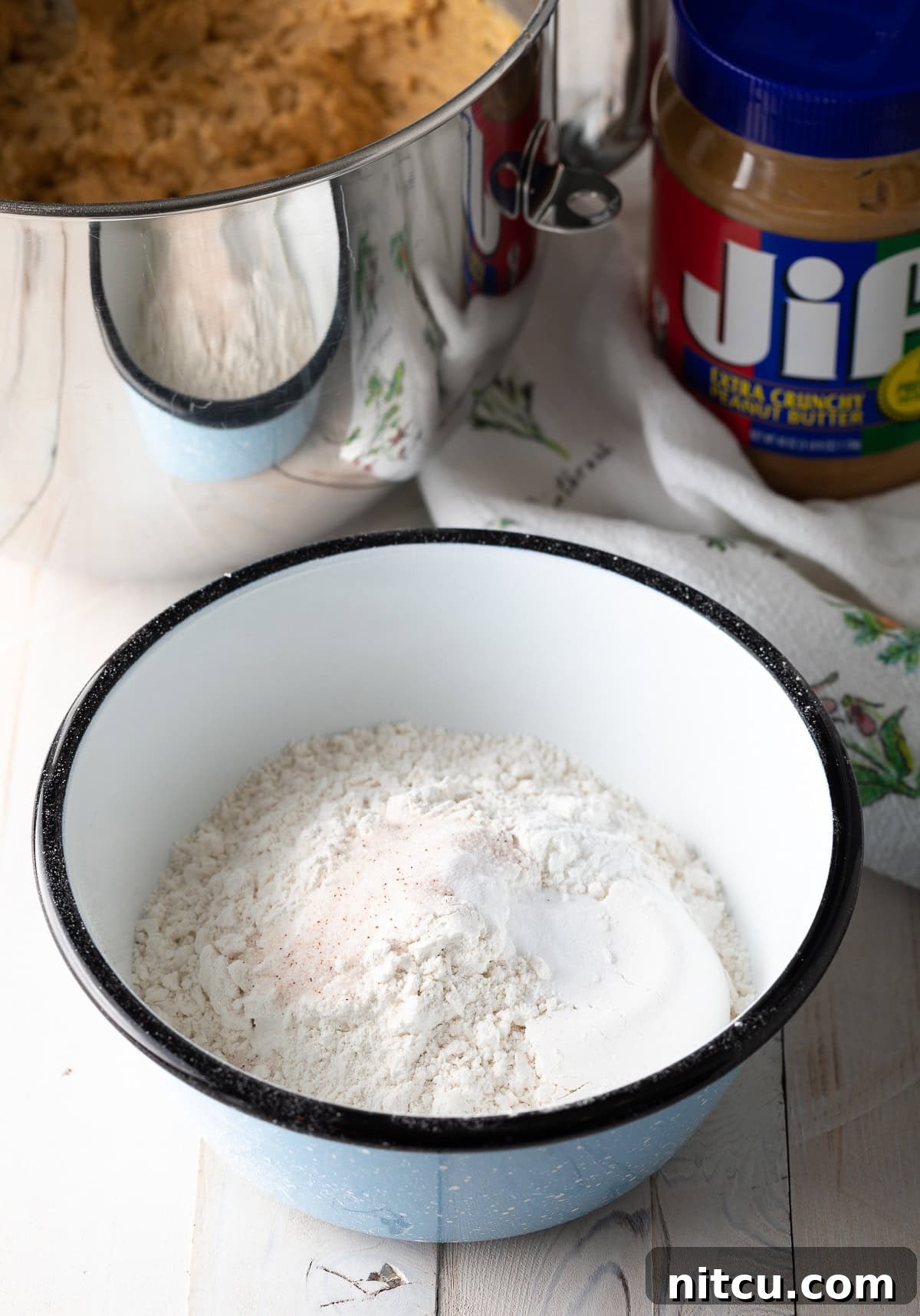
- All-Purpose Flour: Precision is paramount here. The most common baking error is incorrectly measuring flour. To avoid dense or dry cookies, always fluff the flour in its bag or container, then gently spoon it into your measuring cups, and finally, level off the top with a straight edge. This prevents overpacking and ensures the correct ratio.
- Baking Powder and Baking Soda: These two leavening agents work in tandem to give this relatively dense cookie dough the perfect lift and tender crumb. Baking soda reacts with the acidic brown sugar, while baking powder provides consistent rise, resulting in a wonderfully soft interior.
- Unsalted Butter: Always opt for unsalted butter when baking. This gives you complete control over the salt content in your recipe, allowing you to fine-tune the flavor profile. Ensure your butter is softened to room temperature for optimal creaming with the sugars.
- Granulated Sugar and Brown Sugar: The combination of both sugars is crucial for the ideal cookie. Granulated sugar contributes to a beautifully crisp, golden-brown exterior and helps the cookies spread. Brown sugar, with its molasses content, adds a rich, deep flavor, moisture, and a delightful chewiness that is characteristic of the best peanut butter cookies.
- Extra-Crunchy Peanut Butter: For this recipe, stick to classic, well-known brands like Jif or Peter Pan. Their consistency and flavor are reliable for baking. Save your expensive, natural, oil-separated peanut butter for spreading on toast, as its texture can alter the cookie dough significantly. The ‘extra-crunchy’ variety adds a subtle textural contrast without needing more whole peanuts.
- Vanilla Extract: A generous amount of pure vanilla extract is vital. It doesn’t just add its own wonderful aroma and flavor; it also subtly enhances and accentuates the rich, nutty notes of the peanut butter, bringing a harmonious balance to the cookie.
- Dry Roasted Peanuts: This is our game-changing “secret ingredient.” I typically use salted dry roasted peanuts, which add another layer of flavor and balance the sweetness. If you use unsalted peanuts, simply add an extra 1/4 teaspoon of salt to the dry ingredients mixture to compensate. Grinding these peanuts will supercharge the peanut flavor without altering the cookie’s texture negatively.
Step-by-Step Guide: Crafting Your Best Peanut Butter Cookies
Making these irresistible peanut butter cookies is a straightforward process, but paying attention to each step ensures outstanding results. Here’s how I make them:
Creaming the Butter and Sugars: I begin by beating the softened unsalted butter with both granulated and brown sugars at high speed. This step is crucial and should not be rushed. I let the mixer run for a full 3 to 5 minutes until the mixture transforms into a noticeably lighter, fluffy, and airy consistency. This thorough creaming incorporates air, which contributes to the cookies’ light texture, and it also helps to dissolve the sugar crystals, creating that perfect soft-in-the-middle, chewy-around-the-edges texture. If it still looks dense or grainy, keep beating! This is often the difference between good cookies and truly great cookies.
Mixing Dry Ingredients: In a separate bowl, I whisk together all the dry ingredients: all-purpose flour, baking powder, baking soda, and salt. This seemingly simple step is vital for ensuring that everything is evenly distributed throughout the dough. Nobody wants a bite of cookie that’s overly salty or has an inconsistent texture. Whisking also helps to aerate the flour slightly, which contributes to a more tender final cookie.
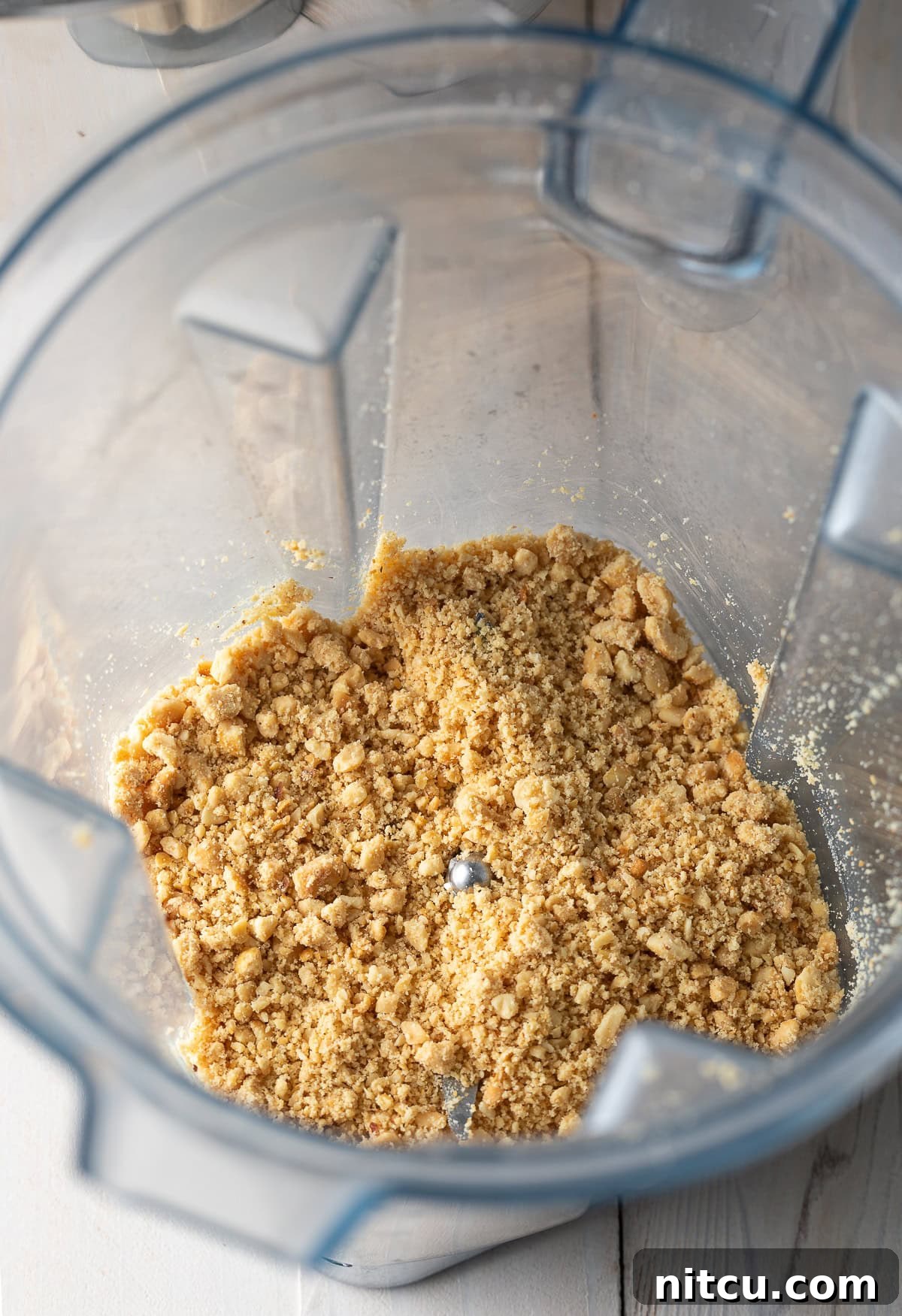
Grinding the Peanuts: This is where the magic happens! I add the dry roasted peanuts to my food processor or blender and pulse them until they form a fine, powdery consistency. The goal is to achieve fine crumbs, not a paste. This process extracts the intense, concentrated peanut flavor that makes these cookies truly stand out. A key tip here: be careful not to over-process them, or you’ll accidentally end up with natural peanut butter, which is not what we want for the dough’s texture.
Combining Wet and Dry: Next, I gradually add the whisked dry ingredients to the creamed wet ingredients. I mix them together just until they are combined and no streaks of flour remain. It’s crucial to stop mixing as soon as the dough comes together. Overmixing develops the gluten in the flour, which can lead to tough, dense cookies. We want tenderness, not toughness!
Portioning the Dough: I then scoop the dough into even, approximately 2-tablespoon mounds or roll them into neat balls. Consistency in size is key for even baking. If some cookies are larger than others, they will bake at different rates, leading to some being overdone and others undercooked. A good quality cookie scoop is truly my secret weapon for perfectly uniform cookies every single time.
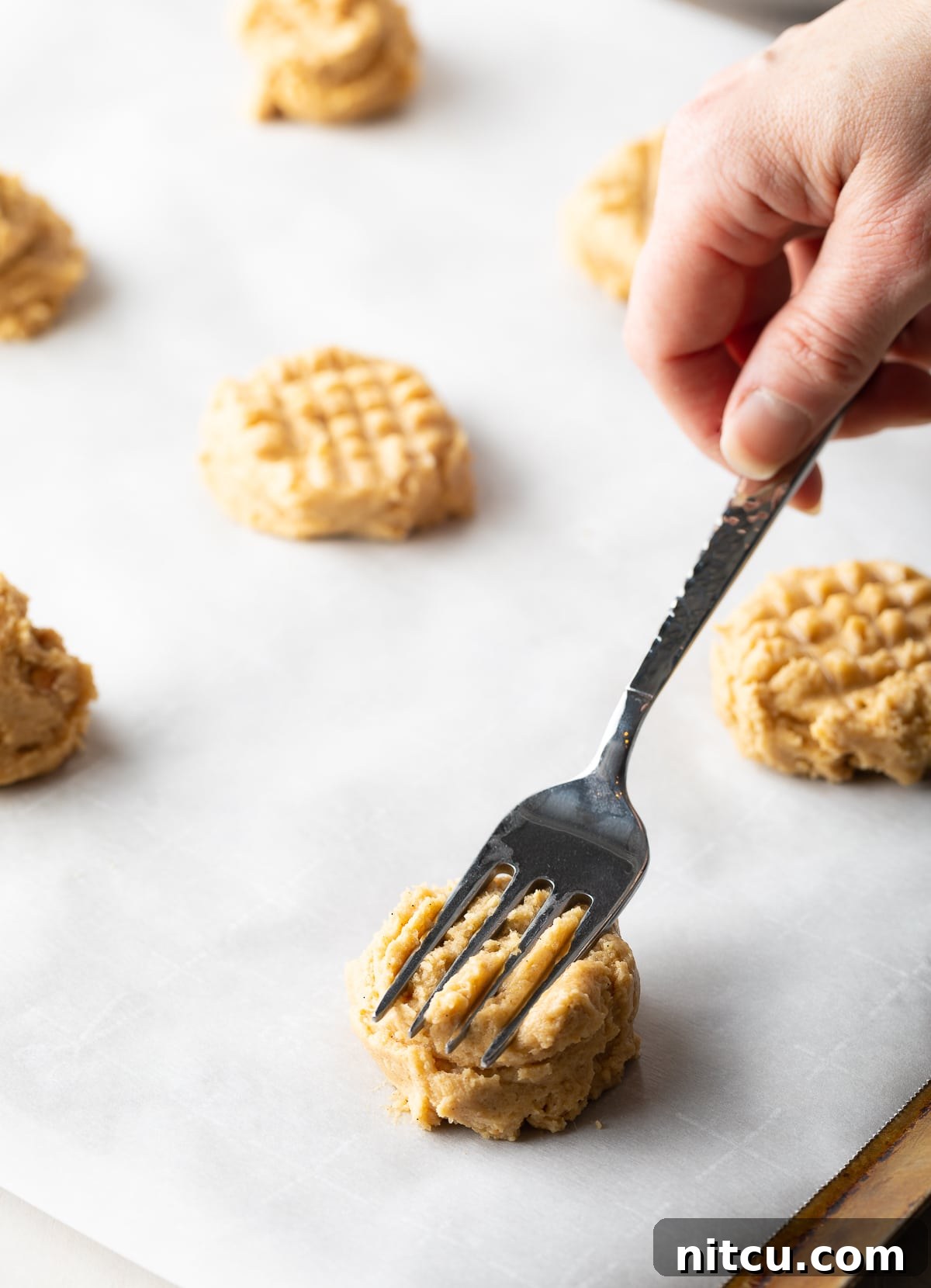
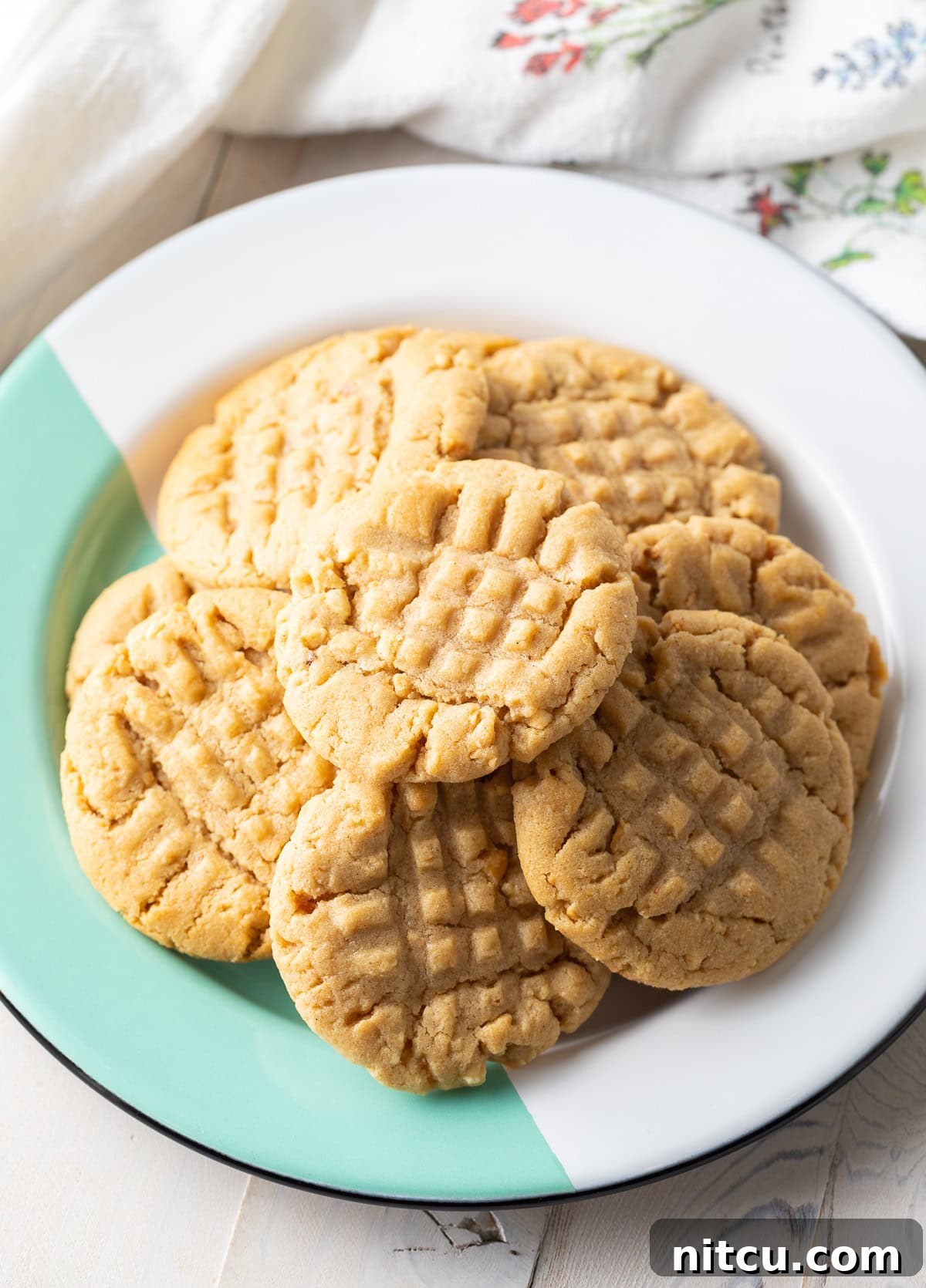
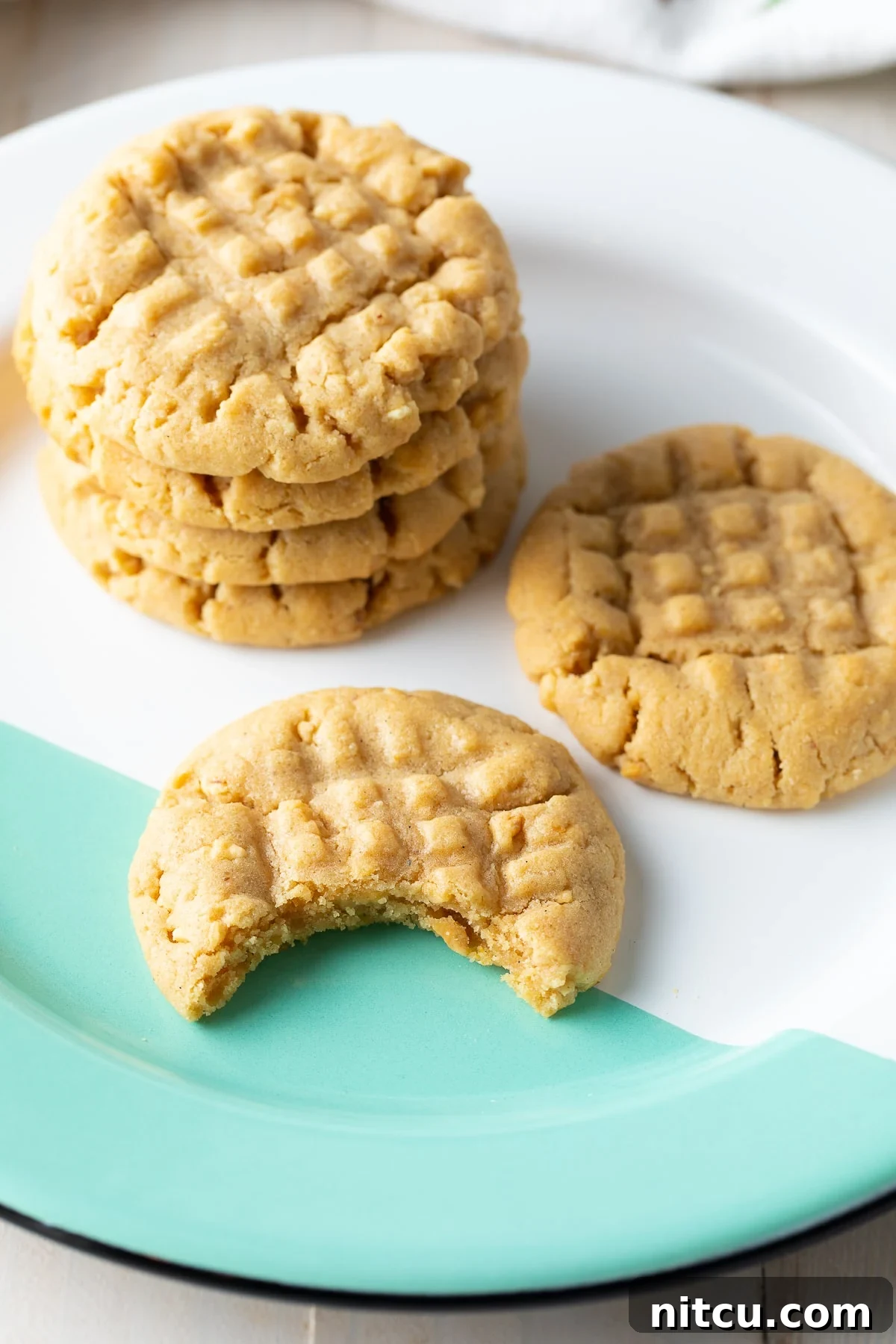
Creating the Criss-Cross Pattern: Using a fork, I gently press the classic criss-cross pattern onto the top of each cookie dough ball. This iconic look isn’t just for nostalgia; it serves a practical purpose. Peanut butter cookie dough is denser than many other cookie types, and pressing them flat helps them to bake more evenly and prevent them from becoming overly spherical and undercooked in the center. Pro tip: if your fork starts to stick to the dough, dip it lightly into a little granulated sugar between presses.
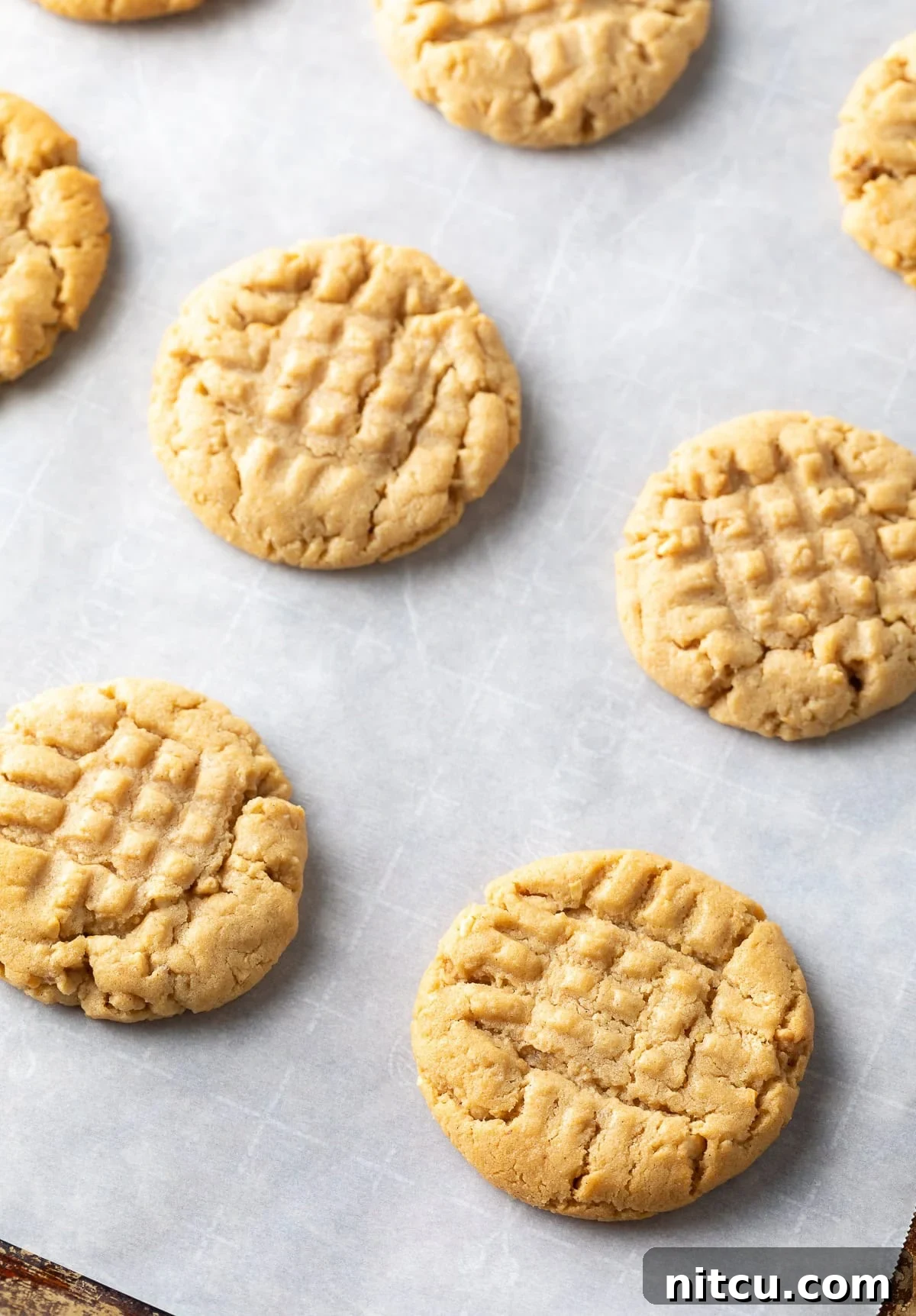
Baking to Perfection: I bake the cookies just until their edges are lightly set and golden. The centers might still appear slightly soft and underbaked when you pull them from the oven, and that’s exactly what you want! They will continue to set and firm up as they cool on the baking sheet. This technique is essential for achieving that sought-after soft, chewy texture rather than dry, crumbly, overbaked cookies. Patience during the cooling process is key!
Find the full ingredient proportions, detailed instructions, storage tips, and a video tutorial in the printable recipe card at the bottom of this post.
Baking Wisdom: Expert Tips for Flawless Cookies
Achieving consistently perfect cookies, including these delightful peanut butter ones, often comes down to a few fundamental baking principles. As highlighted earlier, most baking errors stem from inaccurate ingredient measurements or an unreliable oven temperature. By addressing these common pitfalls, you can dramatically improve your baking success.
Mastering Measurement: When measuring dry ingredients, especially flour, precision is your best friend. Always fluff your flour in its container with a spoon or whisk before measuring. Then, gently spoon the flour into your measuring cup, being careful not to pack it down. Finally, level off the top with a straight edge, such as the back of a knife. This method, often called the “spoon and level” technique, prevents you from adding too much flour, which can lead to dense, dry, and crumbly cookies, similar to what you’d want to avoid with my best oatmeal raisin cookies.
Calibrating Your Oven: It’s a widely known fact among bakers that oven thermostats can be notoriously inaccurate, often running hotter or cooler than the set temperature by as much as 50 degrees Fahrenheit. This variance can significantly impact baking times and the final texture of your cookies. To combat this, I highly recommend investing in an inexpensive oven thermometer and checking it regularly. I personally replace mine once a year to ensure optimal temperature regulation. Knowing your oven’s true temperature allows you to adjust baking times accordingly, ensuring your cookies are always perfectly baked—never burnt or undercooked.
Don’t Overmix: As mentioned in the instructions, overmixing the dough after adding the flour can develop gluten, making your cookies tough. Mix just until the ingredients are combined. A few streaks of flour are better than an overmixed, tough dough.
Room Temperature Ingredients: Ensure butter and eggs are at true room temperature. This allows them to emulsify properly with other ingredients, creating a smooth, uniform dough that bakes evenly and produces a tender crumb.
By keeping these expert tips in mind, you’ll be well on your way to baking peanut butter cookies that are not just good, but consistently exceptional.
Proper Storage for Lasting Freshness
These delectable cookies tend to disappear quickly, so you might not have many leftovers to store! However, should you find yourself with a few extra (a rare but delightful problem), proper storage is key to maintaining their deliciousness. Place the cooled peanut butter cookies in an airtight container at room temperature. They will remain wonderfully fresh and soft for up to two weeks. For longer preservation, you can also freeze the baked cookies for up to two months. Simply let them thaw at room temperature when you’re ready to enjoy them again. They’ll taste almost as good as fresh from the oven!
Frequently Asked Questions About Peanut Butter Cookies
The iconic criss-cross pattern on peanut butter cookies is more than just a nostalgic design; it serves a practical purpose rooted in the nature of peanut butter cookie dough. Historically, peanut butter cookie dough is quite dense and has a higher fat content compared to many other cookie doughs. If left as plain dough balls, these cookies tend not to spread much during baking, potentially resulting in unevenly cooked, spherical cookies that are doughy in the center. By pressing them down with a fork into a disc shape with the criss-cross pattern, bakers ensured that the cookies would bake more evenly and thoroughly. It’s a simple, clever technique using a readily available tool. While this particular recipe yields a slightly less dense dough, pressing the cookies into even disks before baking is still an excellent practice to ensure consistent size and optimal baking. Just be careful not to press them too thin, or they might become overly crisp.
To make these delightful cookies, you’ll need a few essential kitchen tools. An electric mixer, whether a handheld one or a stand mixer with a paddle attachment, will make creaming the butter and sugar much easier and more efficient. A large mixing bowl or two will be necessary for combining ingredients. For portioning the dough, a cookie scoop is highly recommended to ensure all your cookies are uniform in size, leading to even baking. Of course, you’ll need sturdy cookie sheets, ideally lined with parchment paper for easy cleanup and to prevent sticking. Finally, a wire rack is essential for cooling the baked cookies, allowing air circulation to prevent them from becoming soggy on the bottom.
Absolutely! You can easily adapt this recipe to be gluten-free. Simply substitute the all-purpose flour with a high-quality 1-to-1 Gluten-Free Baking Flour Mix. Ensure the mix you choose is specifically designed for baking, as some blends work better than others. The texture of the resulting gluten-free cookies will be remarkably close to the original, maintaining that soft, chewy goodness. Additionally, for an even simpler, flourless option, you might want to explore a 3-ingredient Air Fryer Peanut Butter Cookies Recipe, which contains no wheat flour at all!
Yes, you absolutely can! Chocolate and peanut butter are a classic combination, and adding chocolate chips would be a delicious variation. Simply fold in about 1 cup of your favorite chocolate chips (semi-sweet, milk chocolate, or dark chocolate all work well) into the dough during the final mixing stage, just before you scoop and press the cookies. This will add another layer of flavor and a delightful textural element to your already amazing peanut butter cookies.
More Top Cookie Recipes You’ll Love
Best Peanut Butter Cookies Recipe
I’ve made a lot of peanut butter cookies over the years, but this easy peanut butter cookie recipe is truly my favorite. My secret ingredient makes them incredibly soft, rich, and irresistible every time I bake them. I love how simple they are to make, and they always turn out perfect when I’m craving a classic homemade dessert.
Prep Time: 15 minutes
Cook Time: 9 minutes
Total Time: 24 minutes
Servings: 30 cookies
Ingredients
- 2 3/4 cups all-purpose flour
- 1 teaspoon baking powder
- 1/2 teaspoon baking soda
- 3/4 teaspoon salt
- 1 cup unsalted butter, softened
- 1 cup granulated sugar
- 1 cup light brown sugar, packed
- 1 cup extra-crunchy peanut butter
- 2 large eggs
- 1 tablespoon vanilla extract (or vanilla bean paste)
- 1 cup dry roasted peanuts, crushed
Instructions
- Preheat the oven to 350 degrees F (175 C). Line several baking sheets with parchment paper and set aside.
- In an electric stand mixer, combine the softened butter and both sugars. Beat on high speed to cream the butter and sugar for 3-5 minutes, until the mixture is very light and fluffy.
- Meanwhile, in a separate mixing bowl, measure and whisk together the flour, baking powder, baking soda, and salt. When measuring flour, remember to stir it to fluff, then scoop or spoon it into measuring cups, and level each cup for accuracy.
- Place the dry roasted peanuts in a blender or food processor and pulse to grind them into a fine powder. Be careful not to over-process them into a natural peanut butter paste; you want fine peanut crumbs.
- Once the butter mixture is fluffy, scrape down the sides of the mixing bowl with a rubber spatula. Then, beat in the peanut butter, eggs, and vanilla extract until the mixture is very smooth and well combined.
- Turn the mixer to low speed and gradually add in the flour mixture, one scoop at a time, until just incorporated. Scrape the bowl again. Then, add the ground peanut crumbs and mix briefly until just combined. Immediately turn off the mixer to avoid overmixing, which can make the dough tough.
- Portion out even 2-tablespoon balls of dough. Place the dough balls (or mounds) on the prepared baking sheets, spaced approximately 2 1/2 inches apart. It’s important for them to be the exact same size or weight for even baking.
- Set out a glass of water or a bowl of granulated sugar. Dip a large table fork in the water (or sugar) and use it to press a criss-cross pattern onto the top of each cookie. Press the cookies just enough so they are flattened and marked, but do not let them get thinner than 3/4 inch.
- Bake for 9-10 minutes per batch. The cookies will appear slightly under-baked when you remove them from the oven, but their edges should be firm and crisp. Allow the cookies to cool on the warm baking sheets for 5 minutes before carefully transferring them to a wire rack to cool completely.
Notes
Baking Mishaps: Most baking errors occur due to incorrect measuring or faulty oven thermostats. It’s very normal for ovens to run too hot or cool by up to 50 degrees! Consider buying a new oven thermometer once a year to better regulate your oven temperature and ensure consistent baking results.
Nutrition
Serving: 1 cookie
Calories: 236 kcal
Carbohydrates: 26g
Protein: 5g
Fat: 13g
Saturated Fat: 5g
Cholesterol: 30mg
Sodium: 159mg
Potassium: 131mg
Fiber: 1g
Sugar: 15g
Vitamin A: 210IU
Calcium: 24mg
Iron: 1mg
Course: Cookies, Dessert
Cuisine: American
Author: Sommer Collier
Love this recipe? Help it rank on Google – share it with friends and leave a 5-star review!