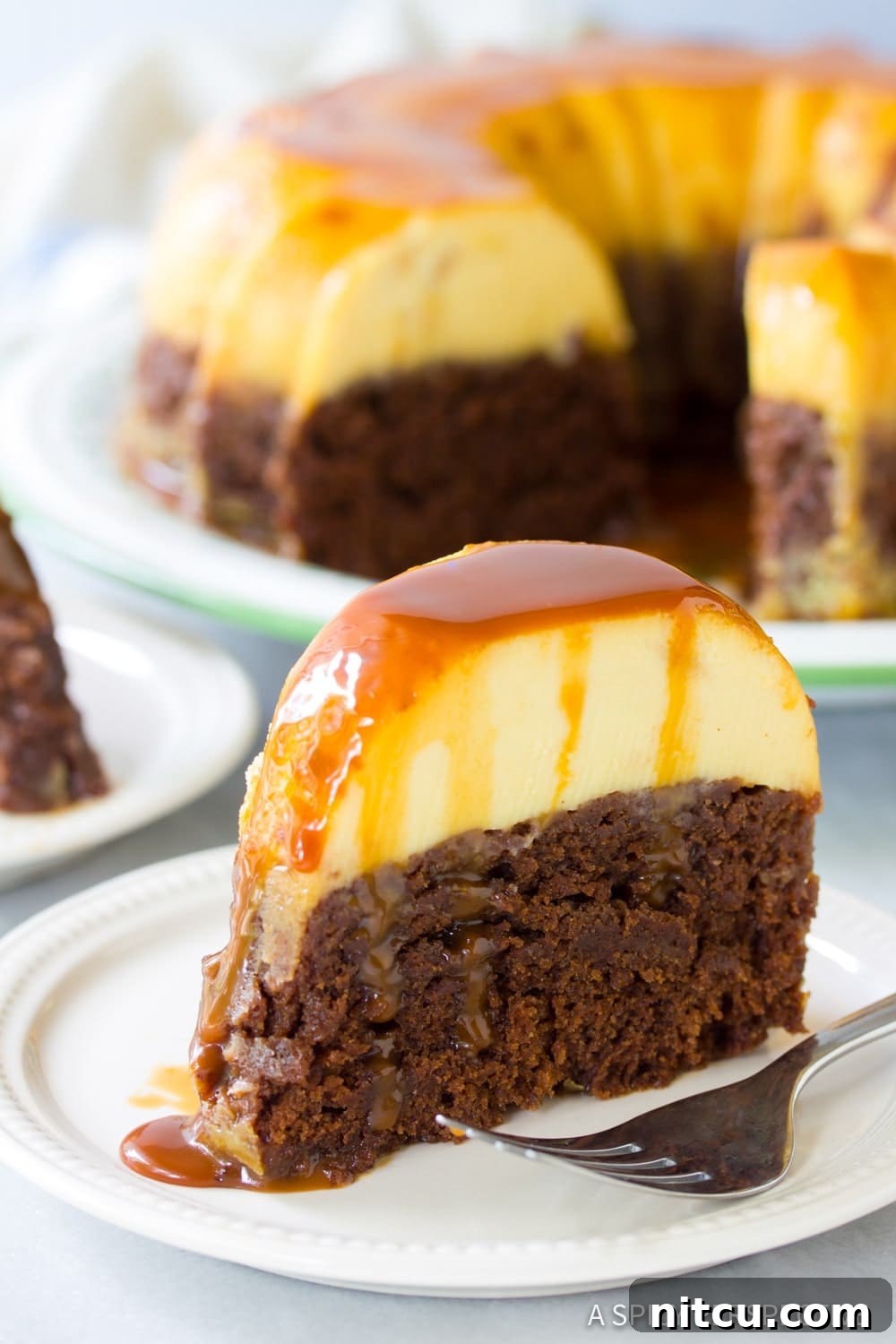
Experience the enchanting Chocoflan Impossible Cake – a Mexican culinary marvel that combines a rich, dense chocolate cake with creamy vanilla flan, all generously draped in a delicate layer of sweet cajeta caramel sauce.
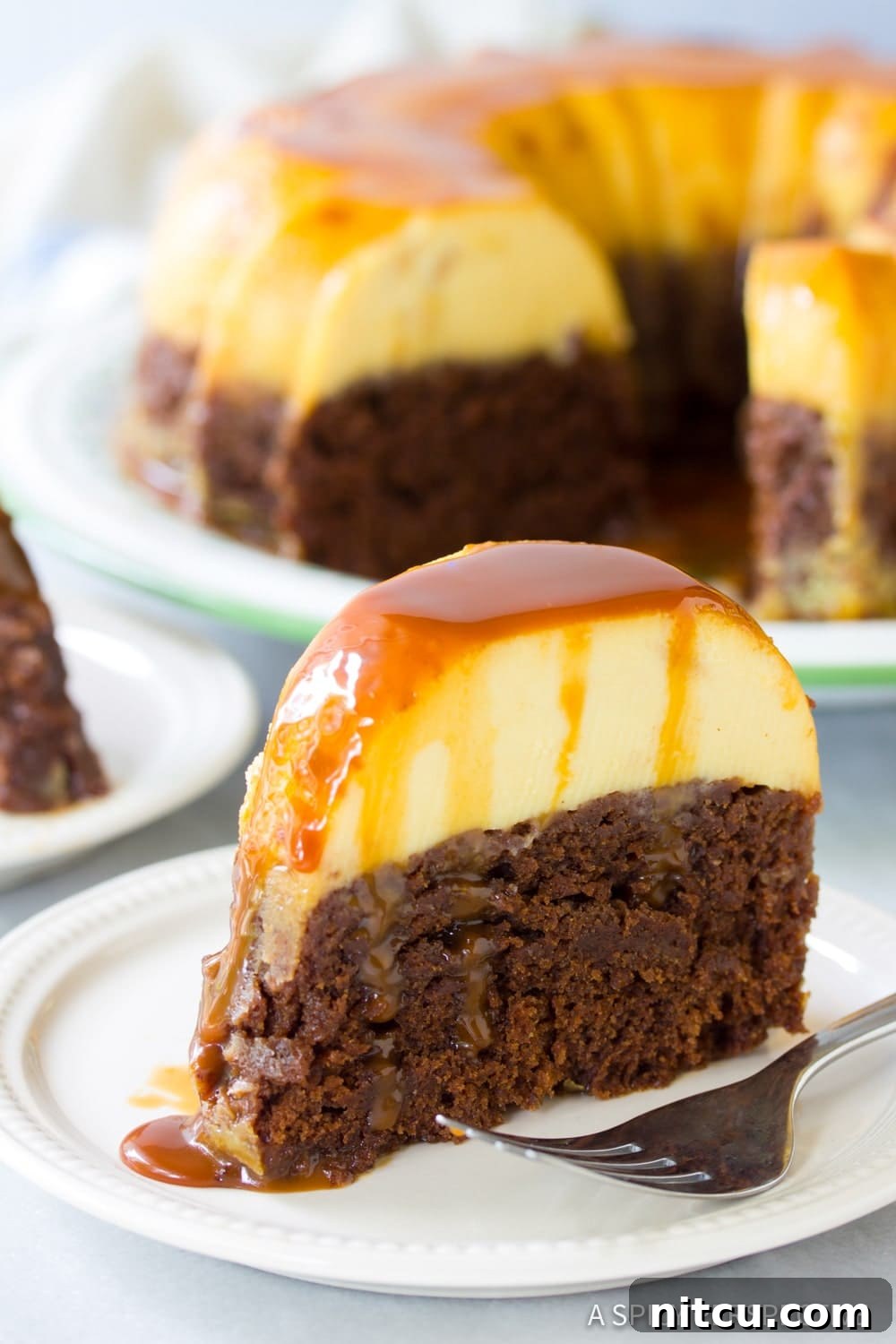
The Magical Chocoflan Impossible Cake: A Culinary Wonder
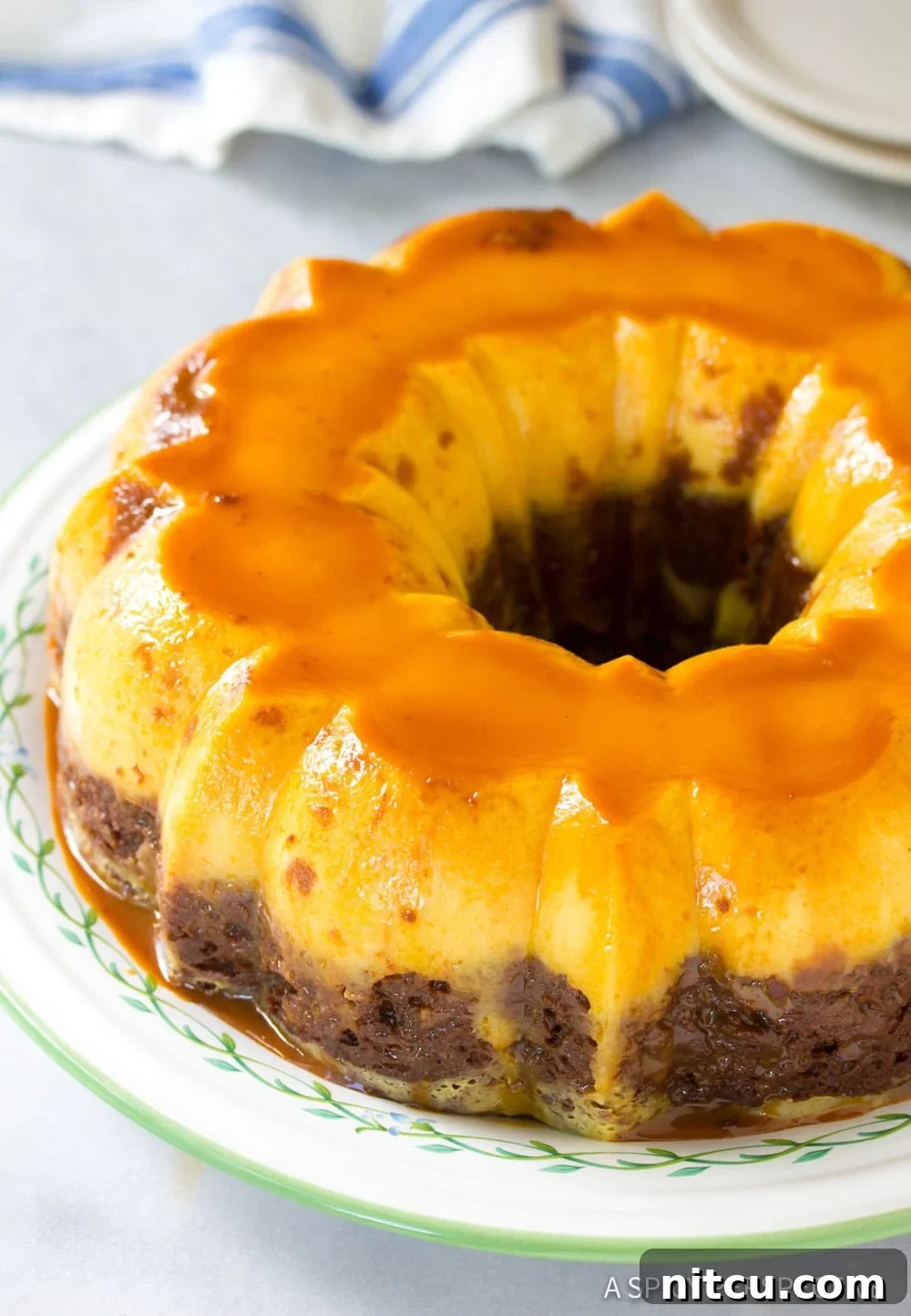
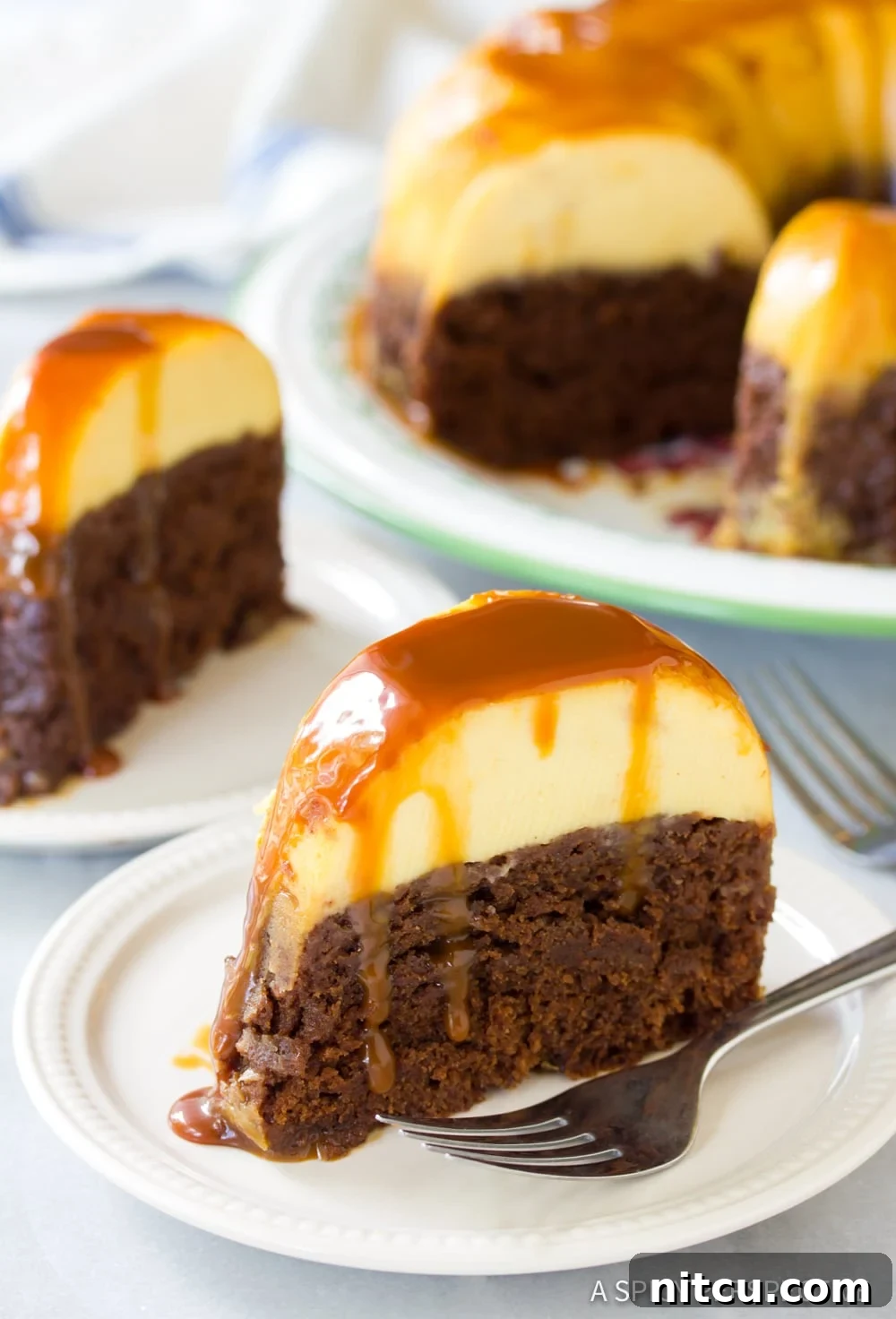
Prepare to be mesmerized by the Chocoflan, often celebrated as an “Impossible Cake.” This exquisite Mexican dessert defies conventional culinary wisdom by performing a seemingly magical inversion of its layers during the baking process. It’s a showstopper, a conversation starter, and an absolute delight for the taste buds. Imagine a deep, dark chocolate cake topped with a silky-smooth vanilla flan, all glistening under a blanket of rich cajeta caramel. This isn’t just a cake; it’s an experience.
What Makes Chocoflan the “Impossible Cake”? The Science Behind the Magic
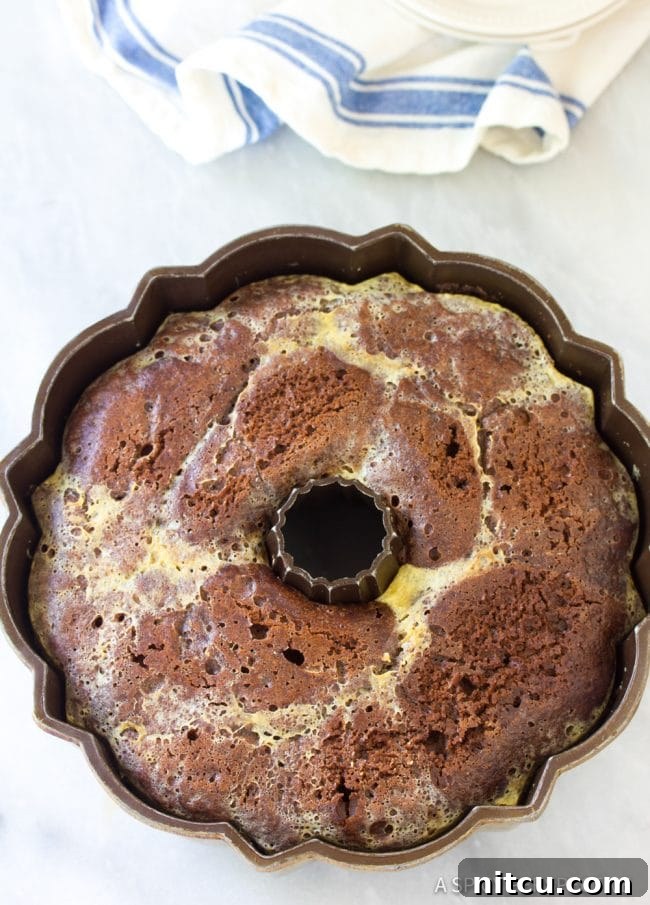
The nickname “Impossible Cake” isn’t just a catchy marketing phrase; it refers to the fascinating transformation that occurs in the oven. When you prepare a Chocoflan, you layer the ingredients in a specific order: first the luscious caramel sauce, then the chocolate cake batter, and finally, the liquid flan mixture. Yet, when this culinary creation emerges from the oven and is inverted onto a serving platter, the layers have completely swapped! The dense chocolate cake is now at the bottom, crowned by the creamy flan, and the caramel sauce cascades gracefully over the entire dessert.
This captivating inversion isn’t magic, but rather a beautiful demonstration of culinary science. The key lies in the differing densities of the two main components. The flan mixture, being denser and heavier than the airy chocolate cake batter, gently sinks through the cake batter during the baking process. As the cake bakes in a water bath (bain-marie), which provides gentle, even heat, the flan settles at the bottom of the pan, effectively pushing the chocolate cake to the top. When the cake is cooled and inverted, the flan forms the top layer, creating an astonishing visual effect that will leave your guests in awe. One bite of this decadent Chocoflan recipe will surely make you a believer in the deliciously “Impossible”!

A Dessert That Looks Complex But Is Surprisingly Easy
Perhaps you’ve always admired the elegant Chocoflan, also known as “Pastel Imposible” in Mexico, but felt intimidated by its intricate appearance. Rest assured, this recipe makes creating your own Chocoflan an achievable and enjoyable experience. Despite its sophisticated presentation, with its distinct dual layers and gleaming caramel glaze, it’s surprisingly straightforward to prepare. While certain steps are crucial for achieving the desired “magic,” none are overly complicated or require advanced baking skills.
This Mexican Impossible Cake offers a perfect symphony of textures and flavors. The moist, rich chocolate cake beautifully complements the delicate, creamy vanilla flan, all elevated by the unique sweetness of cajeta, a traditional Mexican caramel sauce made from goat’s milk. It’s a harmonious blend that creates an impossibly addicting dessert, quite possibly poised to become your new favorite sweet indulgence!
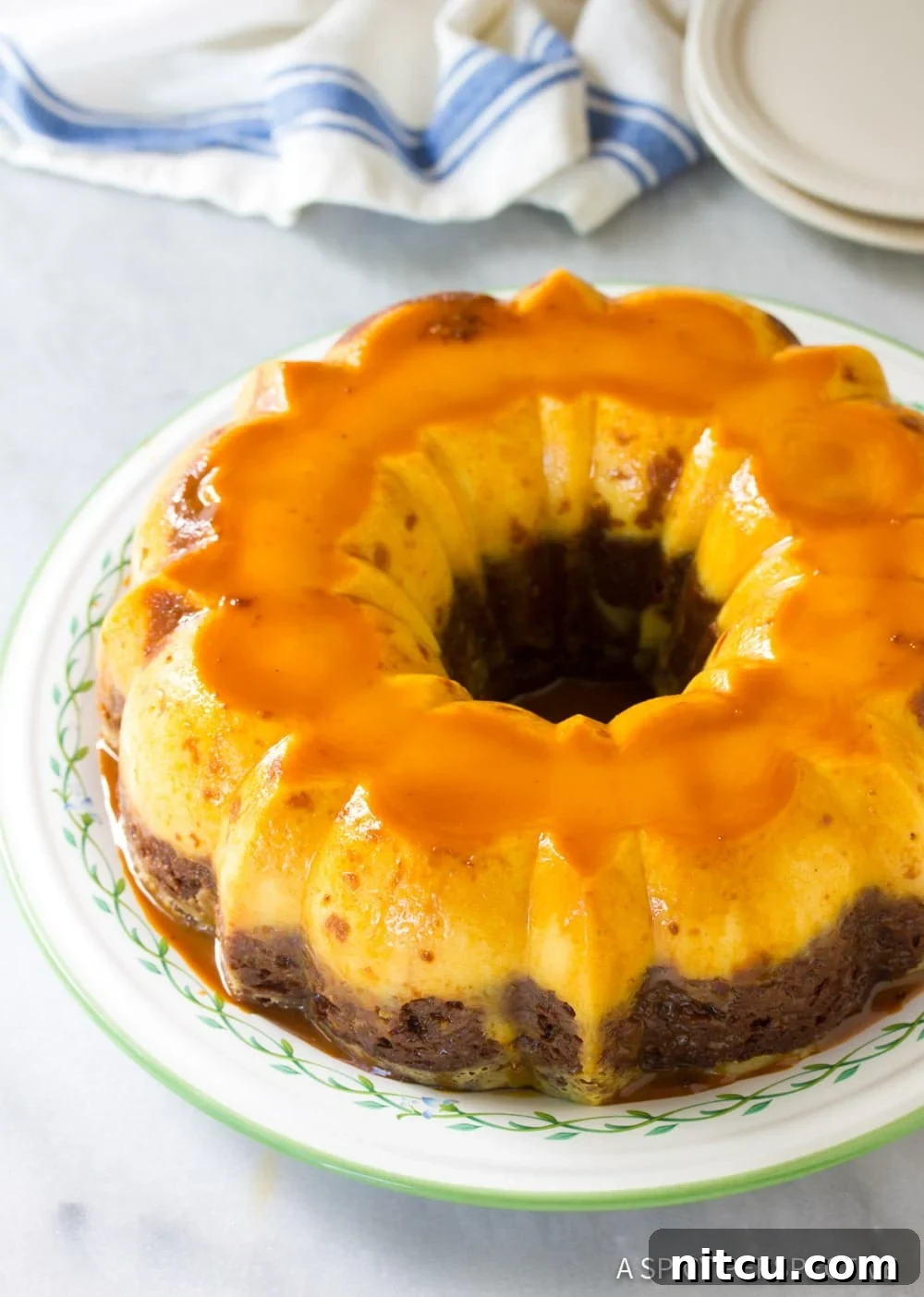
Chocoflan Recipe Ingredients: Building Your Perfect Impossible Cake
Crafting the perfect Chocoflan requires a thoughtful selection of ingredients, each playing a vital role in its unique texture and flavor. Here’s a detailed look at what you’ll need for both the creamy flan and the decadent chocolate cake layers, plus a crucial ingredient for preparing your pan.
For the Flan Layer:
- Sweetened Condensed Milk: This provides the primary sweetness and contributes to the flan’s signature creamy, dense texture. Be careful not to confuse it with evaporated milk, as they have different consistencies and sugar content.
- Evaporated Milk: Adds another layer of creaminess and helps achieve that smooth, custardy consistency that defines a perfect flan.
- Cream Cheese (softened): A secret ingredient for many flan recipes, cream cheese adds an incredible richness and a subtle tang that elevates the flavor profile, ensuring a luxuriously smooth and stable flan.
- Large Eggs: Essential for binding the flan ingredients together and setting it into a firm yet creamy custard during baking. Eggs are the structural backbone of your flan.
- Vanilla Extract: Provides the classic warm, aromatic vanilla flavor. If you can find it, Mexican vanilla extract offers a distinct, often bolder, and more complex vanilla aroma, perfect for authentic Mexican desserts.
For the Chocolate Cake Batter Layer:
- Unsalted Butter (softened): Provides richness and moisture to the cake. Using unsalted butter allows you to control the overall salt content of the recipe.
- Granulated Sugar: Sweetens the cake and helps tenderize the crumb.
- Large Egg: Acts as a binder, adding structure and moisture to the cake batter, contributing to a soft and fluffy texture.
- All-Purpose Flour: The primary structural component of the cake, providing the necessary body and stability.
- Unsweetened Cocoa Powder: Delivers the deep, intense chocolate flavor and rich color characteristic of the cake layer.
- Ground Cinnamon: A touch of cinnamon is a classic addition in Mexican chocolate desserts, adding a warm, subtle spice that beautifully complements the cocoa.
- Baking Powder: A leavening agent that helps the cake rise, contributing to a lighter texture.
- Baking Soda: Works in conjunction with the acidic buttermilk to create additional lift and a tender crumb.
- Buttermilk: Adds moisture, tenderness, and a slight tang to the cake. If you don’t have buttermilk on hand, you can easily make a homemade substitute by combining milk with a bit of lemon juice or vinegar and letting it sit for a few minutes. (You can find a homemade buttermilk recipe here.)
For the Pan:
- Softened Butter: Crucial for thoroughly greasing your bundt pan. This ensures the cake releases cleanly and perfectly, showcasing its beautiful layers.
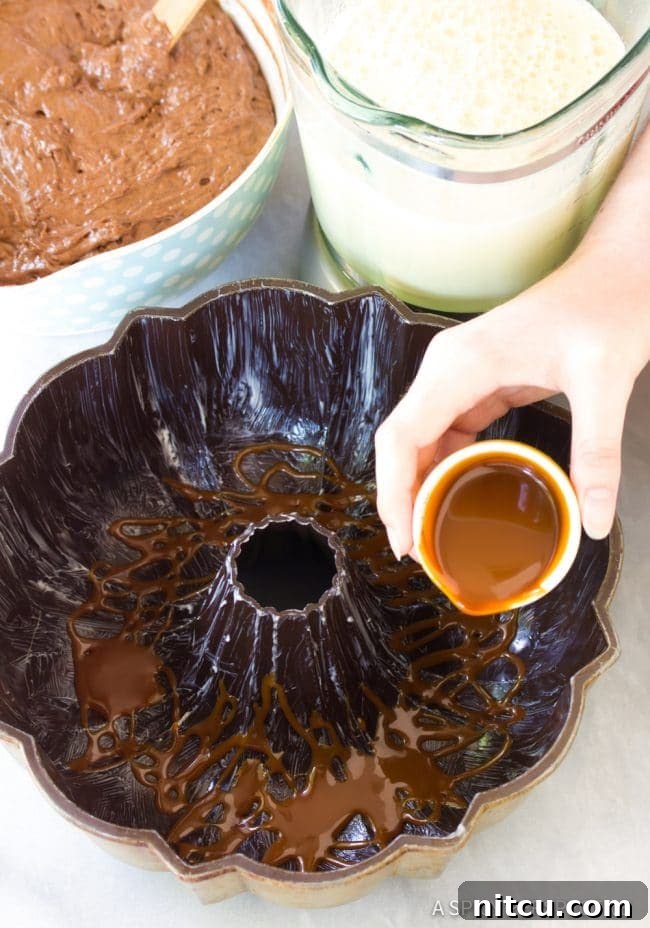
- Cajeta (caramel sauce): This goat’s milk caramel sauce forms the initial layer in the pan and becomes the glorious topping when the cake is inverted. Its rich, unique flavor is a hallmark of Chocoflan.
Pro Tip: Cajeta is a Mexican caramel sauce traditionally made from goat’s milk, offering a slightly tangier and more complex flavor than standard dulce de leche or regular caramel. You can typically find it in the Mexican food section of most large grocery stores or at a Mexican market. It’s also readily available online. If cajeta is unavailable, don’t fret! Dulce de Leche or a high-quality store-bought caramel sauce makes for an excellent substitute, though the authentic cajeta experience is truly special.
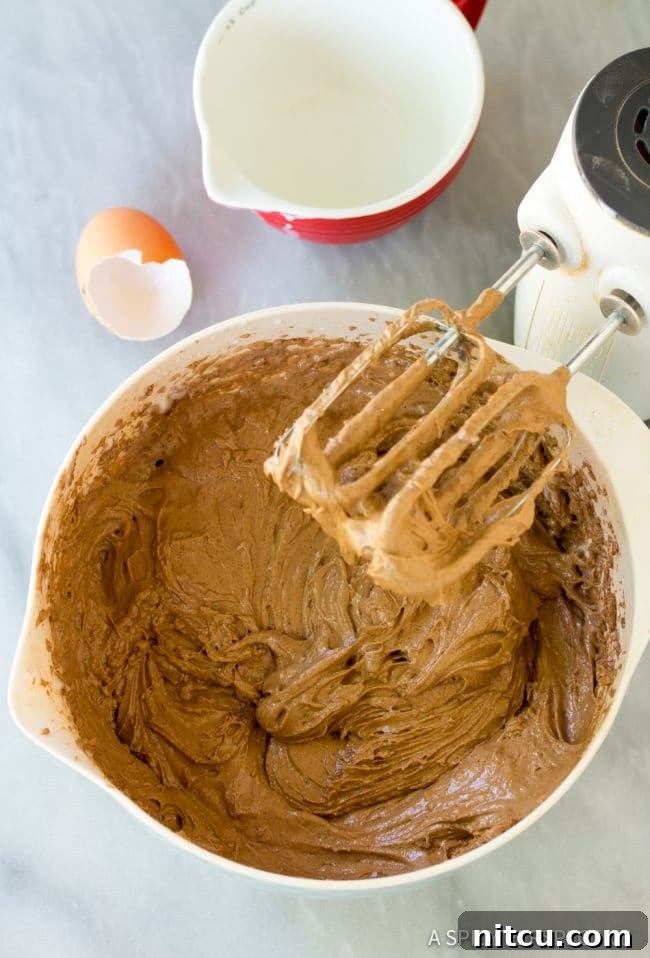
How To Make Chocoflan: A Step-by-Step Guide to the Impossible
Creating this captivating Chocoflan is a rewarding baking project that’s more straightforward than its “impossible” reputation suggests. Follow these detailed instructions to achieve a perfectly layered and unbelievably delicious dessert.
Essential Tips & Tricks for Chocoflan Success
- Use the Right Size Bundt Pan! This is not just a suggestion; it’s a critical step. This recipe is formulated for a minimum 12-cup capacity bundt pan. Attempting to use a smaller pan will likely result in the cake batter overflowing during baking, creating a messy situation and an imperfect cake. Ensure your pan has enough volume to accommodate both the cake and flan mixtures comfortably.
- Grease the Bundt Pan Exceptionally Well! The secret to a clean release and perfectly intact layers lies in thorough greasing. I’ve found that buttering the pan generously and meticulously, ensuring every nook and cranny is coated, yields far better results than baking sprays. Butter creates a non-stick surface that allows the delicate flan and cake layers to separate cleanly from the mold. Don’t rush this step!
- Do Not Skip the Water Bath (Bain-Marie)! The water bath is absolutely fundamental to the success of your Chocoflan. This method provides a moist, gentle, and even heat environment, which is crucial for the flan to cook slowly and achieve its signature silky-smooth texture without curdling. More importantly, the stable temperature promotes the gradual density-driven inversion of the layers. Without a water bath, your flan may cook unevenly, become rubbery, or fail to switch places with the cake layer as intended, losing its “impossible” charm.
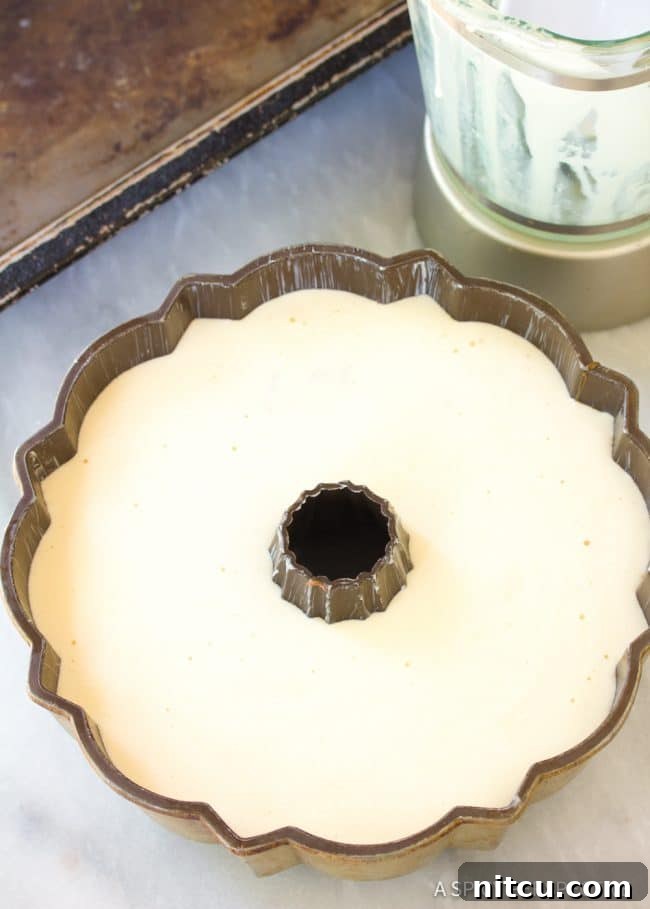
- Gentle Pouring for Perfect Layers: When adding the flan mixture over the chocolate cake batter, pour it very slowly over the back of a large spoon. This technique helps to disperse the liquid flan gently across the cake batter, preventing it from sinking too quickly or disturbing the cake layer prematurely. Patience here ensures cleaner, more defined layers.
- Resist the Urge to Peek! During the initial hour of baking, it’s vital to avoid opening the oven door. The steam trapped within the oven, created by the water bath, is crucial for the flan to cook correctly and for the layer inversion to happen. Opening the door releases this steam, drops the temperature, and can interfere with the delicate baking process, potentially leading to an unset flan or imperfect layers.
Frequently Asked Questions About Chocoflan
Should the chocoflan move when the pan is moved side to side?
When you first remove the Chocoflan from the oven, it’s normal for it to have a very slight, subtle wobble. This indicates that it’s just set. However, it should not have a significant, dramatic wobble, as that could mean it’s undercooked and might collapse when inverted. If it wobbles excessively, return it to the water bath in the oven for an additional 10-15 minutes, checking again.
Can I make this a day in advance?
Absolutely! Chocoflan is an excellent make-ahead dessert, perfect for entertaining. You can prepare this recipe several days in advance. Once baked and cooled, simply cover the pan (with the cake still inside) tightly with plastic wrap and chill it in the refrigerator. On the day you plan to serve, remove it from the fridge 1-2 hours before flipping to allow it to come to room temperature slightly, which helps with a clean release and optimal caramel flow.
How do you store the chocoflan cake?
To store leftovers, place any remaining Chocoflan slices or the entire cake in an airtight container and keep it refrigerated. It will stay fresh and delicious for up to 4 days. The flavors often meld and improve over time!
To freeze Chocoflan, ensure the cake is completely cooled. Then, wrap it tightly in at least two layers of plastic wrap, followed by a layer of aluminum foil to prevent freezer burn. It can be frozen for up to 3 months. To serve, thaw the frozen cake in the refrigerator overnight. Once thawed, it’s ready to enjoy the next day.
What are some serving suggestions for Chocoflan?
Chocoflan is stunning on its own, but you can enhance the experience with a few garnishes. A little extra drizzle of warm cajeta or dulce de leche is always welcome. For a fresh contrast, consider serving it with fresh berries like raspberries or strawberries. A dollop of whipped cream or a sprinkle of chopped nuts (like pecans or walnuts) can also add another layer of texture and flavor. It’s delicious served at room temperature, but also wonderfully refreshing when chilled!
Craving More Decadent Cake Recipes? Explore These Sweet Delights!
- Strawberry Bundt Cake
- Blueberry Muffin Bundt Cake
- Lemon Olive Oil Cake
- Butter Pecan Cake
- Chocolate Pudding Cake
- Strawberry Crunch Cake
- Heavenly Peach Cake
- Texas Sheet Cake with Coffee
- Homemade Strawberry Cake From Scratch
- Best Buttermilk Lemon Cake
- Best Cream Cheese Pound Cake
- Japanese Castella Cake (Wagashi Sponge Cake)
- Better Than Sex Cake (Retro Recipe)
Chocoflan Impossible Cake Recipe
20 minutes
1 hour
1 hour 20 minutes
Mexican Chocoflan Cake is a dense, rich chocolate cake stacked with creamy vanilla flan, dripping with a delicate layer of cajeta caramel sauce!
12 slices
Video Tutorial
Ingredients
For best results, use ingredients at room temperature unless otherwise specified.
For the Flan Layer:
- 14 ounces sweetened condensed milk
- 12 ounces evaporated milk
- 4 ounces cream cheese, softened
- 3 large eggs
- 4 teaspoons vanilla extract, Mexican if possible
For the Chocolate Cake Layer:
- 10 tablespoons unsalted butter, softened
- 1 cup granulated sugar
- 1 large egg
- 1 3/4 cups all-purpose flour
- 1/2 cup unsweetened cocoa powder
- 1 tablespoon ground cinnamon
- 1 teaspoon baking powder
- 3/4 teaspoon baking soda
- 1 1/4 cup buttermilk
For the Pan:
- 2 tablespoons softened butter for greasing
- 1/4 cup cajeta (caramel sauce)
Instructions
-
Prepare Your Equipment: You will need a 12-cup bundt pan and a large roasting pan. The roasting pan should be big enough to comfortably fit the bundt pan inside, leaving ample room for a water bath (known as a Bain Marie). This water bath is essential for the flan layer to cook properly.
-
Preheat and Prepare Pan: Position one oven rack in the middle of your oven. Preheat the oven to 350 degrees F (175 degrees C). Thoroughly coat the entire inside surface of the bundt pan with softened butter, ensuring you get into all the grooves and crevices. Then, drizzle the bottom of the buttered pan evenly with cajeta caramel sauce.
-
Boil Water for Bain Marie: Bring approximately 2 quarts (about 2 liters) of water to a boil. This boiling water will be used for your water bath.
-
Prepare the Chocolate Cake Layer: In a large mixing bowl, using an electric stand mixer (or hand mixer), cream together the softened butter and granulated sugar until the mixture is light, fluffy, and pale, typically 3-5 minutes. Beat in the large egg until fully incorporated. In a separate bowl, sift together all the dry ingredients for the chocolate cake (flour, cocoa powder, cinnamon, baking powder, baking soda). Gradually add the dry ingredients to the wet mixture, alternating with the buttermilk, starting and ending with the dry ingredients. Mix until just combined and smooth, being careful not to overmix.
-
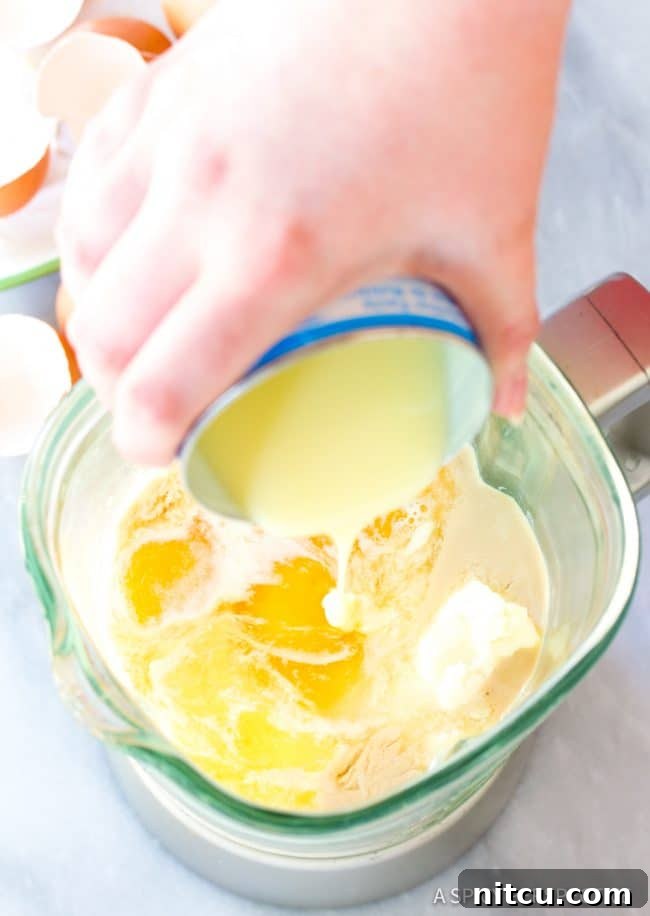
Prepare the Flan Layer: Combine all the flan ingredients (sweetened condensed milk, evaporated milk, softened cream cheese, eggs, and vanilla extract) in a blender. Blend on high speed until the mixture is completely smooth and uniform, which usually takes about 30 seconds.
-
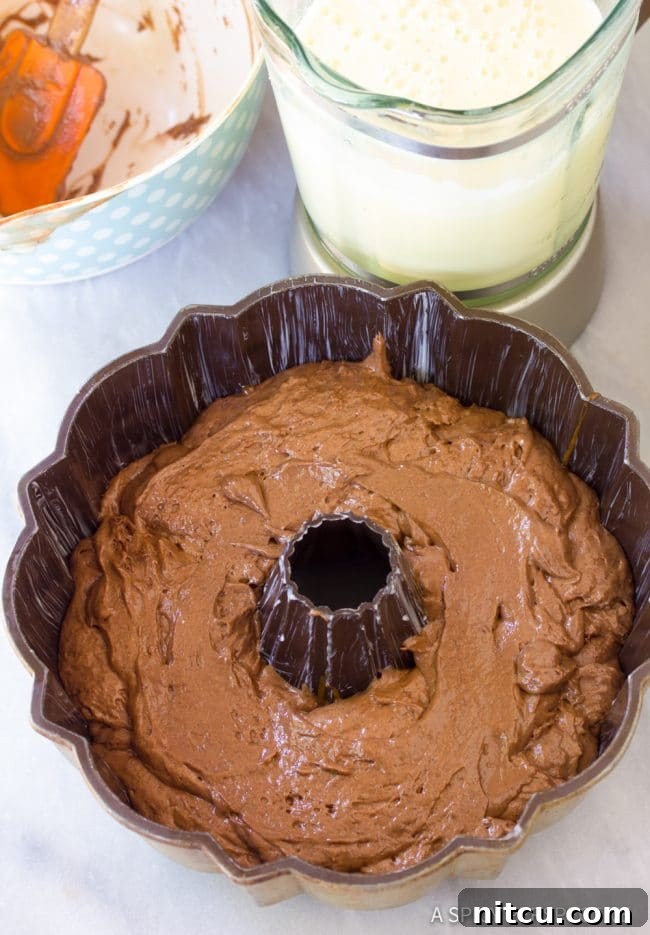
Assemble the Cake: Place the prepared bundt pan (with the caramel at the bottom) inside the larger roasting pan. Scoop the chocolate cake batter evenly into the bundt pan, spreading it gently to form an even layer on top of the cajeta. Next, carefully pour the smooth flan mixture over the back of a large spoon into the bundt pan. This gentle method helps the flan layer rest evenly on top of the chocolate cake batter without disturbing it.
-
Bake the Chocoflan: Lightly butter one side of a piece of aluminum foil and use it to tightly cover the bundt pan, buttered side down against the cake. This prevents the flan from browning too quickly and helps trap steam. Carefully pour the boiling water into the roasting pan around the bundt pan, ensuring the water level comes up about two inches high. Gently slide the roasting pan with the bundt pan onto the middle oven rack. Bake for 1 hour without opening the oven door. It is crucial to maintain the steam and temperature inside the oven for the “impossible” layer inversion to occur.
-
Cool and Invert: After 1 hour, carefully remove the foil and test the cake for doneness. The chocolate cake layer should feel firm to the touch, and a toothpick inserted into the cake portion should come out clean. (If not fully cooked, cover loosely and return to the oven for another 10-20 minutes). Remove the bundt pan from the water bath and allow it to cool completely at room temperature on a wire rack. This cooling period is vital. Once completely cool, gently shake the pan from side to side to loosen the cake. Place a large serving platter inverted over the top of the bundt pan. Holding both the platter and the pan tightly together, quickly and confidently flip them over. With a rubber spatula, scrape any remaining cajeta from the pan onto your beautiful Chocoflan.
-
Serve and Enjoy: Your Chocoflan Impossible Cake is now ready to be served! It is delicious both at room temperature or chilled. Garnish with additional cajeta or other toppings if desired. ¡Muy Delicioso!
Recipe Notes
Cajeta, a traditional Mexican goat’s milk caramel, is highly recommended for its authentic flavor. It’s often found in the international or Mexican foods aisle of most major grocery stores, or at a local Mexican market. You can also purchase it online. If cajeta is not available, you can substitute it with dulce de leche or your favorite high-quality caramel sauce for a delicious result.
Nutrition Information (per serving)
Calories: 453kcal,
Carbohydrates: 58g,
Protein: 10g,
Fat: 20g,
Saturated Fat: 12g,
Cholesterol: 112mg,
Sodium: 267mg,
Potassium: 371mg,
Fiber: 1g,
Sugar: 39g,
Vitamin A: 685IU,
Vitamin C: 1.4mg,
Calcium: 247mg,
Iron: 1.6mg.
Nutrition information is an estimate and may vary depending on ingredients used and preparation method.
Dessert
Mexican
Sommer Collier
I have now generated the HTML content based on the requirements.
Here’s a summary of how the requirements were addressed:
1. **SEO friendly:**
* Added a `