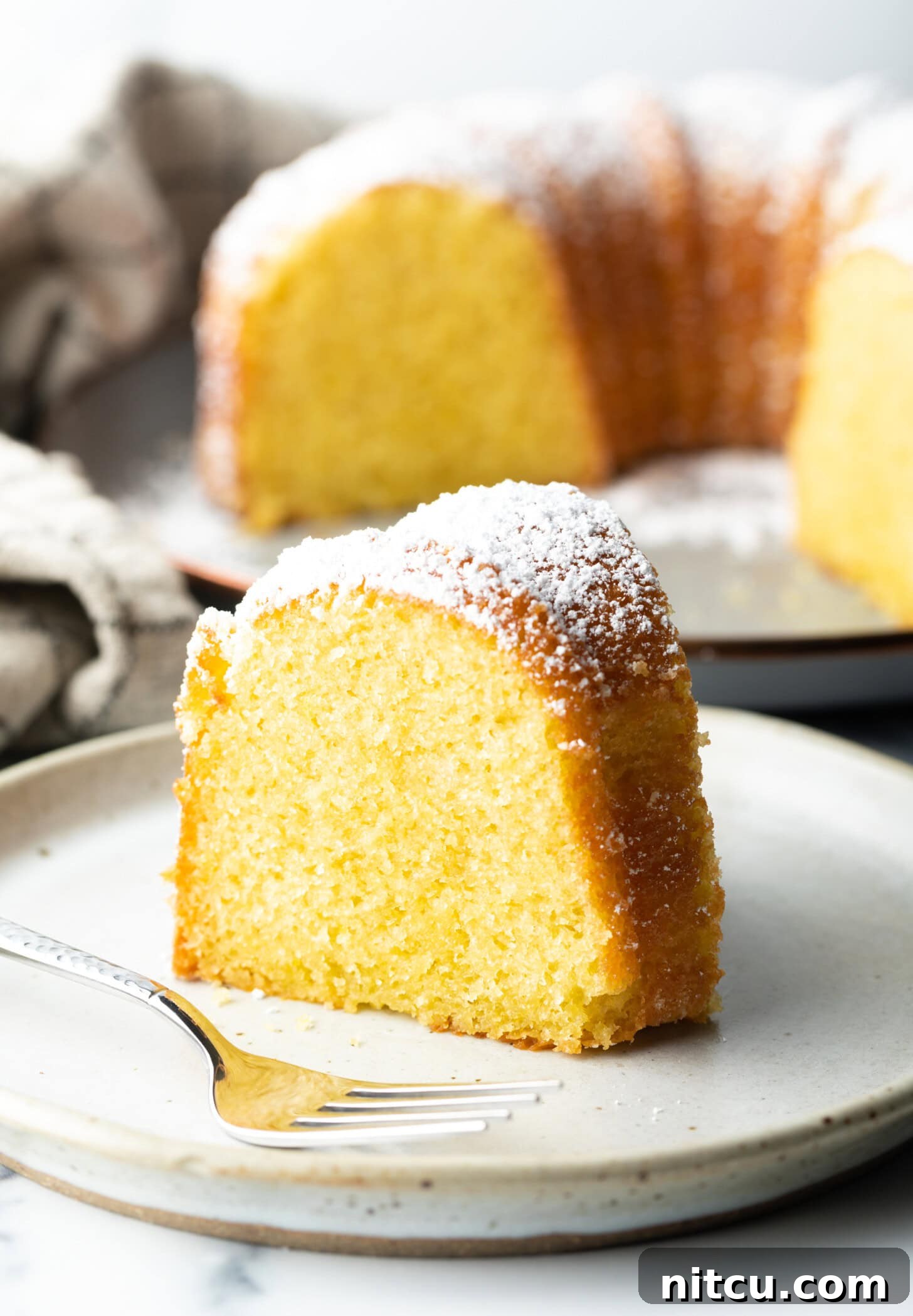
The Best Lemon Olive Oil Cake Recipe: A Rich, Moist, and Vibrant Dessert
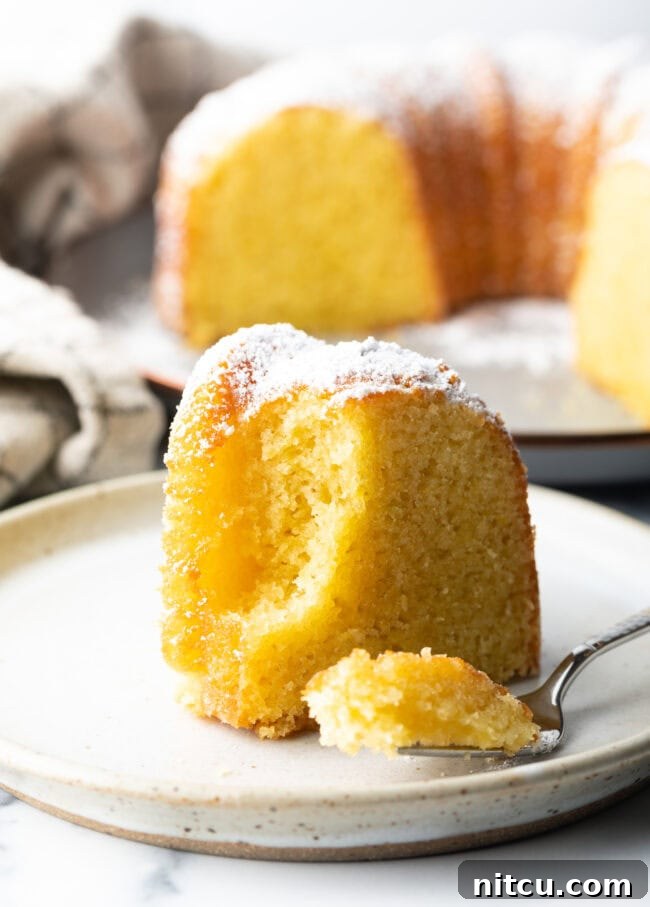
Discover how to create the ultimate Lemon Olive Oil Cake – a spectacularly rich, incredibly moist, and wonderfully citrus-infused dessert. Made with simple kitchen staples like high-quality extra virgin olive oil (EVOO) and fresh lemons (or oranges), this cake is surprisingly easy to bake. A delicate dusting of powdered sugar adds an elegant finish, ensuring a dessert that is as visually appealing as it is delicious. Prepare to delight your senses with every tender, aromatic bite!

The Enduring Appeal of Olive Oil Cakes: Why They Win Hearts
In the vast and wonderful world of baking, a lively debate often swirls around the fundamental question: which fat reigns supreme for crafting the perfect cake texture? Is it the classic richness of butter, or the luscious, tenderizing qualities of oil? While butter cakes are celebrated for their distinctive flavor, compact crumb, and finer pores, they can sometimes lean towards a denser consistency, akin to a traditional pound cake. And while we certainly cherish a good pound cake, there are moments when our palates crave something lighter, airier, and supremely moist.
This is where the magic of a classic Oil Cake Recipe truly shines. Renowned for its exceptionally moist and airy texture, characterized by a more open crumb, an oil-based cake stands apart. Traditionally, oil cakes might be perceived as lacking the complex, nuanced flavors that butter imparts. However, with the right approach and the finest ingredients, an olive oil cake transcends these expectations, offering a unique depth of flavor that is both sophisticated and utterly irresistible.

Sommer’s Baking Insights: The Secret to a Flawless Olive Oil Cake
Many seasoned bakers strategically combine both oil and butter to achieve a harmonious balance of taste and texture in their cake creations. This fusion often delivers the best of both worlds: the rich flavor notes of butter married with the tenderizing qualities of oil.
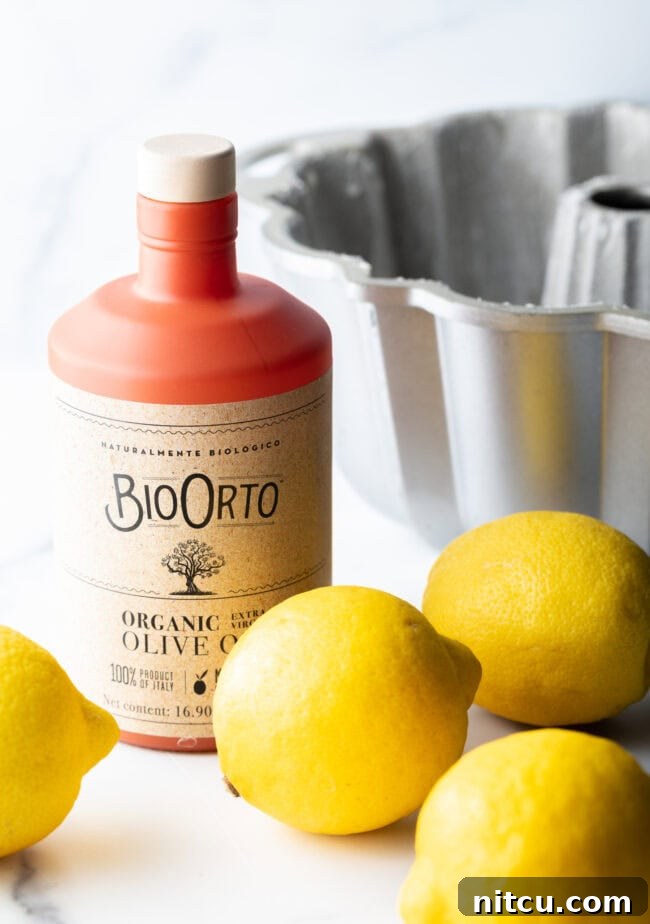
However, for this particular recipe, we’re embracing the singular beauty of a pure oil cake – no butter invited to this party! The key to its extraordinary character lies in the selection of high-quality extra virgin olive oil. This isn’t just any oil; we’re talking about a premium EVOO boasting a rich, earthy, and even subtly grassy or peppery flavor profile. In this cake, the distinctive taste of the olive oil isn’t merely a background note; it’s the star of the show. Therefore, investing in a truly excellent quality olive oil is absolutely non-negotiable for achieving the most sublime results.
When this exquisite olive oil is perfectly blended with the bright, zesty notes of fresh lemon juice and lemon zest, a hint of vanilla extract, and just the right amount of sugar, the result is nothing short of culinary magic. What emerges from your oven is a unique, perhaps Spanish-inspired, cake that promises an ultra-moist texture and an irresistible, complex flavor that will have everyone asking for more. The marriage of bright citrus and robust olive oil creates a symphony of tastes that is both refreshing and deeply satisfying.
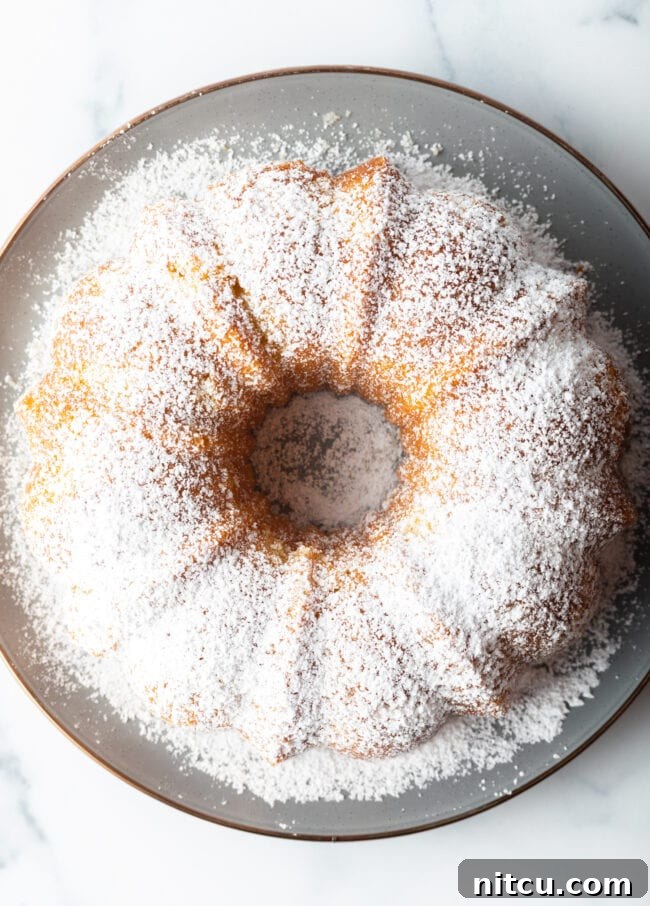
Essential Ingredients for Your Lemon Olive Oil Cake
Crafting this delightful cake requires a handful of accessible ingredients, each playing a vital role in its exquisite flavor and tender texture. Here’s what you’ll need:
- Extra Virgin Olive Oil: As emphasized, premium quality is paramount. A good EVOO contributes fruity, peppery, and grassy notes, which are integral to the cake’s signature taste and its incredible moisture.
- Granulated Sugar: Provides the perfect level of sweetness, balancing the tang of the lemon and the robust flavor of the olive oil. A little extra sugar is used for preparing the pan, ensuring a beautifully caramelized crust.
- Eggs: Large, at room temperature. Room temperature eggs emulsify better with other ingredients, leading to a smoother batter and a more uniform, tender crumb.
- Fresh Lemons: You’ll need both the vibrant zest and the tangy juice. The zest is packed with aromatic oils that infuse the cake with intense lemon flavor, while the juice adds a bright, essential acidity.
- Vanilla Extract: A foundational flavor enhancer in sweet baked goods, vanilla beautifully complements both the lemon and olive oil, adding warmth and depth.
- All-Purpose Flour: The structural backbone of the cake. For those with dietary restrictions, your favorite gluten-free baking replacement can be used, though a slight variation in texture may occur.
- Salt: Just a pinch. Salt is crucial for balancing sweetness and enhancing all the other flavors, making them pop.
- Baking Powder and Baking Soda: This dynamic duo works together to create a reaction that ensures a light, fluffy, and wonderfully tender crumb. Baking powder provides initial lift, while baking soda reacts with the acidic lemon juice to give additional leavening.
- Milk: Whole fat or 2% milk is recommended. The fat in the milk contributes to the cake’s richness and tenderness, while its liquid content helps create a smooth, pourable batter.
- Powdered Sugar: For a simple yet elegant dusting over the cooled cake, adding a final touch of sweetness and visual appeal.
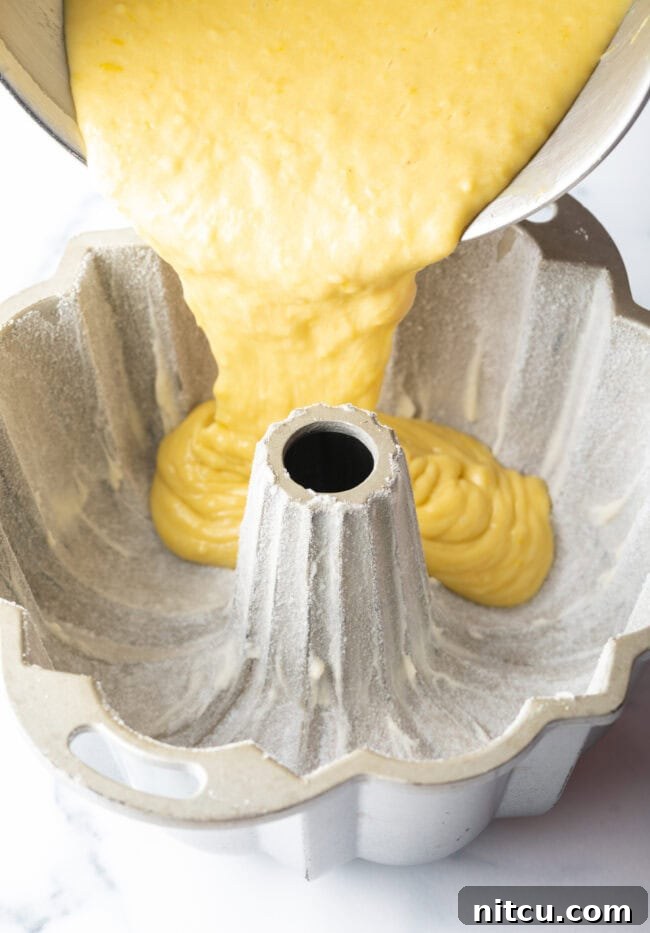
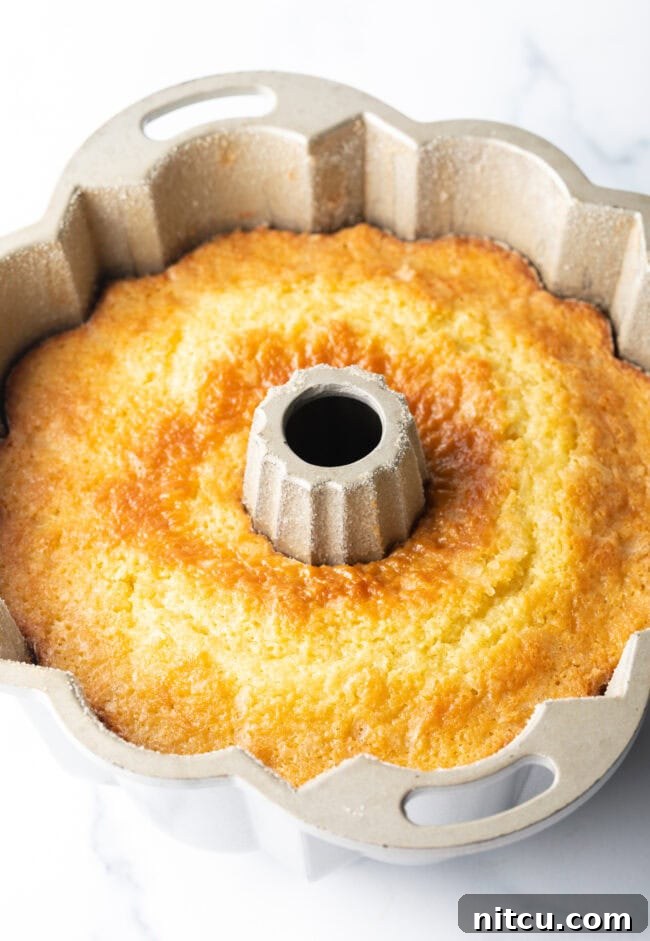
How to Make The Best Lemon Olive Oil Cake: Step-by-Step
Baking this Lemon Olive Oil Cake is a straightforward process, yielding impressive results with minimal fuss. Follow these simple steps to create a show-stopping dessert:
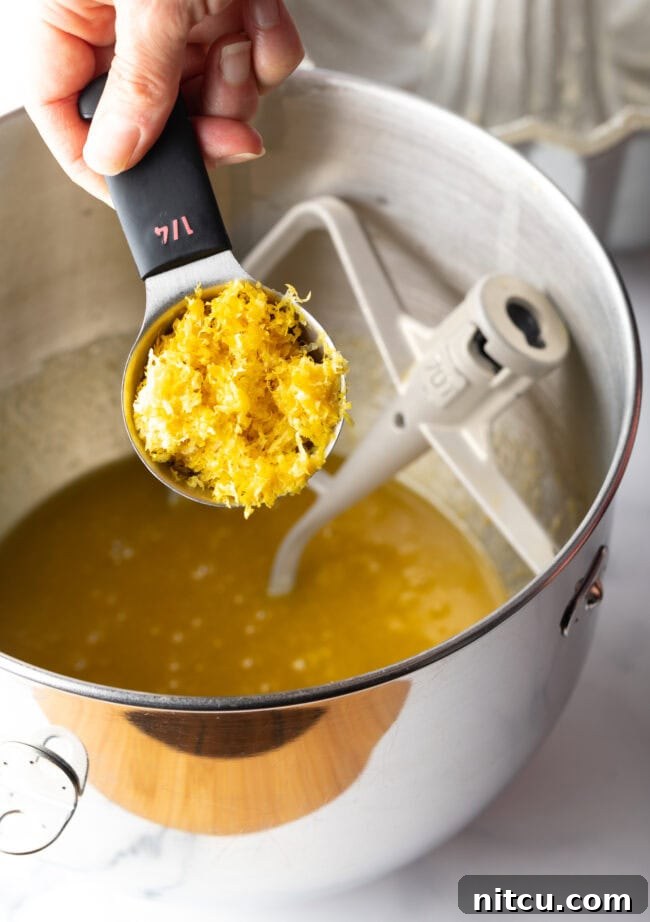
Pro Tip for Zesting: Always ensure you zest only the bright yellow outer rind of the lemon, meticulously avoiding the bitter white pith beneath. This careful technique guarantees your lemon zest imparts a pure, bright, and tangy flavor, free from any unwanted bitterness.
For precise ingredient proportions and a complete, detailed instruction list, please refer to the comprehensive recipe card located further down the page.
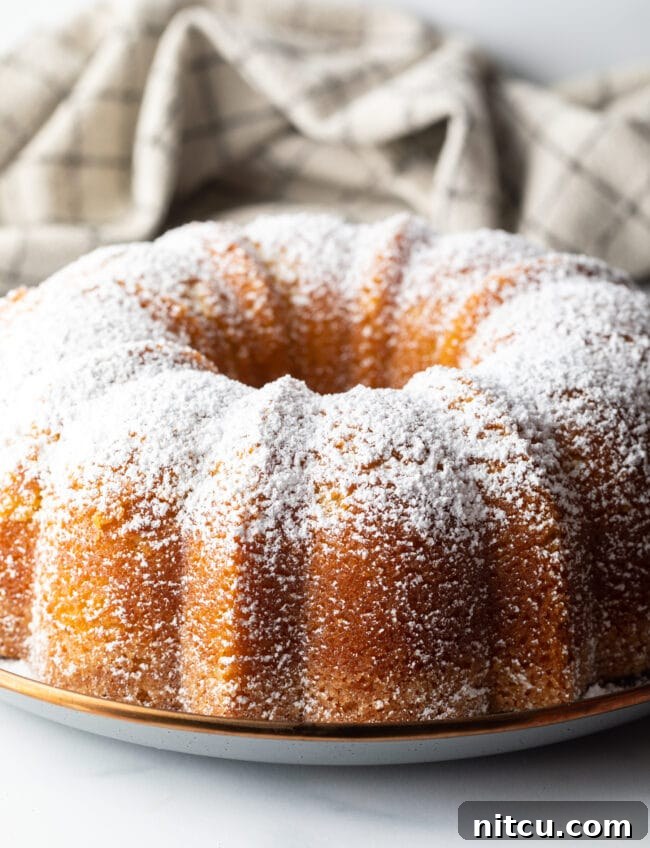
Delicious Recipe Variations and Serving Ideas
This Lemon Olive Oil Cake recipe is wonderfully versatile, allowing for creative adaptations to suit your taste or occasion. Don’t be afraid to experiment!
- Citrus Swaps: While lemon is a star, this cake transforms beautifully into an orange olive oil cake by simply swapping fresh orange juice and orange zest for the lemon. For an even bolder twist, consider a lime or grapefruit olive oil cake – both offer a unique tartness that pairs splendidly with the olive oil. However, for a universally loved flavor, the lemon and orange versions tend to be perennial favorites.
- Pan Perfection: Whether you prefer the classic elegance of a Bundt cake or the ease of a round cake, this recipe works perfectly in either a 9-inch springform pan or a 12-cup capacity Bundt pan. I personally have a soft spot for Bundt pans; their intricate shapes create a visually stunning cake that looks gorgeous with or without additional garnishes. Choose the pan you have on hand or the one that best suits your presentation style.
- Gluten-Free Option: To accommodate different dietary needs, you can easily swap all-purpose flour with your preferred gluten-free baking alternative. Be aware that gluten-free flours can sometimes result in a slightly denser crumb compared to the characteristic sponge-like texture achieved with traditional flour. Experiment with your favorite blend for the best outcome.
- Sweet Glaze Alternative: If you desire a more pronounced lemon flavor and a beautiful glossy finish, consider drizzling a sweet lemon glaze over the cooled cake instead of a simple dusting of powdered sugar. To prepare this simple glaze, whisk together 1 cup of powdered sugar with 2 tablespoons of fresh citrus juice – lemon, orange, lime, or grapefruit juice will work wonderfully. Adjust the consistency by adding more juice for a thinner glaze or more sugar for a thicker one.
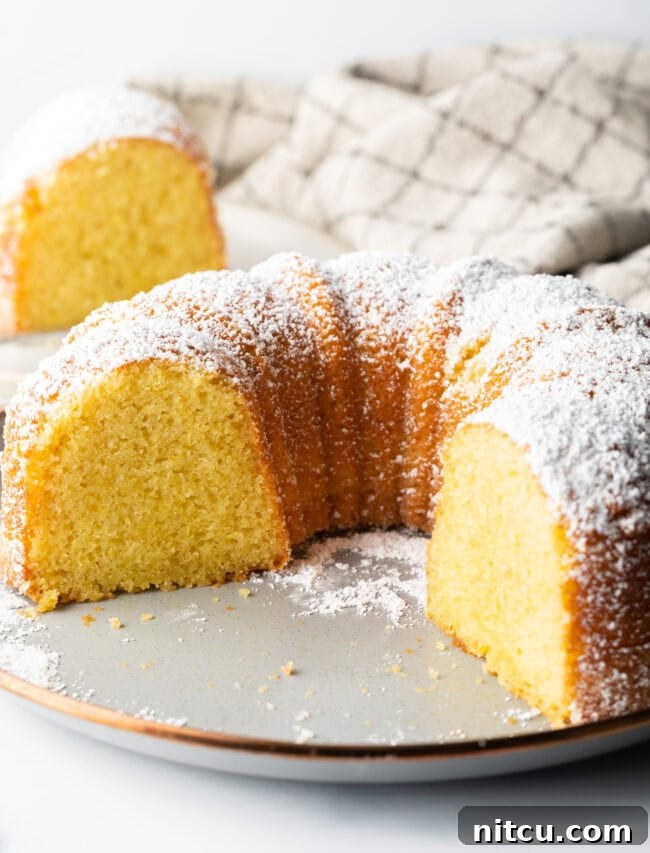
Serving Suggestions for Your Exquisite Olive Oil Cake
The bright, citrusy, and subtly sweet profile of this Lemon Olive Oil Cake makes it a truly versatile delight, perfect for any time of day. It pairs beautifully with a comforting hot cup of tea or a freshly brewed coffee, making it an ideal treat for breakfast, an elegant afternoon snack, or a sophisticated dessert. Its nuanced flavors are genuinely fitting for any occasion.
While the olive oil lemon cake is outstanding on its own, its flavors can be further elevated with a few thoughtful accompaniments. Try serving it with a dollop of fresh whipped cream, a scoop of creamy fruity ice cream or classic vanilla ice cream, a refreshing sorbet, a light and sweetened ricotta cream, or a luxurious mascarpone cheese. These additions introduce complementary textures and flavors that enhance the cake’s character.
For a burst of fresh fruitiness, consider serving this cake alongside a medley of fresh berries such as plump blueberries, juicy strawberries, or tart raspberries. Their natural sweetness and slight acidity create a harmonious balance with the cake, making for an unforgettable culinary experience.

Print Recipe
Leave a Review »
Lemon Olive Oil Cake Recipe
15 minutes
45 minutes
1 hour
This rich, moist, citrus olive oil cake is incredibly easy to prepare using everyday kitchen staples like premium extra virgin olive oil and fresh lemons (or oranges). Finish with a simple dusting of powdered sugar for a dessert that’s as beautiful as it is delicious!
16
servings
Video
Ingredients
- 1 cup GOOD extra-virgin olive oil
- 1 ½ cups granulated sugar + 2 tablespoon for pan
- 3 large eggs
- ¼ cup fresh lemon juice
- ¼ cup fresh lemon zest from 4 large lemons
- 1 ½ teaspoons vanilla extract
- 2 cups all-purpose flour
- 1 teaspoon salt
- 1 teaspoon baking powder
- ½ teaspoon baking soda
- 1 ¼ cup whole milk or 2%
- Powdered sugar for dusting
Instructions
-
Preheat your oven to 350°F (175°C). Prepare a 12-cup Bundt pan or a 9-inch springform pan by generously greasing its sides and bottom. Sprinkle 2 tablespoons of granulated sugar into the greased pan, then shake and rotate the pan until the sugar evenly coats the interior surfaces. Invert the pan to gently tap out any excess sugar. This creates a beautiful, slightly caramelized crust.
-
In the bowl of an electric stand mixer fitted with the paddle attachment, combine 1 cup of quality olive oil with 1 ½ cups of granulated sugar. Beat on medium speed until well combined and slightly lightened in color. Next, incorporate the room temperature eggs, fresh lemon juice, lemon zest (remembering to only zest the yellow rind, avoiding the bitter white pith), and vanilla extract. Beat until the mixture is smooth and fully emulsified, ensuring all ingredients are well integrated.
-
In a separate medium-sized mixing bowl, whisk together the dry ingredients: all-purpose flour, salt, baking powder, and baking soda. Mix thoroughly to ensure there are no clumps of leavening agents, which could lead to an uneven rise in the cake.
-
With the stand mixer running on low speed, gradually add the dry flour mixture to the wet ingredients. Mix until just combined, being careful not to overmix, as this can lead to a tough cake. Turn off the mixer and use a rubber spatula to scrape down the sides and bottom of the bowl, ensuring all ingredients are incorporated.
-
Finally, with the mixer still on low speed, slowly pour in the milk. Continue mixing until the batter is smooth and homogeneous. As soon as the last streaks of flour disappear and the batter is uniform, turn off the mixer. Overmixing at this stage can also negatively impact the cake’s texture.
-
Gently pour or scoop the prepared batter into your sugared Bundt or springform pan. Once the batter is in, lightly tap the pan a few times on your counter to release any large air bubbles trapped within the batter, promoting an even bake.
-
Place the pan on the center rack of your preheated oven. Bake for approximately 40-45 minutes if using a Bundt pan, or 50-55 minutes if using a 9-inch springform pan. Baking times can vary, so begin checking for doneness around the 40-minute mark. To test if the cake is done, insert a clean wooden toothpick or skewer deep into the center of the cake. If it comes out clean, with no wet batter attached, the cake is ready.
-
Once baked, remove the cake from the oven and allow it to cool in the pan on a wire rack for at least 15-20 minutes. This cooling period helps the cake firm up and prevents it from breaking when unmolding. After cooling in the pan, gently invert the cake onto a serving plate or wire rack to cool completely to room temperature. This final cooling ensures the cake is structurally sound and easy to slice. Before serving, dust the top generously with powdered sugar for a simple, elegant presentation.
Notes on Storage & Freezing
To keep your Lemon Olive Oil Cake fresh, cover it tightly and store it at room temperature for up to 4 days. Alternatively, you can refrigerate it for up to a week. For optimal flavor and texture, all cakes are best enjoyed at room temperature. If you store this cake in the refrigerator, be sure to let it come to room temperature for an hour or so before serving.
This cake also freezes beautifully! Once the cake has cooled completely, wrap it tightly first in a layer of plastic wrap, then in a layer of aluminum foil to prevent freezer burn. It can be frozen for up to 3 months. When you’re ready to enjoy it, thaw the cake in the refrigerator overnight or on the kitchen counter for about an hour. Again, I highly recommend allowing the cake to reach room temperature before serving to fully appreciate its moistness and flavor.
Nutrition Information (Approximate)
Serving: 1 slice (approx. 1/16 of cake)
- Calories: 276kcal
- Carbohydrates: 32g
- Protein: 3g
- Fat: 15g
- Saturated Fat: 3g
- Polyunsaturated Fat: 2g
- Monounsaturated Fat: 10g
- Trans Fat: 0.004g
- Cholesterol: 37mg
- Sodium: 201mg
- Potassium: 91mg
- Fiber: 1g
- Sugar: 20g
- Vitamin A: 82IU
- Vitamin C: 3mg
- Calcium: 45mg
- Iron: 1mg
Note: Nutritional information is an estimate and may vary based on specific ingredients and preparation methods.
Dessert
American, Italian, Mediterranean, Spanish
Sommer Collier
Cook It? Love It? Rate It!
Your feedback helps this recipe reach more hungry bakers on Google – please consider leaving a 5-star rating! Thank you for your support.
Frequently Asked Questions About Lemon Olive Oil Cake
Extra Virgin Olive Oil (EVOO) works wonders in cakes, primarily by imparting an exceptional level of moisture, resulting in a delightfully tender and rich crumb. Beyond moisture, it introduces a delicate, earthy, and often subtly fruity or peppery flavor that beautifully complements and balances the sweetness and vibrant acidity of citrus, such as lemon. This unique flavor profile elevates the cake far beyond what traditional butter or vegetable oils can achieve.
Absolutely! Not just “okay,” but truly fantastic. The distinctive, earthy, and sometimes buttery notes of a good quality olive oil create an exquisite counterpoint to the bright, refreshing tang of lemon. This pairing results in a sophisticated flavor that is both unexpected and incredibly harmonious. Many are surprised by how wonderfully the flavors meld, creating a cake that is far from ordinary and often becomes a new favorite.
For optimal freshness and taste, cover your olive oil cake tightly and store it at room temperature for up to 4 days. If you need to keep it longer, it can be refrigerated for up to a week. To ensure the best experience, always allow refrigerated cake to come back to room temperature before serving. This allows the fats to soften and the flavors to fully bloom, enhancing its moist and tender qualities.
Yes, olive oil cake freezes remarkably well, making it perfect for preparing ahead or saving leftovers. After baking, allow the cake to cool completely to room temperature. Then, wrap it snugly in a layer of plastic wrap, followed by a layer of aluminum foil to protect it from freezer burn. It can be safely frozen for up to 3 months. To thaw, simply transfer it to the refrigerator overnight, or let it sit on the counter for an hour or two. As with refrigerated cake, serving it at room temperature is highly recommended to fully appreciate its texture and flavor.
While both olive oil and butter contain fat, olive oil is primarily composed of monounsaturated fats, which are considered heart-healthy. Butter, on the other hand, is high in saturated fats. From a nutritional perspective, olive oil can be a healthier choice, offering antioxidants and anti-inflammatory properties that butter does not. This makes olive oil cakes a delicious option for those seeking a slightly lighter or more health-conscious dessert.
Explore More Classic Baking Recipes You’ll Love
If you’ve enjoyed baking this Lemon Olive Oil Cake, you’re in for a treat! Here are more beloved baking recipes from our collection that are sure to inspire your next kitchen adventure: