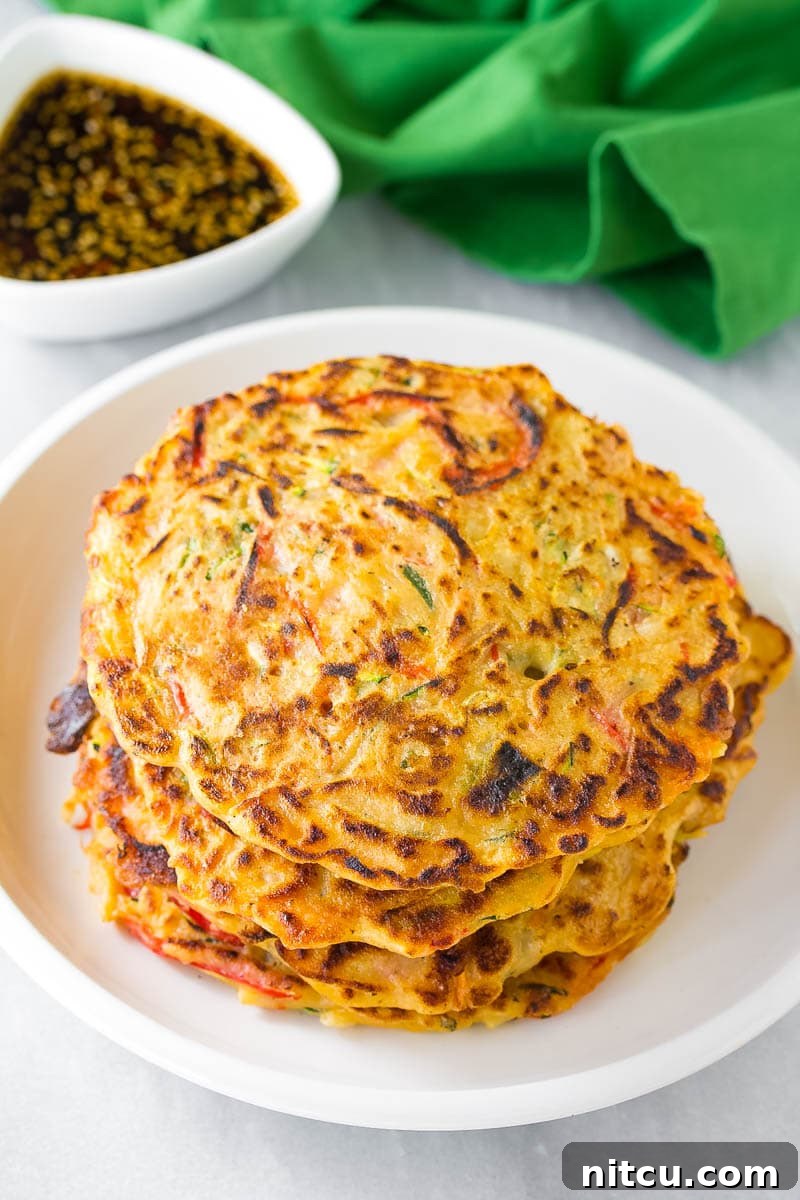
These easy Korean Pancakes, known as Pajeon, are delightfully crispy, generously filled with fresh, julienned vegetables and a clever addition of hash browns, all served alongside a zesty, spicy soy dipping sauce.
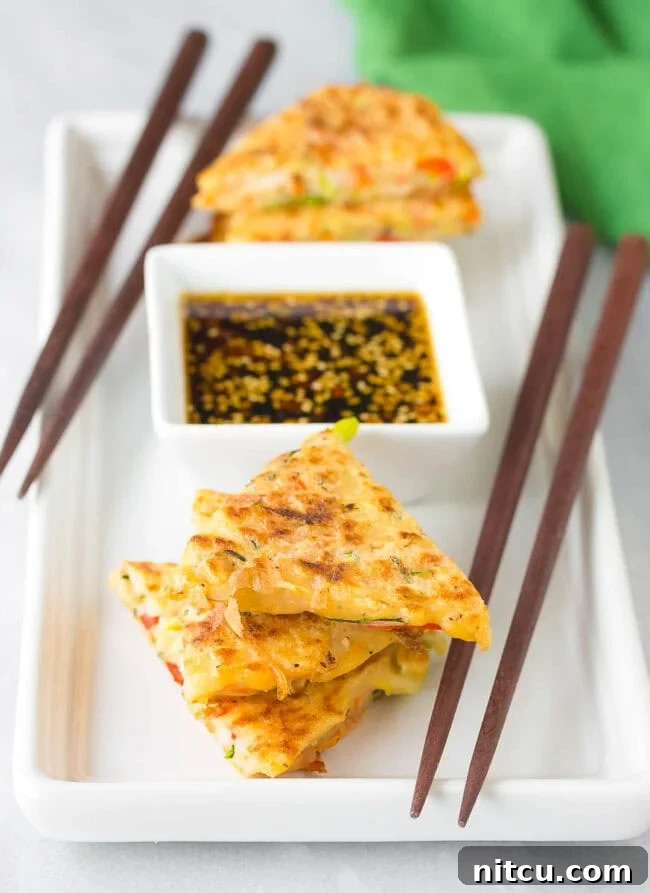
Crispy Korean Pancakes (Pajeon): Your Guide to Perfect Savory Bliss
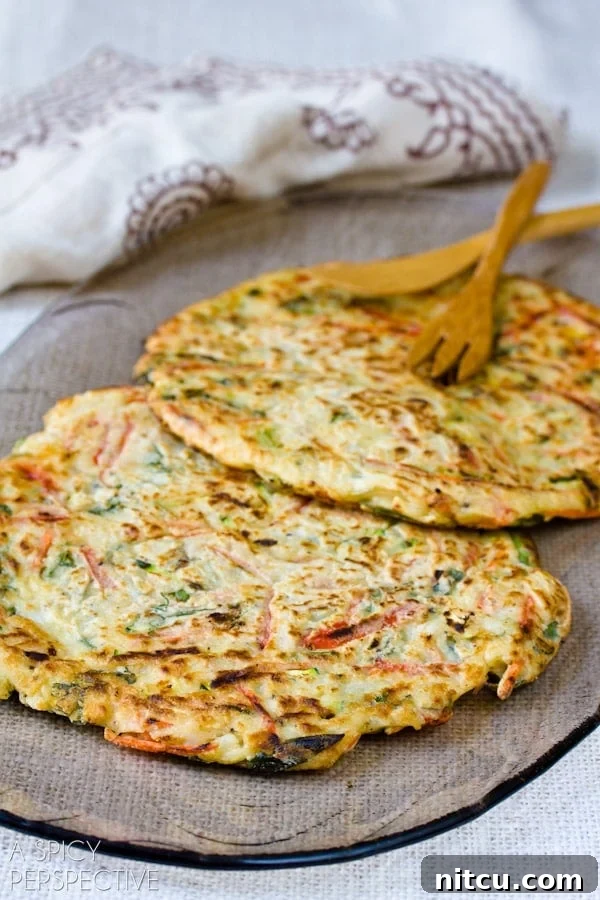
Prepare your taste buds for an extraordinary culinary journey with these utterly delicious Korean Pancakes, widely known as Pajeon. More than just a simple pancake, Pajeon is a beloved Korean classic, a savory masterpiece celebrated for its irresistible crisp exterior, tender interior, and the vibrant freshness of its vegetable filling. Whether you’re seeking a unique appetizer, a satisfying side dish, or a light meal, this Pajeon recipe promises to bring the authentic flavors of Korea right into your kitchen.
Our inspiration for perfecting this Pajeon recipe comes from countless visits to our favorite Korean restaurant in Asheville. Every time, without fail, the Pajeon Korean Pancakes were a mandatory order—often considered the highlight of the menu! This recipe captures that same magic, delivering pancakes that are not just food, but an experience: crispy on the outside, wonderfully soft and moist in the middle, and absolutely packed with a medley of fresh, lightly-cooked vegetables. It’s a symphony of textures and flavors that will leave you craving more.

Sommer’s Culinary Insights on Korean Pancakes
You might not typically associate vegetable-laden dishes with being kid-friendly, but I’ve seen firsthand how Pajeon (or Pajun, as it’s also called) can convert even the pickiest eaters. My own children enthusiastically ask for these Korean Pancakes, and we once brought a young friend with a very delicate palate who was absolutely smitten! It’s truly a dish that appeals to all ages, thanks to its delightful crunch and savory goodness.
Why You’ll Fall in Love with This Korean Pancake Recipe
- A Clever Way to Enjoy Veggies: These pancakes are a fantastic, sneaky method to encourage everyone, especially children, to eat more vegetables. The flavors meld so beautifully within the crispy batter that the vegetables become an exciting part of the experience rather than a chore.
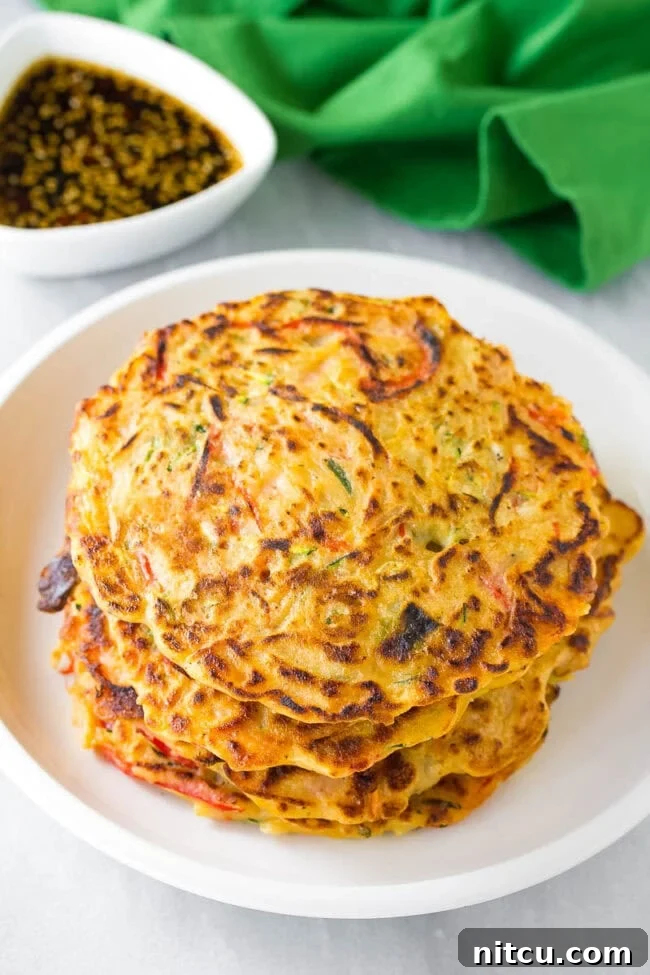
- Dynamic Textural Experience: Every bite offers a perfect contrast—the irresistibly crispy, golden-brown edges give way to a tender, savory, and moist interior. This bold interplay of textures is what makes Pajeon so incredibly satisfying and addictive.
- Accessible & Wallet-Friendly Ingredients: Forget about searching for exotic ingredients! This Pajeon recipe relies on simple, everyday pantry staples and fresh vegetables readily available at any grocery store, making it an easy and economical dish to prepare at home.
- Versatile for Any Occasion: Whether you’re hosting a dinner party, preparing a family meal, or simply craving a delicious snack, these Korean pancakes fit perfectly. They can be a delightful appetizer, a hearty side, or even a light lunch.
Clear some space on your menu because these Korean Pancakes are destined to become your new go-to appetizer and a beloved staple in your culinary repertoire!
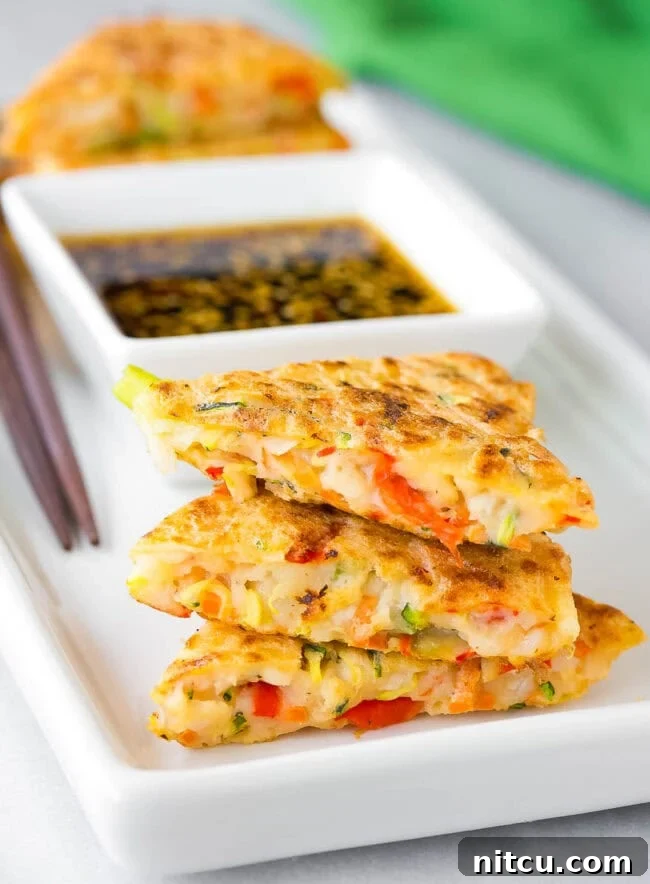
Essential Ingredients and Pro Tips for Perfect Pajeon
Crafting the perfect Korean pancake starts with understanding the role each ingredient plays and having a few clever tricks up your sleeve. Here’s a breakdown of what you’ll need and how to get the best results:
- All-Purpose Flour: This is the fundamental binder, creating the structure for your pancakes. While specialty flours exist, good old all-purpose flour works beautifully for a consistently tender yet sturdy pancake.
- Frozen Hash Browns (Thawed): This is our secret weapon for adding incredible texture and a subtle potato flavor without extra work. Using thawed hash browns ensures they integrate smoothly into the batter and cook evenly, contributing to that desirable crispy-chewy consistency. If you prefer, freshly grated potatoes can also be used.
- Assorted Vegetables: We recommend a colorful and flavorful combination of shredded carrots, vibrant bell peppers, tender zucchini, and fragrant green onions (scallions). These vegetables not only add beautiful hues but also bring varying textures and natural sweetness to the savory batter. Feel free to adjust based on seasonal availability and personal preference.
- Vegetable Oil: The key to achieving that signature crispy Pajeon crust is to fry them in a sufficient amount of hot vegetable oil. It conducts heat efficiently, ensuring a beautiful golden-brown finish and a satisfying crunch.
- Low-Sodium Soy Sauce: For the dipping sauce, a high-quality low-sodium soy sauce provides the perfect umami base without overpowering the delicate flavors of the pancake. This allows you to control the saltiness more effectively.
- Granulated Sugar: A touch of sugar in the dipping sauce is crucial. It perfectly balances the savory and tangy elements, creating a well-rounded flavor profile that complements the pancakes without being overly sweet.
- Sesame Oil: A drizzle of good quality sesame oil in the dipping sauce adds a distinct nutty aroma and deepens the overall Asian flavor. It’s a small addition that makes a big impact.
- Rice Vinegar: This ingredient introduces a bright, tangy acidity to the dipping sauce, cutting through the richness of the pancakes and invigorating your palate with every dip.
- Garlic & Crushed Red Pepper: Minced garlic provides a pungent, aromatic kick, while crushed red pepper flakes add a customizable level of heat, making the dipping sauce truly dynamic.
- Sesame Seeds: A final sprinkle of sesame seeds adds both a pleasing visual appeal and a subtle nutty crunch to the dipping sauce.
- Make Them Extra Crispy! The ultimate tip for achieving perfectly crispy Korean pancakes is patience and proper oil usage. Ensure your skillet is adequately heated (medium-high) and has enough oil (don’t be shy, but don’t deep-fry). Let the pancakes cook undisturbed until they are deeply golden and crispy on one side before flipping. Resist the urge to flip them too many times. If they aren’t getting crispy enough, it’s a sign you likely need more oil in the pan.
Exciting Recipe Variations and Dietary Swaps
One of the best aspects of Pajeon is its adaptability. You can easily customize this recipe to suit your taste preferences or dietary needs. Here are some fantastic ideas to get you started:
- Gluten-Free Option: To make these savory pancakes gluten-free, simply substitute the all-purpose flour with your favorite gluten-free flour blend. For the dipping sauce, use tamari or coconut aminos instead of traditional soy sauce.
- Vinegar Alternatives: If rice vinegar isn’t available, don’t fret! White wine vinegar or champagne vinegar can be used as a suitable substitute in the dipping sauce, offering a similar tangy profile.
- Spicy Kimchi Kick: For those who love a bit of heat and fermented flavor, fold finely chopped kimchi directly into your pancake batter. Remember to squeeze out any excess liquid from the kimchi first to prevent the batter from becoming too watery.
- Seafood Sensation (Haemul Pajeon): Transform your Pajeon into the popular Korean seafood pancake, Haemul Pajeon, by adding a mix of fresh or frozen seafood such as small shrimp, chopped squid, or imitation crab meat to the batter. Ensure the seafood is finely chopped for even cooking.
- Diverse Veggie Mix: Feel free to experiment with other vegetables. Julienne yellow squash, thinly sliced mushrooms (shiitake or cremini), thinly sliced onions, or even spinach can be wonderful additions to the batter, adding more nutrients and flavor dimensions.
- Spicy Batter: Incorporate a pinch of gochugaru (Korean chili powder) directly into the pancake batter for an all-over spicy kick.
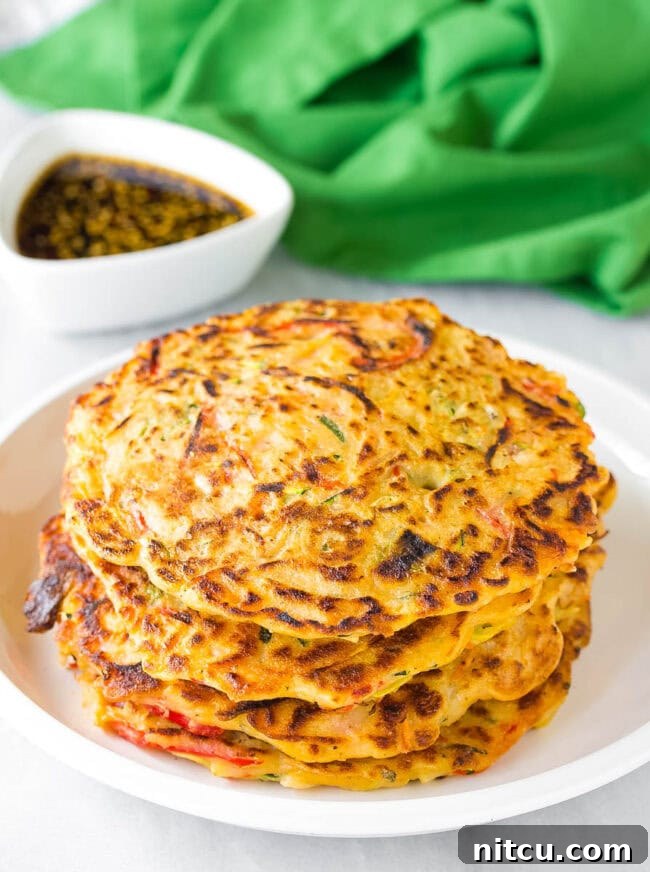
How To Master the Art of Making Korean Pancakes
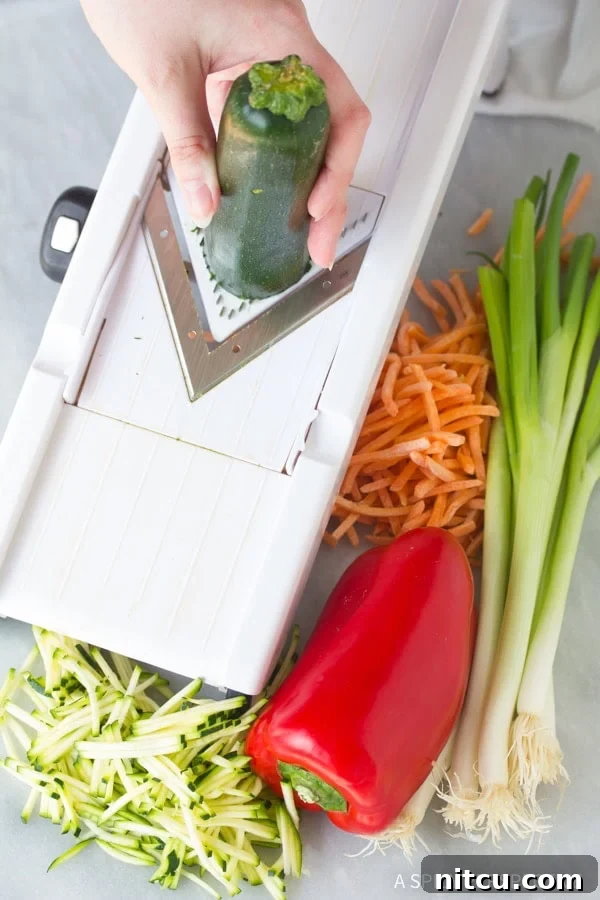
Making these scrumptious savory Korean Pancakes is surprisingly straightforward, especially with a few smart shortcuts. While a mandolin can make julienning vegetables a breeze, it’s not a necessity. To simplify the preparation and save time, we often opt for pre-shredded carrots and conveniently thawed frozen hash browns. This approach significantly cuts down on prep work without compromising on flavor or texture.
For the complete Korean Pancakes recipe, including precise measurements, detailed step-by-step instructions, and comprehensive storage tips, please refer to the printable recipe card located at the bottom of this post!
Storage and Reheating Tips for Pajeon Perfection
One of the great things about Korean Pancakes is that they can be enjoyed as leftovers, and with the right storage and reheating methods, they can taste almost as good as fresh. Here’s how to keep them delicious:
- Storing Leftovers: Once cooled, place any leftover Korean pancakes in an airtight container. They will keep well in the refrigerator for up to 3 days. While they might lose some of their initial crispiness, the flavors will still be robust and enjoyable.
- Freezing Leftovers: For longer storage, Pajeon freezes beautifully. To prevent them from sticking together, wrap individual pancakes in parchment paper, then place them in a freezer-safe ziploc bag or an airtight container. They can be frozen for up to 2 months.
- Reheating Leftovers: To bring your Pajeon back to its former crispy glory, avoid the microwave at all costs – it will make them soggy. The best methods for reheating are:
- Skillet: Heat a little oil in a non-stick skillet over medium heat. Place the pancakes in the hot pan and fry for a few minutes per side until heated through and crispy.
- Air Fryer: Arrange the pancakes in a single layer in your air fryer basket. Air fry at 350°F (175°C) for 5-7 minutes, flipping halfway, until they are hot and crispy.
- Oven: Preheat your oven to 375°F (190°C). Place pancakes on a baking sheet and bake for about 8-10 minutes, or until thoroughly heated and crispy.
Serving Suggestions: Building a Perfect Korean Feast
Korean Pancakes (Pajeon) are incredibly versatile and can be enjoyed in many ways. Traditionally, they are served as a beloved side dish (banchan) or a popular appetizer, often alongside a glass of makgeolli (Korean rice wine) on a rainy day. But their savory appeal means they fit into various meal scenarios:
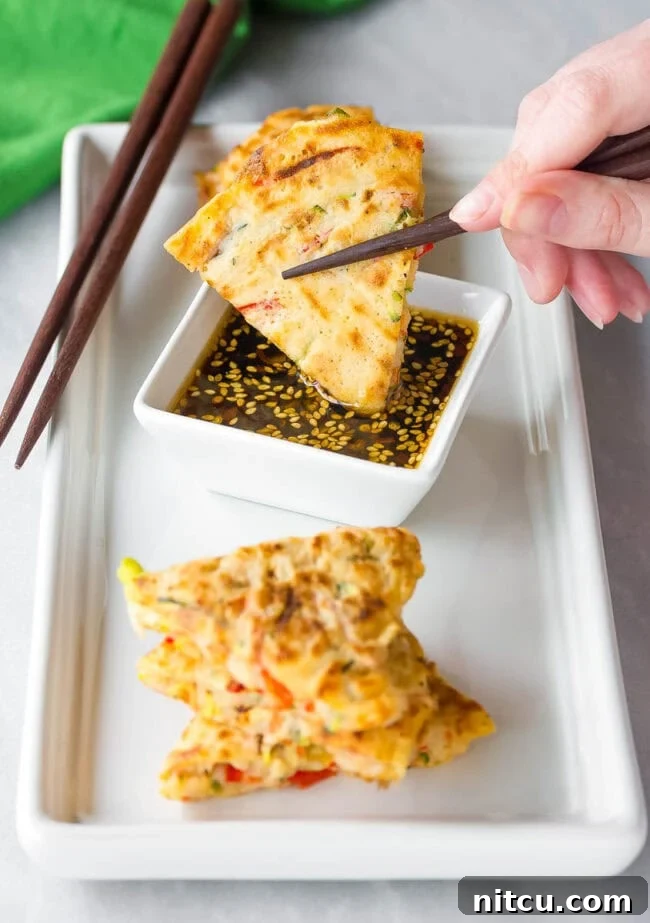
- As an Appetizer: Cut the pancakes into wedges and serve them warm with the spicy soy dipping sauce as a fantastic starter for any meal, or as a crowd-pleasing party snack.
- Part of an Asian Side Dish Spread: Create an authentic Korean dining experience by pairing Pajeon with other delightful sides. Consider adding fresh spring rolls, vibrant kimchi, savory potstickers (mandu), or a fragrant dish of Asian Stir-Fried Mushrooms.
- A Light Lunch or Dinner: Pajeon can be substantial enough on its own for a satisfying light meal, especially when accompanied by a simple fresh salad.
- Complementing Main Dishes: If you’re looking for a heartier meal, Pajeon pairs wonderfully with a meaty protein. Try serving it alongside succulent Korean Chicken Skewers (or shrimp skewers for a seafood twist), or any of your other favorite Korean main courses like Bulgogi or Galbi.
- Brunch Item: Don’t limit Pajeon to just lunch or dinner! Its savory profile makes it an exciting and flavorful addition to a brunch spread, offering a unique alternative to traditional sweet pancakes.
Frequently Asked Questions About Korean Pancakes (Pajeon)
Pajeon is a popular Korean savory pancake made primarily with a batter of flour, water, and eggs, mixed with various vegetables, most commonly green onions (pa means green onion, and jeon refers to a pan-fried dish). It’s famous for its crispy texture and flavorful, tender interior, often served with a soy-based dipping sauce.
Absolutely! You can prepare the pancakes fully in advance. Once cooled, store them in an airtight container in the refrigerator for up to 3 days. They will lose some crispiness, but can easily be revived. Alternatively, you can freeze them for up to 2 months and reheat them in a skillet, oven, or air fryer for best results. This makes Pajeon an excellent make-ahead option for busy days!
“Jeon” is a general term in Korean cuisine for any dish that is pan-fried with a batter or egg wash. Pajeon specifically refers to green onion pancakes. Other popular Jeon variations include Kimchijeon (kimchi pancakes), Bindaetteok (mung bean pancakes), and Haemul Pajeon (seafood green onion pancakes).
While not strictly mandatory, a good quality nonstick skillet is highly recommended. It significantly aids in making flipping easier, ensuring your pancakes cook evenly, and helps achieve that beautiful golden crust without sticking or breaking apart.
To prevent soggy pancakes, ensure your skillet is adequately hot before adding the batter, and use enough oil for frying (not deep-frying, but a good layer). Also, avoid overcrowding the pan, allowing each pancake enough space to cook and crisp up properly. Don’t flip them too soon, and let each side develop a deep golden-brown crust.
While you can mix the dry ingredients and even the wet ingredients (flour, water, egg, salt) a few hours ahead and keep refrigerated, it’s best to add the vegetables and hash browns just before frying. This prevents the vegetables from releasing too much moisture into the batter, which can lead to a less crispy pancake.
Similar Asian Recipes You Might Enjoy
Print Recipe
Leave a Review »
Korean Pancakes (Pajeon Recipe)
20 minutes
20 minutes
40 minutes
These easy Korean Pancakes, called Pajeon, are crispy, loaded with julienned vegetables and hash browns, and served with a spicy soy dipping sauce.
4 pancakes
Video
Ingredients
For the Pajun (Pajeon):
- 2 cups all-purpose flour
- 1 1/2 cups water
- 1 large egg
- 1 1/2 teaspoons sea salt
- 2 cups frozen hash browns, completely thawed
- 1 cup shredded carrots
- 1 red bell pepper, seeded and sliced julienne
- 1 small zucchini, sliced julienne
- 1 bunch green onions, cut in 1-inch sections
- Pepper to taste
- Vegetable oil for cooking
For the Dipping Sauce:
- 1/2 cup low-sodium soy sauce
- 1/4 cup water
- 1 tablespoon rice vinegar
- 2 tablespoons sugar
- 1 tablespoon sesame oil
- 1 clove garlic, minced
- 1 teaspoon sesame seeds
- 1/4 teaspoon crushed red pepper
Instructions
-
Place all the dipping sauce ingredients in a microwave-safe bowl. Whisk well and warm in the microwave for 1-2 minutes, just long enough for the sugar to fully dissolve. Whisk again before serving and set aside.
-
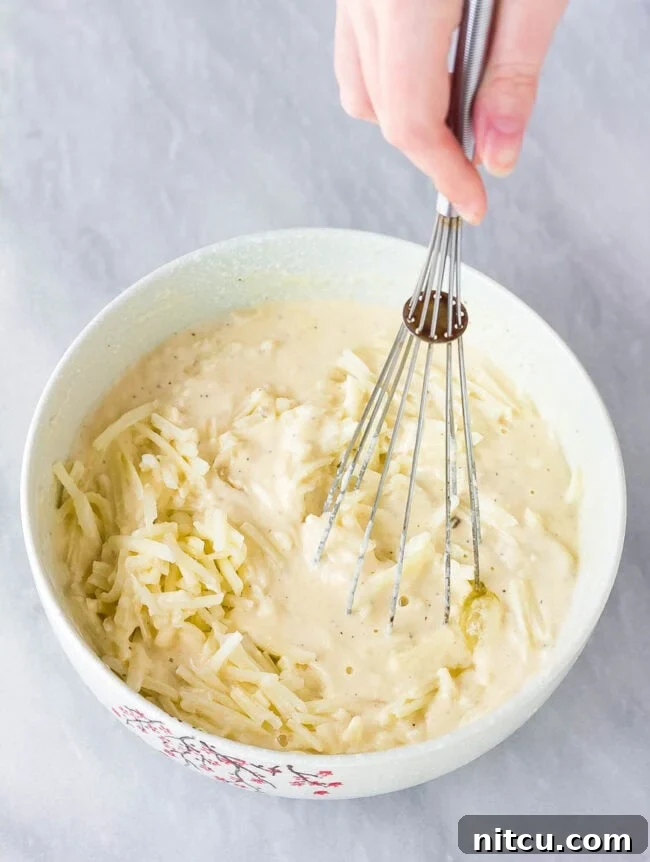
In a large mixing bowl, beat together the all-purpose flour, water, large egg, and sea salt until a smooth batter forms. Stir in the completely thawed hash browns, then let the batter rest for 10-15 minutes to allow the flour to hydrate.
-
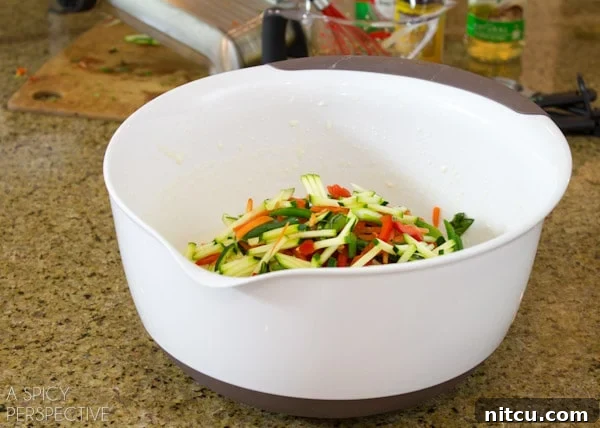
Preheat two non-stick skillets (preferably 12-inch) over medium-high heat. While the pans are heating, slice all your chosen vegetables (bell pepper, zucchini, green onions) into julienne strips and gently fold them into the batter. Season with pepper to taste. If the batter appears too thick after mixing in the vegetables, add 2-3 tablespoons of water and mix thoroughly.
-
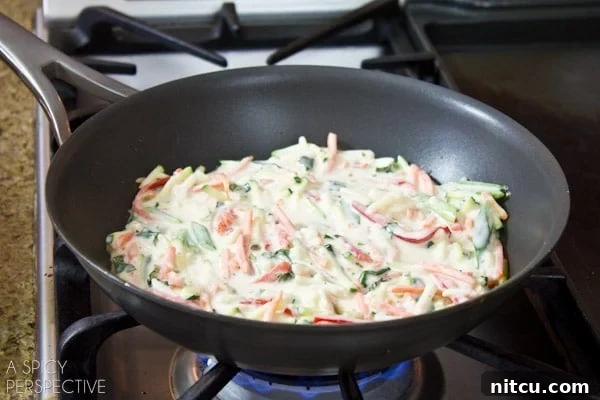
Add a generous amount of vegetable oil to each preheated skillet, swirling to coat the bottom evenly. Ladle enough of the veggie batter into each skillet to completely cover the bottom in a thin, even layer. Fry for 4-5 minutes per side, ensuring each pancake achieves a deep golden-brown color and a crispy texture. Repeat with the remaining batter. Once cooked, cut the Korean pancakes into wedges and serve immediately with the prepared dipping sauce.
Notes
Using 12-inch skillets, this recipe typically yields enough batter to make 4 large, satisfying pancakes.
Storing Leftovers: Place cooled leftover pancakes into an airtight container and store in the refrigerator for up to 3 days.
Freezing Leftovers: Wrap individual pancakes in parchment paper and freeze them in a resealable freezer bag or airtight container for up to 2 months.
Reheating Leftovers: For best results and to restore crispiness, reheat leftover pancakes in a hot skillet, an air fryer, or an oven. Avoid using a microwave, as it will make them soggy.
Nutrition
Serving: 0.5 pancake, Calories: 218kcal, Carbohydrates: 41g, Protein: 6g, Fat: 3g, Saturated Fat: 0g, Cholesterol: 20mg, Sodium: 1004mg, Potassium: 365mg, Fiber: 2g, Sugar: 5g, Vitamin A: 3250IU, Vitamin C: 29mg, Calcium: 29mg, Iron: 2.6mg
Cook It? Love It? Rate It!
Help this recipe gain visibility on Google – TAP 5 STARS so other hungry people can discover it. Thank you!