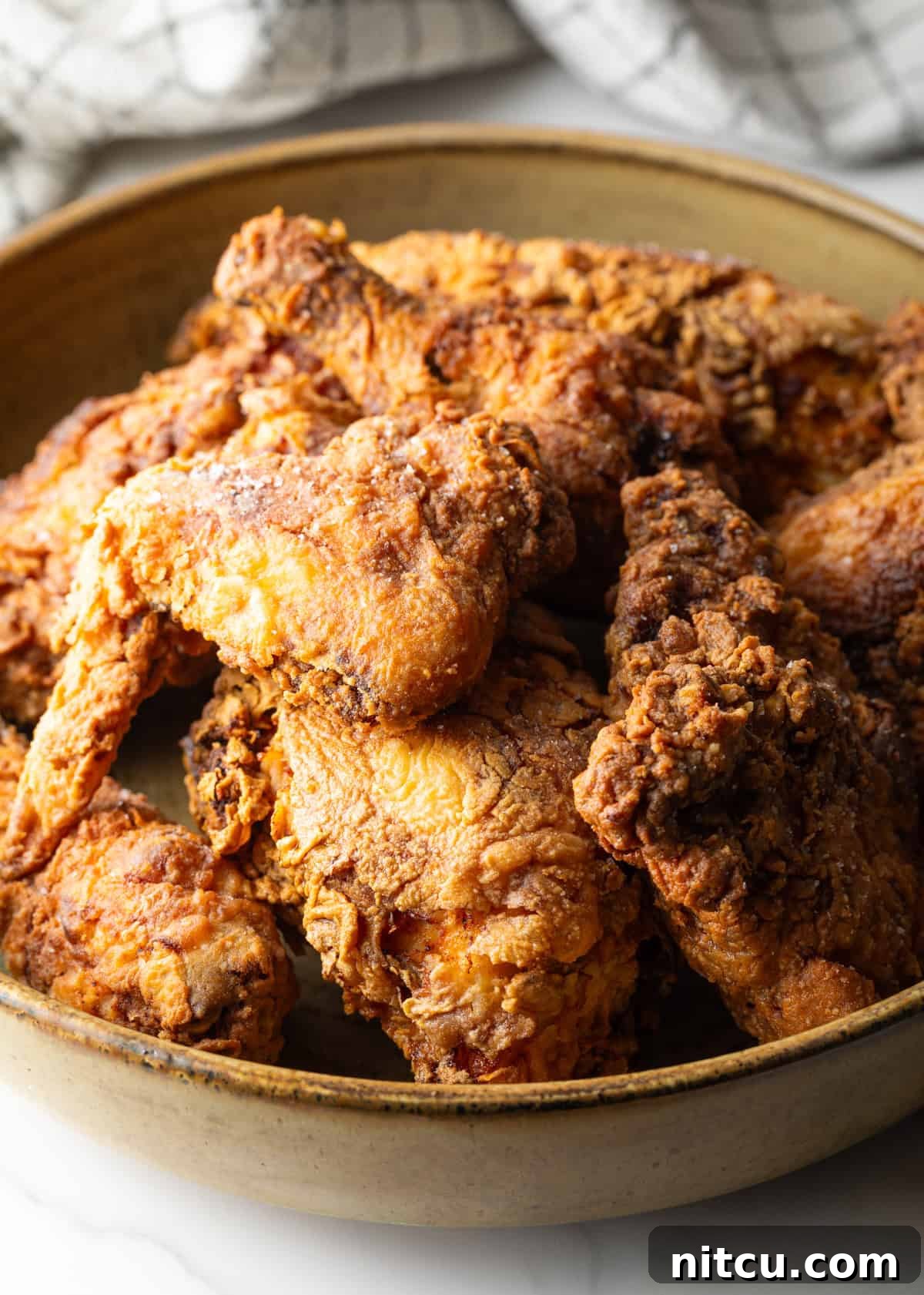
Welcome to the ultimate guide for crafting the most delectable Southern Fried Chicken right in your own kitchen! Forget bland, dry chicken; this recipe, perfected in a classic cast-iron skillet, promises an unforgettable culinary experience. We’re talking about chicken that’s incredibly crispy on the outside, bursting with flavor, and so wonderfully juicy on the inside it practically melts in your mouth. Using a time-honored buttermilk marinade and a simple yet potent blend of spices, this method transforms humble chicken into a golden, finger-lickin’ amazing masterpiece, every single time. Prepare to impress your taste buds and earn bragging rights as a true Southern comfort food connoisseur!
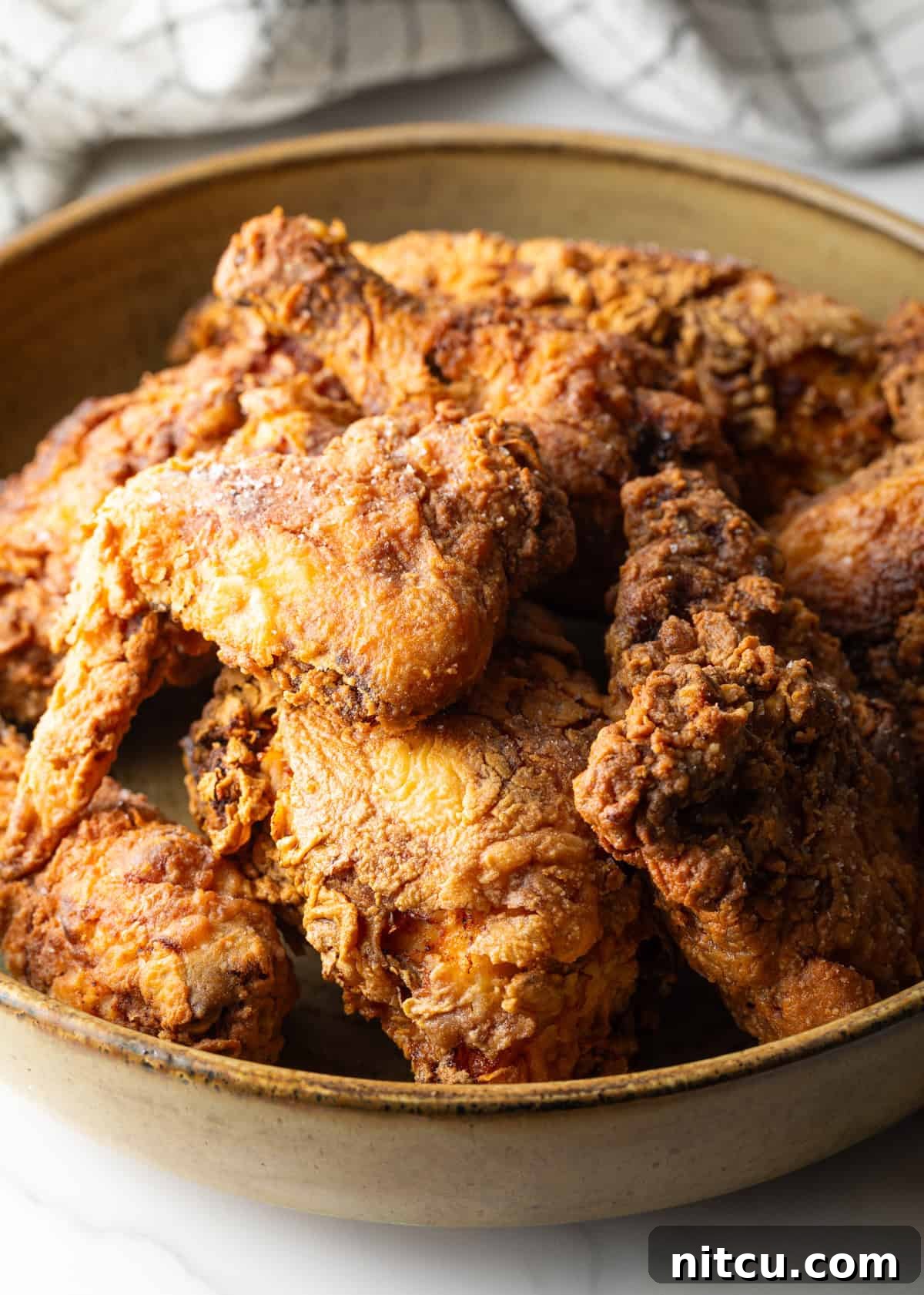
Even if you’ve never set foot in the American South, certain culinary traditions transcend geographical boundaries, and fried chicken is undoubtedly one of them. It’s an iconic dish, deeply woven into the fabric of Southern hospitality and culture, often enjoyed at family gatherings, picnics, and Sunday dinners. Here in the South, we don’t just cook fried chicken; we celebrate it. That’s why you’ll find a range of popular chicken recipes on our site, including the renowned Nashville Hot Chicken, famed for its fiery kick, and a unique buttermilk-free Northern Tavern-style fried chicken that’s a personal favorite in my household. Today, however, we’re focusing on the quintessential, most classic Southern fried chicken recipe—the kind grandmothers have been making for generations in a trusty cast-iron skillet. This isn’t just any recipe; it’s a detailed guide to achieving perfect results on your very first attempt, complete with a fantastic buttermilk marinade that can be prepared hours, or even a full day, in advance. This forethought ensures maximum flavor and tenderness, leading to the crispiest chicken imaginable, ready in 15 minutes or less of frying time. Get ready for truly exceptional homemade fried chicken!
Table of Contents
- Why Cast Iron? The Secret to Superior Fried Chicken
- Essential Ingredients for Authentic Southern Fried Chicken
- Recommended Equipment for Perfect Frying
- Mastering the Art of Southern Fried Chicken: Step-by-Step
- Expert Tips for Unforgettable Crispy Chicken
- Classic Southern Serving Suggestions
- Storage and Reheating Tips for Leftovers
- Frequently Asked Questions About Fried Chicken
- More Mouthwatering Chicken Recipes

Why Cast Iron? The Secret to Superior Fried Chicken
The choice of cooking vessel is paramount when it comes to achieving truly exceptional fried chicken, and the cast-iron skillet reigns supreme for several compelling reasons. It’s not just a tradition; it’s a science-backed method that delivers unparalleled results:
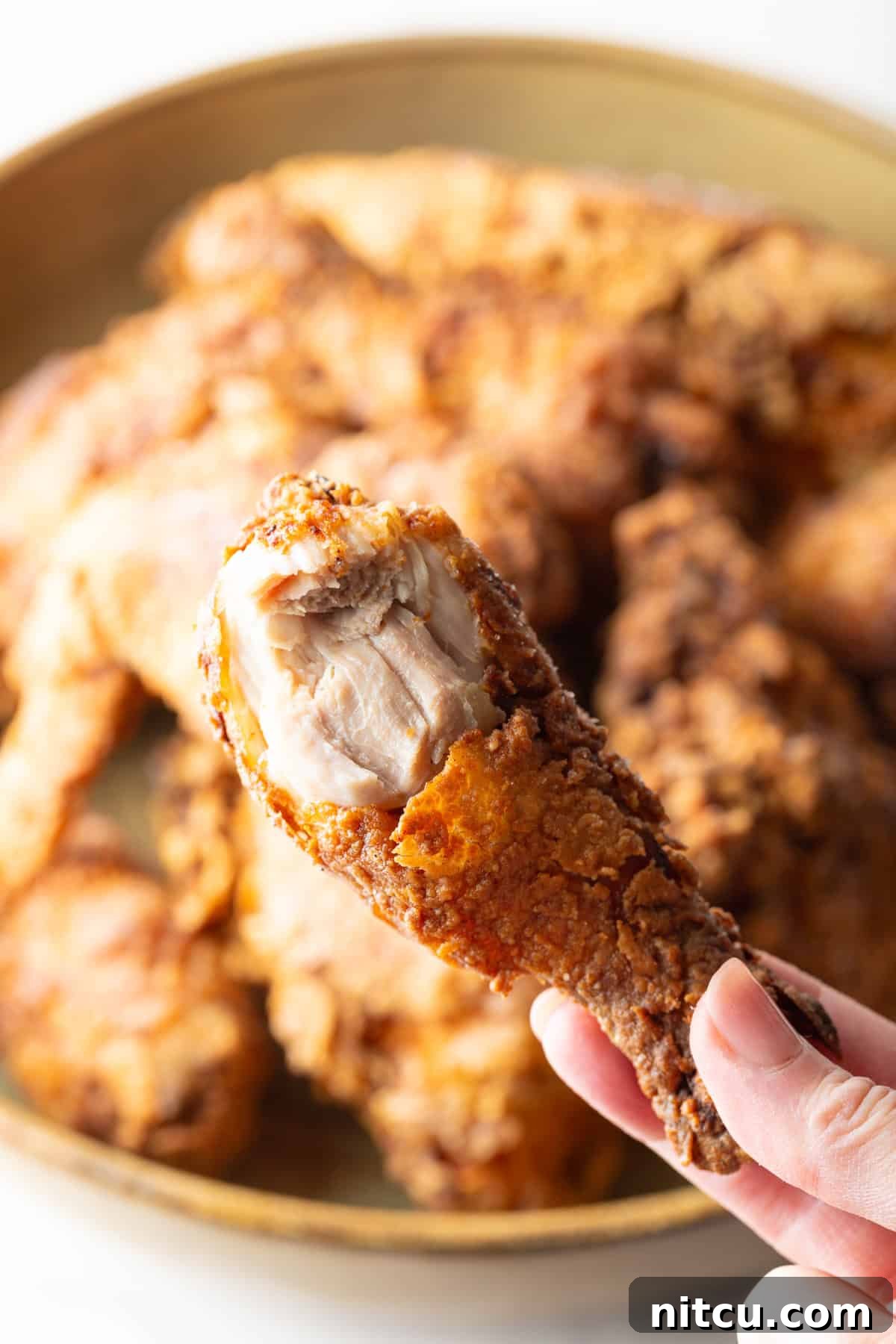
Unbeatable Heat Retention: Cast iron is renowned for its incredible ability to absorb, retain, and evenly distribute heat. When you add cold chicken pieces to hot oil in a cast-iron skillet, the pan’s thermal mass helps to stabilize the oil temperature, preventing drastic drops that can lead to greasy, soggy chicken. This consistent heat ensures a beautifully golden, uniformly crispy crust and thoroughly cooked interior.
Efficiency and Less Waste: Unlike deep frying in a large pot that requires gallons of oil, shallow frying in a cast-iron skillet demands significantly less oil. This not only makes the cooking process more manageable but also results in less used oil to dispose of, making it a more economical and environmentally friendlier choice for home cooks.
The Crispiest Breading: One of the hallmarks of great Southern fried chicken is its unbelievably crunchy exterior. When frying in a skillet, the chicken pieces often rest slightly on the bottom, allowing direct contact with the hot metal. This contact, combined with the stable oil temperature, creates an extra crispy, deeply golden crust that’s never burnt or overly greasy. It’s the secret to that coveted “shatteringly crisp” texture.
Enhanced Flavor Development: Over time, cast iron develops a natural seasoning, a non-stick layer that also imparts a subtle, desirable depth of flavor to foods cooked in it. This seasoned surface contributes to the overall deliciousness of your fried chicken, making each batch taste even better.
Essential Ingredients for Authentic Southern Fried Chicken
Crafting the perfect Southern fried chicken begins with selecting the right ingredients. Each component plays a vital role in achieving that legendary crispy exterior and succulent interior:
- Bone-in and Skin-on Chicken: While boneless chicken cutlets have their place, authentic fried chicken demands bone-in, skin-on pieces. The bone helps conduct heat, ensuring even cooking and moisture retention, while the skin is absolutely essential for developing that irresistible, super-crispy texture and rich flavor that defines Southern fried chicken. There’s nothing quite like the satisfying experience of eating a piece of fried chicken straight from the bone.
- Buttermilk: This is the cornerstone of truly tender and flavorful fried chicken. The natural acidity in buttermilk works wonders, breaking down tough muscle fibers in the chicken to create incredibly tender meat. Beyond its tenderizing power, buttermilk acts as the perfect “glue,” helping the breading adhere firmly to the chicken, creating a thick, crunchy coating. If buttermilk isn’t readily available or you only need a small amount, you can easily make your own buttermilk substitute at home with just two simple ingredients you likely already have.
- Classic Spices: Simplicity is key to classic Southern flavor. This recipe uses a harmonious blend of fundamental spices: onion powder for a savory depth, garlic powder for aromatic warmth, a hint of cayenne pepper for a subtle, delightful kick, and, of course, salt to enhance all the flavors. These spices perfectly complement the chicken without overpowering it, creating a balanced and addictive taste profile.
- Flour and Cornstarch: The secret to an extra crispy, yet light and delicate, breading lies in the combination of all-purpose flour and cornstarch. Flour provides the bulk of the coating, while cornstarch is the magic ingredient that significantly boosts crispiness and prevents the breading from becoming too dense or heavy. The precise ratio ensures a breading that shatters beautifully with every bite.
- Oil for Frying (Peanut Oil Recommended): The choice of frying oil significantly impacts the final product. Peanut oil is highly recommended for its high smoke point, neutral flavor profile (which allows the chicken and spices to shine), and exceptional ability to create a golden, crispy crust. Furthermore, peanut oil is prized by Southern cooks for its reusability; it holds its structural integrity well and doesn’t readily absorb the flavors of fried foods. Strain it after use, and you can often reuse it multiple times. For those with peanut allergies, desensitized peanut oil is an option, or you can opt for another high-heat oil like canola oil.
Recommended Equipment for Perfect Frying
Having the right tools makes all the difference in achieving perfectly fried chicken. Here’s what you’ll need to set yourself up for success:
- Large Baking Dish: A standard 9×13-inch baking dish or another large, non-reactive dish is essential for marinating your chicken. Its ample size allows the chicken pieces to be fully submerged and evenly coated in the buttermilk marinade, ensuring maximum flavor absorption and tenderness.
- Deep Cast-Iron Skillet: As discussed, a deep, heavy-bottomed cast-iron skillet, ideally 12-14 inches in diameter, is the star of this show. Its superior heat retention and distribution are unmatched for frying. If you don’t own a cast-iron skillet, a similar large, heavy-bottomed skillet made from another material will work, though cast iron offers the best results.
- Clip-on Cooking Thermometer: Precise oil temperature control is paramount for crispy, non-greasy fried chicken and safety. A food-safe, high-heat cooking thermometer that clips to the side of your skillet is an indispensable tool. It allows you to monitor the oil temperature continuously and make necessary adjustments, ensuring consistent frying conditions.
- Wire Rack and Rimmed Baking Sheet: Immediately after frying, your chicken needs a place to drain excess oil without losing its crispness. A wire rack set over a rimmed baking sheet provides optimal air circulation, allowing steam to escape and preventing the bottom of the chicken from becoming soggy. The baking sheet catches any drips, keeping your countertop clean.
- Instant-Read Meat Thermometer Probe: For absolute food safety and to prevent under or overcooking, an internal meat thermometer is non-negotiable. Eyeballing doneness can be unreliable, especially with bone-in chicken. A probe thermometer ensures your chicken reaches the safe internal temperature of 165°F (74°C), guaranteeing juicy, perfectly cooked meat every time.
- Sturdy Tongs: Essential for handling raw and hot chicken pieces safely and efficiently. Choose long-handled tongs to keep your hands away from hot oil.
- Splatter Screen (Optional but Recommended): Frying can get messy. A splatter screen placed over the skillet can significantly reduce oil splatters, keeping your stovetop cleaner and protecting you from hot oil.
Mastering the Art of Southern Fried Chicken: Step-by-Step
For the complete list of ingredient proportions, detailed instructions, storage guidelines, and a video tutorial, please refer to the printable recipe card located at the bottom of this post.
Achieving legendary Southern fried chicken is a process that begins long before the oil heats up. Follow these steps for an unforgettable culinary journey:
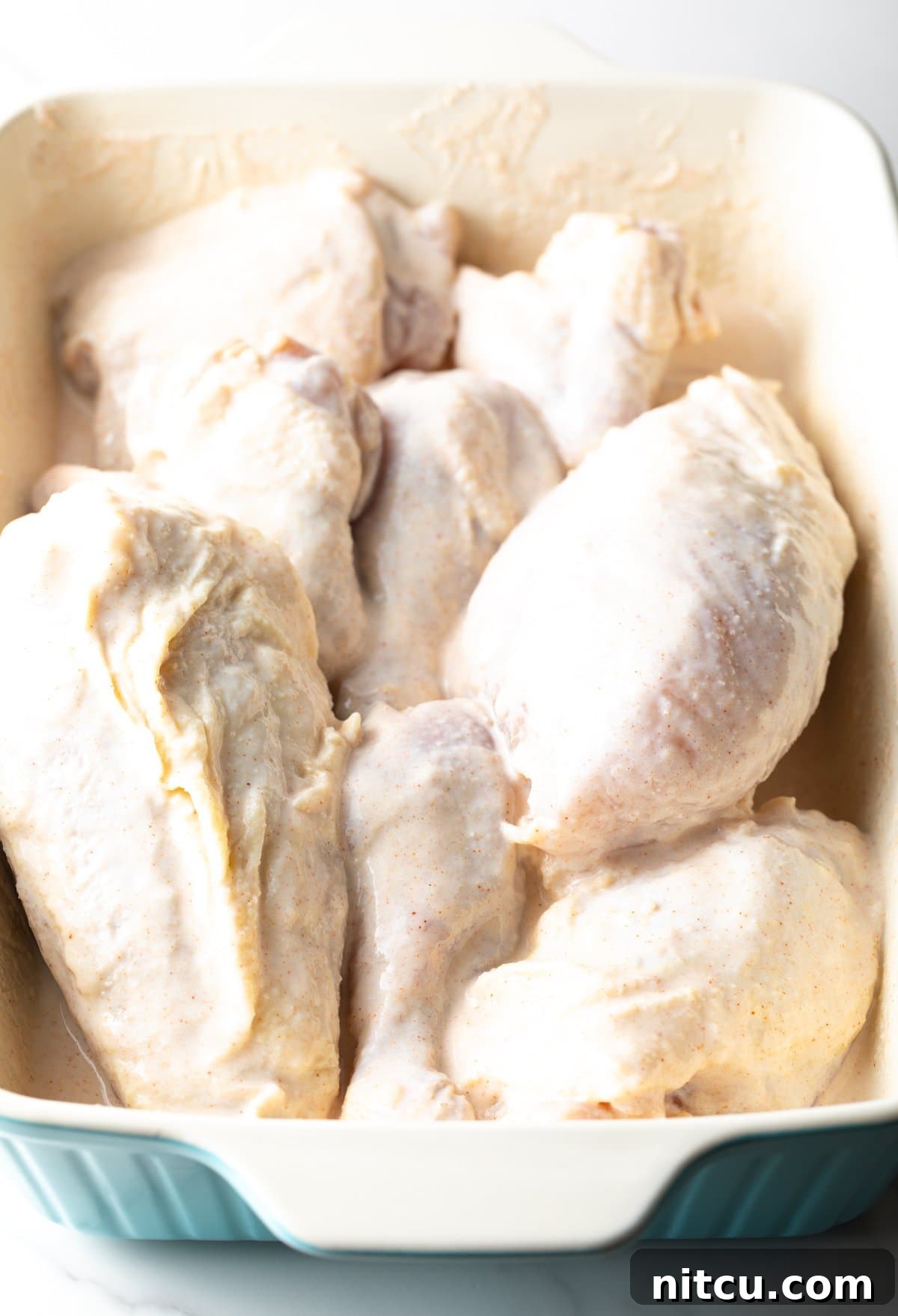
1. Marinate the Chicken for Maximum Flavor and Tenderness: The journey to perfect fried chicken starts with marination. In a spacious 9×13-inch baking dish, combine the buttermilk with 1 tablespoon of salt, 1 tablespoon of onion powder, 2 teaspoons of garlic powder, and ½ teaspoon of cayenne pepper. Whisk these ingredients together until well blended. Add your bone-in, skin-on chicken pieces to this flavorful marinade, ensuring each piece is thoroughly coated using your hands or tongs. This step is crucial, as the buttermilk’s acidity tenderizes the meat while infusing it with flavor. Cover the dish tightly with plastic wrap and refrigerate for at least 2 hours, or ideally, up to 24 hours. The longer the chicken marinates, the more tender and flavorful it will become.
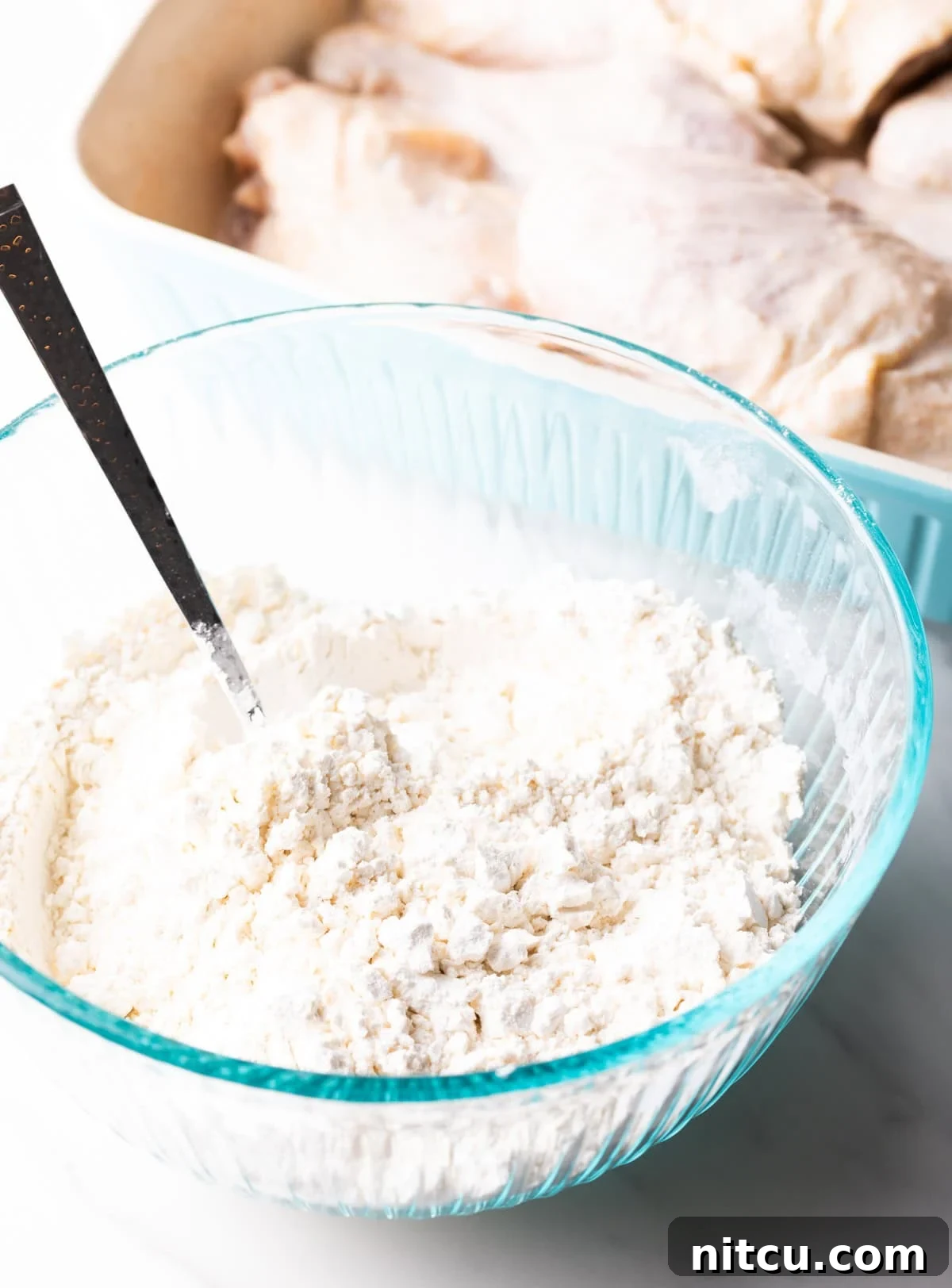
2. Prepare the Crispy Breading Mixture: When you’re ready to fry, remove the chicken from the refrigerator and allow it to come closer to room temperature for about 30 minutes, turning the pieces to ensure they are still well-coated. In a deep mixing bowl (one large enough to easily dredge chicken pieces), combine 1 ½ cups of all-purpose flour, ¾ cup of cornstarch, and an additional teaspoon of salt. Whisk these dry ingredients thoroughly to ensure the salt and cornstarch are evenly distributed. The cornstarch is key to achieving that extra crispy, light coating.
3. Set Up Your Skillet for Frying: Place your 12-14 inch cast-iron skillet over medium heat on your stovetop. Clip a high-heat cooking thermometer to the side of the pan. Pour enough peanut or canola oil into the skillet to fill it approximately halfway. It’s essential to leave ample space for the oil to rise once the chicken is added, preventing any overflow and ensuring safe frying. Slowly allow the oil to heat up.
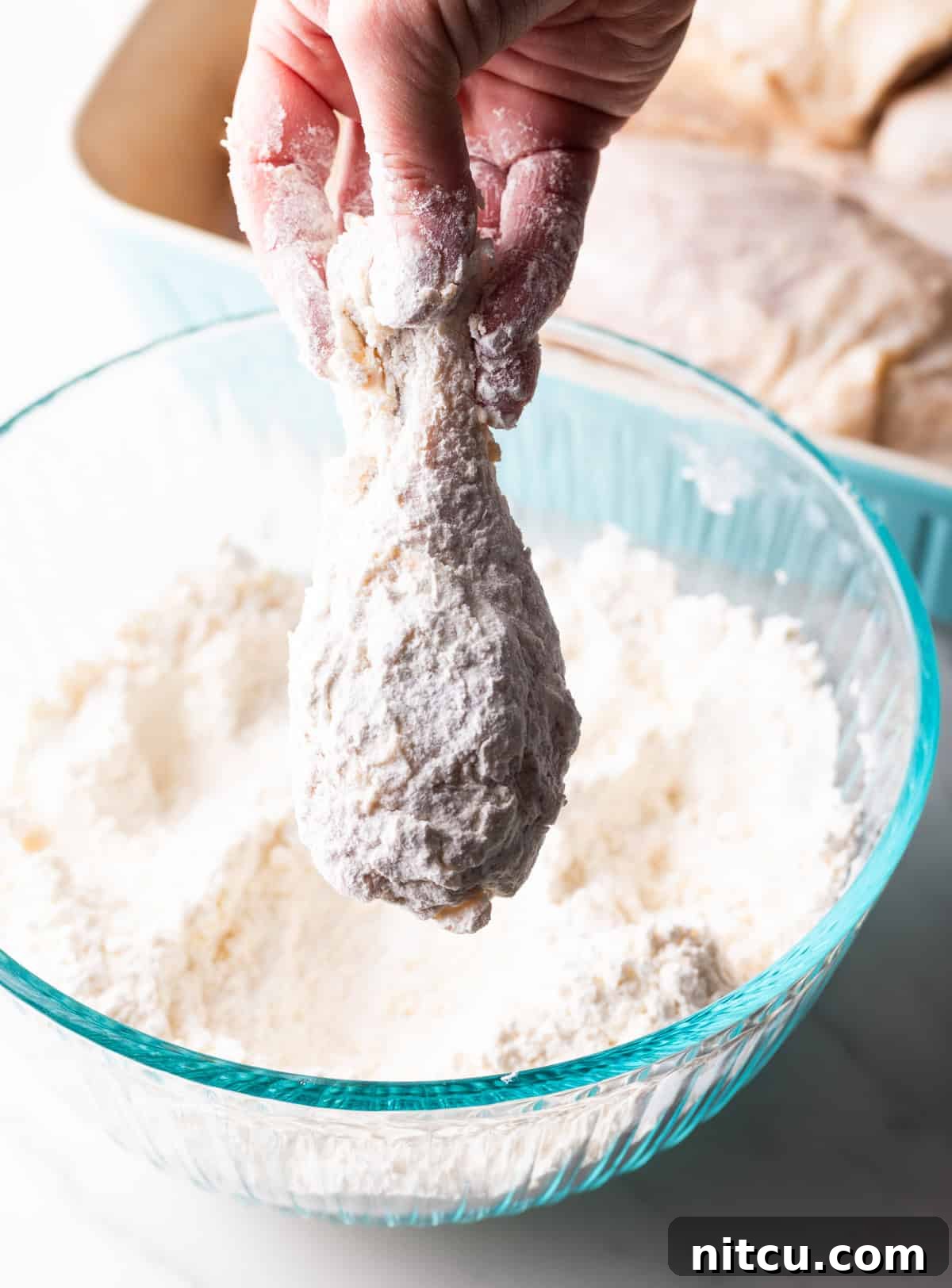
4. Dredge the Chicken with Care: As the oil temperature begins to climb towards 300°F (149°C), it’s time to prepare your chicken for frying. Working in batches of about four pieces to avoid overcrowding, remove a piece of chicken from the buttermilk marinade, allowing any excess to drip off. Roll the chicken piece thoroughly in the flour mixture, ensuring it’s completely coated on all sides. A good technique is to designate one hand as your “wet” hand for handling marinated chicken and the other as your “dry” hand for handling the flour, keeping things cleaner and more efficient.
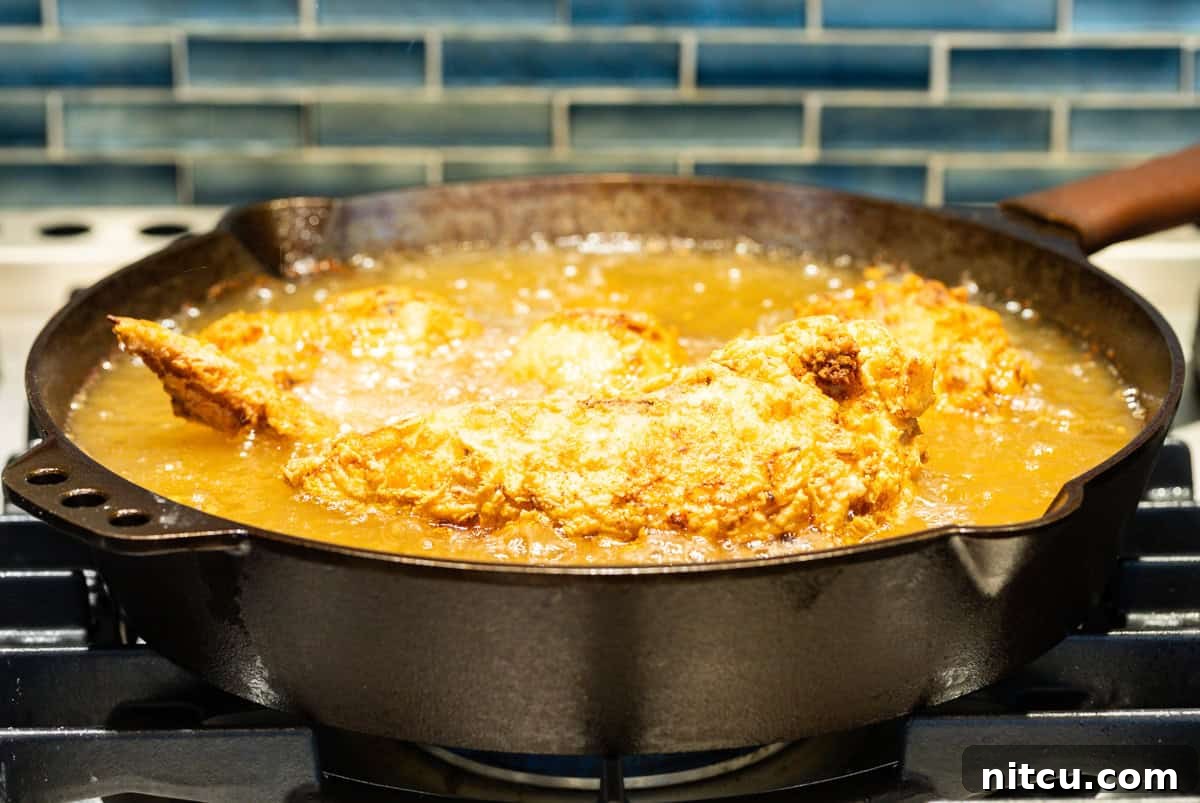
5. The Frying Process: Once your oil reaches a precise 325°F (163°C), very gently and carefully place the dredged chicken pieces into the hot oil, one at a time. Do not overcrowd the pan; typically, 4 large pieces fit well. Overcrowding will significantly drop the oil temperature, leading to greasy chicken. As the chicken fries, the oil temperature will naturally dip slightly, ideally settling into the 300-310°F (149-154°C) range. Monitor your thermometer closely and adjust the heat as needed to maintain this consistent temperature. Fry the chicken until it reaches a beautiful golden brown and, crucially, an internal temperature of 165°F (74°C) when checked with a meat thermometer. Smaller white meat pieces (like wings and breasts) usually take about 8-10 minutes, while larger dark meat pieces (thighs and drumsticks) may require 12-15 minutes. Use tongs to flip the chicken every 2-3 minutes to ensure even browning and cooking.
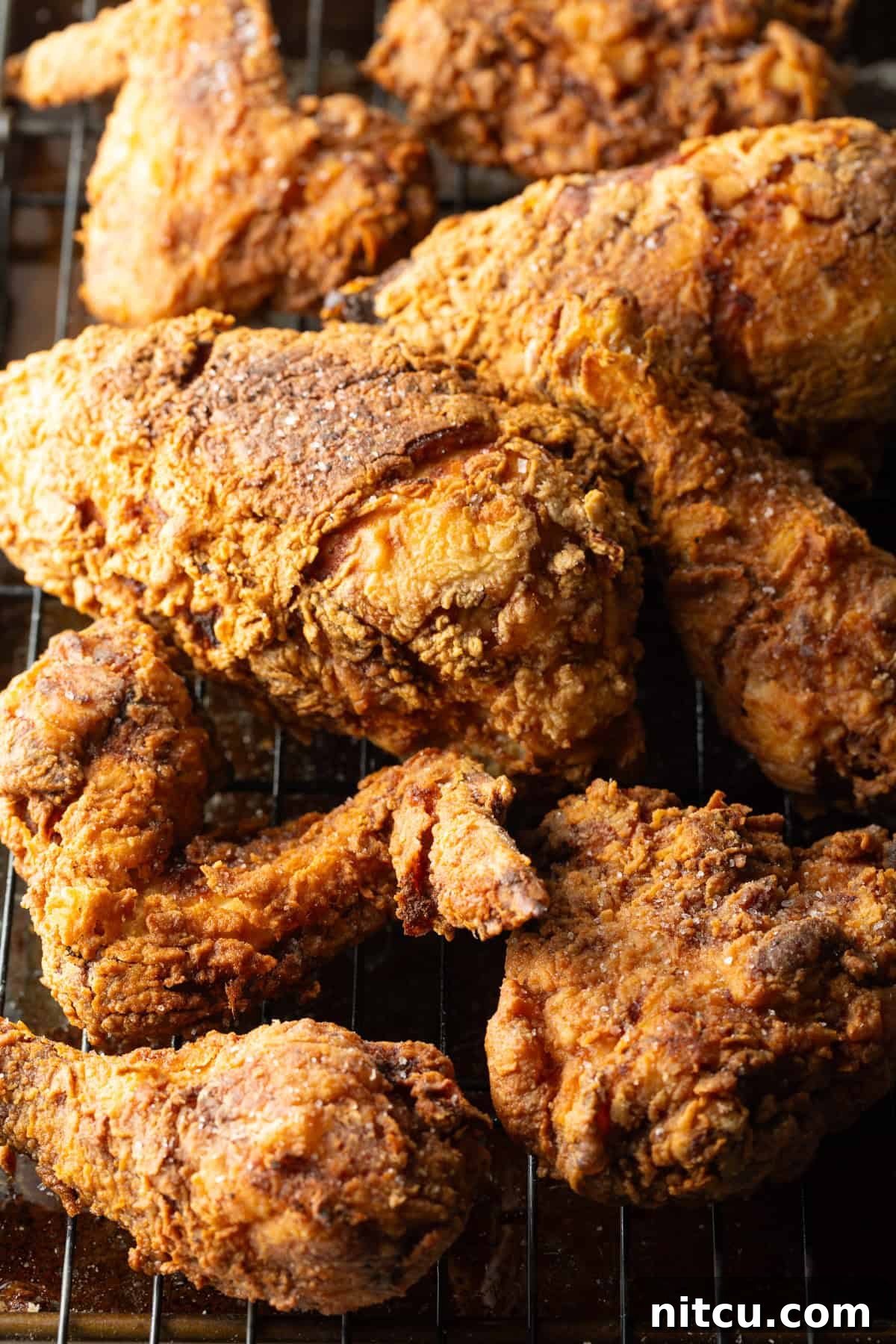
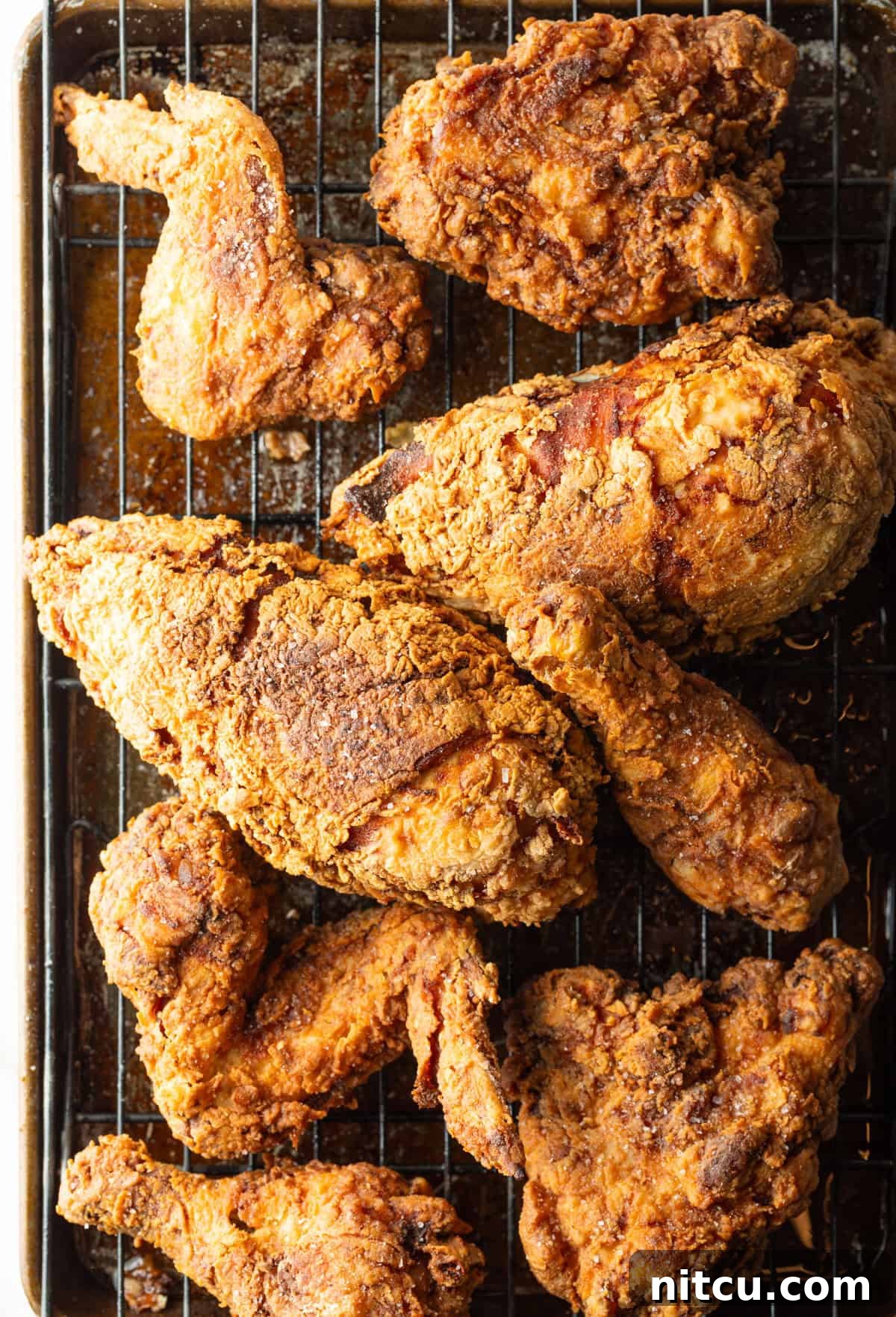
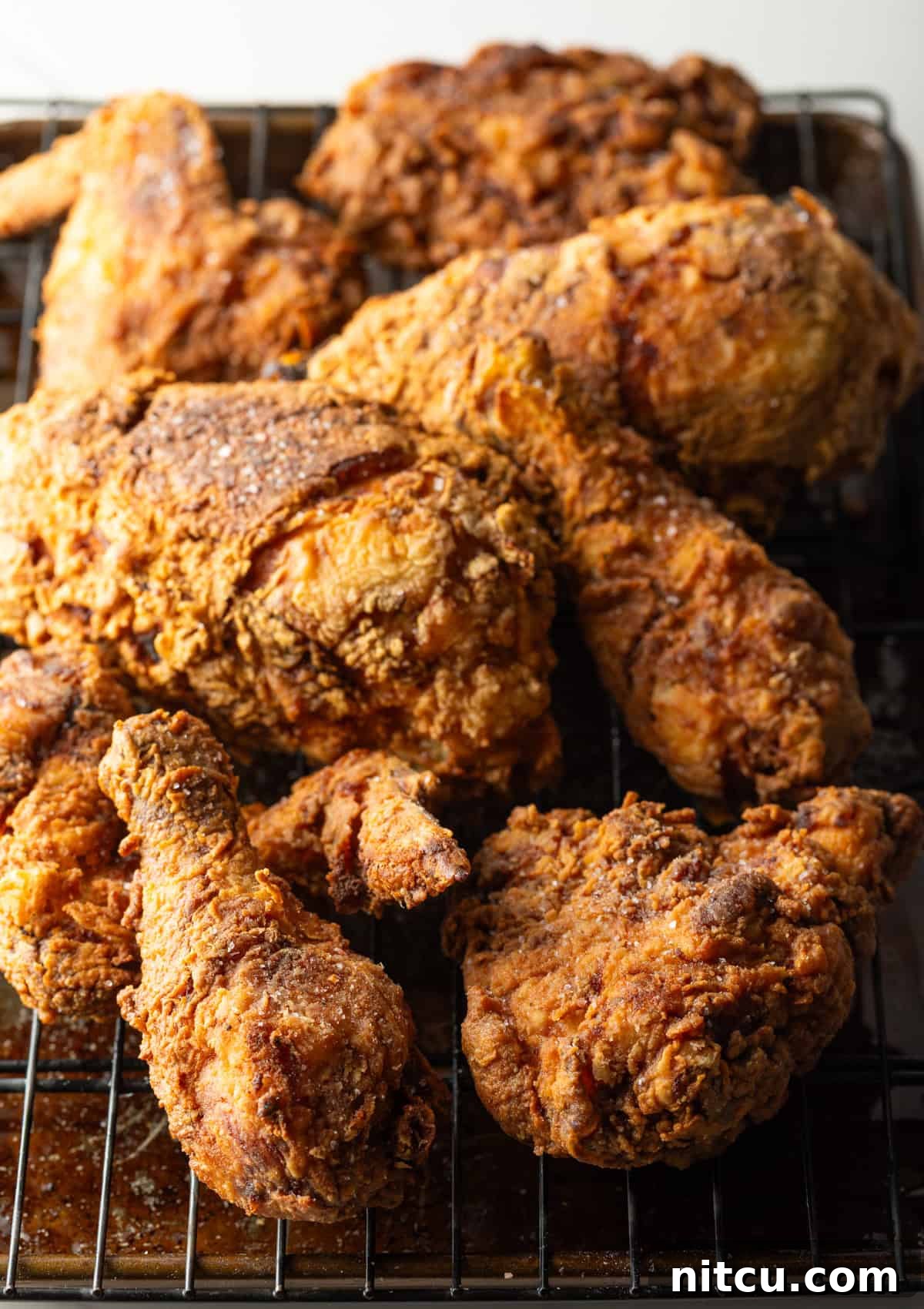
6. Check Temperature and Drain: After approximately 8 minutes of frying, begin checking the internal temperature of the chicken. Carefully lift a piece with tongs and insert an internal meat thermometer probe almost to the bone, ensuring it doesn’t touch the bone itself (as bone temperature can be misleading). The chicken is perfectly cooked when it registers 165°F (74°C). Once cooked, transfer the crispy fried chicken pieces to a wire rack set over a rimmed baking sheet. This allows excess oil to drip away and prevents the bottom crust from becoming soggy. Repeat the dredging and frying process for any remaining chicken, allowing the second batch to rest for at least 5 minutes before serving. For an extra touch, you can sprinkle the freshly fried chicken with a pinch of additional salt before enjoying.
Expert Tips for Unforgettable Crispy Chicken
While the step-by-step instructions lay the foundation, these expert tips are the secret sauce to elevating your fried chicken from good to absolutely legendary:
1. The Power of Buttermilk Marinade: Never skip the buttermilk marinade! This isn’t just for flavor; it’s a critical tenderizing step. The lactic acid in buttermilk works to break down the chicken’s connective tissues, resulting in incredibly juicy and tender meat. It also acts as the perfect adhesive for your flour mixture, ensuring a thick, even, and crispy crust. For the best results, aim to marinate for at least 4 hours, or even up to 24 hours. The longer the chicken bathes in this flavorful mixture, the deeper the flavor and tenderness will penetrate.
2. Precision in Oil Temperature Control: This is arguably the most important factor for perfect fried chicken. Always use a reliable cooking thermometer clipped to your skillet. Start by heating the oil to 325°F (163°C). Once chicken pieces are added, the temperature will drop. Your goal is to maintain the oil temperature consistently between 300-310°F (149-154°C). If the oil is too cold, the chicken will absorb too much oil and become greasy and soggy. If it’s too hot, the exterior will burn before the interior is fully cooked. Constant monitoring and small adjustments to your stovetop heat are key.
3. Don’t Overcrowd the Skillet: Resist the temptation to fry too many pieces of chicken at once. Overcrowding dramatically lowers the oil temperature, which, as mentioned, leads to greasy chicken and an unevenly cooked, less crispy crust. Work in batches, allowing enough space between each piece for the oil to circulate freely and maintain its temperature. Typically, 3-4 pieces in a 12-14 inch skillet is ideal.
4. Rest Your Fried Chicken: Just like a perfectly cooked steak, fried chicken benefits from resting. Once removed from the hot oil and drained on a wire rack, let the chicken rest for at least 5-10 minutes before serving. This allows the juices within the meat to redistribute, ensuring every bite is moist and flavorful. It also gives the crust a final moment to set and become even crispier.
5. Proper Drainage is Crucial: Always transfer freshly fried chicken to a wire rack set over a baking sheet, not directly onto paper towels. While paper towels absorb oil, they also trap steam underneath the chicken, which can quickly turn your crispy crust soggy. A wire rack allows air to circulate around all sides, maintaining that desired crispness while excess oil drains away.
Classic Southern Serving Suggestions
To truly complete the authentic Southern fried chicken experience, pair your masterpiece with a selection of classic Southern-style side dishes. These traditional fixings complement the richness and flavor of the chicken beautifully, creating a wholesome and satisfying meal:
- Deviled Egg Potato Salad: A creamy, tangy potato salad infused with the flavors of deviled eggs, offering a refreshing contrast to the crispy chicken.
- Creamy Mashed Potatoes and Rich Brown Gravy: A comforting duo that’s a staple on any Southern table, perfect for soaking up any leftover savory juices.
- Hearty Instant Pot Baked Beans: Sweet and savory baked beans, often with a hint of smoky flavor, providing a satisfying and robust side.
- Velvety Mac and Cheese: A rich, cheesy, and utterly irresistible macaroni and cheese, the ultimate comfort food pairing.
- Spicy Collard Greens with Turnips: Tender, flavorful greens simmered with savory seasonings and a touch of heat, offering a traditional and nutritious balance.
- Sweet Cornbread: A slightly sweet, moist cornbread is perfect for crumbling into greens or simply enjoying alongside the chicken.
Storage and Reheating Tips for Leftovers
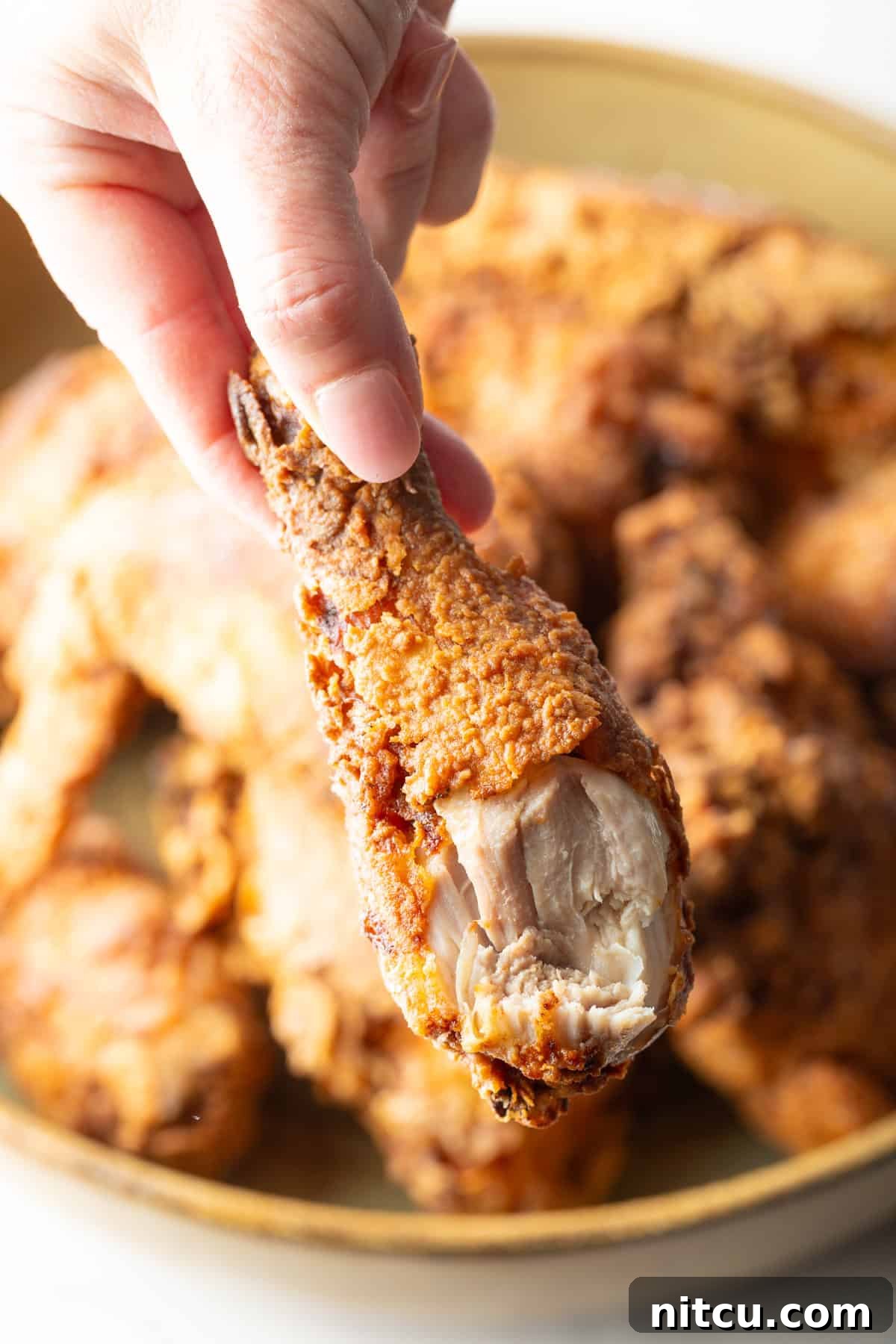
While homemade fried chicken is undoubtedly at its peak when enjoyed fresh from the skillet, complete with its super crispy skin and moist interior, leftovers can still be incredibly delicious. Proper storage and reheating techniques are key to preserving their quality.
If you find yourself with extra pieces (a rare occurrence!), allow them to cool completely to room temperature before storing. This prevents condensation from forming, which can make the breading soggy. Once cooled, transfer the chicken to an airtight container and store it in the refrigerator for up to 3 days. Beyond that, the quality begins to diminish.
For many, cold leftover fried chicken straight from the fridge is a cherished treat – perhaps not as crunchy, but still wonderfully juicy and packed with flavor. However, if you prefer to enjoy it warm with some of its original crispiness restored, here are the best reheating methods:
Oven Reheating: Preheat your oven to 350°F (175°C). Arrange the chicken pieces in a single layer on a wire rack set over a baking sheet (this helps maintain crispiness by allowing air circulation). Bake for about 10-15 minutes, or until the chicken is heated through and the skin has regained some of its crisp texture.
Air Fryer Reheating: For a quick and efficient way to bring back the crisp, an air fryer works wonders. Place the chicken pieces in a single layer in the air fryer basket, ensuring not to overcrowd it. Air fry at 350°F (175°C) for 4-5 minutes, or until thoroughly heated and crispy to your liking. The circulating hot air is excellent for revitalizing the crust.
Frequently Asked Questions About Fried Chicken
Greasy fried chicken is almost always a result of the frying oil not being hot enough. When the oil temperature drops too low, the chicken coating absorbs the oil instead of forming a crispy barrier, leading to a heavy, oily result. Always use a cooking thermometer to maintain the oil temperature between 300-310°F (149-154°C). Additionally, ensure you drain the fried pieces on a wire rack, not directly on paper towels, as trapping steam underneath can make the crust soggy and greasy.
This problem typically occurs when the frying oil is too hot. If the oil temperature exceeds 325°F (163°C), the exterior breading will cook and darken (or burn) too quickly before the internal meat has a chance to reach its safe cooking temperature. Constant monitoring with a cooking thermometer is crucial. Pull the chicken from the oil as soon as it reaches a beautiful golden brown and, most importantly, has reached an internal temperature of 165°F (74°C).
No, it is generally not recommended to use a lid when frying chicken, especially in a cast-iron skillet. Covering the skillet traps steam and moisture inside, which is the enemy of a crispy crust. It prevents the skin from crisping up and can even make the breading soggy. Moreover, combining trapped moisture with hot oil and high heat can lead to dangerous oil splatters and steam burns. Always fry uncovered for the crispiest, safest results.
While you technically *can* use boneless chicken, this recipe is specifically designed for bone-in, skin-on chicken, which is traditional for Southern fried chicken. Bone-in chicken retains moisture better and offers a richer flavor. Boneless chicken cooks much faster, so if you do opt for it, be prepared to significantly reduce frying times and monitor internal temperatures very closely to prevent overcooking and dryness.
Yes, you can adapt this recipe for deep frying. The marination and breading process would remain the same. For deep frying, ensure your pot is large enough to safely hold the oil and chicken without overflowing. Maintain the oil temperature between 325-350°F (163-177°C) for initial frying and then lower to 300-310°F (149-154°C) to finish cooking, constantly monitoring with a thermometer. Deep frying typically results in a slightly thicker, more uniform crust all around but also uses significantly more oil. The cast-iron skillet method creates a distinctively crispy bottom crust from direct pan contact.
Loved This Recipe? Share the Joy! Your support helps our recipes reach more home cooks. Please consider sharing this link on Pinterest and Facebook; it makes a huge difference, and we are incredibly grateful!
More Chicken Recipes

Print Recipe
No ratings yet. Be the first to rate this recipe!
Leave a Review »
Southern Fried Chicken (Cast Iron Skillet)
Video
Ingredients
- 1 fryer pack of bone-in chicken (that’s 1 whole cut up chicken with 2 breasts, 2 thighs, 2 legs, and 2 wings)
- 1 ½ cup buttermilk
- 1 tablespoon salt + 1 tsp in breading
- 1 tablespoon onion powder
- 2 teaspoons garlic
- ½ teaspoon cayenne pepper
- 1 ½ cups all-purpose flour
- ¾ cup cornstarch
- 1 quart peanut oil or canola oil
Instructions
-
In a 9×13-inch baking dish, combine the buttermilk with 1 tablespoon salt, 1 tablespoon onion powder, 2 teaspoons garlic powder, and ½ teaspoon of cayenne pepper. Mix thoroughly. Add the chicken pieces, ensuring they are fully coated in the marinade. Cover with plastic wrap and refrigerate for a minimum of two hours, or up to 24 hours for best results.
-
When you’re ready to cook, remove the chicken from the fridge and turn the pieces to ensure they are still well coated. Allow to sit at room temperature for about 30 minutes.
-
In a deep mixing bowl, whisk together the flour, cornstarch, and an extra teaspoon of salt until thoroughly combined and evenly distributed.
-
Place a 12-14 inch cast-iron skillet over medium heat. Insert a cooking thermometer into the skillet and pour in enough oil to fill it about halfway, leaving ample space for the oil to rise as chicken is added.
-
As the oil temperature approaches 300°F (149°C), begin dredging the chicken. Working in batches of four pieces, shake off any excess buttermilk, then roll each piece thoroughly in the flour mixture until completely coated. Use one hand for wet ingredients and one for dry.
-
Once the oil reaches 325°F (163°C), carefully place the four coated chicken pieces into the hot oil. Monitor the thermometer and adjust the heat to maintain the oil temperature between 300-310°F (149-154°C). Fry the chicken, flipping every 2-3 minutes, until it’s golden brown and reaches an internal temperature of 165°F (74°C) using a meat thermometer probe. White meat typically takes 8-10 minutes, while dark meat takes 12-15 minutes.
-
When cooked, use tongs to carefully transfer the chicken pieces to a wire rack placed over a rimmed baking sheet for draining. Repeat the dredging and frying process for the remaining chicken. Allow the second batch to rest for at least 5 minutes before serving. Optionally, sprinkle the chicken with an extra pinch of salt before enjoying.
Notes
To reheat, bake in a 350°F (175°C) oven for about 10-15 minutes, or air fry for 4-5 minutes at 350°F (175°C) until the chicken is hot and the skin is crispy again.