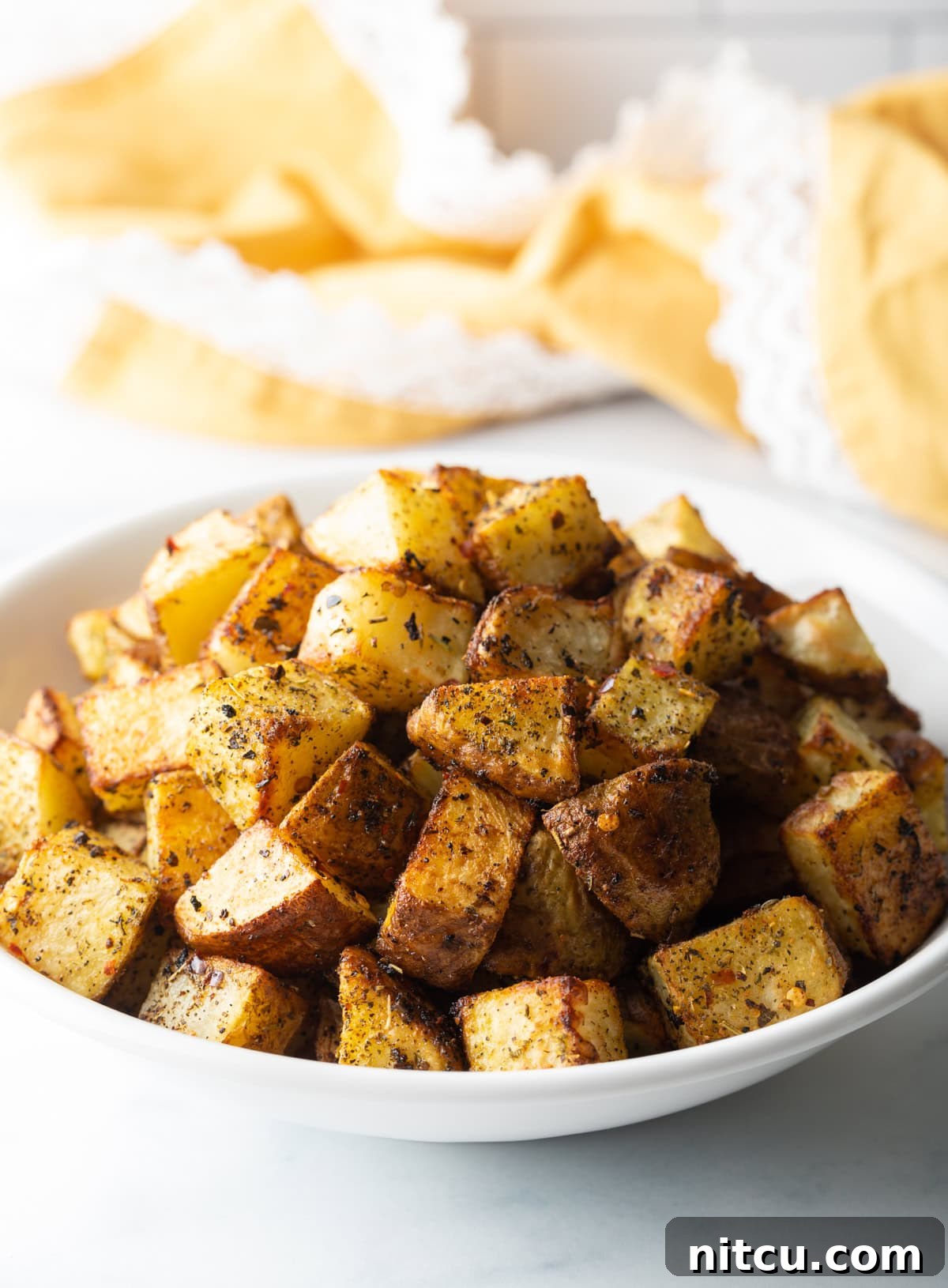
Discover the world of Russet Potatoes – your ultimate guide to understanding this beloved root vegetable, from its unique characteristics to the best cooking methods and mouth-watering recipes!
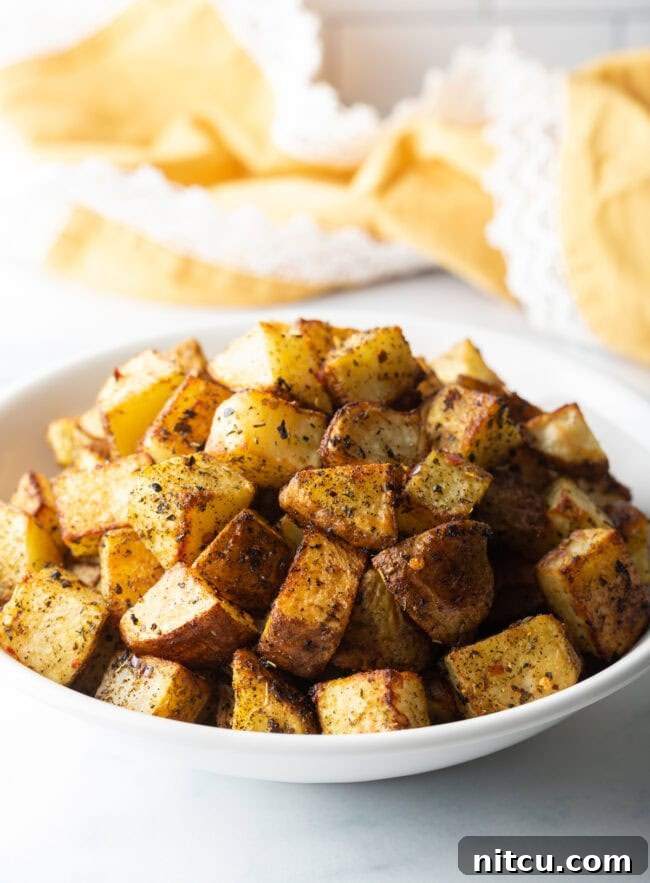
What are Russet Potatoes? A Deep Dive into America’s Favorite Spud
Often hailed as the king of potatoes in the United States, the Russet potato holds a special place in kitchens and on dinner tables nationwide. Renowned for its distinctive qualities, the Russet potato is a large, elongated variety characterized by its rough, thin brown skin and a remarkably dry, floury, and high-starch interior. This unique composition makes it exceptionally versatile and highly sought after for a vast array of culinary applications.
The high starch content is the secret to the Russet’s culinary prowess. When cooked, the starch granules swell and separate, leading to an incredibly light and fluffy texture that is simply unmatched by other potato varieties. This characteristic makes Russets the go-to choice for creating exceptionally creamy mashed potatoes, hearty potato salads, perfectly crisp French fries, and wonderfully tender baked potatoes. In fact, due to their widespread availability and ideal texture for many dishes, Russets are often synonymous with the term “Idaho potatoes,” a testament to the state’s significant production of this particular variety.
Beyond their texture, Russet potatoes offer a mild, earthy flavor that serves as an excellent canvas for various seasonings and accompaniments. Whether you’re aiming for a comforting side dish or the star of your meal, understanding the nature of Russet potatoes is the first step to unlocking their full potential in your cooking.
The Russet Advantage: Distinguishing Potatoes for Perfect Dishes
While all potatoes offer delicious possibilities, understanding the subtle yet significant differences between varieties can elevate your cooking. Russet potatoes, for instance, stand apart from other popular types like Yukon Golds and new or waxy potatoes due to their specific starch content and flesh characteristics. Knowing these distinctions ensures you pick the right potato for your desired culinary outcome.
Compared to Yukon Gold potatoes, Russets boast a noticeably higher starch content and a striking white interior flesh. Yukon Golds, conversely, have a creamier, yellow flesh and a slightly lower starch level, giving them a more distinct, buttery base flavor. While Yukon Golds offer a pleasing consistency in many dishes, Russets truly shine when you’re seeking a lighter, fluffier texture, especially for creamy dishes like mashed potatoes or velvety soups. The Russet’s ability to break down easily when cooked provides that coveted melt-in-your-mouth quality that many home cooks adore.
On the other end of the spectrum are new potatoes, often referred to as waxy potatoes or red potatoes. These varieties are characterized by their delicate, thin, papery skins and significantly lower starch content. Unlike Russets, waxy potatoes maintain their shape remarkably well during cooking, making them ideal for dishes where you want the potato pieces to remain intact, such as in potato salads, gratins, or roasted dishes. Their firmer texture prevents them from disintegrating, which can sometimes happen with starchy Russets in liquid-heavy recipes. Additionally, waxy potatoes often possess a sweeter flavor profile than Russets, which complements fresh herbs beautifully in roasted preparations or adds a subtle sweetness to soups and stews without becoming mushy.
In essence, the Russet’s starchy nature and fluffy outcome make it the undisputed champion for dishes requiring a soft, crumbly texture, while waxy potatoes are the preferred choice for structural integrity and a smoother mouthfeel. Understanding these key differences empowers you to make informed decisions and achieve culinary perfection every time you cook with potatoes.
Mastering the Art: Best Cooking Methods for Russet Potatoes
Russet potatoes are incredibly forgiving and versatile, making them suitable for almost any cooking method you can imagine. Their high starch content, which results in that desirable fluffy interior, ensures delicious results whether you’re baking, roasting, boiling, or frying. There’s truly no “bad” way to prepare a Russet potato, only different avenues to culinary delight.
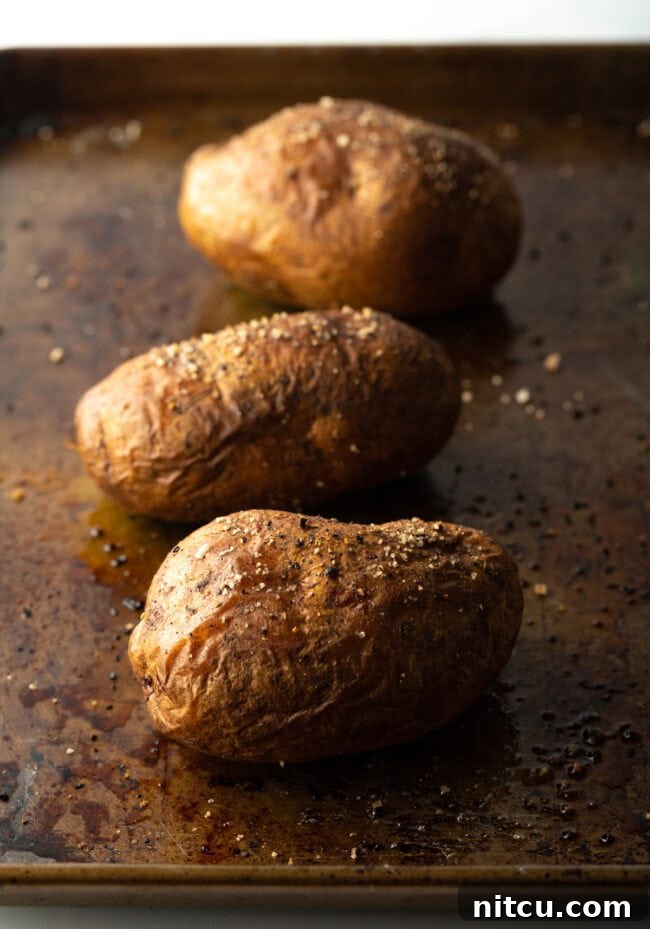
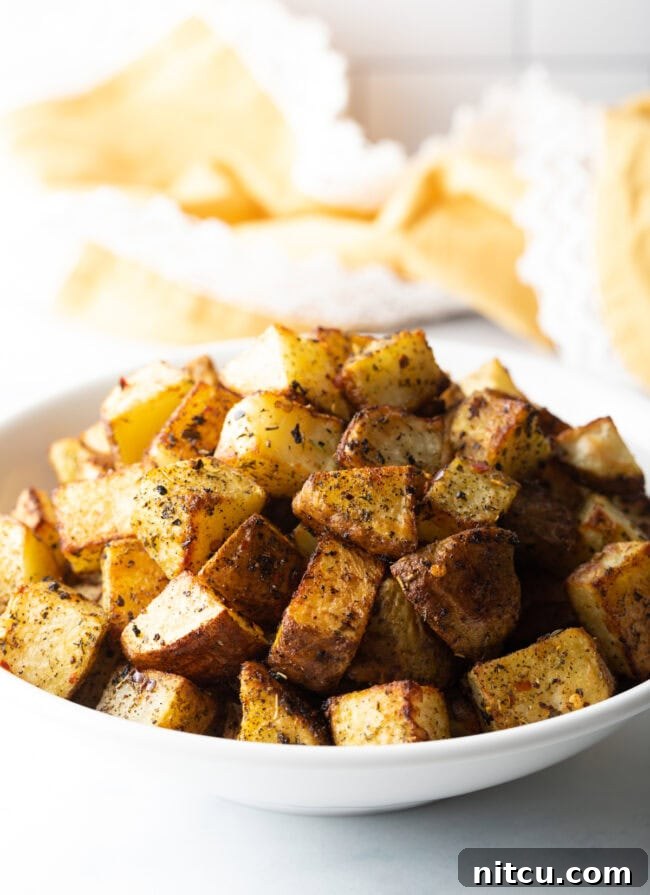
The classic baked potato is arguably one of the most iconic uses for Russets. Their thick skin crisps up beautifully in the oven, providing a perfect contrast to the light, airy interior that’s ready to absorb butter, sour cream, cheese, and all your favorite toppings. For a more hands-on approach, chopped roasted potatoes become wonderfully golden and tender, offering a delightful texture that’s both soft inside and slightly crispy on the outside.
When it comes to boiling, Russets excel. Whether you’re making a batch of extra fluffy mashed potatoes, tossing them with a zesty vinaigrette for a simple side, or preparing the base for a comforting potato salad, boiling Russets transforms them into a creamy dream. And for those who crave a crispy exterior, Russets are the absolute best choice for fried potatoes, from classic French fries to hash browns, and also perform exceptionally well in the air fryer, delivering impressive crispiness with less oil.
No matter your preference, Russet potatoes consistently deliver satisfying results. In the following sections, we’ll explore some of the most popular and effective cooking methods in detail, complete with step-by-step instructions and tips to ensure your Russet creations are nothing short of spectacular.
Continue Reading for Our Top Russet Potato Recipes + Tips and More!
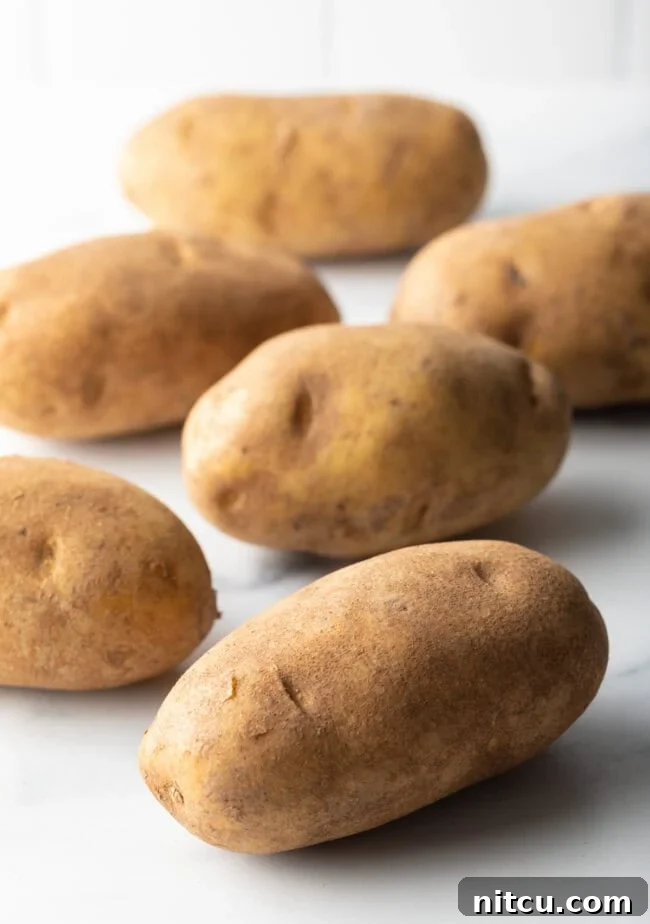
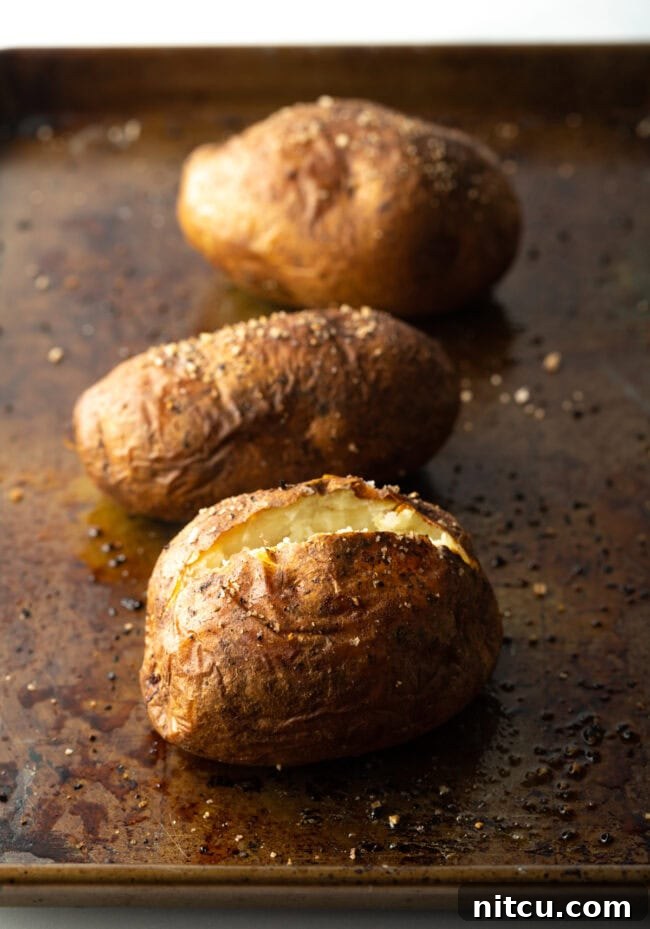
How to Bake a Russet Potato in the Oven: The Ultimate Comfort Food
A perfectly baked Russet potato is a culinary triumph – a fluffy, steamy interior encased in a delightfully crisp skin. This method is straightforward and yields incredibly satisfying results, making it a staple for weeknight dinners and special occasions alike. Here’s how to achieve oven-baked perfection:
First, preheat your oven to a robust 450°F (232°C). This high heat is key to achieving that coveted crispy skin while allowing the interior to become incredibly tender. While the oven heats, wash your whole Russet potatoes thoroughly, scrubbing away any dirt. Pat them completely dry; moisture can prevent the skin from crisping. Place the clean, dry potatoes on a rimmed baking sheet. Drizzle them generously with olive oil – about a tablespoon per potato – and rub it over the entire surface of the skin. This not only helps with crisping but also aids in seasoning adhesion. Sprinkle liberally with salt and freshly ground black pepper on all sides.
Once seasoned, bake the potatoes for 50 to 65 minutes, or until they are fork-tender. You can test for doneness by piercing the thickest part of the potato with a fork; it should slide in with minimal resistance. For an even crispier skin, you can turn the oven to broil for the last 5 minutes, keeping a close eye on them to prevent burning.
Transform your crisp and tender baked potatoes with these delicious toppings:
- Melted butter or ghee for rich flavor
- Cool and creamy sour cream or a healthier Greek yogurt alternative
- Piles of shredded cheddar cheese, or your favorite blend
- Crispy, cooked, and crumbled bacon bits
- Freshly chopped green onion or chives for a mild oniony bite
- A splash of tangy malt vinegar for a unique twist
- Fragrant chopped fresh rosemary or thyme for an herbal note
Beyond simple toppings, a baked Russet potato serves as an excellent base for more elaborate meals. Use it to create luxurious Creamy Duchess Potatoes, or load it high with hearty fillings like rich Broccoli Cheese Soup, the Best Chili, savory Pulled Pork, or any other robust filling that tickles your fancy. The possibilities are endless with this humble yet magnificent spud!
Perfect Oven Roasted Potatoes: Crispy Edges, Fluffy Centers
Oven-roasted Russet potatoes are a quintessential side dish, offering a wonderful balance of crispy exterior and tender, fluffy interior. Their robust structure holds up beautifully to high heat, ensuring delightful texture and flavor. Here’s how to roast them to perfection:
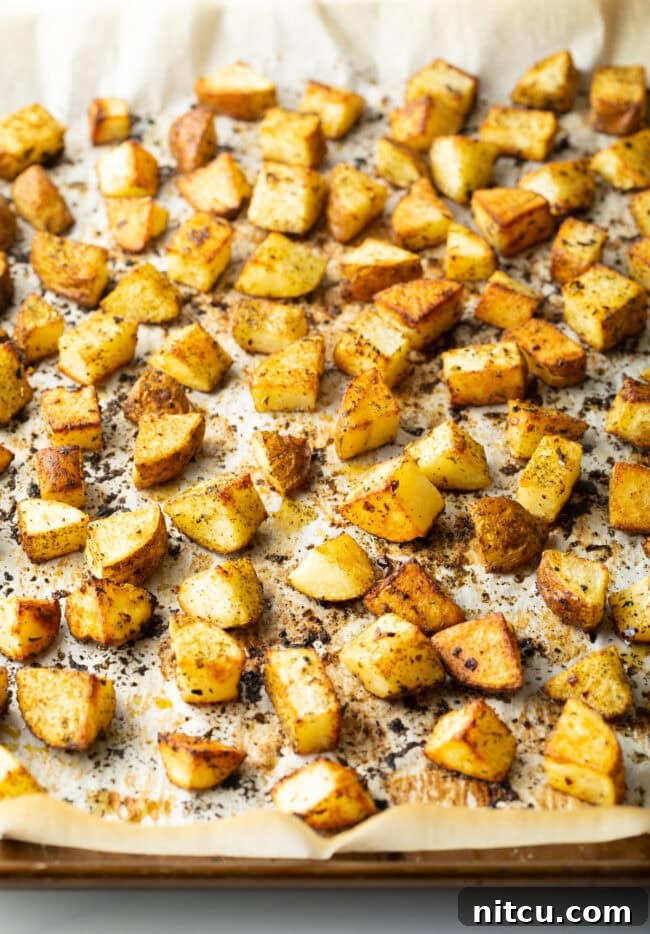
Begin by preheating your oven to 450°F (232°C). Prepare a large, rimmed baking sheet by lining it with parchment paper or aluminum foil. This step is crucial for easy cleanup and preventing sticking. Next, wash your Russet potatoes thoroughly and cut them into uniform 1-inch cubes. Uniformity is key here, as it ensures all potato pieces cook evenly. Lay the cubed potatoes in a single layer on the prepared baking sheet.
Drizzle 2 tablespoons of melted butter or olive oil evenly over the potatoes. Toss them well, ensuring every piece is lightly coated. This coating is essential for achieving that desirable golden-brown crispiness. Spread the Russet potato cubes out into an even, single layer on the baking sheet, making sure they do not touch. Crowding the pan will steam the potatoes instead of roasting them, resulting in a soggy texture. Finally, season them generously with salt, pepper, and any other herbs or spices you enjoy. Rosemary, thyme, garlic powder, or paprika are excellent choices that complement Russets beautifully.
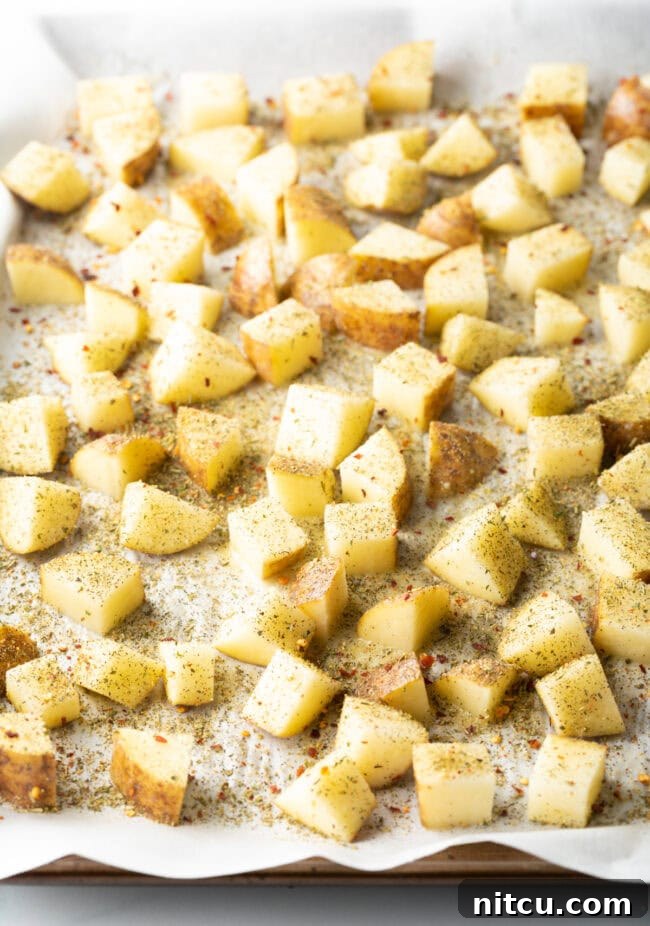
Bake the potatoes for 20 minutes. After this initial bake, remove the baking sheet from the oven and, using a spatula, flip the potatoes to ensure all sides get a chance to brown. Return them to the oven and bake for an additional 10 to 15 minutes, or until the potatoes are beautifully crispy and golden brown on the outside, and wonderfully fork-tender on the inside.
These perfect oven-roasted Russets are an ideal accompaniment to almost any meal, from roasted chicken to grilled steak, or even as a standalone snack. Their satisfying texture and versatile flavor profile make them a crowd-pleaser every time.
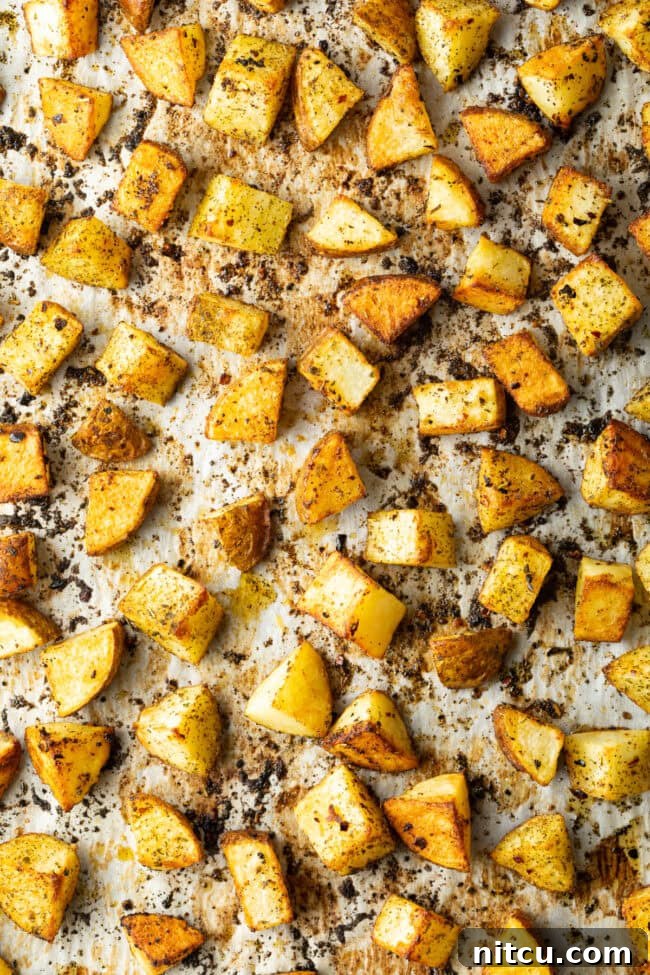
Crispy Air Fryer Potatoes: Quick, Delicious, and Healthier
The air fryer has revolutionized the way we achieve crispy textures, and Russet potatoes are no exception. This method offers a fantastic way to enjoy “roasted” potatoes or even homemade French fries with significantly less oil, making them a healthier and quicker alternative to traditional frying or oven roasting. The circulating hot air creates an incredible crunch that rivals deep-frying.
For basic air fryer roasted potatoes, begin by preheating your air fryer to 400°F (200°C). While it preheats, wash and cut your Russet potatoes into uniform 1-inch cubes. As with oven roasting, consistency in size ensures even cooking. Place the potato cubes in the air fryer basket in a single layer. It’s crucial not to overcrowd the basket, as air needs to circulate freely around each piece for optimal crisping. Make sure the potatoes aren’t touching each other too much.
Generously spray the potatoes with oil spray. Olive oil or avocado oil spray works wonderfully. Then, season them liberally with salt, pepper, and any other seasonings you love. Garlic powder, onion powder, paprika, or even a dash of cayenne pepper can add extra flavor dimensions.
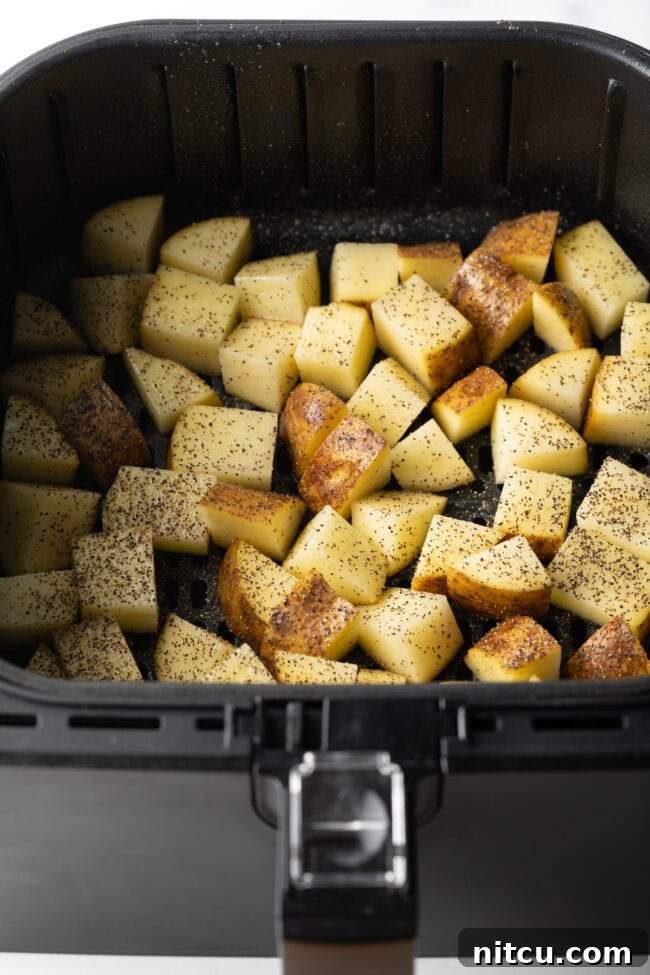
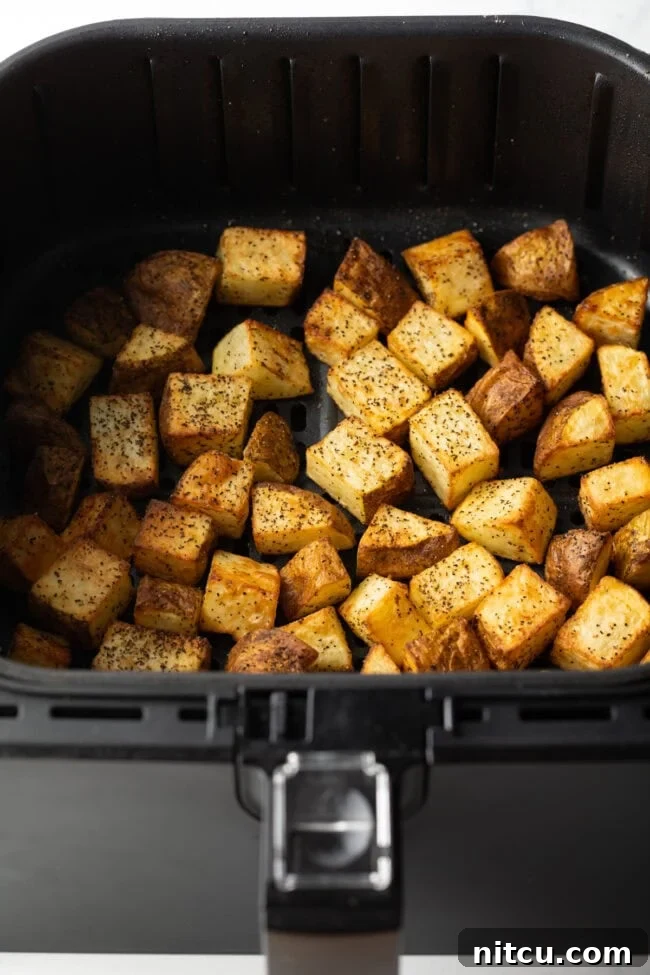
Air fry the potatoes for 10 minutes. After this initial cooking time, remove the basket and shake it vigorously to flip the potatoes, ensuring all sides get exposed to the heat. Return the basket to the air fryer and continue to cook for another 5 to 10 minutes, or until the potatoes are golden brown, crispy on the outside, and perfectly fork-tender on the inside. Cooking times may vary slightly depending on your air fryer model and potato size, so keep an eye on them.
These crispy air-fried Russets are versatile enough for breakfast or dinner, serving as a fantastic side with these easy recipes:
- A comforting Slow Cooker Easy Breakfast Quiche
- A rich and flavorful Spinach Artichoke Egg Casserole
- An elegant Eggs Benedict Casserole with Blender Hollandaise
- A hearty Stuffed Flank Steak
- A succulent Honey Garlic Beef Tenderloin
- Or a simple yet delicious Magic Grilled Chicken
How to Boil Russet Potatoes: The Foundation for Fluffy Dishes
Boiling Russet potatoes is a fundamental cooking technique that unlocks their potential for incredibly fluffy and creamy dishes. Whether you’re aiming for a classic mashed potato, a comforting potato salad, or simply a tender potato side, the boiling method is your starting point. Here’s how to do it right:
First, wash your Russet potatoes thoroughly. Then, cut the potatoes into quarters, or similarly sized large chunks. This helps them cook more evenly and quickly than if left whole. Place the cut potatoes in a large stockpot. Fill the pot with cold water, ensuring the water covers the potatoes by at least 1 inch. Starting with cold water allows the potatoes to cook more evenly from the outside in, preventing the exterior from becoming mushy while the center is still firm.
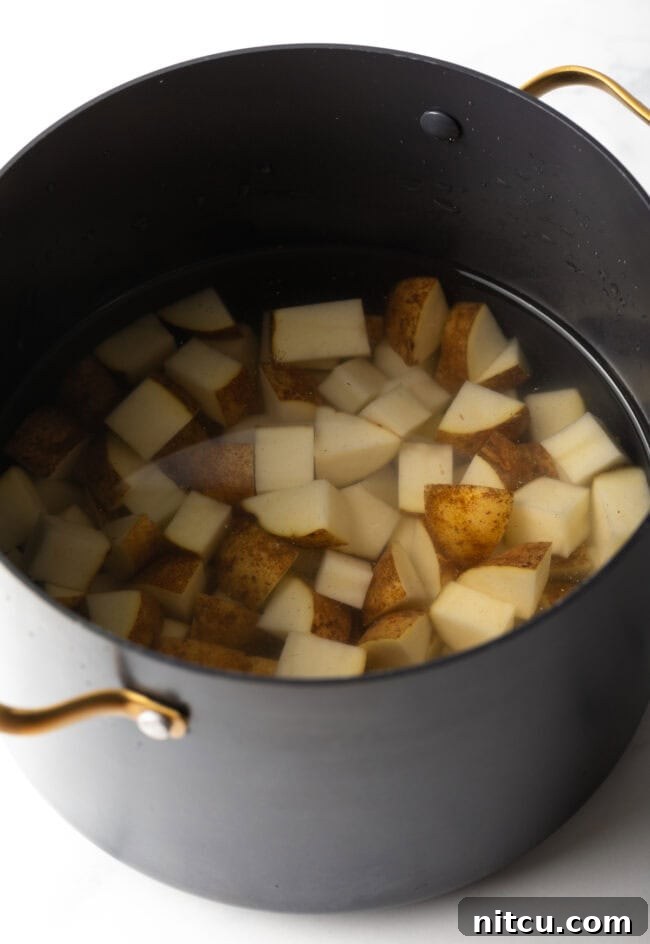
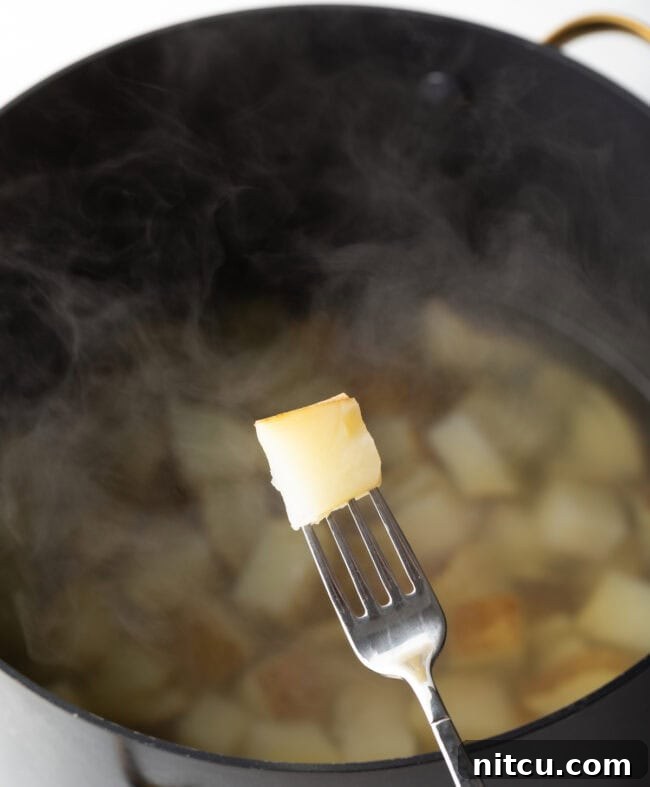
Set the pot over high heat and bring the water to a rolling boil. Once the water is actively boiling, add 1 tablespoon of salt to the water. Salting the water not only seasons the potatoes from within but also helps to prevent them from becoming waterlogged. Set a timer and boil the potatoes for 13 to 15 minutes, or until they are perfectly fork-tender. You should be able to easily pierce a potato piece with a fork without it crumbling apart.
Once tender, immediately drain off all the water using a colander. This step is crucial to prevent the potatoes from absorbing any more moisture, which could lead to a watery texture in your final dish. For extra fluffy mashed potatoes, you can return the drained potatoes to the hot, empty pot over low heat for a minute or two, allowing any residual moisture to steam off. This ‘drying’ step is a secret to super fluffy results.
These perfectly boiled Russet potatoes are ideal for mashing into the fluffiest mashed potatoes you’ve ever tasted, tossing with melted butter and fresh herbs for simple warm potato sides, or chilling and combining with your favorite dressing for a classic potato salad. Their starchy, absorbent nature makes them the perfect canvas for rich flavors and creamy textures.
Here are some of our favorite recipes to make with boiled Russet potatoes:
- The ultimate recipe for The Best Mashed Potatoes
- Deliciously crispy Golden Pan-Fried Potato Cakes
- Elegant and rich Perfect Duchess Potatoes
- A hearty and comforting Ultimate Cottage Pie
- A taste of the islands with Hawaiian Style Potato Macaroni Salad
Are Russet Potatoes Good for Frying? Absolutely! The Secret to Perfect Fries
When it comes to frying, particularly for crafting those irresistible, golden-brown French fries, Russet potatoes are not just good—they are the absolute best! Their high starch content and low moisture make them the ideal candidate for achieving that perfect crispy exterior and fluffy interior that defines a truly great fry. The starch quickly caramelizes and forms a crisp crust, while the interior cooks to a tender, airy consistency, resisting sogginess.
It’s no wonder that many professional chefs and fast-food chains exclusively use Russets for their fries. Their inherent qualities allow them to transform into crispy perfection whether you’re deep-frying, pan-frying, or even air frying. If you’ve ever wondered how to get restaurant-quality fries at home, the Russet potato is your answer.
Our adoration for perfectly fried potatoes has led us to create several dedicated recipes, ensuring you can master the art of homemade French fries every single time. From classic cuts to seasoned delights, Russets deliver on flavor and texture.
Explore these homemade French Fries recipes and prepare to be amazed:
- Spice things up with our Cajun French Fries
- For a lighter, delicate bite, try Skinny Shoestring French Fries
- And don’t forget the healthier, yet equally crispy option: Air Fryer Fries (instructions provided above)
Embrace the Russet potato for your next frying adventure, and prepare for a basket of hot, crispy, and utterly delicious homemade fries that will have everyone reaching for more!

Frequently Asked Questions About Russet Potatoes
As a fundamental root vegetable, the nutritional profile of Russet potatoes can be complex, often misunderstood due to their starchy nature. While they are indeed carb-heavy, Russets are far from “unhealthy” when prepared thoughtfully. They are naturally low in fat and cholesterol, and their skins are a good source of dietary fiber. Furthermore, Russets offer essential minerals and vitamins, including a significant amount of Vitamin C (an antioxidant) and Vitamin B6, as well as being an excellent source of potassium, which is vital for heart health and blood pressure regulation. They also contain small amounts of iron and magnesium. The primary consideration for their healthfulness lies in preparation; opting for baking, roasting, or boiling with minimal added fats rather than deep-frying can make them a nutritious and energy-rich component of most balanced diets. Enjoyed in moderation and with healthy cooking methods, Russet potatoes are a valuable source of energy and nutrients.
The shelf life of raw Russet potatoes depends heavily on storage conditions. When kept on the countertop at room temperature, they will typically last well for one to two weeks. However, for extended freshness, Russets can last considerably longer—up to a month or even two months—if stored in a cool, dark, and dry environment. Proper storage prevents sprouting, greening, and spoilage, ensuring you can enjoy your potatoes for longer.
To maximize the freshness and shelf life of your Russet potatoes, it’s crucial to store them correctly. They thrive in cool, dry, and dark conditions. Avoid refrigerating potatoes, as the cold temperatures can convert their starch to sugar, leading to an undesirably sweet flavor and gritty texture. Direct sunlight should also be avoided, as it causes potatoes to turn green and develop a bitter taste due to increased solanine production. An ideal storage location might be a root cellar, a cool pantry, or a dry garage. If these aren’t available, storing them in a breathable container like a paper bag, mesh bag, or even an open basket in a dark cupboard under the counter (provided it’s dry and not near heat-emitting appliances) works well. Ensure good air circulation and avoid storing them near onions or fruits that emit ethylene gas, which can accelerate sprouting.
Looking for More Marvelous Russet Potato Recipes? Be Sure to Try These!
The versatility of Russet potatoes extends far beyond basic preparations. Their hearty nature and ability to absorb flavors make them a fantastic ingredient for a wide range of comforting and delicious dishes. If you’re inspired to explore more incredible ways to cook with Russets, these recipes are sure to delight:
- Warm up with a bowl of Easy Loaded Baked Potato Soup, a creamy and satisfying meal in itself.
- Experience a classic with a tangy twist: Hot German Potato Salad.
- For a wholesome and comforting option, try Healthy Crockpot Potato Soup with Chicken.
- Elevate your stew game with The Best Beef Stew Recipe, where potatoes soak up all the rich flavors.
- Indulge in a smooth and creamy Irish Creamy Cauliflower Soup, where Russets add body and texture.
- Delight in layers of cheesy goodness with Cheesy Scalloped Potatoes (Au Gratin).
- For a spicy kick, make Crispy Patatas Bravas, a Spanish-inspired potato dish.
Each of these recipes showcases the incredible adaptability of Russet potatoes, proving that this humble root vegetable can be transformed into culinary masterpieces for any meal or occasion.
Print Recipe
Leave a Review »
How to Cook Russet Potatoes (Best Russet Potato Recipes)
5 minutes
20 minutes
25 minutes
3
servings
Video
Ingredients
-
2-3
large
russet potatoes
Instructions
Baked potatoes:
-
Preheat the oven to 450°F (232°C). Set a rimmed baking sheet out and place whole russet potatoes on the baking sheet.
-
Drizzle the potatoes with olive oil and rub the skin of potatoes on all sides. Sprinkle generously with salt and pepper.
-
Then bake for 50 to 65 minutes, until fork-tender.
Roasted potatoes:
-
Preheat the oven to 450°F (232°C). Set out a large rimmed baking sheet and line it with parchment paper or foil. Slice the potatoes into 1-inch cubes. Lay them on the baking sheet.
-
Then drizzle 2 tablespoons of butter or oil over the potatoes and toss well to coat. Spread the potatoes out into an even layer, making sure they do not touch. Sprinkle generously with salt, pepper, and any other herbs or spices you like!
-
Bake the potatoes for 20 minutes. Then remove from the oven and flip the potatoes.
-
Bake an additional 10 minutes until the potatoes are crispy on the outside, yet fork-tender on the inside.
Boiled potatoes:
-
Cut the potatoes into quarters and place them in a large stockpot. Fill the pot with cold water until the water covers the potatoes by 1 inch.
-
Set the pot over high heat and bring to a boil. Once boiling, add 1 tablespoon of salt to the water.
-
Set the timer and boil the potatoes for 13 to 15 minutes until they are fork-tender. Then drain off the water, so the potatoes don’t continue absorbing extra moisture.
Air fryer potatoes:
-
For basic air fryer roasted potatoes, preheat the air fryer to 400°F (200°C). Place 1-inch potato cubes in the air fryer basket, in a single layer. Make sure the potatoes aren’t touching to ensure maximum crispiness.
-
Spray the potatoes generously with oil spray. Then season liberally with salt, pepper, and any other seasoning you like.
-
Air fry potatoes for 10 minutes. Then shake the basket vigorously to flip the potatoes, ensuring even cooking and browning.
-
Air fry for another 5 to 10 minutes until the potatoes are golden, crispy, and fork-tender.
Notes
Nutrition
Serving:
1
pot
,
Calories:
194
kcal
,
Carbohydrates:
44
g
,
Protein:
5
g
,
Fat:
0.2
g
,
Saturated Fat:
0.1
g
,
Polyunsaturated Fat:
0.1
g
,
Monounsaturated Fat:
0.003
g
,
Sodium:
12
mg
,
Potassium:
1026
mg
,
Fiber:
3
g
,
Sugar:
2
g
,
Vitamin A:
2
IU
,
Vitamin C:
14
mg
,
Calcium:
32
mg
,
Iron:
2
mg
Appetizer, Side Dish
American, vegan, vegetarian
Sommer Collier
Cook It? Love It? Rate It!
YOU can help this recipe RANK on Google – TAP 5 STARS so other hungry people can find it. Thank you!