Embracing Balanced Living: My New Journey with The Balanced Platter and Homemade Fruit Leather!
I am absolutely delighted and incredibly excited to announce a new chapter in my culinary and wellness journey! I have the distinct pleasure of joining the incredible team at The Balanced Platter as a contributing author. This partnership is a natural fit, aligning perfectly with my passion for wholesome, healthy eating, and making nutritious choices accessible and enjoyable for everyone. It’s a privilege to contribute to a platform that empowers families to lead balanced lives without sacrificing flavor, budget, or precious time.
Discovering The Balanced Platter: Your Guide to Healthy Living
For anyone seeking reliable, comprehensive, and easy-to-understand information on balanced and healthy living, The Balanced Platter is an invaluable resource. Founded by the amazing duo, Maggie and Amy, this site stands out for its commitment to demystifying healthy eating. Their core philosophy is simple yet profound: eating well and living a balanced life can – and should – be a straightforward and enjoyable experience. They firmly believe that providing your family with the very best whole-foods diet doesn’t require breaking the bank or spending endless hours slaving away in the kitchen.
The vision behind The Balanced Platter resonates deeply with me. In a world often overwhelmed by conflicting dietary advice and complex health trends, Maggie and Amy offer a refreshing beacon of clarity. They champion practical, real-world solutions for incorporating nutritious meals into busy schedules, proving that healthy eating is not just achievable but deeply rewarding. Every post, every recipe, and every piece of advice on their platform is imbued with this beautiful philosophy, encouraging readers to embrace simplicity, mindfulness, and joy in their daily food choices.
Introducing My Latest Contribution: Homemade Fruit Leather with Toppings
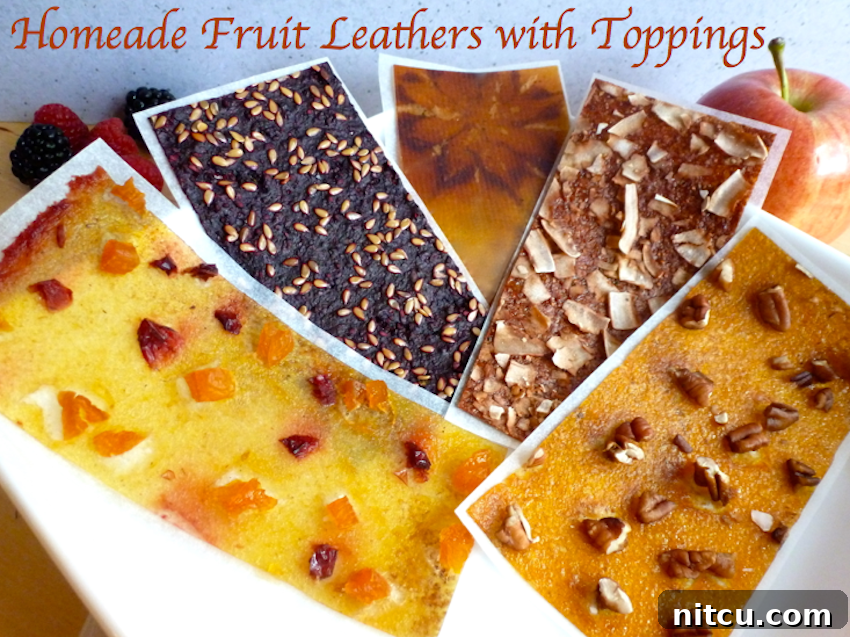
As part of my inaugural contributions to The Balanced Platter, I’m thrilled to share a recipe that holds a special place in my heart and my family’s traditions: Homemade Fruit Leather with Toppings. This isn’t just a recipe; it’s an activity, a memory-maker, and a delicious, wholesome snack all rolled into one. I’ve been making fruit leather with my children since they were very young, and it has consistently been one of the most beloved and rewarding “first recipes” to get little hands involved in the kitchen.
There’s something magical about transforming fresh fruit into a chewy, naturally sweet treat. It’s an easy project that yields incredible results – a perfect, portable snack for those sun-drenched, lazy summer days at the park, or any time you need a healthy energy boost. Beyond its delightful taste, fruit leather offers a fantastic opportunity to teach kids about healthy ingredients, the process of cooking, and the joy of creating something delicious from scratch. I sincerely hope you and your family enjoy making and savoring this fantastic snack as much as we do!
The Undeniable Benefits of Homemade Fruit Leather
In an age where processed snacks dominate supermarket shelves, homemade fruit leather emerges as a champion for health and simplicity. This isn’t just another sweet treat; it’s a powerhouse of natural goodness with numerous advantages:
- Uncompromised Nutrition: By making fruit leather at home, you have complete control over the ingredients. Say goodbye to artificial flavors, colors, preservatives, and excessive added sugars often found in store-bought versions. You’re getting pure fruit, retaining its essential vitamins, minerals, and dietary fiber.
- Customization at Its Best: The possibilities are truly endless! From single-fruit purees like apple or strawberry to exotic blends like mango-passionfruit or raspberry-peach, you can tailor flavors to your exact preferences. Add a dash of cinnamon, a squeeze of lemon, or even a sprinkle of chia seeds for an extra nutritional boost.
- Budget-Friendly Snacking: Store-bought fruit snacks can be surprisingly expensive, especially for organic varieties. Making your own fruit leather is a cost-effective way to provide your family with healthy snacks, especially when you use in-season fruits or take advantage of sales on frozen fruit.
- Perfect for Picky Eaters: Sometimes, getting children to eat whole fruits can be a challenge. Fruit leather offers a fun, appealing texture and concentrated flavor that even the most reluctant fruit-eaters often enjoy. It’s a clever way to sneak in those vital nutrients.
- Ideal On-the-Go Snack: Portable, non-messy, and shelf-stable, fruit leather is the ultimate snack for busy families. Pack it in lunchboxes, take it on hikes, road trips, or simply enjoy it as a quick energy booster between meals.
- Educational Fun for Kids: As mentioned, this recipe is fantastic for involving children in the kitchen. From washing and chopping (age-appropriately) to blending and spreading, each step offers a valuable learning opportunity and fosters a sense of accomplishment.
Engaging Young Chefs: Why Cooking with Kids Matters
The act of cooking together is far more than just preparing a meal; it’s a powerful tool for learning, bonding, and healthy development. Getting kids involved in the kitchen, even with simple tasks like making fruit leather, offers a wealth of benefits:
- Fostering Healthy Habits: Children who cook are more likely to try new foods and develop a positive relationship with healthy eating. When they understand where food comes from and how it’s prepared, they’re more invested in making nutritious choices.
- Developing Life Skills: Cooking teaches essential life skills, including following instructions, measuring, problem-solving, and patience. These practical abilities build confidence and independence.
- Boosting Academic Skills: Math concepts like fractions and measurements, science principles like cause and effect (how heat transforms ingredients), and reading comprehension (following recipes) are all subtly reinforced through cooking.
- Enhancing Family Bonding: The kitchen can become a hub of creativity and connection. Shared cooking experiences create lasting memories and offer quality time away from screens.
- Cultivating Creativity: Encouraging kids to experiment with flavors, textures, and presentations fosters their creativity and gives them a sense of ownership over what they create.
- Building Confidence: Successfully completing a recipe, no matter how simple, gives children a tremendous sense of accomplishment and pride.
For fruit leather, kids can help wash fruits, peel (with supervision), blend the puree (again, with careful guidance), and even spread it onto the baking sheets. These are simple, safe tasks that make them feel like vital contributors to the snack-making process.
The Ultimate Guide to Crafting Perfect Homemade Fruit Leather
Making fruit leather is surprisingly simple, requiring minimal equipment and ingredients. Here’s how you can create delectable, chewy fruit leathers right in your own kitchen.
Essential Ingredients: The Heart of Your Fruit Leather
The beauty of fruit leather lies in its simplicity. You truly only need one main ingredient: fruit!
- Fruit Selection: Almost any fruit can be used. Berries (strawberries, raspberries, blueberries), apples, pears, mangoes, peaches, apricots, plums, bananas, and kiwis are all excellent choices. You can use fresh or frozen fruit. If using frozen, thaw it completely first.
- Optional Additions:
- Sweeteners: Often not necessary, especially with naturally sweet fruits. If your fruit is tart, a touch of honey, maple syrup, or a few dates can be added to the puree.
- Acid Enhancers: A squeeze of lemon or lime juice can brighten flavors and help prevent browning in some fruits like apples.
- Spices: Cinnamon, nutmeg, ginger, or vanilla extract can add a wonderful depth of flavor, especially to apple or pear leathers.
- Boosters: Chia seeds, flax seeds, or a spoonful of yogurt can be blended in for added nutrition, but may slightly alter texture.
Equipment You’ll Need
- Blender or Food Processor: Essential for pureeing the fruit until smooth.
- Baking Sheets: Standard rimmed baking sheets work perfectly.
- Silicone Baking Mats or Parchment Paper: Crucial for preventing the fruit leather from sticking. Silicone mats are reusable and highly recommended.
- Offset Spatula or Spreader: For spreading the puree evenly.
- Oven or Dehydrator: The heat source for drying the fruit. An oven on its lowest setting (usually 150-200°F / 65-95°C) with the door slightly ajar works great.
Step-by-Step Instructions for Oven Method
- Prepare Your Fruit: Wash your chosen fruit thoroughly. Peel and core apples, pears, or mangoes. Hull strawberries. Pit peaches, plums, or apricots. For berries, simply wash them. Cut larger fruits into smaller chunks to facilitate blending.
- Puree the Fruit: Place the prepared fruit into your blender or food processor. Blend until you achieve a perfectly smooth puree. If desired, add any optional sweeteners, spices, or lemon juice at this stage. You want a consistency similar to applesauce; if it’s too thick, add a tiny bit of water; if too thin, try reducing it slightly on the stovetop before cooling.
- Prepare Baking Sheets: Line your baking sheets with silicone baking mats or parchment paper. If using parchment paper, you might want to lightly grease it with a flavorless oil, though with fruit leather, often it’s not needed if dried properly.
- Spread Evenly: Pour the fruit puree onto the prepared baking sheet. Using an offset spatula or the back of a spoon, spread the puree evenly, about 1/8 to 1/4 inch thick. Aim for an even thickness across the entire sheet to ensure uniform drying. Avoid spreading it too thin at the edges, as these will dry out faster and become brittle.
- Dehydrate in the Oven: Preheat your oven to its lowest setting (typically 150-200°F / 65-95°C). Place the baking sheets in the oven. For optimal air circulation and faster drying, prop the oven door open slightly with a wooden spoon or a heat-safe object. This allows moisture to escape.
- Drying Time: The drying process can take anywhere from 4 to 8 hours, depending on the thickness of your puree, the water content of the fruit, and your oven’s temperature. Check periodically. The fruit leather is ready when it is no longer sticky to the touch but still pliable and slightly tacky, not brittle. You should be able to peel it easily from the mat or parchment paper.
- Cool and Cut: Once done, remove the fruit leather from the oven and let it cool completely on the baking sheet at room temperature.
- Storage: Once cool, peel the fruit leather off the mat or parchment paper. If using parchment paper, you can simply roll the fruit leather up with the paper still attached. Cut it into strips, rolls, or fun shapes using kitchen shears or a pizza cutter.
Creative Toppings and Flavor Combinations
Elevate your fruit leather with exciting combinations:
- Classic Combos: Apple Cinnamon, Strawberry Banana, Mixed Berry (strawberry, blueberry, raspberry).
- Tropical Treats: Mango Coconut, Pineapple Ginger, Papaya Lime.
- Stone Fruit Delights: Peach Vanilla, Apricot Honey, Plum Cardamom.
- Optional Toppings (sprinkled on puree before drying): Shredded coconut, finely chopped nuts (for older children, mindful of allergies), chia seeds, finely crushed granola.
Troubleshooting Common Issues
- Too Sticky: If it’s too sticky, it hasn’t dried long enough. Return it to the oven for another hour or two.
- Too Brittle/Cracks: This means it was dried too long or spread too thin. Keep an eye on the edges, which tend to dry faster.
- Uneven Drying: Rotate your baking sheets periodically in the oven. Some ovens have hotter spots.
Storing Your Homemade Goodness
Proper storage is key to maintaining the freshness and chewiness of your homemade fruit leather. Once cooled and cut, store the pieces in an airtight container at room temperature for up to 2-3 weeks. For longer storage, you can keep them in the refrigerator for up to a month, or even freeze them for several months. Ensure they are completely dry before storing to prevent mold. Rolling individual pieces in parchment paper can also prevent them from sticking together.
Join the Balanced Platter Community!
I am incredibly excited about this new collaboration and the opportunity to share more delicious, healthy, and easy recipes with you through The Balanced Platter. My hope is that by sharing recipes like this Homemade Fruit Leather with Toppings, I can inspire more families to step into the kitchen, experiment with whole foods, and discover the immense joy and satisfaction that comes from creating wholesome meals and snacks together. Maggie and Amy have cultivated an amazing community, and I am honored to be a part of it.
So, whether you’re a seasoned chef or just starting your journey towards a healthier lifestyle, I encourage you to visit The Balanced Platter. Explore their wealth of information, try out their fantastic recipes, and join us in embracing a philosophy where eating well and living balanced truly is simple, enjoyable, and sustainable. Happy cooking, and happy snacking!