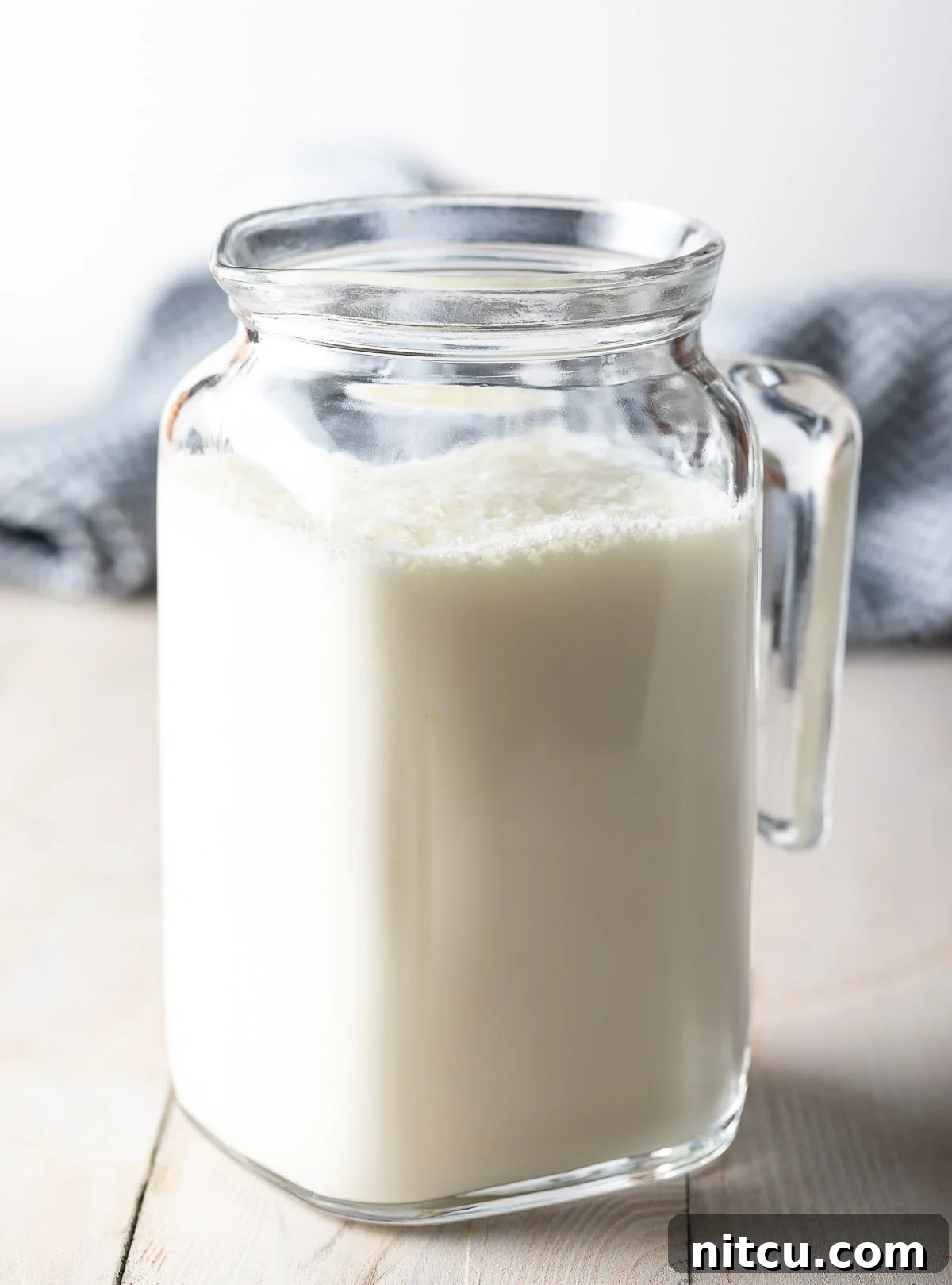
Homemade Buttermilk: Your Essential Guide to a Quick & Easy DIY Substitute
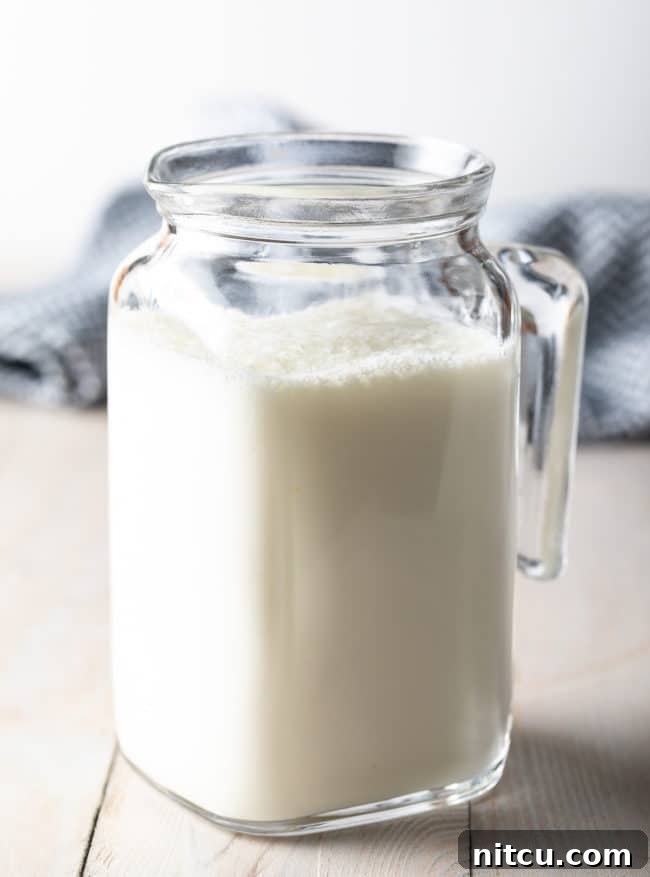
Ever found yourself in the middle of a baking project, only to realize you’re out of buttermilk? Or perhaps you only need a small amount, and buying a whole carton feels wasteful, leaving you with an expiring container in the fridge. We’ve all been there! But what if there was a simple, lightning-fast solution that uses ingredients you likely already have on hand? Get ready to ditch the store-bought versions and embrace the convenience of homemade buttermilk.
This comprehensive guide will show you how to create a perfect buttermilk substitute in mere minutes, using just two common ingredients: milk and an acidic agent like lemon juice or white vinegar. It’s not just a convenient hack; it’s a game-changer for your culinary adventures. From perfectly fluffy pancakes to tender, moist cakes, homemade buttermilk adds a unique tang and incredible texture that store-bought varieties often can’t match, without any of the hassle or waste. Prepare to revolutionize your kitchen and always have this essential ingredient ready when inspiration strikes.
Why You’ll Love This Homemade Buttermilk Recipe
The magic of homemade buttermilk lies in its simplicity and versatility. This recipe isn’t just about saving a trip to the grocery store; it’s about unlocking a new level of convenience and control in your kitchen. Here’s why this DIY buttermilk substitute will quickly become one of your favorite kitchen hacks:
- No More Waste: Say goodbye to half-used cartons of buttermilk languishing in your refrigerator. This recipe allows you to make precisely the amount you need, eliminating food waste and saving you money in the long run.
- Always Available: As long as you have milk and a lemon or some vinegar, you’re never more than 10 minutes away from fresh buttermilk. This means no more last-minute dashes to the store when a recipe calls for it.
- Effortlessly Easy: With just two ingredients and minimal effort, this recipe is incredibly straightforward. It’s a fundamental technique that even novice cooks can master with ease.
- Unbeatable Freshness: Crafting buttermilk right before you use it ensures maximum freshness, which can translate to better flavor and texture in your final dishes.
- Control Over Ingredients: You choose the type of milk and acid, giving you complete control over the ingredients in your cooking and baking. This is particularly beneficial for those with dietary preferences or specific health considerations.
- Perfect for a Plethora of Recipes: From light and airy pancakes to rich, moist cakes, tender biscuits, and crispy fried chicken, buttermilk is a cornerstone ingredient in countless beloved recipes. Having a reliable homemade option means you can tackle any recipe with confidence.
This simple substitute captures the tangy flavor and unique properties of traditional buttermilk, making it an indispensable tool for every home cook and baker. Embrace this easy solution and elevate your culinary creations!
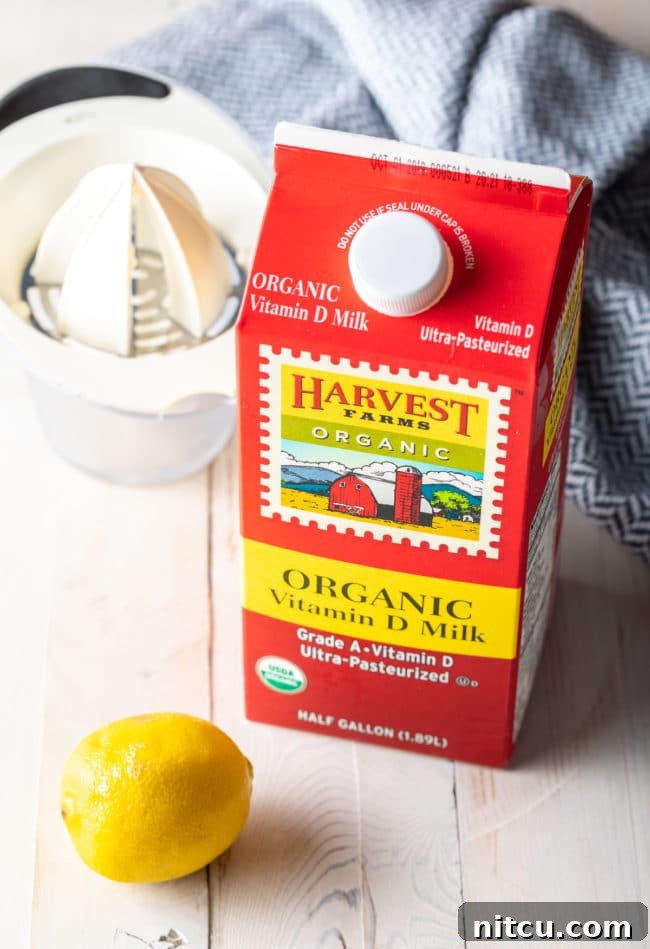
Essential Ingredients for Homemade Buttermilk
The beauty of this recipe lies in its minimalist ingredient list. You only need two items, which means you can whip up buttermilk on demand without needing a special trip to the store. Here’s a closer look at what you’ll need:
- Milk: The Foundation
- You can use virtually any type of dairy milk for this recipe. Whole milk will yield a richer, creamier buttermilk, which is often preferred for baking due to its fat content that contributes to moisture and tenderness.
- Lower-fat options like 2%, 1%, or even skim milk also work perfectly well. Just remember that the resulting buttermilk will be thinner in consistency, matching the fat content of the milk you start with.
- Pro Tip: For the best results, use milk that is at or close to room temperature. Cold milk will curdle, but it takes a bit longer, whereas milk that’s not straight from the fridge reacts more efficiently with the acid.
- Lemon Juice or White Vinegar: The Acidic Catalyst
- Fresh Lemon Juice: This is my preferred choice due to its natural, bright flavor that complements most recipes. Freshly squeezed lemon juice is always best for optimal taste.
- White Vinegar: An excellent and readily available alternative. It’s flavorless and works just as effectively to curdle the milk. Don’t worry, your buttermilk won’t taste like vinegar!
- Other Acids: While less common, other acids like apple cider vinegar or even cream of tartar can also be used. For cream of tartar, use 1 ¾ teaspoons per 1 cup of milk. The key is to introduce enough acid to initiate the curdling process.
That’s it! Just these two fundamental ingredients are all you need to create a versatile and delicious buttermilk substitute.
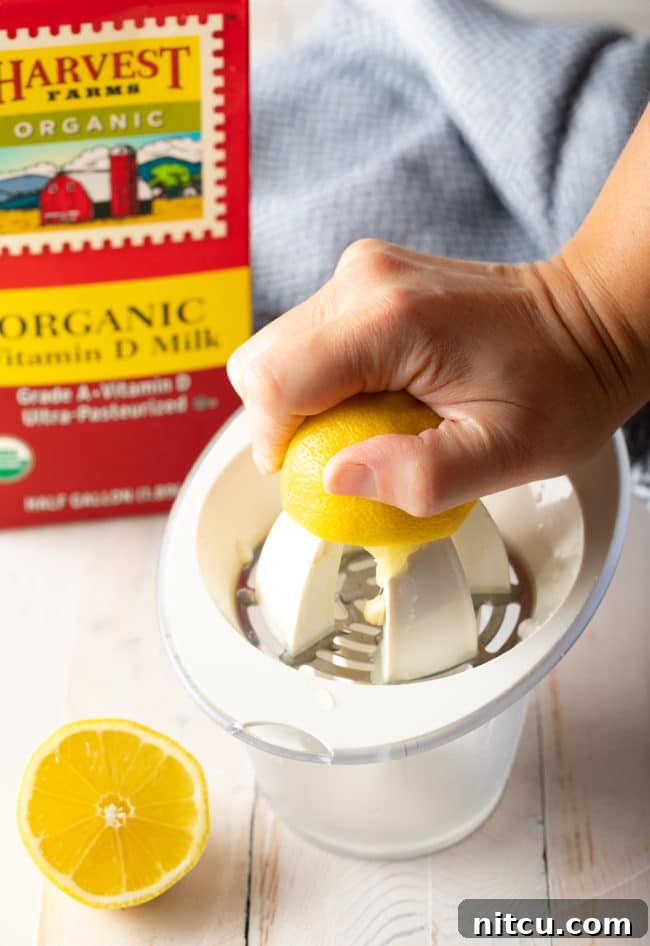
How To Make Buttermilk: A Simple Step-by-Step Guide
Making your own buttermilk is incredibly straightforward, transforming ordinary milk into a tangy, slightly thickened liquid that’s perfect for all your baking and cooking needs. You’ll be amazed at how easy it is! Follow these simple steps for perfect homemade buttermilk every time:
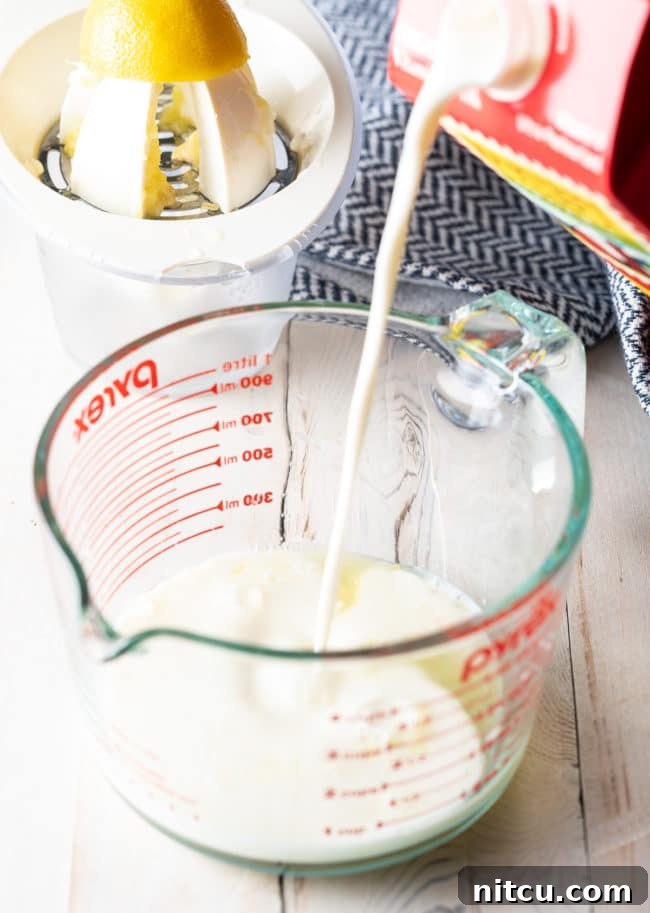
- Prepare Your Milk: Start by pouring 1 cup of milk (or the desired amount, adjusting ratios accordingly) into a measuring cup or a small bowl. It’s often helpful to use a measuring cup that has a little extra room, allowing for easy stirring and observation of the curdling process. For best results, allow your milk to come to room temperature for about 15-20 minutes before starting, as this helps the curdling process happen more quickly and consistently.
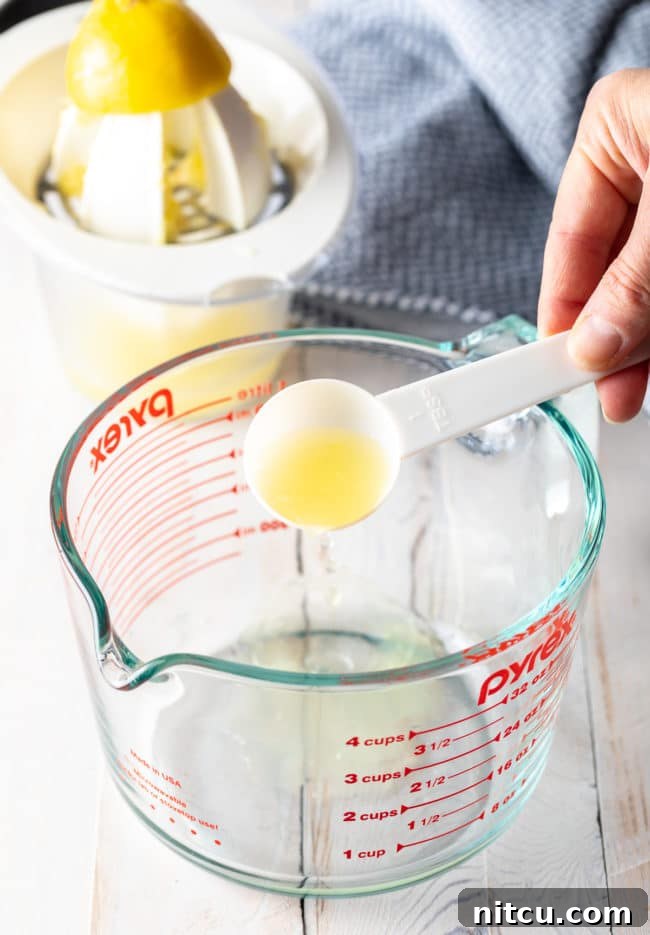
- Add the Acid: To your milk, add 1 tablespoon of fresh lemon juice or white vinegar for every 1 cup of milk. If you’re using a precise measuring cup, you might fill the milk just shy of the 1-cup mark, then add the acid to bring it up to the full cup. This ensures you maintain the correct liquid volume for your recipes.
- Gently Stir: Give the milk and acid mixture a quick, gentle stir with a spoon. You don’t need to whisk vigorously; just enough to combine the ingredients evenly.
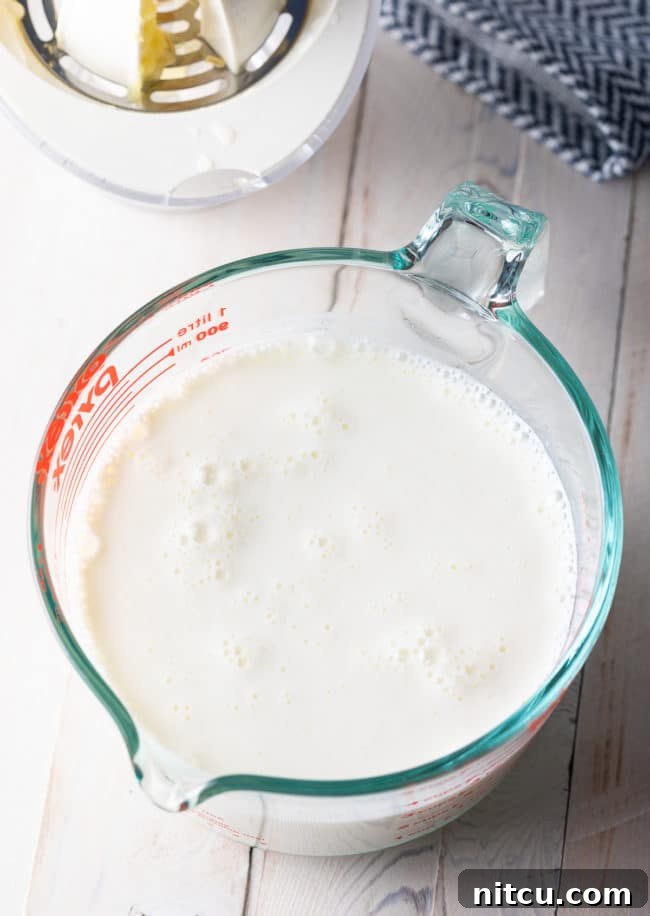
- Let it Rest and Curdle: Now, comes the waiting game, though it’s a short one! Allow the mixture to sit undisturbed at room temperature for 5 to 10 minutes. During this time, the acid will react with the proteins in the milk, causing it to thicken and form small curds. You’ll notice the milk starting to look slightly clumpy or “broken.” This is exactly what you want! The longer it sits (up to 10-15 minutes), the more pronounced the curdling will be, resulting in a thicker buttermilk.
- Stir and Use: Once the milk has visibly curdled and thickened, give it another quick stir. This will redistribute the curds, giving you a smooth, homogenous buttermilk substitute. It’s now ready to be used immediately in your recipe!
That’s all there is to it! You now have fresh, tangy homemade buttermilk, perfect for any recipe that calls for it.
Tips for Perfect Homemade Buttermilk Every Time
While making buttermilk is simple, a few tips can ensure your substitute is consistently perfect for all your culinary needs:
- Temperature Matters: As mentioned, slightly warm or room-temperature milk curdles faster and more effectively than cold milk straight from the fridge. If you’re in a hurry, you can gently warm the milk in the microwave for 10-15 seconds, but don’t let it get hot.
- Don’t Over-Stir Initially: A gentle stir to combine the acid and milk is all that’s needed. Over-stirring during the resting period can interfere with the curdling process. Let the chemistry do its work!
- Observe the Curds: Look for visible curds forming and a slight thickening of the milk. It won’t become as thick as yogurt, but it should be noticeably different from plain milk. If after 10 minutes it still looks like plain milk, add another half teaspoon of acid, stir, and wait a few more minutes.
- Adjusting for Thinner Buttermilk: If your recipe calls for traditional buttermilk (which can be quite thick), and you’re using skim or low-fat milk, your homemade version will be thinner. This is usually fine for most recipes, but for very thick applications like dips, you might prefer a whole milk base.
- Freshness is Key for Acid: Always use fresh lemon juice for the best flavor. If using bottled lemon juice or vinegar, ensure it’s not past its prime for optimal reaction.
Understanding Buttermilk’s Magic in Recipes
Buttermilk is a hero ingredient in baking and cooking, and its unique properties contribute to some truly spectacular results. Knowing how it works helps you appreciate why this homemade substitute is so valuable:
- The Acid-Leavening Reaction: Buttermilk’s acidity is its secret weapon. When combined with baking soda (a common leavening agent), it creates a chemical reaction that produces carbon dioxide gas. This gas gets trapped in the batter or dough, causing it to rise and creating a light, airy, and tender crumb in baked goods like pancakes, biscuits, and cakes. Without this acidity, baking soda wouldn’t fully activate, leading to dense, flat results.
- Tenderizing Properties: The mild acids in buttermilk also work to break down gluten strands in flour. This tenderizing effect results in baked goods that are incredibly soft and moist, rather than tough or chewy. It’s why buttermilk biscuits are renowned for their delicate texture.
- Adds Tangy Flavor: Beyond its functional role, buttermilk imparts a distinct, pleasant tang that balances richness and adds depth of flavor to both sweet and savory dishes. This subtle tartness is particularly delightful in creamy dressings, fried chicken marinades, and certain desserts.
- Enhances Moisture: The specific protein structure in buttermilk helps to retain moisture in baked goods, keeping them fresh and soft for longer.
By making your own buttermilk, you’re tapping into these powerful culinary principles, ensuring your dishes benefit from all the wonderful attributes this ingredient has to offer.
Delicious Ways to Use Your Homemade Buttermilk
Now that you’ve mastered the art of making your own buttermilk, the culinary possibilities are endless! This versatile ingredient can elevate a vast array of dishes, adding moisture, tenderness, and a delightful tangy kick. Here are some incredible recipes where your homemade buttermilk will truly shine:
- Fluffy Pancakes & Waffles: The classic use! Buttermilk ensures a light, airy texture and a subtle tang.
- Crispy Waffles: For waffles that are golden and crisp on the outside, yet tender on the inside.
- Moist Muffins & Quick Breads: Buttermilk reacts with baking soda for perfect rise and incredible moisture.
- Creamy Salad Dressings: It forms the perfect base for rich, tangy, and refreshing dressings.
- Tender Cakes: Buttermilk cakes are known for their moist crumb and balanced sweetness.
- Decadent Frostings: Adds a lovely tang and creaminess to buttercreams and glazes.
- Hearty Chicken and Dumplings: For incredibly tender, flavorful dumplings.
- Crispy Fried Chicken or Onion Rings: Soaking chicken or onions in buttermilk before breading tenderizes the meat/vegetable and helps the coating adhere perfectly, leading to a super crispy exterior.
- Fruit-Filled Bundt Cakes: Enhances the natural flavors of fruits while keeping the cake moist.
- Fluffy Southern Biscuits: The acidity is crucial for activating the leavening and creating those signature flaky layers.
- Grilled Romaine Salads: Use it in a homemade dressing to add depth and freshness.
- Marinades for Meats: Buttermilk is fantastic for tenderizing chicken, pork, or fish without making it mushy, thanks to its mild acidity.
From breakfast staples to dinner entrees and delightful desserts, your homemade buttermilk is an ingredient that truly makes a difference.
Frequently Asked Questions About Homemade Buttermilk
Here are some common questions about making and using this handy buttermilk substitute:
Absolutely! While I often recommend using whole milk for recipes that benefit from a creamier texture and richer taste (especially in baking), you can certainly make this substitute with any kind of dairy milk, including fat-free, 1%, or 2% milk. The procedure remains exactly the same. Keep in mind that using thinner milk will result in a thinner buttermilk substitute. This might be ideal for lighter dressings or when you’re looking to reduce fat in your recipes, but for recipes requiring a richer consistency, whole milk is generally preferred.
Yes, you absolutely can! Making a vegan or dairy-free buttermilk substitute is surprisingly easy and follows the exact same principles. Most non-dairy milks, such as almond milk, soy milk, oat milk, or coconut milk (from a carton, not canned), will curdle effectively when combined with lemon juice or white vinegar. Simply follow the instructions provided in this guide, using your preferred non-dairy milk. This is a fantastic option for baking and cooking for friends and family with lactose intolerance, dairy allergies, or those following a vegan diet, ensuring everyone can enjoy your delicious creations.
It’s a bit of a nuanced answer: yes and no. You can often use buttermilk in place of regular milk in many recipes, and vice-versa, but you need to be mindful of a few differences. Buttermilk is thicker and more acidic than regular milk. Its acidity is key for activating baking soda to provide lift. If a recipe calls for buttermilk and you use regular milk, you’ll need to add an acid (like lemon juice or vinegar) to the regular milk to achieve the desired reaction and flavor. Conversely, if a recipe calls for regular milk and you only have buttermilk, you can usually substitute it, but be aware that the buttermilk’s acidity might interact with other ingredients. Also, since buttermilk is thicker, you might need to adjust the liquid content slightly. Generally, if substituting buttermilk for plain milk, consider reducing other liquids in the recipe by 1-2 tablespoons per cup of buttermilk to maintain consistency. If going from buttermilk to regular milk, you’ll need to add a tablespoon of acid per cup of regular milk and ensure you follow the curdling steps.
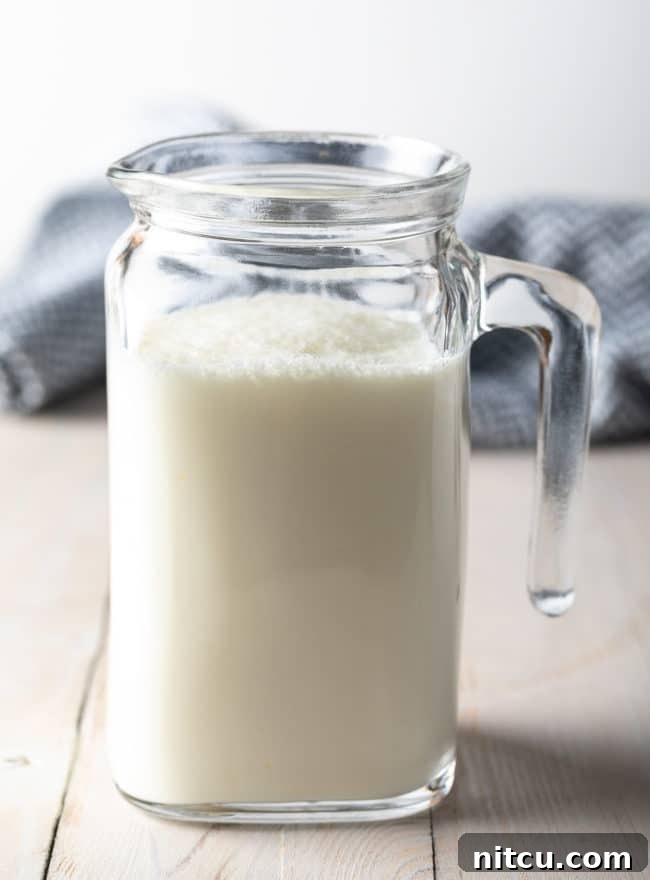
Your homemade buttermilk substitute will last as long as the milk you used to make it. Typically, this means it will be good for 2 to 4 weeks when stored properly in the refrigerator. Always check the expiration date on your milk carton for the most accurate guideline. Once made, store the buttermilk in an airtight container in the refrigerator. Before using it, especially if it’s been sitting for a few days, give the container a good shake to remix any separated liquid and curds, ensuring a uniform consistency.
If your milk isn’t curdling after 10 minutes, there are a few possible reasons. The most common is that the milk was too cold, or you didn’t add enough acid. Ensure your milk is at room temperature or slightly warmed. Then, add another half teaspoon of lemon juice or vinegar, stir gently, and let it sit for another 5 minutes. If it still doesn’t curdle, your acid might not be potent enough, or the milk might be excessively fresh (though this is rare). Using fresh lemon juice or distilled white vinegar usually guarantees success.
Historically, “true” buttermilk was the liquid left over after churning butter, which contained live cultures and had a natural tang. The store-bought buttermilk we find today is typically cultured buttermilk, meaning milk has been fermented with lactic acid bacteria to create its characteristic flavor and thickness. Our homemade substitute, made by adding acid directly to milk, mimics the acidity and curdled texture of cultured buttermilk, providing the same leavening and tenderizing properties in recipes. While it doesn’t contain the live cultures of traditional buttermilk, it functions identically in cooking and baking applications, making it a perfect and convenient stand-in.
Storage and Shelf Life for Your Homemade Buttermilk
Proper storage is essential to extend the life of your homemade buttermilk and ensure it’s safe and ready to use whenever you need it. Here’s what you need to know:
- Airtight Container: Always transfer your freshly made buttermilk into a clean, airtight container. Glass jars with tight-fitting lids or plastic containers are excellent choices. This prevents absorption of odors from other foods in the refrigerator and minimizes exposure to air, which can cause spoilage.
- Refrigeration is Key: Store the container immediately in the coldest part of your refrigerator. Consistent cold temperatures are crucial for inhibiting bacterial growth.
- Check the Expiration Date: The homemade buttermilk will generally last as long as the expiration date on the original milk carton, typically between 2 to 4 weeks. Since you’re simply acidifying the milk, its inherent shelf life doesn’t change dramatically.
- Signs of Spoilage: Before each use, give your buttermilk a quick check. Discard it if you notice any off-smells (beyond its usual tangy aroma), significant discoloration (like a pinkish hue), or visible mold. A slightly thicker consistency or more pronounced separation of curds and whey is normal over time; just give it a good shake before using.
- Shake Before Use: It’s common for the curds and whey to separate as the buttermilk sits in the fridge. Before adding it to your recipes, always give the container a good shake or stir to reintegrate everything, ensuring a uniform consistency and even distribution of flavor.
By following these simple storage guidelines, you can enjoy the convenience of homemade buttermilk for weeks, making sure it’s always fresh and effective for your culinary endeavors.
Looking for More Clever Kitchen Hacks and Recipes?
Mastering homemade buttermilk is just the beginning! If you love smart shortcuts and ingenious kitchen solutions that make cooking and baking easier and more enjoyable, then you’ll definitely want to explore these other fantastic recipes and kitchen hacks. Expand your culinary repertoire with these simple yet impactful guides:
- Craft Your Own Homemade Vanilla Extract: Elevate your desserts with rich, deep vanilla flavor.
- How to Make Peanut Butter with Just 1 Ingredient: Fresh, healthy, and incredibly easy!
- The Ultimate Guide on How to Cook Quinoa: Perfect fluffy quinoa every time.
- Master the Art of Reverse Searing Steak: Achieve perfectly cooked, juicy steaks with ease.
- Speed Up Your Baking: How to Ripen Bananas Fast: Never wait for ripe bananas again!
- Infuse Your Own Herb-Infused Honey: A delightful addition to teas, toasts, and dressings.
- Whip Up a Zesty Orange Curd: A bright and tangy spread for scones, cakes, and more.
- Make Fresh Flour Tortillas from Scratch: Far superior to store-bought for tacos and wraps.
- Create Creamy Homemade Ricotta Cheese: Impress with fresh cheese for pasta, desserts, or spreading.
These kitchen hacks are designed to empower you with confidence and creativity, transforming everyday ingredients into extraordinary culinary experiences.
Ready to try it? Dive into the full printable recipe and video below for even more detail!
Print Recipe
Leave a Review »
How To Make Buttermilk
10 minutes
0 minutes
10 minutes
1 cup
Video
A video demonstration of this recipe is available on the original post at A Spicy Perspective.
Ingredients
- 1 cup whole milk
- 1 tablespoon lemon juice (or white vinegar)
Instructions
-
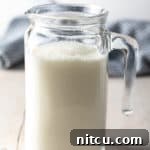
Pour milk into a one-cup measuring pitcher, stopping just shy of one full cup.
-
Add one tablespoon of fresh lemon juice or white vinegar to the milk. If you need to add another splash of milk to the pitcher, do so to make sure you have one full cup of liquid.
-
Stir the milk and lemon juice gently to mix well.
-
Allow the mixture to sit and curdle at room temperature for 10 minutes. Then stir again before using as needed in your recipes.
Notes
Nutrition Information (per serving)
Calories: 150 kcal,
Carbohydrates: 12g,
Protein: 8g,
Fat: 8g,
Saturated Fat: 5g,
Polyunsaturated Fat: 0.3g,
Monounsaturated Fat: 2g,
Cholesterol: 29mg,
Sodium: 93mg,
Potassium: 381mg,
Fiber: 0.1g,
Sugar: 12g,
Vitamin A: 396 IU,
Vitamin C: 6mg,
Calcium: 301mg,
Iron: 0.01mg
Cook It? Love It? Rate It!
YOU can help this recipe RANK on Google – LEAVE A REVIEW so other hungry people can find it. Thank you!