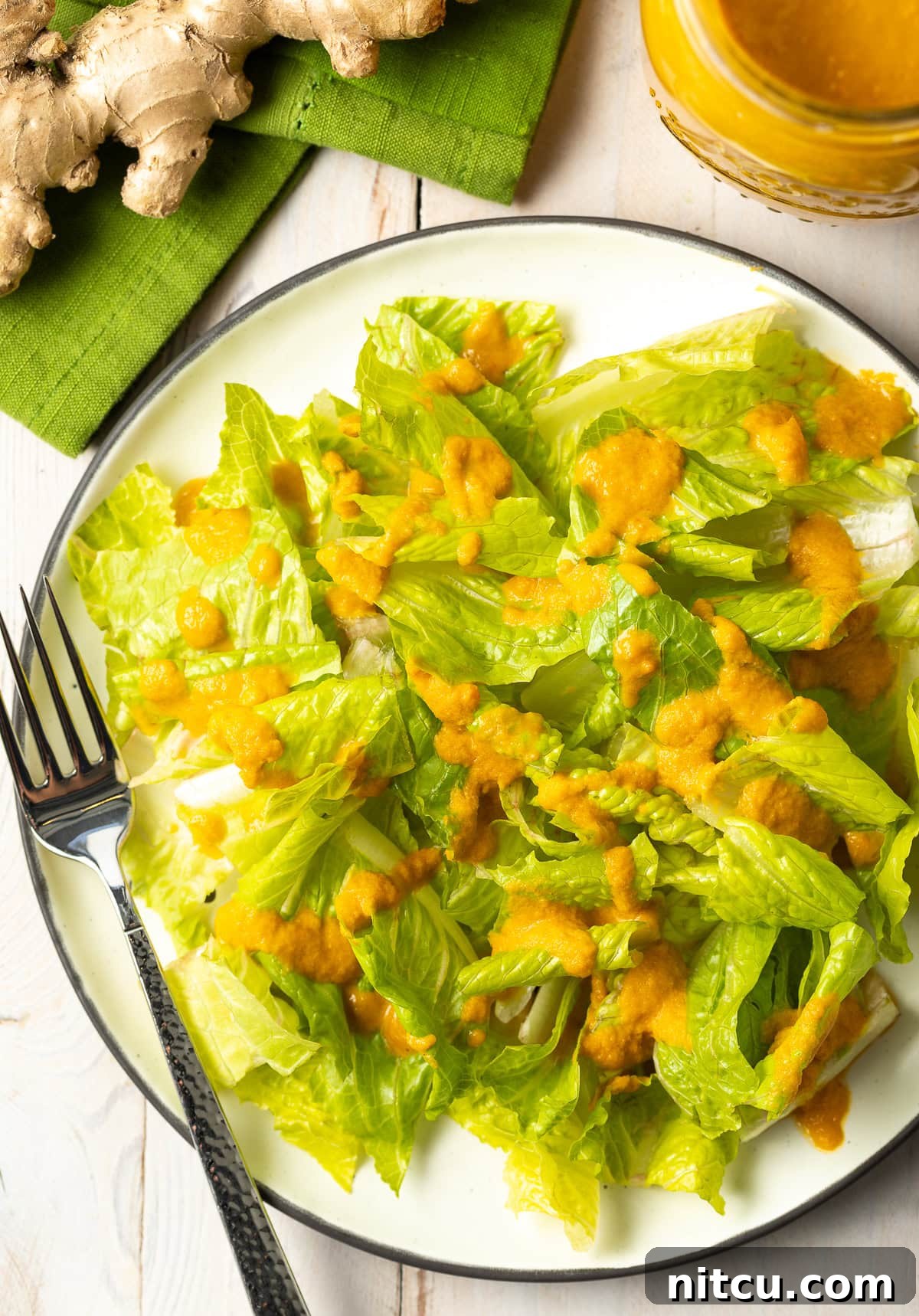
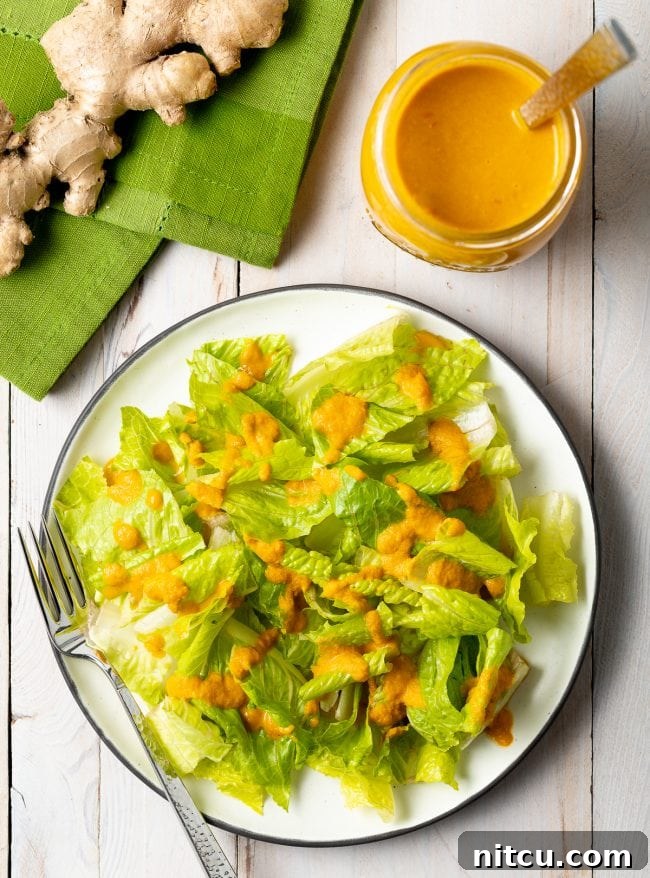
Bright, vibrantly zesty, and bursting with fresh, authentic flavor, this homemade Japanese Ginger Dressing is poised to become your new secret weapon for elevating everyday meals! Forget those store-bought versions; with just a few simple ingredients and the magic of your blender, you can whip up a silky-smooth, restaurant-quality dressing in mere minutes. Perfect for drizzling over crisp greens, adding a punch to grain bowls, or even serving as an exquisite dipping sauce, its versatility is as impressive as its taste.

Sommer’s Culinary Insights: The Magic of Japanese Ginger Dressing
There’s something truly captivating about the experience of dining at our local Japanese hibachi restaurant. The term Hibachi, meaning “fire bowl,” perfectly encapsulates the theatrical and delicious culinary journey offered by skilled chefs. They transform fresh ingredients into tantalizing dishes right before your eyes on a large, flaming grill, creating a memorable spectacle for all diners.
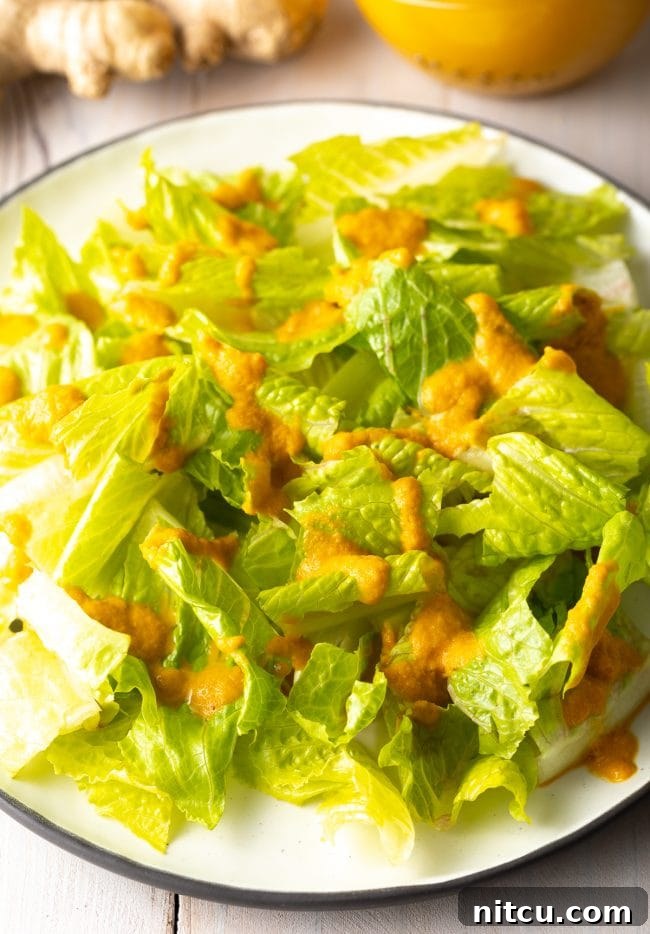
But even before the first flicker of flames, a small, unassuming green salad arrives at the table, typically adorned with a remarkable dressing. This is the traditional first course – a simple yet profoundly satisfying salad topped with a fresh, bright, and invigorating carrot and ginger dressing. It’s a flavor sensation that consistently steals the show, especially for my kids! Watching them eagerly devour every last speck of vegetable that this irresistible dressing has touched brings me immense joy.
If you’re eager to recreate that same enthusiastic response to salad in your own home, look no further! We’ve meticulously perfected a recipe that flawlessly replicates the slightly sweet, tangy, and utterly crave-able taste of that beloved hibachi staple. Our easy, healthy, and homemade Japanese Ginger Salad Dressing Recipe will undoubtedly become a family favorite, transforming ordinary greens into extraordinary culinary delights.
Why This Homemade Japanese Carrot Ginger Dressing Will Be Your New Go-To
- Effortlessly Simple to Make: Forget complicated techniques or extensive prep. In just about 10 minutes, you can transform a handful of fresh ingredients into the most deliciously refreshing salad dressing. Simply toss everything into a blender, press a button, and watch the magic happen.
- Bursting with Fresh, Wholesome Ingredients: This Japanese dressing is crafted from vibrant, garden-fresh vegetables and readily available pantry staples. You’ll appreciate the clean flavors and the peace of mind knowing exactly what goes into your dressing, free from artificial additives.
- Naturally Vegan and Vegetarian-Friendly: A fantastic choice for a wide array of dietary preferences, this dressing is inherently vegetarian and vegan. Its plant-based goodness makes it a versatile addition to any meal, ensuring everyone can enjoy its delightful taste.
- Unforgettable Restaurant-Quality Flavor at Home: This recipe delivers that authentic, restaurant-style hibachi ginger dressing experience right in your kitchen. It strikes a perfect balance of sweet, tangy, savory, and a subtle hint of ginger spice that will have everyone asking for your secret recipe.
Best served perfectly chilled over crisp, cool greens, this invigorating Japanese ginger dressing is an absolute must-add to your summer menu or any time you crave a burst of refreshing flavor. Its vibrant profile makes it ideal for warm weather, but truly, it’s a delightful accompaniment year-round!
Essential Ingredients for Your Perfect Japanese Ginger Dressing
Crafting this vibrant Japanese ginger dressing requires a selection of fresh, simple ingredients. Each component plays a crucial role in achieving that signature flavor profile, balancing sweetness, tang, and the distinct spicy warmth of ginger. Here’s a detailed look at what you’ll need and some helpful tips for each:
- Carrots: Begin with fresh, firm carrots, peeled and roughly chopped. They provide the dressing’s beautiful orange hue, a natural sweetness, and contribute to its smooth, creamy texture once blended. Don’t skip them – they’re key to the classic hibachi style.
- Onion: A small white onion or a couple of shallots work wonderfully here. White onion offers a sharper, cleaner flavor, while shallots provide a milder, sweeter, and more delicate aromatic base. Peel and roughly chop them to ensure they blend seamlessly.
- Celery: Just a quarter cup of chopped celery adds a subtle layer of freshness and a delicate herbaceous note. While not a dominant flavor, it contributes to the overall complexity and brightness of the dressing.
- Rice Vinegar: This is your primary source of tanginess. Opt for unseasoned rice vinegar, as seasoned varieties contain added sugar and salt that can throw off the balance of the dressing. Its mild acidity is perfect for this Asian-inspired recipe.
- Canola Oil: A neutral-flavored oil like canola, vegetable, or avocado oil is essential for emulsifying the dressing and providing a smooth mouthfeel. It acts as a carrier for all the vibrant flavors without overpowering them.
- Fresh Grated Ginger: This is the star ingredient! Absolutely insist on fresh ginger root for its pungent, zesty, and slightly spicy kick. Avoid pre-grated jarred ginger or powdered ginger, as they lack the vibrant potency and aroma that makes this dressing truly special. Peel and grate it right before blending for maximum flavor.
- Granulated Sugar: A touch of granulated sugar balances the acidity of the vinegar and the savory notes of the soy sauce, bringing all the flavors into perfect harmony. You can also use honey or agave nectar for a slightly different sweetness profile.
- Soy Sauce: A good quality soy sauce is vital for imparting a rich umami depth. I highly recommend using a low-sodium soy sauce to better control the saltiness, allowing you to adjust it to your preference. For a gluten-free option, use certified GF tamari or coconut aminos.
- Garlic: One small clove of fresh garlic adds an aromatic, pungent bite that complements the ginger beautifully. Fresh is always best for optimal flavor in dressings.
Customizing Your Dressing: Recipe Variations and Dietary Swaps
One of the best aspects of this Japanese Ginger Dressing is its adaptability. You can easily tweak the recipe to suit various dietary needs or simply to experiment with different flavor profiles:
- Gluten-Free Perfection: To ensure your dressing is entirely gluten-free, simply swap traditional soy sauce for a certified gluten-free soy sauce (often labeled as Tamari) or use coconut aminos. Both alternatives deliver a similar savory depth without the gluten.
- Mindful of Sodium: As suggested in the main recipe, opting for a low-sodium soy sauce is an excellent way to reduce the overall sodium content without sacrificing flavor. You can always add more salt if needed after tasting.
- Paleo and Whole30 Friendly: Transforming this into a paleo or Whole30 compliant dressing is simple. Substitute the granulated sugar with honey or maple syrup (note: honey makes it not vegan). For the soy sauce, use coconut liquid aminos, which are a fantastic grain-free and soy-free alternative. Lastly, replace canola oil with your favorite light-flavored, compliant oil, such as avocado oil. If you want a paleo *and* vegan dressing, use agave nectar instead of honey.
- Boost the Umami: For an even deeper, more complex umami flavor, consider adding a teaspoon of white miso paste to the blender. Miso brings a rich, fermented depth that is incredibly satisfying. If you add miso, remember to reduce the amount of soy sauce, as both are naturally high in sodium.
- A Touch of Heat: If you enjoy a little kick, a tiny pinch of red pepper flakes or a drop or two of sriracha can be blended in for a subtle spicy undertone.
- Creamier Consistency: For an extra creamy dressing, you could add a tablespoon of tahini or a small amount of soaked cashews (for a vegan option) to the blender. This will give it a richer body without heavy cream.
Crafting Your Homemade Japanese Ginger Salad Dressing: A Step-by-Step Guide
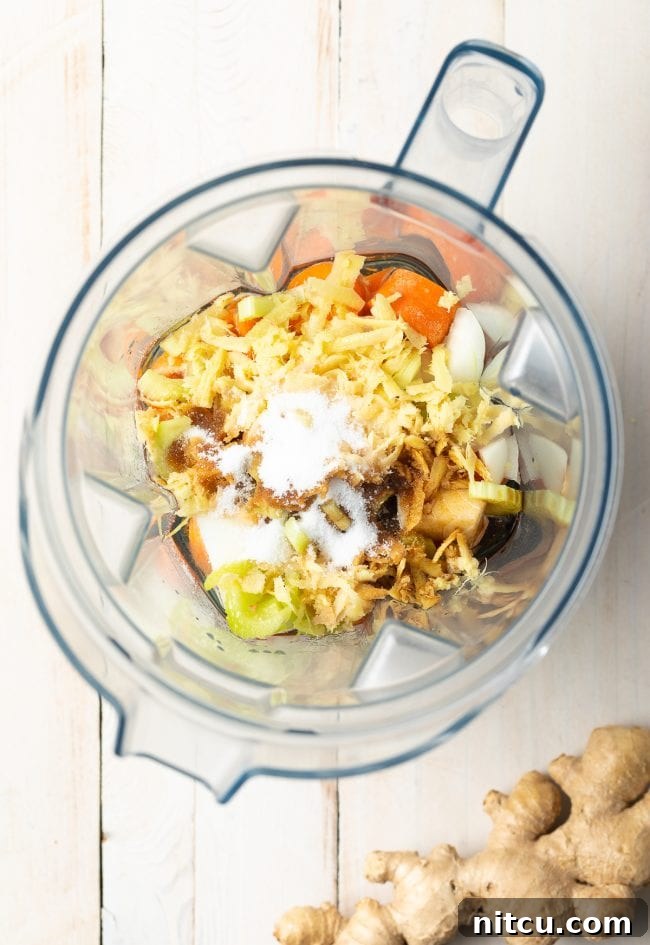
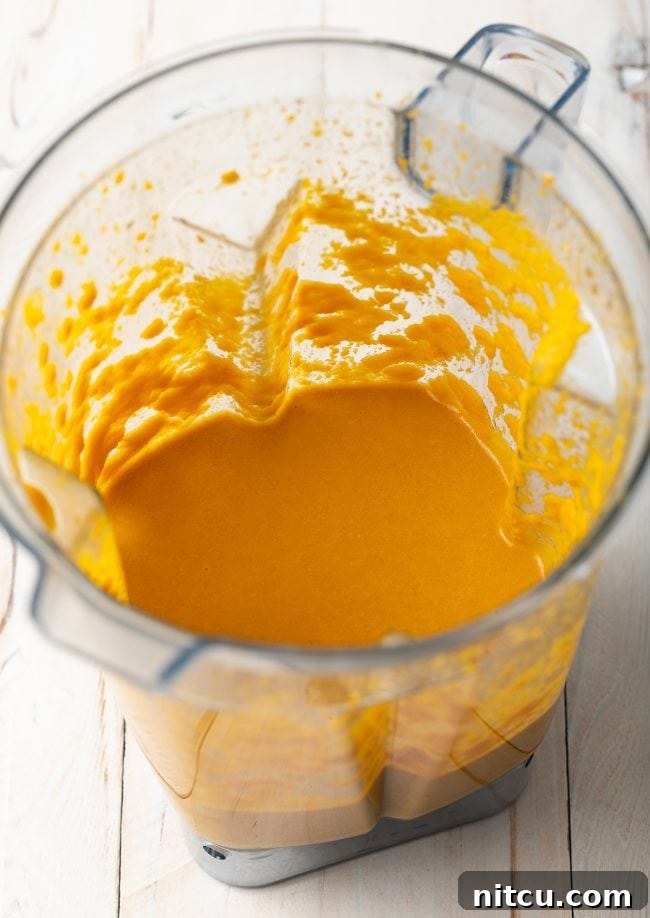
Making this incredible Japanese Ginger Salad Dressing is remarkably straightforward, requiring minimal effort and under 10 minutes of your time. The secret lies in your blender, which does all the hard work, transforming simple ingredients into a smooth, emulsified dressing. Here’s how to achieve perfection:
Discover the complete Japanese Ginger Dressing recipe with precise measurements, step-by-step instructions, and detailed storage advice in the comprehensive recipe card located further down this page!
Achieving Perfection: Essential Tips for Your Ginger Dressing
While this recipe is incredibly simple, a few expert tips can elevate your Japanese Ginger Dressing from good to truly exceptional. Follow these pointers for the best possible flavor and texture:
- Embrace Freshness: The core of this dressing’s incredible flavor comes from fresh ingredients. Always use fresh ginger root, garlic cloves, carrots, and celery. Pre-minced garlic or jarred ginger paste will not yield the same vibrant and pungent results.
- For an Umami Explosion: To infuse your dressing with even more rich, savory depth, consider adding a small amount of white miso paste (about 1-2 teaspoons). Miso paste is a fermented soybean paste that adds a wonderful layer of complexity. If incorporating miso, remember to reduce the amount of soy sauce slightly, as miso is also quite salty.
- Sodium Control is Key: Instead of regular soy sauce, using coconut aminos is an excellent alternative, especially if you’re looking to significantly reduce sodium without sacrificing that essential savory note. It’s also a great option for those avoiding soy.
- Vinegar Versatility: While rice vinegar is the traditional choice, you have options! Rice wine vinegar, white wine vinegar, or even apple cider vinegar can be used. Each will lend a slightly different acidic profile, so choose based on what you have on hand or your preference for sharpness. Any of these will provide the necessary tang.
- Blender vs. Food Processor: For the silkiest, most uniform texture, a high-speed blender is your best friend. It will thoroughly pulverize the vegetables and emulsify the oil, resulting in a perfectly smooth, restaurant-style dressing. If you only have a food processor, it will still work beautifully, but be prepared for a slightly chunkier consistency. Blend for longer if using a food processor to get it as smooth as possible.
- Don’t Rush the Chill: While the dressing is delicious immediately, its flavors truly meld and deepen after at least 30 minutes (or even better, a few hours) in the refrigerator. The chilling process allows the ingredients to harmonize, resulting in a more balanced and refined taste.
- Taste and Adjust: Always taste your dressing before serving and don’t hesitate to adjust the seasonings. You might find it needs a tiny bit more soy sauce for savoriness, a touch more sugar for sweetness, or an extra splash of vinegar for tang, all according to your personal preference.
Storage and Longevity for Your Homemade Dressing
Proper storage is essential to maintain the freshness, flavor, and texture of your homemade Japanese Ginger Dressing. When stored correctly, you can enjoy this delicious creation for several days, making it perfect for meal prepping throughout the week.
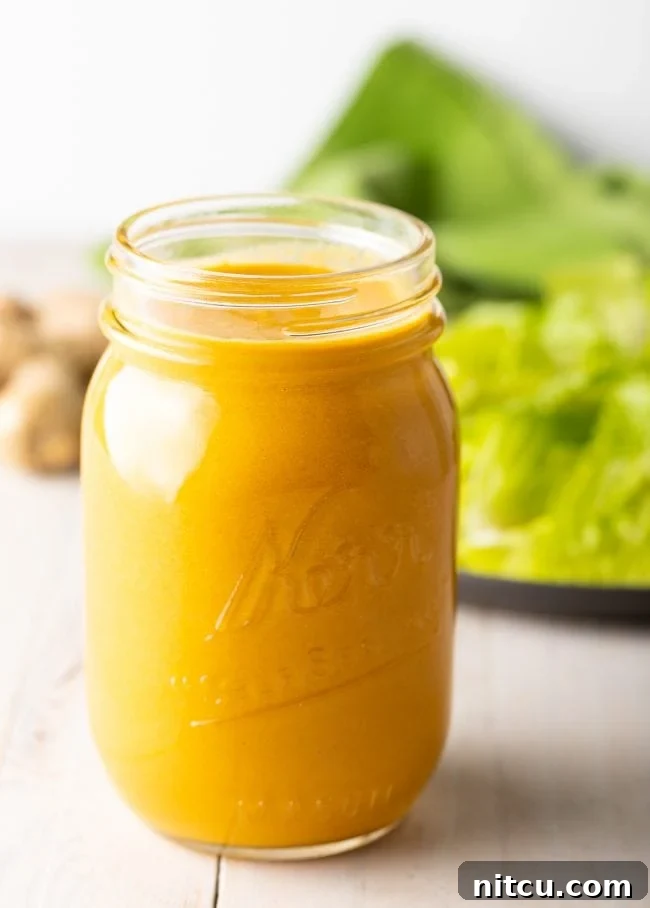
- Storing Leftovers: Once blended, transfer your dressing to an airtight container. A mason jar with a tight-fitting lid is ideal, as it minimizes exposure to air and makes shaking easy. Store the dressing in the refrigerator. It will keep beautifully for up to 4 days.
- Shake Before Serving: It’s natural for homemade dressings, especially those with oil, to separate over time. Before each use, simply give the container a good shake to re-emulsify the ingredients and ensure every pour is perfectly blended and delicious.
- Freezing: While technically possible, freezing is generally not recommended for this ginger dressing. The fresh vegetables can become watery and alter the smooth texture upon thawing. It’s best enjoyed fresh within its refrigerated shelf life.
Beyond the Salad Bowl: Creative Serving Suggestions
While this vibrant Japanese ginger dressing is undeniably a game-changer for salads, its bright, zesty, and savory profile makes it incredibly versatile. It comes together in just minutes, making it not only delicious but also perfect for busy weeknights or proactive meal preparation!
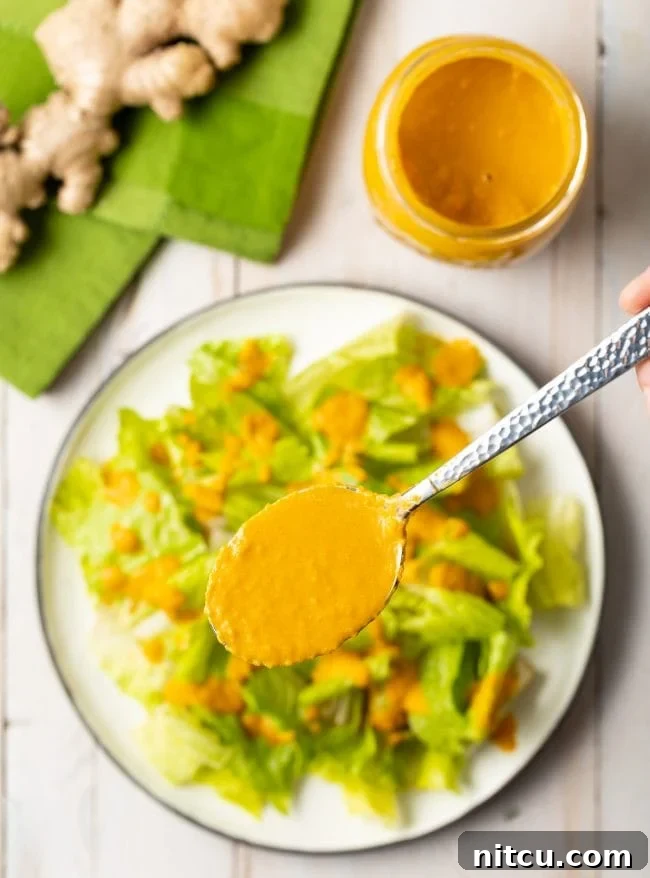
Embrace the classic Japanese restaurant-style experience by enjoying this dressing on a bed of crisp romaine or iceberg lettuce. However, don’t stop there! Its complex flavor opens up a world of culinary possibilities:
- Elevate Your Salads: Drizzle this smooth, zesty dressing over any Asian-inspired salad, whether it’s a mix of shredded cabbage, carrots, and bell peppers, or a vibrant bed of mixed greens with edamame and mandarin oranges. It also pairs beautifully with a simple cucumber and tomato salad.
- Flavorful Grain Bowls: Transform your everyday grain bowls into an exotic delight. Drizzle it over quinoa, brown rice, or farro bowls packed with roasted vegetables, grilled chicken, or tofu for a burst of fresh flavor.
- A Superb Dipping Sauce: Its rich and tangy profile makes it an exceptional dipping sauce. Serve it alongside dumplings, spring rolls, crispy wontons, sushi, or a platter of fresh, crunchy vegetables like cucumber sticks, carrot spears, and bell pepper strips.
- Dynamic Marinade: Love bold flavors? Use this dressing as a quick and effective marinade for various proteins. It tenderizes and infuses incredible taste into chicken, shrimp, pork, or tofu before grilling, baking, or pan-frying. The ginger and vinegar help break down fibers, while the soy sauce adds umami.
- Drizzle Over Roasted or Steamed Vegetables: Give a fresh twist to your roasted broccoli, asparagus, green beans, or sweet potatoes by drizzling a generous amount of this dressing over them just before serving. It adds an extra punch of freshness and savory depth.
- Noodle and Rice Dishes: Stir a tablespoon or two into cold noodle salads or warm rice bowls for an instant flavor upgrade. It can also lighten up a heavier stir-fry or serve as a finishing sauce.
Japanese Ginger Salad Dressing Recipe

Prep Time: 10 minutes
Total Time: 10 minutes
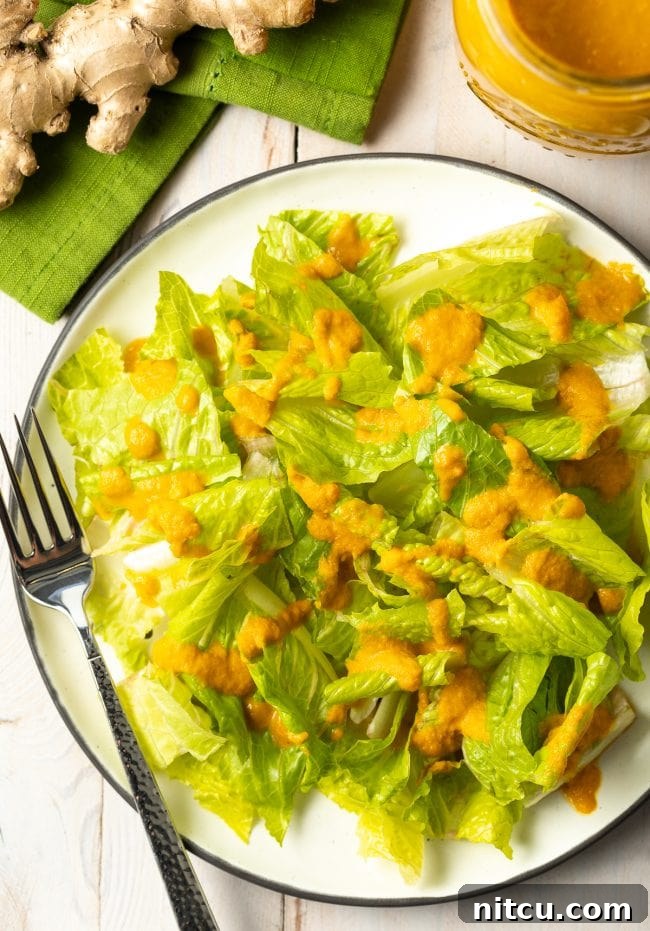
Bright, zesty, and packed with fresh flavor, this Japanese Ginger Dressing is a game-changer for salads! Just toss everything in a blender, and in minutes, you’ll have a smooth, restaurant-style dressing that pairs perfectly with crisp greens or even used as a dipping sauce.
Yields: 8 servings
Video Guide
Watch our step-by-step video to master this delicious Japanese Ginger Salad Dressing!
Ingredients
- 1 cup carrots, roughly chopped
- ½ cup onion, peeled and roughly chopped
- ¼ cup celery, roughly chopped
- ½ cup rice vinegar
- 1/3 cup canola oil
- 3 tablespoons fresh grated ginger
- 2 tablespoons granulated sugar (or honey)
- 1-2 tablespoons soy sauce (I always buy GF and low sodium.)
- 1 small garlic clove
Instructions
- Roughly chop all the produce (carrots, onion, celery, garlic, ginger). Place them into your blender.
- Add all other ingredients to the blender: rice vinegar, canola oil, granulated sugar (or honey), and soy sauce. If you are sensitive to sodium, start with 1 tablespoon of soy sauce. You can always add more to taste if needed.
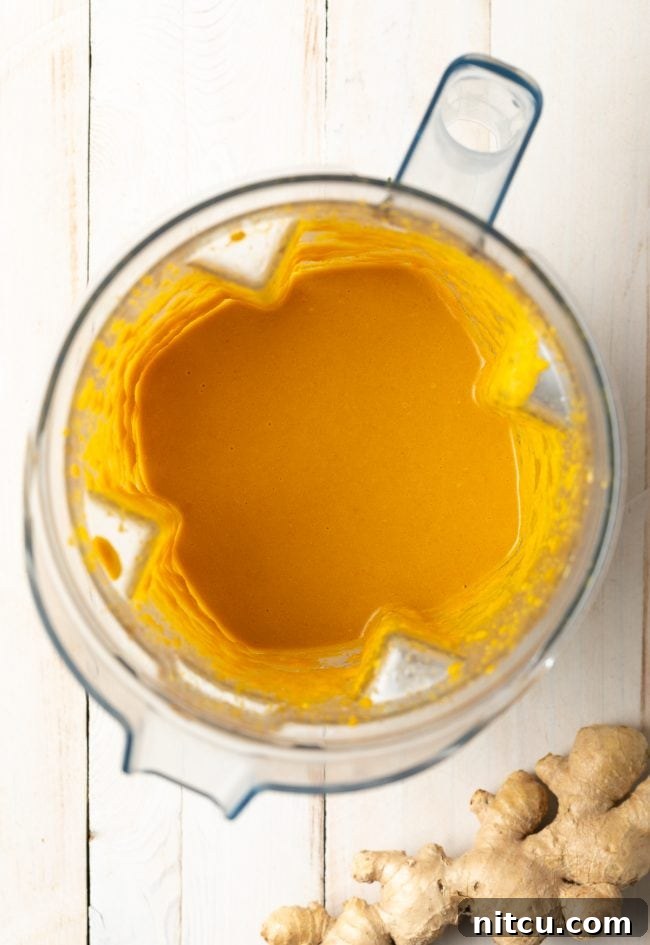
- Secure the blender lid and blend on high speed. Puree until the mixture is completely smooth and creamy, with no visible chunks of vegetables.
- Taste the dressing and adjust seasonings as necessary. You may want to add more soy sauce for umami, a pinch more sugar for sweetness, or a dash more vinegar for tang.
- Transfer the dressing to an airtight container or a mason jar. Refrigerate for at least 30 minutes, or until thoroughly chilled, before serving. This allows the flavors to meld beautifully.
Notes
- This recipe makes approximately 2 cups of delicious ginger dressing.
- The dressing can be made up to 4 days in advance. Store it in an airtight container in the fridge. Remember to shake well before serving, as natural separation may occur.
- Oil Options: For a versatile dressing, use any neutral-flavored oil like canola oil, vegetable oil, or avocado oil. For an added layer of authentic Asian flavor, you can swap ¼ cup of canola oil for 1 tablespoon of toasted sesame oil, reducing the canola oil accordingly. However, sesame oil is not necessary for a fantastic result.
Nutrition Information (per 0.25 cup serving)
Calories: 111kcal | Carbohydrates: 6g | Protein: 1g | Fat: 9g | Saturated Fat: 1g | Sodium: 140mg | Potassium: 90mg | Fiber: 1g | Sugar: 4g | Vitamin A: 2687IU | Vitamin C: 2mg | Calcium: 9mg | Iron: 1mg
Course: Dressing, Salad
Cuisine: American, Japanese
Frequently Asked Questions About Japanese Ginger Dressing
Thanks to its generous content of fresh ginger and a medley of vegetables, this salad dressing does offer some notable health benefits, including vitamins and antioxidants. However, it also contains a decent amount of oil, which contributes to its fat and calorie content. Therefore, while it’s made with wholesome ingredients, it should still be enjoyed as part of a balanced diet and in moderation to reap its benefits without overconsumption.
Absolutely! Japanese Ginger Dressing can easily be made gluten-free. The key is to swap out traditional soy sauce for a certified gluten-free alternative, such as Tamari, or to use liquid aminos (like coconut aminos). Both options will provide the essential savory umami flavor without any gluten.
It’s quite simple to make this a paleo-friendly salad dressing! Substitute the granulated sugar with natural sweeteners like honey or maple syrup. For the soy sauce, opt for coconut liquid aminos. Lastly, instead of canola oil, use a paleo-approved, light-flavored oil such as avocado oil. Keep in mind that using honey will make the recipe *not* vegan-friendly; for a paleo and vegan dressing, substitute the honey with agave nectar instead.
Yes, you can certainly make this Japanese salad dressing in a food processor. However, it’s important to note that the texture might not be as perfectly smooth and creamy as when made in a high-speed blender. A food processor may leave very small, fine vegetable flecks, resulting in a slightly chunkier consistency. If you desire a perfectly silky-smooth dressing with no discernible chunks, a powerful blender is definitely the preferred tool.
This ginger dressing is an excellent choice for meal prep! You can easily prepare it up to 4 days in advance. Store it in a tightly sealed container in the refrigerator, and give it a good shake before each use to ensure all the flavors are well combined.
If your dressing turns out too thick after blending or chilling, you can easily thin it with a tablespoon or two of water or a little extra rice vinegar until it reaches your desired consistency. If it’s too thin, you might have added too much liquid; consider adding a small amount of extra carrot or a tiny dollop of tahini for more body, then re-blend.
Explore More Delicious Dressing Recipes
We hope you’ve been inspired to try this sensational homemade Japanese Ginger Dressing! It’s a testament to how simple, fresh ingredients can come together to create a truly unforgettable flavor experience. Whether you’re making a quick weeknight salad, hosting a dinner party, or simply seeking to add a vibrant, healthy kick to your meals, this dressing is your answer. Whip it up today and discover the joy of restaurant-quality flavor from the comfort of your own kitchen!