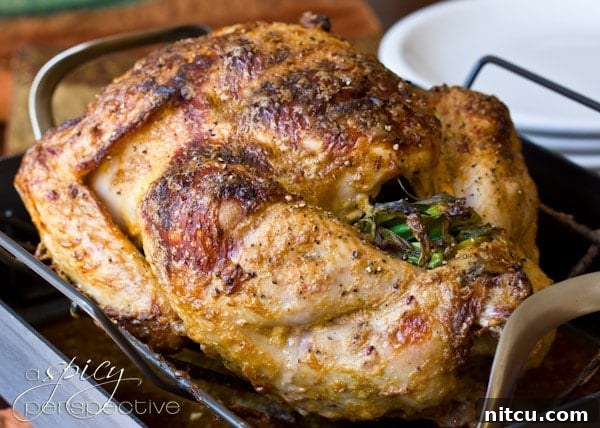
This Thanksgiving, dare to be different! We’re diving into a truly unique Asian Turkey Recipe – a vibrant and unexpected twist on the traditional holiday bird. Plus, we’ll equip you with essential tips on How to Cook a Turkey in the Oven to ensure a perfectly succulent, crispy-skinned masterpiece every time.
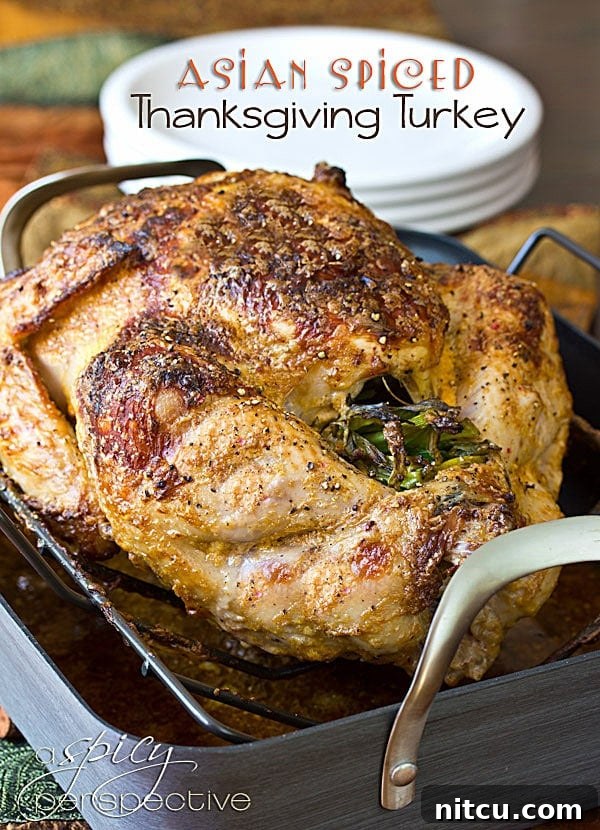
As the holiday season approaches, many of us begin to anticipate the culinary cornerstone of Thanksgiving: the turkey. Questions abound – how will it be seasoned? What glorious Thanksgiving sides will grace the table? For those who cherish tradition but also yearn for a touch of novelty, a familiar dilemma arises: Does Thanksgiving dinner always have to follow the same predictable script?
We propose a delightful departure from the ordinary, without veering into chaos. While serving lasagna might raise a few eyebrows (and possibly a family revolt), consider an innovative approach: taking those beloved, standard Thanksgiving dishes and infusing them with an exciting, saucy makeover. It’s about elevating the familiar, not abandoning it entirely.
An Unforgettable Asian Turkey Recipe for Thanksgiving
This year, imagine a Thanksgiving where the purists are content with their traditional spread, yet the adventurous eaters revel in a completely new experience. This balance is perfectly struck with our proposed centerpiece: an Asian Turkey. This isn’t just a turkey; it’s a culinary journey, fragrant with exotic herbs and spices that promise to tantalize every palate.
The beauty of this Asian-inspired Thanksgiving turkey lies in its harmonious blend of classic roasting techniques with a bold, aromatic flavor profile. The preparation begins much like any other turkey, but it’s the unique rub and the carefully selected herbs nestled within the bird’s cavity that transform it into something extraordinary. These elements work in concert to infuse a vibrant symphony of Asian flavors deep into the skin and succulent meat, promising a memorable feast.
Our secret weapon for this incredible Asian turkey rub is a brilliant combination of creamy mayonnaise, spicy sriracha, aromatic ginger, and pungent garlic. You might be surprised by the inclusion of mayonnaise, but trust us – it’s a game-changer. Not only does it add an astonishing depth of flavor to the skin, but it also helps achieve an incredibly crispy, golden-brown exterior that is absolutely irresistible. The sriracha provides a gentle heat, while the ginger and garlic contribute that unmistakable Asian essence.
Beyond the surface rub, we elevate the internal flavor by placing a medley of fresh Thai basil, fragrant lemongrass, additional slices of fresh ginger, and vibrant scallions directly into the turkey’s cavity. As the turkey roasts, these fresh herbs and aromatics gently perfume the bird from the inside out, creating a complex, layered flavor that permeates every bite. This internal infusion ensures that the delicate balance of Asian spices is present throughout the entire turkey, not just on the surface.
This innovative method for oven roasted turkey introduces a distinctive flair to your Thanksgiving table without overpowering the cherished traditional dishes. It’s a celebration of flavor that complements rather than competes, allowing both classic and new elements to shine. Imagine the conversations sparked by such a unique offering!
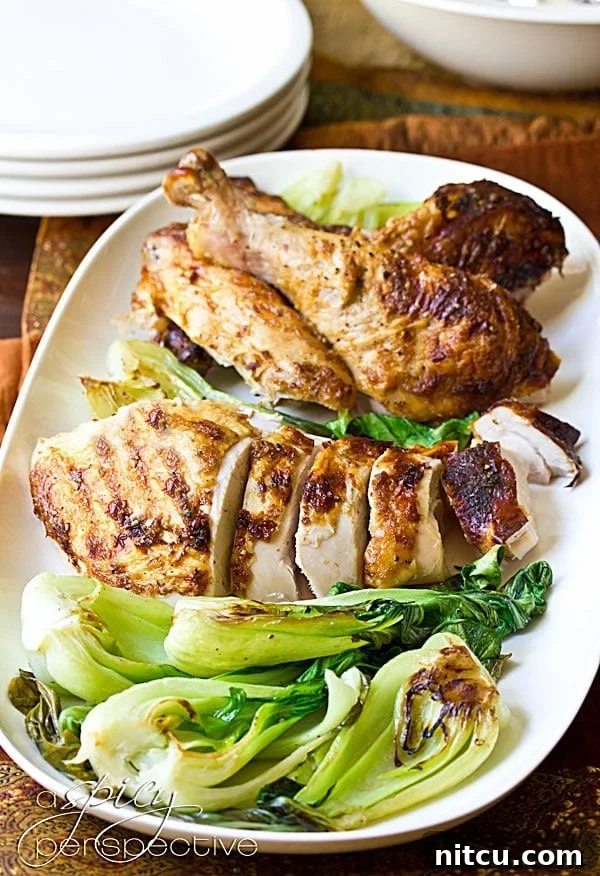
To complete your Asian-inspired Thanksgiving feast, you have endless possibilities for pairing. Serve your flavorful Asian turkey with classic American Thanksgiving sides for a delightful East-meets-West fusion, or extend the theme by giving your side dishes an Asian twist. Think tender bok choy braised in white wine and butter, sweet potatoes elevated with crystallized ginger, creamy mashed potatoes infused with lemongrass and garlic, or a savory soy-ginger stuffing that perfectly complements the turkey’s profile. These thoughtfully crafted pairings will transform your holiday meal into an unforgettable culinary event.
Before we dive into the full Asian Turkey Recipe, it’s crucial to lay the groundwork with fundamental techniques for achieving a perfectly cooked bird. Following these essential steps for oven-roasted turkey can make an enormous difference in the overall quality, taste, and texture of your Thanksgiving centerpiece. These are the tried-and-true methods that ensure a juicy, tender turkey with beautifully crisp skin, regardless of the seasoning you choose.
Mastering the Art: How to Cook a Turkey in the Oven
Cooking a magnificent turkey doesn’t have to be daunting. With a few key strategies, you can achieve a moist, flavorful bird with golden, crispy skin. Here are our top tips for oven roasting a turkey to perfection:
1. Thaw Early and Safely
Planning is paramount when it comes to a frozen turkey. Purchase your turkey at least a week, and ideally even longer depending on its size, before Thanksgiving. The safest and most recommended method for thawing is in the refrigerator. Place the turkey in a sturdy roasting pan or on a large tray to catch any drips, and allow it to thaw slowly in the fridge for several days (roughly 24 hours per 4-5 pounds of turkey). This slow thawing process ensures the bird thaws evenly and prevents any last-minute stress of dealing with a partially frozen turkey on Thanksgiving morning, which can lead to uneven cooking and food safety issues.
2. The Power of Brining for Juiciness and Flavor
Brining is a highly effective technique to dramatically enhance both the moisture and flavor of your turkey. A simple brine typically consists of water and salt, but you can infuse it with incredible aromatics like peppercorns, bay leaves, citrus peels, garlic cloves, or fresh herbs like rosemary and thyme. Prepare a brine using approximately 1 gallon of water per 1 cup of kosher salt. Submerge the turkey in the brine in a clean bucket or a large brining bag, ensuring it is fully covered. Refrigerate for 12 to 24 hours. The salt solution helps break down muscle fibers, allowing the meat to absorb moisture and flavor, resulting in a significantly juicier and more tender final product. After brining, remember to drain the turkey thoroughly and pat it dry.
If you find yourself short on time and can’t commit to a full brine, don’t despair! A dry brine or an under-the-skin seasoning can still make a huge difference. Carefully loosen the skin of the turkey, especially over the breast meat, and generously rub salt and your chosen herbs (like sage, thyme, or our Asian rub ingredients) directly onto the meat itself. Make sure to cover the entire bird, including the legs and thighs. While not identical to a full wet brine, this method allows the seasonings to penetrate the meat more effectively than simply salting the exterior skin, contributing significantly to a more flavorful turkey.
3. The Secret to Crispy Skin: Dryness
Whether you’ve brined your turkey or not, achieving that coveted, irresistibly crispy skin hinges on one crucial step: ensuring the turkey’s surface is bone dry before any seasoning or roasting begins. Moisture on the skin creates steam in the oven, preventing it from browning and crisping properly. Use an abundance of clean paper towels to thoroughly pat down every inch of the bird, both inside and out. For even better results, you can let the dry turkey air-dry, uncovered, in the refrigerator for a few hours or even overnight. This extra step removes surface moisture, guaranteeing a beautiful, golden, and shatteringly crisp skin that will be the envy of your dinner table.
4. Stuffing Outside the Bird
Here’s a tip that might challenge tradition but yields superior results: avoid stuffing the turkey’s cavity. While it’s a classic image, stuffing a turkey can be problematic. The stuffing needs to reach a safe internal temperature of 165°F (74°C), which often means the turkey itself can become overcooked and dry while you wait for the stuffing to heat through. Instead, prepare your stuffing in a separate baking dish. This allows the turkey to cook more evenly and ensures that it can be removed from the oven the moment its meat reaches optimal doneness, resulting in a wonderfully moist and tender bird every single time. Plus, a separate baking dish allows for a crispier top layer on your stuffing!
5. The “Birdy Massage” for Flavor and Crispness
Once your turkey is perfectly thawed, brined (if applicable), and thoroughly dried, it’s time for the “birdy massage.” This involves liberally rubbing the entire surface of the turkey with a fat-based concoction – whether it’s softened butter, olive oil, or our special mayonnaise-sriracha mix. This step isn’t just for flavor; the fat acts as a heat conductor and helps render the skin, promoting that gorgeous golden-brown color and incredible crisp texture we all desire. Make sure to get into all the nooks and crannies, and even gently lift the skin over the breast to apply some of the rub directly to the meat for maximum flavor penetration.
6. Upside-Down Start for Juicier Breasts
For years, chefs have sworn by this technique to ensure incredibly moist breast meat: starting your turkey roasting upside down. The logic is simple yet effective: gravity. By placing the turkey breast-side down for the initial portion of the cooking time (typically the first hour), the natural fats and juices from the darker meat (thighs and drumsticks) drip down into the leaner breast meat. This self-basting action keeps the breast remarkably tender and flavorful. After the initial period, carefully flip the turkey breast-side up, re-apply some of your chosen fat or rub to the top, and continue roasting. The breast will then brown beautifully, resulting in a picture-perfect and uniformly cooked Thanksgiving bird.
7. Roast at a Higher Temperature for Best Results
While some recipes call for low and slow roasting, many experienced cooks find that a higher initial temperature yields a superior turkey. Roasting at a temperature around 400°F (200°C) typically for about 2 hours (depending on size) provides several advantages. The high heat rapidly crisps the skin, locking in moisture and creating that desirable golden exterior. It also helps cook the bird more quickly and efficiently, reducing the overall cooking time and freeing up your oven sooner for other holiday dishes. Always use a reliable meat thermometer to ensure the turkey reaches a safe internal temperature of 165°F (74°C) in the thickest part of the thigh, without touching the bone.
8. The Crucial Resting Period
After all the effort you’ve put into roasting your magnificent turkey, the final and arguably most important step is to let it rest. Once the turkey is removed from the oven, loosely tent it with foil and allow it to sit undisturbed for at least 20-30 minutes, or even longer for larger birds, before carving. This resting period is crucial because it allows the juices within the meat to redistribute throughout the bird. If you slice into it too soon, those precious juices will simply run out onto the cutting board, leaving you with drier meat. Resting ensures that every slice remains incredibly moist, tender, and flavorful, making carving much easier and the presentation much neater. Patience truly is a virtue here!
Print Recipe
Leave a Review »
Asian Thanksgiving Turkey Recipe
15 minutes
2 hours
2 hours 15 minutes
10
Ingredients
- 12-14 pound whole turkey thawed and brined (see tips above for brining or dry seasoning)
- 2 cups mayonnaise
- 1/3 cup Sriracha
- 2 tablespoons ground ginger
- 2 tablespoons garlic powder
- Salt and pepper, to taste
- 1 bunch Thai basil
- 3-4 stalks lemongrass, bruised and cut into 2-3 inch pieces
- 1 bunch scallions, roughly chopped
- 2 inch fresh ginger piece, thinly sliced
Instructions
-
Preheat your oven to a robust 400 degrees F (200 degrees C). Ensure the oven rack is positioned at the lowest setting to accommodate the turkey and allow for even cooking.
-
Begin by thoroughly drying the turkey, inside and out, with clean paper towels. This step is crucial for achieving crispy skin. Carefully stuff the main cavity with the fresh Thai basil, lemongrass pieces (lightly bruised to release their aroma), chopped scallions, and sliced fresh ginger. For the smaller neck cavity, you can also add a few aromatics and then secure it closed with a toothpick to keep the herbs contained. If your turkey’s drumsticks aren’t already tucked and secured under a flap of skin, use kitchen twine to tie the legs together, ensuring a compact shape for even roasting.
-
In a medium bowl, combine the mayonnaise, sriracha, ground ginger, and garlic powder until well mixed to create your aromatic Asian rub. Generously massage this flavorful mixture over the entire exterior of the turkey, ensuring every inch is coated. Reserve approximately 2 tablespoons of this mayo mixture for later application. Finally, season the bird liberally with salt and freshly ground black pepper, enhancing both flavor and crispiness.
-
Place the prepared turkey, breast-side down, onto a sturdy roasting rack set inside a large roasting pan. Pour about two cups of water (or chicken/vegetable broth for added flavor) into the bottom of the roasting pan. This liquid helps create a moist environment, prevents drippings from burning, and contributes to a flavorful pan sauce later. Carefully transfer the pan to the preheated oven.
-
Roast the turkey breast-side down for 1 hour. This initial high-heat, upside-down roasting technique allows the juices and fats to baste the breast meat, keeping it incredibly moist. After 1 hour, carefully remove the pan from the oven. Using heavy-duty paper towels or dedicated turkey lifting forks, gently but firmly flip the bird over so it is now breast-side up. Rub the reserved 2 tablespoons of mayo mixture evenly over the top and exposed portions of the turkey. Check the liquid in the pan; add more water or broth if it has evaporated too much. Return the turkey to the oven and continue roasting for another 45-60 minutes, or until a meat thermometer inserted into the thickest part of the thigh (without touching the bone) registers 165 degrees F (74 degrees C). If the turkey skin begins to darken too quickly, loosely tent it with aluminum foil to prevent over-browning. Once the turkey reaches the target internal temperature, remove it from the oven, transfer it to a large cutting board or platter, and allow it to rest for at least 20-30 minutes before carving. This resting period is vital for the juices to redistribute, ensuring a uniformly moist and tender bird. Enjoy your incredibly flavorful Asian Thanksgiving Turkey!
Nutrition
Main Course
American, Asian
Sommer Collier
Cook It? Love It? Rate It!
YOU can help this recipe RANK on Google – TAP 5 STARS so other hungry people can find it. Thank you!