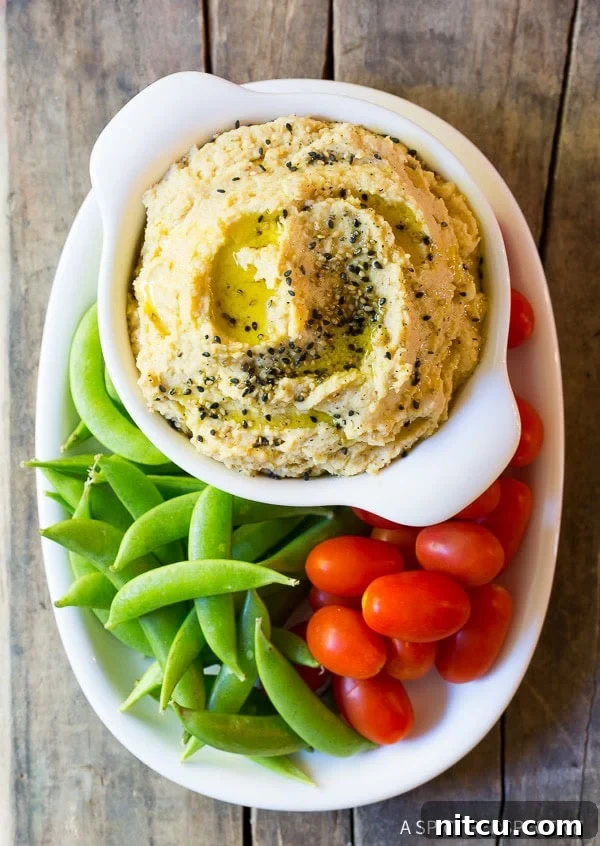
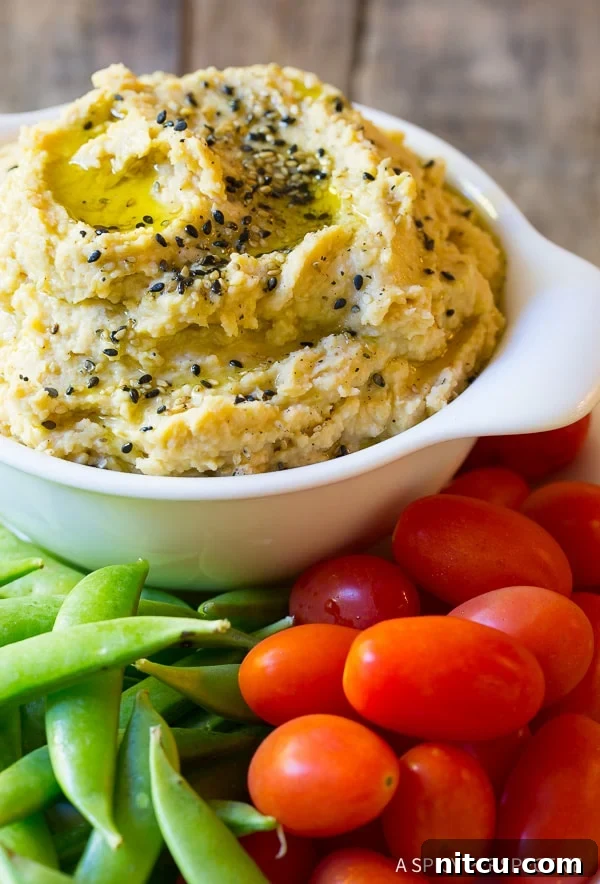
Homemade White Miso Hummus – Unlock a world of flavor with this incredibly easy and economical sesame miso hummus recipe. Infused with the unique umami depth of white miso, this dip transforms into a luxuriously rich, creamy, and satisfyingly salty snack. Perfect for effortlessly scooping with your favorite crisp vegetables and crunchy crackers, or as a vibrant, flavorful spread to elevate any sandwich or wrap.
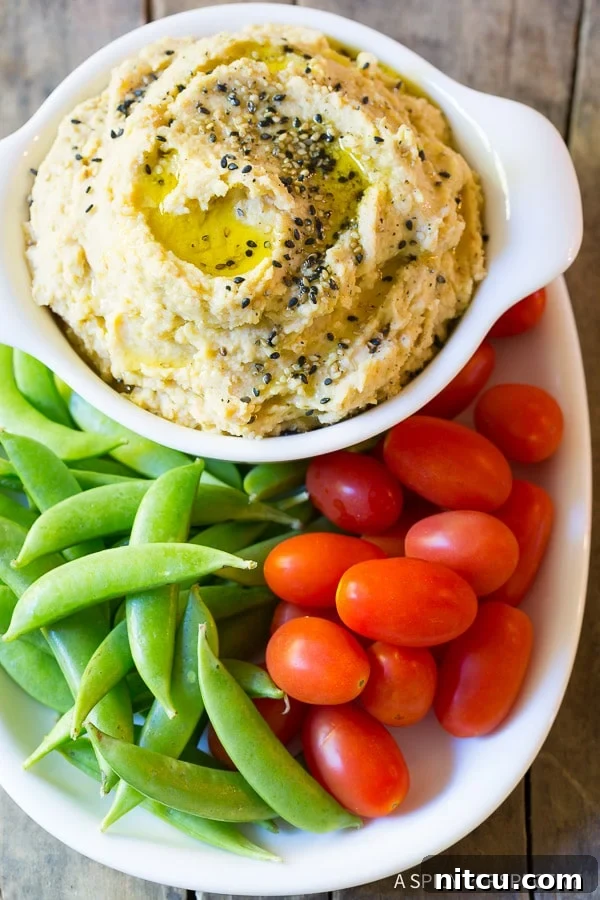
Why This Miso Hummus Recipe Will Become Your New Favorite
There’s a reason hummus has become a global sensation – its creamy texture, wholesome ingredients, and incredible versatility make it a go-to snack, spread, and dip for countless households. Here at A Spicy Perspective, our passion for homemade hummus runs deep, having explored numerous delightful variations over the years. We adore snacking on it with an assortment of fresh vegetables and crispy chips, spreading it generously on morning toast or lunchtime sandwiches, and adding a hearty scoop to brighten up any green salad.
Crafting your own hummus from scratch offers a multitude of benefits. Beyond being significantly more budget-friendly, it grants you complete control over the quality of ingredients, allowing you to tailor the texture to your preference – from super smooth to delightfully chunky – and perfect the taste profile to suit your palate. This ensures a fresher, more personalized experience that store-bought options simply can’t match.
While our site boasts a collection of fabulous recipes like Creamy Avocado Edamame Hummus, Thai Coconut Curry Hummus, Roasted Red Pepper Hummus, and Crispy Rosemary Hummus, this particular White Miso Hummus recipe is rapidly becoming a firm family favorite. The secret to its undeniable appeal lies in the unique and profound *umami* flavor introduced by a generous dollop of white miso paste. Miso, a traditional Japanese seasoning, brings a depth of savory richness that blends seamlessly with the classic hummus base, creating an addictive taste that keeps everyone coming back for more.
The Umami Advantage: What Makes Miso Hummus Unique?
The addition of white miso paste isn’t just a trend; it’s a culinary revelation for hummus. Miso, made from fermented soybeans and often rice, barley, or other grains, is renowned for its savory “umami” quality – often described as a fifth basic taste alongside sweet, sour, salty, and bitter. This distinct characteristic elevates traditional hummus from merely a tasty dip to an extraordinary flavor experience.
White miso, specifically, is a younger, milder, and slightly sweeter variety compared to its darker counterparts like red or brown miso. Its delicate flavor profile integrates beautifully without overpowering the chickpeas and lemon, instead enhancing them with a subtle yet impactful depth. It introduces a complex, lingering savoriness that makes this hummus incredibly satisfying and provides that “extra something” you can’t quite pinpoint but instantly crave.
Economical and Wholesome Homemade Goodness
One of the most compelling reasons to make hummus at home, especially this miso version, is the significant cost savings. Canned chickpeas are incredibly affordable, and a tub of miso paste, while an initial investment, lasts a long time and offers versatile use in many other dishes. Compare the cost of ingredients to premium store-bought hummus, and you’ll quickly see the financial benefit.
Beyond the budget, making hummus yourself guarantees control over the ingredients. You can opt for organic chickpeas, fresh lemons, and high-quality sesame oil. This ensures a healthier, additive-free product tailored to your dietary needs. Hummus itself is a nutritional powerhouse, packed with protein and fiber from chickpeas, healthy fats from sesame oil, and essential vitamins from lemon. Adding miso further boosts its nutritional profile with beneficial probiotics from the fermentation process, supporting gut health.
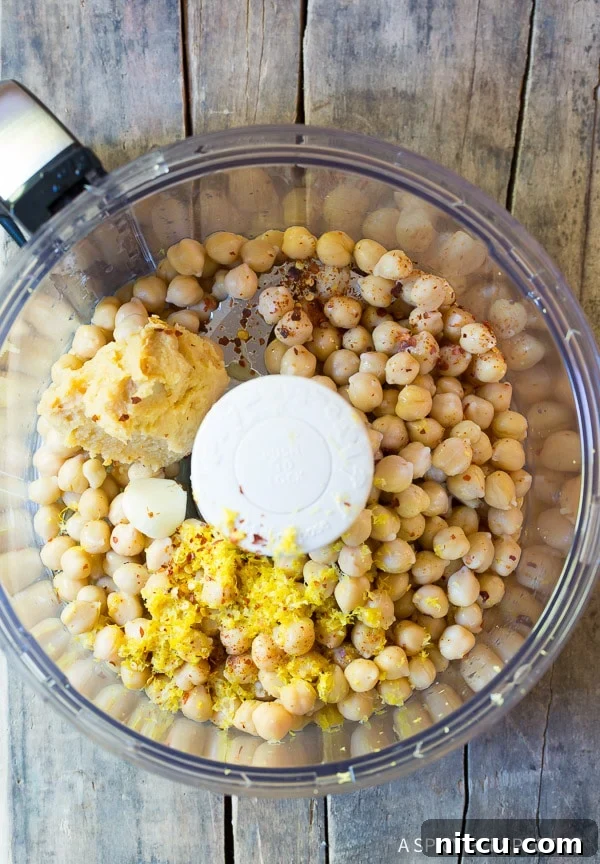
Essential Ingredients for Perfect Miso Hummus
Creating this irresistible miso hummus requires just a handful of simple, wholesome ingredients. Each component plays a crucial role in achieving the optimal flavor and creamy texture:
- Chickpeas (Garbanzo Beans): The foundation of any great hummus. We use canned chickpeas for convenience, ensuring they are thoroughly drained and rinsed. Rinsing removes excess sodium and any canning liquid that might affect the flavor. For an even creamier texture, some prefer to remove the outer skins, though it’s optional and not strictly necessary for this recipe due to the power of the food processor.
- Miso Paste: The star ingredient! We highly recommend white miso paste (shiro miso) for its delicate, slightly sweet, and less intensely salty flavor. However, feel free to experiment with other variations like yellow miso for a bolder taste, though adjust the quantity to prevent over-salting.
- Lemon: Fresh lemon zest and juice are indispensable for brightening the hummus and providing a crucial acidic balance to the rich miso. The zest contains aromatic oils that contribute a more complex citrus note than juice alone.
- Sesame Oil: This ingredient introduces a wonderful nutty depth that complements the miso and chickpeas perfectly. While traditional hummus uses tahini (sesame paste), sesame oil offers a lighter, distinct flavor here. If you don’t have sesame oil, a light, neutral-flavored oil like avocado oil, light olive oil, or quality canola oil can be substituted, though the sesame flavor will be less pronounced.
- Garlic: Fresh garlic cloves are essential for that classic savory base. There’s no need to mash or mince it beforehand, as your food processor will handle the job beautifully, ensuring even distribution throughout the dip.
- Crushed Red Pepper: For those who appreciate a gentle kick of spicy heat, a touch of crushed red pepper adds an exciting layer of flavor. It’s entirely optional, so omit it if you prefer a milder hummus.
- Sesame Seeds: Used as an optional garnish, toasted sesame seeds add a pleasant textural contrast and reinforce the subtle nutty notes from the sesame oil. They also make for an appealing presentation.
Crafting the Best Miso Hummus: Step-by-Step Perfection
Making this creamy miso hummus is incredibly straightforward, requiring minimal effort thanks to the magic of a good food processor. Follow these simple steps for a truly exceptional dip:
- Combine All Ingredients: Begin by draining and thoroughly rinsing your canned chickpeas. Transfer them directly into the food processor bowl. Add the initial amount of white miso paste (start with 1/4 cup), the fresh lemon zest and juice, sesame oil, peeled garlic clove, and crushed red pepper (if using). Ensure all ingredients are nestled comfortably in the bowl.
- Puree to Silky Smoothness: Secure the lid on your food processor and begin to puree the mixture. Allow it to process for several minutes, scraping down the sides of the bowl periodically with a spatula. Continue pureeing until the hummus reaches a wonderfully smooth and creamy consistency. The longer you process, the smoother it will become. For an extra light and airy texture, you can add a tablespoon or two of ice-cold water or aquafaba (the liquid from the chickpea can) while processing.
- Taste and Adjust: This is a crucial step to personalize your hummus. Stop the food processor, remove a small spoonful, and taste it carefully. Miso paste varies in strength and saltiness between brands, so it’s always best to start with less and add more if needed. If you desire a more pronounced umami flavor or a saltier profile, add an additional tablespoon or two of miso paste and blend again until fully incorporated. You can also adjust lemon juice or crushed red pepper at this stage.
- Serve or Store: Once you’ve achieved your desired taste and texture, your homemade miso hummus is ready to enjoy! Serve it immediately with your chosen dippers, or transfer it to an airtight container. It will keep beautifully in the refrigerator for up to two weeks, allowing you to enjoy this flavorful snack whenever a craving strikes.
Pro Tips for Ultra-Creamy Hummus
Achieving that coveted silky-smooth hummus texture is easier than you think:
- Peel the Chickpeas (Optional but Recommended): For the absolute smoothest hummus, take a few extra minutes to pinch off the skins from the cooked chickpeas. This step removes any grainy texture.
- Use Ice Water or Aquafaba: As mentioned, adding a tablespoon or two of ice-cold water or aquafaba during the blending process can dramatically improve the creaminess and lightness of your hummus.
- Process Longer: Don’t be afraid to let your food processor run for several minutes. The friction helps break down the chickpeas more thoroughly, resulting in a silkier consistency.
- Warm Chickpeas: Some chefs recommend gently warming the chickpeas before blending. This can help them break down more easily and absorb flavors better, leading to a smoother end product.
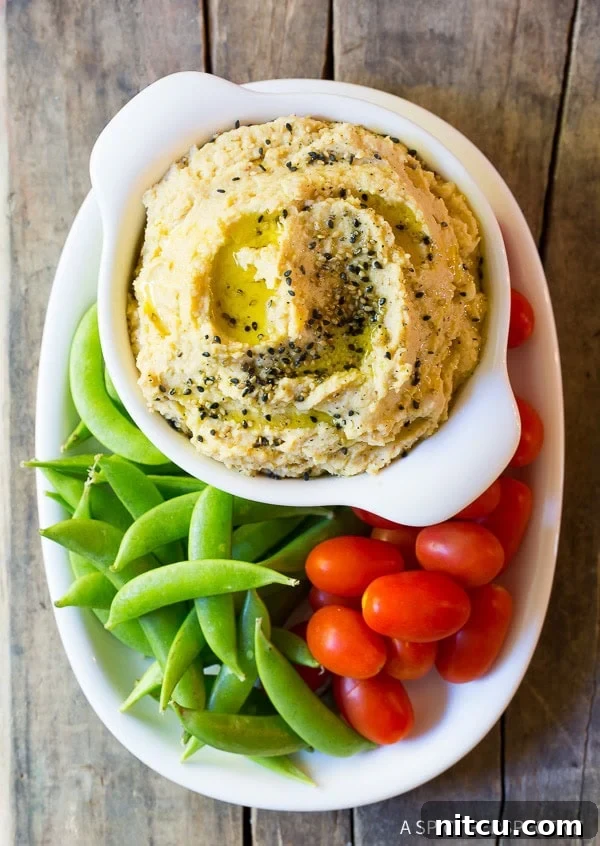
Creative Ways to Enjoy Your Miso Hummus
The versatility of this white miso hummus knows no bounds! While it’s utterly delicious scooped straight from the bowl, here are myriad ways to incorporate its rich, umami flavor into your meals and snacks:
Perfect Dippers and Appetizers
- Fresh Vegetables: This is a classic pairing. Serve with an assortment of crisp, fresh-cut veggies like sweet bell peppers (all colors), cucumber slices, carrot sticks, celery stalks, cherry tomatoes, and snap peas. The freshness of the vegetables provides a delightful contrast to the creamy dip.
- Crackers and Breads: Scoop up generous portions with your favorite crackers, pita bread (warm or toasted), pita chips, naan, or crusty sourdough bread. Pretzel crisps also offer a fantastic salty crunch.
- Crudités Platter: Arrange a beautiful platter with miso hummus at its center, surrounded by colorful vegetables, olives, feta cheese, and perhaps some toasted nuts for a sophisticated appetizer.
Elevate Your Sandwiches and Wraps
Forget plain mayonnaise! Miso hummus makes an exceptional, flavor-packed spread for a variety of sandwiches and wraps:
- Cold-Cut or Vegetable Sammies: Spread a thick layer on your bread or tortilla before adding your favorite deli meats, cheeses, or an abundance of fresh vegetables like lettuce, tomato, and sprouts.
- Veggie Wraps: Transform a simple veggie wrap into a gourmet experience. Combine miso hummus with roasted vegetables, fresh greens, and perhaps some crumbled goat cheese or feta.
- Chicken Wraps & Burgers: Pair it with grilled chicken or chicken wraps for an unexpected savory twist. It also works wonderfully on sesame chicken burgers, Mediterranean burgers, or any burger or sandwich that could use that “little something extra” – a creamy, flavorful boost that enhances every bite.
Beyond the Basics: Unique Applications
- Salad Dressing Base: Thin out the hummus with a little extra lemon juice or water to create a creamy, savory salad dressing.
- Stuffed Peppers or Mushrooms: Use it as a flavorful filling for roasted bell peppers or mushroom caps before baking.
- Grain Bowls: Add a dollop to your next grain bowl alongside roasted vegetables and a protein source for added creaminess and flavor.
Ready to whip up this incredible dip? Get the complete, printable Miso Hummus Recipe below. Enjoy every rich, creamy bite!
Frequently Asked Questions About Miso Hummus
Miso is a traditional Japanese seasoning produced by fermenting soybeans with salt and kōji (a fungus starter culture), and often rice, barley, or other grains. This controlled fermentation process, which can last from a few weeks to several years, allows microbes to develop and break down the ingredients. The result is a thick, nutrient-dense paste bursting with savory umami flavor and beneficial probiotics.
Miso comes in various types, primarily distinguished by their color, fermentation time, and ingredient ratios. Both red and white miso are typically made with soybeans and rice. However, white miso (shiro miso) uses a higher proportion of rice koji and has a shorter fermentation period. This results in a milder, sweeter, and less intensely salty flavor profile compared to red miso (aka miso), which is fermented longer, has a higher soybean content, and delivers a deeper, richer, and more pungent umami taste. White miso is ideal for delicate dishes and, as in this recipe, when you want umami without overwhelming other flavors.
When stored properly in an airtight container in the refrigerator, your homemade miso hummus will maintain its freshness and delicious flavor for up to 2 weeks. Always ensure to use clean utensils when serving to prevent contamination and extend its shelf life.
Technically, yes, you can freeze hummus for up to 3 months. To freeze, transfer the hummus to an airtight freezer-safe container, leaving a little headspace, and pour a thin layer of olive oil over the top to help prevent discoloration. However, it’s important to note that freezing can alter the texture and flavor, often making it slightly grainier or less vibrant than freshly made hummus. It’s best enjoyed fresh, but freezing is a viable option if you have leftovers.
Yes, this miso hummus recipe is naturally vegan, as it contains no animal products. It’s also gluten-free, provided you use certified gluten-free miso paste (most traditional miso is gluten-free, but always check labels if you have a sensitivity or allergy, as some may contain barley). This makes it a fantastic option for a wide range of dietary preferences and needs.
This recipe calls for canned chickpeas for ultimate convenience, meaning no soaking or cooking required! However, if you prefer to use dried chickpeas, you would need to soak them overnight and then cook them until very tender before proceeding with the recipe. Using freshly cooked chickpeas often yields an even creamier hummus.
Explore More Easy Dip Recipes!
If you love this miso hummus, you’re sure to enjoy our other fantastic dip and spread recipes. They are perfect for entertaining, snacking, or adding flavor to any meal:
- Salsa Macha
- Best Pimento Cheese Recipe
- Whipped Feta Dip
- Best Homemade Bean Dip
- Smoked Salmon Dip
Don’t miss out on this incredible flavor experience! Scroll down to find the complete (and printable!) Miso Hummus Recipe below. Get ready to impress your taste buds!
Miso Hummus Recipe
This easy and economical sesame miso hummus recipe includes white miso for a delicious salty snack for dipping or to use as a sandwich spread. It also happens to be vegan, gluten-free, and dairy-free!
Prep Time: 10 minutes
Total Time: 10 minutes
Servings: 8 servings
Ingredients
- 30 ounces chickpeas (2 cans, drained and rinsed)
- 1/4 – 1/3 cup white miso paste (start with 1/4 cup and add more to taste)
- 1 lemon (zested and juiced)
- 3 tablespoons sesame oil
- 1 clove garlic (peeled)
- 1/4 teaspoon crushed red pepper (optional)
- Sesame seeds for garnish (optional)
Instructions
- Place the drained and rinsed chickpeas, 1/4 cup miso paste, lemon zest, 2 tablespoons lemon juice, sesame oil, peeled garlic clove, and crushed red pepper (if using) into a food processor.
- Puree the mixture until it becomes very smooth and creamy. Scrape down the sides of the bowl as needed to ensure all ingredients are well combined. Taste the hummus and add more miso paste, lemon juice, or crushed red pepper if desired. (Remember, miso paste varies in strength, so adjust to your preference.)
- Serve your homemade miso hummus immediately with your favorite cut vegetables, pita bread, or pita chips. For best results, garnish with optional sesame seeds.
Notes
Miso Hummus can be stored in an airtight container in the refrigerator for up to 2 weeks.
Nutrition Facts (per serving)
Calories: 162kcal, Carbohydrates: 18g, Protein: 7g, Fat: 8g, Saturated Fat: 1g, Polyunsaturated Fat: 3g, Monounsaturated Fat: 3g, Sodium: 617mg, Potassium: 192mg, Fiber: 6g, Sugar: 1g, Vitamin A: 45IU, Vitamin C: 7mg, Calcium: 47mg, Iron: 2mg
Course: Appetizer, Dip, Snack
Cuisine: American, Japanese, Middle Eastern
Author: Sommer Collier