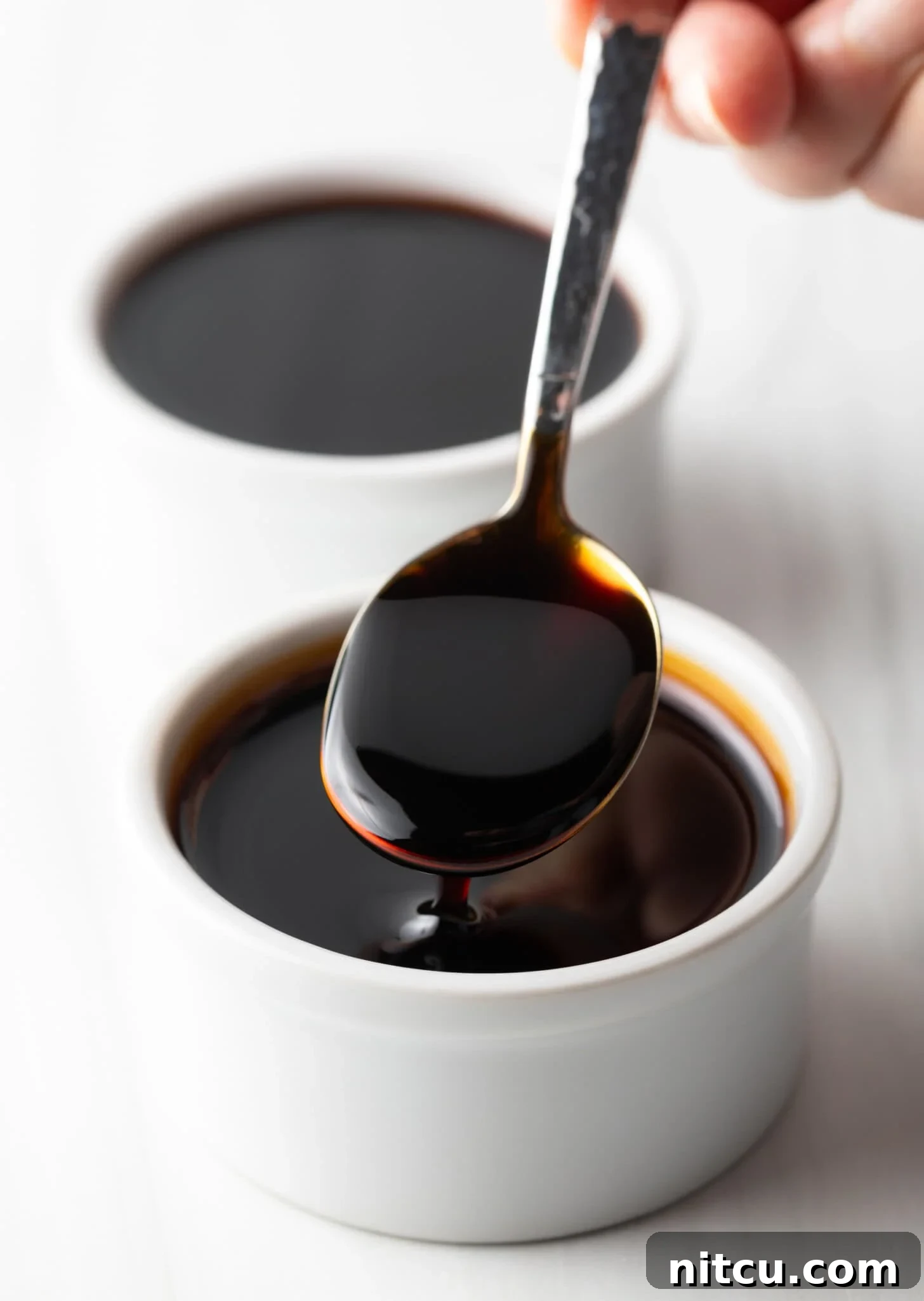
Unlock the secret to irresistible flavor with this incredibly easy and versatile homemade eel sauce recipe! In just 20 minutes, with only 3 simple ingredients, you can create a perfectly sweet, savory, and utterly delicious unagi sauce right in your own kitchen. And no, despite the name, it contains absolutely no actual eels!
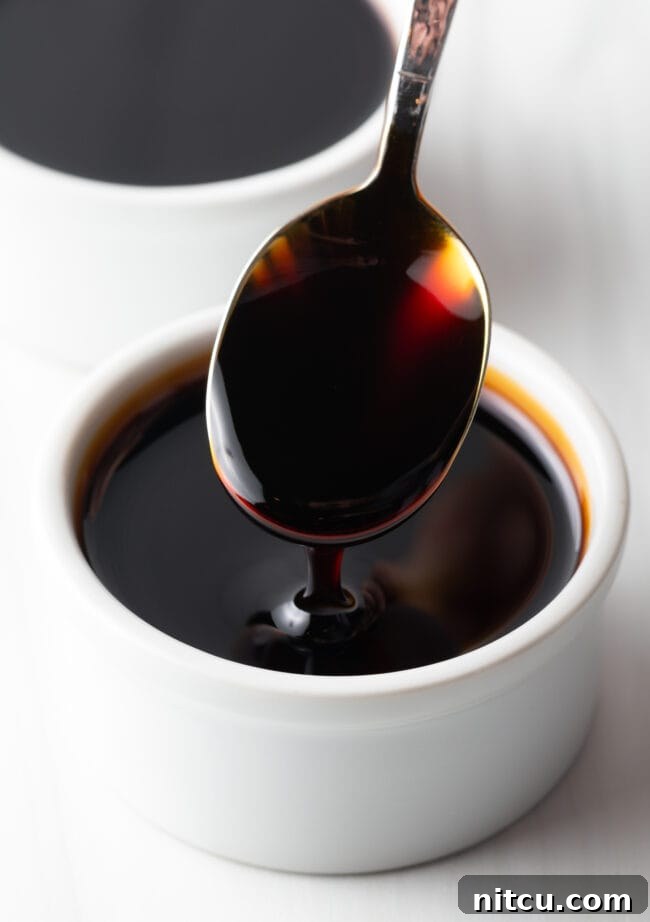
Why This is the Best Homemade Unagi Sauce Recipe
Often recognized by its alternative name, Unagi Sauce, Japanese eel sauce is a culinary marvel you’ve undoubtedly encountered if you’re a fan of Asian cuisine. Its rich, umami-packed flavor, balanced with a delightful sweetness, makes it an indispensable condiment. From perfectly complementing sushi rolls to elevating hibachi dishes at your favorite Asian restaurants, this sauce has a subtle yet profound impact on countless meals.
Despite its widespread popularity in dining establishments, authentic, high-quality eel sauce can be surprisingly hard to find on most grocery store shelves in the United States. This often leaves food enthusiasts wondering where to get their fix of this delectable topping. The good news? Making this robust savory-sweet sauce at home is not only incredibly straightforward but also far more economical than purchasing it pre-made.
This recipe stands out for its remarkable simplicity and speed. You’ll need just three core ingredients – Mirin, soy sauce, and granulated sugar – and less than 30 minutes of your time to simmer up a batch of this fantastic condiment. The result is a luxurious, glossy sauce that rivals any restaurant version, offering an unparalleled depth of flavor that store-bought varieties often lack. Beyond its superior taste and texture, crafting your own eel sauce gives you complete control over the ingredients, allowing for customization to suit your dietary preferences, such as opting for low-sodium soy sauce or a specific type of sugar. Embrace the ease and flavor of homemade with this foolproof recipe!
The Simple 3 Ingredients for Perfect Eel Sauce
The magic of this eel sauce lies in its minimalist ingredient list. Each component plays a crucial role in achieving that signature sweet, savory, and umami profile. Here’s a closer look at what you’ll need:
- Mirin: This essential Japanese sweet rice wine is the backbone of authentic eel sauce. Mirin imparts a unique sweetness and subtle tang that is crucial for the sauce’s complexity. If Mirin is hard to find, a dry sake with a touch of sugar can be used as a substitute, though true Mirin offers the most authentic flavor. Look for “Hon Mirin” for the best quality, which is true Mirin, rather than “Aji Mirin,” which is Mirin-like seasoning with added salt.
- Soy Sauce: Providing the fundamental savory, salty, and umami notes, soy sauce is vital. You have options here:
- Regular Soy Sauce: A standard choice that works perfectly.
- Low Sodium Soy Sauce: Ideal if you’re watching your sodium intake, offering a similar flavor profile with less saltiness.
- Tamari: For a gluten-free version, tamari is an excellent substitute, providing the same rich umami without the wheat.
The quality of your soy sauce can significantly impact the final flavor, so choose a reputable brand.
- Granulated Sugar: Sugar is not just for sweetness; it contributes to the sauce’s characteristic glossy texture and helps it thicken. White granulated sugar is the most common and recommended choice for its neutral flavor, allowing the Mirin and soy sauce to shine. Coconut sugar can also be used for a slightly different, more caramelized undertone, but ensure it fully dissolves to prevent a grainy texture.
These three simple components, when simmered together, undergo a magical transformation, creating a condiment that is far greater than the sum of its parts.
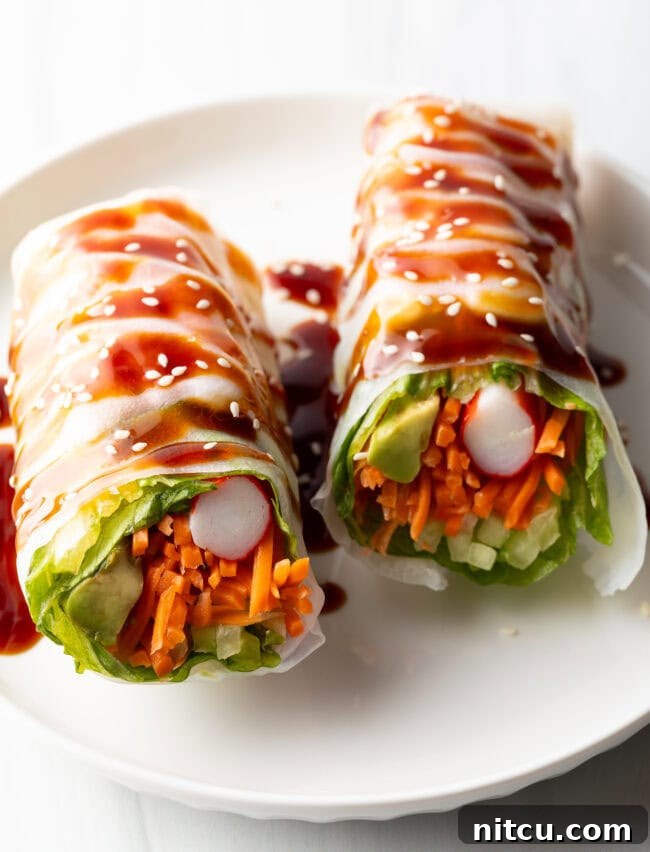
How to Make the Best Eel Sauce (Step-by-Step)
Crafting your own batch of eel sauce is a rewarding experience that requires minimal effort. The key to achieving that perfect balance of sweetness, savoriness, and a beautiful thick consistency lies in careful simmering. Think of it as a culinary meditation – a gentle reduction, not a rushed boil. If you notice an overly caramelized or burnt taste, it’s a sign your heat is too high. Patience is your best friend here.
Easy Eel Sauce Recipe (3 Ingredients!)
This amazingly easy and versatile recipe makes the most sweet, savory, and delicious eel sauce in only 20 minutes with 3 simple ingredients. (And no, it’s not made with actual eels!)
Recipe Details
Prep Time: 3 minutes
Cook Time: 20 minutes
Total Time: 23 minutes
Servings: 16 servings (1 cup total)
Ingredients
- ¾ cup Mirin (or sake)
- ½ cup soy sauce
- ½ cup granulated sugar
Instructions
- Set a small saucepan over medium heat. Measure and pour in the Mirin, soy sauce, and granulated sugar. Stir the mixture well to ensure the sugar begins to dissolve and all ingredients are combined.
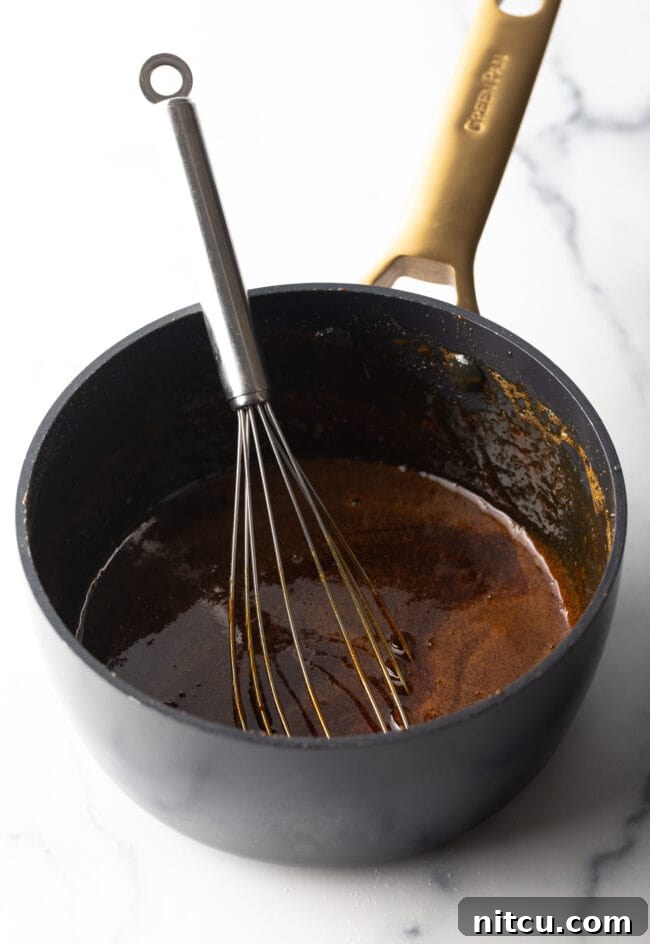
- Allow the mixture to come to a gentle boil. Once boiling, immediately reduce the heat to medium-low to maintain a steady simmer. Simmer for 15 to 20 minutes, stirring occasionally to prevent the sauce from sticking to the bottom of the pan and burning. During this time, the sauce will gradually reduce and thicken.
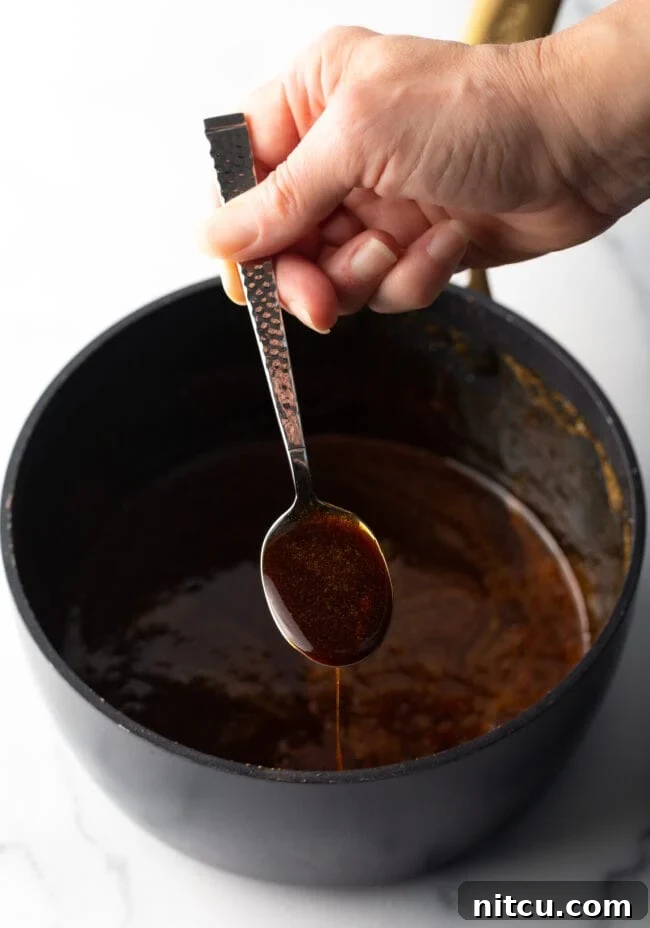
- The eel sauce is ready when it has reduced by approximately half its original volume, and its consistency is thick enough to lightly coat the back of a spoon or hold its shape on a sushi roll. Remember this crucial pro tip: the sauce will continue to thicken significantly as it cools. Therefore, remove it from the heat when it appears just a bit runnier than your desired final consistency.
- Once removed from heat, allow the eel sauce to cool completely at room temperature. After cooling, transfer the sauce to an airtight container. Store it in the refrigerator for up to a month, ready to enhance your favorite dishes whenever inspiration strikes.
Notes
Homemade eel sauce will keep wonderfully for up to a month when stored correctly in the refrigerator. Always ensure the sauce has cooled completely before transferring it to an airtight container and refrigerating to maintain its freshness and quality.
Enjoy the rich, complex flavors of your freshly made eel sauce!
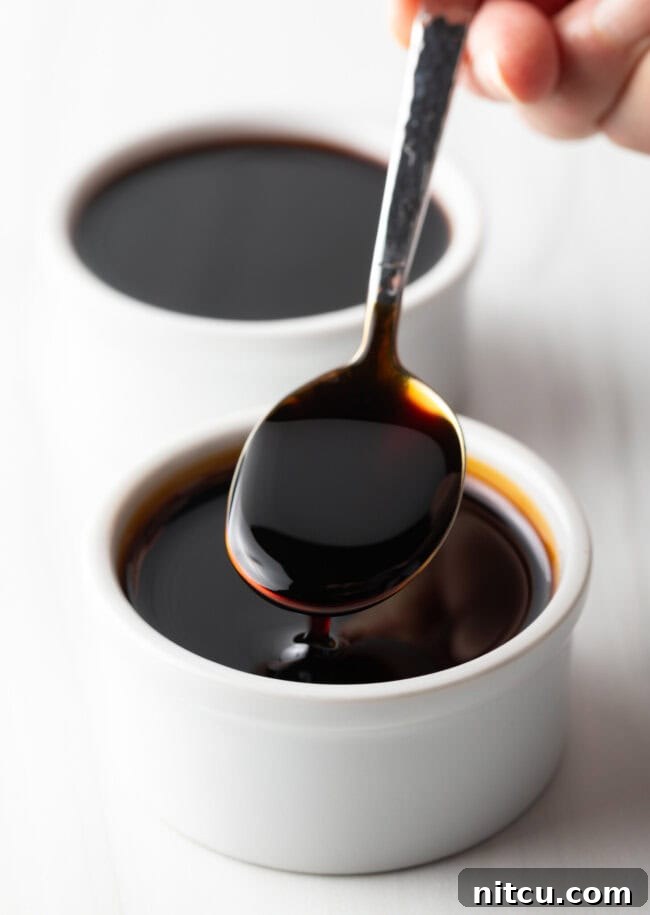

Endless Serving Suggestions for Homemade Eel Sauce
The beauty of homemade eel sauce lies not only in its ease of preparation but also in its incredible versatility. While it’s famously paired with sushi and unagi (grilled eel), its sweet, savory, and umami notes can elevate a vast array of dishes, both traditional and unexpected. Get creative in your kitchen with these serving ideas:
- Classic Japanese Pairings:
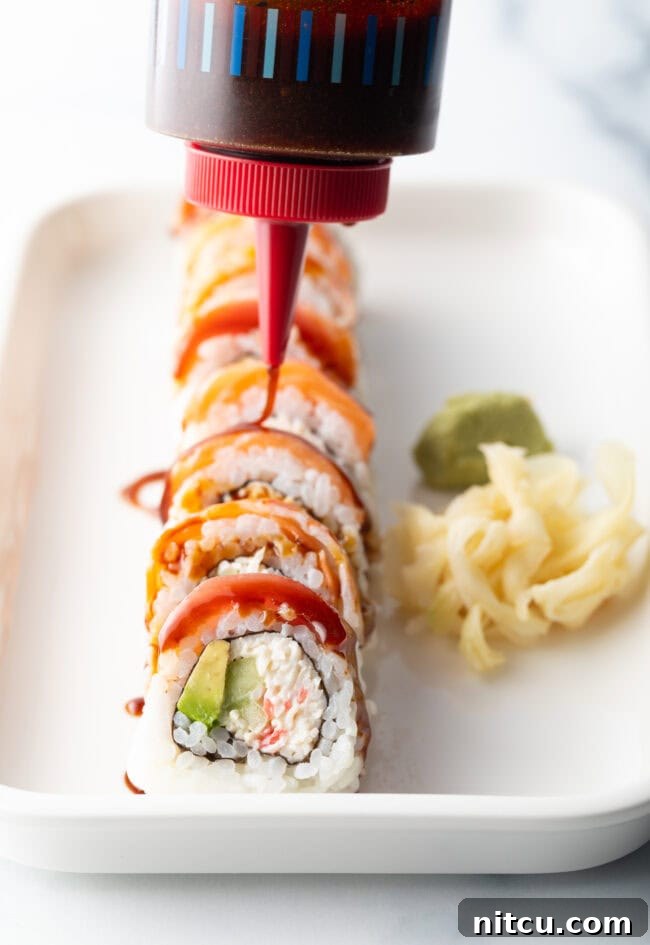
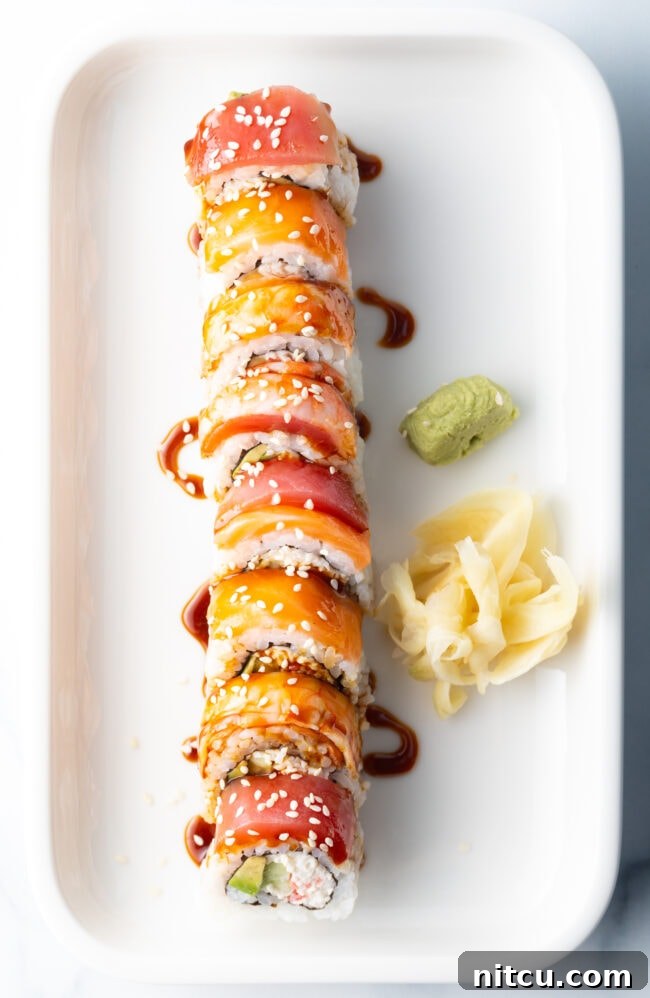
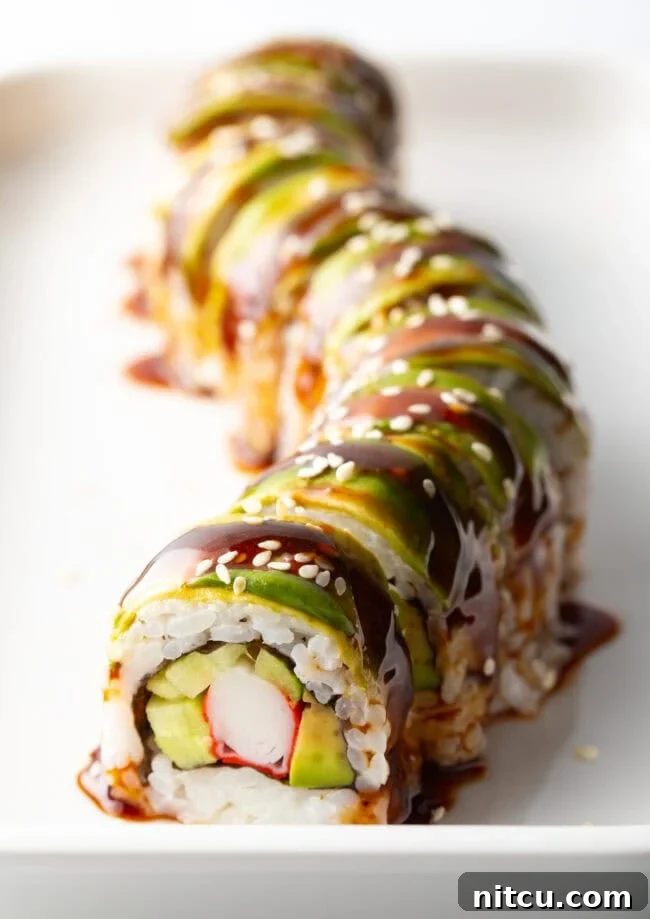
- Sushi and Sashimi: Drizzle delicate squiggles over sushi rolls, especially those with avocado or cream cheese, or serve in a small ramekin for dipping sashimi.
- Unagi Don: The most iconic pairing! Drench grilled freshwater eel (unagi) over a bed of rice for an authentic Japanese experience.
- Hibachi Dishes: A perfect accompaniment to hibachi chicken, steak, or shrimp, adding a restaurant-quality glaze.
- Okonomiyaki: Drizzle over these savory Japanese cabbage pancakes for an extra layer of flavor.
- Onigiri: Brush lightly over Japanese rice balls before grilling or serving.
- Beyond Japanese Cuisine – Asian Inspirations:
- Stir-fries and Noodles: Stir a tablespoon or two into your favorite stir-fry or noodle dishes to boost the sauce and add depth.
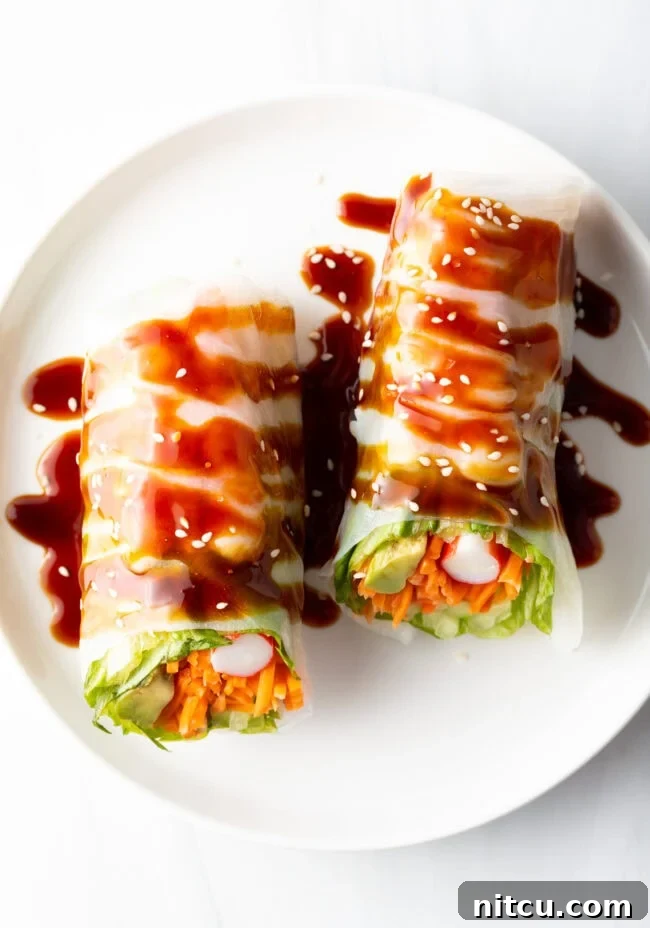
- Spring Rolls and Dumplings: Use it as a dipping sauce for crispy spring rolls, fresh summer rolls, or steamed dumplings.
- Poke Bowls: A fantastic addition to Hawaiian Ahi Poke Bowls or Tako Poke, offering an intense flavor pop that complements raw fish beautifully.
- Marinade or Glaze: Brush over grilled chicken, salmon, or tofu during the last few minutes of cooking for a delicious, caramelized glaze. It also works as a fantastic marinade for roasting vegetables.
- Unexpected & Fusion Delights:
- Burgers and Sliders: Swap out your usual condiments for eel sauce to give burgers, sliders, or even pulled pork sandwiches an exciting Asian-inspired twist.
- Pizza: Drizzle over grilled chicken or vegetable pizzas for a unique sweet and savory kick. It pairs surprisingly well with cheese!
- Nachos: Elevate classic cheese nachos or go gourmet with Ahi Loaded Nachos (poke nachos) by adding a generous drizzle.
- Tacos: Use as a finishing sauce for fish tacos or Asian-inspired street tacos.
- Elegant Appetizers: Take your appetizer game to the next level with dishes like Tuna Tartare, Salmon Tartare, or even Wasabi Deviled Eggs with Tuna. The sauce provides a sophisticated contrast.
- Charcuterie Boards: Serve a small bowl alongside hard aged cheeses for an unexpected yet delightful pairing.
Whether you’re looking to add a gourmet touch to everyday meals or experiment with bold new flavors, homemade eel sauce is your secret weapon. The possibilities are truly endless!
Frequently Asked Questions About Eel Sauce
Is eel sauce just teriyaki sauce?
No, eel sauce and teriyaki sauce are distinctly different, though both are soy-based and offer a savory-sweet profile. The primary differentiator is Mirin, a sweet Japanese rice wine, which is a core ingredient in eel sauce but typically absent from teriyaki. Mirin gives eel sauce its unique acidity and depth of flavor that pairs exceptionally well with sushi. Teriyaki sauce, on the other hand, often includes other aromatics like minced garlic and ginger, along with a thicker, richer consistency due to ingredients like cornstarch. While both are delicious glazes, their flavor complexities and traditional applications set them apart.
Is eel sauce made with eels?
Despite its name, traditional eel sauce, also known as unagi sauce, does not contain actual eels. The name originates from its traditional use as a condiment for unagi (freshwater eel) sushi and grilled eel dishes. The rich, umami-forward, and slightly sweet flavor of the sauce is considered to be a perfect complement to the robust taste of eel, hence the association.
Is eel sauce vegan?
Yes, homemade eel sauce, especially when made with this classic three-ingredient recipe, is entirely vegan. The core ingredients—Mirin (or sake), soy sauce, and granulated sugar—are all plant-based. There are no animal products or byproducts used in its preparation, making it a perfect flavorful addition for those following a vegan diet.
How long does homemade eel sauce last?
Your homemade eel sauce will stay fresh and delicious in the refrigerator for up to one month. To maximize its shelf life, ensure the sauce cools completely to room temperature before transferring it to an airtight container. Proper refrigeration prevents spoilage and preserves its vibrant flavor.
What is Mirin and can I substitute it?
Mirin is a type of sweet Japanese rice wine used as a fundamental condiment in Japanese cuisine. It has a slightly sweet taste and a tangy aroma, adding glaze and a subtle umami flavor to dishes. While best used for authenticity, if you can’t find Mirin, a dry sake mixed with a small amount of sugar (about 1 teaspoon of sugar per tablespoon of sake) can serve as an acceptable substitute. White wine mixed with sugar can also work in a pinch, though the flavor profile will differ slightly.
Can I use different types of soy sauce?
Absolutely! While regular soy sauce works well, you can customize your eel sauce to your liking. Low-sodium soy sauce is a great option for those monitoring their salt intake, as the sauce is already quite savory. For a gluten-free version, tamari is an excellent choice, providing a similar deep umami flavor without wheat. Dark soy sauce can also be used for a richer color and slightly more intense flavor, but use it sparingly as it can be saltier.
How can I adjust the thickness of the sauce?
The thickness of your eel sauce is primarily determined by the simmering time. For a thicker sauce, simply continue simmering it on medium-low heat until it reduces further to your desired consistency. Remember it will thicken considerably more as it cools. If you find your sauce is too thick after cooling, you can thin it out by stirring in a small amount of water or Mirin, one teaspoon at a time, until it reaches the perfect consistency.
Can I freeze homemade eel sauce?
While refrigeration is typically sufficient given its good shelf life, you can freeze eel sauce if you wish to store it for longer periods. Pour the completely cooled sauce into freezer-safe containers or ice cube trays. Once frozen, transfer the cubes to a freezer bag. Thaw in the refrigerator overnight or gently reheat on the stovetop. The texture might change slightly upon thawing, but the flavor will remain excellent for up to 3 months.
Looking for More Classic Condiment Recipes? Be Sure to Also Try:
- Best Homemade Cocktail Sauce (Seafood Sauce)
- Creamy Chimichurri Sauce Recipe
- Chow Chow Recipe
- Texas Pete Vinaigrette
- Whipped Honey Butter
- Homemade Yum Yum Sauce
- Spicy Mustard Seafood Sauce
Nutrition Information
Serving Size: 1 tbsp
Calories: 45 kcal
Carbohydrates: 11 g
Protein: 1 g
Fat: 0.03 g
Saturated Fat: 0.001 g
Polyunsaturated Fat: 0.003 g
Monounsaturated Fat: 0.001 g
Sodium: 490 mg
Potassium: 15 mg
Fiber: 0.1 g
Sugar: 9 g
Calcium: 2 mg
Iron: 0.2 mg
Recipe Categorization
Course: Condiment, Dip
Cuisine: Asian, Japanese
Author: Sommer Collier