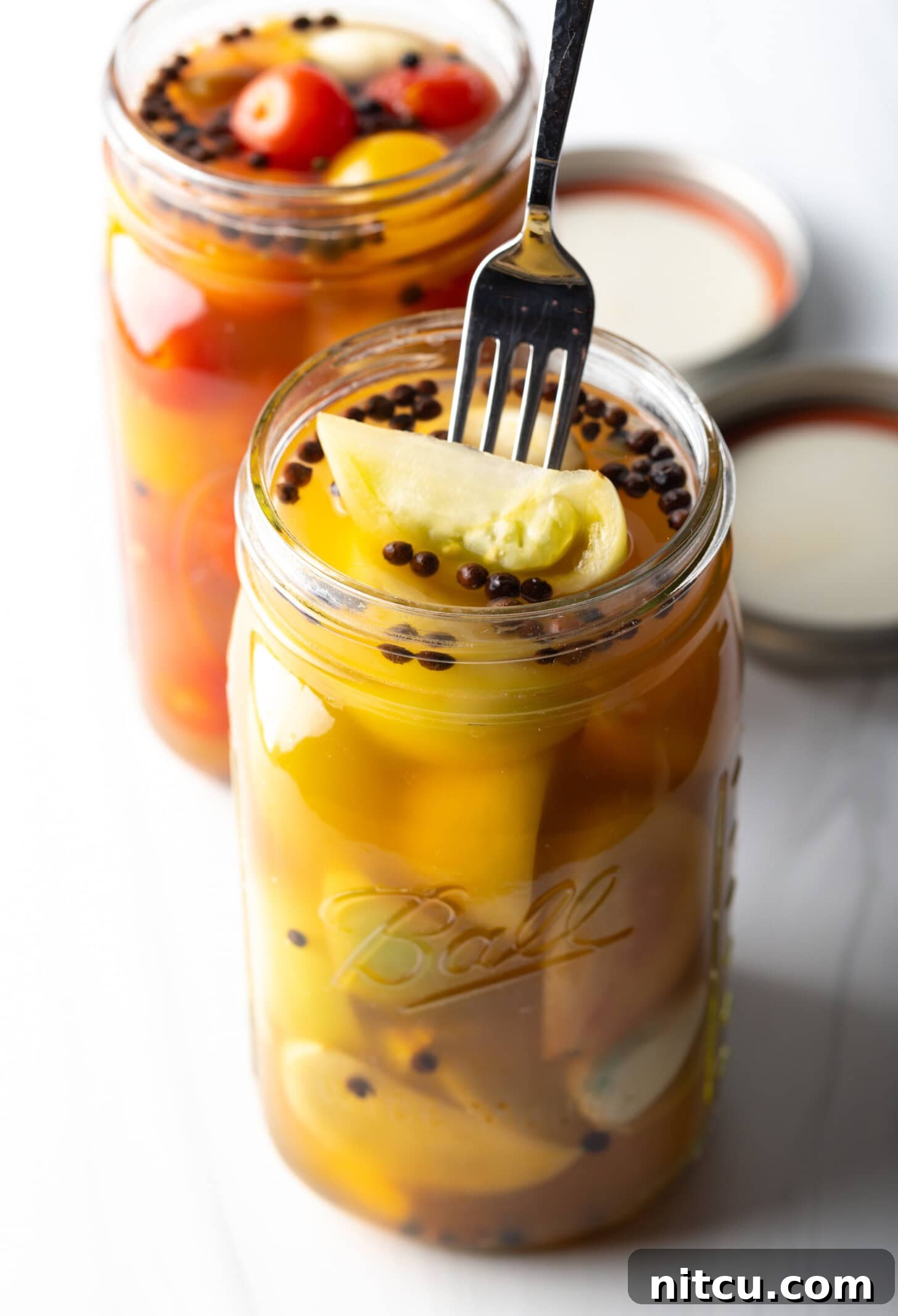
Embrace the vibrant flavors of summer long after the season ends with homemade pickled tomatoes! This comprehensive guide provides easy-to-follow steps and expert tips for preserving your bounty of fresh green and sweet cherry tomatoes, transforming them into a tangy, versatile snack or garnish. Whether you’re new to pickling or a seasoned preserver, discover how to craft perfect pickled tomatoes with minimal effort and maximum flavor.
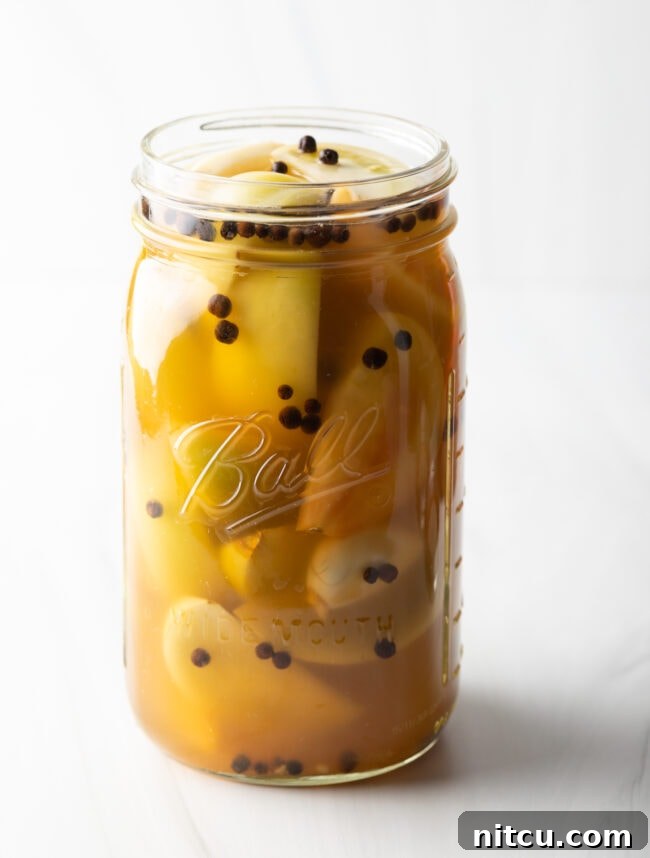
Why Homemade Pickled Tomatoes Are a Must-Try
As summer gardens overflow with an abundance of ripe and unripe tomatoes, many home cooks find themselves searching for creative ways to enjoy their harvest beyond the usual stewed tomatoes or marinara sauce. Enter pickled tomatoes – a unique and exciting alternative that promises a burst of tangy, savory flavor in every bite. This recipe offers a delightful departure from traditional tomato preparations, transforming your garden’s output into a perky snack, a bright addition to meals, or a gourmet accompaniment.
Pickling isn’t just about preservation; it’s about flavor transformation. The acidic brine infuses the tomatoes with a zesty kick, making them an incredible complement to rich dishes and a refreshing standalone treat. Whether you prefer the firm bite of an unripe green tomato or the sweet pop of a cherry tomato, this method allows you to capture the essence of your summer garden for months to come. It’s an accessible way to enjoy a unique taste that store-bought options rarely match, all while making the most of your seasonal produce.
The Best Tomatoes for Pickling: Green and Cherry Varieties
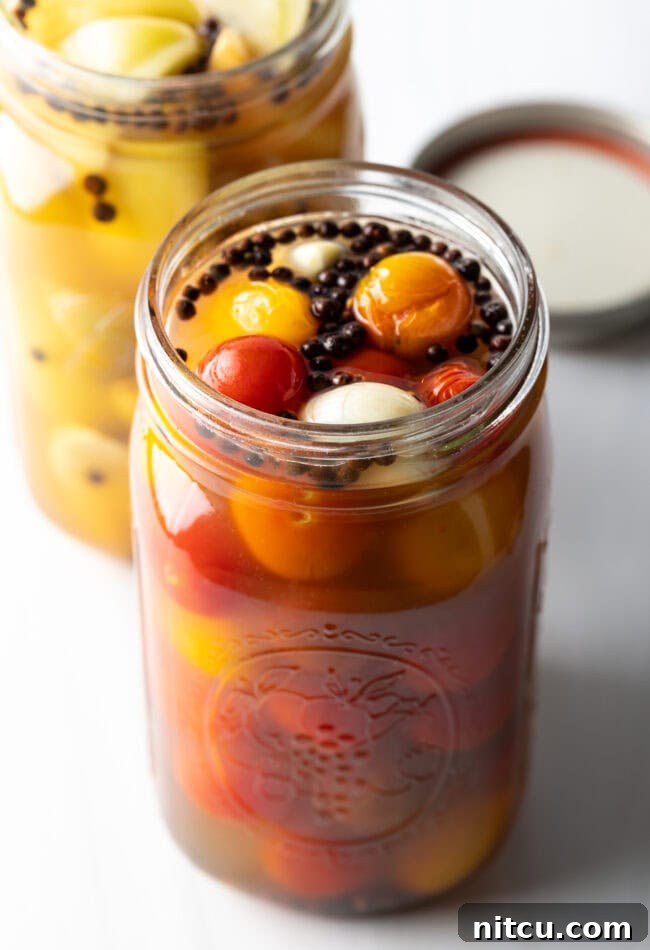
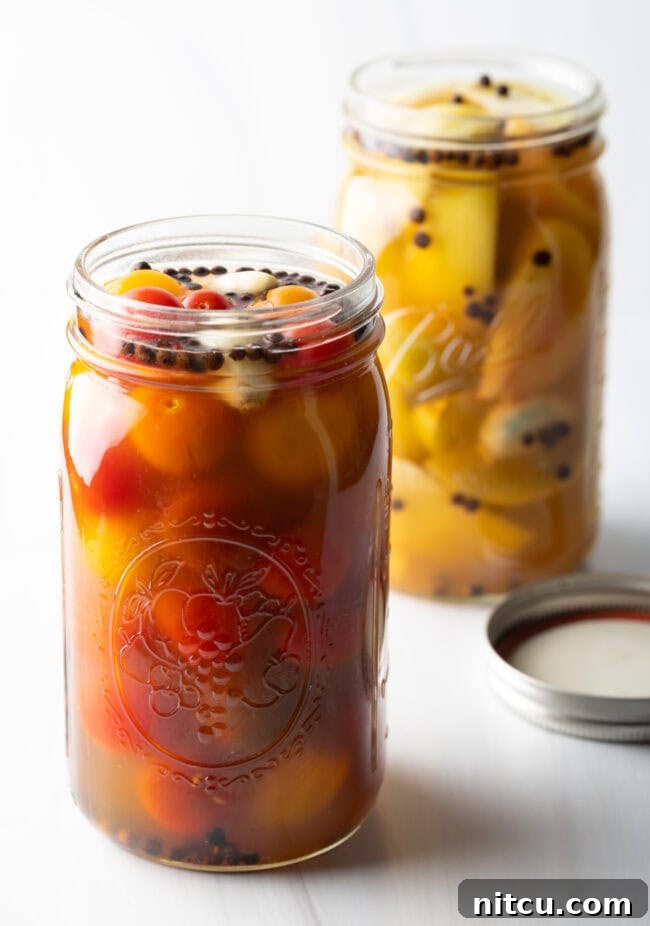
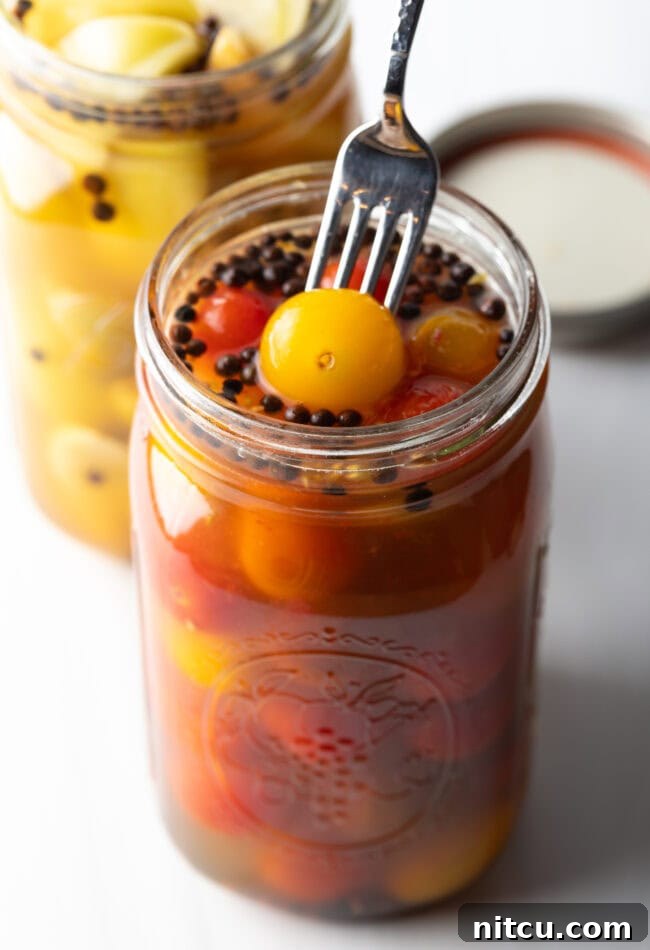
While many imagine pickling unripe green tomatoes – a traditional and delicious choice known for its firm texture and tart profile – this recipe proves that a wider world of pickled tomato possibilities awaits. You can successfully pickle a variety of tomatoes, but for optimal results in terms of texture and flavor integrity, we highly recommend focusing on firm green tomatoes or sweet, robust cherry tomatoes. Even green cherry tomatoes are an excellent candidate!
The key lies in the tomato’s structure. Green tomatoes, by nature, are firm and robust, holding their shape beautifully through the pickling process. Cherry tomatoes, with their thick skins, act similarly, ensuring they remain intact and offer a delightful pop of flavor when bitten into. Attempting to pickle soft, fully ripened slicing tomatoes often leads to a mushy, less appealing product. Sticking to green and cherry varieties guarantees a satisfyingly crisp or chewy texture, making your homemade pickled tomatoes a true culinary delight.
Quick Pickling vs. Traditional Water Bath Canning
When it comes to preserving your pickled tomatoes, you have two primary methods: quick pickling for refrigeration or traditional water bath canning for shelf-stable storage. Both methods yield delicious results, but cater to different needs and offer distinct advantages.
Quick Pickling (Refrigerator Method): This is the simplest and fastest way to enjoy fresh, vibrant pickled tomatoes. After preparing your tomatoes and brine, simply seal them in clean jars and refrigerate. They develop a bright, fresh, and perky flavor within 48 hours and can be stored in the refrigerator for up to six months. This method is ideal if you plan to consume your pickled tomatoes relatively quickly and prefer a crisper texture and bolder, fresher taste, as the tomatoes are not subjected to prolonged cooking.
Traditional Water Bath Canning: For long-term, room-temperature storage, traditional water bath canning is the way to go. This method involves processing sealed jars in boiling water, which creates a vacuum seal and sterilizes the contents, allowing them to be stored in your pantry for a year or more. A crucial consideration for canning is the texture and flavor change: the extended cooking during the canning process will result in a softer texture and a slightly milder flavor in your tomatoes. If you prefer a very firm pickle, the refrigerator method might be more suitable. However, for those seeking the convenience of shelf-stable preserves, canning is an excellent skill to master, ensuring you have a taste of summer any time of year.
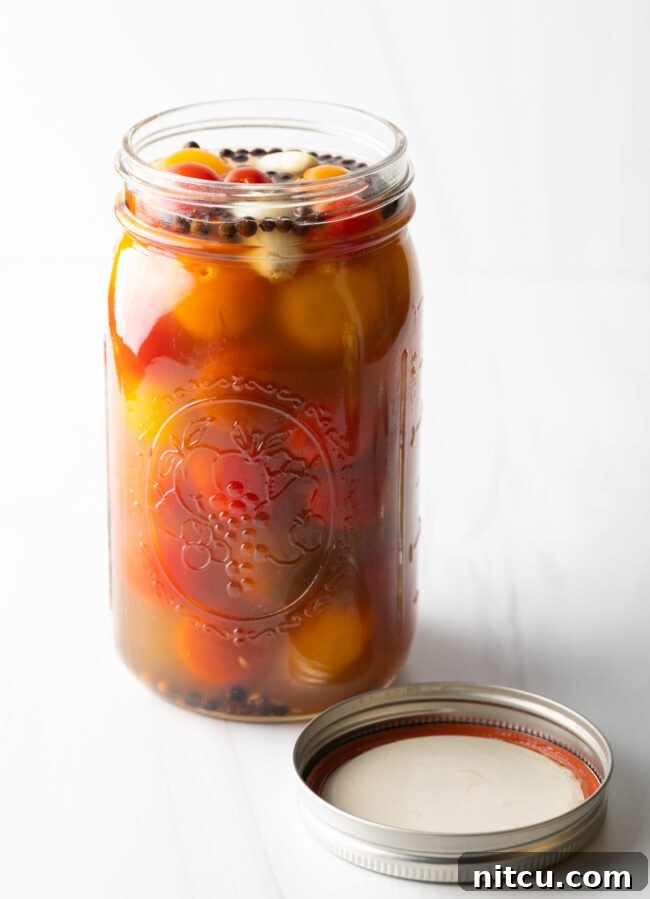
Essential Ingredients for Flavorful Pickled Tomatoes
Crafting the perfect batch of pickled tomatoes starts with a selection of quality ingredients. Each component plays a vital role in balancing the flavors and ensuring proper preservation. Here’s a closer look at what you’ll need and why:
- Tomatoes: As discussed, choose firm green tomatoes or sweet cherry tomatoes (even green cherry tomatoes!). Approximately 1 to 1 ¼ pounds will typically fill a quart jar or two pint jars. Their natural acidity contributes to the safety and tang of the pickle.
- Apple Cider Vinegar: This is the backbone of your pickling brine. Apple cider vinegar is slightly sweeter and more mellow than harsh white vinegar, offering a nuanced flavor profile that complements the tomatoes beautifully. You can also experiment with other mild vinegars like white wine vinegar, champagne vinegar, or rice vinegar for different subtle notes. Ensure your vinegar has at least 5% acidity for safe pickling.
- Water: Used to dilute the vinegar, creating a less intense but equally effective brine. Tap water is generally fine, but filtered water can sometimes offer a cleaner taste, especially if your tap water has a strong mineral content.
- Kosher Salt: A coarse sea salt or pickling salt is essential. Avoid iodized table salt, which can make your brine cloudy and affect the texture and flavor of your pickles. Kosher salt dissolves well and imparts a clean, salty taste without unwanted additives.
- Granulated Sugar: A small amount of granulated sugar is crucial for balancing the intense tangy and salty flavors of the brine. It doesn’t make the pickles sweet, but rather rounds out the sharp edges, creating a more harmonious and palatable flavor profile. Adjust the amount to your personal preference for tanginess.
- Garlic Cloves: Fresh garlic adds an aromatic, pungent kick to the pickles. Peel and gently smash each garlic clove to release its potent flavors into the brine. This simple step infuses the tomatoes with a delightful garlicky essence.
- Whole Black Peppercorns: Using whole peppercorns ensures you get a wonderful peppery essence without having countless tiny pepper flakes throughout your jars. They provide a subtle warmth and spice that elevates the overall flavor.
- Whole Allspice (or Whole Cloves): Allspice offers a complex flavor reminiscent of cloves, cinnamon, and nutmeg, adding a warm, aromatic depth to the pickles. Whole cloves can be used as an alternative, providing a strong, sweet, and pungent spice that pairs wonderfully with tomatoes.
Pro Tip: The quality of your ingredients directly impacts the final taste of your pickled tomatoes. Using fresh, high-quality produce and spices will yield the most delicious and vibrant results.
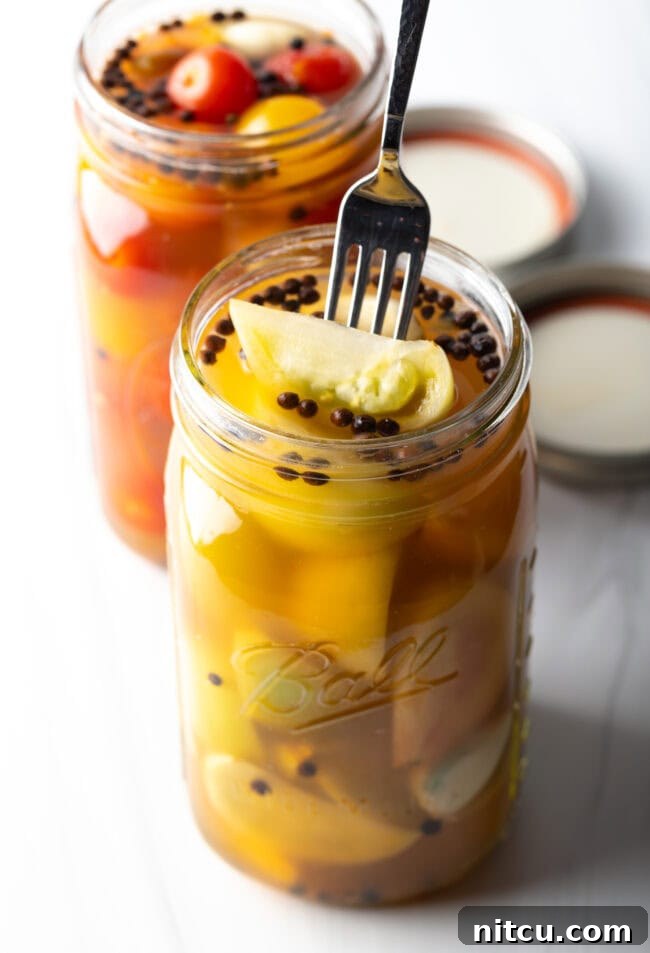
Gather Your Tools: Essential Equipment for Pickling Success
Having the right tools on hand will make your pickling experience smooth and enjoyable. You don’t need highly specialized equipment, but a few basics are essential for safety and efficiency:
- Glass Jars: Pint or quart-sized canning jars with new lids and bands are fundamental. Ensure they are specifically designed for canning to withstand heat.
- Large Pot for Brine: A non-reactive saucepan (stainless steel or enamel) is needed to prepare your pickling brine.
- Canning Pot (for water bath canning): A very large pot with a rack at the bottom is necessary if you plan to water bath can your tomatoes. This ensures jars are submerged and don’t touch the bottom directly.
- Canning Tongs or Jar Lifter: Essential for safely handling hot jars when transferring them to and from the boiling water bath.
- Funnel: A wide-mouth funnel helps prevent spills when pouring hot brine into jars.
- Ladle: For easily transferring the hot brine.
- Toothpick or Wooden Skewer: Useful for piercing cherry tomatoes.
- Sharp Knife and Cutting Board: For preparing green tomatoes.
Step-by-Step Guide: How to Make Perfect Pickled Tomatoes
Preparation is Key: Sanitizing Jars and Preparing Tomatoes
Before you begin pickling, proper preparation is crucial for both flavor and safety. If you are planning to preserve your tomatoes using the traditional canning method for long-term storage, you must thoroughly sanitize your jars and lids. This ensures no bacteria are present that could spoil your pickles. For refrigerator pickles, a thorough cleaning with hot, soapy water is sufficient, followed by a good rinse. Remember, even refrigerator pickles need clean jars to prevent spoilage and ensure the best flavor.
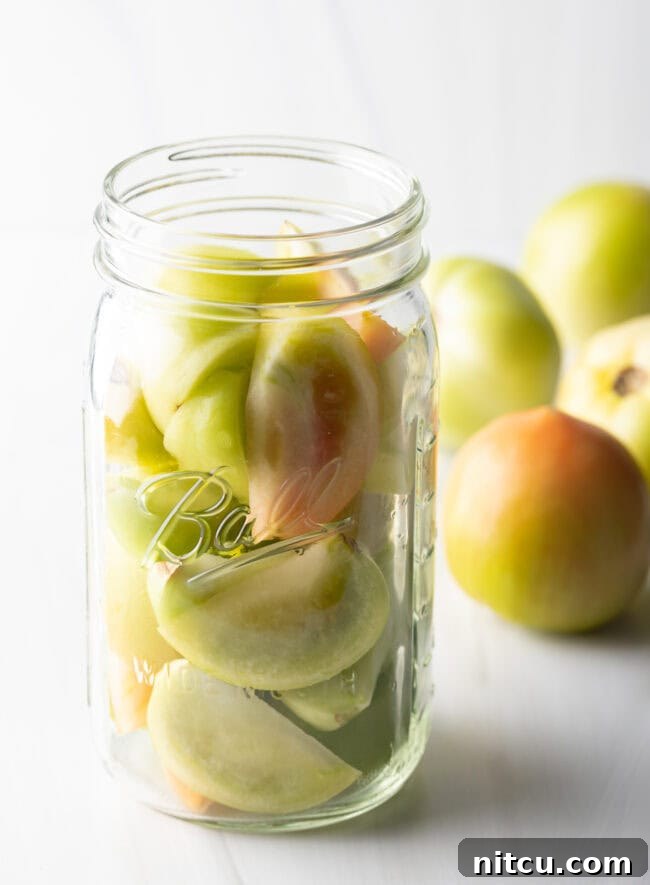
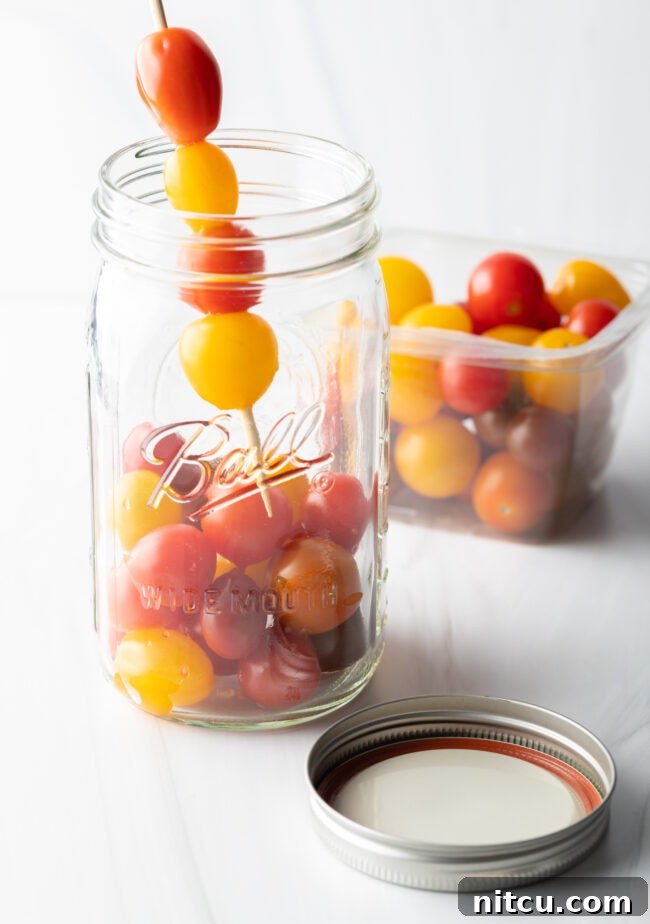
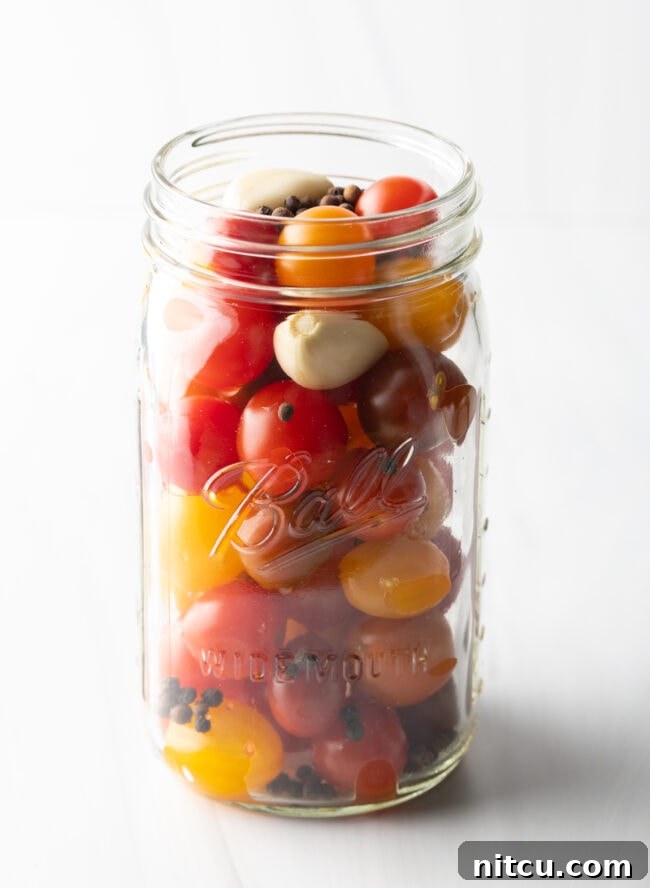
Next, prepare your tomatoes. If using green tomatoes, slice each tomato into eight uniform wedges. For cherry tomatoes, which will be pickled whole, use a toothpick or wooden skewer to poke a small hole directly through the center of each tomato. This vital step allows the hot pickling brine to penetrate the tomato flesh, ensuring they pickle evenly and absorb all the wonderful flavors.
Crafting the Flavorful Brine
With your jars and tomatoes ready, it’s time to prepare the pickling brine – the heart of this recipe. Set a small sauce pot over medium-high heat on your stovetop. Carefully add the apple cider vinegar, water, kosher salt, and granulated sugar to the pot. Stir the mixture well to ensure that the salt and sugar fully dissolve. Bring this brine mixture to a rolling boil, then immediately turn off the heat. The hot brine is now ready to be poured over your waiting tomatoes, carrying all its tangy, salty, and subtly sweet flavors.
Packing and Filling the Jars
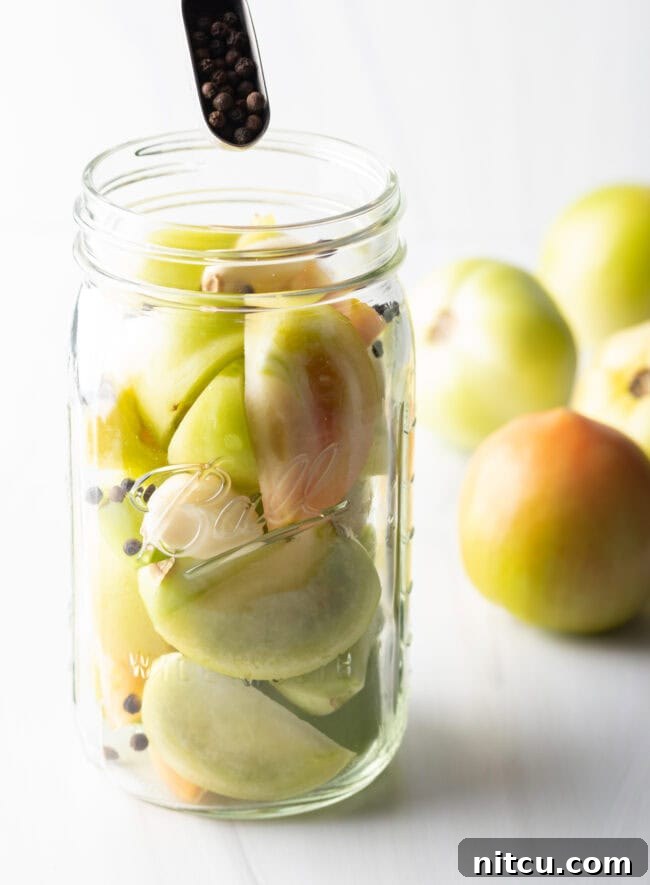
While your brine is heating, arrange your prepared tomatoes and spices into your chosen jars. You’ll need one quart jar or two pint jars for this recipe. Carefully pack the sliced green tomatoes or whole cherry tomatoes into the jars. Don’t overpack, but make sure the jars are reasonably full. Then, distribute the peeled and smashed garlic cloves, whole black peppercorns, and whole allspice (or cloves) evenly among the jars. These aromatics will infuse the tomatoes with complex and inviting flavors.
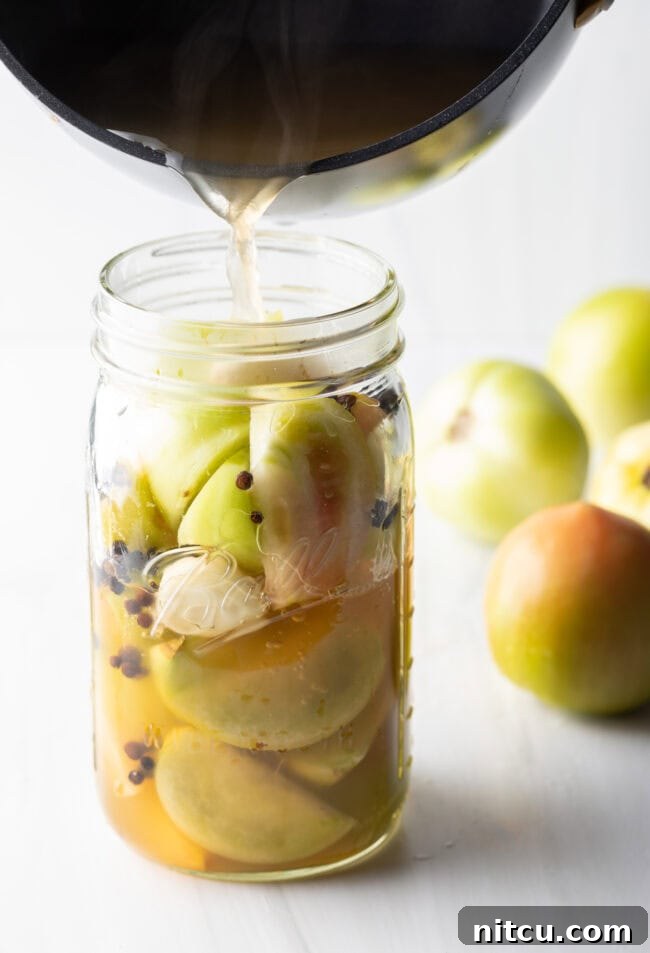
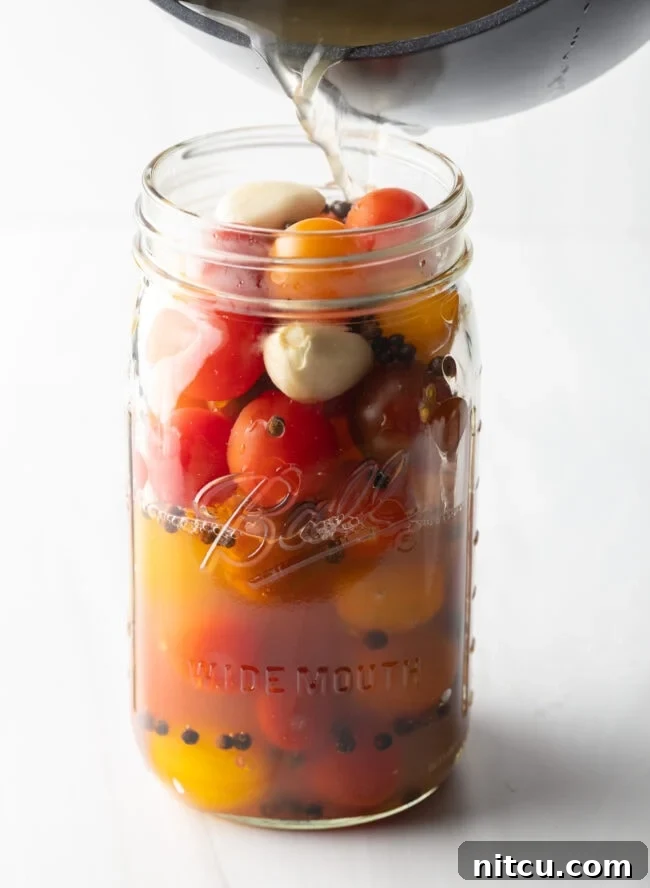
Once the pickling mixture has reached a boil and you’ve turned off the heat, carefully pour the hot brine over the packed tomatoes and spices in each jar. Fill the jars almost to the very top, ensuring you leave approximately a ½-inch of headspace from the top rim of the jar. This headspace is crucial for proper sealing and to prevent overflow, especially if you are canning. Using a funnel can help prevent messes and ensure the hot liquid goes precisely where it’s needed.
The Refrigerator Pickling Method: Quick and Easy
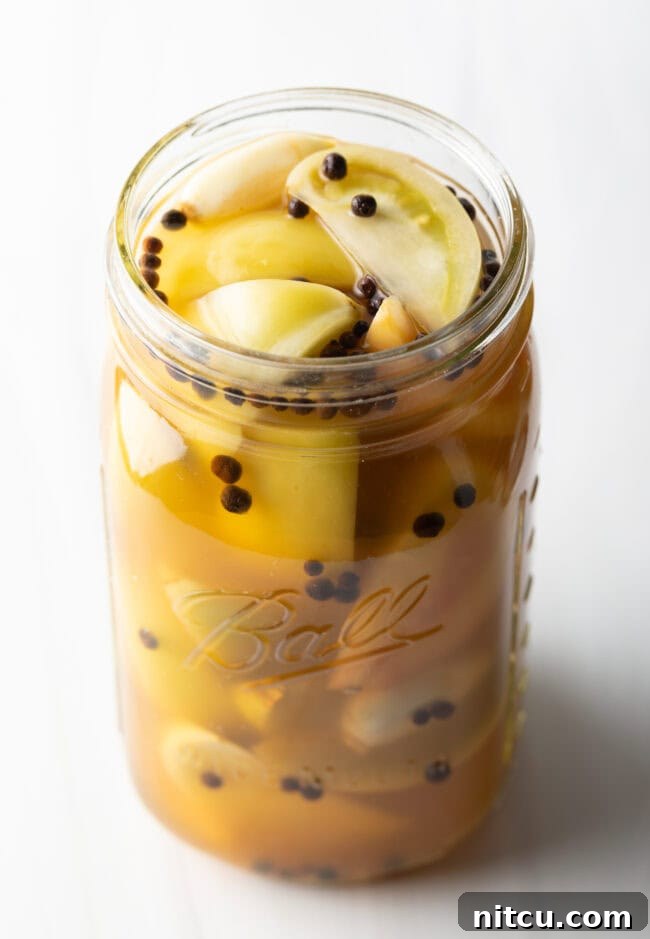
For those who prefer a quicker route to enjoying their tangy tomatoes, the refrigerator pickling method is ideal. Once your jars are filled with tomatoes, spices, and hot brine, securely screw the lids onto the mason jars, ensuring a tight seal. Allow the jars to cool naturally to room temperature on your countertop. This cooling period is important as it prevents thermal shock to your refrigerator. Once cooled, place the sealed jars into your refrigerator. The magic then begins! Allow the tomatoes to pickle for at least 48 hours before serving. This waiting period is crucial for the flavors to meld and for the tomatoes to absorb the delicious brine. Refrigerator pickled tomatoes will maintain their peak freshness and crisp texture and can be stored unopened in the refrigerator for up to six months. Once opened, consume them within about a month for the best quality.
Mastering the Art of Canning Pickled Tomatoes for Long-Term Storage
If your goal is to enjoy your homemade pickled tomatoes throughout the year, even when your garden is dormant, then water bath canning is the preservation method for you. This process ensures your jars are shelf-stable and can be stored at room temperature for an extended period, typically at least a year. Food safety is paramount in canning, so attention to detail is essential.
After you’ve filled your sanitized jars with tomatoes, spices, and hot brine, and left the appropriate ½-inch headspace, make sure to wipe the rim of each jar with a clean, damp paper towel. This removes any brine or food particles that could interfere with the seal. Place the lid and screw band on securely, but do not overtighten – finger-tight is sufficient. This allows air to escape during processing and creates a proper vacuum seal.
Next, set up your water bath canner. Place a rack at the bottom of a large pot, then carefully lower your filled jars onto the rack using canning tongs. Ensure there is at least 1-inch of water covering the tops of the lids after all jars are in the pot. Bring the water to a rolling boil and process the jars for 15 minutes. This processing time is vital for sterilization and creating a safe, shelf-stable product.
Once the processing time is complete, carefully remove the jars from the boiling water using your canning tongs and place them on a clean towel or cooling rack, ensuring they are not touching each other. Allow them to cool completely and undisturbed for 12 to 24 hours. As they cool, you should hear the lids “pop” as the vacuum seal forms. Check for proper seals by pressing on the center of the lid; if it doesn’t flex, it’s sealed. Any unsealed jars should be refrigerated and consumed within a month. Store properly sealed jars in a cool, dark place, and once opened, always refrigerate and enjoy within a month or so.
Creative Ways to Serve Your Tangy Pickled Tomatoes
Once you’ve made a batch of these delightful pickled tomatoes, you’ll find they are incredibly versatile and can brighten up almost any meal. Their zesty, tangy flavor profile makes them an excellent substitute for traditional pickles in many dishes, adding a unique twist. They are fantastic at cutting through richness, balancing heavy flavors like fat and salt, and adding a much-needed zing to otherwise bland plates.
Consider these serving suggestions to unleash the full potential of your homemade pickled tomatoes:
- Burgers and Hot Dogs: Elevate your backyard BBQ classics by topping them with finely chopped or sliced pickled green tomatoes. Their acidity perfectly complements grilled meats, like a Spicy Cowboy Burger or Air Fryer Hot Dogs.
- Salads: Chop them up and toss them into green salads, pasta salads, or grain bowls for an instant flavor boost and a refreshing crunch. They add a vibrant counterpoint to creamy dressings.
- Charcuterie Boards and Appetizer Trays: Arrange whole cherry pickled tomatoes or green tomato wedges alongside cured meats, cheeses, olives, and crusty bread. They provide a welcome acidic note that cleanses the palate, especially when paired with items like Smoked Bologna or Smoked Cream Cheese.
- Sandwiches and Wraps: Add slices or halves to your favorite sandwiches, subs, or wraps for an extra layer of texture and tangy flavor.
- Garnish for Drinks: Pickled cherry tomatoes make a fantastic, gourmet garnish for a Bloody Mary or other savory cocktails.
- On Pizzas or Flatbreads: Scatter chopped pickled tomatoes over homemade pizzas or flatbreads before baking for a surprising burst of flavor.
- Side Dish: Serve them simply as a refreshing side dish to rich, savory entrees.
You’ll be amazed at how many other meals taste delicious with a side of these tangy tomatoes, making them a truly indispensable pantry staple.
Frequently Asked Questions About Pickled Tomatoes
Are pickled tomatoes healthy?
Yes, homemade pickled tomatoes can be a beneficial addition to a balanced diet! Tomatoes themselves are incredibly healthy fruits, packed with vitamins (especially C and K), minerals, and antioxidants like lycopene, which is beneficial for heart health and can potentially help prevent certain cancers. When pickled, foods undergo fermentation (especially true for naturally fermented pickles, though quick pickles offer some benefits too), which can introduce beneficial probiotics, great for gut health and digestion. However, it’s important to note that pickling often involves a fair amount of sodium from the salt in the brine. As with all pickled foods, pickled tomatoes should be enjoyed in moderation as part of a varied diet. If you are monitoring your sodium intake, consuming smaller portions is advisable.
Do green tomatoes need to be peeled for canning?
Absolutely not! One of the great advantages of using firm, unripe green tomatoes for pickling and canning is that their skins are perfectly suitable for preservation. The skin provides structure, helping the tomato wedges or slices maintain their integrity and firm texture throughout the pickling and canning process. There’s no need for the extra step of peeling; simply wash them thoroughly, cut them into your desired shape (typically wedges), and toss them right into the jar, skin and all. This makes the preparation process much quicker and simpler.
What can you do with pickled tomatoes?
The culinary uses for both pickled green and cherry tomatoes are incredibly diverse! They are not only fabulous as a standalone perky snack but also serve as versatile accompaniments that can elevate a wide array of dishes. Imagine them sliced onto your favorite sandwiches or burgers, chopped and mixed into a vibrant potato or pasta salad, or skewered alongside olives and cheese on an appetizer tray. They’re a fantastic addition to hot dogs, bringing a bright acidity that cuts through richness. For a gourmet touch, consider scattering them over pizzas or flatbreads, or using them as a zesty garnish for a classic Bloody Mary. Their tangy, savory flavor profile makes them a surprising and delicious addition to countless meals, adding a unique pop that will keep your taste buds intrigued.
How long can you keep pickled tomatoes?
The shelf life of your homemade pickled tomatoes depends significantly on the preservation method used. Refrigerator pickles, which are not processed in a water bath, will keep well when stored unopened in the refrigerator for up to six months. Their fresh, vibrant flavor is best enjoyed within this timeframe. For fully canned, shelf-stable tomatoes that have been properly processed in a water bath, they will keep well sealed at room temperature in a cool, dark pantry for at least a year, and often even longer. However, regardless of the method, once a jar of pickled tomatoes has been opened, it should always be kept refrigerated. For the best taste and quality, aim to consume any opened jar within a month or so. Always check for signs of spoilage before consuming, such as an off smell, mold, or an unsealed lid.
What other ingredients can be added to the jars for flavor?
The beauty of homemade pickling lies in its adaptability, allowing you to customize flavor profiles to your preference. If you’re looking to mix up the taste of your pickled tomatoes, there are many wonderful aromatics and spices you can add to the jars. Consider fresh dill sprigs or dill seeds for a classic pickle flavor. Mustard seeds or celery seeds add a pungent, earthy note. For a warm, citrusy hint, try a few coriander seeds. A bay leaf or two can provide a subtle, herbaceous backdrop. If you enjoy a touch of heat, red pepper flakes will deliver a gentle warmth, or for a more exotic twist, a thin slice of fresh ginger can be surprisingly delightful. Experiment with combinations to discover your favorite unique pickled tomato flavor!
Explore More Homemade Pickle Recipes!
If you’ve discovered the joy of making your own pickled tomatoes, you’ll be thrilled to know that a world of other homemade pickle recipes awaits! Expanding your repertoire of preserved foods is a rewarding culinary journey. Be sure to try some of these fantastic recipes to fill your pantry with even more tangy delights:
- Refrigerator Bread and Butter Pickles
- Quick Pickled Jalapeno Peppers
- Pickled Banana Peppers
- Quick Pickled Red Onions
- Pickled Watermelon Rind
- How to Make Pickled Eggs with Beets
- Best Homemade Refrigerator Pickles
- Pickled Garlic (Preserved)
- Pickled Radish Recipe
Pickled Tomatoes Recipe
Learn the easy steps and tips for how to make the best homemade pickled green tomatoes and pickled cherry tomatoes from your summer garden!
Prep Time: 10 minutes
Cook Time: 5 minutes (or 20 minutes if canning)
Total Time: 15 minutes (or 30 minutes if canning)
Yields: 8 servings (approximately 4 cups)
Ingredients
- 1 – 1 ¼ pounds green tomatoes or cherry tomatoes
- 1 cup apple cider vinegar
- 1 cup water
- 2 tablespoons kosher salt
- 2-3 tablespoons granulated sugar (adjust to taste)
- 2 whole smashed garlic cloves
- 1 teaspoon whole black peppercorns
- ¾ teaspoon whole allspice or whole cloves
Instructions
- Prepare the Tomatoes: If pickling green tomatoes, slice each tomato into eight wedges. If pickling cherry tomatoes, use a toothpick or wooden skewer to poke a hole through the center of each cherry tomato. This allows the pickling brine to penetrate the tomato flesh.
- Prepare the Brine: Set a small sauce pot over medium-high heat. Place the apple cider vinegar, water, salt, and sugar in the pot. Stir well to dissolve the salt and sugar, then bring the mixture to a rolling boil. Once boiling, turn off the heat.
- Pack the Jars: Meanwhile, set out one quart jar or two pint jars. Fill the jars with the prepared tomatoes. Add the smashed garlic cloves, whole peppercorns, and whole allspice (or cloves) to the jars, distributing them evenly.
- Pour the Brine: Carefully pour the hot pickling liquid over the tomatoes, filling the jar(s) close to the top, leaving only a ½-inch of headspace from the top rim.
For Refrigerator Pickles:
- Cool and Refrigerate: Screw the lid on the jar tightly, and allow it to cool completely to room temperature on your countertop. Once cool, place the jar(s) in the refrigerator. Allow the tomatoes to pickle for at least 48 hours before serving for optimal flavor.
For Canning (Shelf-Stable Storage):
- Prepare for Canning: If you plan to can the pickled tomatoes for long-term room-temperature storage, make sure to wipe the rim of the jar with a wet paper towel before sealing it with a new lid and band (finger-tight).
- Process in Water Bath: Set a large pot (canner) with a rack over the stovetop and bring water to a boil. Use canning tongs to gently lower the jar(s) into the boiling water bath, ensuring they are covered by at least 1 inch of water. Bring the water back up to a boil and simmer for 15 minutes.
- Cool and Store: Once the timer goes off, carefully remove the jars from the boiling water and allow them to cool completely and undisturbed to room temperature for 12-24 hours. Check for proper seals (lid should be concave and not flex when pressed). Store properly sealed jars in a cool, dark place.
Notes
- For canning, the total cook time includes the 15-minute processing time in the water bath.
- Refrigerator pickles will keep well unopened in the refrigerator for up to six months.
- Fully canned (shelf-stable) tomatoes will keep well sealed at room temperature for at least a year.
- Once opened, both refrigerator and canned tomatoes should be kept in the refrigerator and eaten within a month.
Nutrition Information (approximate per 0.5 cup serving)
Calories: 22kcal, Carbohydrates: 4g, Protein: 0.1g, Fat: 0.1g, Saturated Fat: 0.02g, Polyunsaturated Fat: 0.02g, Monounsaturated Fat: 0.01g, Sodium: 1748mg, Potassium: 37mg, Fiber: 0.3g, Sugar: 3g, Vitamin A: 6IU, Vitamin C: 0.4mg, Calcium: 11mg, Iron: 0.2mg
Course: Side Dish, Snack
Cuisine: American, Southern
Author: Sommer Collier