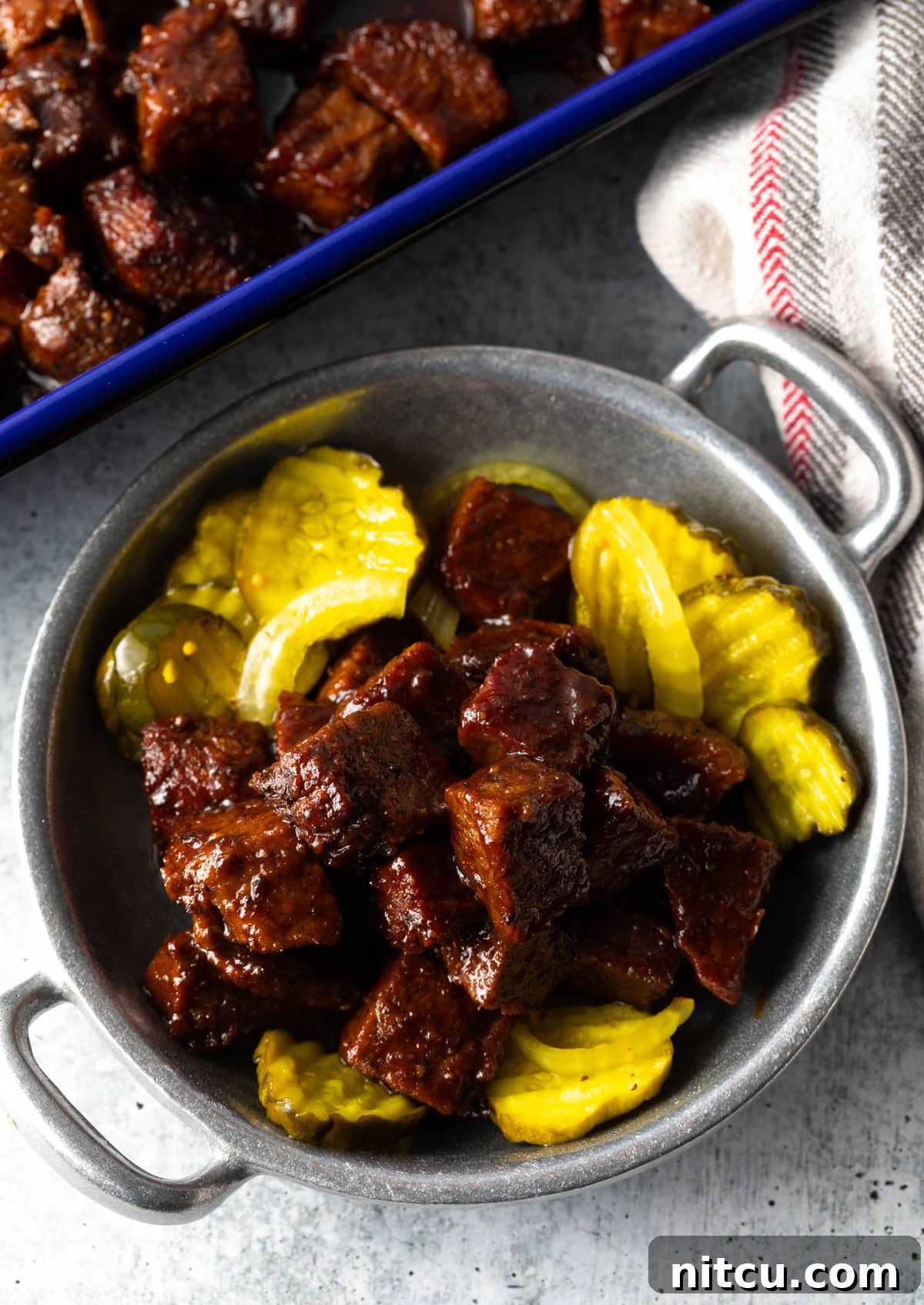
Brisket Burnt Ends are a quintessential BBQ delicacy, cherished for their incredibly tender, smoky, and intensely flavorful profile. These succulent cubes of beef, typically sourced from the rich point end of a slow-cooked brisket, are transformed into irresistible bites through a unique braising process with sweet and tangy barbecue sauce, often infused with a secret ingredient like Coca-Cola. Perfect as a show-stopping appetizer or the star of your barbecue spread, burnt ends are a testament to the art of low-and-slow cooking, delivering a taste experience that captivates every palate.
What Are Brisket Burnt Ends? A BBQ Delicacy Explained
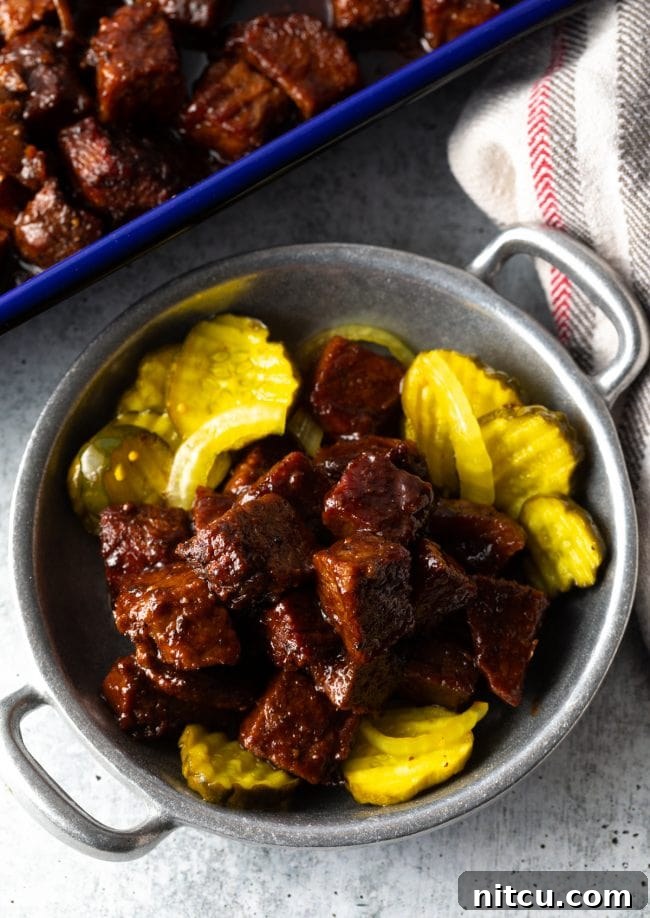
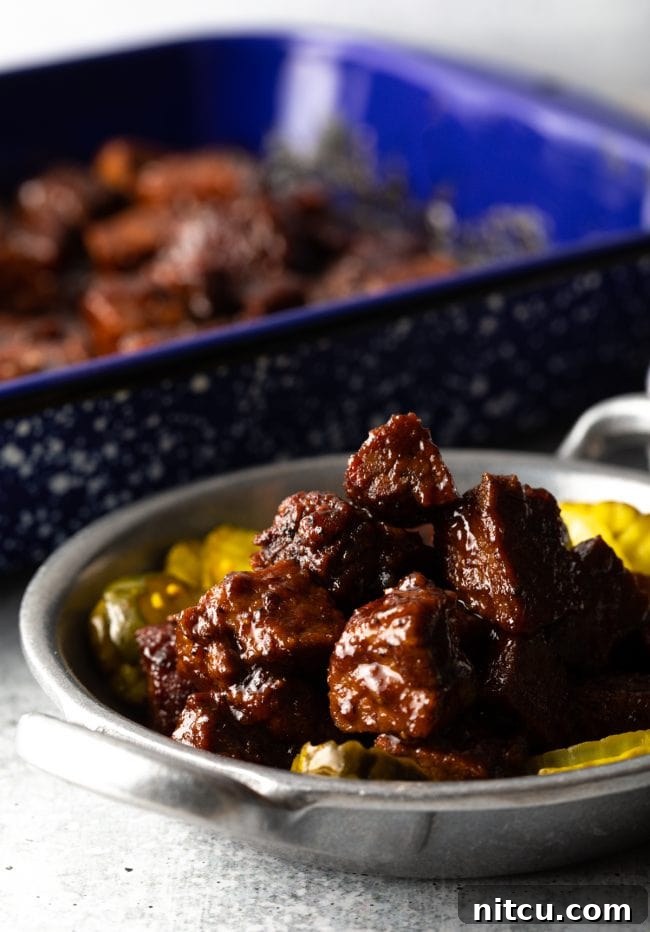
Brisket burnt ends, often hailed as “meat candy” by barbecue aficionados, are flavorful cubes of beef cut from the fattier, more marbled “point” section of a whole smoked or oven-baked brisket. These highly sought-after morsels are then further cooked, or “braised,” in a rich, sweet, and often spicy barbecue sauce until they develop a caramelized, crispy exterior and an unbelievably tender, juicy interior. While the name “burnt ends” might suggest charring, the goal is actually a deeply flavorful, slightly crispy, and sticky glaze, not actual burnt meat.
The origin story of burnt ends traces back to the legendary barbecue joints of Kansas City, where pitmasters would trim the brisket point, which was often considered too tough or fatty for traditional slicing. Instead of discarding these flavorful pieces, they discovered that an extended cooking time, often in a rich sauce, transformed them into a mouth-watering delicacy. What began as a resourceful way to utilize every part of the brisket quickly became a prized menu item, celebrated for its unique texture and profound smoky flavor.
To create these iconic burnt ends, you first need a perfectly cooked beef brisket. This can be achieved either by smoking it in a traditional smoker or by slow-roasting it in the oven. For a comprehensive guide on preparing the foundational brisket, you can refer to our Best Smoked Beef Brisket Recipe or our Texas Style Oven Brisket Recipe. Once the brisket is cooked through, the next step involves carefully separating the point from the leaner “flat” section. While a whole brisket allows you to utilize both sections, you can also specifically purchase the brisket point, sometimes referred to as the “Deckle,” for this recipe to streamline the process.
This detailed guide will walk you through every step, from preparing your brisket (whether in a smoker or oven) to transforming those tender point pieces into the ultimate burnt ends experience.
Essential Ingredients for Perfect Burnt Ends
Crafting phenomenal burnt ends starts with selecting the right ingredients. This comprehensive recipe outlines how to make burnt ends from scratch, beginning with the raw brisket itself. Here’s everything you’ll need for this savory journey:
- Beef Brisket Point End: The star of our dish. The point end of a brisket is crucial due to its higher fat content and marbling, which renders beautifully during slow cooking, resulting in that desirable melt-in-your-mouth tenderness. Look for a piece weighing between 3 to 4 pounds for a generous batch of burnt ends.
- Signature Spice Rub: A balanced rub is essential for building foundational flavor. Our blend includes:
- Kosher Salt: Enhances natural beef flavor and aids in moisture retention.
- Coarse Black Pepper: Provides a sharp, aromatic bite and contributes to the “bark” formation.
- Garlic Powder: Adds a savory depth that complements the smoky notes.
- Ancho Chile Powder: Delivers a mild, earthy heat and a beautiful reddish hue, enriching the overall flavor profile.
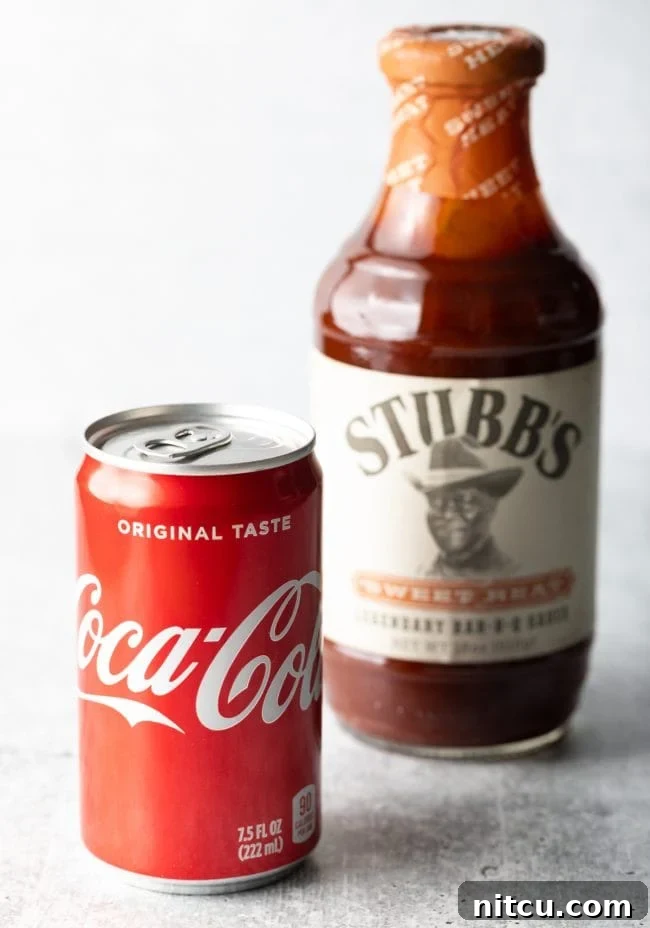
- Your Favorite Barbecue Sauce: The choice of BBQ sauce is highly personal, but for burnt ends, we recommend a spicy-sweet brand. The sweetness helps achieve that perfect caramelization, while a touch of spice adds complexity and balance to the richness of the beef.
- Coca-Cola (or similar cola): This might seem like an unusual ingredient, but cola plays a vital role. Its high sugar content contributes to the sticky, glossy glaze, while its acidity helps tenderize the meat further and adds a unique, subtle depth of flavor that complements the barbecue sauce beautifully.
A Note on Brisket Cuts: The “point-end” of a brisket is also sometimes known as the Deckle. This section is distinct from the “flat” (or “lean”) end, being more richly marbled with fat and therefore more forgiving during cooking, resulting in a more tender and juicy burnt end. While the point is ideal, if you can only find a full packer brisket, don’t worry! You can use both the point and the flat sections to create a diverse batch of burnt ends, though the flat might require slightly more attention to achieve desired tenderness.
Preparing Your Brisket: The Foundation of Flavor
Regardless of whether you choose to smoke your brisket for an authentic BBQ flavor or roast it in the oven for convenience, proper preparation of the meat is the crucial first step. This ensures an even cook and maximizes flavor absorption.
Step-by-Step Brisket Preparation:
- Trim the Brisket: Begin by carefully trimming any hard, excess fat from the brisket. While the point end is naturally fatty, you want to remove any large, dense pockets of fat that won’t render down during cooking. Aim for about a 1/4-inch thick fat cap on one side, which will help keep the meat moist and flavorful.
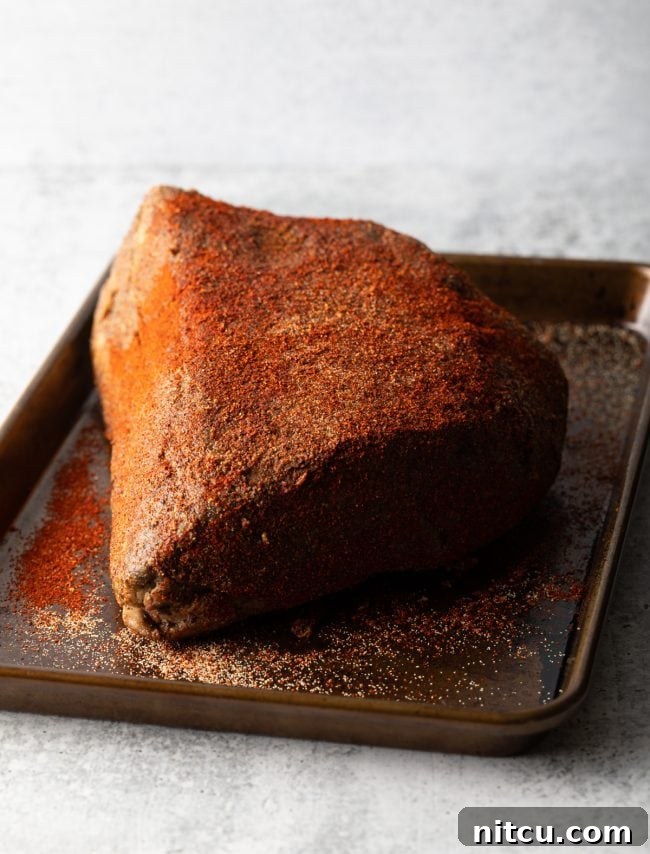
- Apply the Spice Rub: Lay the trimmed brisket on a rimmed baking sheet or a large foil pan. In a small bowl, thoroughly combine your spice blend: kosher salt, coarse black pepper, garlic powder, and ancho chile powder. Generously rub this mixture over the entire surface of the brisket, ensuring it’s evenly coated. Don’t be shy – this rub forms the initial flavor “bark” that is so characteristic of great barbecue.
- Allow to Rest (Optional but Recommended): For best results, after applying the rub, cover the brisket loosely and let it rest in the refrigerator for at least 30 minutes, or ideally, up to 4-6 hours. This allows the rub to penetrate the meat and helps create a more flavorful crust.
General Cooking Time Note: The initial cooking phase for the brisket, whether in a smoker or an oven, typically ranges from 3.5 to 5 hours. This duration largely depends on the specific size and thickness of your brisket piece. Always use a reliable meat thermometer to guide your cooking process.
Smoking Your Brisket for Authentic Flavor
For those seeking the quintessential smoky depth that defines traditional barbecue, a smoker is the tool of choice. The low and slow environment of a smoker not only tenderizes the meat but infuses it with layers of complex flavor from the wood.
Choosing Your Smoking Wood:
The type of wood you choose significantly impacts the final flavor profile of your burnt ends. For beef brisket, robust woods are generally preferred, complementing the meat’s rich flavor without overpowering it:
- Mesquite: Offers a strong, bold, and distinct flavor, often associated with Texas BBQ. Use sparingly if you prefer a milder smoke.
- Hickory: A classic choice for beef, providing a savory, bacony, and slightly sweet smoke. It’s a crowd-pleaser and pairs beautifully with brisket.
- Oak: A versatile and widely used wood, delivering a medium, clean, and consistent smoke flavor that allows the beef’s natural taste to shine.
- Pecan: Milder than hickory but still nutty and sweet, offering a delicious alternative.
Experiment with different woods or blends to discover your personal favorite!
Smoking the Brisket to Perfection:
- Preheat Your Smoker: Bring your smoker up to a consistent temperature of 225 degrees Fahrenheit (107 degrees Celsius). Maintaining a stable temperature is key to tender brisket.
- Load the Brisket: Place the seasoned brisket directly onto the smoker grates, fat cap side up (or according to your smoker’s specific instructions for heat distribution).
- Insert Temperature Probe: Insert a meat thermometer probe into the thickest part of the brisket, ensuring it doesn’t touch any bone or large pockets of fat.
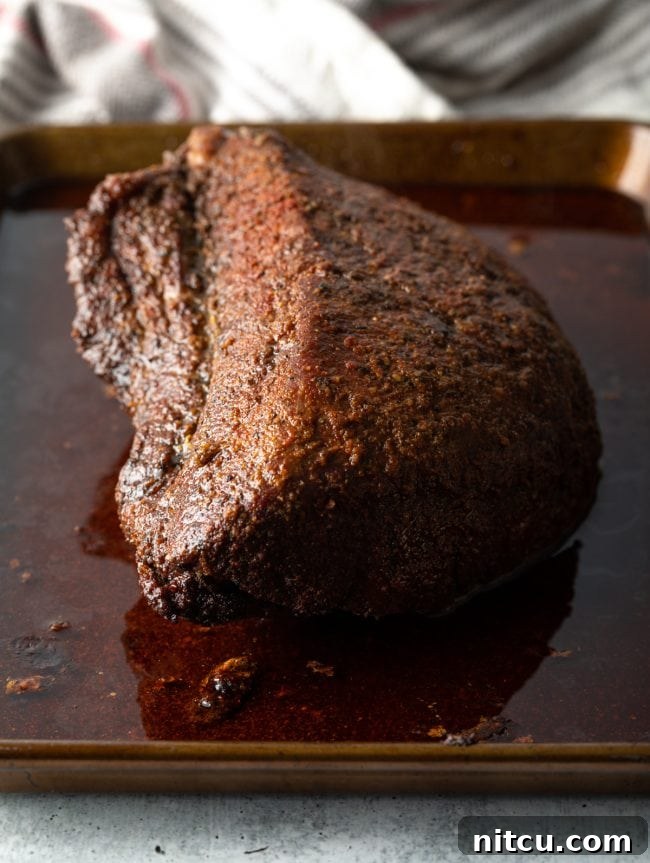
- Smoke Until Tender: Allow the brisket to smoke until its internal temperature reaches approximately 195 degrees Fahrenheit (90 degrees Celsius). This slow cooking process breaks down tough connective tissues, yielding incredibly tender meat.
- The “Stall” and Wrapping (Pro Tip): Around 150-170 degrees F (65-77 degrees C), brisket often enters a “stall” where its temperature plateaus. To push through this phase and retain moisture, you can wrap the brisket tightly in heavy-duty aluminum foil or unlined butcher paper. This technique, often called the “Texas Crutch,” helps accelerate cooking and keeps the brisket from drying out, while still allowing some smoke to penetrate the meat.
Oven-Roasted Brisket: A Smoker-Free Alternative
Don’t have a smoker? No problem! You can still achieve wonderfully tender and flavorful brisket in your home oven, allowing you to enjoy delicious burnt ends without specialized equipment. The key is to roast it “low and slow” to mimic the tenderizing effects of smoking.
Cooking Beef Brisket in the Oven:
- Preheat Your Oven: Start by preheating your oven to a gentle 225 degrees Fahrenheit (107 degrees Celsius). This low temperature is crucial for tenderizing the brisket over several hours.
- Prepare for Roasting: Place the seasoned brisket, fat cap up, into a large roasting pan or a sturdy foil pan. For added moisture and to create a humid environment, you can pour about 1-2 cups of beef broth or water into the bottom of the pan, being careful not to submerge the meat. You can also cover the pan tightly with foil for the initial cooking phase to trap moisture.
- Insert Temperature Probe: Just like with smoking, insert a reliable meat thermometer probe into the thickest part of the brisket, avoiding bone or large fat pockets. This is your most accurate guide to doneness.
- Bake to Perfection: Roast the brisket in the preheated oven until its internal temperature reaches 195 degrees Fahrenheit (90 degrees Celsius).
Monitoring Oven Cook Time: This slow roasting process will typically take approximately 3 to 5 hours, depending on the size and thickness of your brisket. Begin checking the internal temperature around the 3-hour mark, and then continue checking every 30 minutes until it reaches the target temperature. If you initially covered the brisket with foil, you might remove it for the last hour of cooking to allow some browning, or you can keep it covered for maximum moisture. Optionally, you can add a few drops of liquid smoke to your rub or braising liquid for a hint of smoky flavor if desired.
The Grand Finale: Crafting the Burnt Ends
Once your brisket has reached its initial target temperature and is fork-tender, it’s time for the exciting transformation into irresistible burnt ends. This involves cubing the meat and braising it in our signature sauce until it develops that perfect caramelized crust.
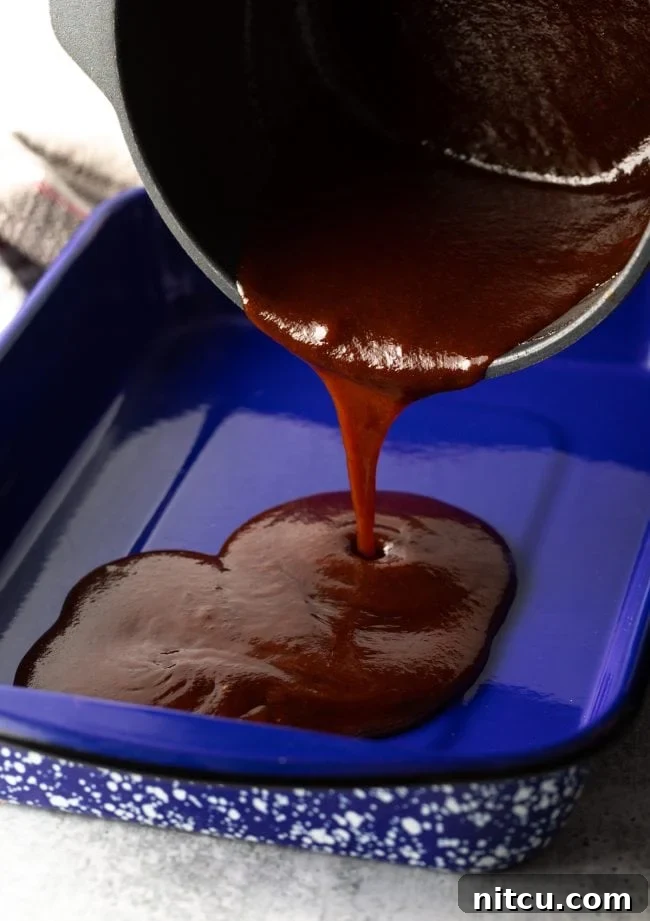
- Prepare the Braising Sauce: As your brisket approaches its final internal temperature (around 190°F / 88°C), it’s the perfect time to prepare the flavorful braising sauce. Grab a sturdy 9×13 inch baking dish. Pour your chosen barbecue sauce and the Coca-Cola into the dish. Whisk these two ingredients together thoroughly until they are well combined, creating a sweet and tangy base for your burnt ends.
- Rest and Cube the Brisket: Once your brisket hits the ideal 195°F (90°C), carefully remove it from the smoker or oven. Allow it to rest for a few minutes. This brief resting period allows the juices to redistribute, resulting in a more tender and moist final product. After resting, use a sharp serrated knife to cut the brisket point into uniform 1-inch chunks.
Pro Tip for Maximizing Flavor: As you slice the brisket into cubes, promptly transfer the pieces directly into the baking dish containing your prepared barbecue sauce. Any precious juices that escape from the meat during cutting will then mix into the sauce, enriching its flavor and ensuring none of that delicious brisket essence goes to waste.
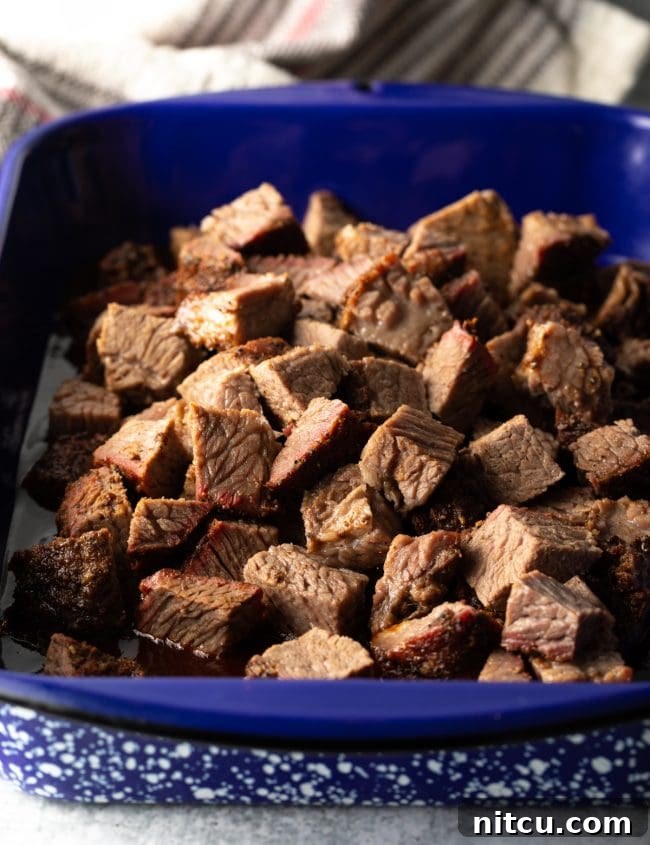
- Coat and Braise: Once all the brisket meat has been chopped into cubes and added to the baking dish, gently toss the cubes, ensuring each piece is thoroughly coated in the luscious barbecue sauce mixture.
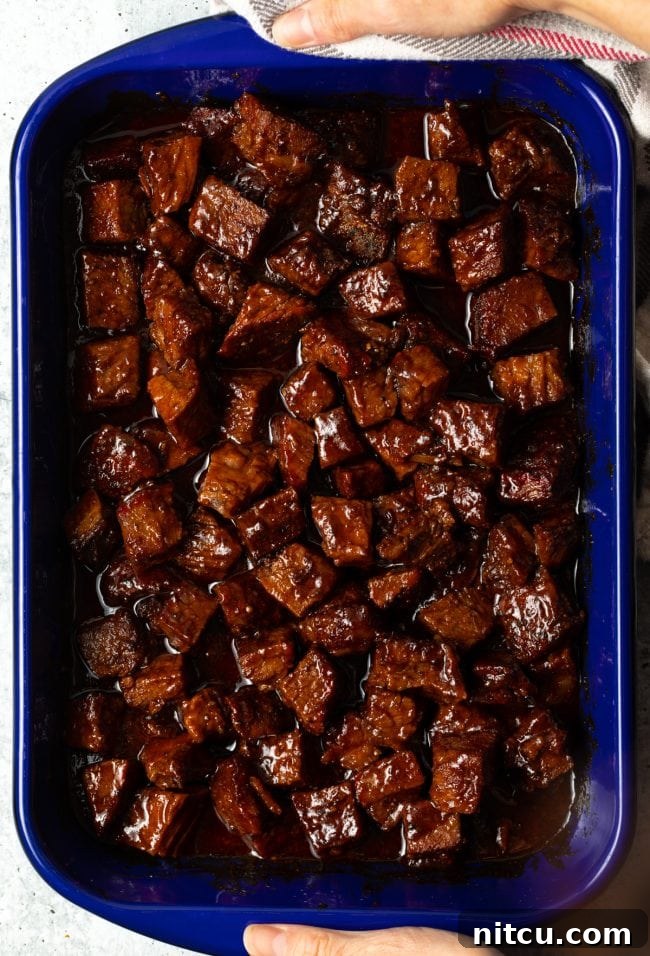
- The Final Cook: Now, return the baking pan, uncovered, to either your oven or smoker. Continue cooking the burnt ends for approximately 1 hour. During this crucial final hour, the magic happens: the sauce will thicken and reduce, creating a beautiful glaze, and the exposed edges of the brisket pieces will crisp up, forming that desirable “bark” and caramelized texture. Stir them occasionally to ensure even coating and crisping.
Serve these sweet, smoky, and sticky burnt ends warm, directly from the pan. Prepare for an explosion of flavor!
Get the Complete (Printable) Brisket Burnt Ends Recipe + Video Guide Below! Master This Dish in Your Oven or on Your Smoker!
Serving Suggestions: The Perfect Accompaniments for Burnt Ends
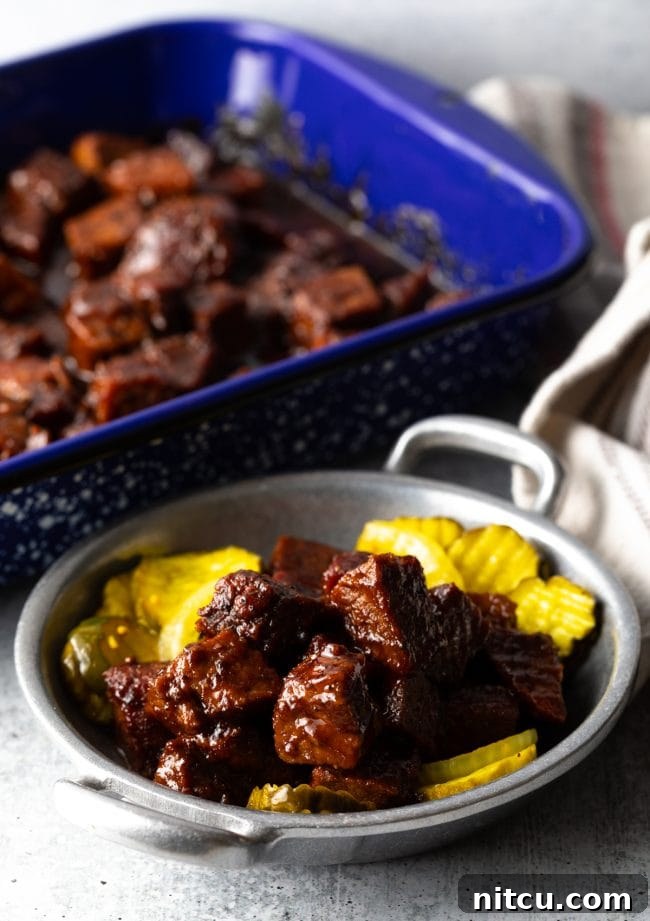
Brisket burnt ends are incredibly versatile and can be enjoyed in several ways, whether as a tantalizing appetizer or the hearty centerpiece of a meal. Their rich, sweet, and savory flavor profile makes them a fantastic addition to any Southern-inspired spread.
As an Appetizer:
Traditionally, at classic barbecue joints, burnt ends often kick off the meal. Their bite-sized nature and intense flavor make them ideal for whetting appetites. They fit seamlessly onto a buffet table alongside other beloved Southern appetizers and snacks. Consider serving them with:
- Crispy Oven-Fried Green Tomatoes
- Savory Cajun Shrimp Toast
- Smoked Shotgun Shells
- Mini cornbread muffins or simple crackers for scooping.
As a Main Dish:
Burnt ends truly shine as the star of a barbecue plate, piled high with classic Southern side dishes. Their robust flavor pairs wonderfully with a variety of textures and tastes. Some traditional and highly recommended pairings include:
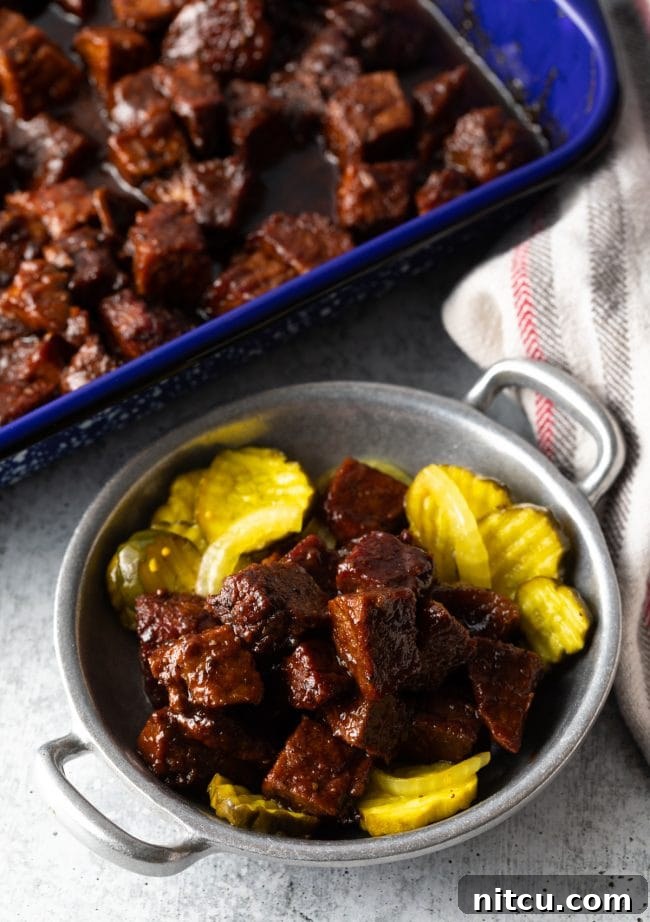
- Tangy Bread and Butter Pickles: The acidity cuts through the richness of the meat.
- Hearty Instant Pot Baked Beans: A classic BBQ companion, offering a sweet and savory contrast.
- Creamy Southern Potato Salad: Provides a cool, comforting balance.
- Soulful Southern Collard Greens: A touch of bitterness and savory depth.
- Crispy Fried Okra: A delightful textural contrast.
- Cheesy Hominy Casserole: A creamy, comforting side that complements the smoky meat.
- And, of course, a few slices of soft white bread are a must for soaking up all that delicious sauce!
Storage and Reheating for Leftover Brisket Burnt Ends
While it’s hard to imagine any burnt ends being left over, if you find yourself with an abundance of these delightful bites, they store and reheat wonderfully. They’re equally delicious whether enjoyed cold or warm, making them perfect for future meals or quick snacks.
Refrigeration:
To keep your burnt ends fresh, allow the meat to cool completely to room temperature first. Then, transfer them to an airtight container. They can be safely stored in the refrigerator for up to 4 days. The flavors often meld and deepen slightly overnight, making them an even more satisfying treat the next day.
Freezing:
For longer-term storage, burnt ends freeze exceptionally well. Once cooled, place the burnt ends in a heavy-duty airtight freezer bag or a freezer-safe container. Ensure as much air as possible is removed from bags to prevent freezer burn. Properly frozen burnt ends can maintain their quality for up to 3 months.
Reheating Instructions:
When you’re ready to enjoy your leftover burnt ends:
- Defrost (if frozen): If frozen, transfer the container or bag of burnt ends to the refrigerator overnight to thaw gradually.
- Microwave Method: For a quick reheat, place the desired amount of burnt ends in a microwave-safe dish. Add a tablespoon or two of extra barbecue sauce or beef broth to help keep them moist. Cover loosely and microwave in 30-60 second intervals, stirring in between, until heated through.
- Stovetop Method: For a more even reheat and to revive some of that crispy texture, place the burnt ends in a skillet over medium-low heat. Add a splash of barbecue sauce or broth. Cover and cook, stirring occasionally, until heated through and the sauce is bubbling. This method helps to re-caramelize the sauce slightly.
- Oven Method: For larger quantities or if you prefer a less hands-on approach, preheat your oven to 300°F (150°C). Place the burnt ends in an oven-safe dish, adding a little extra sauce or broth. Cover tightly with foil and heat for 15-20 minutes, or until warmed through.
Always ensure the burnt ends are heated to an internal temperature of 165°F (74°C) for food safety.
Explore More Classic Southern Recipes!
If you’ve fallen in love with the rich flavors of these Brisket Burnt Ends, you’re sure to enjoy these other beloved Southern-inspired dishes. Expand your culinary repertoire with these fantastic recipes:
- Coffee-Brushed Barbecue Baby Back Ribs
- Slow Cooker Brisket Sandwich Recipe (Texas BBQ Beef)
- Sweet & Spicy Hot Honey Chicken
- Refreshing Southern Orangeade
- The Best Homemade Mac and Cheese
- The Ultimate Southern Chicken Salad
- Hearty Chicken and Sausage Gumbo
- Delightful Hummingbird Cupcakes
- Mind-Blowing Nashville Hot Chicken
- Grilled Ham Steaks with Southern Kale Salad
- Chopped Beef Brisket Sandwich
- Irresistible Smoked Pork Belly Burnt Ends
Print Recipe
The Best Brisket Burnt Ends Recipe
Prep Time: 10 minutes
Cook Time: 5 hours
Total Time: 5 hours 10 minutes
Super meaty Burnt Ends are a classic BBQ dish made from the charred ends of an oven baked or smoked beef brisket. They’re tossed in barbecue sauce and Coca-Cola for the perfect sweet, smoky flavor that goes great with your favorite southern sides!
Servings: 6 servings
Video
For a visual guide, check out our video on making Brisket Burnt Ends.
Watch the Brisket Burnt Ends Recipe Video Here
Ingredients
(Measurements are US Customary)
- 3-4 pounds beef brisket (point-end)
- 1 ½ teaspoon salt
- 1 ½ teaspoon black pepper
- 1 ½ teaspoon garlic powder
- 1 teaspoon ancho chile powder
- 1 cup spicy-sweet barbecue sauce
- 1 cup Coca-Cola (a mini Coke can works great)
Instructions
- Set out a rimmed baking sheet and place the brisket on it. In a small bowl, mix the salt, pepper, garlic powder, and ancho chile. Rub the spice blend over the entire surface of the brisket.
- Smoker Method: If you have a smoker, use it! Place the brisket in a 225°F smoker. Insert a meat thermometer probe and smoke the brisket to 195°F. *You can wrap the brisket in foil or peach butcher paper once it hits 150°F to keep the cooking process from stalling.
- Oven Method: If you don’t have a smoker, preheat the oven to 225°F. Set the brisket in the oven, insert a meat thermometer probe and bake to 195°F. Either way, this usually takes 3 ½ – 5 hours, depending on the size and shape of the brisket. *You can wrap the brisket in foil or peach butcher paper once it hits 150°F to keep the cooking process from stalling.
- Once the internal temperature is around 190°F, prepare the sauce. Set out a 9×13 inch baking dish. Pour the barbecue sauce and Coca-Cola into the dish. Once the brisket reaches 195°F, remove it from the heat.
- Use a serrated knife to cut the brisket into 1-inch chunks. As you cut them, quickly move them to the dish so that any juices that run out get mixed into the sauce. Once all the brisket is chopped, stir the pieces to coat in sauce.
- Now place the pan back in the oven (or on the smoker) and continue cooking for 1 hour, until the sauce thickens and the exposed pieces of brisket are crispy. Stir and serve warm.
Notes
The point-end of a brisket is sometimes called the Deckle. This end is more tender and fatty than the flat end. However, a flat brisket can also be used if you cannot find a Deckle. (When I make burnt ends from a whole brisket I use both!)
How to serve: At a bbq joint, burnt ends would traditionally be served as an appetizer, or as the main dish of a barbecue plate with southern sides.
To store: Once the meat has cooled, store it in a sealed container and keep in the refrigerator for up to 4 days.
To freeze: To keep the smoked brisket for longer, you can freeze for up to 3 months. Again, after it has cooled, transfer the Burnt Ends to an airtight zipper bag or container and freeze.
To reheat: First defrost the bbq brisket pieces in the fridge overnight. Then reheat in the microwave or on the stovetop with a bit more barbecue sauce.
Nutrition
Serving: 1 cup, Calories: 453kcal, Carbohydrates: 24g, Protein: 48g, Fat: 17g, Saturated Fat: 6g, Polyunsaturated Fat: 1g, Monounsaturated Fat: 8g, Cholesterol: 141mg, Sodium: 1258mg, Potassium: 882mg, Fiber: 1g, Sugar: 19g, Vitamin A: 208IU, Vitamin C: 1mg, Calcium: 32mg, Iron: 5mg
Course: Appetizer, Main, Main Course, Snack
Cuisine: American, Southern, Texan
Author: Sommer Collier
Cook It? Love It? Share Your Feedback!
Help this recipe reach more hungry people by sharing your experience or leaving a comment below. Thank you!