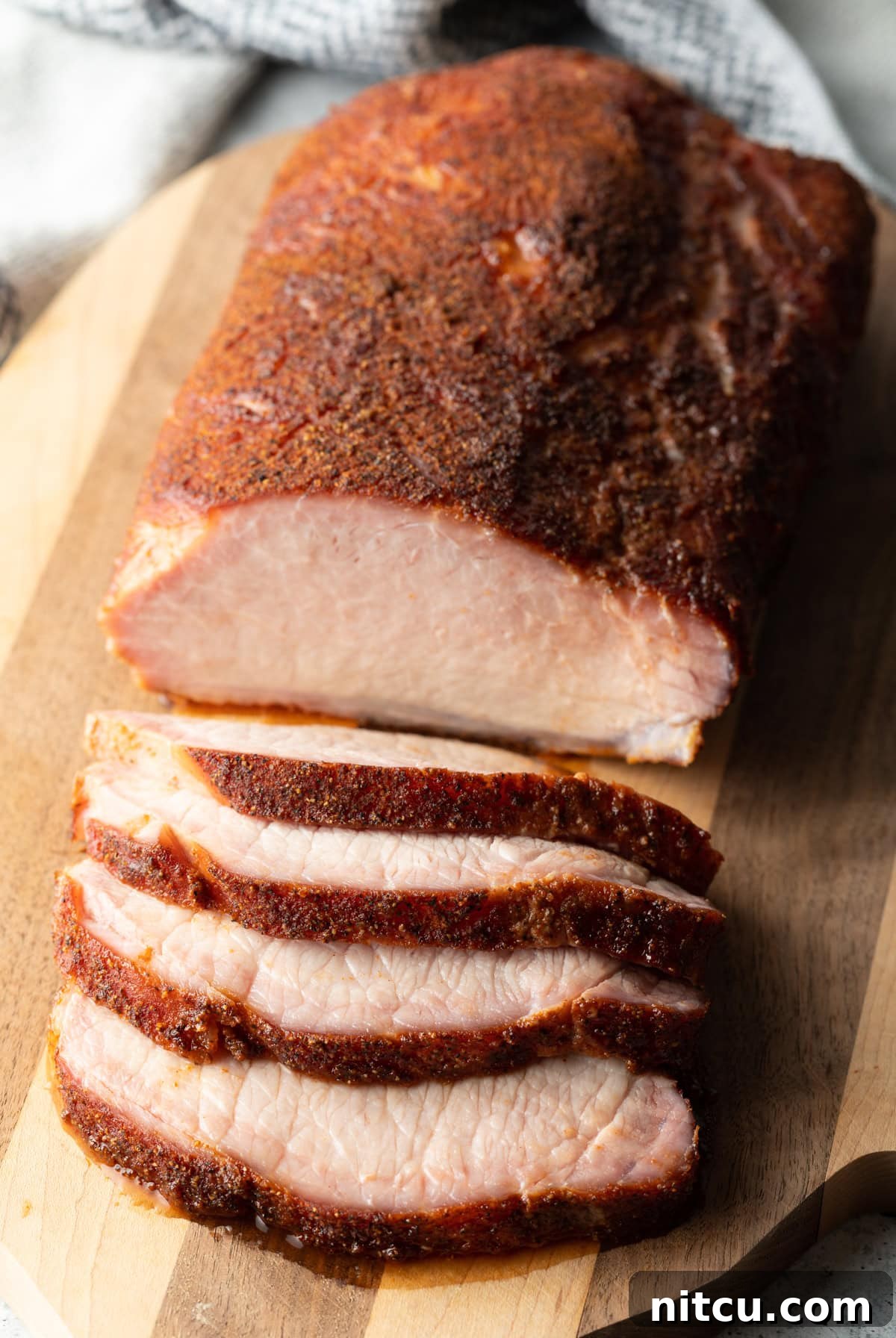
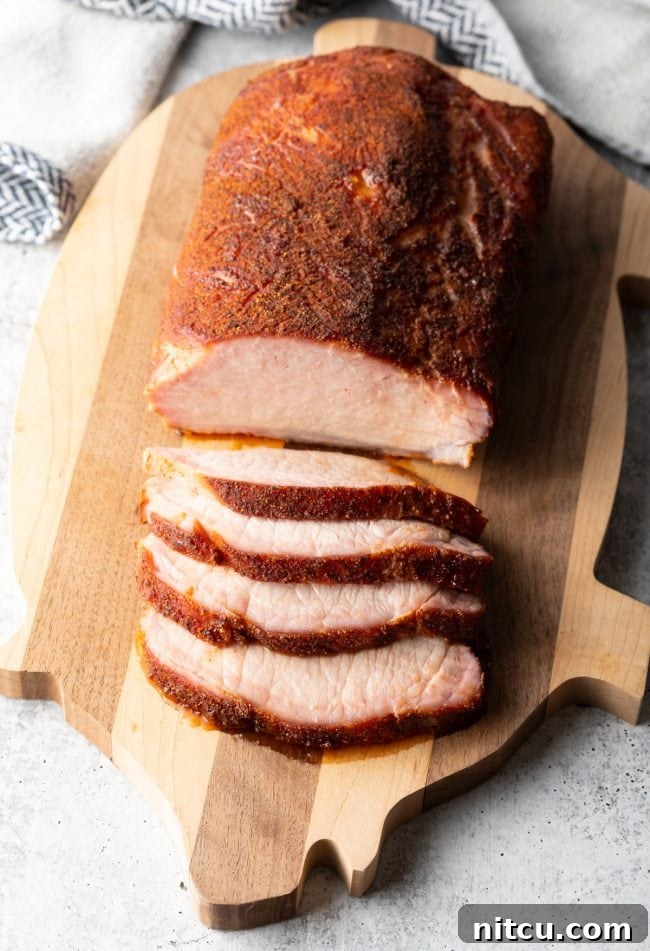
Unlock the secrets to perfectly smoked pork loin or pork tenderloin with our comprehensive guide. This recipe provides easy, step-by-step instructions and expert tips to ensure you achieve a tender, juicy, and flavor-packed result every time. We’ll show you how to create an incredible sweet and spicy Smoked Pork Loin Rub that forms a delectable crust, turning your pork into a show-stopping meal.
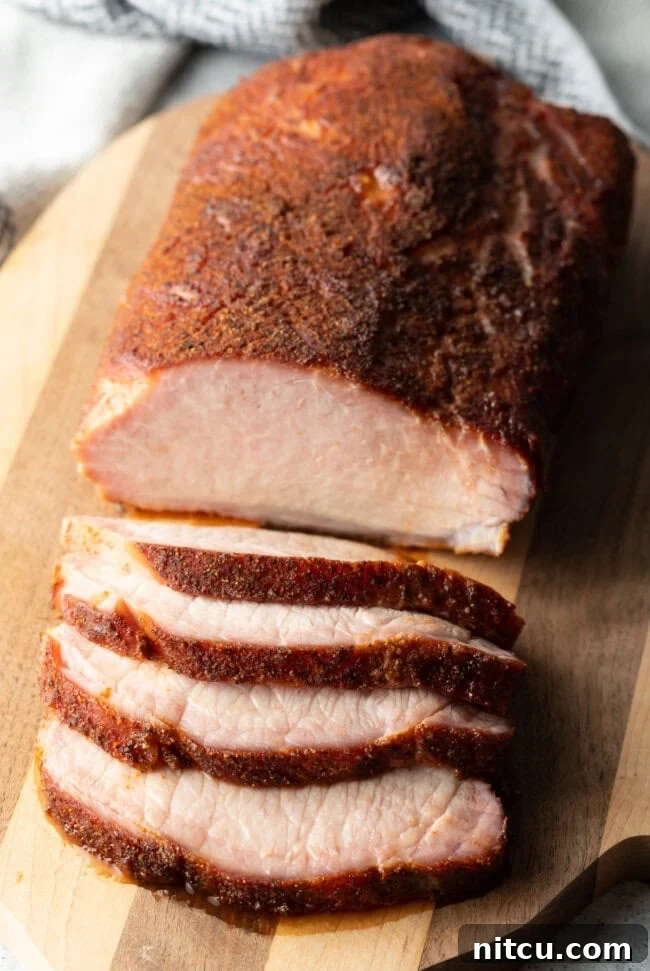
Mastering the Art of Smoked Pork Loin
For those who appreciate truly flavorful and succulent meat, smoked pork is an absolute game-changer. While we enjoy pork prepared in many ways in our kitchen – from savory Crock Pot Pork Tenderloin to vibrant Grilled Pork Tenderloin with Chimichurri and Roasted Vegetables – our absolute favorite method for achieving unparalleled moisture and tenderness is smoking. This technique infuses the pork with a rich, smoky aroma and flavor that’s simply irresistible.
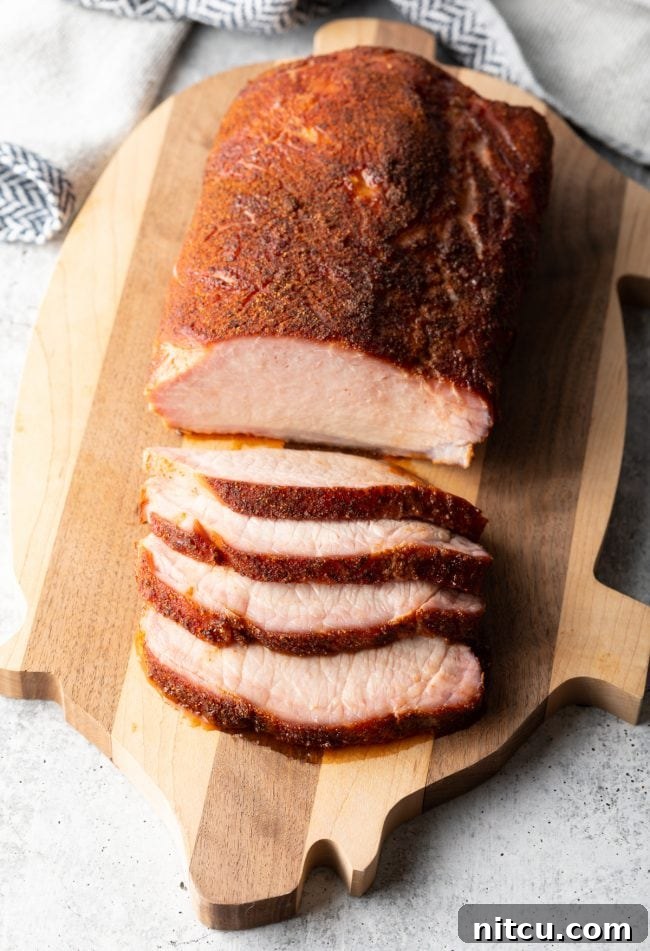
This detailed guide focuses on creating the perfect Smoked Pork Loin or Smoked Pork Tenderloin. While we often use a Traeger pellet grill for its ease and consistent results, the principles and techniques shared here apply equally well to any traditional smoker, charcoal grill with a smoking tray, or electric smoker. The key is consistent low heat and the right blend of spices.
Many home cooks might use “pork loin” and “pork tenderloin” interchangeably, but these two cuts, while both delicious, have distinct characteristics that influence their preparation and cooking times. We’ll delve into these differences, providing you with expert insights on size, texture, and how each cut benefits from our specially formulated smoked pork loin rub recipe. By the end of this article, you’ll be equipped with all the knowledge to smoke either cut to perfection, yielding the juiciest, most tender pork imaginable.
Pork Loin vs. Pork Tenderloin: Understanding the Cuts
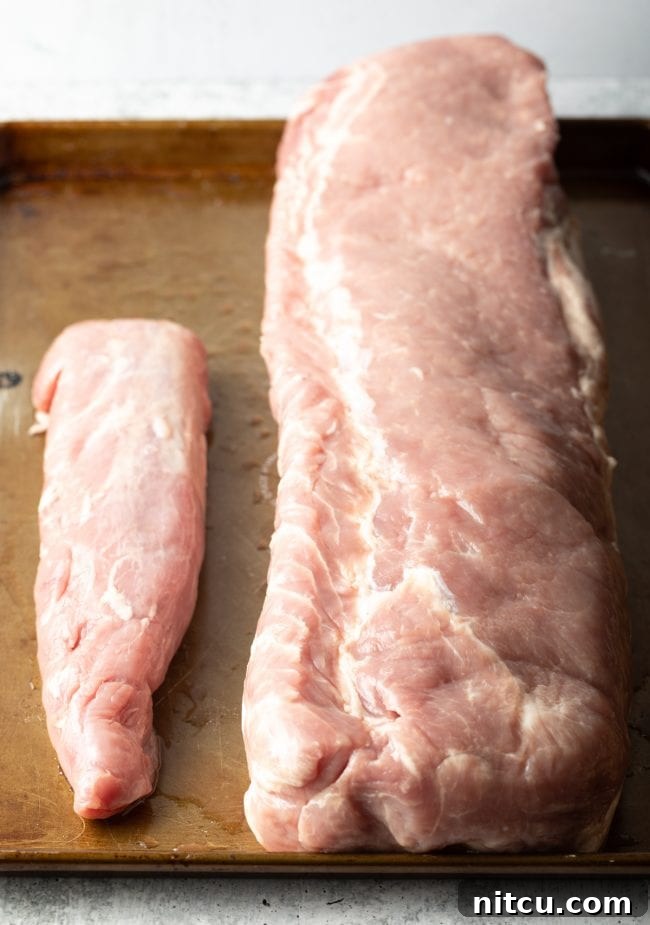
Choosing between a pork loin and a pork tenderloin is the first step towards a successful smoked dish. While both come from the back of the hog, they are quite different in size, texture, and ideal cooking methods. Understanding these distinctions will help you select the best cut for your meal and ensure optimal results when smoking.
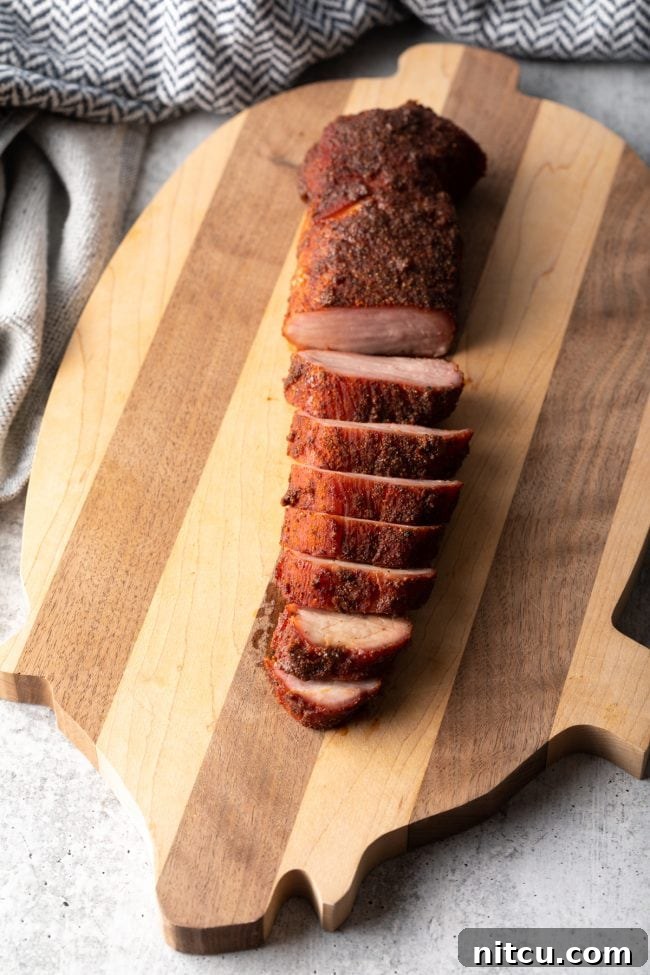
- Location and Anatomy: Both cuts originate from along the spine of the pig. The pork loin is a larger, leaner cut found along the pig’s back, often containing a bone (though commonly sold boneless) and sometimes a fat cap. The pork tenderloin, on the other hand, is a long, narrow, and exceptionally lean muscle located along the backbone, tucked inside the loin cavity. It’s often considered the most tender cut of pork due to its lack of heavy muscle use.
- Size and Yield: This is perhaps the most significant difference. A typical whole pork loin can weigh anywhere from 5 to 10 pounds, making it an excellent choice for feeding a larger family or a gathering. It’s a robust cut that can be sliced into roasts or thick chops. In contrast, a pork tenderloin is much smaller, usually weighing between 0.5 to 1.5 pounds per piece. Tenderloins are ideal for smaller meals or when you want individual servings. Due to its larger surface area, a pork loin will provide a milder flavor profile per bite from the rub compared to the concentrated flavor on a smaller tenderloin.
- Texture and Fat Content: Pork loin has a texture akin to beef sirloin, offering a good balance of lean meat with some intramuscular fat that contributes to moisture and flavor during cooking. It’s firm and can hold up well to various cooking methods. Pork tenderloin, conversely, is incredibly tender and fine-grained, often compared to beef fillet or tenderloin. Its leanness means it can dry out if overcooked, making low-and-slow smoking an ideal method to maintain its succulence.
- Cooking Time: Given their size differences, cooking times vary dramatically. A smaller pork tenderloin can be smoked to perfection in as little as 40-60 minutes. A larger pork loin, especially a whole one, will require considerably more time, typically 3 to 3.5 hours, sometimes even longer depending on its exact weight and thickness.
Ultimately, both cuts yield fantastic results when smoked properly. Your choice will largely depend on how many people you’re serving and your preference for a slightly more robust or exceptionally delicate texture.
Crafting the Perfect Smoked Pork Loin Rub
The magic of smoked pork truly begins with the rub. Our signature Smoked Pork Loin Rub is a delightful balance of sweet, savory, and a hint of spice, designed to create an irresistible crust while infusing the meat with deep flavor. This dry rub works equally well on both pork loin and pork tenderloin, enhancing their natural taste and texture.
To prepare this essential seasoning, you’ll need the following ingredients:
- Light Brown Sugar: The cornerstone of our rub, packed brown sugar melts beautifully under low heat, creating a sweet caramelized crust that locks in moisture and adds incredible depth.
- Salt: Essential for seasoning and drawing out moisture from the surface, helping to form that perfect bark.
- Paprika: Provides a beautiful reddish hue and a mild, earthy sweetness. For an extra layer of smoky flavor, we highly recommend using smoked paprika, though regular paprika is perfectly fine since the meat itself will be smoked.
- Garlic Powder: A fundamental savory component that complements pork wonderfully.
- Onion Powder: Adds another layer of aromatic savory flavor, balancing the sweetness and spice.
- Ground Black Pepper: Offers a classic, sharp counterpoint to the other spices.
- Chipotle Chili Powder: This is where the subtle warmth and smoky spice come from. Chipotle powder, made from smoked jalapeños, enhances the overall smoky profile of the dish without being overly hot.
Pro Tip: While regular paprika is sufficient, opting for smoked paprika adds an extra layer of complexity to the rub, even before the meat hits the smoker. This deepens the overall smoky notes of the finished product, making it even more delectable.
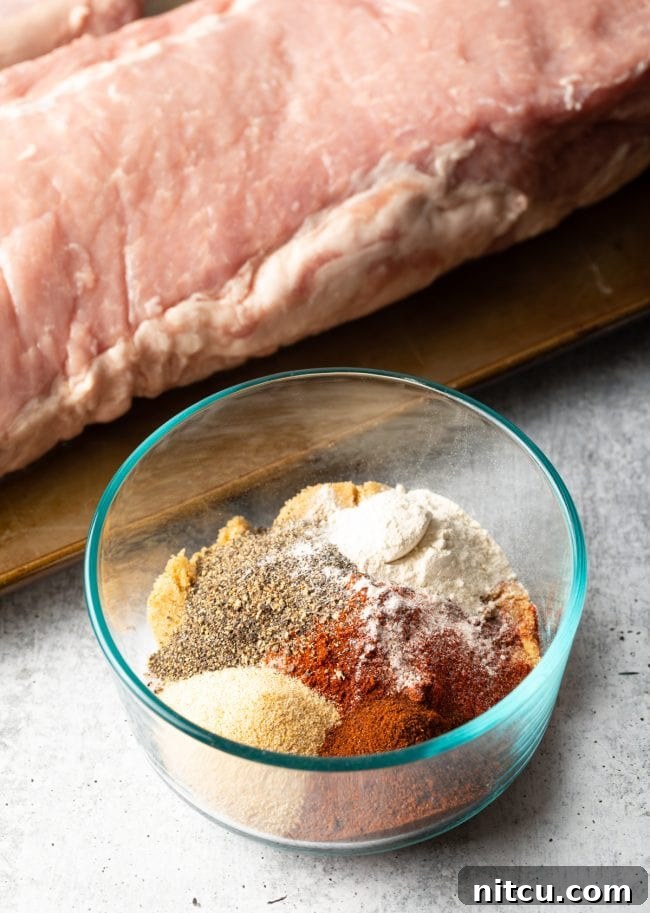
Mixing this rub is simple: combine all ingredients in a small bowl until well blended. It’s a versatile rub that you might find yourself reaching for with other cuts of pork or even chicken!
How to Smoke a Pork Loin (or Pork Tenderloin): Step-by-Step Guide
Achieving a perfectly smoked pork loin or tenderloin is all about patience and precision. Follow these steps for an incredibly tender and flavorful result:
1. Prepare Your Smoker
Preheat your pellet smoker (or chosen smoking apparatus) to a steady 225°F (107°C). The “low and slow” approach at this temperature is crucial for tender, juicy meat. Load your smoker with your preferred wood chips or wood pellets. The “best wood” for smoking pork is a matter of personal preference, but generally, fruitwoods like apple, cherry, or peach offer a sweet and mild smoke that beautifully complements pork. Hardwoods like hickory or oak provide a stronger, more traditional smoky flavor. For a balanced profile, a blend of Hickory and Applewood pellets, as often used, is an excellent choice, providing both sweetness and robust smoke.
2. Prepare the Pork
Carefully unwrap your pork loin or tenderloin. Inspect the meat for any excess fat. While some fat adds flavor and moisture, large pockets should be trimmed to promote even cooking and better rub adhesion. The next crucial step is removing the “silver skin.” This thin, silvery membrane is tough connective tissue that won’t break down during cooking and can make the finished product chewy. Use a sharp knife to gently slide it under the silver skin, lifting it, and then carefully slice it away from the meat. Often, butchers remove much of the fat and silver skin for you, but it’s always good to check.
3. Mix and Apply the Smoked Pork Loin Rub
In a small bowl, combine the light brown sugar, salt, paprika (smoked if desired), garlic powder, onion powder, ground black pepper, and chipotle chili powder. Mix thoroughly until all ingredients are evenly distributed. This amount of rub is typically sufficient for one large pork loin or several pork tenderloins. If you’re only smoking a single tenderloin, you will likely have extra rub, which can be stored in an airtight container for future use.
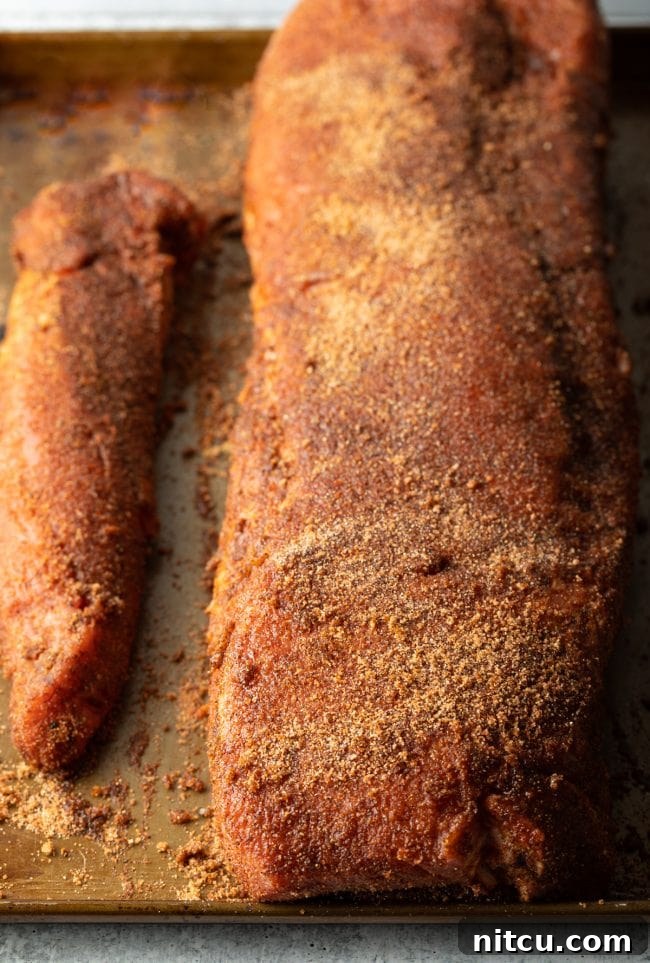
Once your rub is mixed, generously apply it to the entire surface of the pork. Use your hands to gently but firmly pack the dry rub onto the meat. Ensure full coverage, pressing the rub into all crevices to create that beautiful crust that locks in moisture and flavor.
4. Begin Smoking
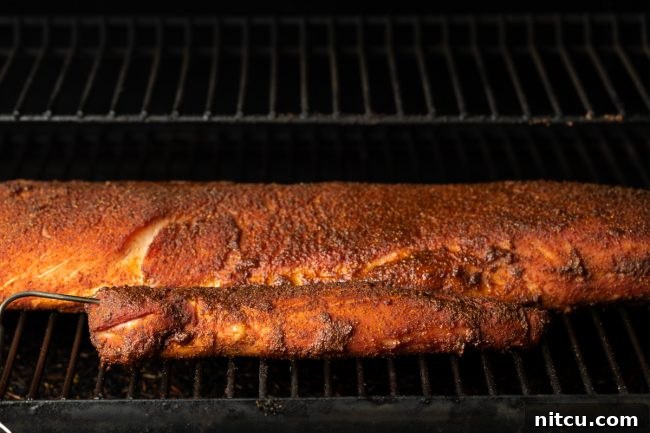
Place the seasoned pork loin or tenderloin directly onto the smoker grates. For accurate temperature monitoring, insert a meat thermometer probe into the thickest part of the meat, making sure it doesn’t touch any bone or fat. Set the thermometer’s alarm to trigger when the internal temperature reaches 145°F (63°C). This is the safe and recommended doneness temperature for pork, ensuring it remains incredibly juicy.
Cooking times will vary significantly based on the cut:
- For a pork tenderloin (0.5-1.5 lbs), expect it to take approximately 40-60 minutes.
- For a larger pork loin (3-6 lbs), the smoking process could take up to 3.5 hours or even a bit longer. Always cook to temperature, not just time.
5. Rest and Serve
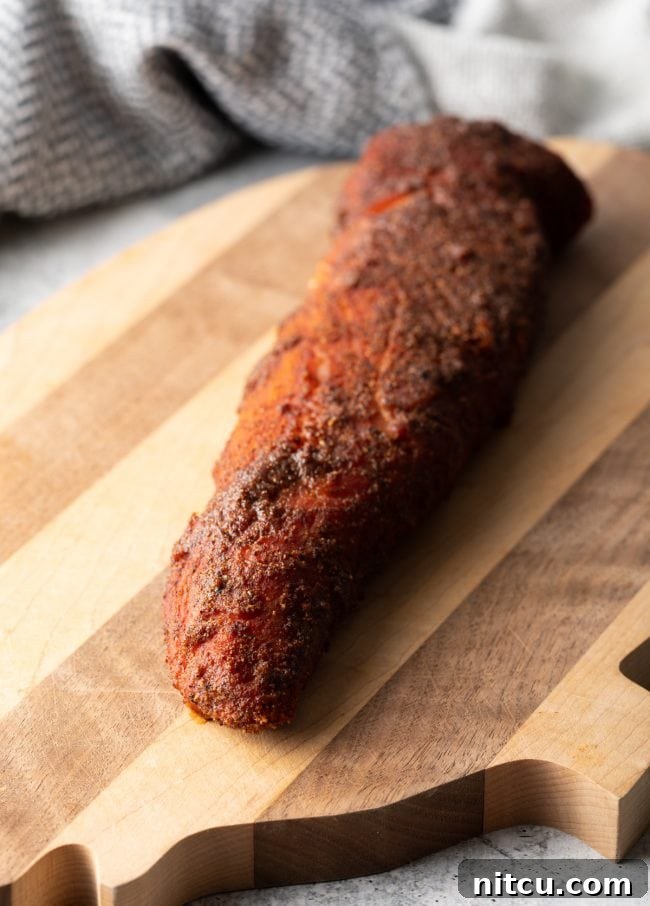
Once your pork reaches the internal temperature of 145°F (63°C), promptly remove it from the smoker. Transfer the cooked pork to a clean cutting board. Crucially, loosely cover it with aluminum foil and allow it to rest for at least 15 minutes. This resting period is vital: it allows the muscle fibers to relax and reabsorb the juices, ensuring your pork remains incredibly moist and tender. Skipping this step will result in juices flowing out when you slice, leaving you with drier meat.
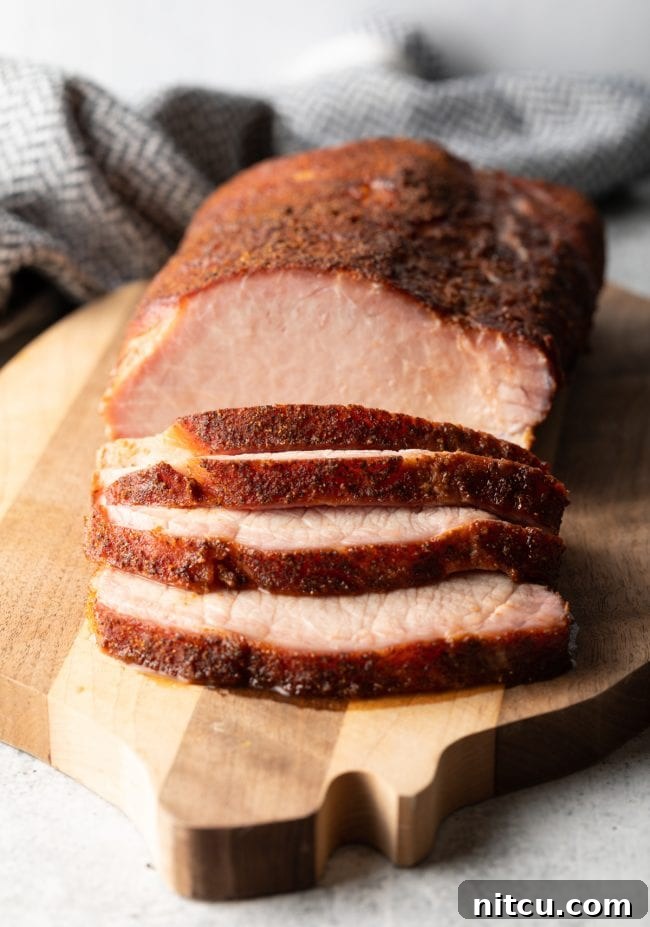
After resting, slice the pork into 1 to 1.5-inch thick pieces with a sharp knife against the grain for maximum tenderness. Serve warm and watch it disappear!
What to Serve with Smoked Pork
The versatility of smoked pork loin and tenderloin means it pairs wonderfully with a wide array of side dishes, suitable for any occasion. Whether you’re planning a casual family dinner or an elegant dinner party, these succulent slices of pork will be a highlight.
For lighter options, consider dicing leftover smoked pork and adding it to a fresh green salad for an instant protein boost. It’s also fantastic in sandwiches or wraps.
If you’re leaning towards comforting, homestyle sides, you can’t go wrong with classics like:
- Creamy Mashed Potatoes
- Rich and cheesy Scalloped Potatoes (Au Gratin)
- Sweet and savory Corn Pudding
- Classic coleslaw or a fresh green bean casserole
For a more refined meal or dinner party, elevate your plate with:
- Elegant Carrot Soufflé
- Beautifully piped Duchess Potatoes
- Flavorful Herb Oven-Roasted Potatoes and Carrots
- Asparagus with lemon butter or glazed Brussels sprouts
No matter your choice, the tender, smoky flavor of the pork will shine through, making any pairing a winner.
Essential Tips & Tricks for Perfect Smoked Pork
To guarantee the best results when smoking pork loin or tenderloin, keep these expert tips in mind:
- Embrace “Low and Slow” Cooking: The secret to truly moist and tender pork is cooking it slowly at a low temperature. Smoking at 225°F (107°C) allows the connective tissues to break down gently without drying out the meat, infusing it with maximum smoky flavor.
- Do Not Overcook! This is perhaps the most critical tip. Pork loin and tenderloin are lean cuts and will become dry and tough if cooked past their optimal internal temperature. Always target 145°F (63°C) for doneness. Trust your meat thermometer, not just the clock.
- Resting is Non-Negotiable: After removing the pork from the smoker, allow it to rest, loosely covered with foil, for at least 15 minutes. This crucial step permits the meat’s juices to redistribute throughout the muscle fibers. Slicing too soon will cause those delicious juices to escape, leaving you with less flavorful and drier pork.
- Proper Meat Preparation: Take the time to trim off any significant layers of exterior fat and, importantly, remove the silver skin. This membrane is tough and will not render during cooking, negatively impacting the texture of your smoked pork.
- Invest in a Good Meat Thermometer: A reliable digital meat thermometer (probe thermometer for continuous monitoring is ideal) is your best friend when smoking. It’s the only way to accurately track the internal temperature and ensure your pork is cooked to perfection without guessing.
- Experiment with Wood: Don’t be afraid to try different types of wood chips or pellets to find your preferred smoky profile. Apple and cherry offer sweeter notes, while hickory and oak provide a more robust flavor. A blend can also create a complex and inviting aroma.
- Patience is a Virtue: Smoking is a slow cooking method. Resist the urge to constantly open the smoker lid, as this releases heat and smoke, extending the cooking time and potentially affecting the final texture. “If you’re looking, it’s not cooking!”
Frequently Asked Questions About Smoked Pork Loin & Tenderloin
At a consistent smoker temperature of 225°F (107°C), a small pork tenderloin (0.5-1.5 pounds) typically takes 40-60 minutes. A larger pork loin (3-6 pounds) will require significantly more time, usually around 3 to 3.5 hours, but always cook until the internal temperature reaches 145°F (63°C), not just by the clock.
For optimum tenderness and juiciness, smoked pork loin or tenderloin should be cooked until its internal temperature reaches 145°F (63°C) in the thickest part. After reaching this temperature, remove it from the smoker and allow it to rest for at least 15 minutes before slicing.
No smoker? No problem! You can still enjoy delicious pork loin. Try alternative cooking methods like our Crock Pot Pork Loin with Vegetables recipe for a hands-off approach, or get a crispy exterior with our Air Fryer Pork Tenderloin recipe.
Allow the smoked pork to cool completely to room temperature. Then, transfer it to an airtight container and store it in the refrigerator for up to 3-4 days. It’s delicious reheated gently or served cold in salads and sandwiches.
Yes, smoked pork freezes beautifully! Once the cooked pork loin or tenderloin has cooled, wrap it tightly in aluminum foil, then place it into a freezer-safe zipper bag. Press out as much air as possible before sealing. Store in the freezer for up to 3 months for best quality. Thaw overnight in the refrigerator before reheating.
The “low and slow” smoking method (cooking at a lower temperature for a longer period) is ideal for pork because it allows the tough connective tissues within the meat to slowly break down and tenderize. This process also enables the fat to render gradually, keeping the meat moist, while the smoke has ample time to penetrate deeply, imparting a rich, complex flavor without drying out the pork.
Looking for More Delicious Pork Dishes? Be Sure to Also Try These Recipes:
- Pan Fried Korean Pork Chops
- Brown Sugar Baked Ham
- Best Slow Cooker Carnitas
- Slow Cooker Smoked Pulled Pork
Also, explore this amazing and Easy Smoked Meatloaf In the Oven from The Wooden Spoon Effect.
We hope this guide inspires you to fire up your smoker and create some truly unforgettable smoked pork. Remember to check the printable recipe card below for the precise measurements and further details on prep time, cook time, total time, and nutrition information. Happy smoking!
Print Recipe
5 stars (7 reviews)
Smoked Pork Loin Rub Recipe
Here we share easy instructions and tips to perfectly smoke a tender and juicy pork loin (or pork tenderloin) crusted with a sweet, slightly spicy rub.
Video
A video demonstration of this recipe is available!
Ingredients
- 3-6 pound whole boneless pork loin or use pork tenderloin instead!
- 1/3 cup light brown sugar packed
- 3 tablespoons salt
- 2 tablespoons paprika
- 1 ½ tablespoon garlic powder
- 1 tablespoon onion powder
- 1 tablespoon ground black pepper
- 1 tablespoon chipotle chili powder
Instructions
- Preheat your smoker to 225°F (107°C). Load it with your preferred wood chips or wood pellets. (There is not a “best“ wood for smoking pork in my opinion. It’s a personal preference. Hickory and Applewood pellets create a balanced, flavorful smoke.)
- Remove any excess fat from the pork loin or pork tenderloin. Then remove the thin silver skin off the underside if necessary. (Often both the fat and silver skin are removed for you at the butcher counter.)
- In a small bowl, mix the brown sugar, salt, paprika, garlic powder, onion powder, black pepper, and chipotle pepper together. This mixture is enough for a large pork loin or several pork tenderloins. If smoking just one pork tenderloin, you will have extra seasoning to save and use at a later date.
- Use your hands to pack the rub evenly onto the entire surface of the pork, ensuring good coverage for a flavorful crust.
- Set the pork loin (or tenderloin) on the smoker grates. Insert a meat thermometer probe into the thickest part of the loin, avoiding bone or fat. Set the alarm to go off when the center-most interior temperature reaches 145°F (63°C). For a pork tenderloin, this can take as little as 40-60 minutes. Yet for a large pork loin, it may take up to 3 1/2 hours.
- Once the interior temperature reaches 145°F (63°C), remove the pork from the smoker. Loosely cover with foil and allow the pork to rest for at least 15 minutes. This crucial step allows the juices to redistribute, ensuring a moist and tender result. Slice against the grain and enjoy warm.
Notes
I like to use smoked paprika for an extra layer of flavor, but since we’re smoking the meat, it’s not strictly necessary. Any good quality paprika will work well.
Nutrition
Calories: 369kcal,
Carbohydrates: 17g,
Protein: 52g,
Fat: 10g,
Saturated Fat: 3g,
Polyunsaturated Fat: 1g,
Monounsaturated Fat: 4g,
Cholesterol: 143mg,
Sodium: 3628mg,
Potassium: 993mg,
Fiber: 2g,
Sugar: 12g,
Vitamin A: 1550IU,
Vitamin C: 1mg,
Calcium: 44mg,
Iron: 2mg