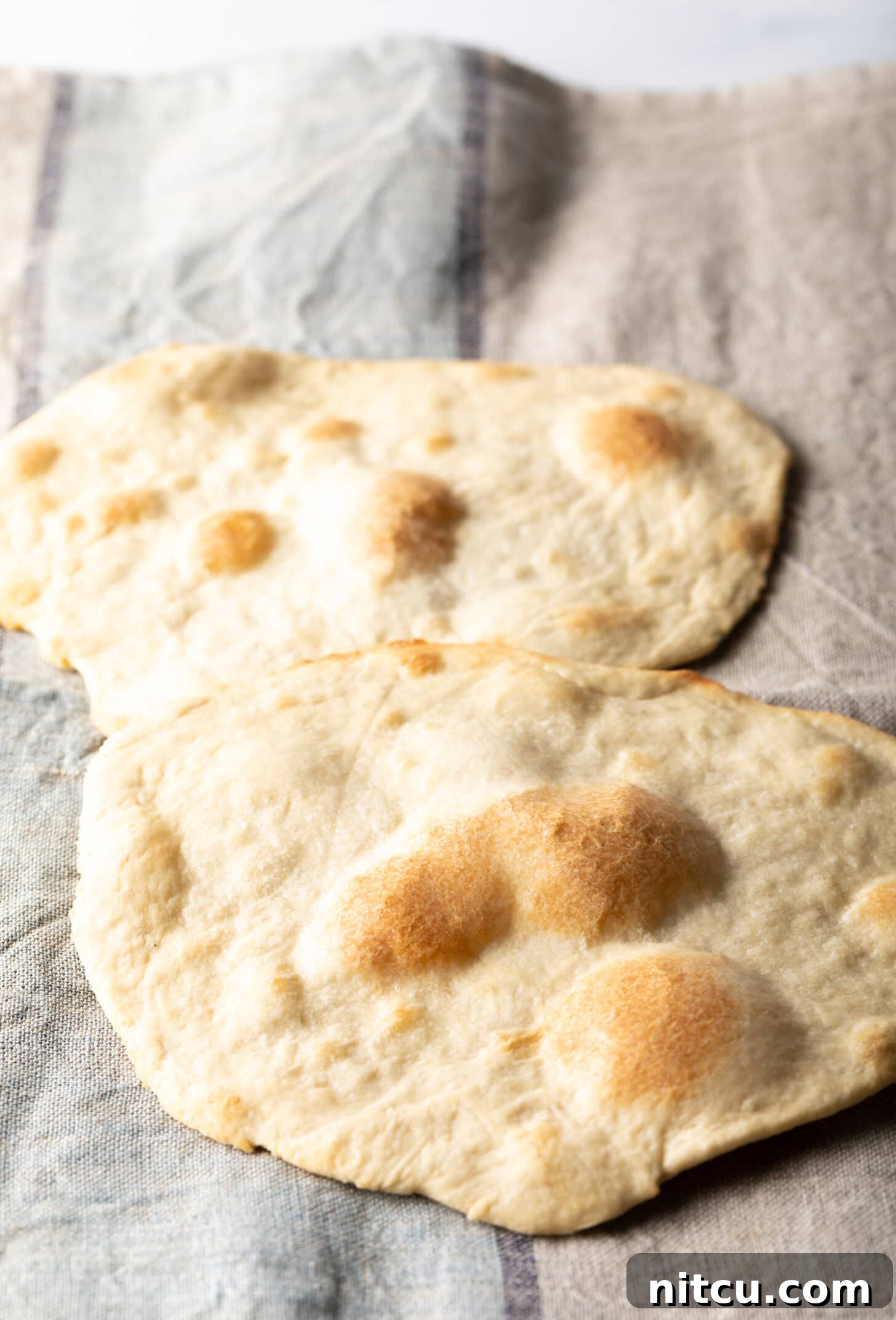
Unlock the ancient art of bread-making with this incredibly simple Unleavened Bread recipe. Crafted in just 20 minutes using only 4 basic ingredients, this yeast-free flatbread bakes up delightfully crisp, full of flavor, and is perfect for sacred communion, a versatile base for meals, or delicious snack crackers.
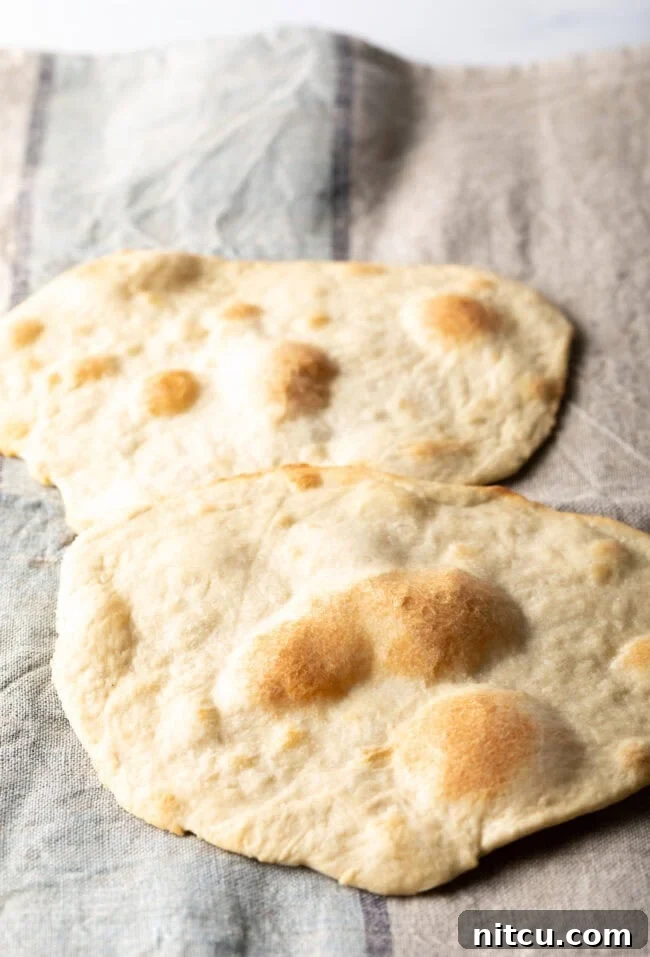
What is Unleavened Bread? The Timeless Flatbread Explored
Unleavened bread stands as a testament to simplicity and tradition in the culinary world. At its core, it refers to any bread prepared without a leavening agent – those ingredients, most notably yeast, that cause dough to rise. This ancient form of bread has been a staple across countless cultures and throughout history, celebrated for its ease of preparation and distinct texture. From the Middle East to India and beyond, various flatbreads like naan, roti, chapati, tortillas, and pita are all technically forms of unleavened bread when made without leavening agents.
But why should you choose to make unleavened bread today? Beyond its historical and religious significance, which we’ll delve into shortly, making unleavened bread offers a uniquely satisfying experience. It’s incredibly quick to prepare, requiring no waiting time for yeast to activate or dough to proof. This makes it an ideal option for last-minute meal additions, impromptu snack sessions, or fulfilling spiritual observances.
Furthermore, unleavened bread often boasts a cleaner ingredient list, appealing to those seeking simpler, wholesome foods. Its versatility is unmatched: bake it until it’s soft for a pliable wrap, or crisp it up for a crunchy cracker. With just a handful of pantry staples, you can create a delicious and adaptable bread that serves many purposes, from the profound to the purely pragmatic.

Sommer’s Insights: Beyond the Basics of Unleavened Bread
Communion Bread and Its Culinary Adaptations
Unleavened bread holds a deeply revered place in many spiritual traditions, most notably in Christian communion, the Jewish Passover, and the Feast of Unleavened Bread. For centuries, its preparation has symbolized purity, humility, and remembrance. This particular unleavened bread recipe is perfectly suited for these sacred practices, allowing you to create meaningful communion wafers or bread for religious festivals right in your own kitchen.
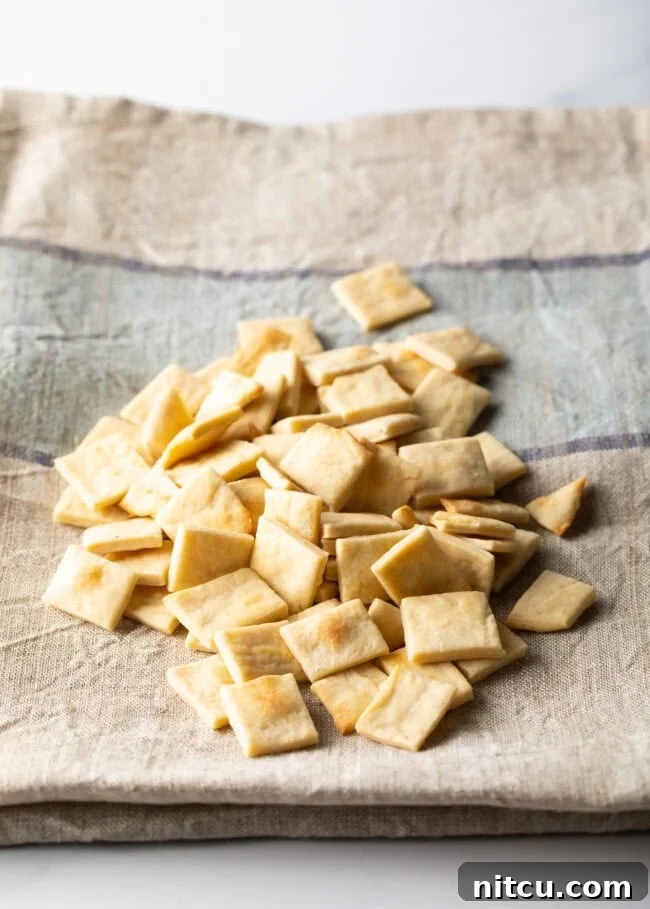
However, the utility of this simple flatbread extends far beyond its ceremonial uses. You can easily adapt this recipe to fit a multitude of everyday culinary needs. Cut into small, precise pieces, it makes ideal homemade communion crackers or delicate wafers for sharing during religious celebrations. But don’t stop there!
Consider using larger pieces as a fantastic base for quick flatbread pizzas, creating a crisp and flavorful crust that holds up beautifully to your favorite toppings. Alternatively, these flatbreads can be transformed into soft, pliable wraps for various fillings, from savory meats and fresh vegetables to creamy hummus. For entertaining, bake the unleavened bread a few minutes longer, and you’ll achieve irresistibly crisp crackers, perfect for elevating any charcuterie board or serving alongside a vibrant array of dips and spreads.
In this guide, I’ll walk you through preparing both whole pieces and smaller, bite-sized communion crackers. The fundamental baking process remains the same, ensuring consistent results. To achieve that extra-crispy, cracker-like texture, simply extend the baking time by 2-4 additional minutes, watching closely for a deeper golden hue and satisfying crunch.
The Essential 4 Ingredients for Perfect Unleavened Bread
The beauty of this unleavened bread recipe lies in its minimalist approach, requiring only four basic ingredients that are likely already in your pantry. Each plays a crucial role in developing the bread’s flavor, texture, and overall appeal.
- Flour: All-purpose flour is your best friend here. It creates a light, crisp texture that is ideal for this type of flatbread. While other flours can be experimented with (see variations below), all-purpose provides the most consistent and desired outcome. The gluten in the flour is essential for the dough’s structure and elasticity.
- Milk: Slightly warm milk is key to gently activating the gluten in the flour without the need for yeast. It contributes to a tender interior and a richer flavor profile compared to water. Ensure the milk is warm, not hot, to avoid inadvertently cooking the flour. For a dairy-free option, warm water works perfectly well as a substitute.
- Olive Oil: A good quality extra virgin olive oil (EVOO) is highly recommended. Since this recipe uses so few ingredients, the flavor of the olive oil truly shines through. It adds richness, helps tenderize the dough, and contributes to the overall deliciousness of the bread. Don’t underestimate the impact of choosing a flavorful oil!
- Salt: Essential for seasoning the dough, salt brings out the inherent flavors of the other ingredients and provides balance. It also plays a minor role in strengthening the gluten structure. Use fine sea salt or kosher salt for even distribution throughout the dough.
Step-by-Step: Crafting Your Easy Unleavened Bread (Communion Bread)
For precise ingredient proportions, a comprehensive video tutorial, and detailed instructions, refer to the printable recipe card conveniently located at the conclusion of this article.
Making unleavened bread is a straightforward and rewarding process, perfect for bakers of all skill levels. Follow these steps to create your perfect batch:
Preparation is Key: Setting Up Your Workspace
- Preheat Your Oven and Prepare Baking Sheets: Begin by preheating your oven to a high temperature of 475°F (245°C). While the oven heats, line one or more baking sheets with parchment paper. This prevents sticking and ensures easy removal of your freshly baked bread.
Mixing and Kneading the Dough
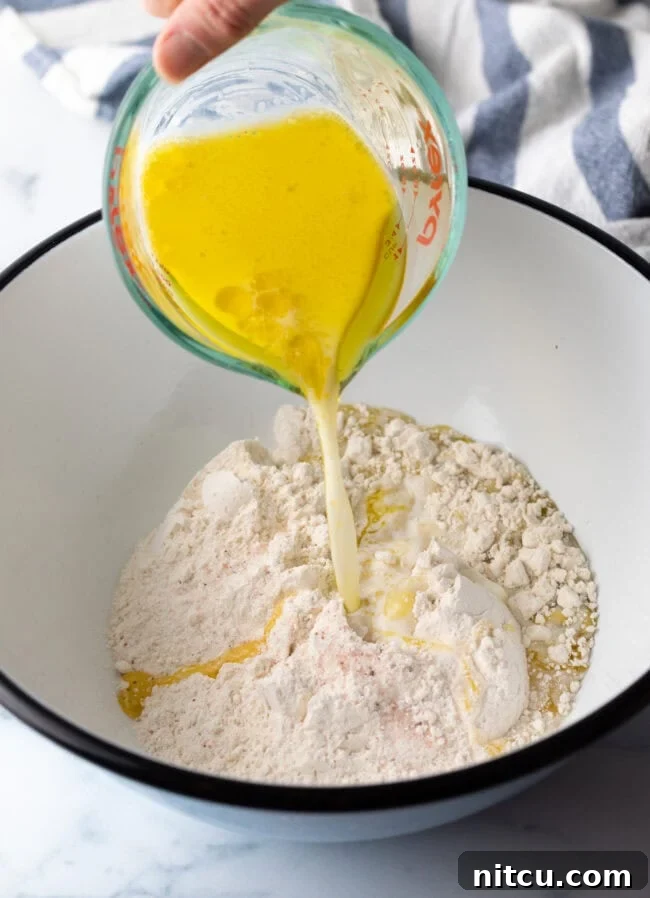
- Combine Dry and Wet Ingredients: In a large mixing bowl, combine the all-purpose flour and salt. Create a well in the center, then pour in the warm milk (or water) and olive oil. Using your hands, mix the ingredients thoroughly. Continue mixing until the dough comes together, forming a cohesive and firm ball.
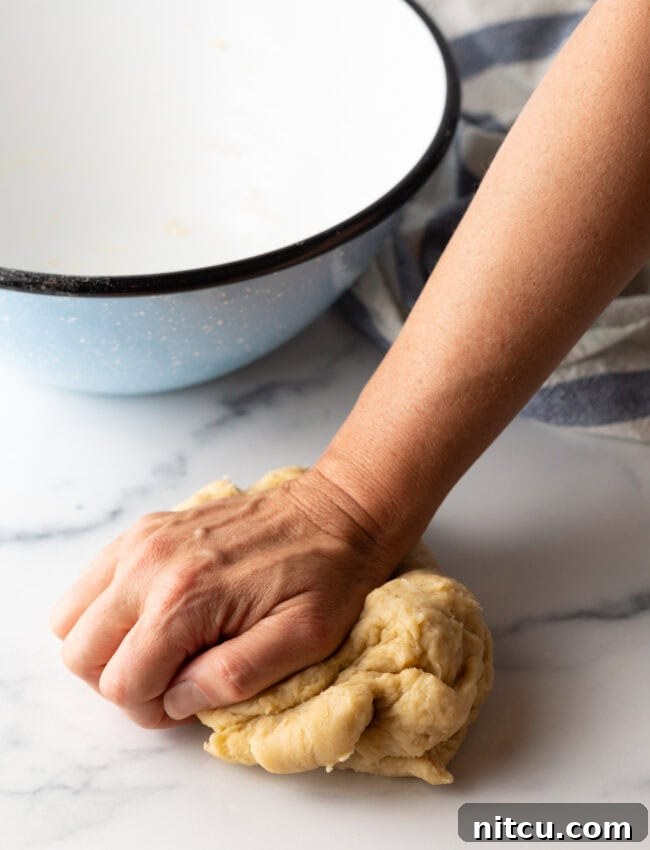
- Knead Until Smooth: Turn the dough out onto a clean, lightly floured surface. Knead the dough for several minutes. The goal here is to develop the gluten, which will make the dough smooth, elastic, and easy to roll. Continue kneading until the dough ball is completely smooth to the touch. This step is crucial for achieving a tender yet firm texture in your finished bread.
Shaping and Baking Your Flatbread
- Divide and Roll the Dough: This recipe yields enough dough for approximately 4 tortilla-sized pieces, 2 larger flatbreads, or 1 extra-large pizza-sized base. Divide the dough into your desired number of portions. Using a rolling pin, roll each piece of dough out into an extremely thin round. The thinner you roll it, the crisper your final product will be. Aim for a thickness similar to a thin tortilla or a sturdy cracker. Ensure you can still carefully transfer the thin dough to the parchment-lined baking sheet without it tearing.
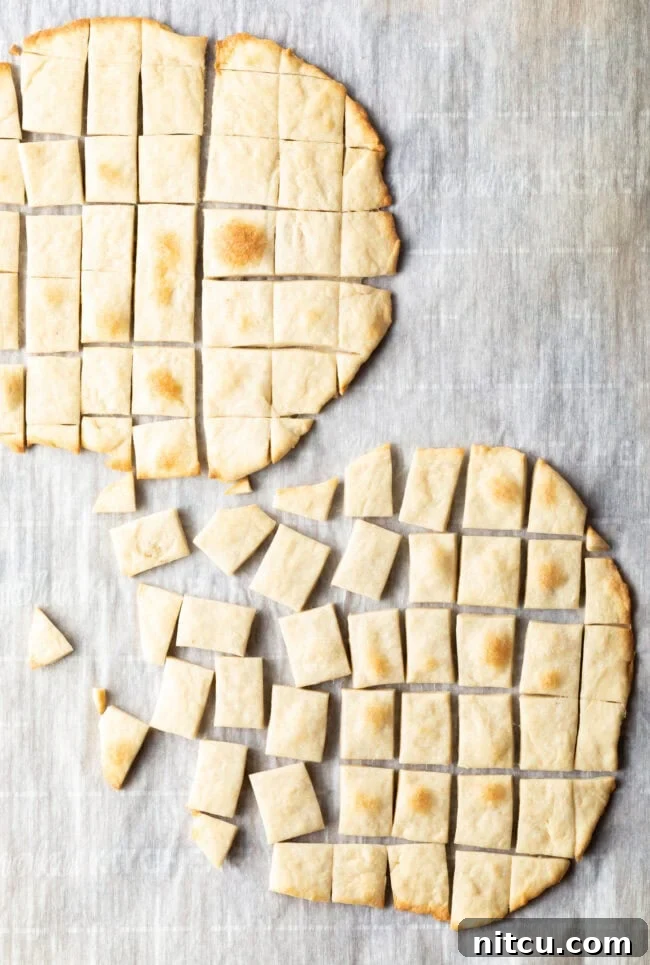
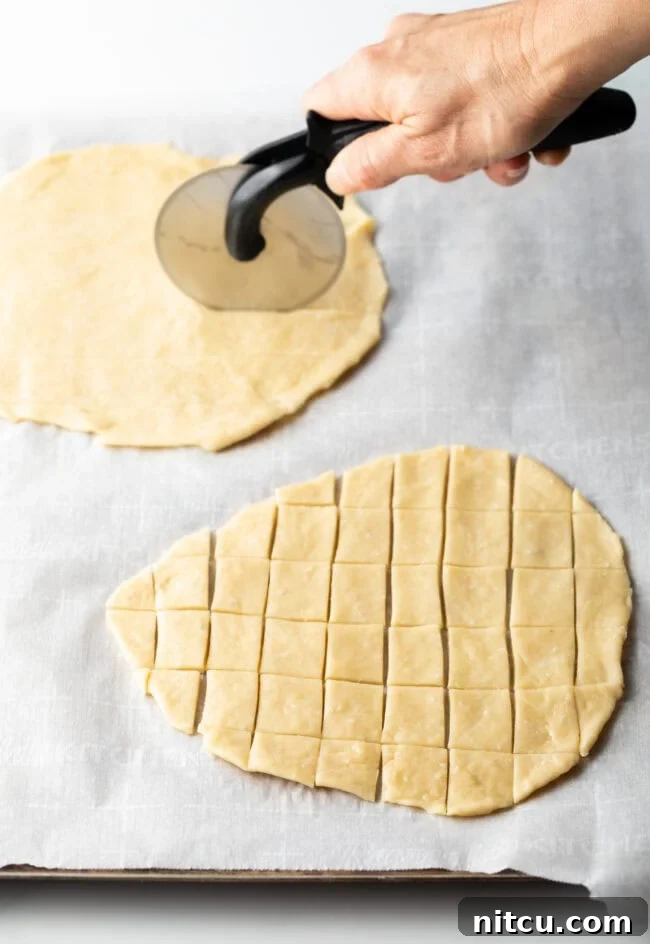
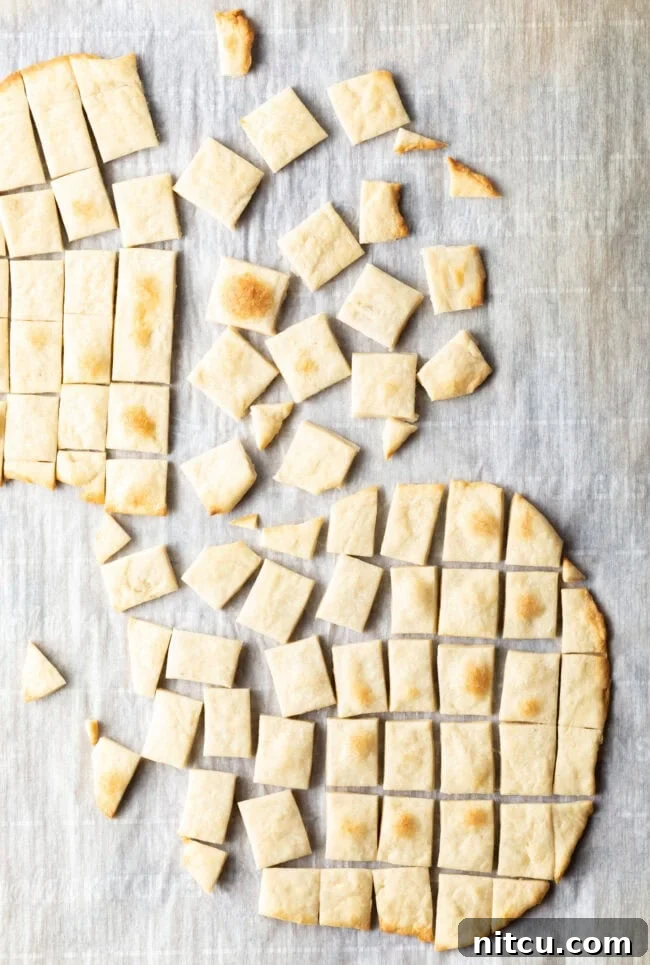
- Cut for Communion Bread (Optional): If you are specifically preparing communion bread, after rolling the dough into thin circles, use a pizza cutter or a sharp knife to carefully cut the circles into small, roughly half-inch squares. This creates uniform pieces ideal for sharing. (Refer to the images for a visual guide on this step.)
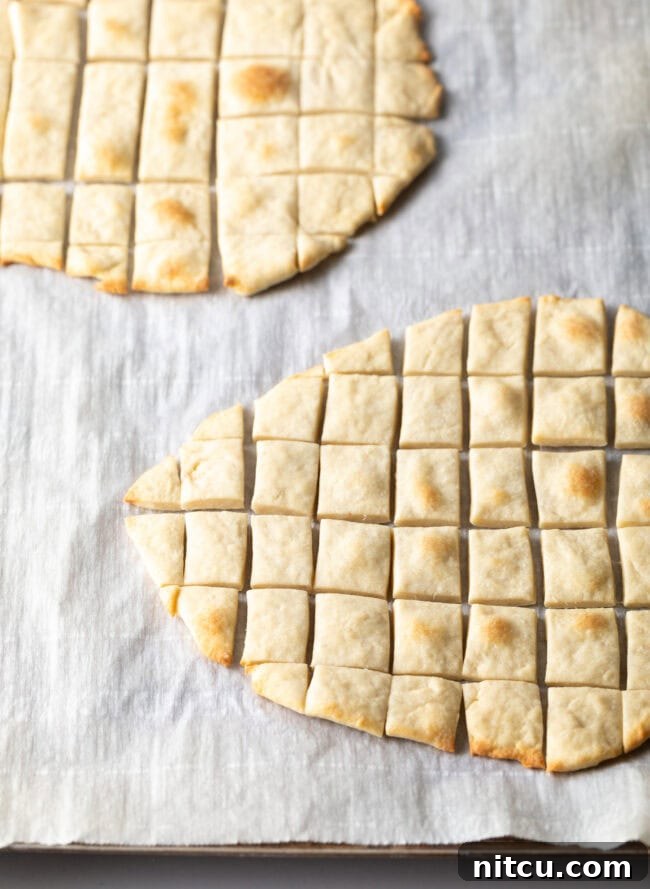
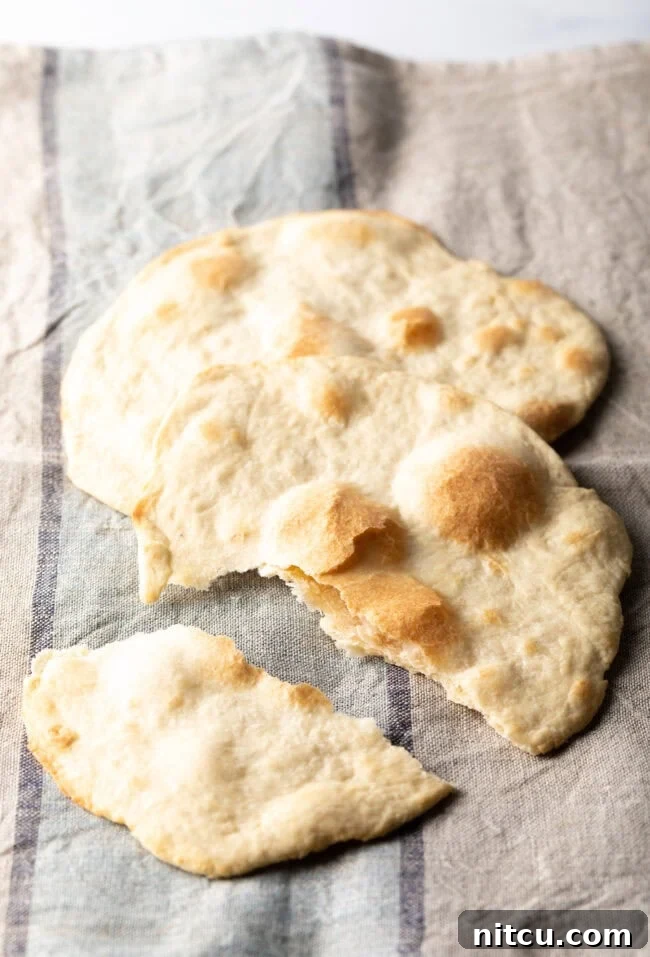
- Bake to Perfection: Transfer your rolled and cut dough pieces to the prepared baking sheet. Bake in the preheated oven for 8 to 10 minutes. The bread should turn a light golden brown and may develop slight bubbles on top. For a softer flatbread, remove it at the 8-minute mark. If you’re aiming for crisp snack crackers, extend the baking time to 10 to 12 minutes, allowing them to become golden and noticeably crisp.
Exciting Recipe Variations to Explore
While the classic unleavened bread is a delight in its simplicity, don’t hesitate to experiment with these variations to customize it to your dietary needs or flavor preferences:
- Gluten-Free Alternative: For those avoiding gluten, a 1:1 gluten-free all-purpose flour blend can be used as a direct replacement. Be mindful that gluten-free doughs can sometimes be a bit stickier or less elastic, so you might need to adjust the liquid slightly or use extra flour for dusting when rolling.
- Dairy-Free and Vegan Options: This recipe is easily adaptable for dairy-free and vegan diets. Simply swap the cow’s milk for an equal amount of warm plant-based milk (such as almond milk or oat milk) or, even simpler, use warm water. The resulting bread will still be delicious and hold its shape perfectly.
- Alternative Oils: While olive oil provides a distinctive, rich flavor, you can certainly substitute it with other oils or fats. Melted butter will lend a slightly sweeter, more traditional bread flavor. Vegetable oil or avocado oil are also neutral choices that will work well, though they may alter the bread’s subtle undertones and texture slightly.
- Spice it Up: Enhance the flavor profile by incorporating various spices and herbs directly into the dough or sprinkled on top before baking. A pinch of cayenne pepper can add a subtle warmth, while garlic powder offers an aromatic kick. Dried herbs like oregano, basil, or rosemary can transform your flatbread into a savory Italian-style accompaniment. Even a sprinkle of everything bagel seasoning before baking makes for a fantastic savory cracker.
Creative Ways to Serve Your Homemade Unleavened Bread
The true magic of this unleavened flatbread recipe lies in its incredible versatility. Depending on how long you bake it, you can create anything from tender pita-like bread to crispy crackers, each perfect for a different culinary adventure.
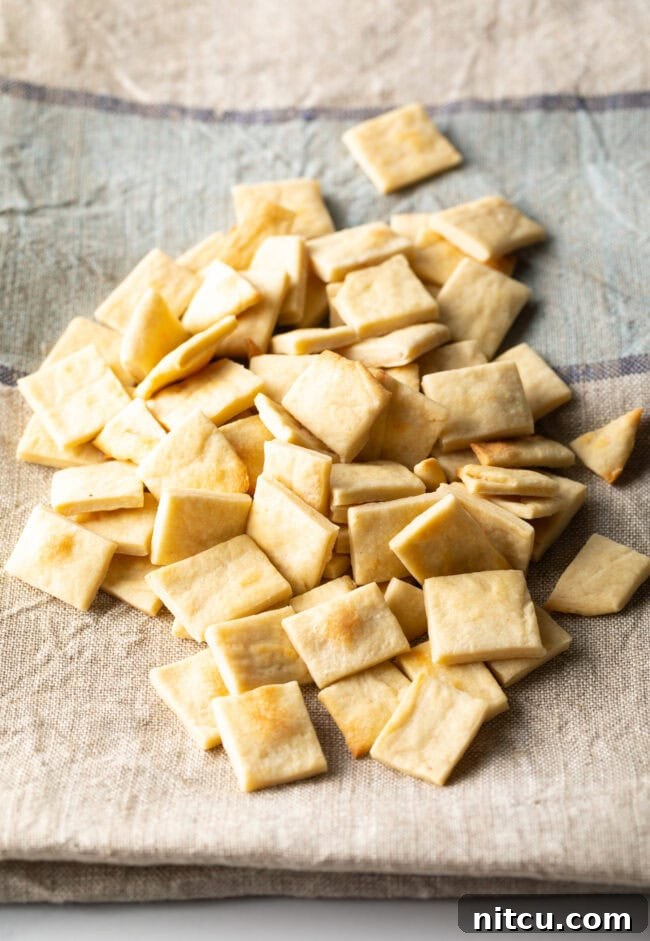
Remember, the texture of your unleavened bread is directly controlled by its baking time. For a softer, more pliable bread, akin to pita or naan, aim for the shorter end of the baking spectrum (around 8 minutes). For super crisp, irresistible crackers, extend the baking time up to 12 minutes, or even a minute or two longer until they are golden brown and firm.
For Crisp Crackers:
Once baked to a delightful crispness, these crackers are a natural fit for any elegant spread. They shine on a charcuterie board, providing a sturdy and flavorful vessel for artisan cheeses, cured meats, and fresh fruits. Pair them with zesty Giardiniera Pickled Vegetables or a rich Homemade Cheese Spread. Their robust nature also makes them ideal for scooping up a variety of dips:
- Creamy Avocado Hummus
- Decadent Clam Dip
- Flavorful Florida-Style Smoked Fish Dip
- Luxurious Smoked Salmon Dip
- Tangy Smoked Cheese Dip
- Spicy Buffalo Chicken Dip
- Fresh and herbaceous Dill Dip
For Softer Flatbread:
When baked for a shorter duration, the bread retains a softer, more pliable texture, making it perfect for wraps, dipping, and serving with saucy dishes. Imagine enjoying it:
- As a traditional pita bread alongside a fresh Mediterranean Fattoush Salad, succulent Beef Kafta Kebab, or zesty Greek Chicken.
- As a rustic, naan-like flatbread, perfect for soaking up the rich gravies of Indian and Middle Eastern curries such as savory Lamb Tikka Masala, creamy Paneer Tikka Masala, classic Butter Chicken, or fiery Chicken Madras Curry.
- As a versatile base for hearty wraps like Lamb Gyros, a flavorful Chicken Wrap, or a light and healthy Veggie Hummus Wrap.
- Don’t forget its potential as a simple, homemade pizza crust for a quick weeknight meal!
Frequently Asked Questions About Unleavened Bread
The texture of unleavened bread can vary depending on its baking time. If you bake it until it is just cooked through – typically around 8 minutes in a hot oven – it will indeed be on the softer side. While it won’t be as pillowy as a traditional naan bread, it will be much more pliable and tender than a crunchy cracker, perfect for wraps or dipping.
Historically, unleavened bread was often considered a healthier and safer alternative to yeast-leavened breads, particularly due to the absence of the fermentation process. In modern times, while the health benefits of fermented foods are well-recognized, this simple unleavened bread, made from only flour, warm milk (or water), olive oil, and salt, remains a very clean and wholesome bread option. It contains no artificial additives, preservatives, or unnecessary ingredients, making it a great choice for those seeking minimally processed foods. Its nutritional profile will, of course, depend on the specific ingredients chosen.
To ensure your unleavened bread stays fresh, allow it to cool completely after baking. Once cooled, transfer it to an airtight container. At room temperature, it will remain fresh for up to 2 days. For extended freshness, store it in the refrigerator, where it will last for up to 4 days. Always check for any signs of spoilage before consuming.
Absolutely! Unleavened bread freezes exceptionally well, making it perfect for meal prepping or having on hand for spontaneous needs. Once the bread has cooled completely, stack the pieces with parchment paper in between to prevent them from sticking together. Place the stack into an airtight plastic freezer bag, squeezing out as much air as possible before sealing. It can be stored in the freezer for up to 4 months. To thaw, simply transfer it to the refrigerator overnight or leave it on the countertop for an hour or two until it reaches room temperature. You can then gently reheat it in a dry pan or a toaster oven for a few minutes if desired.
Craving More Easy Bread Recipes? Explore These Favorites!
If you’ve enjoyed the simplicity and satisfaction of making this unleavened bread, you’ll love exploring other delightful and straightforward bread recipes. Expand your baking repertoire with these fantastic options:
- Challah Bread with Apples: A beautiful and festive braided bread.
- Sweet Irish Soda Bread: Quick, hearty, and full of traditional flavor.
- Quick Garlic Knots: Savory, buttery, and ready in no time.
- Hawaiian Bread Recipe: Sweet, soft, and tropical.
- Cheesy Garlic Pull Apart Bread: An ultimate crowd-pleaser.
- Crazy Bread Recipe (Homemade Breadsticks): Simple, addictive, and perfect for dipping.
- Ice Cream Bread Recipe (3-Ingredient!): An unbelievably easy and fun recipe.
- Copycat Homemade Schlotzsky’s Sourdough Bread: Achieve that distinct sourdough flavor at home.
- Corn Pone (Hot Water Cornbread Recipe): A rustic, Southern classic.
- Low Carb Tortillas (Keto!): A healthy and versatile alternative.
- Classic Garlic Bread: The perfect side for any Italian meal.
- Best Yeast Rolls: Fluffy, soft, and utterly delicious.
- Croatian Lepinja Bread Recipe: A delightful Balkan flatbread, perfect for grilling.
Print Recipe
Leave a Review »
Easy Unleavened Bread (Communion Bread Recipe) + Video
10 minutes
10 minutes
20 minutes
4
pieces
Video
Ingredients
Metric
-
2
cups
all-purpose flour
-
½
cup
warm milk
or warm water -
¼
cup
olive oil
-
1
teaspoon
salt
Instructions
-
Preheat the oven to 475°F (245°C). Then set out a baking sheet lined with parchment paper.
-
Set out a large mixing bowl. Combine the flour, warm milk, olive oil, and salt. Mix by hand until the dough comes together into a firm ball. Then knead the dough for several minutes until it is completely smooth and elastic.
-
Separate the dough into as many pieces as desired. (This recipe will make 4 tortilla-sized pieces, 2 larger pieces, or 1 extra large pizza-sized piece.) Use a rolling pin to roll out the dough pieces into extremely thin rounds. You still need to be able to move the dough onto the parchment paper without tearing, but the thinner, the better for a crisp result.
-
If making communion bread pieces, use a pizza cutter or a sharp knife to cut the rolled circles into small half-inch squares. (see images for guidance)
-
Bake for 8 to 10 minutes until the bread is golden brown and slightly bubbly on top. For a softer flatbread, remove promptly. If you’re making crisp snack crackers, bake for 10 to 12 minutes until extra crisp and golden.
Notes
Feel free to season your unleavened bread any way you like! Consider adding a little cayenne pepper for heat, garlic powder for aromatics, or dried herbs like oregano or rosemary over the top before baking for added flavor.
Allow the bread to cool completely before transferring it to an airtight container. It will keep at room temperature for up to 2 days, or in the refrigerator for up to 4 days.
To freeze: Once the bread has cooled, stack individual pieces with parchment paper in between. Transfer to an airtight plastic zipper bag, pressing out as much air as possible before sealing. Store in the freezer for up to 4 months. Thaw in the fridge overnight or on the countertop for about an hour before serving or reheating.
Nutrition
Serving:
1
pc
,
Calories:
365
kcal
,
Carbohydrates:
49
g
,
Protein:
7
g
,
Fat:
15
g
,
Saturated Fat:
3
g
,
Polyunsaturated Fat:
2
g
,
Monounsaturated Fat:
10
g
,
Cholesterol:
4
mg
,
Sodium:
594
mg
,
Potassium:
113
mg
,
Fiber:
2
g
,
Sugar:
2
g
,
Vitamin A:
49
IU
,
Calcium:
47
mg
,
Iron:
3
mg
Bread, Holiday
American, Mediterranean, Middle Eastern
Sommer Collier
Cook It? Love It? Rate It!
YOU can help this recipe RANK on Google – TAP 5 STARS so other hungry people can find it. Thank you!