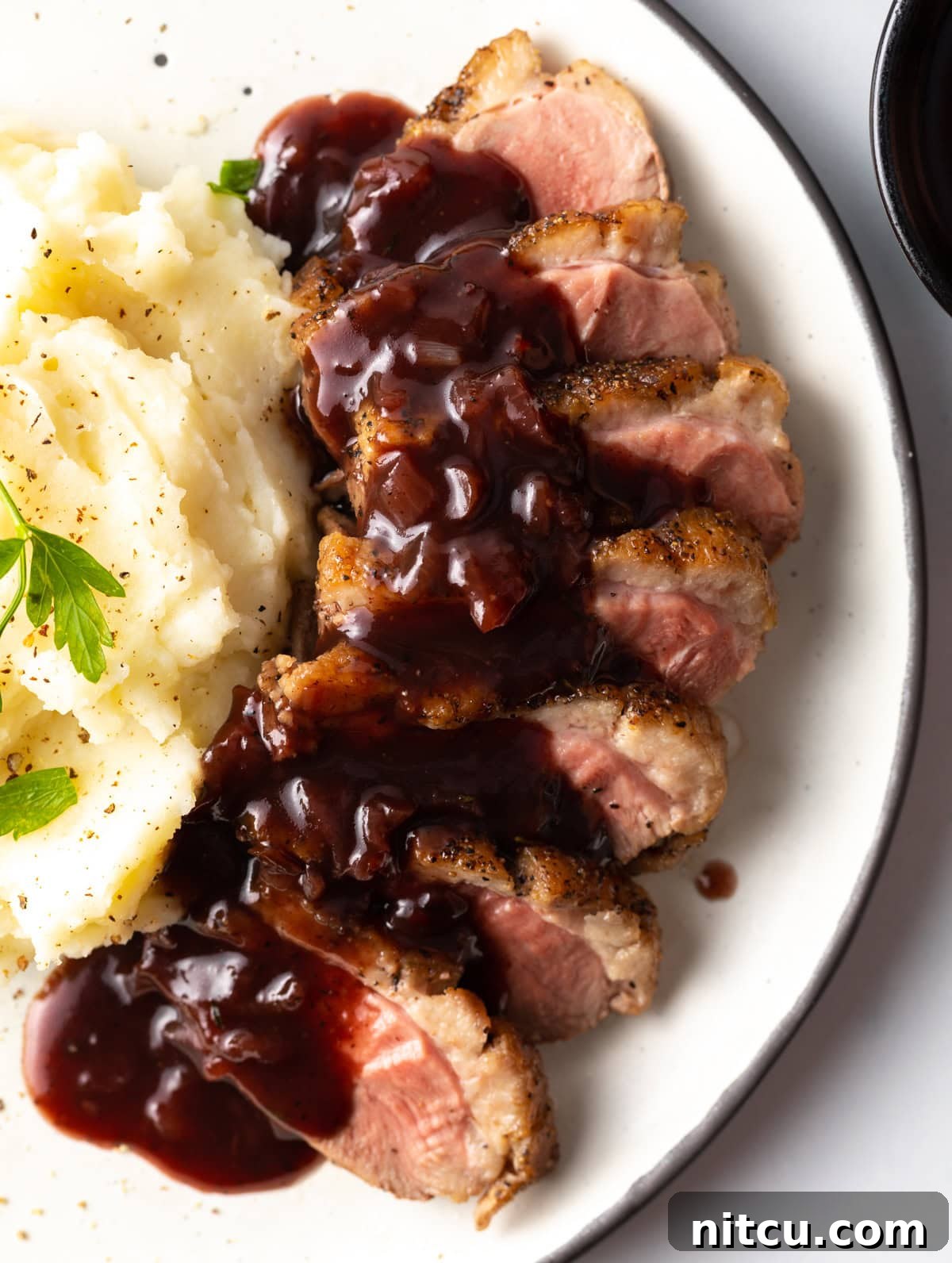
Mastering Pan-Seared Duck Breast: Your Ultimate Culinary Guide – This comprehensive guide and Duck Breast Recipe will transform you into a searing virtuoso. Prepare to create an exquisite dish that will not only impress your dinner guests but might just surprise yourself with its simplicity and elegance.
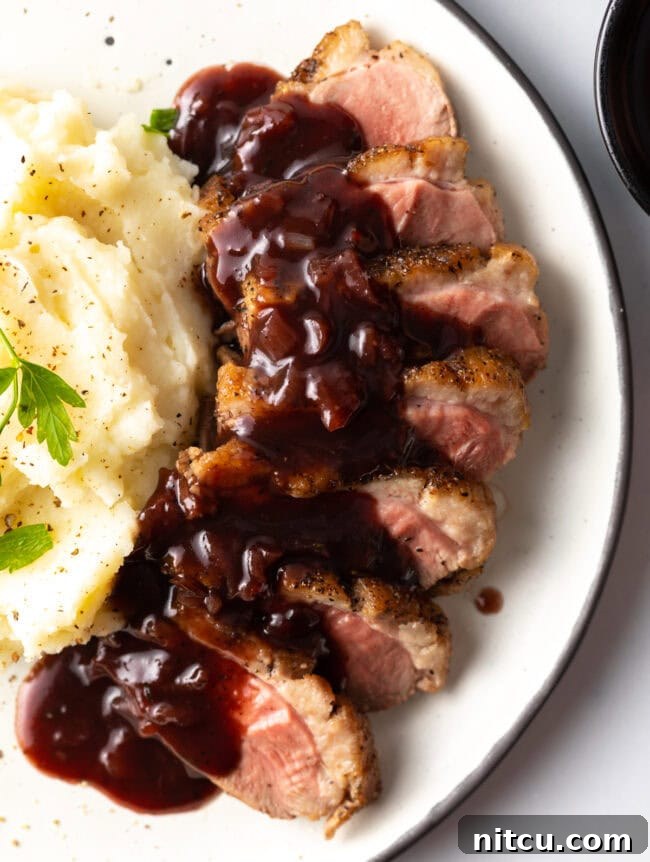
Pan-Seared Duck Breast: A Gastronomic Delight
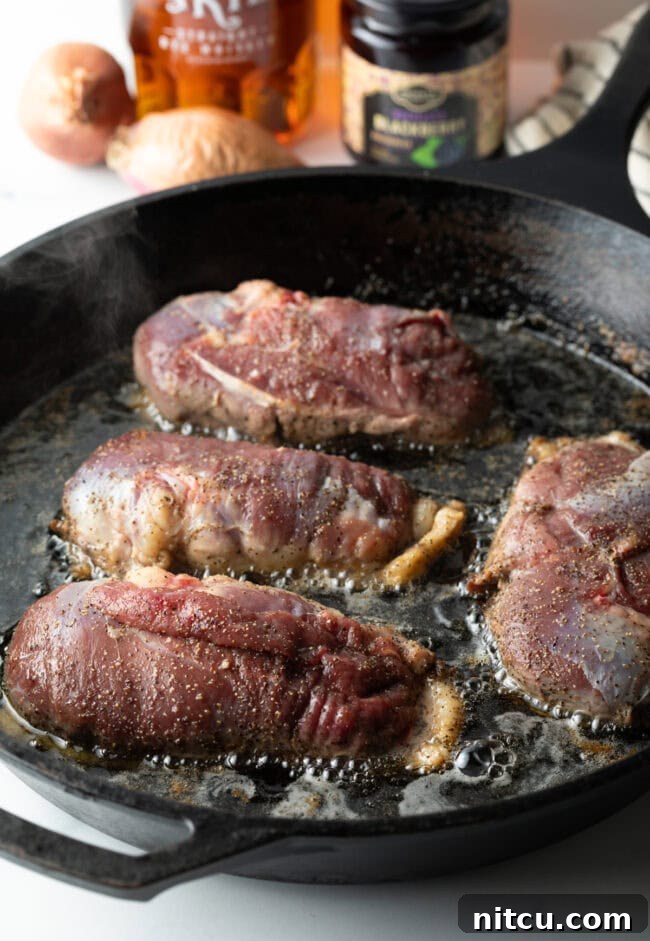
Have you ever truly observed a raw duck breast? It’s a remarkably unique cut of meat, offering a culinary journey unlike any other. Envision a rich, dark piece of poultry, generously cloaked with a thick layer of pristine white fat – often more substantial than the meat itself. This abundance of fat is not merely an aesthetic feature; it’s the secret to achieving the exquisite texture and depth of flavor that makes pan-seared duck breast so revered.
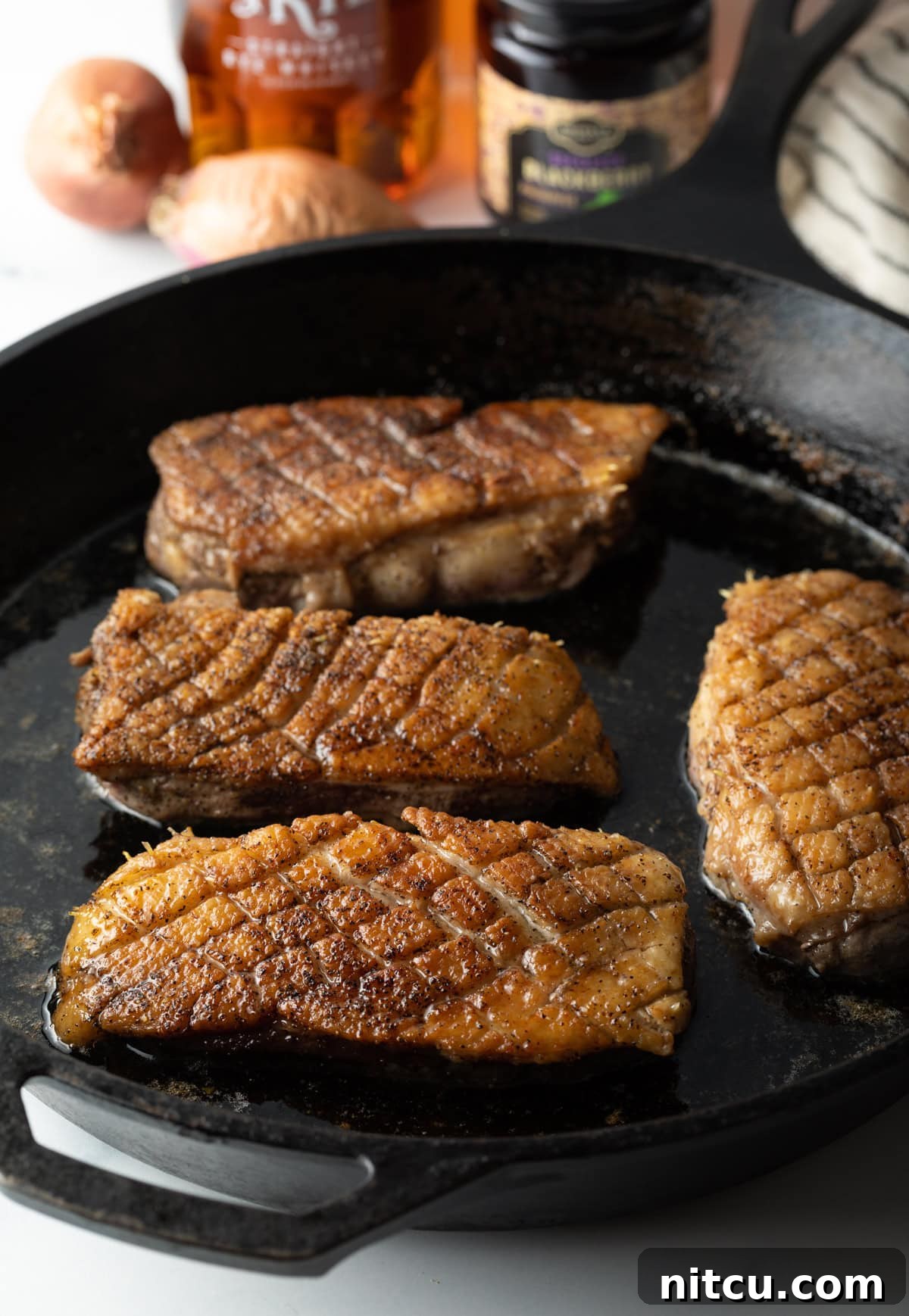
As this magnificent breast gently sears in a hot pan, a captivating transformation begins. The thick blanket of fat gradually renders away, melting into a shimmering, golden liquid. What remains is a beautifully thin, incredibly crispy crust, a textural marvel that provides a delightful contrast to the tender meat beneath. This rendering process also yields a precious byproduct: a pool of “liquid gold” duck fat, a culinary treasure you’ll certainly want to save and reuse for future gastronomic adventures. Simultaneously, the underlying duck meat miraculously plumps up, transforming into a succulent, rich, red-hued sensation. Many connoisseurs argue that a perfectly prepared duck breast can even surpass the flavor and tenderness of a premium beef fillet, offering a truly luxurious experience.
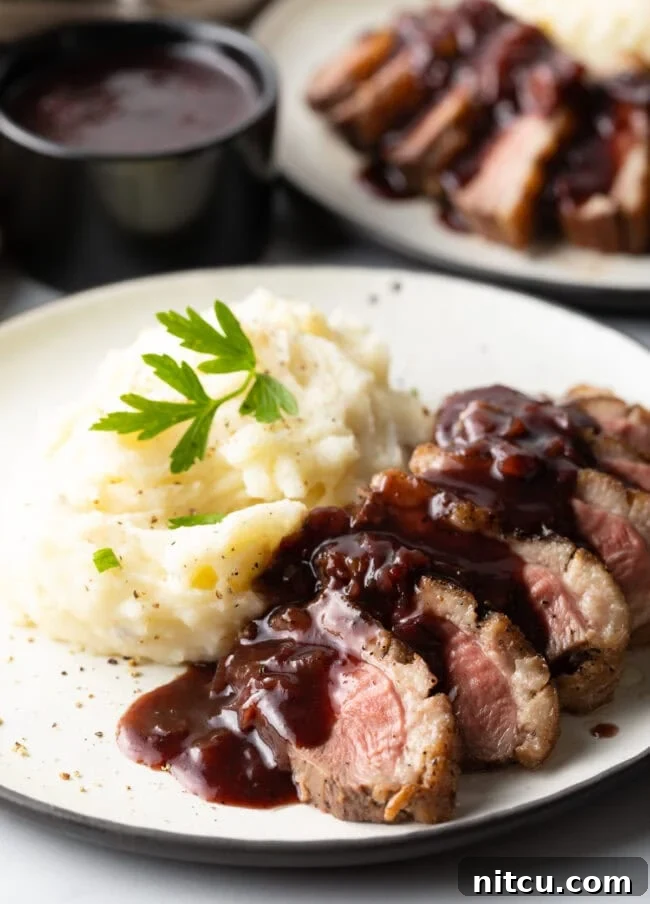
Despite its gourmet reputation, many home cooks hesitate to prepare duck, often believing it to be overly complicated or preferring to avoid the challenge of roasting a whole duck. This hesitation, however, represents a missed opportunity! Duck breasts are surprisingly simple to prepare, requiring minimal fuss for maximum impact. They deliver a luxurious, rich, and uniquely fatty flavor that consistently elicits “Oooooohs” and “Ahhhhhs” from dinner guests. This makes pan-seared duck breast an exceptional choice for special occasions, holidays, or any time you want to impress with a sophisticated yet surprisingly low-maintenance meal. It’s the kind of dish that speaks of elegance and culinary prowess, all without demanding hours in the kitchen.
The Culinary Gold: Harnessing Rendered Duck Fat
Once you’ve experienced the magic of rendering duck fat from your breast, you’ll understand why it’s imperative: DON’T THROW IT AWAY! Duck fat is not merely a byproduct; it is a highly prized ingredient, revered by chefs and home cooks alike as a superior cooking medium. Its unique properties include an incredibly rich, intense flavor that elevates any dish, a remarkably high smoking point ideal for various cooking methods, and it’s even considered one of the healthiest animal fats. In fact, many nutrition experts compare its monounsaturated fat profile favorably to that of olive oil, making it a surprisingly wholesome choice for cooking.
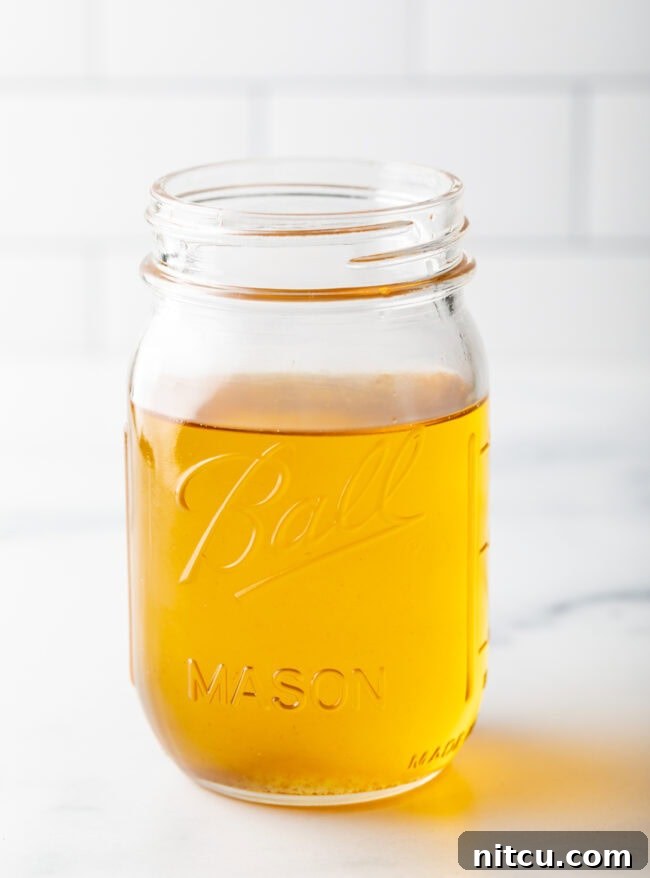
After searing your duck breasts and allowing the fat in the pan to cool slightly but remain liquid, carefully pour this precious “liquid gold” into a clean, heat-proof glass container. Store it securely in your refrigerator, where it will solidify and keep for several weeks, ready to be deployed in countless delicious ways. It’s a versatile pantry staple that adds depth and richness wherever it’s used.
Imagine the possibilities! Use your reserved duck fat to create truly exceptional dishes. For instance, elevate your humble potato dishes to extraordinary heights by making perfectly crispy and decadently flavorful French Fries or delicate Shoestring Fries! The duck fat imbues them with a savory depth and an unmatched crispness that simple vegetable oil cannot replicate.
A personal anecdote perfectly illustrates the value of this culinary treasure. Last winter, while hastily searing duck breasts for a party, I made a critical error. In my rush, I inadvertently poured the boiling hot duck fat into a plastic container. The outcome was disastrous: the scorching fat immediately melted through the plastic, cascading over my countertop and down the cabinet doors! I stood there, momentarily stunned, tears welling in my eyes. But it wasn’t the arduous cleanup that caused my dismay; it was the profound loss of that precious duck fat. Yes, it’s truly that good and that irreplaceable in my kitchen.
Beyond fries, the applications for duck fat are vast and varied. It’s superb for roasting a medley of vegetables, from earthy Brussels sprouts and parsnips to classic root vegetables like potatoes and carrots, lending them a golden crispness and an incredible depth of flavor. You can also substitute it for butter to create the ultimate grilled cheese sandwich, with a supremely crispy exterior and a rich, savory aroma. For an even more luxurious touch, consider using duck fat in your next batch of confit or even for frying eggs for an exceptionally flavorful breakfast.
Ingredients for Your Gourmet Duck Breast Feast
Crafting the perfect pan-seared duck breast with a rich blackberry sauce requires a selection of fresh, high-quality ingredients. Each component plays a crucial role in building the layers of flavor that make this dish truly special. Pay attention to the quality of your duck breast and the freshness of your produce for the best results.
What Ingredients You Will Need:
- Magret Duck Breasts – approximately 12-16 ounces each. These larger, meatier breasts from Moulard ducks offer a deeper flavor and generous fat cap.
- Shallots – peeled and finely diced. Their delicate oniony flavor is perfect for the sauce.
- Good Quality Blackberry Jam – provides the sweet and tangy base for our pan sauce. Choose a jam with real fruit flavor.
- All-Purpose Flour – a small amount to thicken the sauce, ensuring a luscious consistency.
- Bourbon – or a good quality balsamic vinegar. Bourbon adds a smoky, complex depth, while balsamic offers a sharp, fruity tang.
- Beef Stock – preferably low-sodium, to form the savory base of the pan sauce.
- Pinch of Crushed Red Pepper – for a subtle warmth that balances the sweetness of the jam. Adjust to your preference.
- Fresh Thyme Leaves – the aromatic herb that beautifully complements both duck and berries.
- Salt and Freshly Ground Black Pepper – essential seasonings to enhance all the flavors.
Step-by-Step Guide: How to Cook Duck Breast to Perfection
Achieving a perfectly pan-seared duck breast with crispy skin and juicy, medium-rare meat is surprisingly straightforward when you follow these clear instructions. This method focuses on rendering the fat slowly to maximize flavor and texture.
Preparing the Duck Breast:
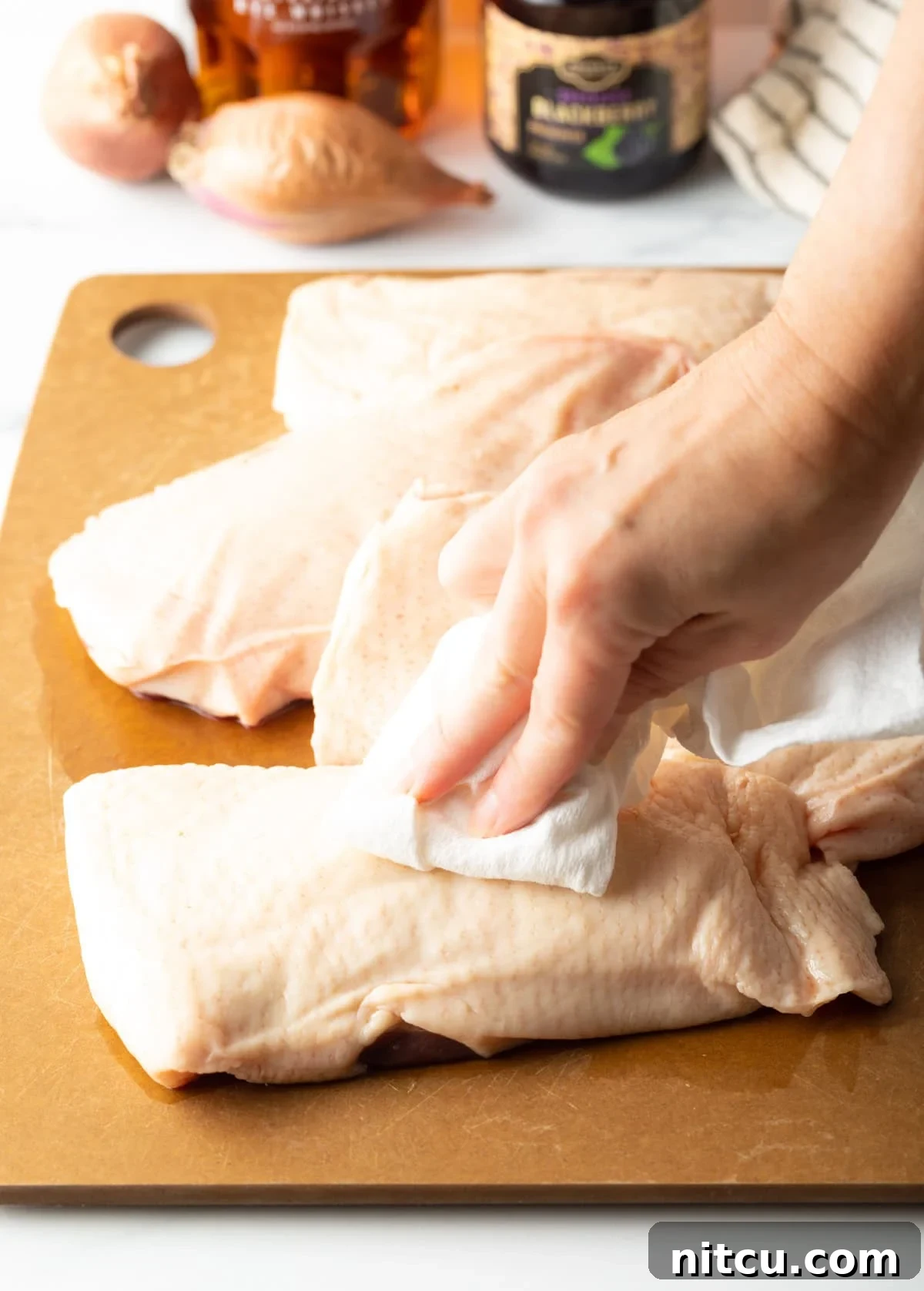
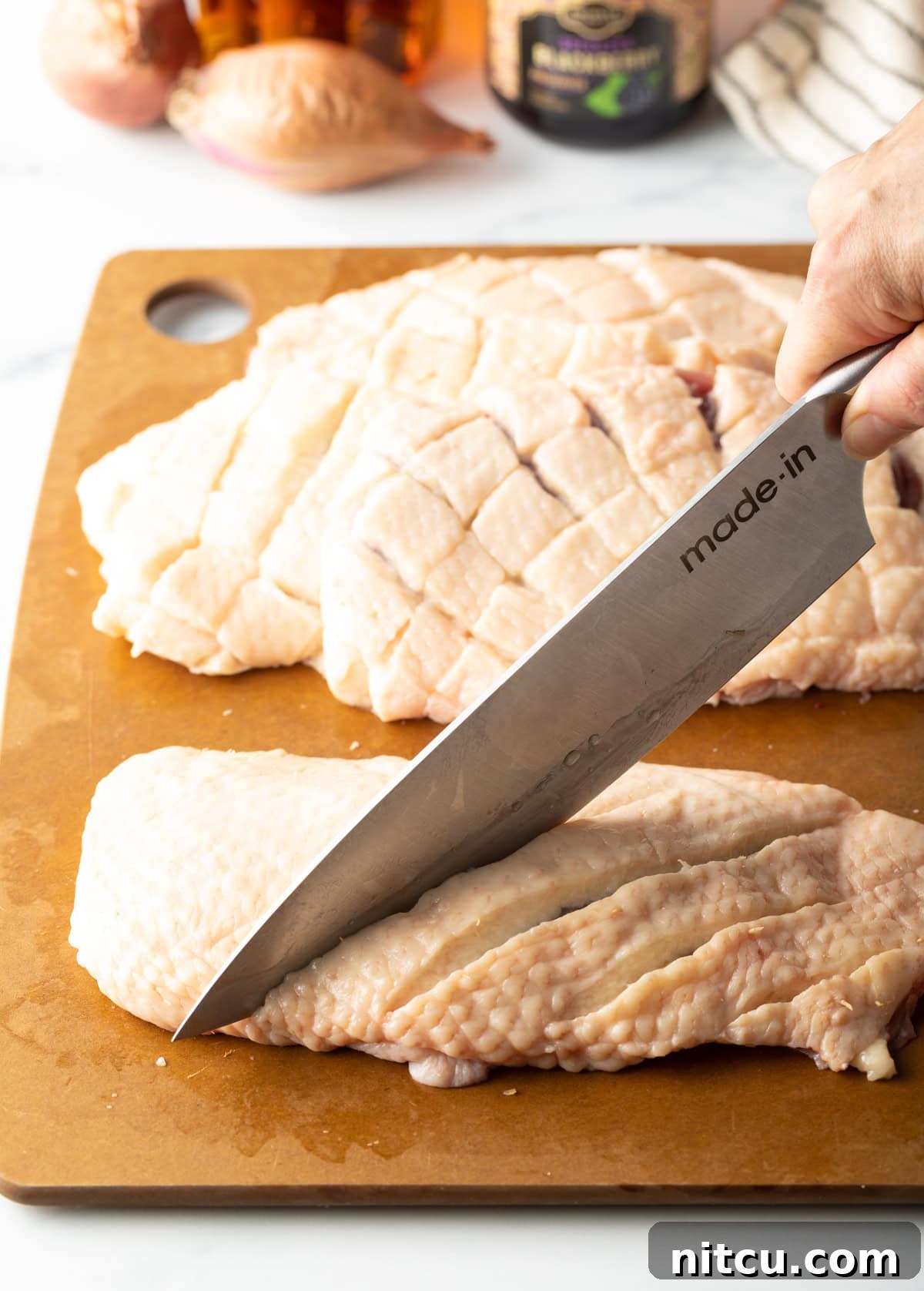
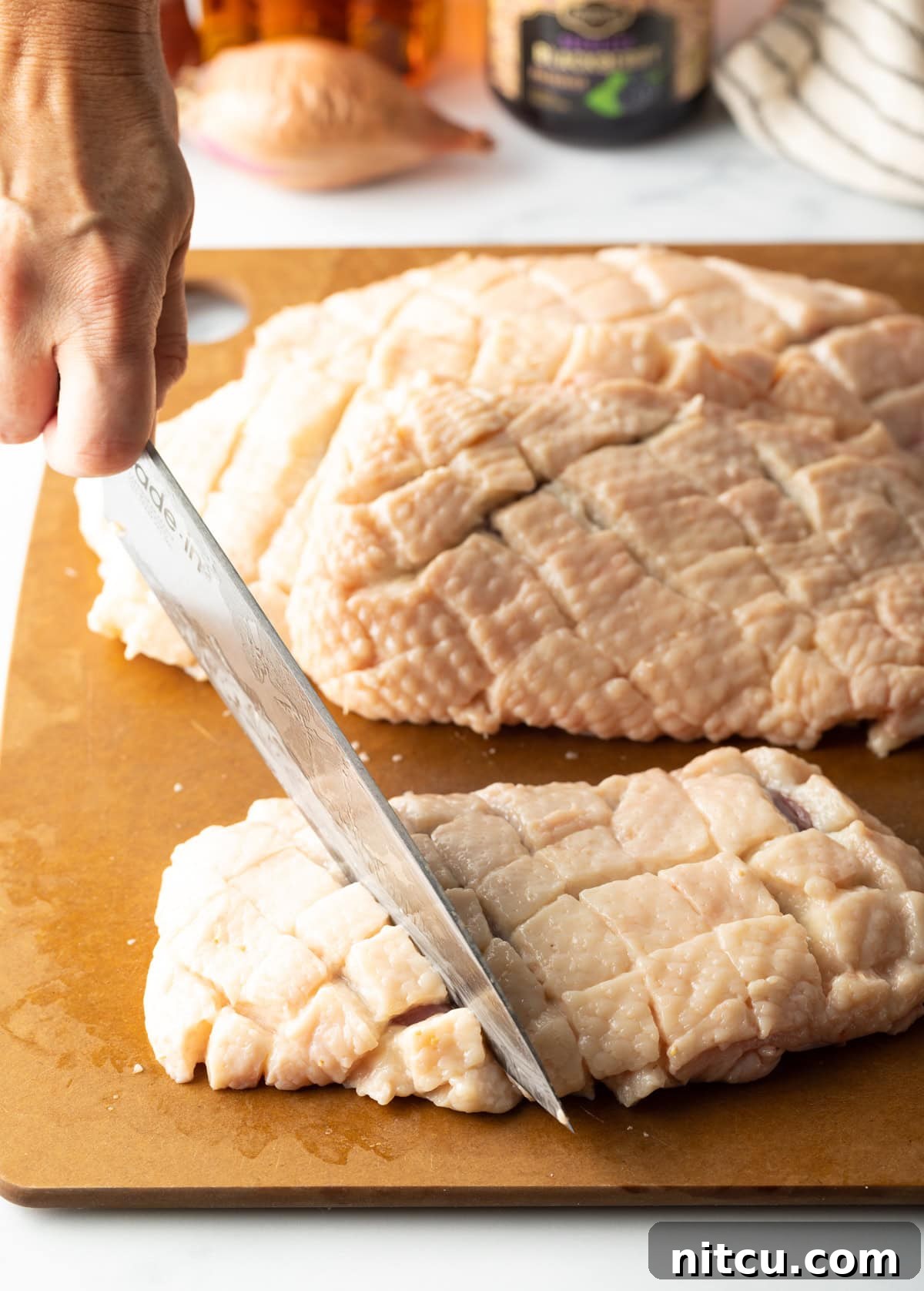
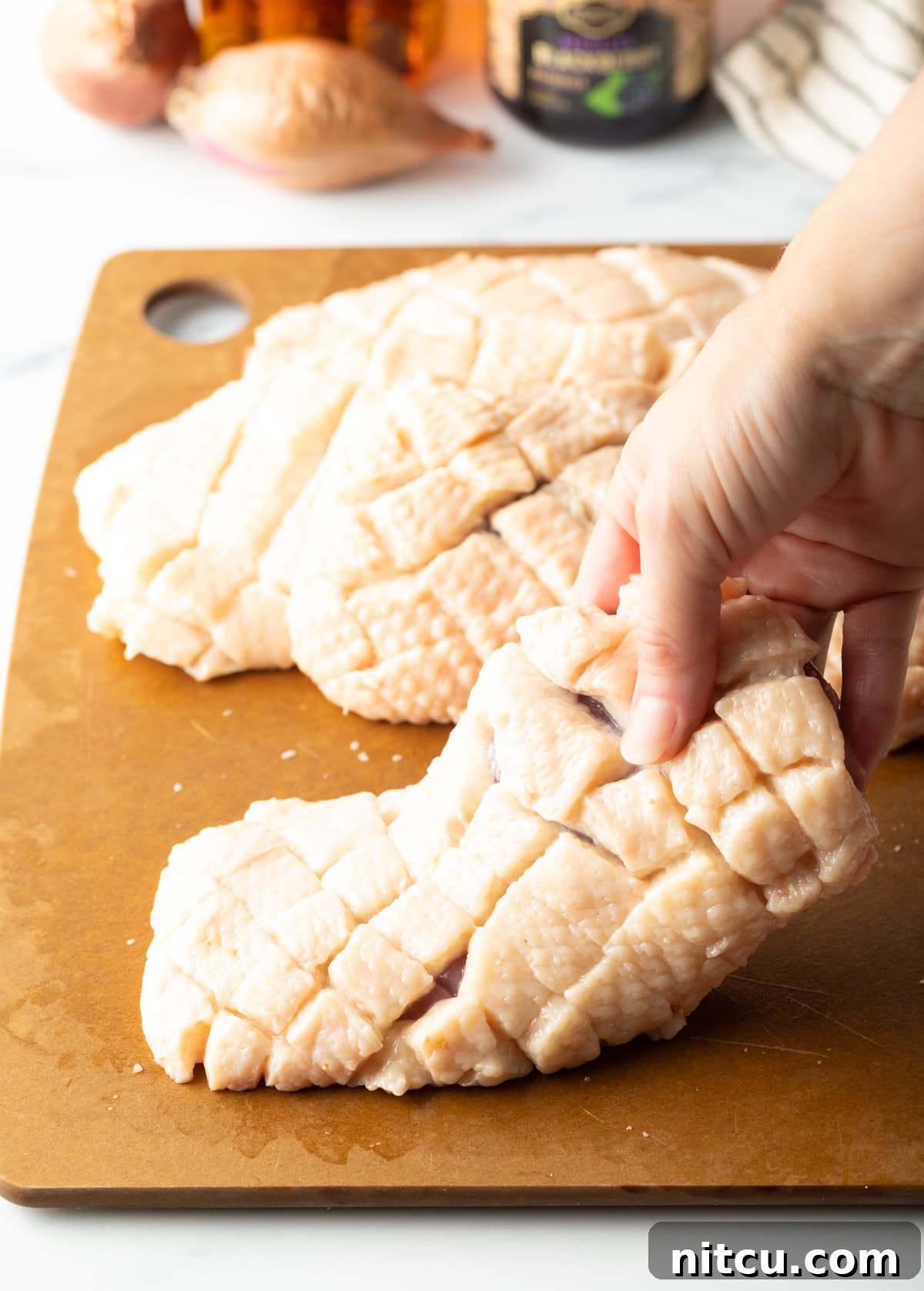
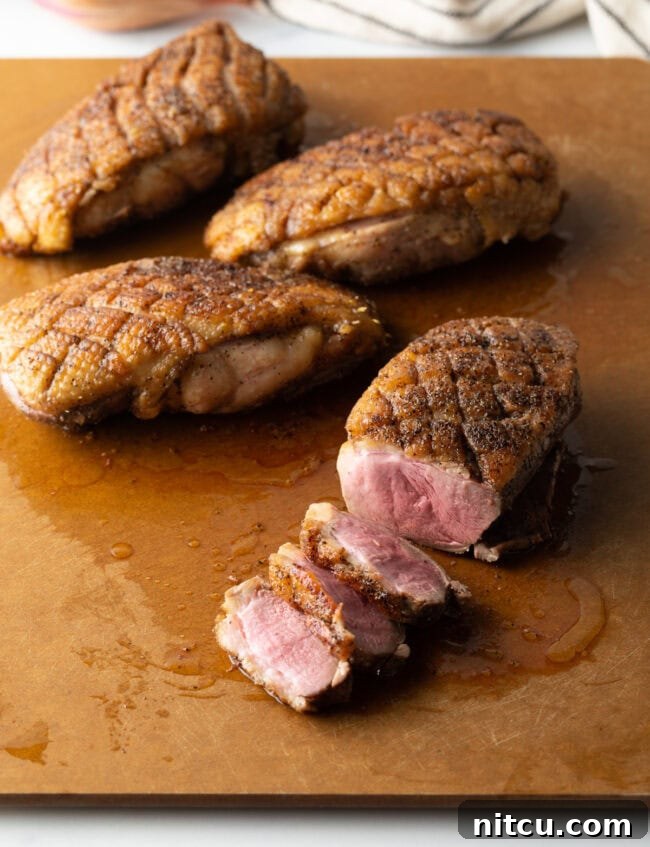
- Pat Dry and Score the Fat: Begin by thoroughly patting the duck breasts dry with paper towels. This crucial step ensures a crispier skin. Next, using a very sharp knife, score the thick layer of fat on the top of each breast. Make parallel cuts about 1/4 to 1/2 inch apart, cutting only through the fat layer and just barely into the flesh. Then, repeat this process in the opposite direction to create a beautiful criss-cross pattern. This scoring helps the fat render more efficiently and prevents the skin from shrinking too much.
- Season Generously: Liberally season both sides of the duck breasts with salt and freshly ground black pepper. Don’t be shy with the seasoning, as duck can handle robust flavors.
Searing the Duck Breast:
- Start Cold, Fat Side Down: Place the seasoned duck breasts, fat side down, into a large, cold, oven-safe skillet (cast iron or heavy-bottomed stainless steel works best). Starting with a cold pan and gradually heating it allows the fat to render slowly and evenly, resulting in maximum crispness without burning.
- Slow Render for Crispy Skin: Turn the heat to MEDIUM-LOW. Cook the duck breasts, fat side down, for 10-12 minutes. During this time, the fat will slowly melt away, creating a pool in the pan, and the skin will gradually transform into a rich, dark golden-brown, wonderfully crispy crust. This patient rendering is key to perfection.
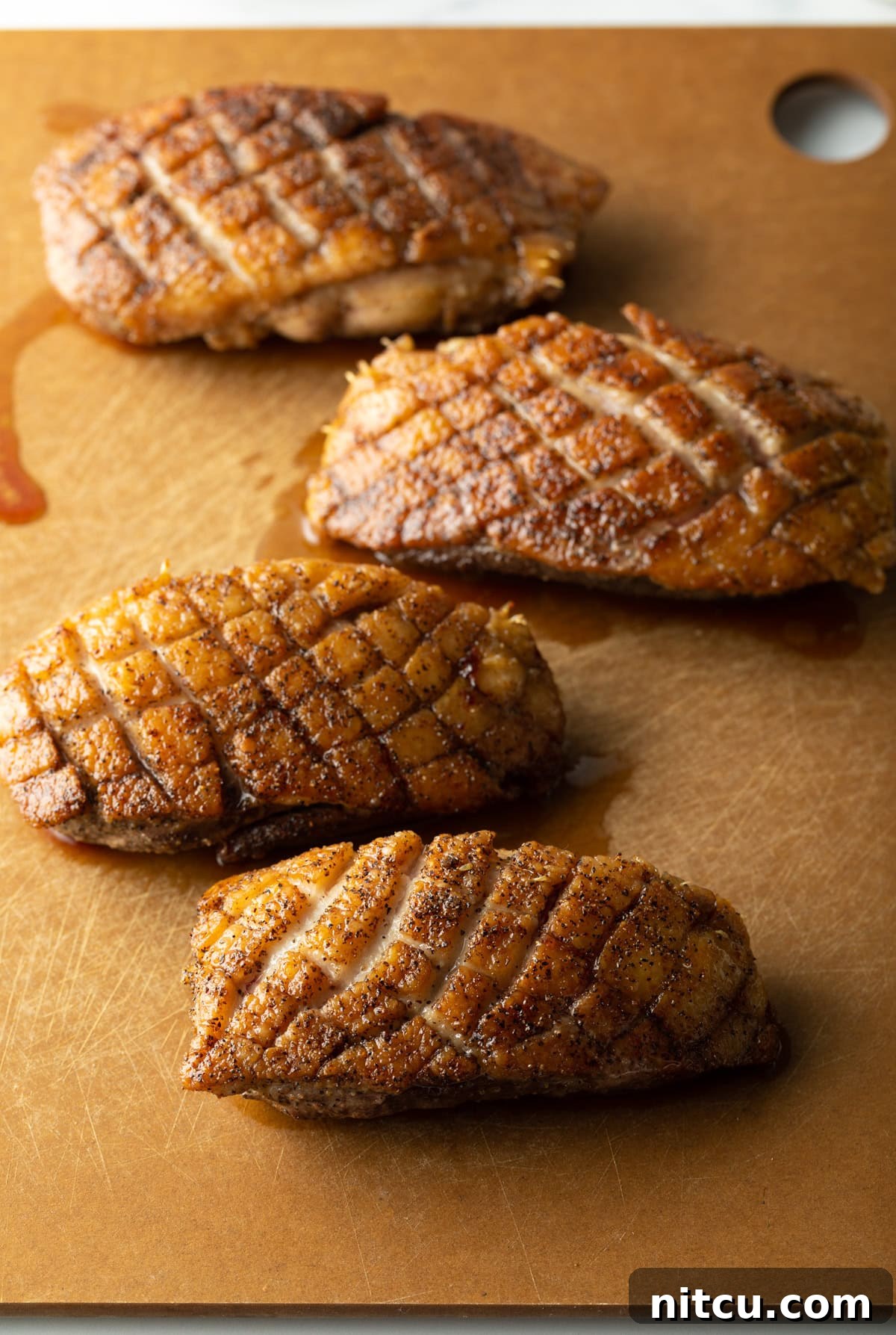
- Flip and Finish Cooking: Once the fat is rendered and the skin is deeply golden and crisp, flip the breasts to the flesh side. Cook for another 6-10 minutes for a perfect medium-rare finish. For smaller breasts (under 12 ounces), 4-6 minutes might suffice. Use a meat thermometer inserted into the thickest part of the breast; aiming for an internal temperature of 130-135°F (54-57°C) for medium-rare.
- Rest the Meat: Remove the cooked duck breasts from the pan and immediately tent them loosely with aluminum foil. Allow them to rest for at least 5-10 minutes. This resting period is vital, as it allows the juices to redistribute throughout the meat, resulting in a more tender and succulent final product.
Crafting the Blackberry Pan Sauce:
- Save the Duck Fat: While the duck breasts are resting, carefully pour the rendered duck fat from the skillet into a heat-proof glass container. Remember our earlier warning – ensure it’s a glass container! Store it in the fridge for future use.
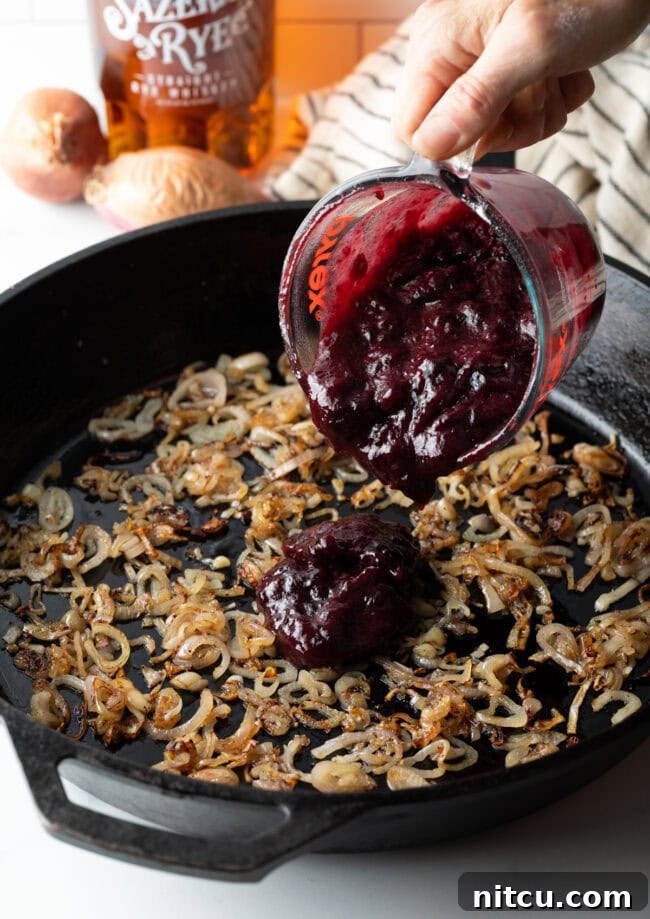
- Sauté the Shallots: Raise the heat in the same skillet to medium. Add the diced shallots and sauté for 3-5 minutes, stirring occasionally, until they are softened and lightly browned, scraping up any delicious browned bits from the bottom of the pan.
- Build the Sauce Base: In a small bowl, mix the all-purpose flour into the blackberry jam until well combined. This prevents lumps when adding it to the pan.
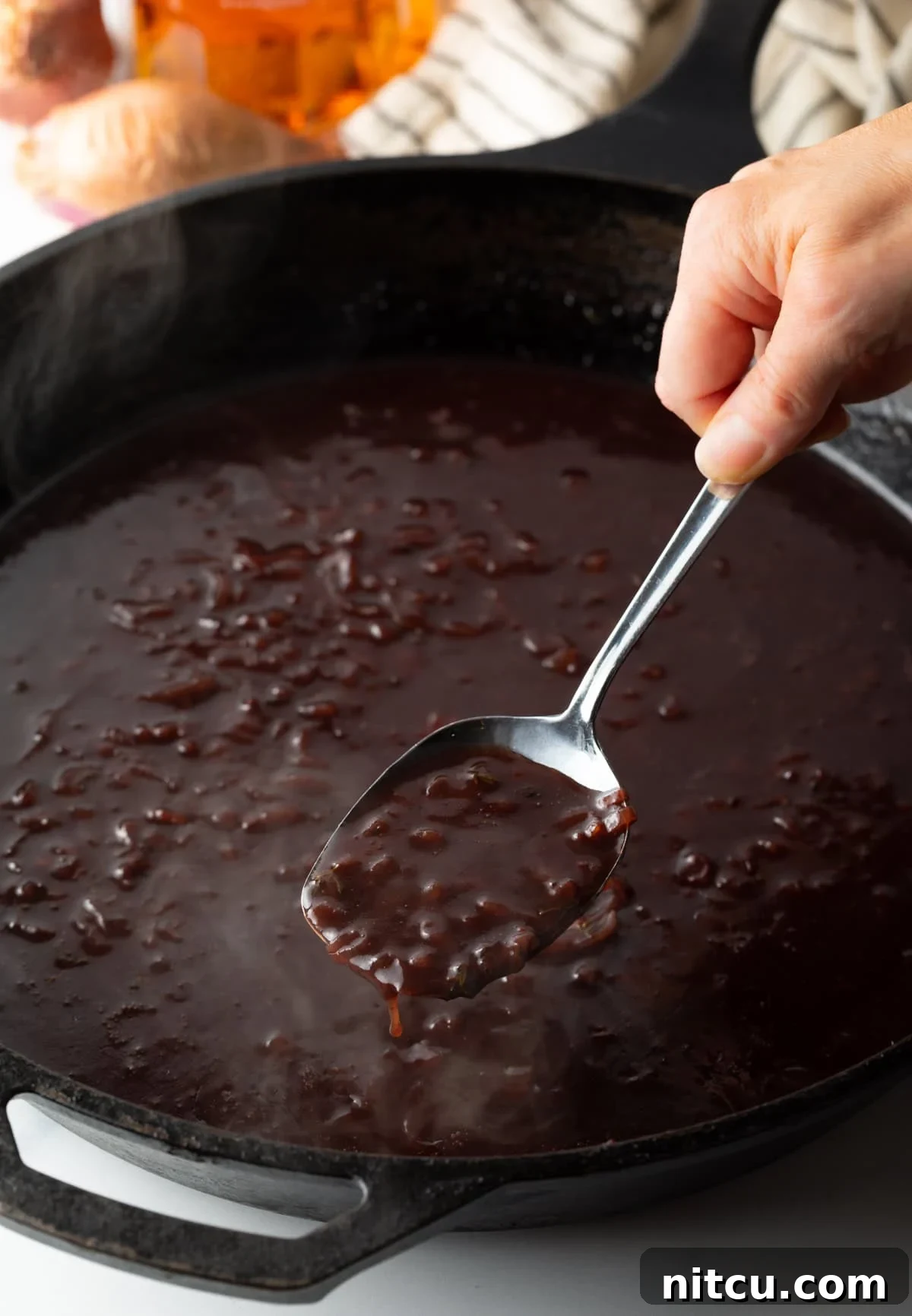
- Combine and Simmer: Add the jam-flour mixture to the skillet with the shallots, along with the bourbon (or balsamic vinegar), beef stock, crushed red pepper, and fresh thyme leaves. Stir well to combine all ingredients.
- Thicken the Sauce: Bring the sauce to a low boil, then reduce the heat and simmer gently for 5 to 7 minutes, stirring occasionally, until the sauce thickens to your desired consistency.
- Season to Taste: Taste the sauce and adjust the seasoning with salt and pepper as needed. You might want a little more sweetness, tang, or heat, depending on your preference.
Serving Your Masterpiece:
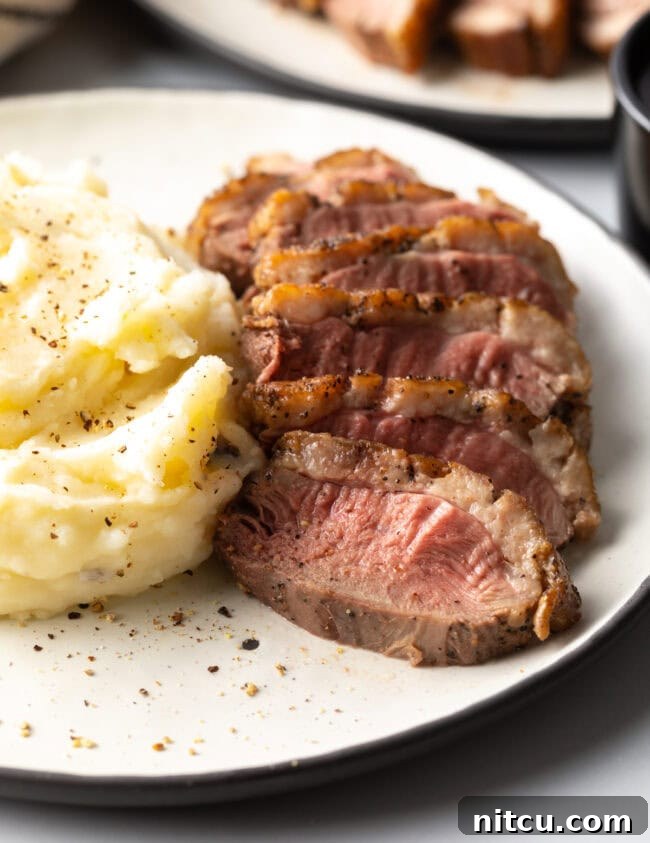
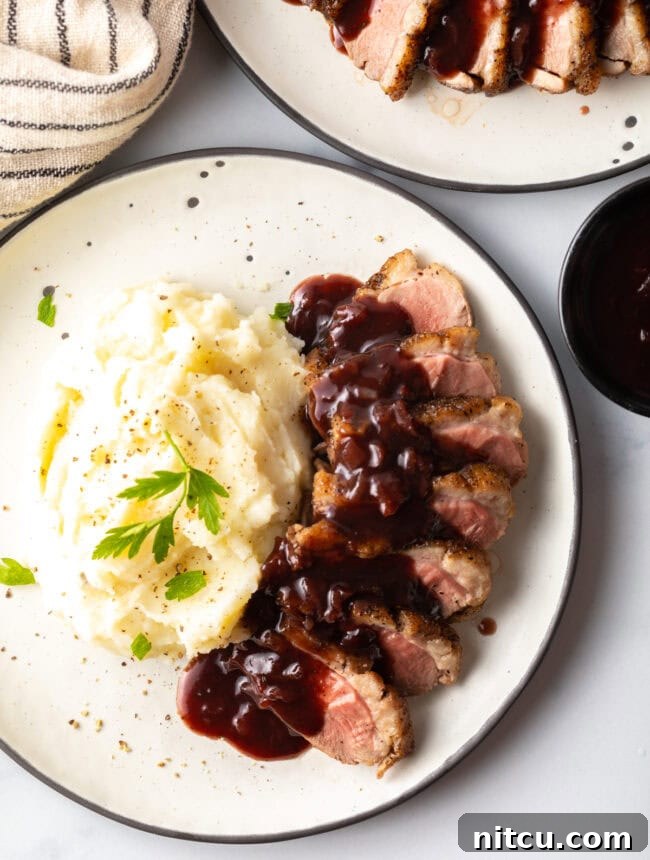
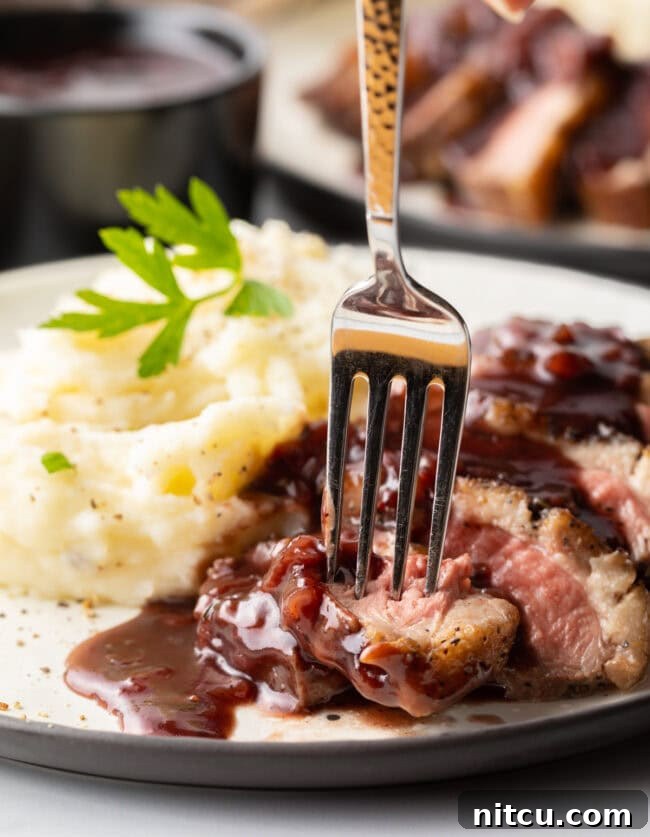
- Slice and Serve: With a very sharp knife, thinly slice the rested duck breasts against the grain. Arrange the fanned slices elegantly on a platter or individual plates, and generously top with the warm, luscious blackberry pan sauce.
Printable Recipe: Pan-Seared Duck Breast with Blackberry Sauce
Below you’ll find the complete, easy-to-follow recipe card for this exquisite Pan-Seared Duck Breast with Blackberry Sauce. Get ready to elevate your home cooking and delight your taste buds!
What to Serve with Pan-Seared Duck Breast: Perfect Pairings
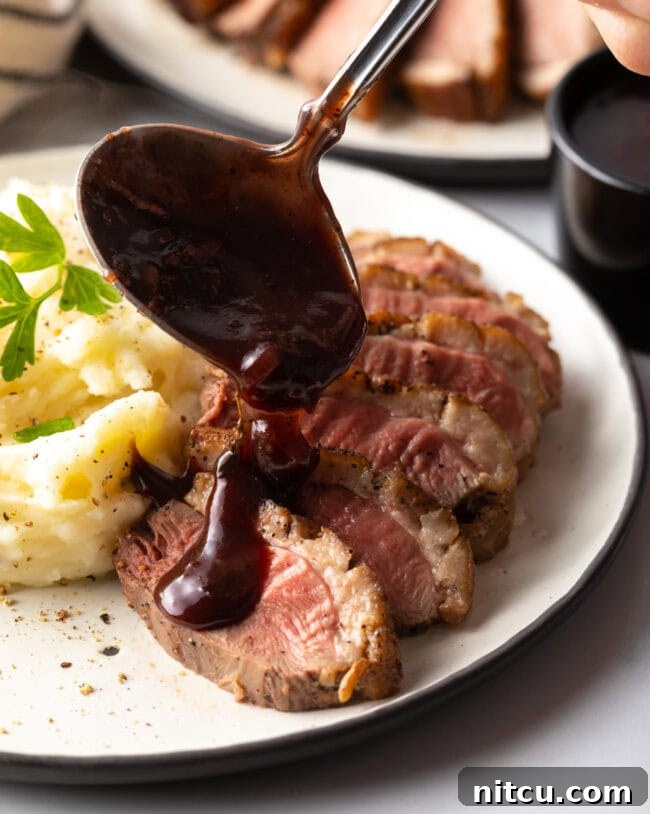
Seared duck breast is inherently rich and flavorful, making it a star on any plate. To create a balanced and memorable meal, it’s crucial to pair it with sides that complement its robust character without overpowering it. Our recipe thoughtfully includes a savory-sweet blackberry pan sauce with the subtle warmth of bourbon and the aromatic depth of shallots, which already provides a fantastic flavor profile. To perfectly complement these notes, consider starchy and comforting sides:
- Creamy Mashed Potatoes: The ultimate classic pairing. The light, fluffy texture and buttery flavor of Best Mashed Potatoes or rich Mashed Sweet Potatoes absorb the luscious pan sauce beautifully, providing a comforting contrast to the duck’s richness. Mmmmmm.
- Roasted Root Vegetables: Beyond potatoes, consider other roasted root vegetables like carrots, parsnips, or turnips. Roasting brings out their natural sweetness, which pairs wonderfully with duck.
- Green Vegetables: To add freshness and a slight bitter note to cut through the richness, offer vibrant green sides. Options include delicate Garlic Butter Asparagus, crisp green beans almondine, or earthy sautéed spinach.
- Crispy Brussels Sprouts: For a side with both texture and a hint of bitterness, Crispy Fried Brussels Sprouts are an excellent choice, especially if roasted in a bit of that delicious reserved duck fat!
- Grains and Salads: For lighter options, a hearty Couscous Salad (with Pickled Vegetables), a refreshing Orzo Pasta Salad, or a simple mixed green salad with a sharp vinaigrette can offer a delightful counterpoint. Grilled vegetables, like those in Grilled Vegetables, also add a smoky dimension.
- Wild Rice Pilaf: The nutty flavor and chewy texture of wild rice provide a sophisticated and wholesome accompaniment.
The key is to select sides that either absorb the rich flavors of the duck and sauce or provide a fresh, acidic, or slightly bitter contrast to balance the palate. Don’t be afraid to experiment with your favorite seasonal vegetables!
Frequently Asked Questions About Duck Breast
We’ve gathered some common questions about cooking and enjoying duck breast to help you make the most of this magnificent dish.
What is Magret Duck Breast?
Magret duck breasts come from ducks that have been specifically raised for foie gras production, primarily Moulard ducks. These ducks are larger and have a significantly thicker layer of fat and richer, darker meat compared to conventional duck breasts. This generous fat cap is what makes them ideal for pan-searing, as it renders into a large amount of flavorful fat and results in incredibly crispy skin, while the meat remains juicy and tender. If you see “Magret” labeled, you’re getting a premium cut perfect for this recipe.
How Long Does Leftover Duck Breast Last?
Should you be fortunate enough to have any leftover duck breast – a rare occurrence, we know! – you can store it safely in the refrigerator. Once the cooked duck has cooled to room temperature, place it in an airtight container. It will remain delicious for up to 2-3 days.
What To Do With Leftover Duck Breast?
Leftover duck breast is incredibly versatile and can be repurposed into an array of delightful meals. While simply reheating and serving with the blackberry sauce is always an option, here are some creative ideas:
- Gourmet Tacos: Slice or shred the duck and serve it in warm tortillas with a tangy slaw (like cabbage and pickled red onion), a sprinkle of fresh cilantro, and a squeeze of lime.
- Elevated Sandwiches: Layer thin slices of duck breast on crusty bread with caramelized grilled onions, a dollop of spicy mustard or a rich aioli, and a handful of arugula for a truly gourmet sandwich experience.
- Charcuterie Board Addition: Incorporate sliced duck breast into an elegant charcuterie board, alongside an assortment of artisanal cheeses, briny olives, cornichons, pickled vegetables, and fresh fruit.
- Salad Enhancer: Add cold, sliced duck breast to a hearty salad with mixed greens, walnuts, goat cheese, and a balsamic vinaigrette for a luxurious lunch.
- Duck Fried Rice: Dice the duck and add it to your favorite fried rice recipe for an incredibly flavorful twist.
How To Reheat Cooked Duck?
To properly reheat cooked duck breast without drying it out, follow these steps for the best results:
- Bring to Room Temperature: Allow the duck breast to sit on the counter for about 10-15 minutes to come closer to room temperature. This helps ensure even reheating.
- Gentle Pan Reheating: Place the slices of duck in a skillet over medium-low heat. You can add a tiny bit of the reserved duck fat (or olive oil) to the pan if desired.
- Heat Through: Gently warm the duck for a few minutes on each side until the outside is lightly golden and crisp again, and the internal temperature reaches approximately 137°F (58°C). The exact reheating time will depend on the thickness of your slices and the original doneness of the meat. Be careful not to overcook, as this can make the duck tough.
- Oven Reheating (for larger pieces): If you have larger sections of duck breast, you can preheat your oven to 325°F (160°C). Place the duck on a baking sheet, possibly covered loosely with foil to prevent drying, and heat for 10-15 minutes, or until warmed through.
More Gourmet Dinner Party Recipes to Impress:
- Seared Scallops with Wilted Greens
- Smoked Meatloaf
- Standing Rib Roast
- Smoky Oven-Baked Salmon with Horseradish Sauce
- Brown Sugar Ham (Glaze Recipe)
- Instant Pot Mushroom Risotto
- Steak Diane
- Brined Rack of Pork ~ Tidy Mom
- Slow Cooker Garlic Chicken ~ Recipe Girl
Duck Breast Recipe with Blackberry Sauce
This is the BEST method for searing duck breast for a perfect medium-rare finish every time!
Video Tutorial
Watch our comprehensive video to see exactly how to prepare this delicious duck breast recipe.
Ingredients
- 2 Magret Duck Breasts (about 12-16 ounces each)
- 2 shallots, peeled and diced
- 1/2 cup good blackberry jam
- 2 teaspoon all-purpose flour
- 1/4 cup bourbon (or balsamic vinegar)
- 2 cups beef stock
- Pinch crushed red pepper
- 1 tablespoon fresh thyme leaves
- Salt and pepper, to taste
Instructions
- Pat the duck breasts dry. Score the fat on the top of each breast, cutting down to the flesh.
- Heat a large skillet over MEDIUM-LOW. Salt and pepper the breast liberally.
- Place them in the skillet, fat side down, and render the fat for 10-12 minutes. A dark golden crust should form as the fat melts away.
- Flip the breasts and cook another 6-10 minutes for medium-rare meat.
- Remove from the pan and tent with foil.
- Carefully pour the duck fat into a glass container to store for later use.
- Raise the heat to medium, and add the shallots to the pan. Sauté for 3-5 minutes to soften and brown.
- Mix the flour into the blackberry jam. Then add the jam, bourbon, beef stock, red pepper and thyme.
- Stir and bring to a low boil. Simmer for 5-7 minutes to thicken. Salt and pepper to taste.
- Slice the duck breasts thin and serve topped with blackberry pan sauce.
Nutrition
Serving: 1 serving, Calories: 322kcal, Carbohydrates: 34g, Protein: 25g, Fat: 5g, Saturated Fat: 2g, Cholesterol: 87mg, Sodium: 317mg, Potassium: 610mg, Fiber: 1g, Sugar: 22g, Vitamin A: 145IU, Vitamin C: 14.5mg, Calcium: 33mg, Iron: 6.1mg