 Achieving perfectly cooked meat, whether it’s a succulent steak, tender pork chop, or juicy chicken breast, is a culinary skill that can transform your home cooking. Many home cooks struggle with consistently getting meat to the desired doneness, often resulting in dry, overcooked cuts or, worse, undercooked and unsafe dishes. This comprehensive guide will empower you with a simple, yet incredibly effective technique: the finger test for meat temperature. Learn how to gauge the internal doneness of your meat with just a touch, ensuring every meal is cooked to perfection and bursting with flavor. Forget the guesswork and the old habits that spoil your hard-earned ingredients; it’s time to master a timeless chef’s trick that promises precision without piercing your precious proteins.
The Culinary Conundrum: Why Traditional Methods Fall Short
For many years, like countless budding home cooks, I found myself resorting to less-than-ideal methods for checking meat doneness. In my early days of cooking independently, fresh out of my mother’s watchful eye, the standard practice was to simply cut the meat down the center. This seemingly logical approach, while providing an immediate visual cue, comes with a significant drawback: it releases all the precious internal juices. The result? A visually reassuring but ultimately dry, flavorless piece of meat, with a sad pool of deliciousness left behind on the cutting board or platter.
Perhaps you’ve experienced this common blunder yourself. The sight of those savory juices escaping is enough to make any food lover wince. It’s a culinary crime that compromises the texture, moisture, and overall enjoyment of your dish. Even graduating to a meat thermometer, while offering greater accuracy in gauging internal temperatures, still presented a similar issue. Each poke of the probe, though necessary at times, creates an exit point for those vital juices, incrementally leading to a drier outcome. This constant battle against dryness spurred the search for a better way – a method that was both accurate and non-invasive.
That search eventually led to the discovery of the finger test, a technique that felt like sheer magic. This simple, tactile method allowed me to accurately assess meat doneness without ever breaking the surface, ensuring that every cut remained tender, juicy, and packed with flavor. It’s a skill that, once learned, becomes an indispensable part of your cooking repertoire.
Why Accurate Meat Temperature and Doneness Truly Matter
Beyond the simple desire for a tasty meal, understanding and achieving proper meat doneness is crucial for several key reasons:
- Food Safety: The primary concern for any cook is ensuring the food is safe to eat. Raw or undercooked meat can harbor harmful bacteria like Salmonella, E. coli, and Listeria, leading to foodborne illnesses. Reaching specific internal temperatures is the only way to kill these pathogens and guarantee a safe dining experience. The USDA provides clear guidelines to protect consumers.
- Optimal Flavor and Texture: Cooking meat to the correct doneness is the secret to unlocking its full potential. Overcooked meat becomes tough, dry, and bland, losing its natural moisture and appealing texture. Undercooked meat, while potentially juicy, can be chewy or unappetizingly rare for certain cuts. Precision ensures that your steak is tender, your chicken is moist, and your pork is perfectly succulent.
- Preserving Juiciness: As we’ve discussed, cutting into meat too early or excessively poking it allows vital juices to escape. These juices are not just water; they carry much of the flavor and contribute significantly to the meat’s tenderness. Mastering doneness tests that don’t pierce the meat helps keep those delicious juices right where they belong – inside your meal.
- Economic Value: Quality meat is an investment. Consistently overcooking or spoiling expensive cuts due to poor doneness assessment is wasteful. Learning proper techniques helps you maximize the value and enjoyment of your ingredients.
Understanding USDA Recommended Internal Temperatures
Before diving into the finger test, it’s essential to familiarize yourself with the USDA-approved minimum safe internal temperatures for various types of meat. These guidelines are paramount for food safety, though personal preference often dictates doneness levels for beef and certain other meats.
For Beef, Lamb, Veal, and Most Red Meats (Steaks, Roasts, Chops):
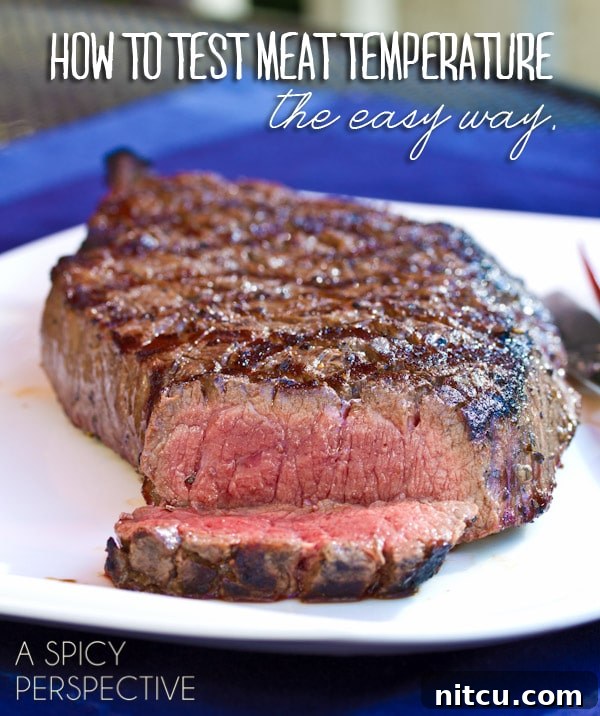
- Rare: 120 to 125 degrees F (Very red center, cool)
- Medium Rare: 130 to 135 degrees F (Red center, warm) – Often considered ideal for many steak lovers.
- Medium: 140 to 145 degrees F (Pink center, warmer)
- Medium Well: 150 to 155 degrees F (Slightly pink center)
- Well Done: Over 160 degrees F (No pink, fully cooked) – While safe, often results in tougher, drier meat.
Note: For ground beef, a minimum of 160 degrees F is always recommended for safety, regardless of visual doneness. Whole cuts like steaks and roasts can be consumed at lower temperatures as bacteria are typically on the surface and are killed during searing.
For Pork (Chops, Roasts, Tenderloin):
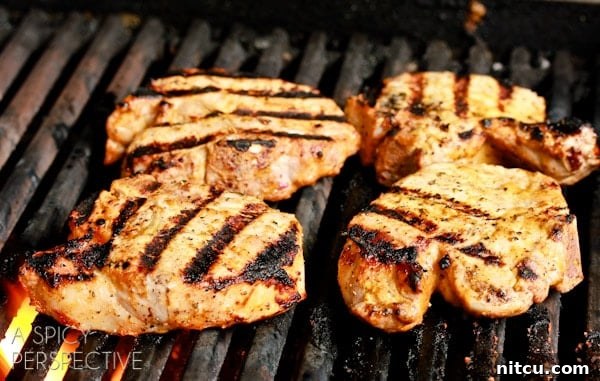
- Medium: 145 to 150 degrees F (Slightly pink center is perfectly safe and yields juicy results)
- Medium Well: 155 to 160 degrees F (Minimal pink)
- Well Done: Over 160 degrees F (Avoid if possible, as it often leads to dry, tough pork)
Important: Modern pork production has significantly reduced the risk of trichinosis, making slightly pink pork safe and desirable for its tenderness and flavor.
For Poultry (Chicken, Turkey, Duck):
- Done: 165 to 170 degrees F (No pink, juices run clear) – This temperature is critical for all poultry to eliminate Salmonella and other bacteria.
For Fish (Fillets, Steaks):
- Medium Well: 140 to 145 degrees F (Opaque, flakes easily)
- Well Done: 150+ degrees F (Usually very dry and flaky)
Fish cooks quickly and can go from perfectly done to dry in a matter of seconds. Visual cues and the “flaking” test are often preferred for fish.
Mastering the Finger Test: A Hands-On Guide to Meat Doneness
Now that you understand the target temperatures, let’s learn how to feel those doneness levels using the incredibly intuitive finger test. This technique is particularly excellent for cuts like steaks, pork chops, chicken breasts, and even dense fish fillets such as tuna or swordfish. It’s a comparison method, teaching you to associate the firmness of cooked meat with different states of your own hand.
Here’s how this simple yet profound meat test works:
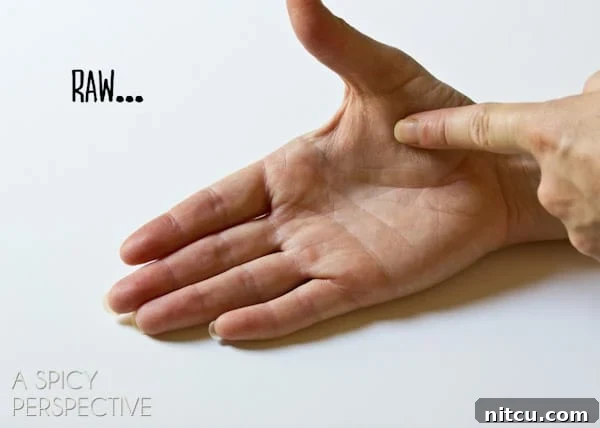
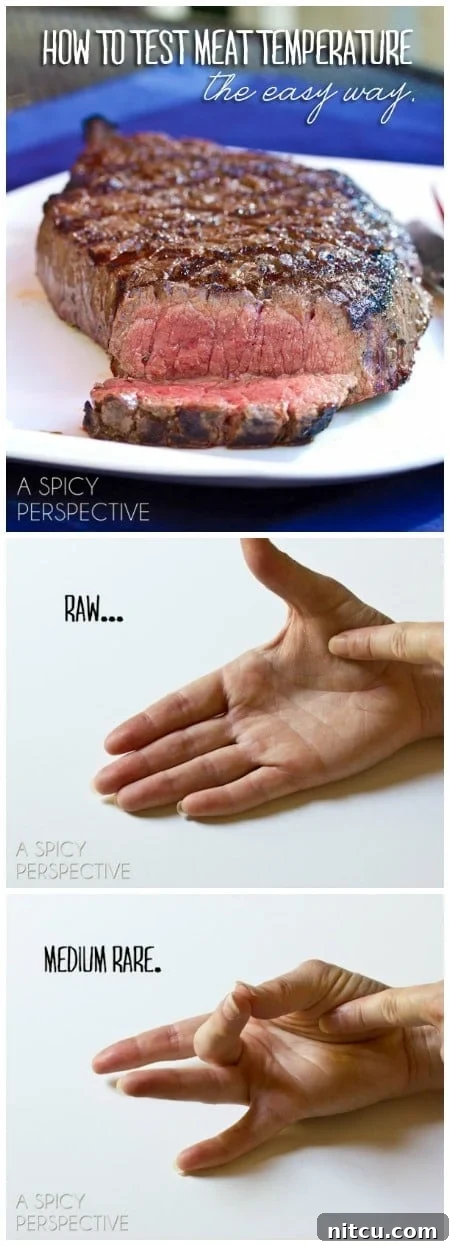
- Raw Meat (Your Relaxed Hand):
Start by relaxing your hand. Now, feel the thickest, fleshy area of your palm, just below your thumb. It should feel soft, pliable, and squishy. This is the texture of completely raw meat. It has no resistance and gives way easily under pressure.
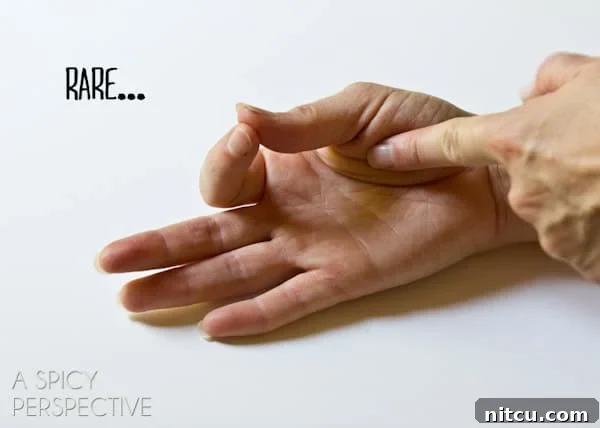
- Rare Meat (Index Finger to Thumb):

Gently touch the tip of your index finger to the tip of your thumb. Now, feel that same fleshy area of your palm again. Notice how it has firmed up slightly, offering a little more resistance? This is the approximate firmness of rare meat. It still has a good amount of give but is noticeably firmer than raw.
- Medium Rare Meat (Middle Finger to Thumb):
Next, touch the tip of your middle finger to your thumb. Press the fleshy part of your palm once more. It will feel firmer than rare, with a springier resistance. This is the texture you’re looking for in a perfectly cooked medium-rare steak – tender, juicy, and with a beautiful red-pink center.
- Medium Meat (Ring Finger to Thumb):
Now, bring your ring finger to meet your thumb. Feel your palm again. The area will be significantly firmer than medium-rare, with less give but still a degree of resilience. This is the ideal doneness for medium meat, offering a warm pink center and a slightly firmer bite.
- Well Done Meat (Pinky Finger to Thumb):
Finally, touch your pinky finger to your thumb. Press the same spot on your palm. It will now feel very firm, with almost no give. This corresponds to well-done meat. (For medium-well, the firmness would be just slightly less than well-done, with minimal springiness.)
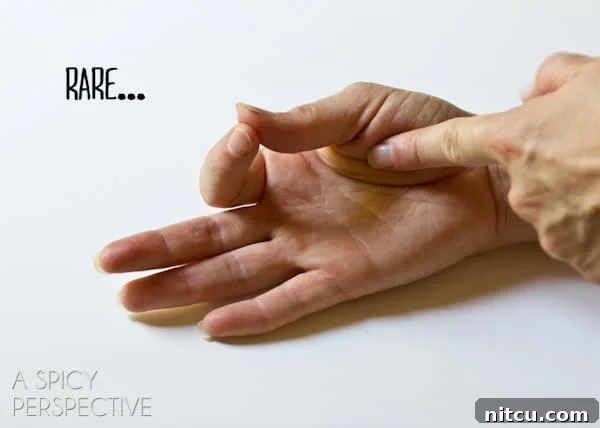

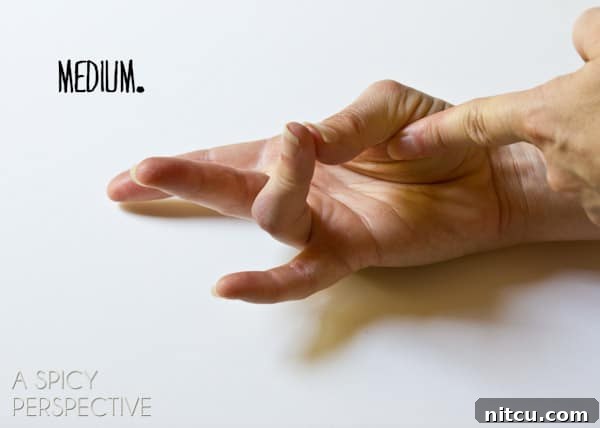
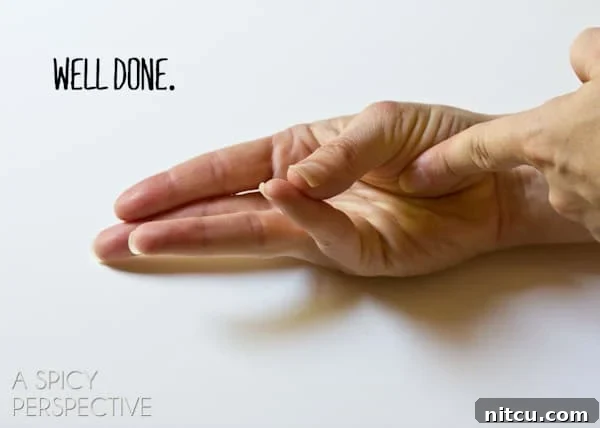
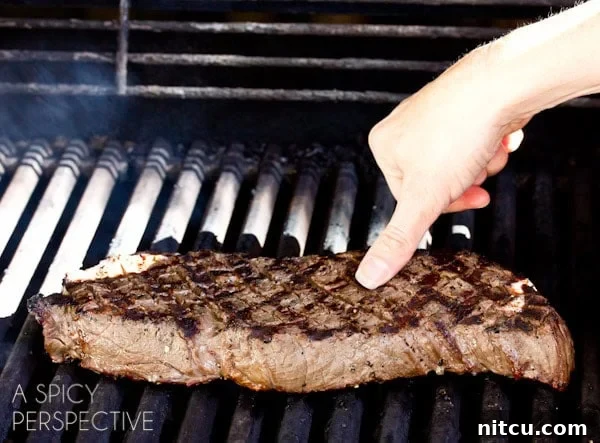
Once you’ve practiced these comparisons on your hand, gently touch your piece of cooking meat in its thickest part. Compare its firmness to the different states of your palm. This tactile sensation will quickly become an intuitive guide, helping you determine when your meat has reached your desired doneness.
Essential Post-Cooking Techniques for Juiciness and Flavor
Mastering the finger test is a fantastic step, but the journey to perfectly cooked meat doesn’t end when it comes off the heat. Two crucial steps follow that significantly impact the final juiciness, tenderness, and flavor of your dish:
The Golden Rule of Resting Meat
This is perhaps the most overlooked, yet vital, step in cooking meat. After removing meat from its heat source, it continues to cook due to residual heat – a phenomenon known as “carryover cooking.” More importantly, the muscle fibers that contracted during cooking relax, allowing the juices that were forced to the center of the meat to redistribute throughout the entire cut. If you slice into meat immediately, those delicious juices will spill out, leaving the meat dry and less flavorful.
- How Long to Rest: For smaller cuts like steaks, chops, or chicken breasts, 5-10 minutes is usually sufficient. For larger roasts or whole poultry, allow 15-20 minutes, or even up to 30 minutes for very large pieces.
- How to Rest: Loosely tent the meat with aluminum foil. This keeps it warm without steaming the surface or preventing the natural release of some surface moisture. Avoid wrapping it tightly, as this can continue to cook the meat excessively and make the exterior soggy.
Factor this resting time into your cooking plan. For instance, if you want a steak to be medium-rare at 130-135°F, you might remove it from the heat at 125-130°F, allowing carryover cooking to bring it to the perfect final temperature during the rest.
When to Rely on a Meat Thermometer
While the finger test is excellent for many cuts, especially thinner ones, a reliable meat thermometer remains an indispensable tool, particularly for larger pieces of meat or when absolute precision is required for food safety.
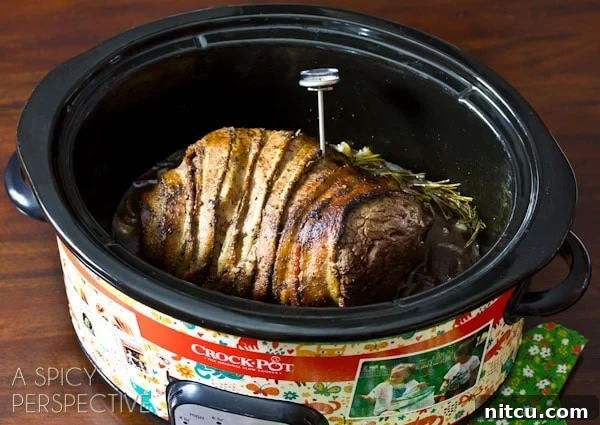
- For Large Cuts: For whole chickens, turkeys, or large roasts, the finger test can be less accurate in gauging the internal core temperature. Here, a thermometer is your best friend.
- Types of Thermometers:
- Leave-in Probe Thermometers: These are ideal for roasts or whole birds. You insert the probe before cooking and leave it in, monitoring the temperature constantly without opening the oven or piercing the meat repeatedly.
- Instant-Read Thermometers: Great for quick checks. Insert it into the thickest part of the meat (avoiding bone) for a few seconds to get an accurate reading. The key is to insert it only once or twice to minimize juice loss.
- Proper Placement: Always insert the thermometer into the thickest part of the meat, avoiding any bones, which can conduct heat differently and give a false reading.
Doneness for Delicate Fish
Fish is notoriously quick to cook and easy to overcook. For delicate fish fillets, the finger test can still offer a good approximation, but visual cues and the “flaking” test are often more reliable:
- The Flaking Test: Gently prick the fish with a fork at its thickest point. If the flesh easily flakes apart and appears opaque (no longer translucent or raw-looking) in the center, it’s done.
- Visual Cues: Cooked fish will generally turn from translucent to opaque. Avoid cooking until it’s completely dry and hard; a moist, tender interior is the goal.
Pro Tips for Consistent Results
- Start with Quality Meat: The better the quality of your meat, the better your final dish will be. Look for good marbling in beef and healthy color in all meats.
- Bring Meat to Room Temperature: For even cooking, especially with thicker cuts, let your meat sit out of the refrigerator for 20-30 minutes before cooking. This allows it to cook more uniformly from edge to center.
- Pat Meat Dry: Before searing or grilling, pat your meat thoroughly dry with paper towels. Excess moisture on the surface will steam the meat instead of searing it, preventing that delicious crispy crust.
- Don’t Overcrowd the Pan: When searing multiple pieces of meat, cook them in batches if necessary. An overcrowded pan lowers the temperature, preventing proper searing and leading to steamed rather than browned meat.
Conclusion
The journey from novice to confident cook is paved with learning and practice, and mastering meat doneness is a significant milestone. By embracing the simple yet powerful finger test, coupled with an understanding of USDA guidelines and crucial post-cooking techniques, you can banish dry, overcooked meat from your kitchen forever. This tactile skill not only empowers you with control but also adds an intuitive layer to your cooking, connecting you more deeply with your ingredients. So, for your next meal, put these tips into practice. Touch, feel, and confidently remove your meat from the heat, knowing that a perfectly juicy, flavorful result awaits. Happy cooking!