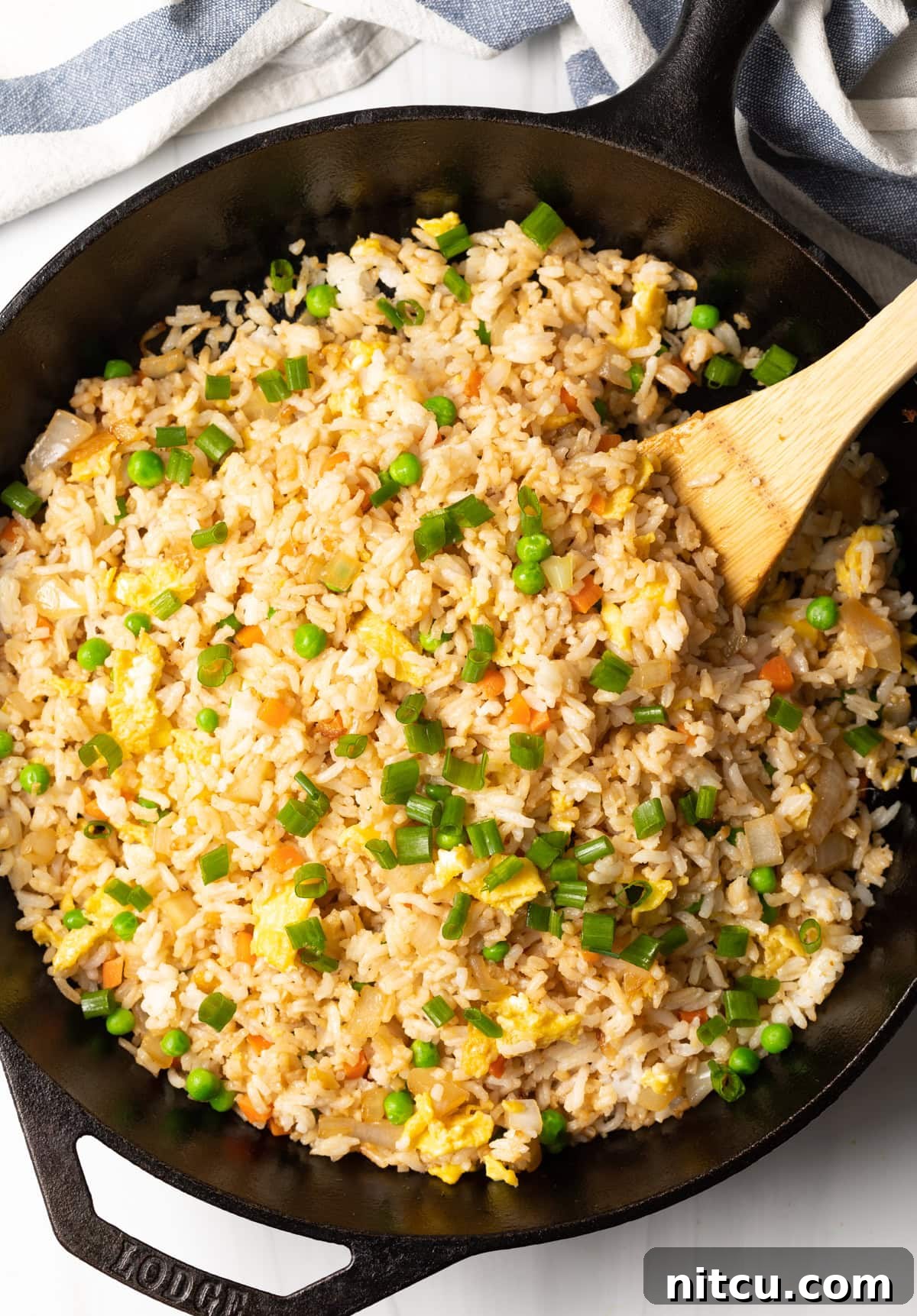
Unlock the secret to restaurant-quality flavor right in your own kitchen with this easy-to-follow Hibachi Rice Recipe! Crafted using simple ingredients and your leftover rice, this classic Japanese-inspired fried rice dish comes together in just 30 minutes, bringing the excitement of a hibachi grill to your home dining table.
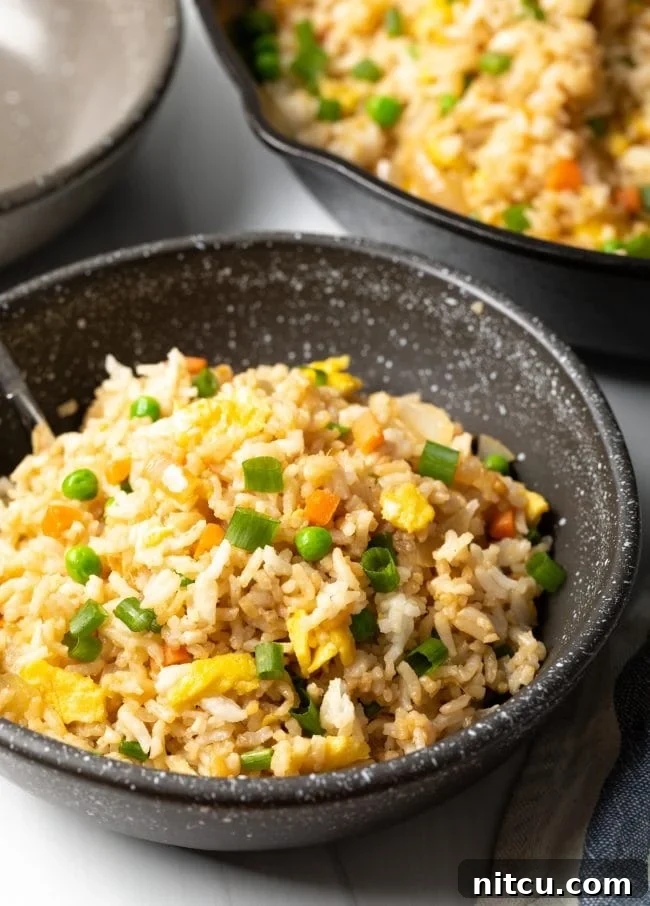

Sommer’s Recipe Notes: Bringing the Hibachi Experience Home
There’s an undeniable charm to visiting a Japanese steakhouse. The sizzling teppanyaki grill, the mesmerizing knife skills of the hibachi chef, the dramatic onion volcano, and the theatrical slicing of an egg mid-air before it becomes a delicious part of your meal—it’s an experience that tantalizes all the senses. And for many, the highlight of that experience is often the comforting, flavorful Japanese fried rice that serves as the perfect foundation for any hibachi plate.
However, the desire for that authentic taste doesn’t always align with the time or budget for a night out. Sometimes, the craving for tender rice, perfectly scrambled eggs, and crisp-tender vegetables, all infused with bold, savory flavors, strikes when you’re most comfortable at home in your pajamas. That’s precisely when this incredible homemade hibachi fried rice recipe becomes your culinary hero. It delivers all the deliciousness of your favorite restaurant dish without ever leaving your kitchen.
This recipe is designed to demystify the art of hibachi cooking, making it accessible and enjoyable for every home cook. Forget the complicated techniques or specialized equipment; with a few simple ingredients and a hot pan, you can create a memorable meal that rivals any steakhouse. Prepare to impress your family and friends with a dish that’s both comforting and exciting, proving that the best hibachi rice can indeed be made right in your own home.
Why You’ll Fall in Love with This Hibachi Fried Rice Recipe
- Effortless One-Pan Wonder: Say goodbye to mountains of dirty dishes! This entire delicious homemade fried rice recipe comes together beautifully in just one pan or a large skillet, minimizing cleanup and maximizing your enjoyment. It’s truly a testament to efficient cooking without compromising on flavor.
- Lightning-Fast and Fabulously Easy: Got 30 minutes? Then you have enough time to whip up this classic vegetarian-friendly dish. Its quick preparation makes it an ideal choice for busy weeknights when you need a satisfying meal on the table in a flash, without resorting to takeout.
- Uncomplicated Ingredients for Unforgettable Flavor: You don’t need exotic components to create incredible taste. This recipe relies on a handful of readily available, simple ingredients that, when combined, produce a deep, complex, and utterly delicious flavor profile that will have everyone asking for seconds.
- Incredibly Versatile for Any Meal: Whether you’re looking for a hearty vegetarian main course to stand on its own, or a flavorful side dish to complement your favorite Asian-inspired entrees, this hibachi fried rice fits the bill. Its adaptability ensures it will quickly become a cherished recipe in your culinary repertoire.
Homemade hibachi fried rice isn’t just a meal; it’s an experience. It’s the perfect way to transform humble ingredients into a star dish that will delight your taste buds and earn you rave reviews. Prepare to make it a regular feature in your quick and easy weeknight meal rotation!
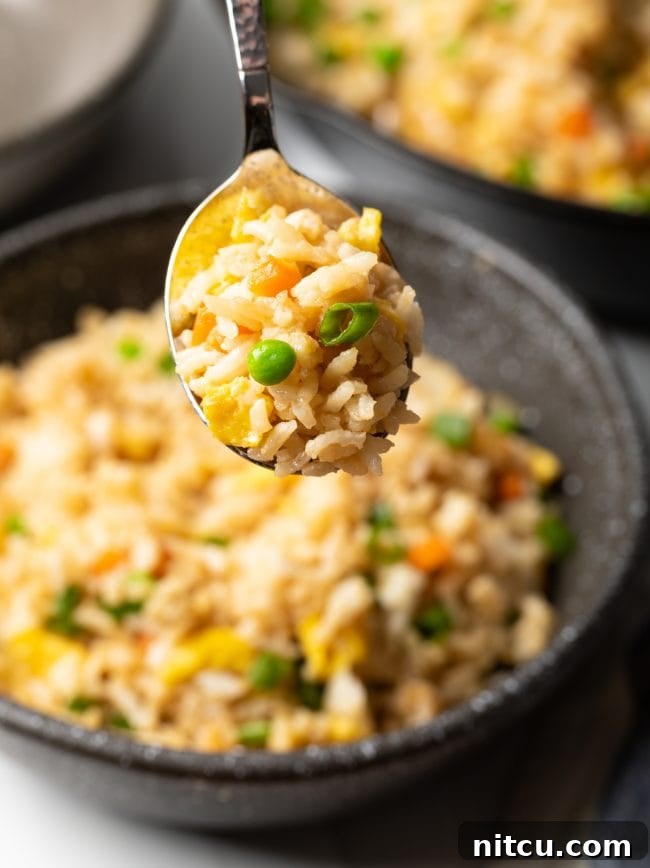
Essential Ingredients for Perfect Hibachi Fried Rice
Creating truly exceptional hibachi fried rice begins with selecting the right ingredients. Each component plays a vital role in building the layered flavors and achieving that signature texture. Here’s a closer look at what you’ll need and why each element is important:
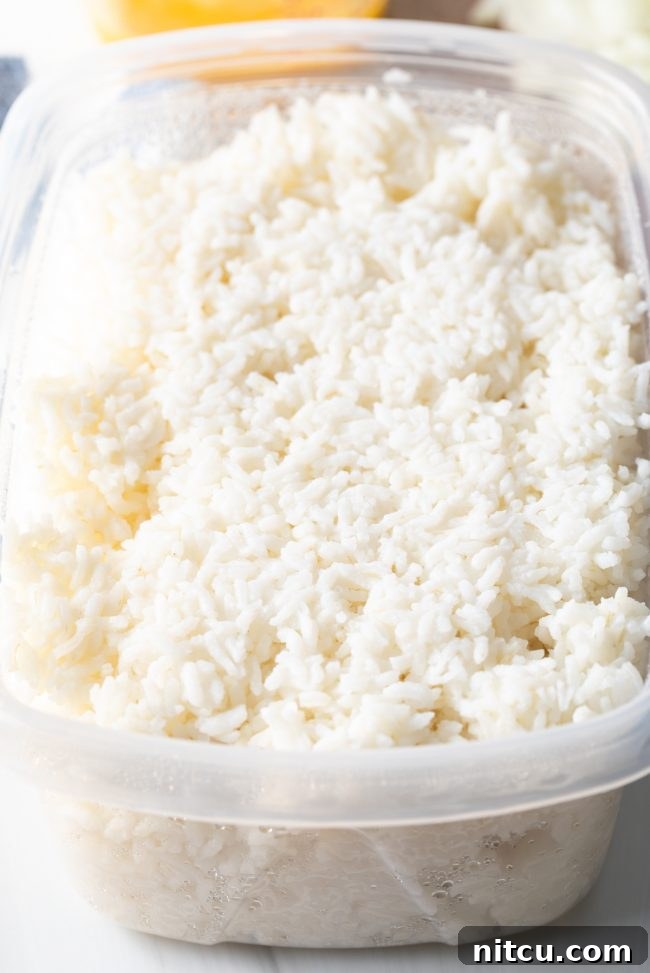
- Cold White Rice: This is perhaps the most crucial ingredient! For the best fried rice, always use previously cooked and thoroughly chilled jasmine rice or any long-grain day-old rice. Cold rice grains are firmer and drier, preventing them from clumping together and becoming mushy when stir-fried, ensuring that delightful separate-grain texture.
- Unsalted Butter: Butter is a hallmark of hibachi cooking, lending a rich, savory depth and a beautiful golden hue to the rice. Using unsalted butter allows you complete control over the dish’s overall sodium content, especially important when combining it with soy sauce.
- Room Temperature Eggs: Beaten eggs add a wonderful protein boost and a creamy texture to the fried rice. Using eggs at room temperature helps them cook more evenly and scramble more beautifully, integrating seamlessly into the dish.
- Fresh, Vibrant Vegetables: A mix of finely chopped onions, carrots, minced fresh garlic, and grated fresh ginger forms the aromatic heart of this dish. Onions provide a sweet base, carrots add a touch of sweetness and color, while garlic and ginger deliver that unmistakable, pungent, and warm Asian flavor profile that defines hibachi cuisine.
- Low Sodium Soy Sauce: Soy sauce is indispensable for its deep umami and salty flavor. Opting for a low-sodium version is highly recommended as it allows you to season the dish to perfection without making it overly salty. You can always add more at the end if needed.
- Rice Wine or Cooking Sherry: This secret ingredient adds a subtle sweetness, tang, and a remarkable depth of flavor (umami) that elevates the fried rice. It helps deglaze the pan and melds all the flavors together beautifully.
- Toasted Sesame Oil: Added near the end of cooking, toasted sesame oil is a powerhouse of nutty, aromatic flavor. It provides that classic Asian finishing touch, contributing a distinctive fragrance and taste that makes the dish truly authentic.
- Frozen Peas: These bright green gems add a pop of color, a hint of sweetness, and a lovely texture contrast. They’re convenient and cook quickly.
- Fresh Scallions (Optional Garnish): Chopped scallions provide a fresh, mild oniony bite and a vibrant green garnish, enhancing both the visual appeal and the flavor complexity of the finished dish.
Elevate Your Dish: Recipe Variations and Dietary Swaps
One of the best aspects of fried rice is its incredible versatility. Don’t hesitate to customize this hibachi rice recipe to suit your taste preferences, dietary needs, or whatever ingredients you have on hand. Here are some fantastic ideas to get you started:
- Boost Your Veggies: While the traditional hibachi rice uses a simple blend, feel free to add more vibrant vegetables for extra nutrition and flavor. Consider chopped broccoli or cauliflower florets, thinly sliced zucchini, earthy mushrooms, colorful bell peppers, shelled edamame, frozen green beans, or crisp snow peas. Add heartier vegetables like broccoli or cauliflower early in the sautéing process to ensure they cook through.
- Power Up with Protein: Transform this delicious side into a complete meal by incorporating your favorite protein. Marinated and stir-fried extra-firm tofu makes a fantastic plant-based addition. For meat lovers, cooked chicken breast (diced), thinly sliced pork, succulent shrimp, or tender stir-fried beef can be added during the final stages of cooking, ensuring they are cooked through and well-integrated.
- Embrace Brown Rice: For a healthier, fiber-rich alternative, swap the white rice for brown rice. Just ensure it’s also cooked and thoroughly chilled beforehand, as brown rice tends to be a bit chewier and less delicate than white rice.
- Go Low-Carb: If you’re following a low-carb diet, replace the traditional rice entirely with cauliflower rice. Make sure to thoroughly drain any excess moisture from the cauliflower rice before stir-frying to prevent a soggy outcome. It’s a surprisingly delicious and healthy alternative!
- Spice It Up: If you enjoy a bit of heat, easily transform this mild hibachi rice into a spicy sensation. Drizzle in some Sriracha sauce, add a pinch of red pepper flakes during the sautéing process, or mix in a touch of chili garlic sauce for a fiery kick.
- Gluten-Free Friendly: To make this recipe gluten-free, simply substitute regular soy sauce with Tamari, a gluten-free soy sauce alternative. All other ingredients are naturally gluten-free.
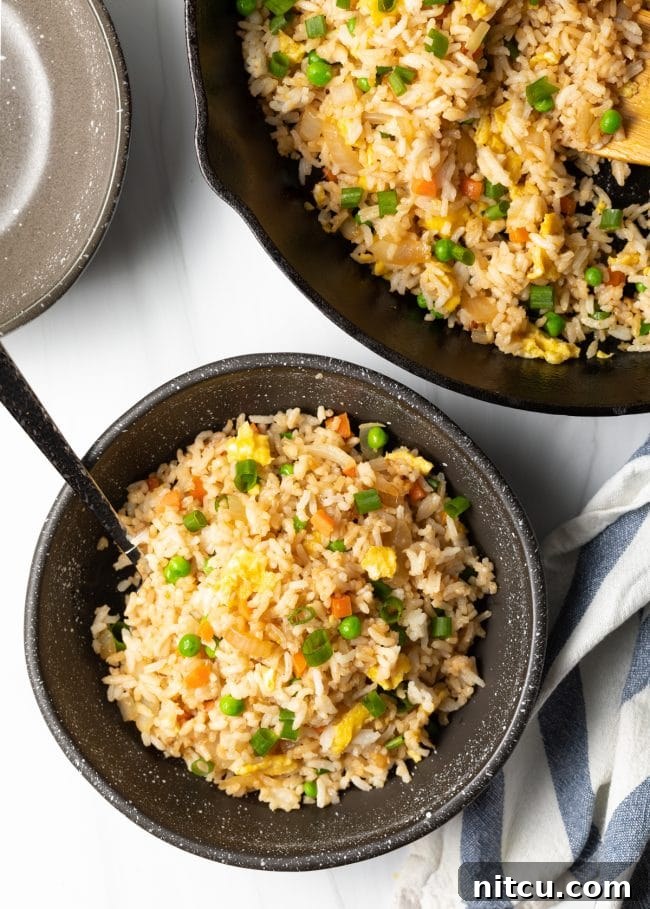
Mastering the Art of Homemade Hibachi Fried Rice: A Step-by-Step Guide
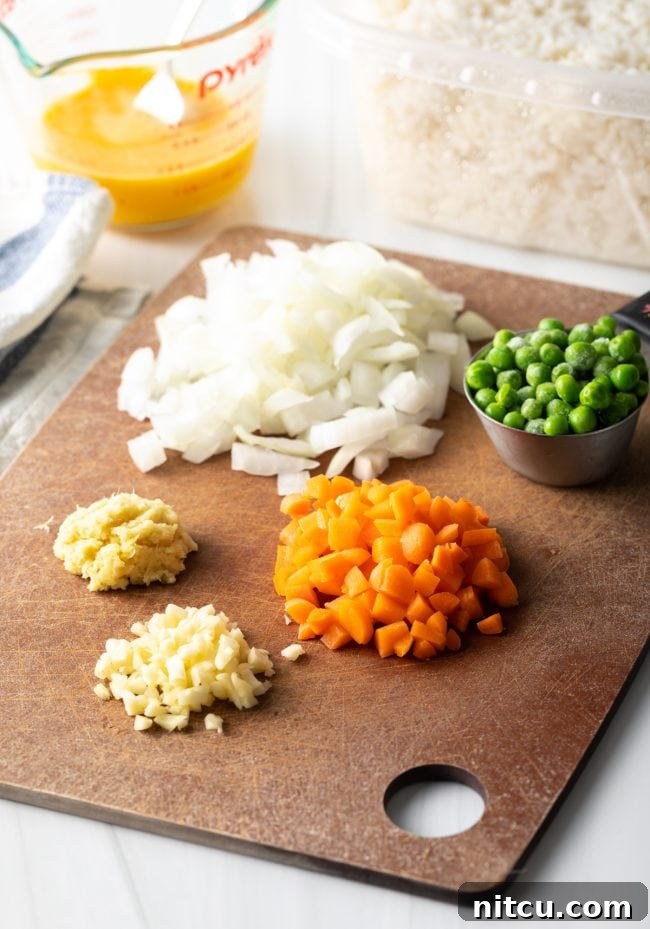
Creating this restaurant-style Hibachi Fried Rice at home is simpler than you think, especially when you embrace the “mise en place” philosophy – having all your ingredients prepped and ready before you even turn on the heat. The key to its success lies in quick, high-heat cooking. Once your ingredients are prepped, it’s just a matter of combining them in a hot pan, adding the savory sauces, and stirring your way to a mouthwatering dish!
For the complete Hibachi Rice recipe with precise measurements, detailed instructions, and helpful storage tips, please refer to the printable recipe card section located at the bottom of this post!
Essential Tips for Hibachi Fried Rice Perfection
Achieving that perfect restaurant-quality hibachi fried rice at home is entirely doable with a few key techniques. Pay attention to these tips for truly stellar results:
- The Golden Rule: Use Cold, Cooked Rice. This cannot be stressed enough! For the absolute best Japanese fried rice, you absolutely need to use cold, day-old cooked rice. Chilled rice is firmer and drier, which allows it to fry beautifully, achieving that slightly crispy texture without becoming mushy or clumpy. Freshly cooked, warm rice still holds too much moisture and will steam rather than fry.
- In a Rush? Opt for Pre-Cooked Rice. If you forgot to prepare rice the day before or are simply short on time, vacuum-sealed packets of pre-cooked white rice are a fantastic shortcut. These often have a drier texture that works surprisingly well for fried rice in a pinch.
- Don’t Be Afraid of High Heat. Hibachi-style cooking relies on intense heat to achieve that characteristic smoky flavor and slight char. Ensure your skillet or wok is screaming hot before adding ingredients. This quick cooking process is what makes the dish so flavorful and prevents ingredients from stewing.
- Avoid Overcrowding the Pan. Cooking in small batches might be necessary if your pan isn’t large enough to accommodate all the ingredients in a single layer. Overcrowding lowers the pan’s temperature, leading to steamed rather than fried ingredients, and a less desirable texture.
- Simplify with Frozen Mixed Vegetables. No time for chopping? A bag of frozen mixed vegetables (like peas and carrots, or a medley) is a perfect substitute for fresh veggies. Add them directly to the skillet after the aromatics, allowing them to heat through and soften.
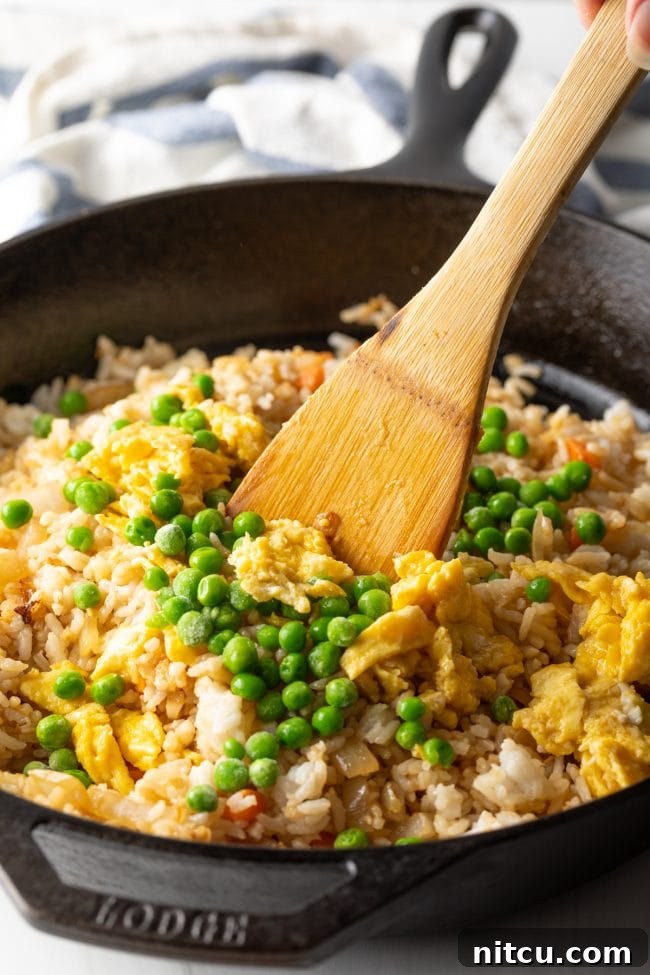
- Handle with Care: Be Gentle with the Rice! As you incorporate the rice and other ingredients, use a gentle stirring and folding motion with your wooden spoon or spatula. Aggressive stirring can break down the rice grains and lead to a mushy texture. The goal is to separate the grains and coat them evenly, not to mash them.
- Taste and Adjust Seasoning. Always taste your fried rice before serving. Depending on the type of soy sauce and your personal preference, you may need to add a splash more soy sauce, a pinch of salt, or a grind of black pepper to achieve the perfect balance of flavors.
- Fresh Aromatics Make a Difference. While garlic powder and ground ginger can be used, fresh minced garlic and grated ginger truly elevate the flavor profile of hibachi fried rice, providing a vibrant and authentic taste that dried spices simply can’t replicate.
Storage and Reheating Best Practices
One of the many benefits of this hibachi fried rice recipe is how well it stores, making it ideal for meal prep or enjoying delicious leftovers throughout the week. Proper storage and reheating ensure your fried rice remains tasty and safe to eat.
- Storing Leftovers: Any leftover Japanese hibachi fried rice will maintain its quality and taste wonderfully in the refrigerator for up to 4-5 days. To store, first allow the dish to cool completely to room temperature. Then, transfer it to an airtight container and place it promptly in the fridge. This prevents bacterial growth and keeps your rice fresh.
- Freezing Leftovers: While perfectly safe to freeze, be aware that the texture of the rice may become slightly softer and less tender once it has been frozen, thawed, and subsequently reheated. For best results, freeze the fried rice in a freezer-safe, airtight container or freezer bags for up to 3 months. When ready to enjoy, thaw the frozen rice in the refrigerator overnight before reheating.
- Reheating Leftovers: For optimal flavor and texture, reheat your hibachi fried rice in a saucepan or skillet over medium-high heat on the stovetop. Add a tiny splash of water or a bit more butter to help rehydrate the rice and prevent it from drying out, stirring occasionally until heated through. Alternatively, you can reheat it in the microwave in short bursts, stirring between each interval, until warmed to your liking.
Delightful Serving Suggestions for Hibachi Fried Rice
This versatile Japanese fried rice is a star in its own right, whether served as a comforting main course or a hearty, flavorful side. Here are some delicious ways to enjoy your homemade creation:
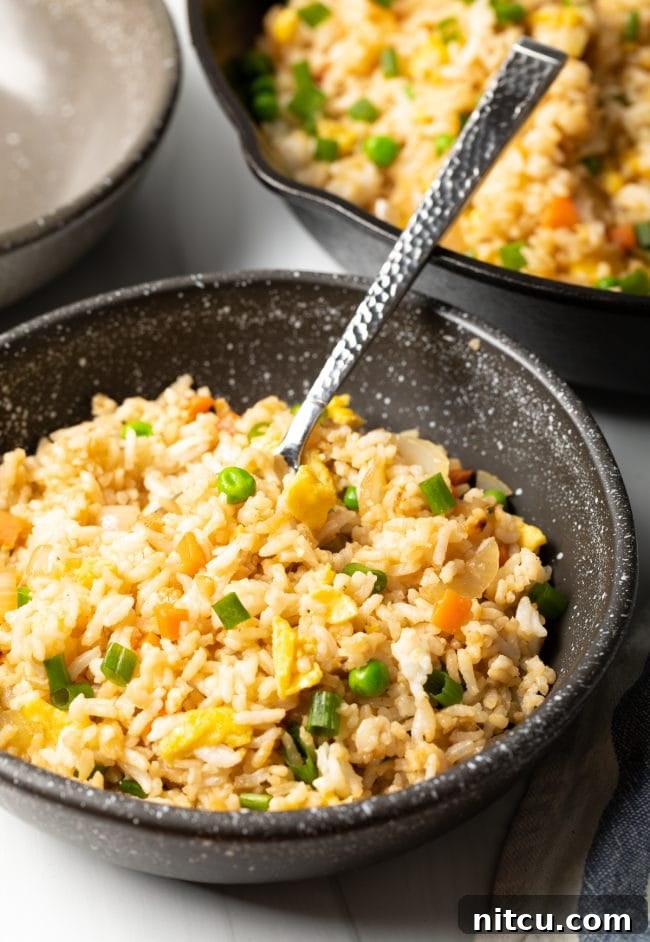
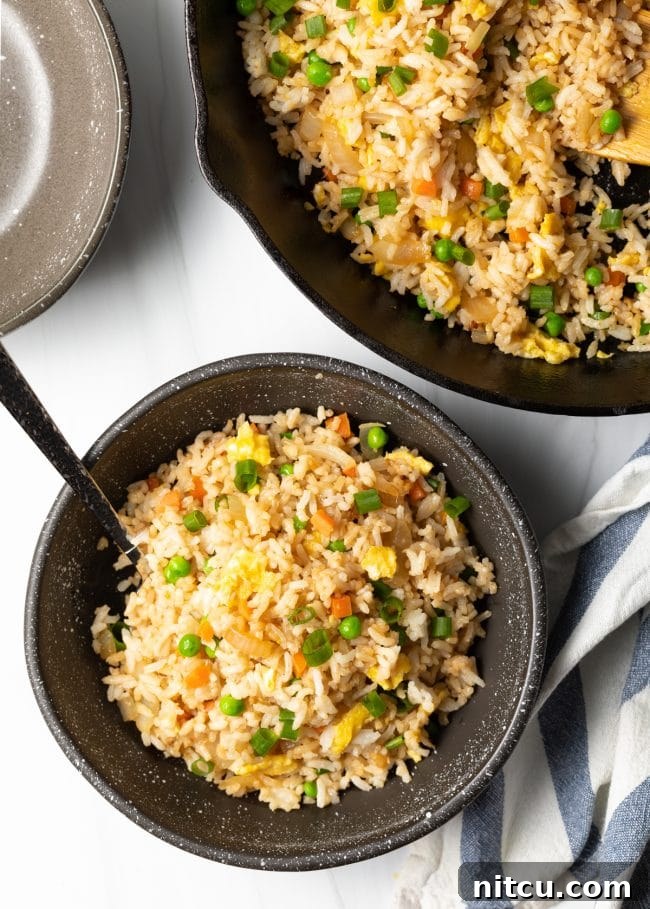
Before serving, elevate the presentation and add a final burst of fresh flavor by garnishing the warm rice with freshly chopped scallions. A sprinkle of toasted sesame seeds or a tiny drizzle of extra toasted sesame oil can also enhance its aromatic appeal.
As a Vegetarian Main Dish:
Serve your Japanese fried rice as the centerpiece of a light yet satisfying vegetarian meal. Pair it with:
- A warming Japanese clear soup or a traditional miso soup for a comforting start.
- Simple rice balls (onigiri) for an additional textural element.
- A crisp, fresh green salad, dressed with a vibrant Japanese ginger salad dressing to cut through the richness.
- Steamed edamame for a healthy and satisfying appetizer.
As a Hearty Side Dish:
Hibachi fried rice makes an excellent accompaniment to a wide range of Asian main courses, adding depth and substance to your plate. Consider pairing it with:
- Savory Okonomiyaki (Japanese savory pancakes) for a delightful textural contrast.
- Perfectly cooked shrimp, enhanced by a generous dollop of homemade yum yum sauce, for that authentic hibachi experience.
- A rich and flavorful bowl of ramen soup, where the fried rice can be eaten alongside or even mixed in.
- Grilled chicken or steak, marinated in a simple teriyaki sauce, for a complete meal reminiscent of your favorite Japanese steakhouse.
Don’t limit yourself to conventional meal times! Cold leftover hibachi-style fried rice also makes an unexpectedly delightful midnight snack, or even a flavorful, unconventional breakfast, especially if you add a fried egg on top!
Print Recipe
Leave a Review »
Japanese Hibachi Fried Rice Recipe
Video
Watch a video demonstration of this recipe on YouTube by searching for “Japanese Hibachi Fried Rice”.
Ingredients
- 4 cups cooked white rice chilled (from 1 ½ cups dried rice)
- 4 tablespoons butter
- 2 eggs beaten
- ¾ cup chopped onion
- ½ cup diced carrot finely chopped
- 3-4 cloves garlic minced
- 1 tablespoon fresh grated ginger
- 3 tablespoons low sodium soy sauce
- 2 tablespoons rice wine or cooking sherry
- 1 tablespoon sesame oil
- ½ cup frozen peas or skip the fresh carrot above and add 1 cup frozen peas and carrots
- ¼ cup chopped scallion optional
Instructions
-
Prepare All Ingredients: The key to quick and successful fried rice is “mise en place.” Before you begin cooking, ensure all your ingredients are prepped. Crack the eggs into a measuring cup and beat them thoroughly. Chop or mince all fresh produce according to the recipe. In a separate measuring cup or small bowl, combine the soy sauce, rice wine (or cooking sherry), and sesame oil, stirring well to create your flavorful stir-fry sauce. Set everything aside within easy reach of your cooking station.
-
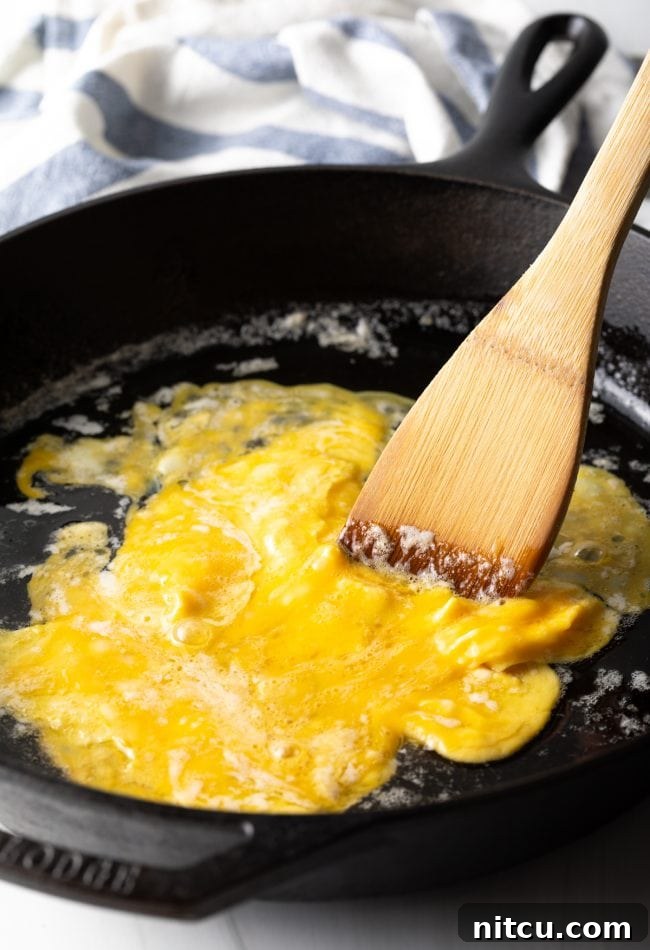
Scramble the Eggs: Place a large cast-iron skillet or wok over medium-high heat. Allow it to get very hot. Add 2 tablespoons of butter to the skillet. Once the butter is melted and sizzling, pour in the beaten eggs. Use a wooden spoon or spatula to quickly move the eggs around the pan, scrambling them until they are fully cooked through and fluffy. Transfer the cooked eggs to a holding plate and use your spatula to roughly chop them into small, bite-sized pieces.
-
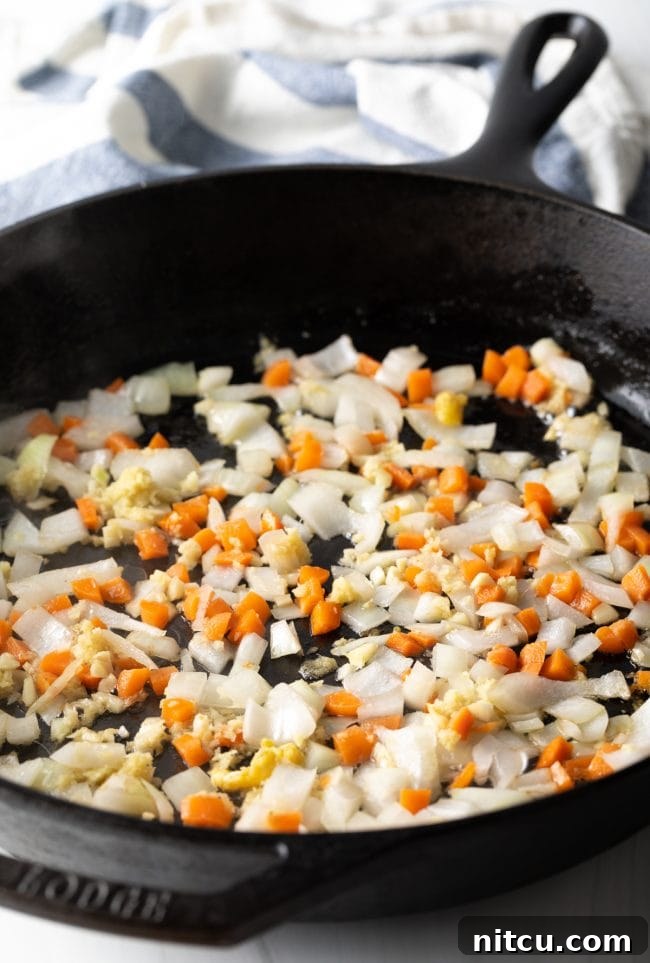
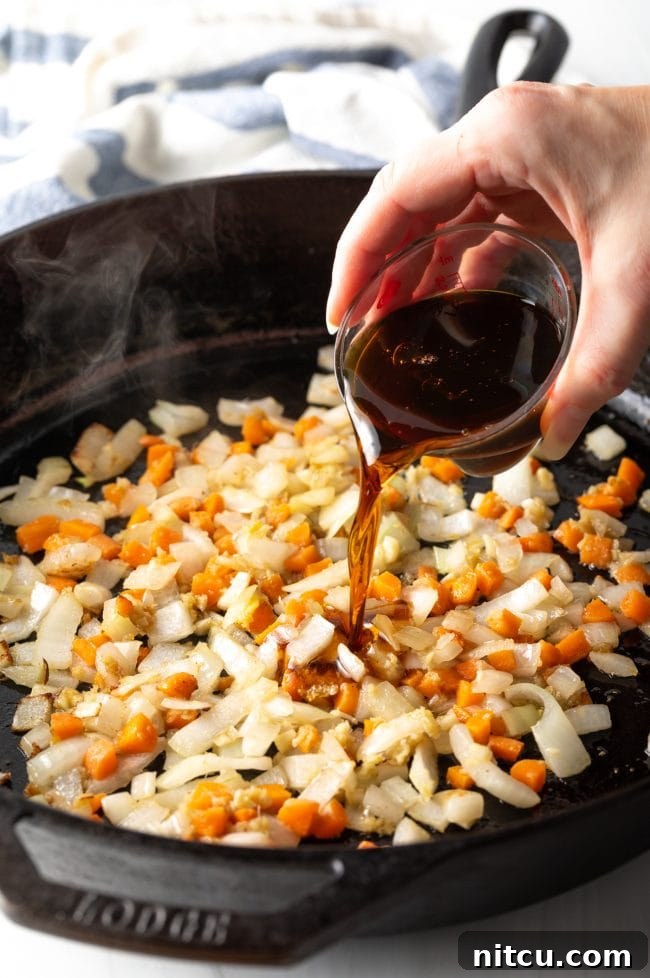
Sauté the Vegetables and Aromatics: Add the remaining 2 tablespoons of butter to the hot skillet. Once melted, add the chopped onions, diced carrots, minced garlic, and fresh grated ginger. Stir-fry these vegetables and aromatics for 3 to 5 minutes, or until the onions are translucent and the carrots are crisp-tender. Ensure they are cooked through but still retain a slight bite.
-
Add Sauce and Rice: Pour the prepared stir-fry sauce into the skillet with the sautéed vegetables. Stir quickly to coat the vegetables evenly. Immediately add the cold cooked rice to the skillet. Toss and stir the rice vigorously but gently, ensuring it is thoroughly coated in the sauce and all clumps of rice are broken apart. Continue to stir-fry for several minutes, allowing the rice to get a little “sizzle time” at the bottom of the skillet. This step is crucial for developing that characteristic fried rice texture and flavor.
-
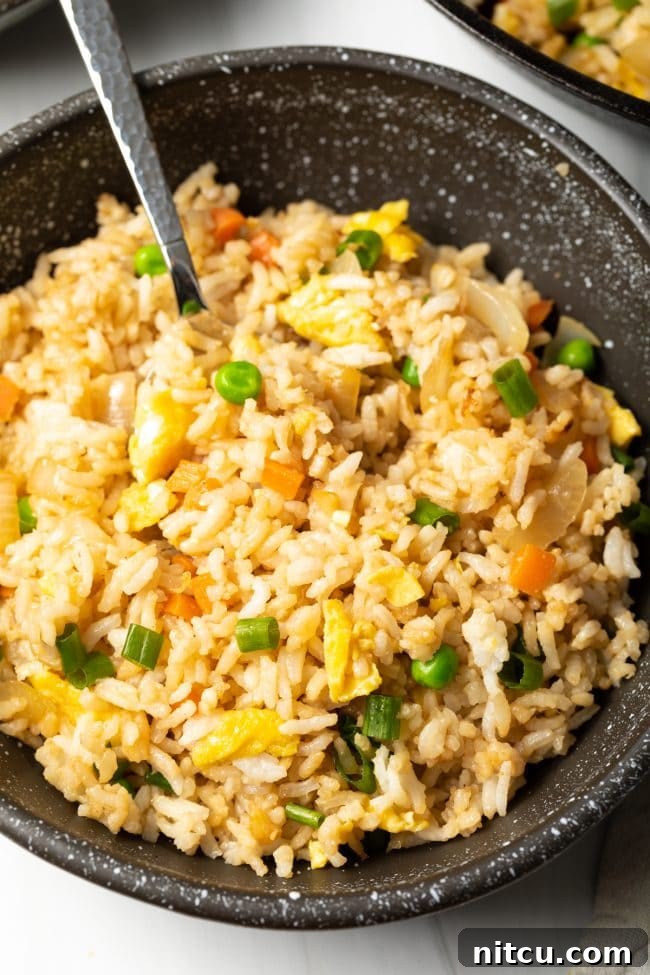
Combine and Serve: Once the rice is well mixed, evenly coated, and thoroughly warmed through, gently stir in the chopped scrambled egg and frozen peas (if using). Cook for another minute or two, just until the peas are heated through. Turn off the heat and serve your delicious hibachi fried rice immediately while it’s warm. Garnish with fresh chopped scallions, if desired, for an extra burst of freshness and color.
Notes
Storage: Leftover Japanese hibachi fried rice will keep well in an airtight container in the refrigerator for up to 4-5 days. Always allow the dish to cool completely before transferring it to storage.
Nutrition Information (Approximate Per Serving)
Frequently Asked Questions About Hibachi Fried Rice
Making this recipe on a Blackstone or any large flat-top griddle is incredibly easy and highly recommended for achieving an authentic hibachi flavor. The expansive, even heat of a griddle is perfect for stir-frying. Simply follow the exact same recipe steps listed above, ensuring your griddle is preheated to a medium-high temperature. Use a wooden spatula or metal griddle scraper (if suitable for your griddle’s surface) to avoid damaging the cooking surface while allowing the rice to get that desirable sizzle and slight char.
By default, this recipe is crafted to be mild, appealing to a wide range of palates. However, if you enjoy a touch of heat, it’s very easy to customize! You can drizzle in some Sriracha sauce or chili garlic sauce at the end of cooking, or sprinkle in a pinch of red pepper flakes with the vegetables for a subtle warmth that infuses throughout the dish.
While both are beloved fried rice dishes, there are distinct differences. Hibachi fried rice, typically prepared on a large flat-top griddle (like a hibachi or teppanyaki grill), often has a richer, buttery flavor profile due to the butter used during cooking. It tends to be simpler in ingredients, focusing on rice, egg, and basic vegetables with minimal sauce. Traditional Chinese fried rice, on the other hand, is usually cooked in a wok over high heat and often incorporates a broader range of sauces (like oyster sauce, dark soy sauce) and ingredients, leading to a more complex, sometimes lighter, savory-sweet flavor with a more varied mix of vegetables and proteins.
While technically possible, we highly recommend against using freshly cooked, warm rice. Warm rice contains too much moisture, which will cause it to steam and clump together in the pan, resulting in a mushy texture rather than the desired separate, slightly crispy grains. Always opt for cold, day-old rice for the best hibachi fried rice experience. If you must use fresh rice, cook it, spread it thinly on a baking sheet, and refrigerate it for at least an hour to cool and dry out.
A large cast-iron skillet, a heavy-bottomed stainless steel pan, or a non-stick wok are ideal choices for making hibachi fried rice at home. The key is to use a pan that can retain high heat and offers a wide surface area for the rice to fry rather than steam. A flat-top griddle is also an excellent option if you have one.
Expand Your Palate: Similar Fried Rice Recipes You Might Enjoy
If you loved this hibachi fried rice, there’s a whole world of delicious fried rice variations to explore! Each offers a unique flavor profile and culinary experience. Dive into these other fantastic recipes: