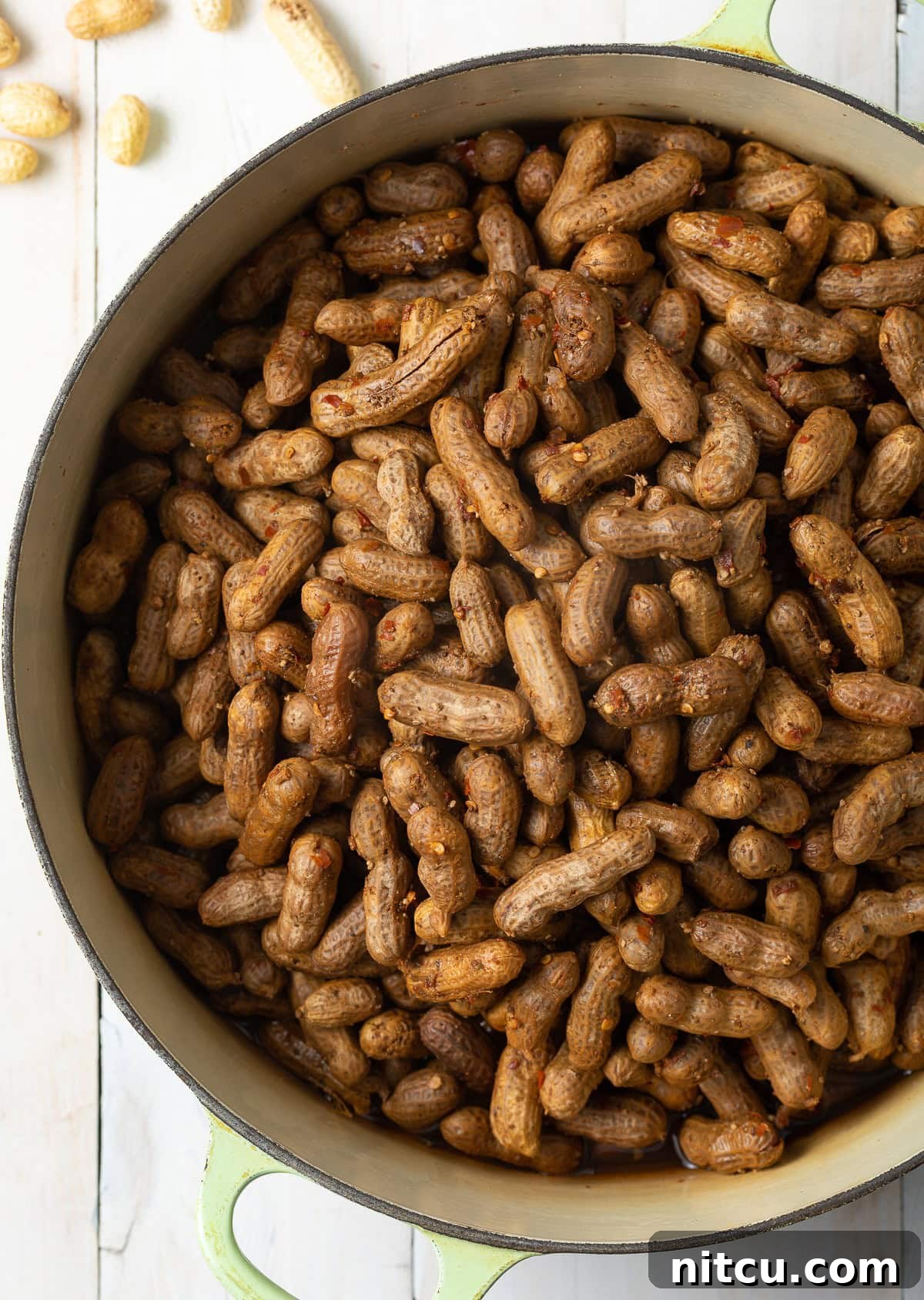
Discover the ultimate guide to making irresistible Cajun Boiled Peanuts! This comprehensive recipe provides easy-to-follow instructions for preparing this Southern delicacy using your Crock Pot, Instant Pot, or a traditional stovetop method. Get ready to experience the zesty, flavorful brine and tender texture of perfect boiled peanuts.
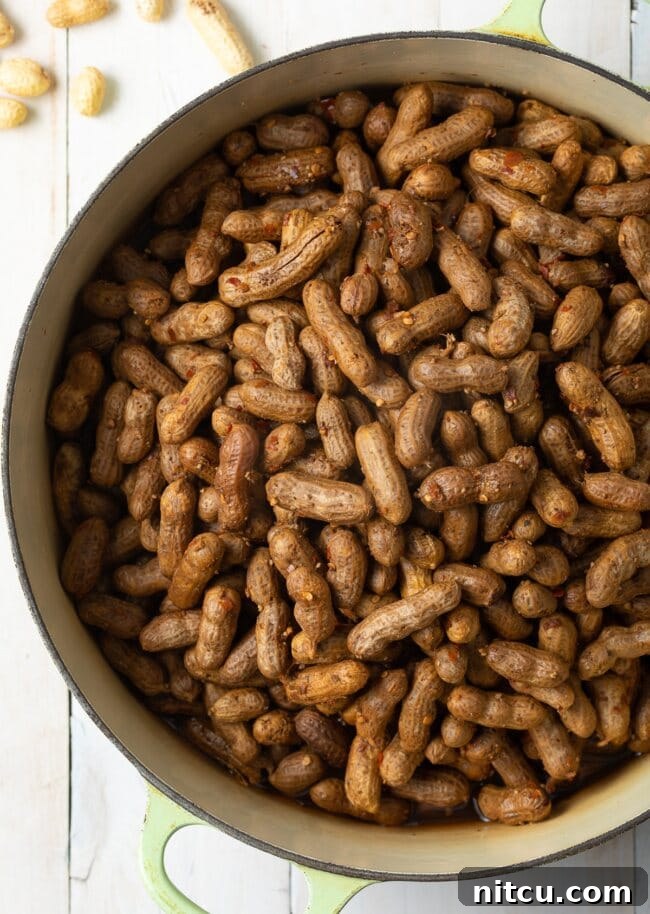
Cajun Boiled Peanuts: The Quintessential Southern Snack
For those unfamiliar with the culinary traditions of the American South, the term “boiled peanuts” might sound intriguing or even unusual. However, in states like South Carolina, Alabama, Georgia, and Florida, boiled peanuts are not just a snack; they are a deeply ingrained cultural staple, a symbol of leisurely afternoons and communal gatherings. This unique preparation method transforms raw peanuts into a soft, chewy, and incredibly flavorful treat, starkly different from their roasted counterparts.
Unlike crunchy roasted peanuts, boiled peanuts are succulent and tender, having absorbed a savory, often spicy, brine during their extended cooking process. This infusion of flavor creates an addictive snack with a melt-in-your-mouth texture that captivates locals and visitors alike. Often found roadside stands, gas stations, and farmers’ markets across the Southern states, they embody the region’s laid-back charm and rich culinary heritage. In fact, their popularity is such that boiled peanuts proudly hold the title of the official state snack of South Carolina, a testament to their beloved status.
Whether you’re a lifelong Southerner or new to this delightful tradition, mastering the art of making boiled peanuts at home is a rewarding experience. They are the perfect accompaniment to casual parties, game day celebrations, or simply as a comforting snack on a lazy weekend. This recipe will guide you through crafting a batch of authentically zesty Cajun-style boiled peanuts that will have everyone reaching for more.

Crafting the Perfect Cajun Boiled Peanut Recipe
In the South, these flavorful legumes are often pronounced “bold” peanuts, a playful nod to their robust taste. A truly exceptional boiled peanut recipe goes beyond just salt and water, incorporating a medley of herbs and spices that elevate the natural peanut flavor and create a truly memorable experience. Today, we’re diving into a versatile recipe that ensures delicious results, regardless of your preferred cooking method.
We understand that modern kitchens are equipped with various tools, and busy schedules demand flexibility. That’s why this guide provides detailed instructions for making these addictive Cajun boiled peanuts using three convenient methods: the classic **Stovetop** for traditionalists who enjoy a slow, steady simmer, the incredibly fast and efficient **Instant Pot** for those times when cravings strike quickly, and the convenient **Slow Cooker** for a hands-off approach, perfect for overnight cooking or long days.
Each method offers a slightly different advantage, allowing you to choose the best fit for your time and equipment. Whether you need a quick batch for an impromptu gathering or want to let the flavors meld slowly while you go about your day, you’ll find a method that delivers perfectly plump, zesty boiled peanuts every time.
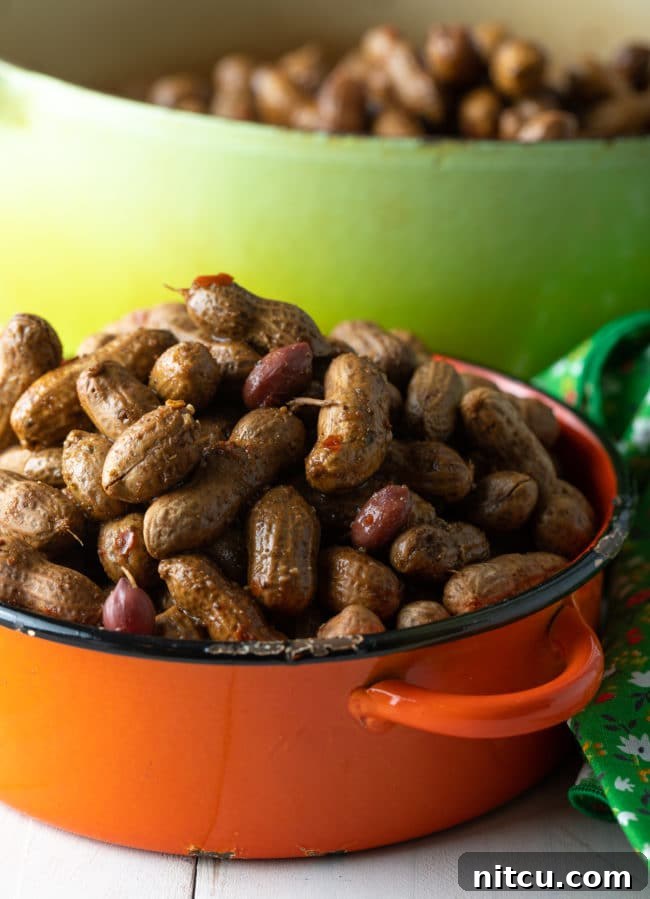
Essential Ingredients for Irresistible Boiled Peanuts
While a basic boiled peanut recipe might call for just peanuts and salted water, elevating the flavor profile with a few key spices transforms them into an unforgettable Southern delight. Here’s a breakdown of the ingredients you’ll need to create a truly zesty and aromatic batch:
- Raw or Green Peanuts (In Shell): This is the foundation of our recipe. Using peanuts still in their shells is crucial as it allows the salty, spicy brine to permeate the shell and infuse the nuts with flavor. We’ll discuss the difference between “raw” and “green” peanuts shortly, as it impacts cooking time.
- Kosher Salt: More than just a seasoning, salt is vital for the brining process. Kosher salt is preferred for its pure flavor and larger crystals, which dissolve slowly and create a perfectly balanced salty environment for the peanuts to absorb.
- Cajun Seasoning (or Creole Seasoning): This is your secret weapon for packing a punch of Southern flavor. A good Cajun or Creole seasoning blend typically contains a mix of paprika, garlic powder, onion powder, cayenne pepper, black pepper, and other savory herbs. It’s a convenient way to add complex layers of spice and aroma without individually measuring multiple ingredients.
- Crushed Red Pepper: For those who love a bit of heat, crushed red pepper flakes provide a wonderful spicy kick. You can adjust the quantity from 1 to 3 teaspoons (or more!) depending on your desired level of spice. It adds a vibrant warmth that complements the savory notes.
- Garlic Powder: A classic aromatic, garlic powder deepens the savory profile of the peanuts. It contributes a foundational flavor that is comforting and universally appealing.
- Liquid Smoke: This is my personal secret ingredient for achieving that authentic, old-school open-flame flavor without the need for a smoker or campfire. Just a touch of liquid smoke adds an incredible depth and a subtle smoky aroma that truly makes these boiled peanuts stand out. While optional, it’s highly recommended for an authentic taste experience.
- Water: You’ll need a generous amount of water – at least a gallon, and often more – to fully submerge the peanuts and create the brining liquid. The water acts as the vehicle for all the incredible flavors to transfer into the peanuts.
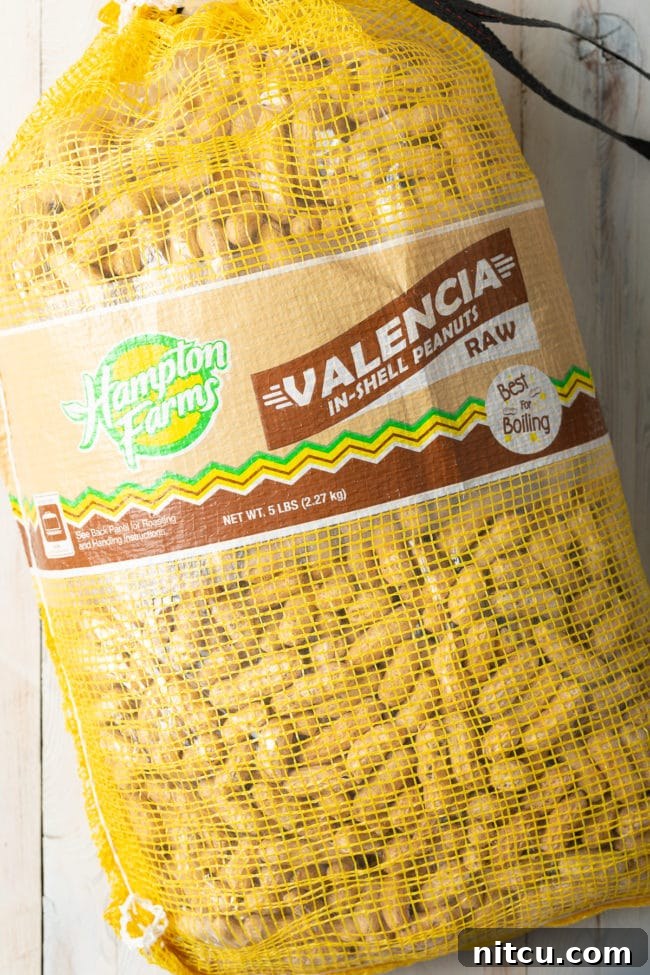
Green Peanuts vs. Raw Peanuts: Understanding the Difference
When preparing boiled peanuts, you typically have two main options for in-shell peanuts: green peanuts and raw peanuts. Understanding the distinction between them is crucial, as it directly impacts cooking times and storage.
Green Peanuts are essentially “fresh from the farm.” These are peanuts that have just been harvested, still moist, and have not undergone any drying process. Because of their high moisture content, they cook much faster and absorb flavors more readily. However, their freshness also means they are highly perishable. If you purchase green peanuts, it’s essential to cook them within a day or two, or refrigerate them if you plan to store them for a short period before cooking. They offer a wonderfully tender texture and a slightly sweeter, fresher taste.
Raw Peanuts, on the other hand, are raw but have been air-dried after harvesting. This drying process removes much of their moisture content, making them shelf-stable and suitable for storage at room temperature for several weeks. Due to their lower moisture content, raw peanuts require a significantly longer cooking time to soften and fully absorb the brining liquid. While they take more patience, they still yield delicious, plump boiled peanuts with a slightly nuttier flavor profile.
Is one better than the other? Not necessarily. Both green and raw peanuts can produce perfectly soft and plump boiled peanuts, whether you use an Instant Pot, Slow Cooker, or stovetop. The choice often comes down to availability and how much cooking time you have. If you can find fresh green peanuts, they’re a treat due to their faster cooking and unique fresh flavor. If not, readily available raw dried peanuts are an excellent and reliable alternative, simply requiring a bit more cooking patience.
How To Make Boiled Peanuts – Three Foolproof Methods!
Achieving perfectly tender and flavorful boiled peanuts is simpler than you might think, especially with these three reliable cooking methods. Each approach offers distinct advantages, catering to different time constraints and preferences. Below, you’ll find the general steps for each method, with a detailed recipe card at the end of this post for specific ingredient proportions and precise timings.
For the complete Cajun Boiled Peanuts recipe, including exact measurements and a printable format, please refer to the recipe details provided at the conclusion of this article.
Expert Tips & Tricks for the Best Boiled Peanuts
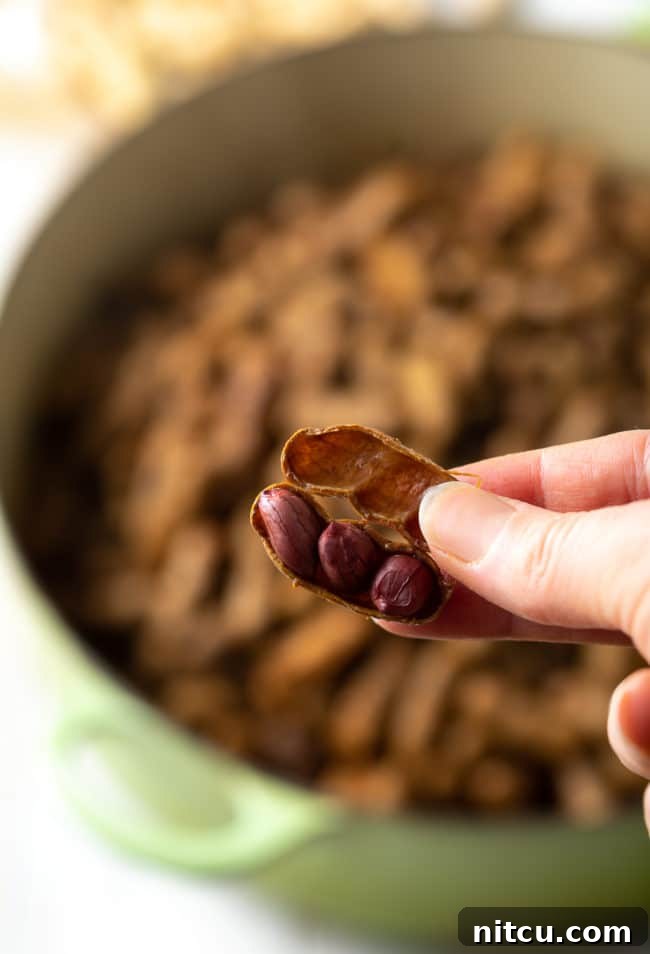
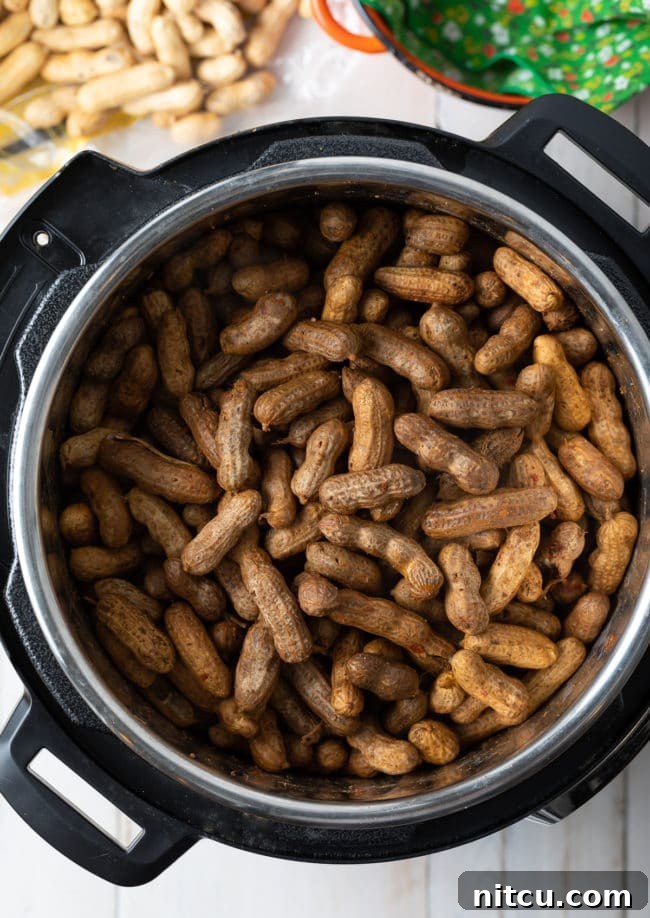
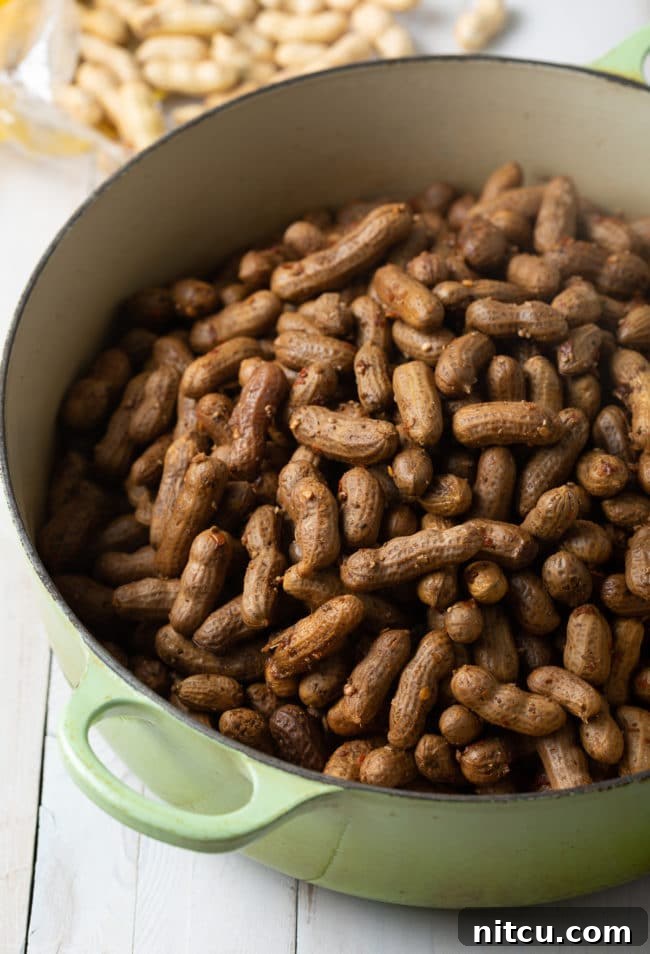
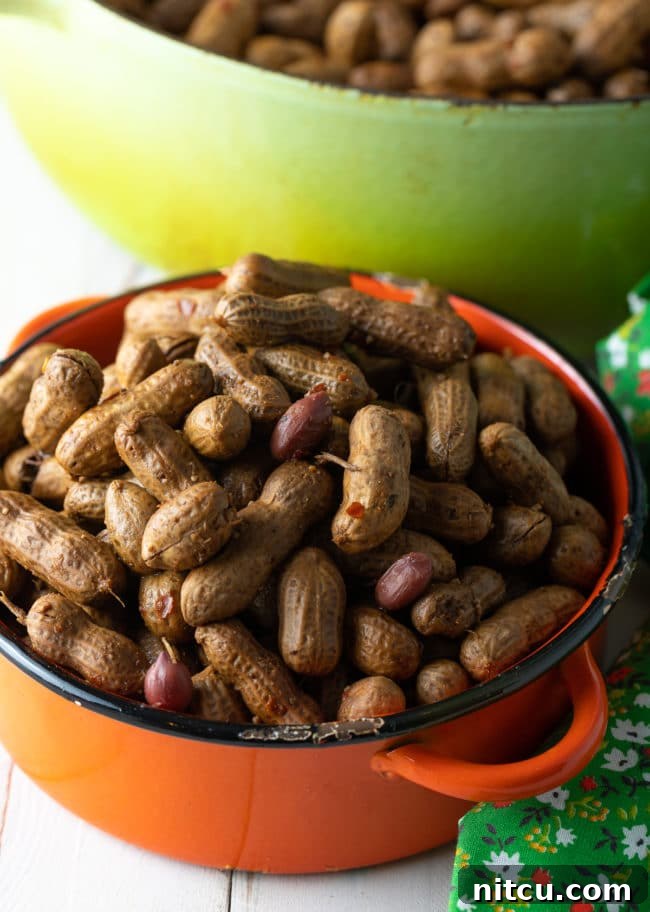
- Achieving the Perfect Texture: Determining when your Cajun boiled peanuts are perfectly cooked is key to enjoying them. The shell should feel soft and plump, yielding easily when squeezed, but not mushy. The peanuts inside should be tender and creamy, reminiscent of a perfectly cooked bean or chickpea, rather than hard and raw. You can sample them periodically towards the end of the cooking time to achieve your desired level of tenderness. Some prefer them very soft, almost bursting from their shells, while others like a slight firmness.
- For the Love of Spice: If you’re a fan of fiery snacks, don’t hesitate to amp up the heat! You can add whole or sliced jalapeños, serrano, or even habanero peppers directly to the cooking liquid along with the other spices. This infuses the peanuts with an incredible, fresh chili flavor and an extra kick. For a milder, smoky heat, consider adding a pinch of smoked paprika.
- Never Eat Raw Peanuts: It’s crucial to remember that raw, uncooked peanuts should not be consumed. Like other legumes, peanuts need to be cooked to eliminate any potential bacteria or molds, such as Aspergillus flavus, which can produce harmful toxins. Boiling or roasting them renders them perfectly safe and delicious to eat.
- Washing Your Peanuts: Before cooking, always give your raw or green peanuts a thorough wash under cold running water. This helps remove any dirt, debris, or excess soil that might cling to the shells. A quick rinse and scrub will ensure a cleaner brine and tastier end product.
- Submerge for Success: Ensure all peanuts remain fully submerged in the cooking liquid throughout the process. Peanuts tend to float, especially at the beginning. You might need to place a heat-safe plate or lid on top of the peanuts inside the pot to keep them underwater, ensuring even cooking and flavor absorption.
- Adjusting Saltiness: The initial salt content might seem high, but remember that the peanuts and shells absorb a lot of it. For future batches, if you find them too salty, slightly reduce the kosher salt. If not salty enough, a quick soak in extra salty water after cooking can boost the flavor.
Delightful Serving Suggestions for Your Boiled Peanuts
This Cajun boiled peanuts recipe yields a generous batch, making it absolutely perfect for feeding a crowd! It’s a fantastic snack that fits seamlessly into almost any casual gathering, from spirited football game viewing parties to lively holiday barbecues or relaxed backyard get-togethers. Beyond enjoying them on their own, you can also serve boiled peanuts alongside a variety of other Southern-inspired dishes and appetizers to create an impressive spread. Here are some of my favorite pairings to complement the zesty, savory flavors of boiled peanuts:
- Southern Comeback Sauce and Cajun Fries: The rich, tangy sauce and seasoned fries create a perfect trio of Southern comfort.
- Hot Shrimp Dip: A creamy, spicy dip provides a luxurious contrast to the simple peanuts.
- Fried Green Tomatoes: The classic tangy crunch of fried green tomatoes is a wonderful textural and flavor counterpoint.
- Hushpuppies: Fluffy, savory cornmeal fritters offer another delightful fried element.
- Lemon Pepper Wings: Zesty and savory wings provide a robust protein option that pairs well with the peanuts.
Frequently Asked Questions About Boiled Peanuts
What exactly are boiled peanuts?
Boiled peanuts are an iconic Southern delicacy made by simmering raw, in-shell peanuts in heavily salted water for several hours until they become soft and tender. This cooking method, popular in the Southeastern United States, transforms the crunchy raw legume into a succulent, savory snack. While they can be made simply with just salt and water, many recipes, like this Cajun version, incorporate various spices and seasonings to infuse them with rich, complex flavors.
What do boiled peanuts taste and feel like?
If you’re trying boiled peanuts for the first time, prepare for a delightful surprise! Their texture is remarkably soft and chewy, almost like a very tender bean or chickpea, rather than the crispness of roasted peanuts. The flavor is profoundly savory and salty, intensified by the brine and any added spices. The exact texture can be customized to your preference; traditionalists often favor them extremely swollen and soft, sometimes to the point of the skins popping. However, many, myself included, prefer them slightly firmer, offering a satisfying bite without being mushy. The beauty is you can cook them to your desired tenderness by tasting them at different stages of the cooking process.
Is it necessary to soak peanuts before boiling them?
No, there’s no need to pre-soak the peanuts before cooking. Because all methods for preparing boiled peanuts involve extended cooking times—ranging from over an hour in an Instant Pot to multiple hours on the stovetop or even overnight in a slow cooker—the peanuts will naturally soften and absorb plenty of liquid and flavor during the cooking process. A thorough rinse to remove dirt is all that’s required before they hit the pot.
Should you eat the shell of a boiled peanut?
While the shell of a boiled peanut is soft and permeable, it is generally not recommended to eat it. The shell, though not harmful, lacks flavor and can be fibrous and unpleasant to chew. The true delight lies in the tender kernels within. The traditional way to enjoy them is to crack open the softened shell with your fingers (or teeth for the bold!), pop out the savory peanuts, and discard the shell. Sometimes, a little bit of the delicious brine clinging to the inside of the shell is slurped up before consuming the nuts, adding to the experience!
What if I pressure cook the peanuts but want them softer?
The ideal texture for boiled peanuts is highly subjective. If your Instant Pot boiled peanuts aren’t as soft as you’d like after the initial cooking cycle, don’t worry! You can easily adjust them. Simply add a bit more water to the Instant Pot to ensure they are submerged, then cover and set it to “Pressure Cook High” for an additional 5-8 minutes. After this second round of cooking, perform a quick release of the pressure. This extra time under pressure will further soften the peanuts, helping you achieve that ultra-tender, melt-in-your-mouth consistency.
Are boiled peanuts considered a healthy snack?
Boiled peanuts can be a relatively healthy snack when consumed in moderation. They are a good source of plant-based protein and dietary fiber, which can help with satiety and digestion. A typical serving (about one cup) contains approximately 333 calories, 15 grams of protein, and 11 grams of carbohydrates. While they are nutritious, it’s important to note their sodium content, which can be quite high due to the brining process. As with any snack, balance and moderation are key. For full nutritional information, please refer to the recipe card below.
Are Boiled Peanuts Gluten-Free?
Yes, traditional boiled peanuts made with raw peanuts, salt, and water are naturally gluten-free. This Cajun boiled peanuts recipe is also gluten-free, provided that the Cajun or Creole seasoning blend you choose does not contain any hidden gluten-containing ingredients. Always check the label of your seasoning mix to ensure it’s certified gluten-free if you have dietary restrictions.
Do You Serve Boiled Peanuts Warm?
Boiled peanuts are most commonly served warm, straight out of the pot. The warmth enhances their savory flavor and tender texture, making them incredibly comforting. However, they are also perfectly delicious served at room temperature, especially at outdoor gatherings or picnics. Some people even enjoy them chilled, finding the cool, briny bite refreshing. It truly comes down to personal preference!
How Long Will Boiled Peanuts Last?
Proper storage is essential to keep your boiled peanuts fresh and flavorful. If you store them submerged in their briny liquid in a sealed container in the refrigerator, they can last for several weeks, often up to two to three weeks. The salty brine acts as a preservative. If you drain off the liquid, the peanuts will last for a shorter period, typically up to two weeks in the refrigerator. For longer storage, boiled peanuts freeze exceptionally well, either in their liquid or drained, and can be kept frozen for several months. Simply thaw and reheat gently when ready to enjoy.
More Southern Recipe Favorites
Cajun Boiled Peanuts Recipe (3 Ways!)
Here’s how to make delicious Boiled Peanuts using your Crock Pot, Instant Pot, or on the Stovetop! This EASY Cajun Boiled Peanuts Recipe is so zesty and fabulous, you’ll fall in love with southern boiled peanuts all over again.
Prep Time: 5 minutes
Cook Time: 1 hour 33 minutes (Instant Pot – for green peanuts) to 38 hours (Crock Pot – for raw peanuts)
Total Time: 1 hour 38 minutes (Instant Pot) to 38 hours 5 minutes (Crock Pot)
Servings: 8
Ingredients
- 2 pounds raw peanuts in shells (or green peanuts)
- 1/3 cup kosher salt
- 3 tablespoons Cajun seasoning (or Creole seasoning)
- 1-3 teaspoons crushed red pepper
- 1 1/2 teaspoons liquid smoke
- 1 teaspoon garlic powder
- 4+ quarts water
Instructions
- INSTANT POT BOILED PEANUTS: (Approx. 77-93 Minutes)
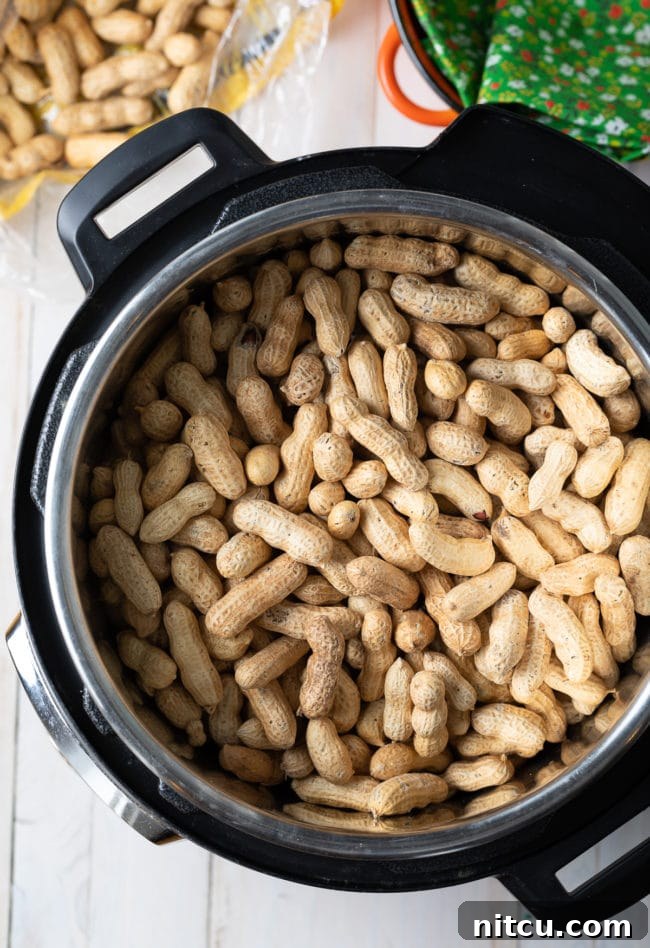
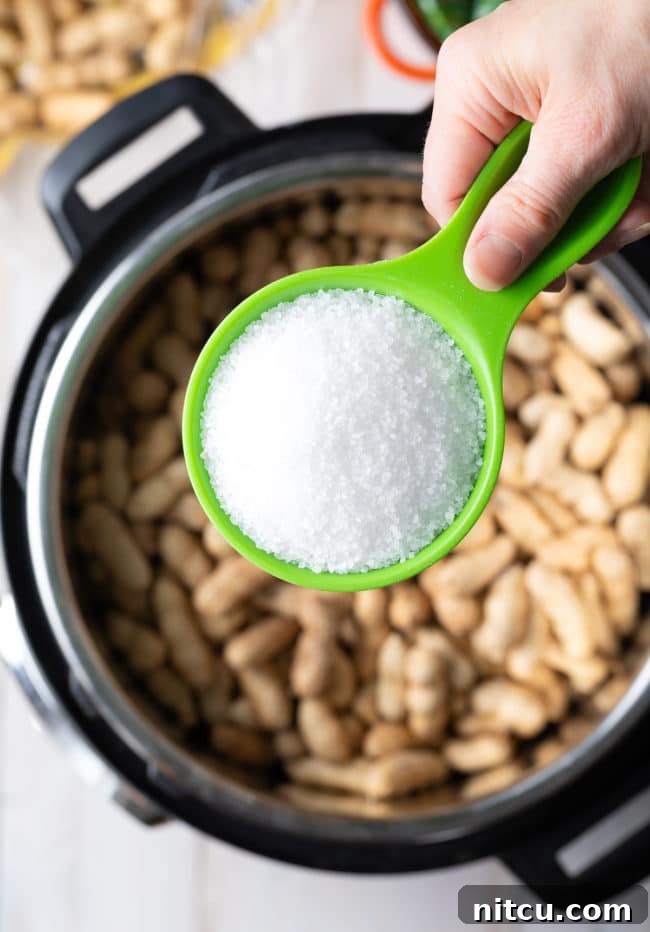
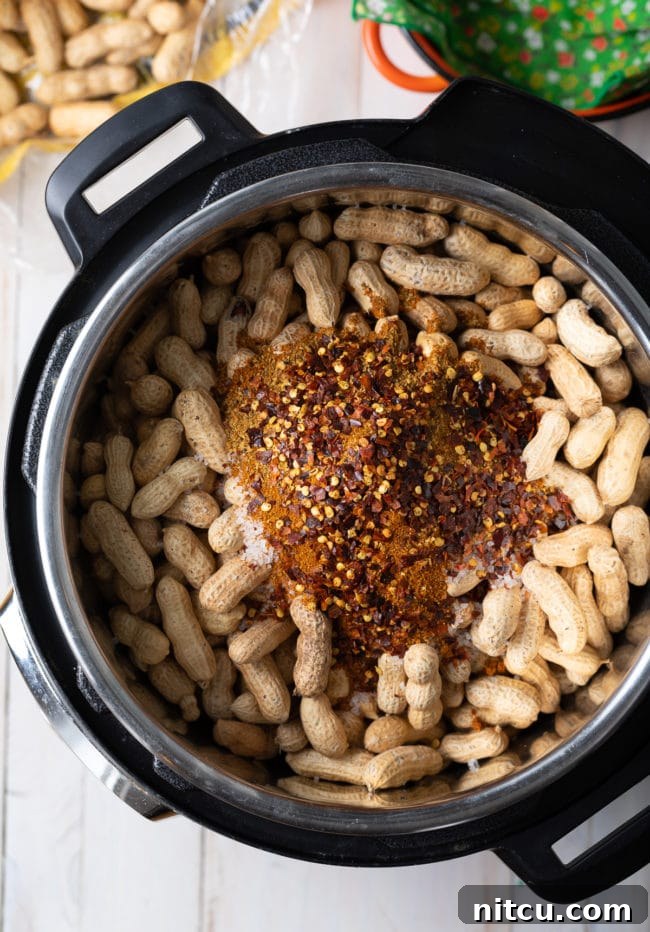
- Place the peanuts in a 6 or 8 quart Instant Pot. Add the kosher salt, Cajun seasoning, crushed red pepper, liquid smoke, and garlic powder. Pour in 4 quarts of water, or enough to fully cover the peanuts when pressed down.
- Lock the lid securely in place. Set the Instant Pot to Pressure Cook High for 77 minutes for green peanuts or 93 minutes for raw dried peanuts. Once the cooking cycle finishes, allow for a natural pressure release. After the steam release button drops, it is safe to open the Instant Pot.
- STOVETOP BOILED PEANUTS: (Approx. 2-8 Hours)
- Place a large 6-8 quart dutch oven or stockpot over high heat. Add the peanuts, kosher salt, Cajun seasoning, crushed red pepper, liquid smoke, and garlic powder. Pour in 4+ quarts of water, or enough to fully cover the peanuts when pressed down.
- Cover the pot and bring the mixture to a rolling boil. Once boiling, stir well to combine all ingredients, then reduce the heat to a mild simmer. Cover and continue to cook for 2-3 hours for green peanuts or 6-8 hours for raw dried peanuts. Check the water level every hour and add warm tap water if needed to keep the peanuts submerged.
- CROCK POT BOILED PEANUTS: (Approx. 22-38 Hours)
- Set out a large 6+ quart slow cooker (Crock Pot). Add the peanuts, kosher salt, Cajun seasoning, crushed red pepper, liquid smoke, and garlic powder. Pour in 3-4 quarts of water, or enough to cover the peanuts when they are pressed down.
- Cover the slow cooker and set it to the low heat setting. Cook for approximately 22-24 hours for green peanuts, and 36-38 hours for raw dried peanuts. Be sure to check the water level every 8 hours or so and add more if necessary to keep the peanuts submerged.
Notes
- Which Method is Best? All three cooking methods—Instant Pot, stovetop, and slow cooker—will produce wonderfully zesty and plump boiled peanuts. One method isn’t inherently “better” than the others; they simply offer different conveniences. The Instant Pot is the fastest, the stovetop is traditional and allows for frequent checks, and the slow cooker is ideal for a hands-off, overnight cook. Choose the method that best suits your schedule and kitchen equipment.
- Ideal Texture: If you’re new to boiled peanuts, you might be unsure when they’re perfectly cooked. The desired texture is largely a matter of personal preference. Some aficionados enjoy them extremely soft and swollen, almost like overcooked beans. My preference is for them to be slightly firmer, similar to the texture of a cooked chickpea. I encourage you to sample them periodically as they cook and stop when they reach your perfect level of tenderness.
- Raw vs. Green Peanuts: Remember that green peanuts are fresh and moist from the field, making them perishable and requiring refrigeration before cooking. They also cook faster. Raw peanuts are dried and shelf-stable but require a longer cooking time due to their lower moisture content. Adjust your cooking times accordingly based on the type of peanuts you are using.
Nutrition Facts
Serving Size: 1 cup
- Calories: 333 kcal
- Carbohydrates: 11g
- Protein: 15g
- Fat: 29g
- Saturated Fat: 4g
- Sodium: 4760mg
- Potassium: 491mg
- Fiber: 6g
- Sugar: 1g
- Vitamin A: 1367IU
- Calcium: 83mg
- Iron: 3mg
Course: Appetizer, Snack
Cuisine: American (Southern)
Author: Sommer Collier