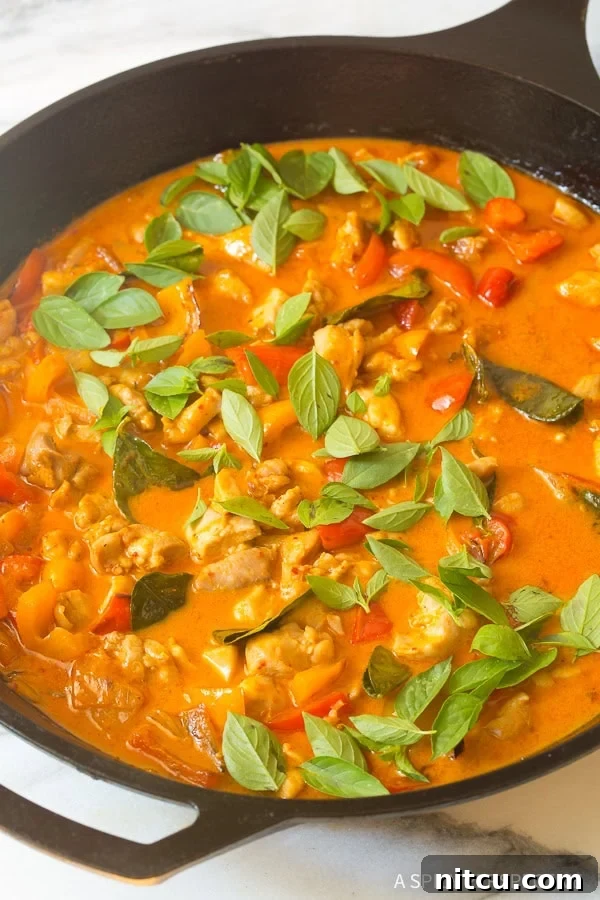
The Ultimate Authentic Thai Panang Chicken Curry: Better Than Takeout!
Prepare to experience the finest Thai Panang Curry you’ve ever tasted, crafted right in your own kitchen! This authentic curry recipe, inspired by our culinary adventures through Thailand, will have you canceling your takeout orders for good. Dive into a world of rich, aromatic flavors that are surprisingly easy to achieve.
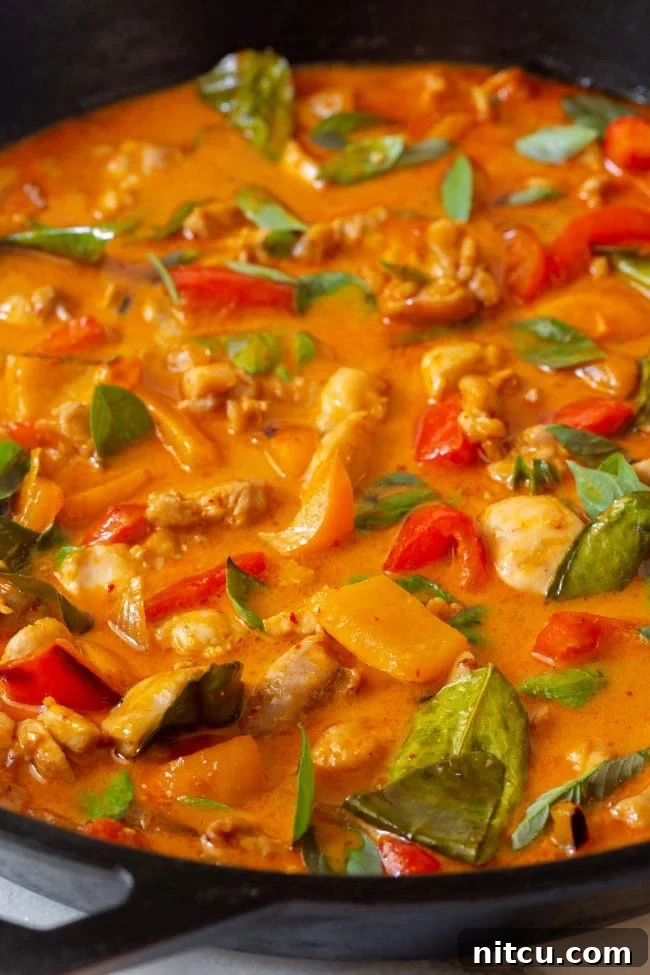
Why Panang Curry Captivates the Senses
Thai Panang Curry is a culinary masterpiece that consistently captures hearts and palates worldwide. Originating from the central region of Thailand, its name is believed to derive from the island of Penang in Malaysia, reflecting a cross-cultural culinary influence. What makes this particular curry so utterly irresistible? It’s a symphony of flavors: a luxurious blend of richness from full-fat coconut milk, a tantalizing kick of spice that’s milder than many Thai curries, and a distinctive aromatic depth derived from key ingredients like fragrant kaffir lime leaves and a high-quality Panang curry paste. The moment its unique, slightly sweet, and nutty fragrance fills your kitchen, you’ll understand why this dish is often considered one of Thailand’s most beloved curries. I truly believe I could enjoy this exquisite curry every single day without ever tiring of its complex, comforting taste.
Beyond its incredible taste, the aroma of a perfectly cooked Panang curry is nothing short of intoxicating. It’s an exquisite perfume that should, in my humble opinion, be captured and bottled. This isn’t just food; it’s an experience that transports you straight to the vibrant streets and bustling kitchens of Thailand, offering a sensory journey with every spoonful. Forget the bland, overly sweet, or excessively spicy versions you might find; our recipe focuses on balance and authenticity, bringing the true essence of Thai Panang to your table.

Sommer’s Journey to the Best Panang Curry
My passion for Panang chicken curry began years ago, leading me on a quest to replicate the authentic flavors I first encountered during my travels in Thailand. From bustling street food stalls in Bangkok to serene riverside restaurants in Chiang Mai, I sampled countless versions, meticulously noting their subtle differences. Upon returning home, I embarked on a mission to recreate that magic. I’ve since experimented with a multitude of homemade recipes, each attempt bringing me closer to understanding the delicate balance of spices, aromatics, and textures that define a truly exceptional Panang.
Through extensive testing, tweaking proportions, and endless rounds of taste-testing with friends and family, I am thrilled to present a recipe that I confidently proclaim as The Best Thai Panang Curry I’ve ever created – and quite possibly the finest I’ve ever tasted, anywhere. I understand that may sound like quite a boast, and I apologize if it does, but this recipe is genuinely phenomenal! It consistently receives rave reviews, and I am certain that one taste will make you a believer too. It’s not just a recipe; it’s the culmination of a passionate culinary journey.
Sourcing Authentic Ingredients: The Secret to Thai Flavor
While our Best Thai Panang Chicken Curry is remarkably simple to prepare, the undeniable key to its authentic, restaurant-quality taste lies in sourcing the right, high-quality ingredients. This often means a special trip to a local Asian market or an international grocery store. Trust me, the journey is absolutely worth it for the unparalleled depth of flavor this Panang Curry recipe delivers!
For those residing in large, diverse metropolitan areas, you might be fortunate enough to find many of these specialized ingredients at your standard, well-stocked grocery store with a good international aisle. However, for most, a dedicated visit to an Asian market is highly recommended. These vibrant stores are treasure troves of unique produce, spices, and authentic sauces. Even smaller towns often boast at least one hidden gem of an international grocery store. A quick online search for “Asian markets near me” should guide you to your destination, opening up a world of culinary exploration.
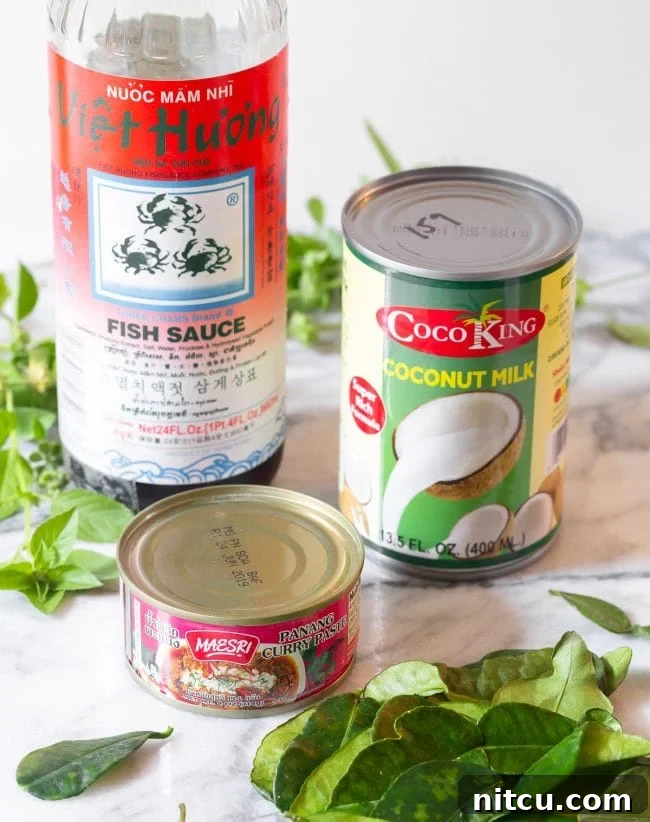
Once there, don’t hesitate to ask for assistance. The knowledgeable staff can help you navigate the aisles and recommend the best brands of essential items such as an authentic Panang red curry paste, rich and creamy thick coconut milk (look for full-fat, unsweetened varieties), and high-quality fish sauce (brands like Red Boat are highly regarded). Crucially, ensure you also pick up fresh Thai basil leaves and, most importantly, fragrant kaffir lime leaves.
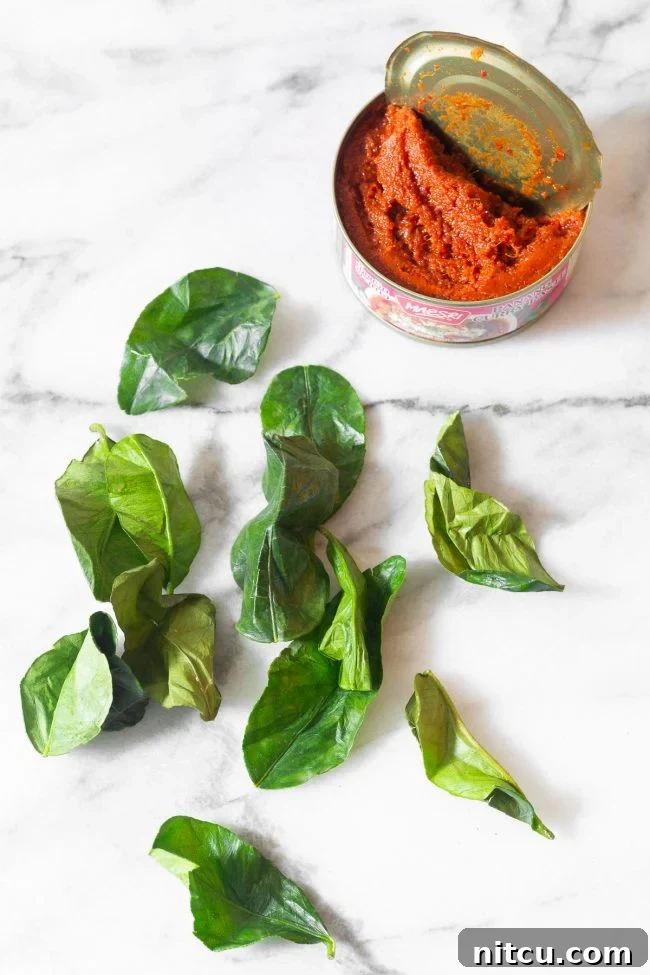
While you can sometimes substitute other varieties of basil if fresh Thai basil is unavailable (though Thai basil adds a distinct anise-like flavor), the unique and distinctive flavor of kaffir lime leaves is truly irreplaceable. Its bright, citrusy, floral, and slightly spicy notes are absolutely fundamental to Panang curry’s characteristic profile. Although Panang curry paste contains some kaffir lime zest or powder, it’s typically not enough to achieve the full aromatic impact. Fresh leaves are paramount for that vibrant, authentic taste.
For convenience and extended use, fresh kaffir lime leaves can be easily frozen. Simply rinse them, pat them dry, and store them in an airtight bag or container in your freezer. They may darken in the freezer, but their potent, vibrant flavor remains fully intact, allowing you to enjoy authentic Thai curry whenever the craving strikes without needing a last-minute market run.
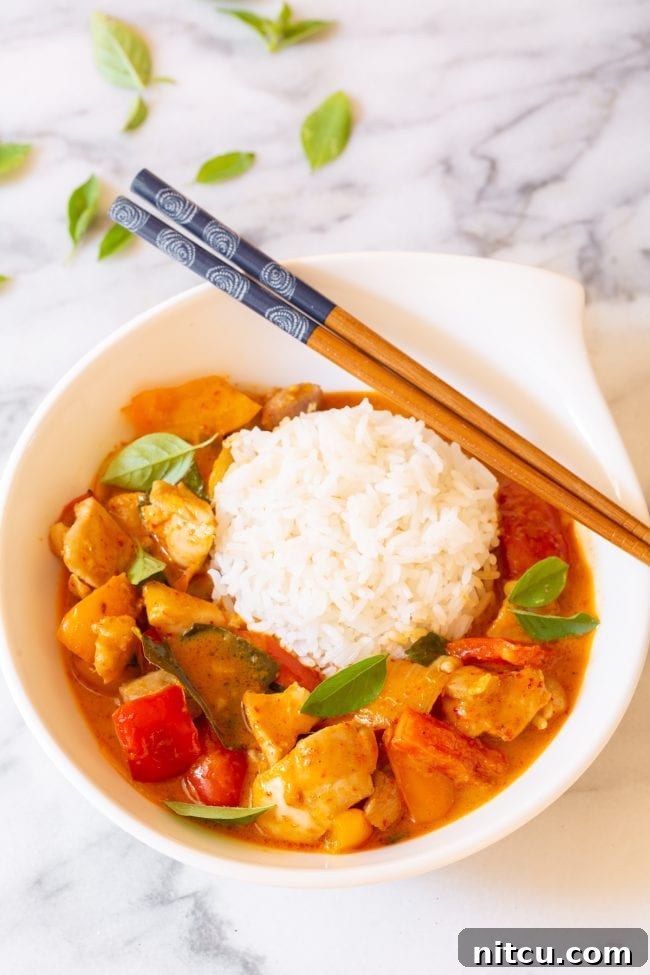
Essential Panang Curry Ingredients and Their Purpose
Crafting an authentic Thai Panang Curry requires a specific set of ingredients, each playing a vital role in building the dish’s signature flavor profile. Here’s a breakdown of what you’ll need and why these components are so crucial:
- Boneless, Skinless Chicken Thighs (or Chicken Breast): Chicken thighs are highly recommended for this curry due to their natural tenderness and rich flavor, which holds up beautifully during simmering. They remain juicy and absorb the curry’s flavors exceptionally well. Chicken breast can be used for a leaner option, though be mindful not to overcook it, as it can dry out faster. Ensure the chicken is cut into uniform, bite-sized pieces for even cooking and ease of eating.
- Sweet Onion: Diced sweet onion provides a foundational sweetness and aromatic base to the curry. As it sautés, it mellows out, contributing a subtle depth that complements the spices.
- Red Bell Pepper & Orange Bell Pepper: These colorful bell peppers not only add a beautiful visual appeal to the dish but also contribute a subtle sweetness and a pleasant, tender-crisp texture. They balance the richness of the curry and introduce fresh, vibrant notes. Feel free to use other colors or add more of your favorite vegetables like green beans or bamboo shoots.
- Garlic Cloves: A universal cornerstone of savory cuisine, fresh minced garlic provides essential pungent depth and aromatic complexity to the curry base.
- Coconut Oil: Used for sautéing the aromatics and blooming the curry paste, coconut oil is a natural choice that complements the coconut milk, enhancing the overall tropical flavor profile of the dish.
- Panang Red Curry Paste: This is truly the soul of your Panang curry. A high-quality, authentic paste is non-negotiable for achieving the right flavor. It’s typically a finely ground blend of aromatic ingredients, including lemongrass, galangal, dried red chilies (often milder than those in red curry paste), shrimp paste (for umami), coriander seeds, cumin seeds, and kaffir lime zest. Its unique composition gives Panang its signature slightly sweeter, nuttier, and less fiery profile compared to other Thai red curries. Always look for brands imported directly from Thailand for the most genuine taste.
- Peanut Butter: While not present in every single traditional Panang curry recipe, a small amount of creamy peanut butter adds a wonderful nutty richness and helps to naturally thicken the sauce, contributing to that luscious, velvety texture that Panang is famous for.
- Kaffir Lime Leaves: These distinctively aromatic leaves are absolutely essential for authentic Panang flavor. They infuse the curry with an incomparable bright, citrusy, and slightly herbal aroma that cannot be replicated. Remember the crucial step: crush them before adding them to the curry to release their potent essential oils.
- Thick Coconut Milk (or Coconut Cream): This is the luxurious base of the curry’s rich, creamy texture and sweet undertones. Always opt for full-fat, thick coconut milk or pure coconut cream for the best results, as it provides the luscious consistency and richness Panang is known for. Shake the can very well before opening to ensure the cream and liquid are thoroughly combined.
- Fish Sauce: This essential Thai condiment provides the savory, umami depth that is a hallmark of Southeast Asian cuisine. It balances the sweetness and spice, adding a complex layer of saltiness and savory notes that cannot be achieved with regular salt. Do not skip it; a good quality fish sauce makes all the difference.
- Thai Basil Leaves or Sweet Basil: Added at the very end, fresh basil leaves infuse the curry with a final flourish of fresh, aromatic, and slightly anise-like flavor that brightens the entire dish. Thai basil has a more pronounced, slightly peppery and licorice-like taste compared to common sweet basil, making it ideal for maintaining authenticity.
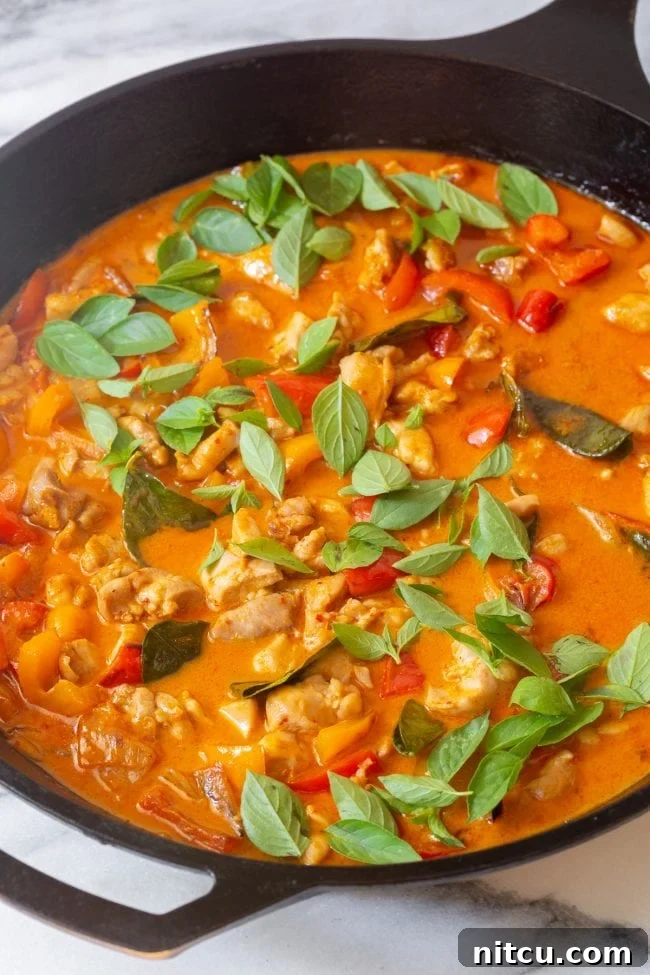
Step-by-Step: How to Make the Best Panang Curry
Are you ready to create The Best Thai Chicken Curry you’ve ever tasted? Follow these simple, yet crucial, steps for a truly unforgettable culinary experience that will impress even the most discerning palates:
- 1. Prepare Your Ingredients with Precision: Begin by taking the time to properly prepare all your components. Cut your boneless, skinless chicken thighs (or breast) into uniform, bite-sized pieces, roughly 1 to 1.5 inches. This ensures even cooking and a pleasant texture in every spoonful. Chop the onion and bell peppers into similar rough 1-inch pieces. Mince the garlic finely. For the kaffir lime leaves, it’s crucial to smash and twist them vigorously between your fingers. You’ll know you’ve done it right when their intense, unique citrusy aroma is strongly released. This action helps to break down their cells and extract their precious essential oils, infusing the curry with their signature fragrance.
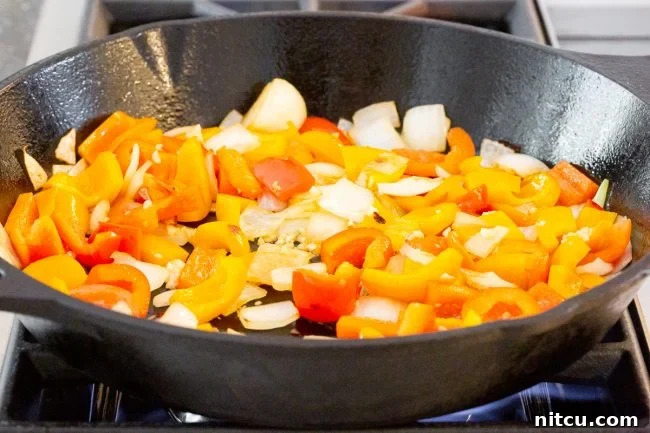
- 2. Build the Aromatic Foundation: Heat one tablespoon of coconut oil in a large 14-inch skillet or wok over medium-high heat. Coconut oil not only handles heat well but also complements the tropical flavors of the curry. Once the oil has melted and is shimmering, add the chopped onions. Sauté them for about 1 minute until they begin to soften and become translucent. Then, incorporate the chopped red and orange bell peppers and the minced garlic, continuing to sauté for another 2-3 minutes, stirring frequently, until the vegetables are slightly tender-crisp and highly fragrant. This step creates a robust, aromatic foundation for your curry.
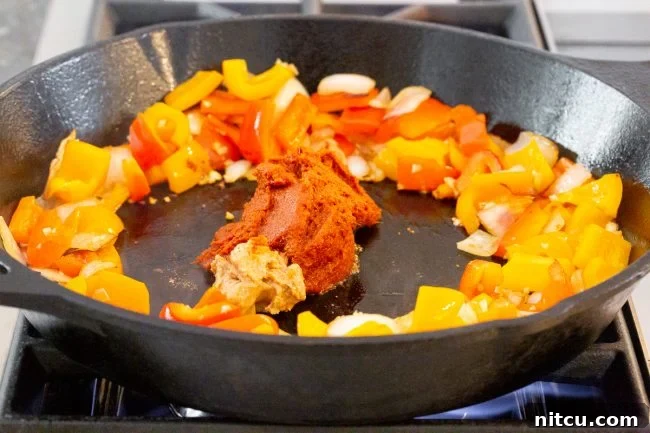
- 3. “Bloom” the Curry Paste for Deep Flavor: Gently push the sautéed vegetables to the sides of the pan, creating a clear space in the very center. Add the Panang red curry paste and a spoonful of creamy peanut butter directly into this hot, cleared area. Sauté the paste and peanut butter for 2-3 minutes, continuously stirring and breaking up the paste with your spoon. This process, often referred to as “blooming” the curry paste, is vital. Heating the paste in oil deepens its flavor, activates its spices, and releases its complex aromatics, making the curry much more vibrant and profound. Afterward, stir the bloomed paste and peanut butter thoroughly into the sautéed vegetables, ensuring everything is well combined and coated.
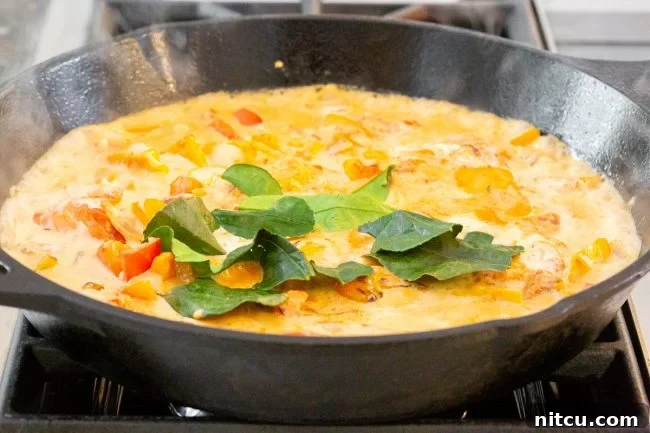
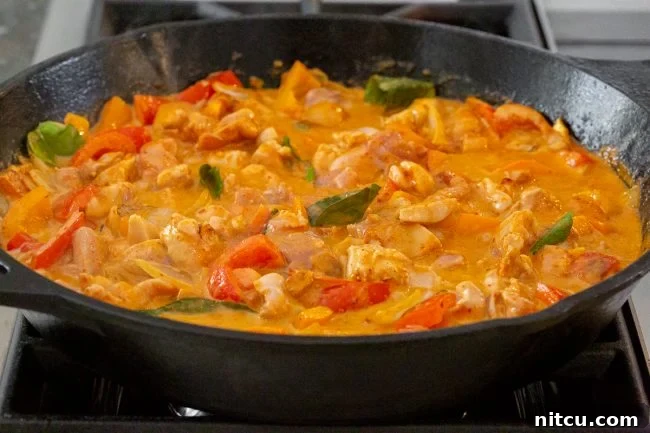
- 4. Simmer to Perfection: Now, add the crushed kaffir lime leaves, the entire can of rich, thick coconut milk, and the savory fish sauce to the pan. Stir everything together until all ingredients are well combined and the sauce appears cohesive and creamy. Next, carefully add the chopped chicken pieces, ensuring they are fully submerged in the luxurious, simmering sauce. Bring the curry mixture to a gentle boil, then immediately reduce the heat to a low simmer. Allow the curry to simmer uncovered for 10-15 minutes, stirring occasionally, until the chicken is thoroughly cooked through and tender, and the sauce has reduced and thickened to your desired consistency. Taste and adjust seasoning as needed – a pinch of sugar can balance the flavors, or a little more fish sauce for extra umami.
- 5. Finish with Freshness and Serve: Once the curry has reached its peak of flavor and consistency, remove the skillet from the heat. This is the perfect moment to stir in the fresh Thai basil leaves. The residual heat from the curry will be sufficient to gently wilt the basil, releasing its fresh, aromatic essence without overcooking it. This final addition brightens the entire dish and adds a crucial layer of fresh flavor. Ladle your exquisite Panang Chicken Curry into bowls and serve it immediately with a side of fragrant jasmine rice, nutritious quinoa, or your preferred noodles. Garnish with a few extra fresh basil leaves or sliced chilies if desired. And just like that, you’ve created a dish that’s truly worth savoring and dreaming about.
This Panang Curry recipe is bold, wonderfully fragrant, and incredibly delicious. Forget your local takeout joint; your homemade creation will be superior in every way, offering fresh, vibrant flavors that are simply unmatched. Enjoy the journey of bringing authentic Thai cuisine into your home!
You can find the full Chicken Panang Curry recipe card below, complete with precise ingredient proportions, detailed step-by-step instructions, and helpful video guidance for a seamless cooking experience.
Serving Suggestions and Thai Pairings
This magnificent Panang Curry stands proudly as a complete meal on its own, but its exquisite flavors truly shine when paired with the right accompaniments. For a classic and comforting Thai experience, serve it generously alongside fragrant jasmine rice. Its delicate aroma and fluffy texture beautifully absorb the rich, creamy sauce of the curry. Alternatively, sticky rice offers a delightful chewy textural contrast, while a side of flavorful Thai Fried Rice can elevate the meal to an even more flavorful and satisfying level.
Beyond rice, consider adding a simple green salad with a light vinaigrette to cut through the richness, or some steamed green vegetables like broccoli or asparagus. For a truly authentic touch, a sprinkle of chopped peanuts or an extra few fresh Thai basil leaves can enhance both flavor and presentation. Pair with a refreshing Thai iced tea or a light lager to complete the experience.
Explore Other Thai Delights
To create an even more expansive and diverse Thai feast, consider serving your Panang Curry alongside other beloved Thai recipes. These dishes complement the rich and complex flavors of Panang beautifully, offering a diverse culinary journey through Thailand:
- Thai Pad Kee Mao (Drunken Noodles): A spicy, savory noodle dish packed with fresh herbs and vegetables, perfect for sharing and adding a kick.
- Chicken Satay with Peanut Sauce: Tender, marinated grilled chicken skewers served with a creamy, rich peanut dipping sauce – an excellent and popular appetizer.
- Easy Chicken Pad Thai: The quintessential Thai noodle dish, offering a harmonious blend of sweet, sour, salty, and umami notes.
- Tom Yum Soup: A fragrant hot and sour soup that provides a refreshing and vibrant contrast to the richness of the curry.
- Thai Baked Turkey Meatballs: A lighter yet incredibly flavorful option infused with classic Thai spices, great as a side or appetizer.
- Thai Crab Fried Rice: A luxurious and flavorful fried rice variation, offering a different texture and seafood notes.
- Thai Quinoa Salad Recipe: A fresh, healthy, and vibrant side dish for a balanced meal, offering a modern twist.
- Beyond Thailand, we also adore exploring other vibrant Asian cuisines. Don’t miss out on dishes like Vietnamese Bun Cha Gio Bowls, offering fresh herbs and savory spring rolls, or the incredible, savory flavors of Korean Bulgogi!
(Click below to Print Recipe)
Print Recipe
Leave a Review »
Thai Chicken Panang Curry Recipe
10
22
32
The BEST Thai Panang Chicken Curry Recipe – The most amazing red chicken curry we’ve ever made! This light and healthy dish is better than any takeout option out there, and it’s surprisingly easy to make. Its rich, creamy texture and vibrant flavors make it a favorite for weeknight dinners or special occasions, promising an authentic taste of Thailand.
6
Video Tutorial
Watch our step-by-step video to master this Panang Curry recipe!
Ingredients
US Customary – Metric
- 1 1/2 pounds boneless skinless chicken thighs chopped into bite-sized pieces
- 1 small onion, peeled and chopped
- 1 red bell pepper, seeded and chopped
- 1 orange bell pepper, seeded and chopped
- 2 cloves garlic, minced
- 1 tablespoon coconut oil
- 4 ounces Panang red curry paste (approximately 1 can, ensure it’s gluten-free if needed)
- 1 tablespoon creamy peanut butter
- 12 fresh kaffir lime leaves, crushed to release oils
- 13.5 ounces thick, unsweetened coconut milk, (1 can, full-fat recommended for creaminess)
- 3 tablespoons fish sauce (for authentic umami depth)
- 1/4 cup fresh Thai basil leaves or sweet basil, roughly chopped for garnish
Instructions
-
Preparation: Cut the chicken into uniform bite-sized pieces. Chop the onion and bell peppers into rough 1-inch pieces. Mince the garlic. Take the kaffir lime leaves and firmly crush and twist them between your fingers to release their potent aromatic oils. You’ll notice a strong citrusy scent once properly crushed.
-
Sauté Aromatics: Place a large 14-inch skillet or wok over medium-high heat. Add the coconut oil. Once the oil has melted and is shimmering, add the chopped onions. Sauté for about 1 minute until they begin to soften. Then, add the bell peppers and minced garlic, continuing to sauté for another 2-3 minutes, stirring frequently, until the vegetables are slightly tender-crisp and fragrant.
-
Bloom the Curry Paste: Push the sautéed vegetables to the sides of the skillet to create a clear space in the center. Add the Panang red curry paste and peanut butter to this cleared area. Sauté the paste and peanut butter directly in the hot oil for 2-3 minutes, continuously stirring and breaking up the paste. This “blooming” process intensifies the flavors. Afterward, stir the paste and peanut butter thoroughly into the sautéed vegetables, ensuring everything is well combined.
-
Simmer the Curry: Add the crushed kaffir lime leaves, thick coconut milk, and fish sauce to the skillet. Stir thoroughly to blend all the ingredients into a cohesive sauce. Incorporate the chopped chicken pieces. Bring the mixture to a gentle boil, then reduce the heat to a low simmer. Allow the curry to simmer uncovered for 10-15 minutes, stirring occasionally, until the chicken is cooked through and tender, and the sauce has reduced and thickened to your desired consistency.
-
Finish and Serve: Remove the skillet from the heat. Stir in the fresh Thai basil leaves. The residual heat will be sufficient to wilt the basil and release its vibrant aroma. Taste and adjust seasoning if necessary (add a pinch of sugar for sweetness or more fish sauce for saltiness/umami). Serve your exquisite Panang Chicken Curry immediately with a side of fragrant jasmine rice, quinoa, or your preferred noodles.
Chef’s Notes & Tips for Success
Sourcing Specialty Ingredients: As highlighted, certain ingredients like high-quality Panang red curry paste, fresh kaffir lime leaves, specific brands of thick canned coconut milk, fish sauce, and fresh Thai basil are best purchased at an Asian food market. Embrace the adventure – exploring these markets is often a culinary delight in itself!
Kaffir Lime Leaves: For future use, fresh kaffir lime leaves can be frozen. While they might turn darker in the freezer, their essential oils and vibrant flavor remain perfectly intact. When serving, note that kaffir lime leaves remain somewhat tough even after cooking. You can either eat around them, remove them before serving, or simply enjoy their aromatic contribution to the sauce.
Adjusting Spice Levels: Panang curry is generally milder than red or green curry. If you prefer more heat, you can add a pinch of red pepper flakes during the sautéing stage, a fresh bird’s eye chili, or garnish with fresh sliced chilies. For less spice, ensure your curry paste is a mild variety and adjust the amount used.
Achieving Perfect Consistency: The thickness of your curry sauce is a matter of preference. If you desire a thicker sauce, let it simmer for a few extra minutes uncovered to allow more liquid to evaporate. If it becomes too thick, you can thin it with a splash of water, chicken broth, or a bit more coconut milk.
Vegetarian/Vegan Option: To make this curry vegetarian or vegan, simply substitute the chicken with firm tofu (pressed and cubed), tempeh, or your favorite plant-based protein. You can also load it up with extra vegetables like broccoli florets, carrots, bamboo shoots, or sweet potatoes. The most important step for a vegan version is to ensure your chosen Panang curry paste does not contain shrimp paste (many authentic pastes do, so check labels carefully) and to use a vegan fish sauce substitute (often made from seaweed or mushrooms) or light soy sauce to achieve similar umami notes.
Nutrition Information (Approximate Per Serving)
Calories: 340kcal,
Carbohydrates: 8g,
Protein: 24g,
Fat: 23g,
Saturated Fat: 16g,
Cholesterol: 107mg,
Sodium: 163mg,
Potassium: 545mg,
Fiber: 2g,
Sugar: 4g,
Vitamin A: 4300IU,
Vitamin C: 54.7mg,
Calcium: 56mg,
Iron: 3.8mg
Main Course
Thai
Sommer Collier
Cook It? Love It? Share It!
We encourage you to share your culinary creations and reviews with us!
Panang Chicken Curry: Your Questions Answered
Panang curry paste is a unique variety of red curry, predominantly found in Thai and Laotian cuisine. It distinguishes itself from standard red curry paste by being generally milder in spice, richer, and significantly more aromatic, often incorporating ground peanuts or a nutty essence. Its distinct flavor profile comes from a finely balanced blend of aromatic ingredients like lemongrass, galangal, dried red chilies, kaffir lime zest, shrimp paste (a key umami component in authentic versions), coriander seeds, cumin seeds, and sometimes white peppercorns. While a standard red curry paste can be a last-minute substitute in a pinch, the resulting flavor will not fully capture the nuanced sweetness, depth, and unique fragrance that authentic Panang paste delivers.
As we emphasized earlier, making a trip to a local Asian market or a well-stocked international grocery store is your best bet for these essential ingredients. These specialized grocers offer a wider selection of authentic brands and often carry fresh produce like kaffir lime leaves, which are harder to find elsewhere. Consider this trip an exciting culinary adventure – these markets are vibrant hubs of unique produce, spices, and sauces just waiting to be explored! If fresh kaffir lime leaves are elusive, check the freezer section; they freeze exceptionally well and retain their flavor.
Yes, Panang Curry can absolutely be gluten-free and dairy-free! The primary ingredients – chicken, fresh vegetables, coconut milk, kaffir lime leaves, and most fish sauces – are naturally free of gluten and dairy. However, it is crucial to always check the labels of your Panang curry paste and fish sauce, as some brands may contain hidden gluten-containing ingredients (like certain thickeners or soy sauce derivatives) or dairy derivatives. Always opt for explicitly labeled gluten-free and dairy-free brands if you have specific dietary restrictions. When made with carefully selected ingredients, this recipe is a fantastic and flavorful option for those avoiding gluten and dairy.
Homemade Panang Curry is exceptionally well-suited for meal prepping! When stored properly in an airtight container in the refrigerator, this recipe will maintain its delicious flavor and quality for 5-7 days. In fact, many people find that the flavors deepen and meld even more beautifully on the second or third day, as the ingredients have more time to infuse, making it an even more enjoyable meal. It reheats wonderfully on the stovetop over low heat (add a splash of water or coconut milk if it’s too thick) or in the microwave, making it a convenient, healthy, and satisfying option for lunches or quick dinners throughout the week.
Absolutely! This Panang curry recipe is highly adaptable for vegetarian and vegan diets. To make it vegetarian, simply swap the chicken for an equal amount of firm or extra-firm tofu (pressed and cubed), tempeh, or a medley of hearty vegetables like butternut squash, sweet potatoes, mushrooms, green beans, or bamboo shoots. For a vegan version, the most important step is to ensure your chosen Panang curry paste does not contain shrimp paste (many authentic pastes do, so check labels carefully) and to use a vegan fish sauce substitute (often made from seaweed or mushrooms) or a dash of light soy sauce to achieve similar umami notes. The result will be a rich, flavorful, and incredibly satisfying plant-based curry that’s just as delicious.
While both Panang and Red Curry share similar base ingredients like red chilies, galangal, and lemongrass, they have distinct characteristics. Red curry is generally spicier, lighter in consistency, and more versatile, often used for a broader range of dishes, and its paste tends to be coarser. Panang curry, on the other hand, is known for its richer, creamier texture and a slightly sweeter, nuttier flavor profile, often achieved with the addition of ground peanuts or a higher proportion of coconut cream. It’s typically less intensely spicy than a true red curry and is uniquely characterized by the intense, aromatic presence of kaffir lime leaves, giving it a more refined and distinctively fragrant quality. Think of Panang as a more luxurious and aromatic cousin to the vibrant red curry.
Galangal is a root related to ginger but with a distinct, sharper, more citrusy, and piney flavor. It’s a foundational aromatic in many Thai dishes, including Panang curry paste. While fresh ginger can be used in a pinch as a substitute, it will impart a different flavor profile. For the most authentic taste, look for fresh galangal in Asian markets or use a good quality Panang paste that lists galangal as an ingredient.