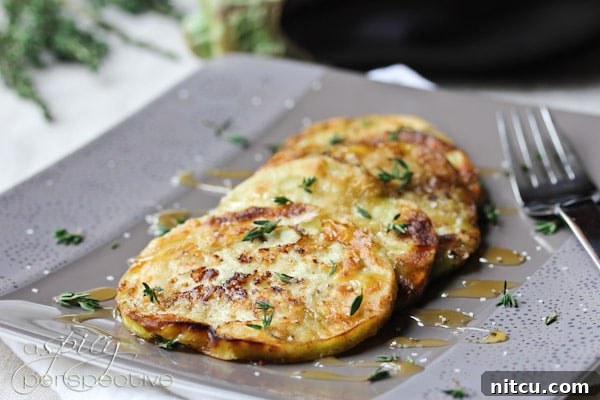
Sautéed Eggplant with Honey and Thyme – A truly unforgettable recipe that transforms even the most skeptical eaters into fervent eggplant enthusiasts. This dish boasts a melt-in-your-mouth tender texture combined with a harmonious balance of savory and sweet notes, creating a culinary experience you won’t soon forget. If you thought you disliked eggplant, prepare to have your mind, and your palate, utterly changed.
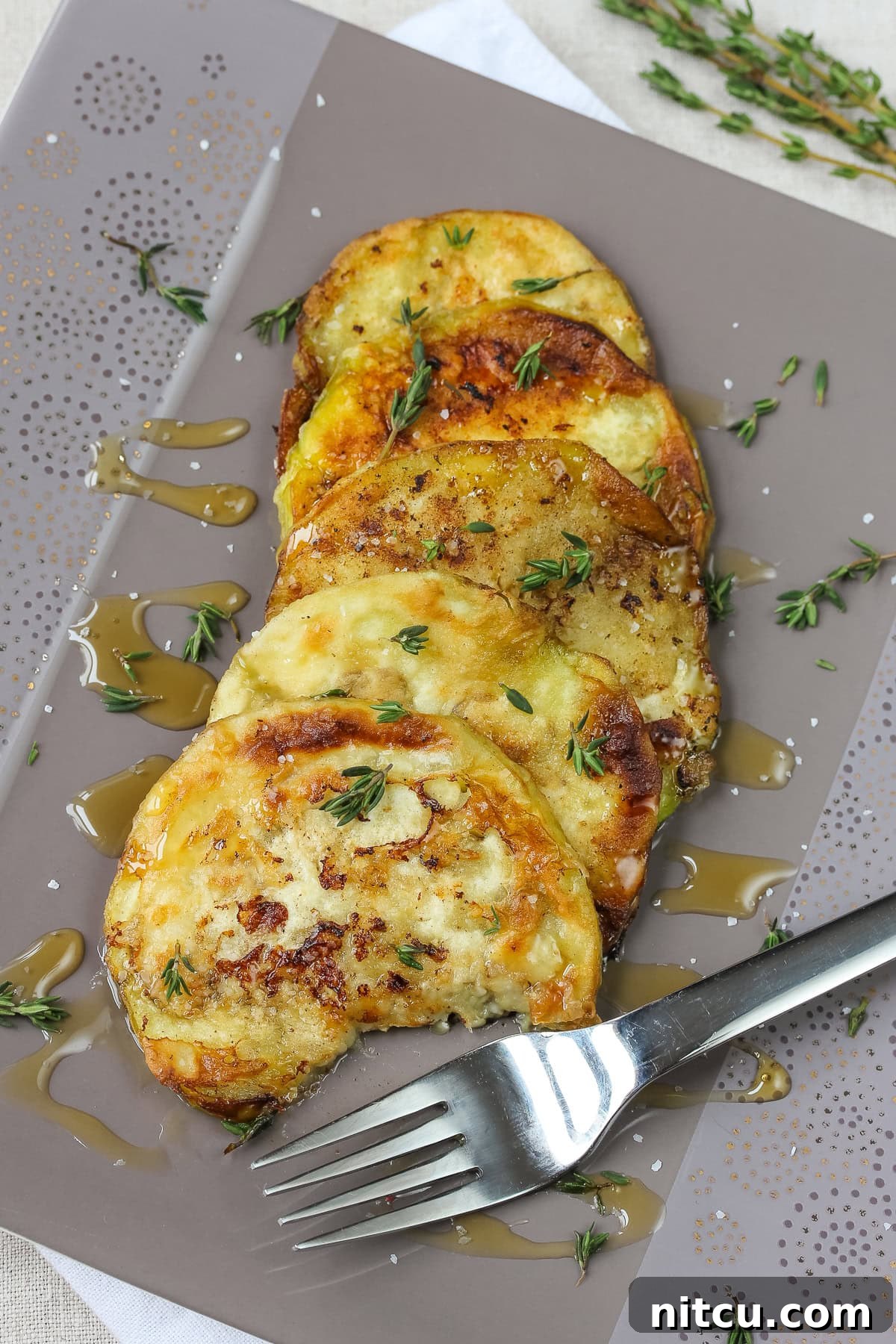
Transforming an Old Nemesis: The Art of Sautéed Eggplant
Most of us carry a mental list of foods we’ve tried, perhaps many times, and simply never enjoyed. For a long time, eggplant held that top spot on my list. Its beautiful deep purple hue and elegant shape were always appealing, yet its texture, often described as spongy or even rubbery, consistently deterred me. It was a vegetable I admired from afar but avoided on my plate.
Eggplant, particularly when fried, often evokes strong opinions. People either adore its rich, yielding flesh or recoil from its perceived bitterness and sometimes greasy nature. It’s a polarizing ingredient, and I was firmly in the ‘dislike’ camp. However, culinary curiosity, and a stubborn refusal to be defeated by a vegetable, led me on a quest to master it. Today, I’m thrilled to share a method that I believe will not only make you enjoy eggplant but genuinely love it, turning even the most staunch skeptics into enthusiastic fans.
This recipe for sautéed eggplant with honey and thyme is more than just a dish; it’s a revelation. It transforms the humble eggplant into something truly extraordinary—tender, flavorful, and utterly irresistible. Say goodbye to bitter aftertastes and unpleasant textures, and prepare to discover the true potential of this versatile vegetable.
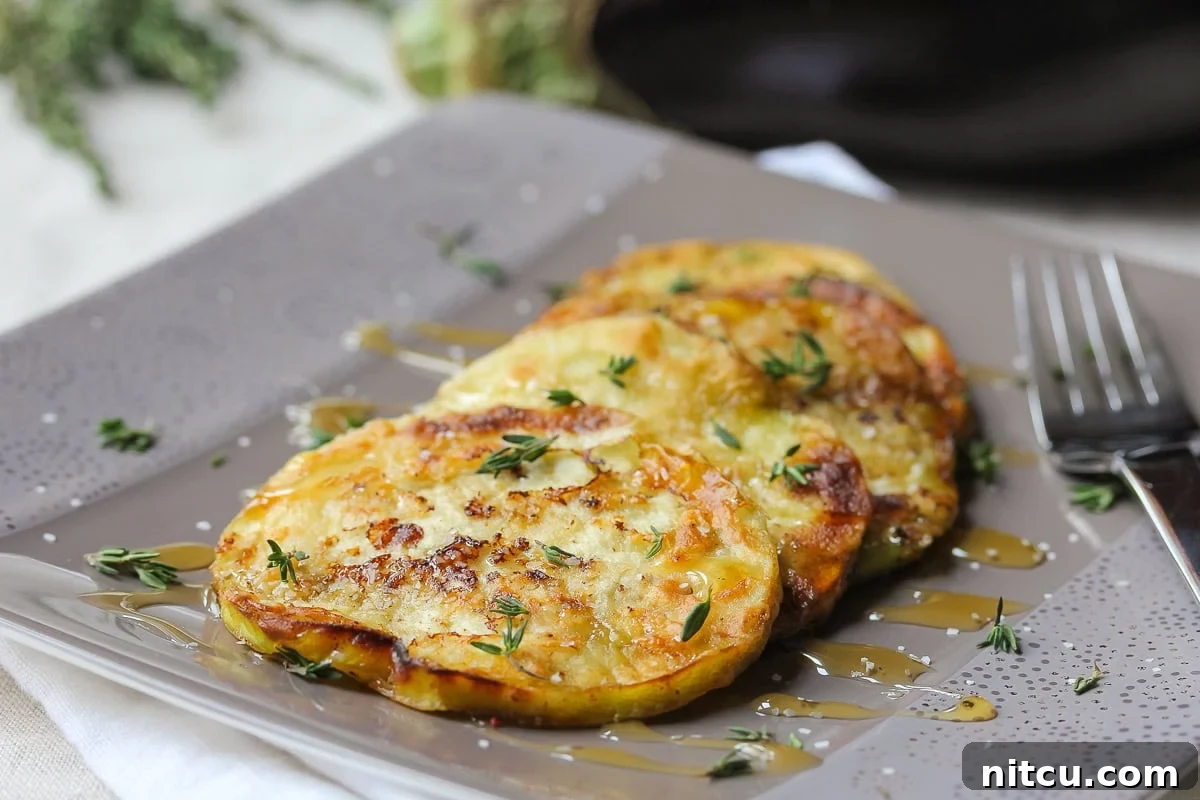
Unlock the Secret to Perfectly Tender Eggplant: The Restaurant Trick
For years, my experience with eggplant was consistently disappointing. Whether it was my own attempts or dishes prepared by others, eggplant always left me with a wrinkled nose and a sense of culinary frustration. It often tasted bitter, and that familiar spongy texture was simply unavoidable. I tried salting, pressing, roasting, and grilling, but nothing quite delivered the tender, creamy result I craved.
Then, I stumbled upon a game-changing secret, a technique often employed by top chefs but rarely shared with the home cook: the milk soak. This simple yet profound step completely revolutionizes eggplant preparation. Forget the traditional salting methods; soaking eggplant in milk overnight works wonders to neutralize its inherent bitterness and remarkably improve its texture. The milk acts to draw out the compounds responsible for the bitter taste, while simultaneously tenderizing the eggplant’s flesh, preparing it for an unparalleled culinary transformation.
Imagine thin slices of eggplant, after a long, luxurious bath in milk, emerging supremely tender and ready to absorb the flavors they’ll be cooked with. The result is a velvety, almost custard-like texture that truly melts in your mouth, devoid of any bitterness or sponginess. This secret is the foundation of our incredible sautéed eggplant recipe, ensuring every bite is a delightful experience. Once the eggplant slices have undergone their milky tenderizing process, they are perfectly primed for pan-frying.
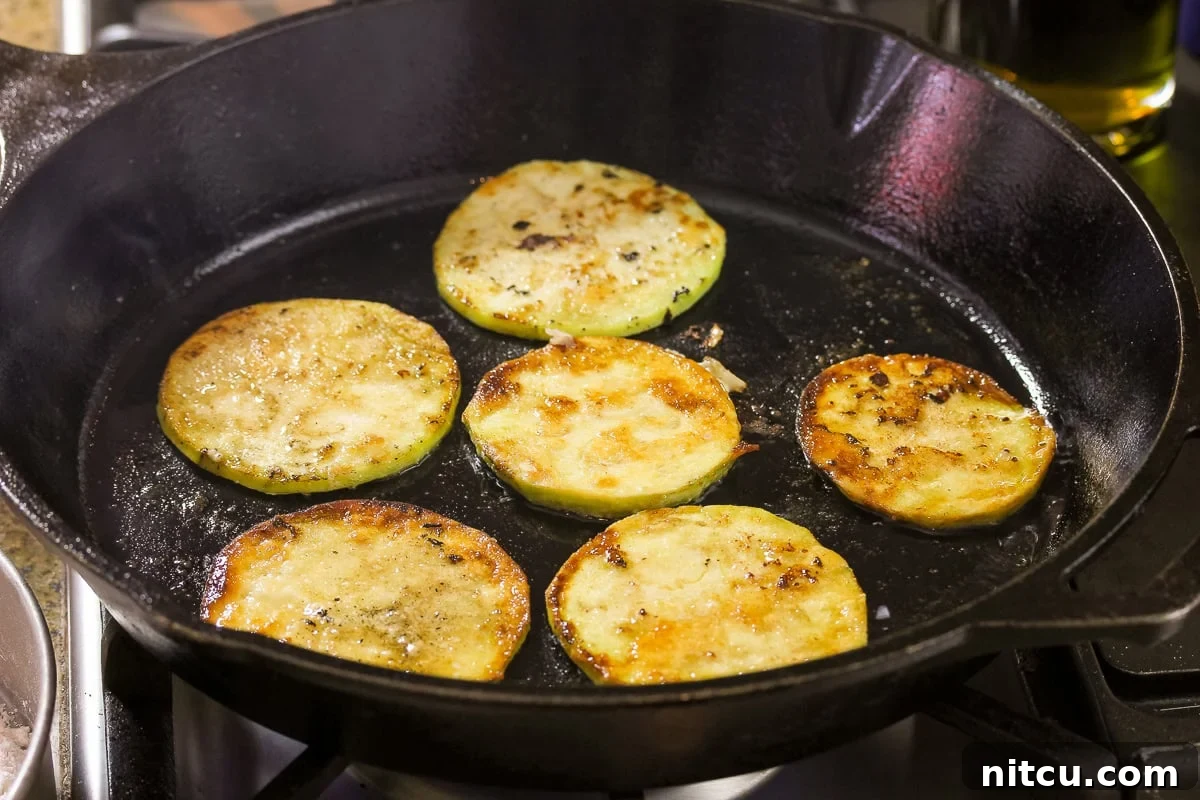
The process is straightforward: gently pat the eggplant slices dry to remove excess moisture. Then, lightly dust them with a mixture of all-purpose flour and a touch of sea salt. This coating is crucial for developing that desirable crispy, golden-brown crust. Finally, pan-fry them in a large cast iron skillet until each side is beautifully caramelized and golden. Serve these exquisite slices piping hot, and watch as even the most reluctant eaters become true eggplant converts.
Essential Ingredients for the Perfect Sautéed Eggplant
Crafting this incredible Sautéed Eggplant with Honey and Thyme dish requires a handful of simple, high-quality ingredients. Each component plays a vital role in achieving the dish’s signature melt-in-your-mouth texture and balanced sweet-savory flavor profile. Here’s what you’ll need:
- Large Eggplant: The star of our dish. Look for an eggplant that is firm, glossy, and heavy for its size. Avoid those with soft spots or blemishes. Varieties like globe or Italian eggplant work perfectly. For best results, use a fresh, ripe eggplant.
- Whole Milk: This is our secret weapon for tenderizing the eggplant and removing bitterness. Whole milk provides the best results due to its fat content, which contributes to a richer, creamier texture. While other milk alternatives might work, whole milk is highly recommended for its superior effect on both taste and texture.
- All-Purpose Flour: Used to create that irresistible crispy exterior. The flour forms a light coating that helps the eggplant brown beautifully and prevents it from becoming soggy during frying. You can also experiment with gluten-free alternatives if needed, though all-purpose flour provides the classic texture.
- Olive Oil: Essential for pan-frying. Choose a good quality olive oil for its flavor and high smoke point, which is crucial for achieving that perfect golden crust without burning. Vegetable or canola oil can also be used, but olive oil adds a lovely depth of flavor.
- Honey: The sweet counterpoint to the savory eggplant. A drizzle of natural honey adds a delicate sweetness that enhances the dish’s overall complexity and creates a delightful glaze. Local or raw honey will offer the richest flavor.
- Fresh Thyme Leaves: These aromatic herbs elevate the dish with their earthy, slightly floral notes. Fresh thyme is critical here; its vibrant flavor far surpasses that of dried thyme. It provides an herbaceous freshness that brightens the entire dish.
- Sea Salt: Used for seasoning throughout the process, both in the flour mixture and as a finishing touch. Sea salt offers a cleaner, more nuanced flavor compared to regular table salt, enhancing the natural taste of the eggplant and other ingredients.
With these carefully selected ingredients, you are well on your way to preparing a truly exceptional eggplant dish that will impress everyone at your table.
Mastering the Art of Frying Eggplant: A Step-by-Step Guide
Preparing this exquisite sautéed eggplant dish involves a few key steps, beginning the night before you plan to cook. This ensures maximum tenderness and flavor, transforming a challenging vegetable into a culinary delight. Follow these detailed instructions for a perfect outcome every time:
- The Essential Overnight Soak: Begin your preparation the night before you intend to serve. Carefully peel the skin from your large eggplant using a vegetable peeler. While eggplant skin is edible, removing it contributes to the exceptionally soft and luxurious texture we’re aiming for in this recipe. Once peeled, slice the eggplant into uniform 1/8-inch thick circular pieces. Consistency in thickness is important for even cooking. Place these slices into an airtight container, arranging them as compactly as possible without overlapping too much. Pour enough whole milk into the container to completely cover the eggplant pieces. Ensure all slices are submerged. Cover the container tightly and refrigerate it overnight. This crucial step extracts bitterness and tenderizes the eggplant, laying the foundation for an incredible dish.
- Day Two: Preparation for Frying: On the day of cooking, retrieve your eggplant from the refrigerator. In a shallow dish, such as a pie pan or a wide bowl, combine the all-purpose flour with 1 teaspoon of sea salt. Mix well to ensure the salt is evenly distributed. Heat approximately 2-3 tablespoons of olive oil in a large, heavy-bottomed skillet, preferably a cast iron skillet, over medium-high heat. You want the oil to be hot but not smoking, typically around 350-375°F (175-190°C). To test if the oil is ready, drop a pinch of flour into it; it should sizzle immediately. While the oil heats, prepare a large plate or baking sheet by lining it generously with several layers of paper towels. This will be used to drain the excess oil from the fried eggplant, keeping it crispy and light.
- Dredging and Pan-Frying the Eggplant: Once the oil is perfectly heated, begin the frying process. Take a few slices of the milk-soaked eggplant (don’t overcrowd the pan, work in batches) and gently dip each piece into the flour mixture, ensuring both sides are thoroughly coated. Lightly tap off any excess flour – a thin, even coating is ideal for a crisp crust. Carefully place the floured eggplant slices into the hot oil. Let them cook for approximately 2 minutes per side, or until they turn a beautiful golden brown and become wonderfully tender. Keep a close eye on them, as cooking times can vary depending on your stove and skillet. Once cooked, use tongs to remove the eggplant slices and place them on the paper towel-lined plate to cool slightly and drain any residual oil. Immediately after removing them from the skillet, sprinkle each side with a pinch of fresh sea salt; this enhances the flavor as the eggplant cools.
- Completing the Batches and Serving: Continue the dredging and frying process with the remaining eggplant slices, adding more olive oil to the skillet as needed. It’s important to maintain a consistent oil temperature throughout. Be patient and cook in small batches to prevent the oil temperature from dropping, which can lead to soggy eggplant. Once all the eggplant has been fried and drained, it’s ready to be served.
- The Perfect Finishing Touch: Arrange the warm, golden-brown eggplant slices on a serving platter. Generously drizzle them with high-quality honey, allowing it to coat each tender piece. Finally, sprinkle fresh thyme leaves over the top. The combination of sweet honey and aromatic thyme creates a magical symphony of flavors that perfectly complements the savory eggplant. Serve immediately and enjoy this truly unforgettable dish!
This, my friends, is not just a recipe; it’s a guide on how to cook eggplant in a way that truly celebrates its potential.
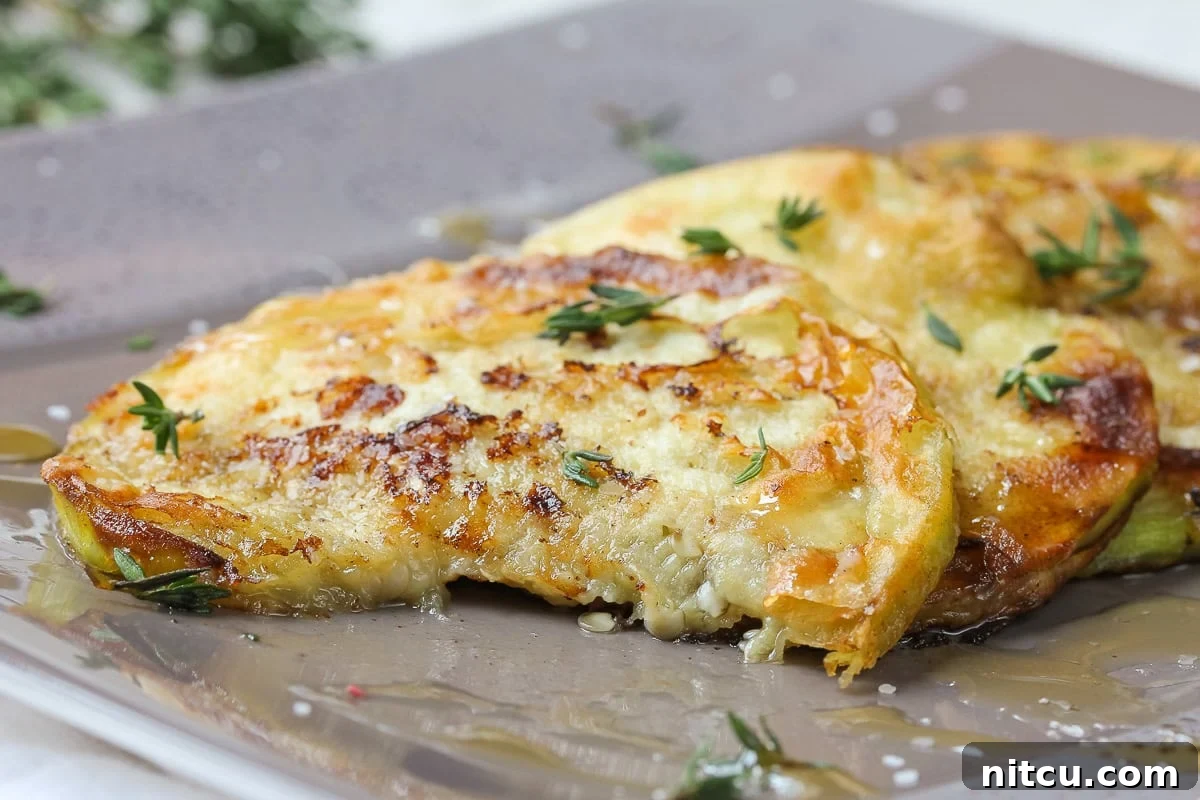
This method is your ultimate solution to converting even the most reluctant eggplant-eaters. What you get are layers of exquisitely fried eggplant, boasting an uncanny, almost custard-like texture reminiscent of the finest French Toast. Each piece is perfectly crispy on the outside, giving way to a moist, supple, and tender interior. The generous drizzle of golden honey adds a touch of natural sweetness, while the sprinkling of fresh thyme and sea salt provides a fragrant, savory counterpoint. This Sautéed Eggplant with Honey and Thyme is more than just a side dish; it’s an irresistible veggie experience that will make a believer out of anyone, guaranteed!
Discover the Full Printable Recipe Below for This Incredible Sautéed Eggplant Dish.
Frequently Asked Questions About Sautéed Eggplant
To help you perfect your Sautéed Eggplant with Honey and Thyme, here are answers to some common questions:
Should you salt eggplant before frying?
In this particular recipe, the primary method for improving flavor and texture is the overnight milk soak. However, salt still plays a vital role. You should certainly incorporate salt into your flour mixture before dredging, as this seasoned coating contributes significantly to the eggplant’s overall flavor development as it cooks. Additionally, a light sprinkle of sea salt immediately after the eggplant comes out of the hot skillet is highly recommended. This final touch truly enhances the flavor, making the dish pop. It’s best to hold off on adding too much salt initially to the eggplant itself before cooking, as the milk soak handles much of the bitterness, and adding salt too early directly to the raw eggplant can sometimes draw out too much moisture, potentially making it soggy or mushy. By seasoning the flour and finishing with a sprinkle, you get the best of both worlds: great flavor without compromising texture.
Do you have to peel the eggplant before frying?
No, you absolutely do not have to peel eggplant before frying it, as eggplant skin is completely edible. Many recipes even advocate for keeping the skin on for added fiber, nutrients, and a slightly firmer texture. However, for this specific Sautéed Eggplant with Honey and Thyme recipe, where the goal is an incredibly soft, luxurious, and melt-in-your-mouth texture, I strongly prefer to remove the skin. Without the skin, the eggplant achieves a tenderness that truly sets this dish apart and aligns with its delicate, custard-like appeal. Ultimately, it’s a matter of personal preference and the desired texture for your specific dish.
Could you use almond flour instead of wheat flour?
While I have experimented with almond flour for coating the eggplant, and it does technically “work,” it doesn’t quite yield the same crispy, golden-brown crust and consistent texture as traditional all-purpose wheat flour. Almond flour tends to absorb oil differently and can result in a softer coating. For those seeking a gluten-free alternative, a better suggestion might be a good quality gluten-free all-purpose baking mix. These mixes are typically formulated to behave more similarly to wheat flour in terms of crispiness and browning. Coconut flour, another gluten-free option, could also be considered, but it has a very distinct flavor and absorbency that would require significant adjustments to the recipe to prevent it from becoming dry or dense.
Can I prepare this dish ahead of time?
The overnight milk soak is an essential preparatory step. The actual frying, however, is best done just before serving to ensure the eggplant remains crispy on the outside and warm. If you must prepare it slightly ahead, you can fry the eggplant and then gently reheat it in an oven or air fryer for a few minutes to crisp it back up, but fresh is always best for optimal texture.
What kind of eggplant works best for this recipe?
For this recipe, large globe or Italian eggplants are ideal due to their size and flesh density, which benefits greatly from the milk soak. Smaller, thinner varieties like Japanese or Chinese eggplant tend to be less bitter to begin with and have thinner skin, so the peeling might be optional for those, but the milk soak would still improve texture.
Why is my eggplant still bitter after soaking?
If you find your eggplant still has a hint of bitterness after soaking, ensure you’ve used whole milk and that the eggplant was completely submerged. Also, verify that it soaked for a full overnight period (at least 8-12 hours). Occasionally, very large or older eggplants might retain a bit more bitterness, but the milk soak significantly reduces it in most cases.
Explore More Delicious Summer Veggie Recipes:
If you’ve enjoyed this delightful eggplant recipe, you’ll love these other vibrant summer vegetable dishes:
- Sautéed Yellow Squash with Blistered Tomatoes Recipe – A bright and zesty side dish perfect for warm weather.
- Peach Burrata Caprese Salad – A refreshing twist on a classic, combining sweet peaches with creamy burrata.
- Crispy Parmesan Asparagus Sticks ~ How Sweet It Is – An addictive, savory snack or side.
- Grilled Corn ~ Michael Ruhlman – Simple yet sensational grilled corn, a quintessential summer delight.
- Roasted Tomato Soup ~ Smitten Kitchen – A comforting and flavorful soup, perfect for using up garden-fresh tomatoes.
Sautéed Eggplant with Honey
A truly delightful way to cook eggplant: Fried eggplant slices with an irresistibly crispy exterior and a wonderfully moist, tender interior.
Prep Time: 20 minutes
Cook Time: 12 minutes
Total Time: 32 minutes
Servings: 4
Ingredients
- 1 large eggplant
- 2 cups whole milk
- 1/2 cup all-purpose flour
- 3-5 tablespoons olive oil
- 3 tablespoons honey
- 2 tablespoons fresh thyme leaves
- Sea salt, to taste
Instructions
- Peel the eggplant and slice it into thin 1/8-inch rounds. Place the eggplant slices in an airtight container and pour the milk over them. Cover and refrigerate overnight.
- In a small pie pan, mix the flour with 1 teaspoon salt. Heat 2 tablespoons of olive oil in a large skillet over medium-high heat. Line a plate with paper towels near the stove.
- When the oil is hot, dredge a few slices of eggplant in the flour and tap off the excess. Gently place them in the skillet and pan-fry for about 2 minutes per side until golden brown. Remove and place on the paper towel-lined plate to drain.
- Repeat with the rest of the eggplant, adding oil to the skillet as needed. Sprinkle the slices with a little more sea salt as they come out of the skillet. Serve warm, drizzled with honey and sprinkled with fresh thyme leaves.
Nutrition Information (Approximate per serving)
- Serving: 1 serving
- Calories: 304kcal
- Carbohydrates: 38g
- Protein: 7g
- Fat: 15g
- Saturated Fat: 4g
- Cholesterol: 12mg
- Sodium: 56mg
- Potassium: 461mg
- Fiber: 4g
- Sugar: 23g
- Vitamin A: 390IU
- Vitamin C: 8.1mg
- Calcium: 162mg
- Iron: 1.7mg
Course: Appetizer, Main Course, Side Dish
Cuisine: American
Author: Sommer Collier