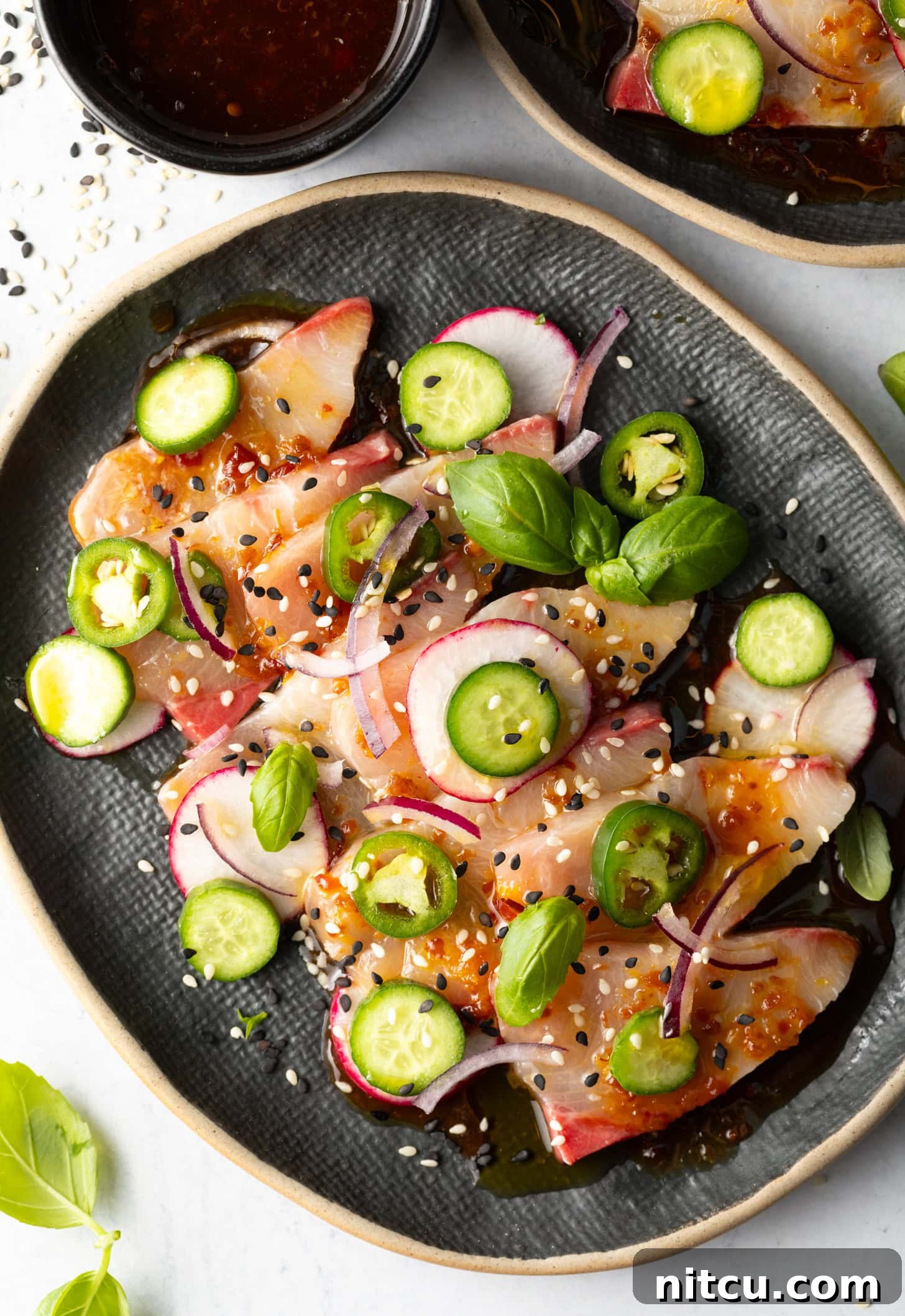
Mastering Crudo: An Easy Guide to Elegant Raw Seafood Dishes
Crudo, an Italian term simply meaning “raw,” refers to a dazzling culinary art form that celebrates the pristine quality of fresh seafood. This incredibly simple, no-cook recipe transforms sushi-grade fish, such as buttery Hamachi (yellowtail), succulent tuna, rich salmon, or delicate scallops, into an elegant and undeniably delicious appetizer. Perfect for impressing guests at your next dinner party or gathering, this guide will walk you through creating a visually stunning and flavor-packed raw crudo dish with ease.
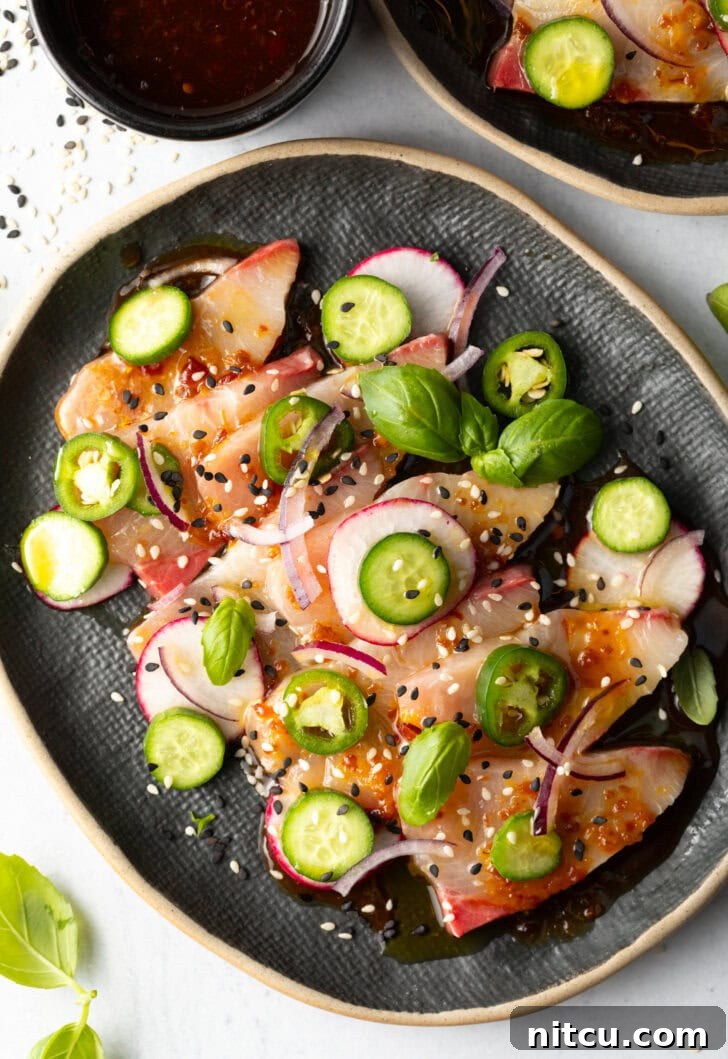
What Exactly is Crudo? A Culinary Exploration
The word crudo is Italian for ‘raw,’ and at its core, it describes any uncooked meat, fish, or vegetable dish. However, in modern culinary parlance, particularly in fine dining and home cooking, crudo has become synonymous with meticulously prepared raw seafood. Unlike its French cousin, tartare, which features ground or finely minced raw meat, or Spanish ceviche, where fish is chopped and “cooked” by an acidic marinade, crudo stands apart. It distinguishes itself by showcasing delicate, ultra-thin slices of raw seafood, artfully arranged to highlight both visual appeal and the inherent freshness of the ingredient.
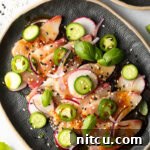
The essence of crudo lies in its simplicity and respect for the star ingredient: premium raw fish. The thinly sliced pieces of seafood are typically plated before being gently drizzled with a vibrant, flavorful sauce. Our recipe features a harmonious blend of lemon, soy, and chili garlic sauce. The natural acidity from the lemon, combined with the savory umami of soy, subtly tenderizes the raw Hamachi, creating a beautiful texture and enhancing its natural flavors without truly cooking it. This light “marination” is key to the crudo experience, allowing the seafood’s natural taste to shine through while complementing it with bright, piquant notes. To complete this exquisite dish, fresh, spicy, and sweet toppings are added, providing a delightful contrast in texture and taste.
With no cooking required, minimal preparation time, and endless customization possibilities, crudo offers an effortless path to sophisticated dining. It’s an elegant raw seafood dish that is surprisingly easy to master at home, promising to be a show-stopping appetizer or a refreshing main course.
Understanding Hamachi: The Star of Our Crudo
The magnificent fish highlighted in our Hamachi Crudo recipe is none other than Japanese amberjack, commonly known as yellowtail. This particular species is a light-fleshed, firm fish, often compared to white tuna due to its texture and appearance, though it’s important to clarify that it is not botanically related to tuna fish at all. Hamachi is prized in Japanese cuisine, especially for sushi and sashimi, due to its distinct characteristics.
Hamachi boasts an exquisite firm texture that holds up beautifully when sliced thinly, resisting flaking common in other fish. Its flesh is notably buttery and rich, offering a luxurious mouthfeel. Despite its richness, Hamachi presents a milder flavor profile, subtly sweet and delicate, without the strong “fishy” odor or taste that some seafood can possess. This makes it an ideal canvas for the bright and bold flavors of a crudo dressing.
When selecting Hamachi for crudo, always insist on “sushi-grade” or “sashimi-grade” quality from a reputable fishmonger. This designation ensures the fish has been handled and prepared with the utmost care, frozen to specific temperatures, and deemed safe for raw consumption. Look for firm, translucent flesh with no discoloration or strong odor. While Hamachi is the star here, the beauty of this recipe lies in its versatility. It can be prepared with various other sushi-grade seafood options, including vibrant salmon, tender scallops, delicate shrimp, or the classic ahi tuna, allowing you to explore different flavors and textures.
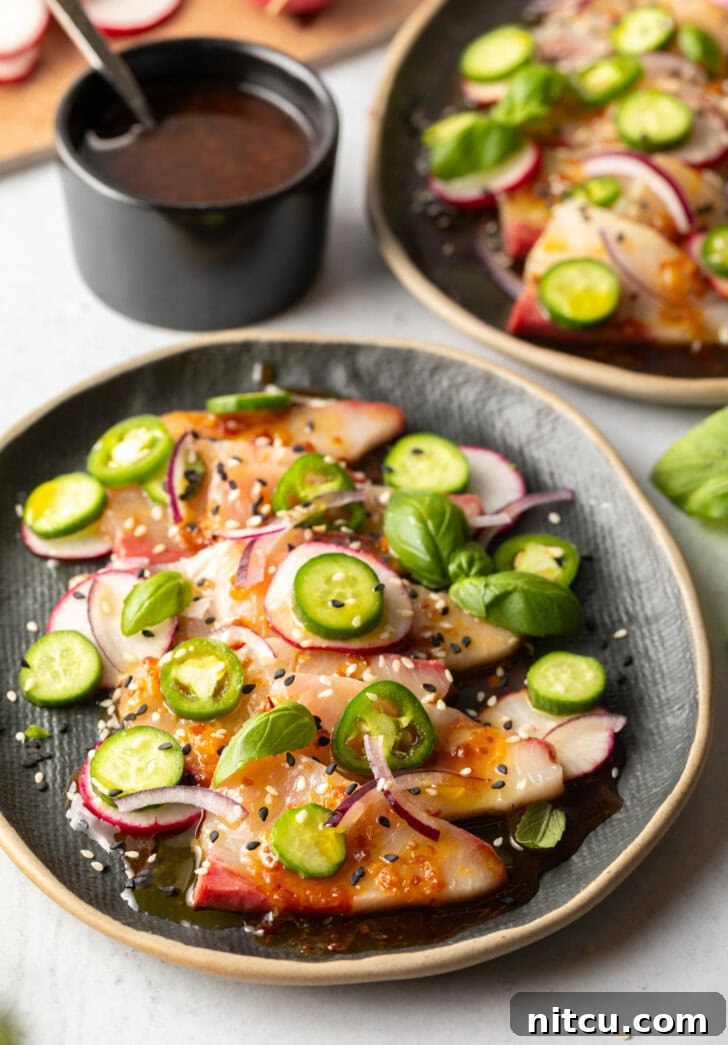
Essential Ingredients for the Perfect Crudo
Crafting exceptional crudo begins with selecting the finest ingredients, both for the seafood itself and for the balancing sauce and toppings. Each component plays a vital role in creating a harmonious and unforgettable dish.
- Sushi-Grade Hamachi: Also known as Japanese amberjack or yellowtail, this is our top recommendation for its buttery texture and mild, sweet flavor. The “sushi-grade” designation is crucial for safety and quality in any raw seafood preparation. If Hamachi is unavailable, refer to our alternative seafood options below.
- Fresh Lemon: You’ll need both the zest and the juice from a large, fresh lemon. The zest provides aromatic oils that brighten the sauce, while the juice delivers essential acidity, “tenderizing” the fish and cutting through its richness.
- Dark Soy Sauce: Opt for a high-quality dark soy sauce to achieve the most robust and complex umami flavor in your dressing. It provides depth and a beautiful dark hue to the sauce, contrasting with the pale fish.
- Chili Garlic Sauce: This ingredient introduces a fantastic balance of spicy, savory, and tangy notes. It adds a gentle kick and aromatic garlic undertones that elevate the overall flavor profile without overpowering the delicate fish.
- Honey: A touch of pourable honey is used to balance the acidity of the lemon and the heat of the chili garlic sauce, adding a subtle sweetness that rounds out the dressing.
- High-Quality Olive Oil (EVOO): Since this is a raw dish, the flavor of your olive oil will be prominent. Choose an extra virgin olive oil (EVOO) of the highest quality to impart a fruity, slightly peppery finish to the crudo. Alternatively, a good quality toasted sesame oil can also be used for an Asian-inspired aroma.
Beyond Hamachi: Other Fantastic Seafood Crudo Options
While Hamachi is a superb choice, the world of crudo is vast and exciting. Should Hamachi not be available, or if you simply wish to explore different flavors and textures, consider these excellent sushi-grade alternatives:
Scallop Crudo
For scallop crudo, select fresh, “dry-packed” diver scallops, which have not been treated with phosphates. Rinse them thoroughly under cold water and gently pat them completely dry with paper towels. Carefully remove the small, tough adductor muscle (the “foot”) if present. Using a very sharp knife, slice each scallop horizontally into super thin, coin-like discs. Scallops offer a naturally sweet, delicate flavor and a uniquely tender, almost melt-in-your-mouth texture that is exquisite raw.
Tuna Crudo
Several types of tuna excel in crudo preparations. Sushi-grade ahi tuna, also known as yellowfin, is a premier choice. Its firm, deep pink to reddish-burgundy meat has a substantial texture, almost like steak, making it easy to slice thinly and beautifully. Look for lean cuts for a cleaner taste or slightly fattier cuts for a richer experience. Other options include bigeye tuna or even highly prized bluefin (though often sustainably controversial).
Salmon Crudo
When preparing salmon crudo, the quality of the sushi-grade fish is paramount. Opt for fresh, vibrant-colored salmon fillets. Before slicing, ensure all skin is removed, and meticulously check for and remove any lingering pin-bones using a pair of clean pliers or tweezers. Slice the salmon against the grain into thin, elegant pieces. Salmon provides a rich, fatty, and distinctly flavored experience, often with a beautiful marbling that adds visual appeal.
Other excellent choices could include branzino, snapper, or halibut, all offering their unique textures and subtle flavors to a crudo dish. The key across all these options is uncompromising freshness and the “sushi-grade” standard.
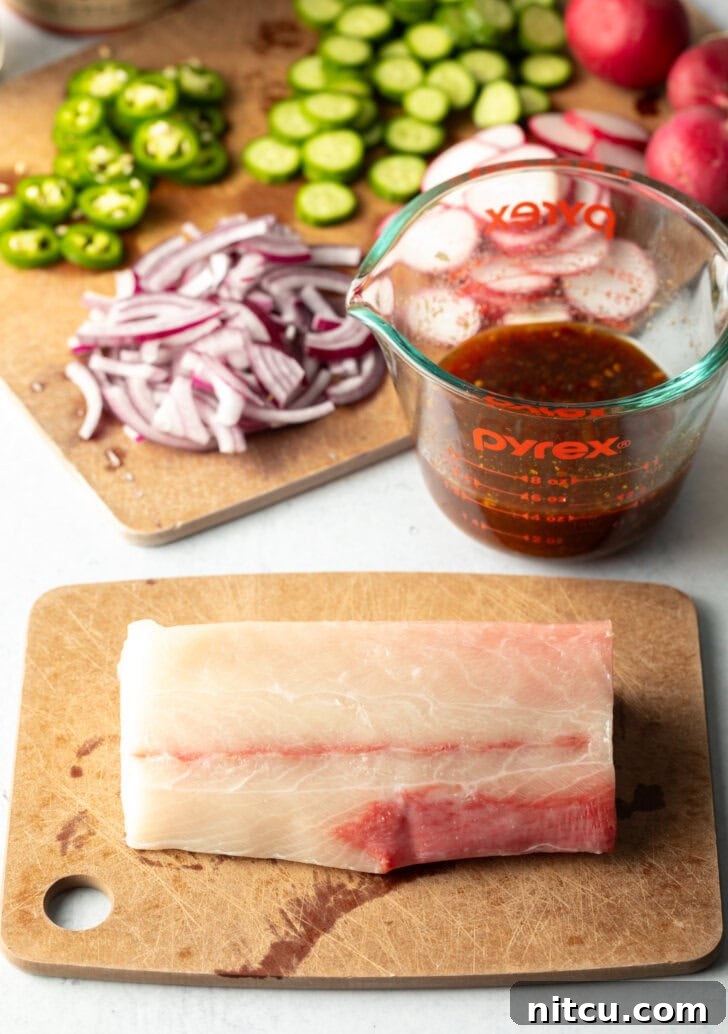
Elevate Your Crudo: Creative Topping Ideas
The beauty of crudo extends beyond the fresh seafood and savory sauce; the toppings are where you can truly personalize the dish and add layers of flavor, texture, and visual appeal. These fresh additions provide crucial contrast and complement the rich, delicate notes of the fish. Customize your crudo toppings to fit your taste preferences and to harmonize with the flavors of your broader meal. Here are some of our favorite garnishes that perfectly enhance this yellowtail crudo recipe, along with other delightful ideas:
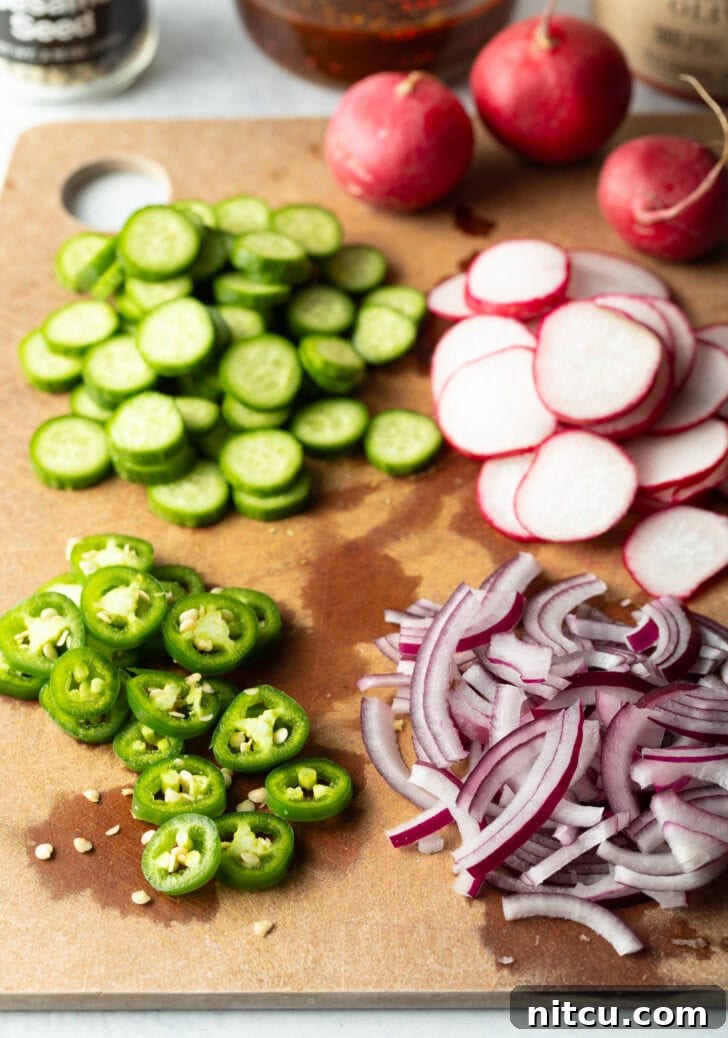
- Serrano Pepper: For those who appreciate a mild but noticeable heat, thinly sliced serrano peppers are ideal. They are similar to jalapeños in their spice level but often possess a slightly sweeter, brighter flavor profile.
- Baby Cucumbers: Sliced thinly, baby cucumbers (or Persian cucumbers) offer a refreshing, watery crunch. Their mild flavor acts as a palate cleanser and provides a wonderful textural contrast to the buttery fish.
- Radishes: Thinly sliced radishes, such as classic red radishes or the more visually striking watermelon radishes, deliver a fantastic, peppery punch and an invigorating crispness.
- Fresh Basil Leaves: Delicate baby basil leaves, or thinly sliced large basil leaves (chiffonade), introduce a fragrant, herbaceous aroma and a sweet, slightly peppery flavor that pairs beautifully with the citrus and soy.
- Sesame Seeds: A final sprinkle of toasted sesame seeds (white or black) adds an inviting nutty flavor and a subtle textural pop, providing an elegant finishing touch that helps balance the dish’s spicy and acidic elements.
Beyond these, consider incorporating other delightful toppings to further customize your crudo:
- Sliced Fresh Jalapeño Peppers: For a more pronounced spicy kick and vibrant green color.
- Thinly Sliced Red Onion or Shallots: Offers a sharp, pungent bite and a beautiful purple hue, best when very thinly shaved.
- Watermelon Radish: A visually stunning option with a beautiful pink interior and a milder radish flavor, adding both color and crispness.
- Fresh Cilantro Leaves: Provides a bright, citrusy, and slightly peppery herb note that is particularly good with chili.
- Flaky Sea Salt: A delicate sprinkle of flaky sea salt, like Maldon, just before serving can enhance the fish’s natural flavors and add a luxurious texture.
- Chopped Green Onion (Scallions): Adds a mild oniony bite and a fresh green element.
- Microgreens: For a gourmet touch, microgreens offer a delicate texture and concentrated flavor.
- Capres or Pickled Shallots: For an additional tangy, briny element.
The goal is to create a dynamic eating experience where each bite offers a medley of flavors and textures, ensuring the raw seafood remains the star while being beautifully enhanced by its companions.
Step-by-Step Guide: Crafting Your Exquisite Seafood Crudo
Creating a beautiful and delicious seafood crudo is simpler than you might think, primarily relying on fresh ingredients and careful preparation. Follow these steps to achieve a restaurant-quality appetizer right in your home kitchen:
- Firm Up the Fish: Begin by placing your sushi-grade Hamachi fillet (or chosen seafood) into the freezer for approximately 15 to 20 minutes. This crucial step slightly firms the fish, making it significantly easier to slice into exceptionally thin, clean pieces. While the fish is chilling, take this time to slice and meticulously prepare all your fresh toppings. Precision in slicing toppings is key to maintaining the elegant aesthetic of crudo.
- Prepare the Vibrant Crudo Sauce: Set out a small mixing bowl. Into this bowl, combine the fresh lemon zest, fresh lemon juice, dark soy sauce, chili garlic sauce, and a touch of honey. Whisk these ingredients vigorously until they are thoroughly combined and well-emulsified. Taste the sauce and adjust seasonings as needed – you might want a bit more chili for heat, or a touch more honey for sweetness, depending on your preference.
- Master the Art of Slicing: Once your Hamachi fillet has firmed up slightly in the freezer, carefully remove it. If the fillet still has skin along its bottom side, use a very sharp, thin-bladed knife to carefully shave it off and discard. Now, with a clean, sharp knife (preferably a sashimi knife or a very sharp chef’s knife), begin to slice the raw yellowtail fish. Always slice against the grain of the fish. The goal is to achieve paper-thin slivers, ideally no more than 1/8 inch thick, but thinner is always better for the delicate texture of crudo. Use long, smooth strokes for clean cuts.
- Artful Plating: Carefully arrange the thinly sliced Hamachi Crudo pieces on one large, elegant serving platter or individual appetizer plates. Overlap them slightly to create a visually appealing presentation. The arrangement is part of the crudo experience, so take your time to make it look beautiful.
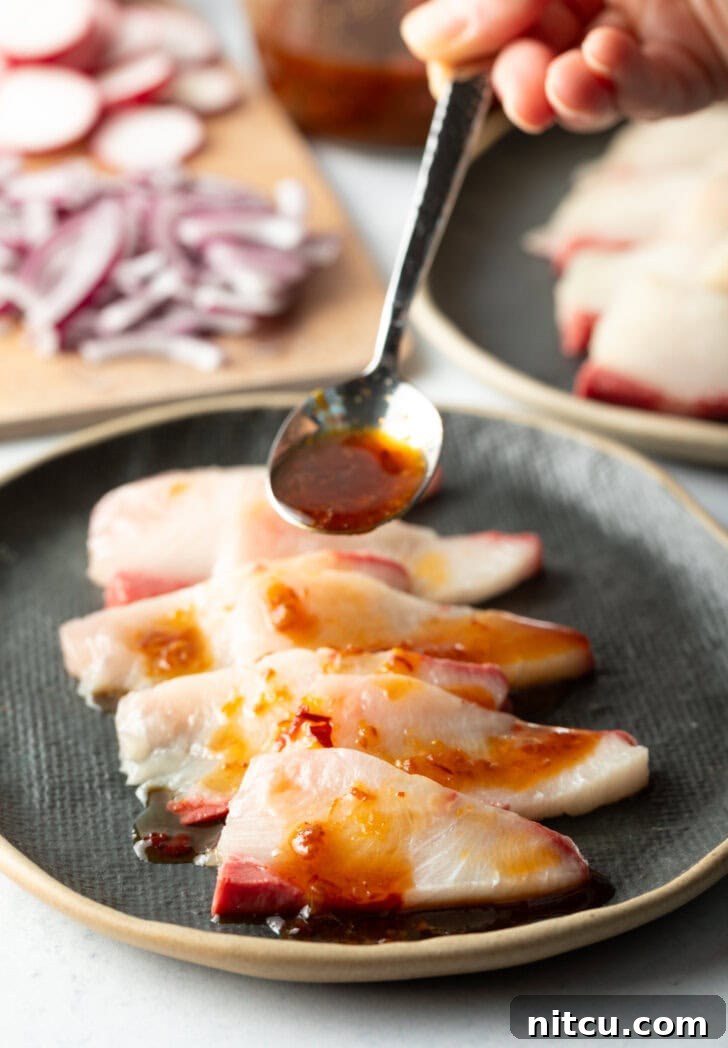
- Dress and Drizzle: Generously spoon the prepared crudo sauce over the top of the arranged Hamachi slices. Then, lightly drizzle a small amount of your high-quality olive oil (or toasted sesame oil, if using) over the fish. This adds another layer of flavor and a luxurious sheen.
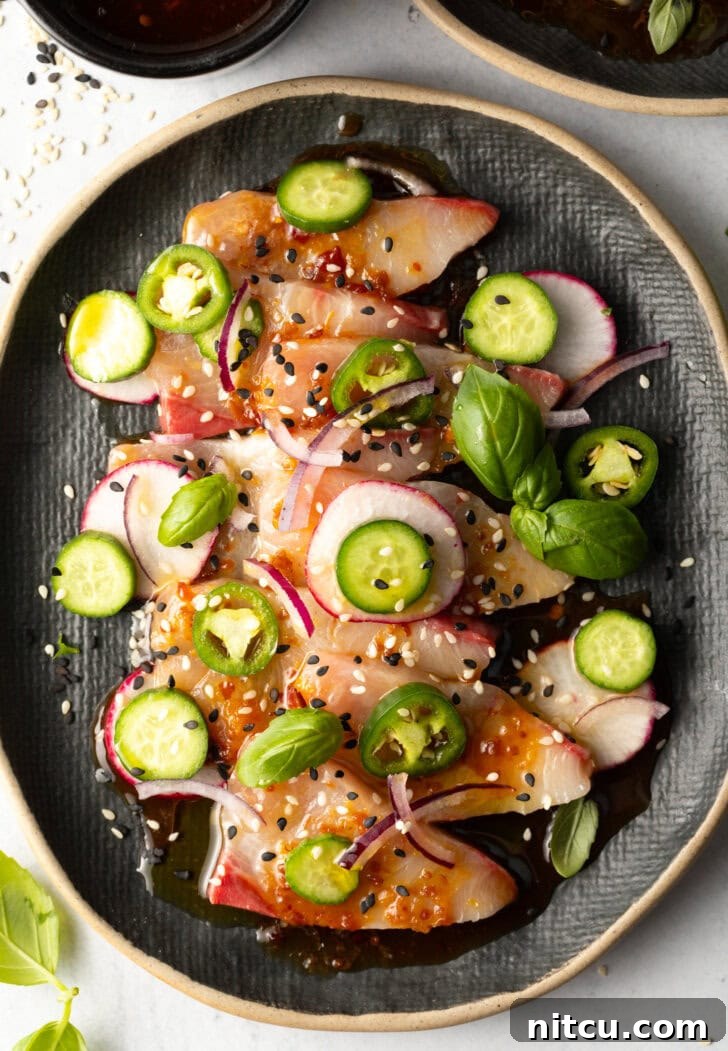
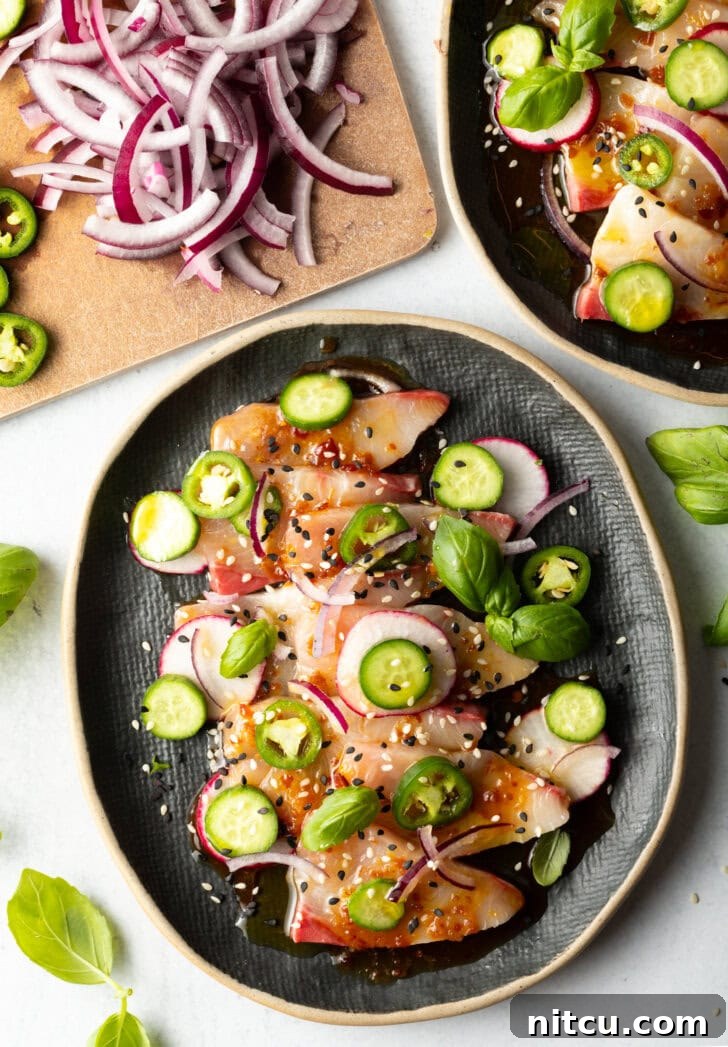
- Garnish and Serve Immediately: If you are using fresh toppings, delicately sprinkle or artfully arrange them over the top of each plate of crudo. Finish with a final sprinkle of toasted sesame seeds for an added nutty flavor and textural contrast. Serve the crudo immediately to ensure the fish is at its optimal temperature and texture, and the flavors are at their freshest. Crudo is a dish best enjoyed moments after assembly.
Discover the full Hamachi Crudo Recipe details and a helpful video guide below. Enjoy crafting this delightful dish!
Frequently Asked Questions About Crudo
It’s a common point of confusion, but yellowfin tuna and yellowtail (Hamachi) are indeed distinct species. While both are highly prized in sushi and sashimi, they have different characteristics. Yellowfin tuna, also known as Ahi tuna, typically has red or deep burgundy flesh, a firmer, almost steak-like texture, and a robust flavor. Japanese amberjack, or yellowtail (Hamachi), on the other hand, presents with lighter white to golden flesh, often with dark red streaks. Its texture is firm yet buttery, offering a milder, sweeter, and richer flavor profile than yellowfin. Both are excellent for crudo, but they provide different culinary experiences.
Carpaccio is actually a specific style of crudo, but with a crucial distinction in preparation. While crudo broadly refers to any raw dish (often seafood), carpaccio specifically describes very thinly sliced, or sometimes even pounded, raw ingredients, traditionally beef, but also fish or vegetables. The defining characteristic of carpaccio is its near paper-thinness, much thinner than typical crudo slices. While we aim for very thin slices for Hamachi crudo, it generally doesn’t reach the translucent, almost see-through quality associated with a true carpaccio.
Yes, absolutely! High-quality Hamachi is not only safe but also highly celebrated for raw consumption, particularly in Japanese cuisine as sushi or sashimi. The key is to source “sushi-grade” or “sashimi-grade” Hamachi from a reputable fishmonger. This classification indicates that the fish has been handled and stored under stringent conditions, often flash-frozen to eliminate parasites, making it safe to eat without cooking. However, as with any raw food, there’s always a minimal risk of foodborne illness. Always prioritize freshness, proper handling, and consume quickly.
Crudo, with its light and fresh profile, pairs beautifully with a range of dishes. For a complete meal, consider serving it as an elegant appetizer before heartier entrees. Given the Asian-inspired elements in our chili garlic and soy sauce, crudo complements Asian-themed main courses perfectly. Think along the lines of Asian Beef Ribs, an Asian Spiced Turkey, or Instant Pot Asian Chicken Thighs. For beverage pairings, crisp white wines like Sauvignon Blanc, Pinot Grigio, or a dry rosé would be excellent choices, as would sake or a light, effervescent sparkling wine. Non-alcoholic options include chilled green tea or sparkling water with a hint of citrus.
Crudo is truly best enjoyed freshly prepared. The delicate texture and pristine flavor of the raw fish, along with the crispness of the toppings, diminish quickly once dressed. Therefore, it is generally not recommended to assemble and dress crudo significantly in advance. However, you can certainly prep components ahead of time: slice all your fresh toppings and store them in airtight containers in the refrigerator, and prepare the crudo sauce. Keep your fish super cold in the refrigerator until you are just minutes away from slicing, plating, topping, and serving. Leftovers do not keep well, so embrace the delicious necessity of enjoying every last scrumptious bite immediately!
Looking for More Marvelous Appetizer Recipes? Be Sure to Try:
- Aguachile Recipe
- Bahamian Conch Salad
- Hawaiian Tako Poke
- Stuffed Mini Peppers
- Buffalo Chicken Meatballs
- Italian Sausage Stuffed Mushrooms
- Fish Ceviche
- Best Tuna Tartare (Easy Ahi Tuna Recipe)
- Hawaii Ahi Poke
Print Recipe
Leave a Review »
Hamachi Crudo (Yellowtail Crudo) Recipe
Prep Time: 20 minutes
Total Time: 20 minutes
This wonderfully easy no-cook recipe is perfect for making elegant and delicious raw crudo with your choice of sushi-grade seafood like Hamachi (yellowtail), tuna, salmon, or scallops. It’s sure to impress as an enticing appetizer!
Servings: 4 servings
Ingredients
US Customary – Metric
- ½ pounds sushi-grade Hamachi (Japanese amberjack, or yellowtail)
- 1 large lemon (zested and juiced, approximately 1 tsp zest + 3 tbsp juice)
- 3 tablespoons dark soy sauce
- 1 tablespoon chili garlic sauce
- 1 tablespoon honey
- 1 tablespoon olive oil (high-quality EVOO)
- Optional Fresh Toppings –
- 2 serrano chiles, thinly sliced
- 2-3 baby cucumbers, thinly sliced
- 2-3 radishes, thinly sliced
- ¼ cup fresh basil leaves
- 1 teaspoon sesame seeds (for garnish)
Instructions
- Place the fillet of fresh Hamachi in the freezer for 15 to 20 minutes to firm it up for easier slicing. Meanwhile, slice and prep all the fresh toppings for the Crudo.
- Set out a small mixing bowl. Combine the lemon zest and juice, dark soy sauce, chili garlic sauce, and honey. Whisk well to combine thoroughly.
- Once the Hamachi fillet is slightly firm, take it out of the freezer. If there is skin along the bottom side, carefully shave it off and discard. Then, using a very sharp knife, slice the Hamachi into thin slivers, cutting against the grain. Aim for slices no more than 1/8 inch thick; thinner is always preferred for optimal texture.
- Arrange the Hamachi Crudo slices attractively on one large serving platter, or divide among several individual appetizer plates.
- Spoon the prepared Crudo sauce generously over the top of the Hamish. Then, drizzle a little bit of olive oil (or a light sesame oil) over the top for added richness and aroma.
- If using fresh toppings, delicately sprinkle or arrange them over the top of each plate. Finish by sprinkling with sesame seeds to garnish, and serve immediately to enjoy the freshest flavors and textures.
Notes
This versatile recipe can be adapted with any type of raw, sushi-grade seafood, including salmon, scallops, shrimp, or ahi tuna, allowing for diverse culinary explorations.
Nutrition
Serving: 2oz, Calories: 144kcal, Carbohydrates: 12g, Protein: 15g, Fat: 5g, Saturated Fat: 1g, Polyunsaturated Fat: 1g, Monounsaturated Fat: 3g, Cholesterol: 21mg, Sodium: 796mg, Potassium: 542mg, Fiber: 2g, Sugar: 8g, Vitamin A: 317IU, Vitamin C: 27mg, Calcium: 58mg, Iron: 1mg
Course: Appetizer, Salad, Seafood, Side Dish, Starter
Cuisine: Italian, Japanese, Spanish
Author: Sommer Collier