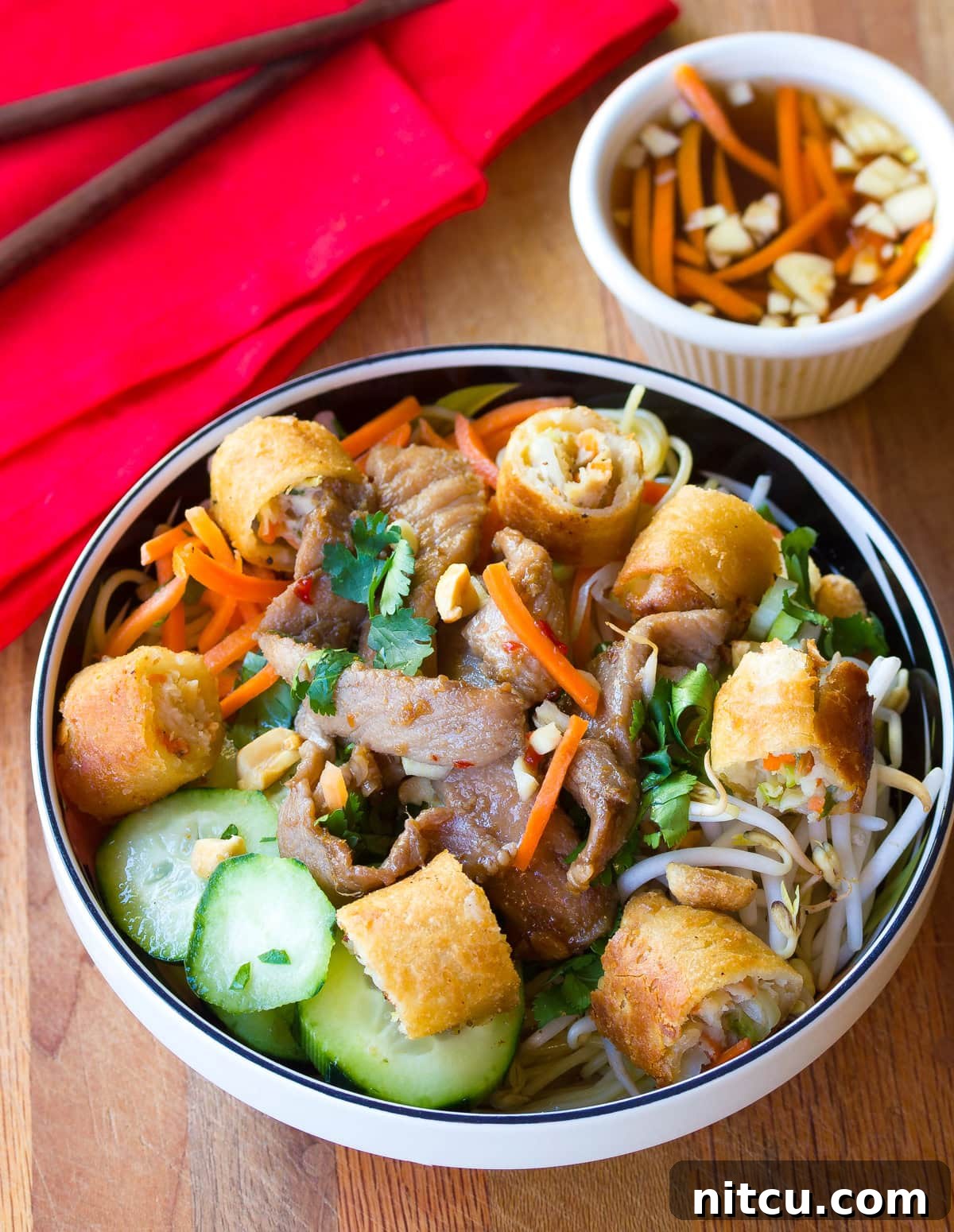
Vietnamese Bun Cha Gio: A Culinary Journey of Freshness and Flavor
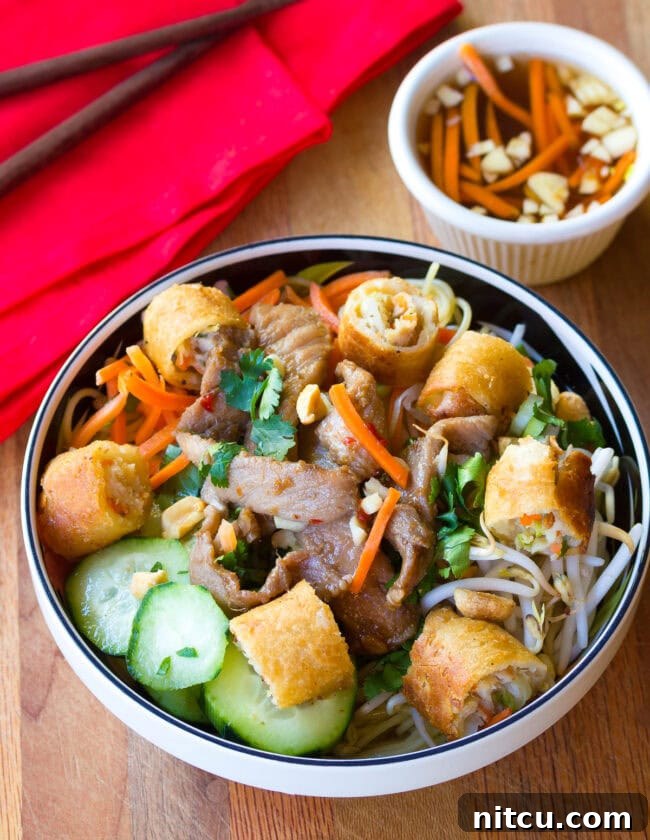
Embark on a delightful culinary adventure with Vietnamese Bun Cha Gio, a fresh, crunchy, and incredibly satisfying noodle salad bowl that captures the essence of vibrant Vietnamese cuisine. This healthy and hearty dish is an intricate tapestry of textures and tastes, meticulously balanced to deliver an unforgettable dining experience. Packed with tender grilled pork, crispy spring rolls (Cha Gio), delicate rice vermicelli noodles, and an abundance of fresh vegetables and herbs, it’s a meal that nourishes both body and soul. At its heart lies the irresistible Nuoc Cham, a sweet, sour, salty, and spicy dressing that ties all the elements together into a symphony of flavor. Bun Cha Gio isn’t just a meal; it’s a celebration of Vietnamese culinary artistry, offering a perfect blend of savory proteins, crisp greens, and fragrant aromatics.
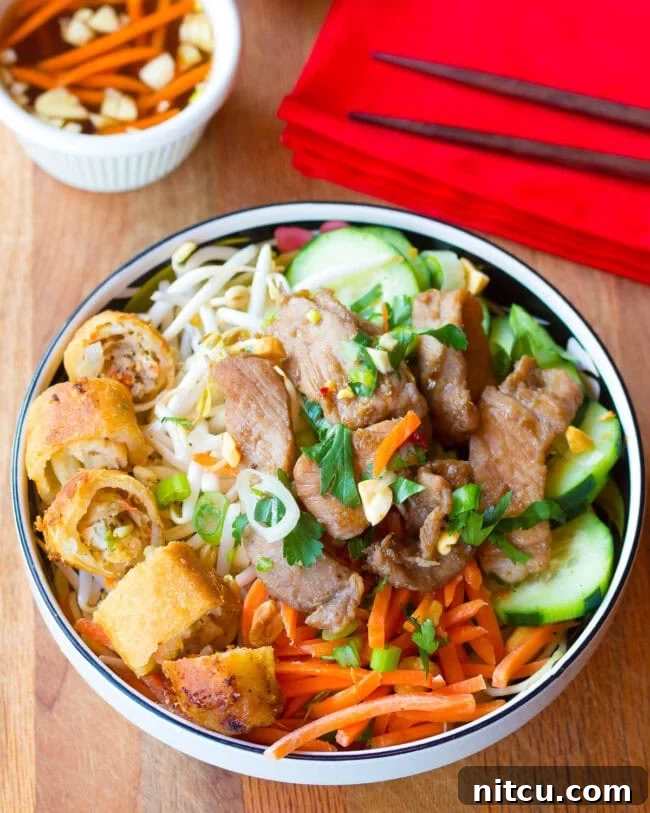
The Irresistible Allure of Vietnamese Food
Vietnamese cuisine is renowned globally for its freshness, aromatic herbs, and harmonious blend of flavors – often characterized by the five fundamental tastes: spicy, sour, bitter, salty, and sweet. These elements are meticulously balanced in dishes, creating meals that are both light and deeply satisfying. Beyond popular dishes like Pho and Banh Mi, there’s a vast world of culinary treasures waiting to be explored, and Bun Cha Gio stands out as a prime example of this rich tradition.
My personal journey with Vietnamese food began during my college years, a time filled with shared meals and budding friendships. One of my dearest friends and I developed a ritual of weekly lunch dates at our favorite local Vietnamese restaurant. The vibrant atmosphere, the comforting aromas, and the consistently delicious food made it our go-to spot.
I distinctly remember one particular visit almost two decades ago. As we entered, a young Vietnamese waiter, still perfecting his English, greeted us with a charming smile. He led us to our table, and as we settled in, we found ourselves giggling at his earnest attempts to make conversation and his slightly over-attentive service. We felt a little embarrassed by the extra attention, yet charmed by his sincerity.
When it came time to order, he turned to me and asked if I preferred my meal mild or spicy. I replied, “Spicy, please.” With a smooth wink and a grin, he responded, “Ahhhh, spicy food for a spicy personality!” Even with limited English, his playful charisma shone through, a testament to how some forms of human connection truly transcend cultural and linguistic barriers. To this day, my friend and I never miss an opportunity to fondly recall that memorable line, a cherished inside joke that perfectly encapsulates our shared love for delicious food and memorable moments.
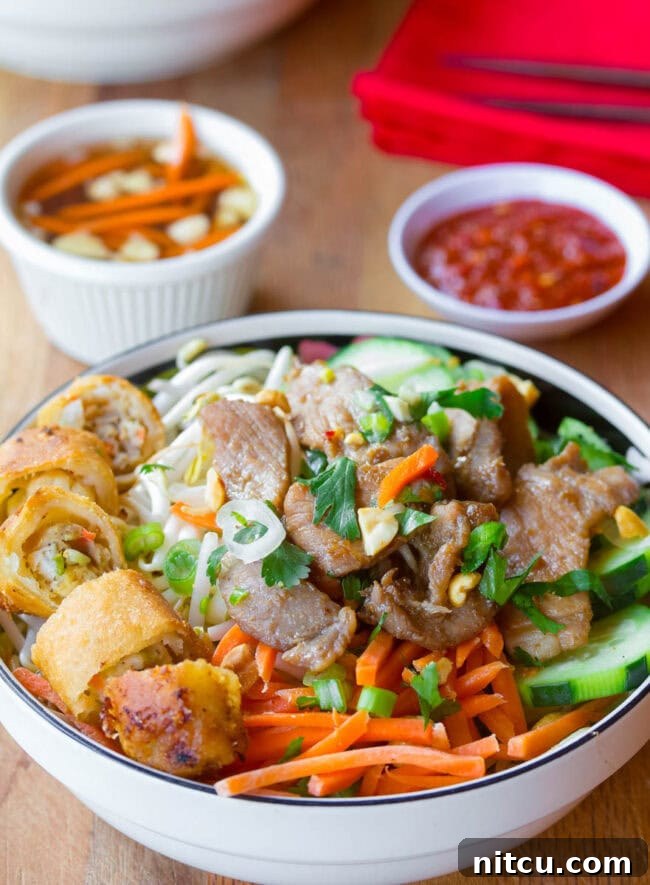
The town where I grew up boasted a significant Vietnamese population, which meant access to incredible restaurants and expansive Asian markets. Exploring these markets was always a feast for the senses – especially the vibrant produce departments brimming with exotic fruits and leafy greens, and the bustling meat counters offering cuts ideal for authentic Asian cooking. This accessibility ignited my passion for cooking Vietnamese dishes at home, leading me to master favorites like Bun Cha Gio.
Decoding Bun Cha Gio: Components of a Masterpiece
Vietnamese Bun Cha Gio is more than just a salad; it’s a meticulously crafted bowl that harmonizes multiple culinary traditions into a single, cohesive experience. “Bun” refers to the rice vermicelli noodles, while “Cha Gio” are the crispy fried spring rolls. This dish typically features thinly sliced, marinated, and grilled pork (sometimes referred to as Bun Cha when pork patties are used, but the principle of grilled pork in a noodle bowl remains). The key to its vibrant flavor profile is the liberal use of fresh herbs and vegetables, all brought together by the iconic Nuoc Cham dressing.
Bun Cha Gio Ingredients: What You Need
Creating an authentic Bun Cha Gio involves a few distinct components, each contributing to the dish’s overall complexity and freshness. Here’s a detailed look at the ingredients required, along with tips for selecting the best ones:
For the Flavorful Grilled Pork
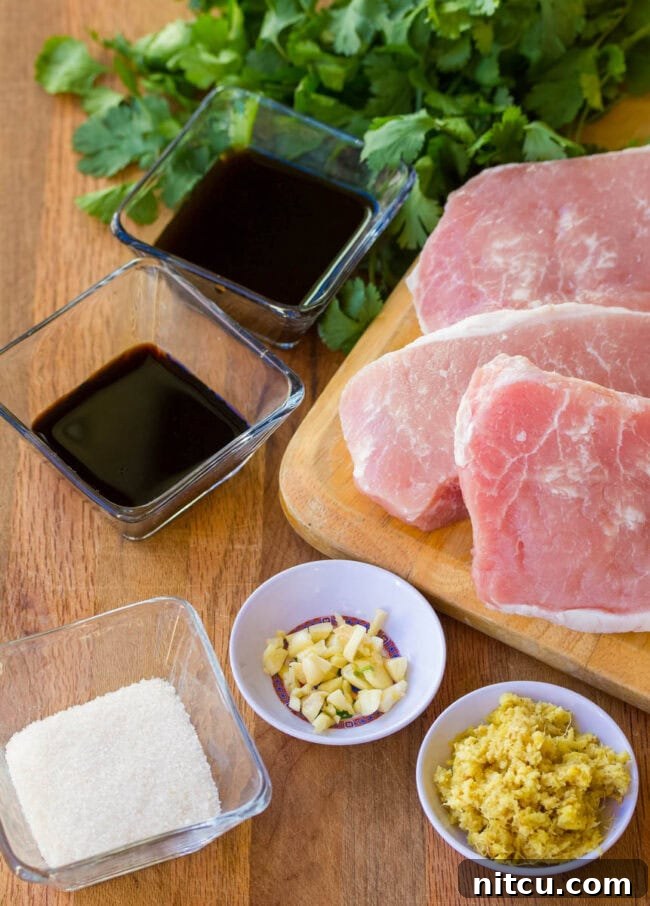
The pork is the heart of this dish, providing a savory, slightly sweet, and tender protein element. Boneless pork chops are ideal for their lean quality and ease of slicing, but pork shoulder can also be used if sliced against the grain for tenderness.
- Boneless Pork Chops: Choose lean chops for best results. Freezing them slightly before slicing makes them easier to cut into thin, uniform pieces.
- Fresh Grated Ginger: Provides a pungent, warming spice that cuts through the richness of the pork.
- Minced Garlic Cloves: Essential for aromatic depth in the marinade.
- Fish Sauce: The backbone of Vietnamese flavor. Look for high-quality fish sauce (such as Red Boat) for the best umami notes. It provides a distinct savory, salty, and slightly sweet flavor.
- Soy Sauce (gluten-free if desired): Adds another layer of savory richness and color to the pork. Ensure it’s gluten-free if catering to dietary needs.
- Sugar: Balances the savory and acidic elements, and helps with caramelization during grilling.
For the Zesty Nuoc Cham Dressing
Nuoc Cham is arguably the most crucial component, acting as the delicious glue that binds all the flavors of the Bun Cha Gio together. Its balance of sweet, sour, salty, and spicy is what makes Vietnamese salads so addictive.
- Warm Water: Helps dissolve the sugar effectively.
- Sugar: Provides the essential sweetness, balancing the other strong flavors.
- Rice Vinegar or White Vinegar: Offers a mild, clean acidity. While traditional Nuoc Cham often uses lime juice, many restaurants opt for rice vinegar for a smoother, less sharp “bite.”
- Fish Sauce: Contributes the signature umami and saltiness.
- Minced Garlic Clove: Adds a fresh, pungent aroma.
- Chili-Garlic Sauce: For that spicy kick! You can adjust the amount to your preference or omit if you prefer a mild dressing. Sriracha is a common substitute, but chili-garlic sauce offers a richer garlic flavor.
- Salt: Enhances the overall flavor profile.
- Shredded Carrot: Adds a touch of natural sweetness, color, and texture to the dressing.
For the Fresh Salad Bowl Components
The vibrant and crisp vegetables and noodles provide essential texture and freshness, making the dish light and invigorating.
- Cooked Rice Vermicelli Noodles: These thin, delicate rice noodles are the base of the salad, providing a soft contrast to the crunchy elements.
- Mung Bean Sprouts: Adds a refreshing crunch and subtle sweetness.
- Shredded Carrots: For color, sweetness, and a pleasant crunch.
- Sliced Cucumbers: Offers cool, refreshing hydration and crisp texture.
- Chopped Cilantro, Basil, or Mint: Fresh herbs are non-negotiable in Vietnamese cuisine! They provide an explosion of aromatic flavor. Use a combination or your favorite.
- Chopped Peanuts: Adds a nutty flavor and satisfying crunch.
- Chopped Green Onions: For a mild oniony bite and vibrant green color.
- Frozen Spring Rolls (gluten-free options available): These fried rolls, also known as Cha Gio, add a crucial savory crispness and textural contrast to the soft noodles and fresh vegetables. Using frozen, good-quality spring rolls is a fantastic time-saver.
How To Prepare the Perfect Bun Cha Gio
Making Bun Cha Gio is a process of assembling distinct, flavorful components. Let’s start with the star protein:
Crafting the Tender Grilled Pork
The pork in this Bun Cha Gio recipe is exquisitely tender and packed with flavor, thanks to a simple yet effective marinating and stir-frying process. My top tip for this step is to partially freeze your pork chops – trust me, it makes slicing them paper-thin an absolute breeze!
- Prepare the Pork: Place the boneless pork chops in the freezer for about 30 minutes. This firms them up without fully freezing, making them much easier to slice. If your pork is already frozen, thaw it halfway before proceeding. Once firmed, carefully cut each chop in half lengthwise, then thinly slice them (aim for about 1 mm thickness). This ensures quick cooking and maximum flavor absorption.
- Marinate for Flavor: In a medium bowl, combine the fresh grated ginger, minced garlic, fish sauce, soy sauce (use gluten-free if needed), and sugar. Mix these ingredients thoroughly to create a cohesive marinade. Add the thinly sliced pork to the marinade, tossing to ensure every piece is well-coated. Allow the pork to marinate for at least 30 minutes at room temperature, or up to several hours in the refrigerator for deeper flavor.
- Stir-Fry to Perfection: Heat a large wok or a heavy-bottomed skillet over high heat. Achieving a high temperature is crucial for a good stir-fry; medium or medium-high heat simply won’t yield the same results. While the wok heats, drain the marinated pork well, discarding any excess liquid. Add 1 tablespoon of peanut or vegetable oil to the hot wok. Once the oil is shimmering, add the pork in a single layer (cook in batches if necessary to avoid overcrowding, which can steam the meat instead of searing it). Stir-fry the pork vigorously for just 1-3 minutes until it’s beautifully caramelized and cooked through. The thin slices cook very quickly, locking in all the delicious marinade flavors.
Marinating your pork and then stir-frying it quickly in a hot wok is the secret to achieving incredibly flavorful and tender results. For a gluten-free version of this recipe, always remember to use a certified gluten-free soy sauce.
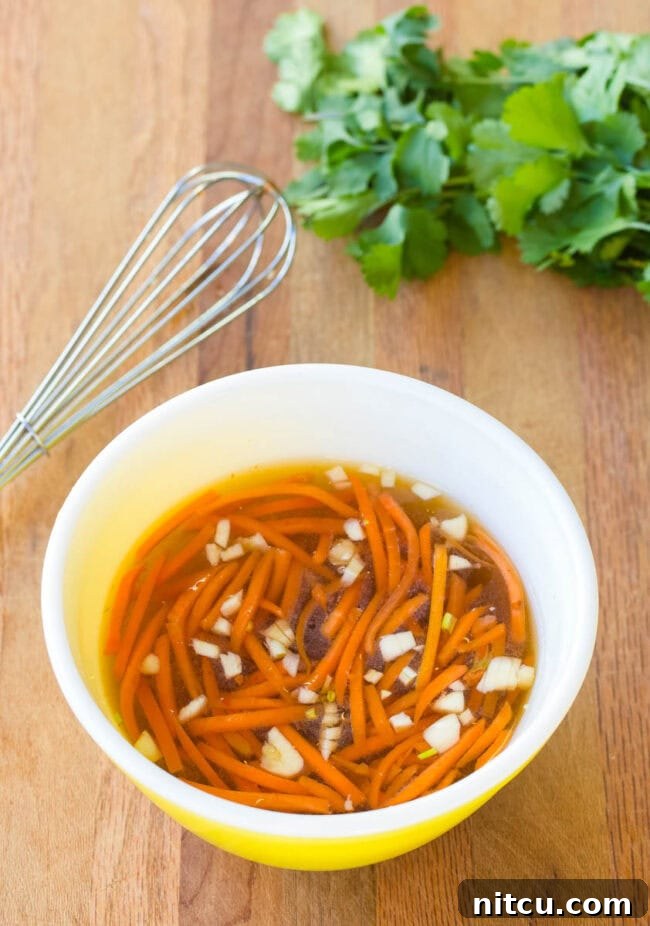
The Essential Nuoc Cham Dipping Sauce
Nuoc Cham is more than just a sauce; it’s a cornerstone of Vietnamese cuisine, offering a complex balance of sweet, sour, salty, and spicy. While many recipes call for lime juice, I’ve found that many authentic Vietnamese restaurants use rice vinegar, which I personally prefer. Rice vinegar provides a slightly milder, less sharp acidity, creating a smoother and more integrated flavor profile for the dressing. This slight variation can truly elevate your Bun Cha Gio experience.
- Dissolve the Sugar: In a small bowl, combine the warm water and sugar. Stir diligently until the sugar is completely dissolved. Using warm water speeds up this process significantly.
- Combine Ingredients: To the sugar water, add the rice vinegar, fish sauce, minced garlic, chili-garlic sauce, salt, and shredded carrots. Whisk all the ingredients together until well combined. The shredded carrots not only add a subtle sweetness and texture but also a beautiful color.
The Nuoc Cham dressing is the primary source of spicy heat in this Vietnamese Bun Cha Gio, allowing you to customize the dish to your preference. Feel free to add as much or as little as you like to your noodle salad. For those who love an extra kick, simply boost the heat by incorporating more chili-garlic sauce. This versatility makes Nuoc Cham adaptable to any palate, from mild to fiery.
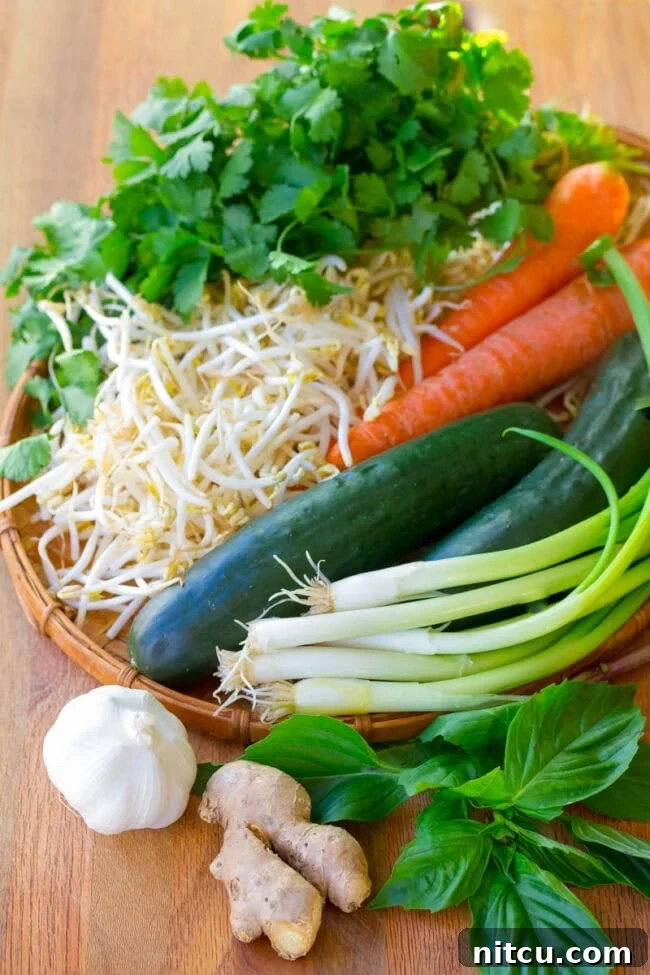
Crispy Cha Gio: The Perfect Crunch
Cha Gio is the Vietnamese term for fried spring rolls, and their inclusion is what truly defines Bun Cha Gio. These hot, crispy rolls, chopped into bite-sized pieces, add an essential textural contrast and a delightful savory crunch to the fresh noodle salad. While making spring rolls from scratch is a rewarding endeavor, it can be quite time-consuming. To streamline the preparation and keep this meal manageable for a weeknight, I highly recommend using good-quality frozen spring rolls.
Opting for frozen spring rolls doesn’t compromise on flavor or texture when prepared correctly. Baking them in the oven is a healthier and less messy alternative to deep-frying, still yielding a wonderfully crispy exterior that perfectly complements the other components of the dish. This shortcut ensures you can enjoy this incredible meal without turning it into a two-hour cooking marathon.
- Preheat the Oven: Preheat your oven to the temperature specified on the frozen spring roll package. Proper oven temperature is key to achieving maximum crispiness.
- Prepare for Baking: Lightly drizzle a little oil (vegetable or neutral oil works well) onto a baking sheet. Place the frozen spring rolls on the sheet, ensuring they are evenly coated in the oil and not overcrowded.
- Bake Until Golden: Cook the spring rolls according to the instructions provided on their packaging. They should turn golden brown and become wonderfully crispy.
- Chop and Serve: Once baked and slightly cooled, chop the spring rolls into convenient 1/2-inch pieces. These will be scattered generously over your noodle salad.
Of course, if you have the time and desire to make your own fresh spring rolls, by all means, do so! The homemade version adds an extra layer of personal touch and flavor that is truly special.
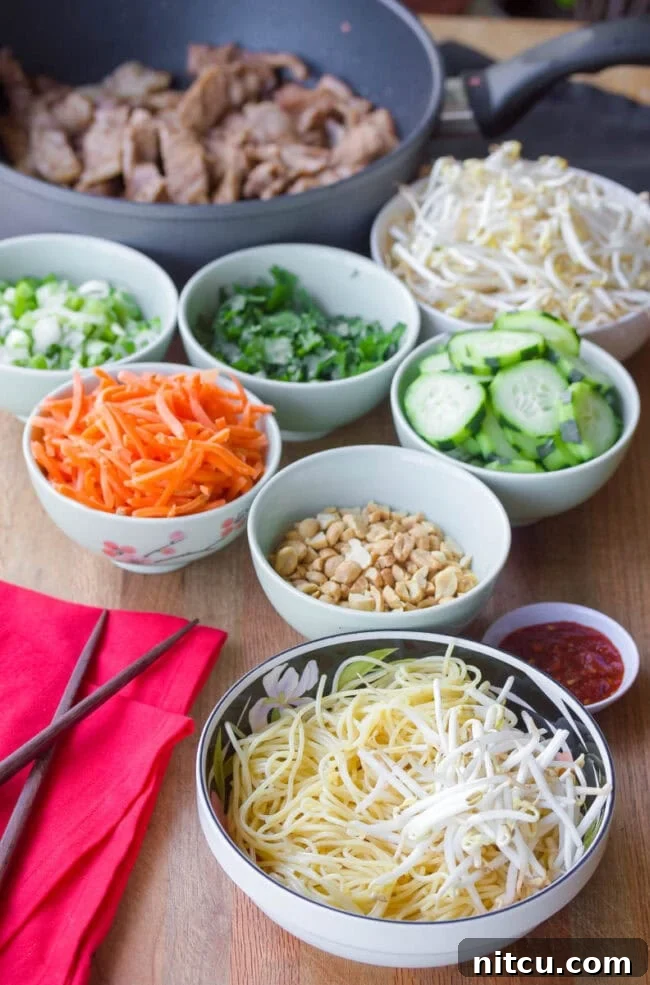
Assembling Your Masterpiece: Vietnamese Noodle Salad Prep
With all your components prepared, assembling Bun Cha Gio is straightforward and incredibly rewarding. The beauty of this dish lies in its layered presentation and the customizable experience it offers each diner.
- Layer the Base: Begin by placing a generous handful of cooked rice vermicelli noodles at the bottom of four individual serving bowls. These delicate noodles form the foundation of your salad.
- Add Freshness: Neatly arrange the mung bean sprouts, shredded carrots, thinly sliced cucumbers, a vibrant mix of chopped cilantro (or basil/mint), and chopped green onions over the noodles. This colorful array of fresh vegetables and herbs brings texture, essential nutrients, and refreshing flavors.
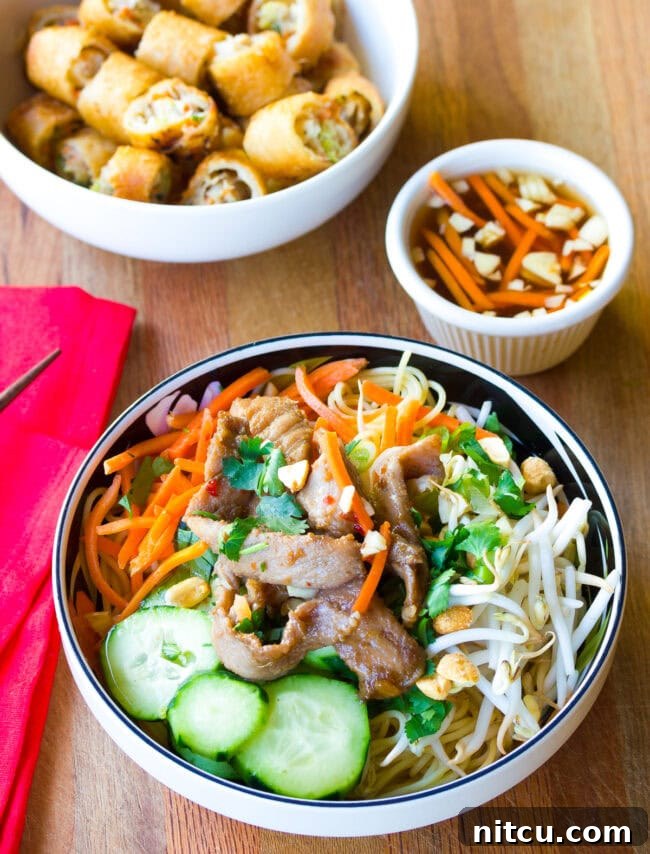
- Top with Protein and Crunch: Crown your salad bowls with the perfectly stir-fried pork and the crispy, chopped spring rolls. Finish by sprinkling a generous amount of chopped peanuts over everything for an extra layer of nutty crunch.
- Serve with Nuoc Cham: Present the Nuoc Cham dressing on the side in small dipping bowls. This allows each person to add as much or as little of the flavorful sauce as they desire, customizing the taste profile to their individual preference.
This bold, healthy, and flavorful Vietnamese Bun Cha Gio is a dish I find myself craving regularly. It’s a guaranteed crowd-pleaser; my own kids absolutely adore it, and I have no doubt yours will too! Its widespread appeal is so undeniable that even culinary icon Anthony Bourdain famously chose to treat President Obama to this very Vietnamese street food recipe during their visit to Hanoi, solidifying its status as a beloved classic.
Bun Cha Gio Recipe Variations: Make It Your Own
One of the beauties of Bun Cha Gio is its versatility. Don’t hesitate to experiment with different ingredients to suit your taste or what you have on hand. Here are some ideas to inspire your culinary creativity:
- Meat: While pork is traditional, this dish is incredibly adaptable. You can easily substitute it with thinly sliced beef (marinated and stir-fried similarly), chicken breast or thigh, or even shrimp for a seafood twist. A combination of meats also works wonderfully.
- Herbs: Fresh herbs are paramount in Vietnamese cuisine. Along with cilantro, consider adding Thai basil for a peppery, anise-like flavor, or fresh mint for its bright, cooling notes. The more fresh herbs you incorporate, the more complex and aromatic your salad will be.
- Vegetables: Feel free to customize the vegetable selection. Add shredded green papaya for a tangy crunch, thinly sliced bell peppers for sweetness, or even blanched broccoli florets. Conversely, if you’re missing an ingredient, don’t let it stop you from making this delicious meal – simply omit or substitute.
- Toppings: Beyond peanuts, consider adding crispy fried shallots for an extra layer of savory crunch, or a drizzle of sriracha for more heat directly on your bowl.
- Pickled Vegetables: Many Vietnamese noodle bowls include pickled daikon and carrots (Do Chua) for an additional tangy and crunchy element. You can easily make your own or find them at Asian markets.
Frequently Asked Questions About Bun Cha Gio
Here are answers to some common questions about making this delightful Vietnamese noodle salad:
Can This Be Made Using Pork Shoulder?
Yes, absolutely! Pork shoulder is a great option for its flavor and tenderness. When using pork shoulder, follow the same instructions as for pork chops. The key is to slice it very thinly, preferably against the grain, to ensure it cooks quickly and remains tender in the stir-fry.
Could I Substitute The Vinegar in Nuoc Cham?
If you have a sensitivity to vinegar or simply prefer a different flavor profile, you can certainly substitute it. Lime juice is a common alternative and will provide a brighter, more citrusy tang. You can also use a combination of half rice vinegar and half fresh lime juice to achieve a balanced acidity that’s less sharp than pure lime and less mellow than pure rice vinegar.
How Should I Store Leftover Bun Cha Gio Noodle Salad Bowl?
To best preserve the freshness and texture of your Bun Cha Gio, it’s recommended to store the components separately. Keep the cooked pork and fried spring rolls in one airtight container in the refrigerator for 2-3 days. Store the cooked vermicelli noodles, fresh vegetables, and Nuoc Cham dressing in separate containers. When you’re ready to enjoy leftovers, gently reheat the pork and spring rolls (a microwave or a quick pan-fry works well for the pork, oven for the spring rolls to re-crisp), then assemble a fresh bowl with the chilled noodles, vegetables, and dressing.
More Vietnamese Dishes to Explore!
If you’ve fallen in love with Bun Cha Gio, there’s a whole world of Vietnamese flavors waiting for you. Here are some other fantastic dishes to add to your culinary repertoire:
- Low Carb Vietnamese Chicken Pho Recipe – A fragrant and comforting noodle soup that can be adapted for a low-carb diet.
- Vietnamese Coffee Bread Pudding – A unique fusion dessert combining the rich flavors of Vietnamese coffee with classic bread pudding.
- Banh Mi (Vietnamese Sandwich) – The iconic Vietnamese baguette sandwich, filled with savory meats, pickled vegetables, and fresh herbs.
- Vietnamese Egg Coffee – A surprisingly delicious and rich coffee drink topped with a creamy, frothy egg mixture.
- Som Tum Green Papaya Salad – While technically Thai, this vibrant and spicy salad shares a similar fresh, zesty profile often enjoyed in Southeast Asia.
- Bun Cha Hanoi by Caroline’s Cooking – A specific regional variation of Bun Cha featuring grilled pork patties and noodles.
- Banh Xeo Recipe from Hungry Huy – Delicious savory Vietnamese crepes, often filled with shrimp, pork, and bean sprouts.
Print Recipe
Leave a Review »
Bun Cha Gio Recipe
15
30
45
4
Ingredients
For the Pork:
- 1 pound boneless pork chops
- 1 1/2 tablespoon fresh grated ginger
- 1 clove garlic, minced
- 1/4 cup fish sauce
- 2 tablespoons soy sauce (gluten-free)
- 2 tablespoons sugar
For the Nuoc Cham Dressing:
- 1/2 cup warm water
- 3 tablespoons sugar
- 1/2 cup rice vinegar
- 1 tablespoon fish sauce
- 1 clove garlic, minced
- 1 teaspoon chili-garlic sauce
- 1/4 teaspoon salt
- 1/8 cup shredded carrots
For the Salad:
- 1 package cooked rice vermicelli noodles
- 2 cups mung bean sprouts
- 1 cup shredded carrots
- 1 cup sliced cucumbers
- 1/2 cup chopped cilantro or basil/mint
- 1/2 cup chopped peanuts
- 1/2 cup chopped green onions
- 1 package frozen spring rolls (gluten-free)
Instructions
-
Freeze the pork for 30 minutes to firm it up. Then cut each chop in half lengthwise and thinly slice (1 mm). If already frozen, thaw halfway before slicing. Mix the ginger, garlic, fish sauce, soy sauce, and sugar, and toss with pork in a bowl. Allow the pork to marinate for 30 minutes.
-
For the Nuoc Cham: Mix the warm water and sugar in a small bowl. Stir until the sugar is dissolved. Then add the rice vinegar, fish sauce, garlic, chili-garlic sauce, salt, and shredded carrots. Set aside the Nuoc Cham.
-
Preheat the oven to the necessary temperature provided on the spring roll package. Drizzle a little oil on a cookie sheet and roll the frozen spring rolls in it. Cook the spring rolls according to the provided instructions until golden and crispy.
-
Heat a large wok or skillet to high heat. Drain the pork well from its marinade. Add 1 tablespoon of peanut or vegetable oil to the wok. Stir-fry the pork for 1-3 minutes until cooked through and slightly caramelized. Chop the cooked spring rolls into 1/2-inch pieces.
-
To plate: Place a large handful of cooked rice vermicelli noodles in the bottom of four bowls. Top each with mung bean sprouts, shredded carrots, sliced cucumbers, chopped cilantro (or basil/mint), and chopped green onions. Place the stir-fried pork and chopped spring rolls on top, and sprinkle generously with chopped peanuts. Serve with Nuoc Cham on the side, so each person can add as much as they desire!
Nutrition
Calories: 605kcal,
Carbohydrates: 75g,
Protein: 36g,
Fat: 18g,
Saturated Fat: 4g,
Cholesterol: 76mg,
Sodium: 2335mg,
Potassium: 942mg,
Fiber: 5g,
Sugar: 21g,
Vitamin A: 6320IU,
Vitamin C: 15.2mg,
Calcium: 80mg,
Iron: 2.9mg
Main Course
Vietnamese
Sommer Collier
Cook It? Love It? Rate It!
YOU can help this recipe RANK on Google – TAP 5 STARS so other hungry people can find it. Thank you!