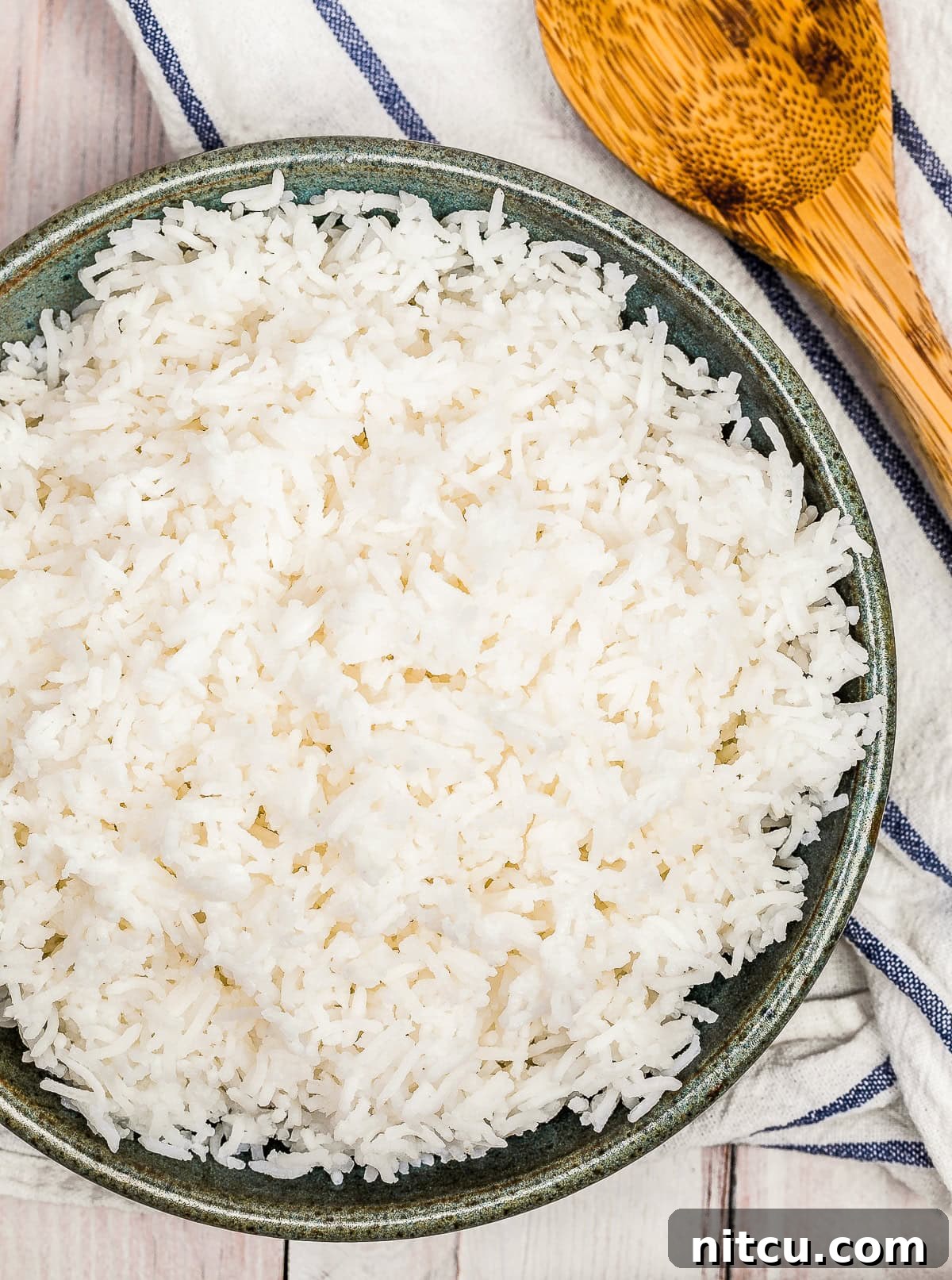
How To Cook Basmati Rice: Unlock the Secret to Perfectly Fluffy Indian Basmati Rice Every Time
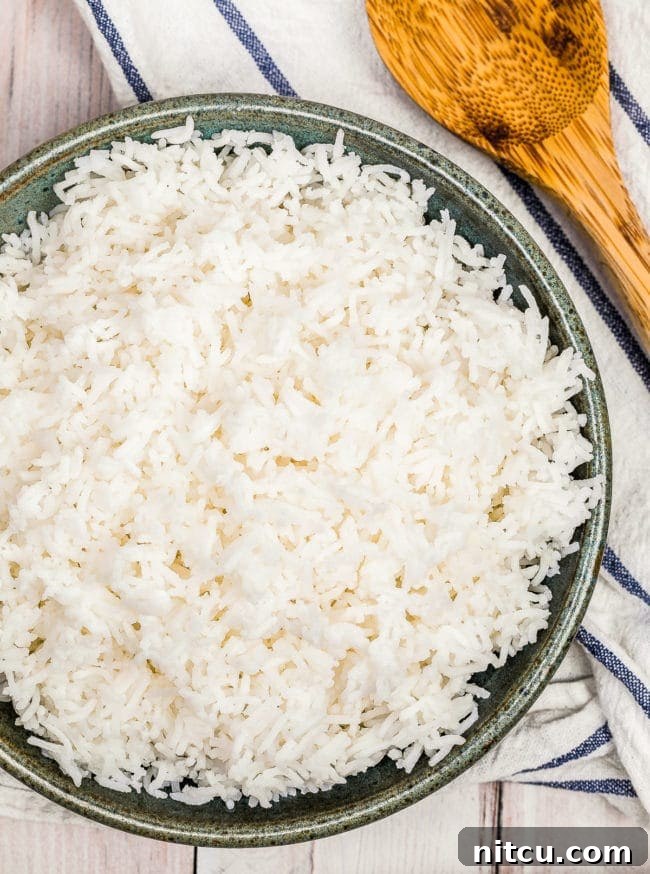
Why This Basmati Rice Recipe Is a Game-Changer
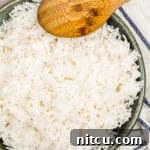
Have you ever longed for that impeccably light, separate-grained, and aromatic Basmati rice, reminiscent of what you savor at your favorite authentic Indian restaurant? This is precisely the recipe you’ve been searching for. Many home cooks struggle to achieve the perfect texture, often ending up with clumpy or overly wet rice. However, with our meticulously detailed instructions, you will consistently create Basmati rice that is exceptionally light and wonderfully fluffy, making it the ultimate accompaniment to rich and hearty curries like Tikka Masala, flavorful biryanis, or simple dal dishes.
The beauty of Basmati rice lies in its unique characteristics and the traditional Indian cooking method, which, while requiring a touch of patience for the crucial soaking step, is surprisingly straightforward. Once you master this technique, you will undoubtedly find yourself returning to it time and again. It transforms Basmati from a mere side dish into a fragrant, elegant staple that elevates any meal, particularly Indian cuisine. Say goodbye to sticky, bland rice, and prepare to embark on a culinary journey that delivers restaurant-quality results right in your own kitchen.
Understanding Basmati Rice: The Fragrant Grain
Before diving into the cooking process, let’s appreciate what makes Basmati rice so special. Basmati is a unique variety of long-grain rice, predominantly cultivated in the Indian subcontinent. Its name, derived from Hindi, literally means ‘fragrant one,’ a testament to its distinctive, nutty, and slightly floral aroma that becomes even more pronounced upon cooking. The grains themselves are slender and elongated, and when cooked correctly, they remain separate, fluffy, and non-sticky.
What sets Basmati apart from other rice varieties is its unique aging process. Unlike most rice, premium Basmati is aged for several months, often up to 18 months, which allows its natural starches to break down and its aromatic compounds to develop. This aging contributes significantly to its signature nutty flavor, fragrance, and the light, non-sticky texture that is so highly prized. When selecting Basmati, look for “aged” or “extra long grain” varieties for the best results, ensuring an authentic taste and texture that truly stands out.
Essential Ingredients for Perfect Basmati Rice
Creating truly exquisite Basmati rice requires just a few simple ingredients, but selecting the right quality makes all the difference:
- Basmati Rice: This is unequivocally the star ingredient. Do not substitute with any other rice variety, as their starch content, grain structure, and aromatic profiles are entirely different. Opt for aged, extra-long grain Basmati for the most authentic experience.
- Salt: Essential for seasoning the rice and enhancing its inherent flavor. It’s often overlooked, but a proper amount of salt transforms the rice from bland to beautifully balanced. We recommend adjusting to taste, aiming for a flavor reminiscent of seawater during the soaking stage.
- Water: The medium through which the rice transforms. Using fresh, clean water is crucial. The quantity and temperature of the water at various stages are key to achieving that desirable light and fluffy texture.
With these foundational ingredients, you are well on your way to cooking Basmati rice that will impress and delight.
The Authentic Method: How To Cook Basmati Rice Fluffy and Light
This easy-to-follow method for Basmati rice cooking is the traditional way it’s prepared in India, ensuring perfect results every time. Once you taste the difference that proper washing and soaking make, you’ll be glad you took the extra steps to achieve culinary perfection.
- Thorough Washing and Rinsing: Begin by placing the Basmati rice in a large sieve with a fine-grade mesh. Position the sieve over a bowl in your sink. Rinse the rice meticulously with cold water, repeatedly dunking the sieve into the water and gently shaking it to dislodge starch. Discard the cloudy, starchy water and refill with clean, cold water. This rinsing process is critical and should be repeated at least five times, or until the water runs mostly clear on the final wash. This step removes excess surface starch, which is the primary culprit behind sticky, clumpy rice. Be gentle while handling the rice to prevent breaking the delicate long grains.
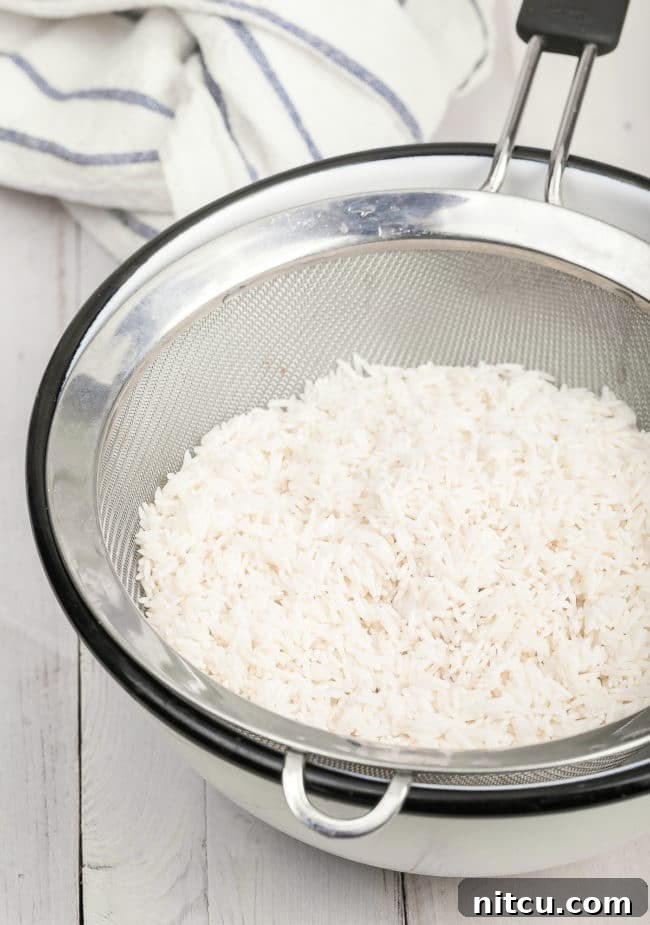
- The Essential Soaking Process: After washing, transfer the rice into a clean bowl. Add lukewarm water and 2 to 4 tablespoons of salt. Start with 2 tablespoons, then taste the water—it should taste distinctly like seawater. If not, gradually add more salt until the desired salinity is achieved. Allow the rice to soak in this saltwater solution for a minimum of 2 hours. Soaking is perhaps the most crucial step; it allows the rice grains to absorb water evenly, elongating them and preventing breakage during cooking. This also contributes to their characteristic fluffy texture and helps release their aromatic compounds.
- Careful Draining: After the soaking period, carefully drain the rice. Pour it gently through the sieve once more, ensuring all excess water is removed without damaging the softened grains.
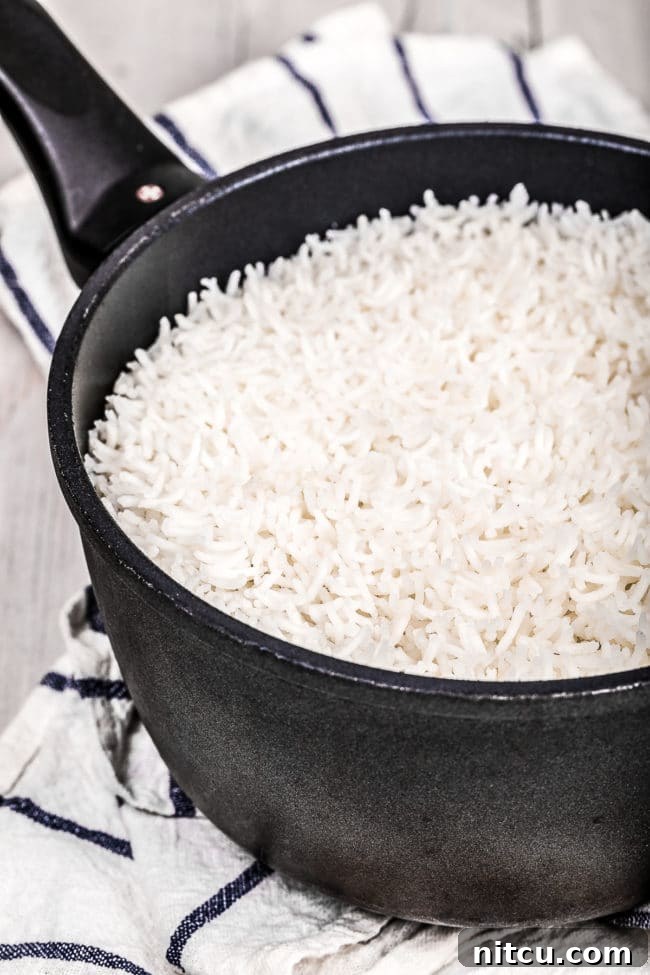
- Simmering to Perfection: Transfer the drained rice into a medium saucepot or pan and place it over high heat on the stovetop. Add 3 ½ cups of fresh water to the pot. Cover the pot with a tight-fitting lid and bring the water to a rolling boil. Once boiling vigorously, reduce the heat to its lowest setting. Allow the rice to simmer, still covered, for 15-20 minutes. Resist the urge to lift the lid during this time, as steam is essential for even cooking. The rice is ready when small vent holes appear on the surface, indicating that all the liquid has been absorbed.
- The Crucial Resting Period: Once the cooking time is complete, remove the pot from the heat. Keep the lid on and let the rice rest for an additional 5 minutes. This resting period allows the steam to redistribute throughout the grains, ensuring they are perfectly cooked, tender, and incredibly fluffy. This step prevents the rice from being soggy or having hard spots.
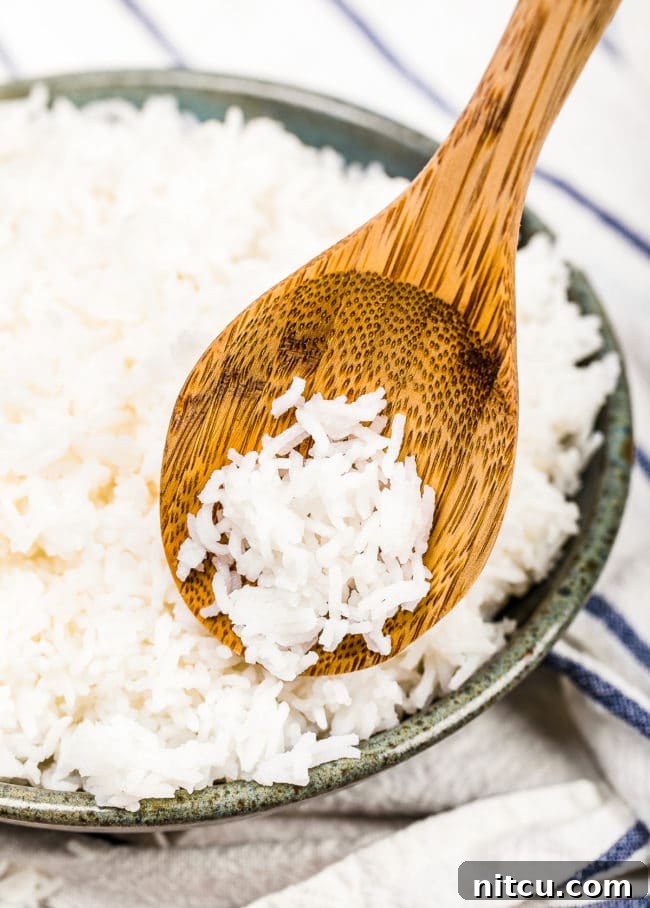
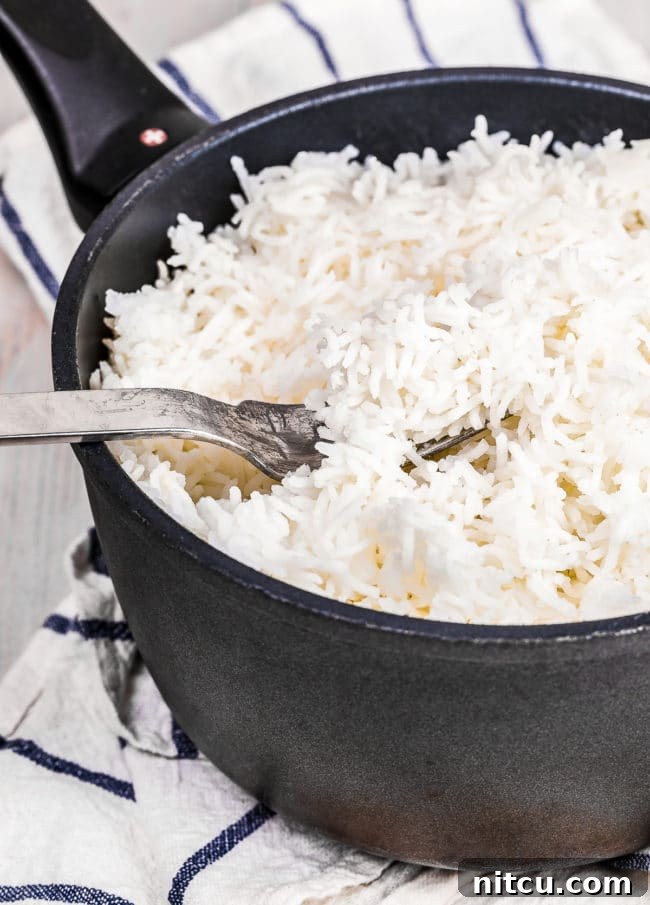
- Gentle Fluffing and Serving: Finally, remove the lid and gently fluff the Basmati rice with a fork. This separates the individual grains, enhancing their light and airy texture. Serve immediately as a delightful accompaniment to your favorite Indian dishes.
Creative Serving Suggestions for Basmati Rice
The beauty of perfectly cooked Basmati rice lies in its versatility. Its light, fragrant, and slightly nutty profile makes it an ideal canvas for various flavors. While delicious on its own, a few simple garnishes can elevate its taste and presentation:
- Fresh Herbs: Garnish with finely chopped fresh cilantro or mint for a burst of freshness and color.
- Spices: A tiny pinch of turmeric or saffron steeped in a tablespoon of warm milk and drizzled over the rice before fluffing can add subtle color and a delicate aroma.
- Citrus: A light squeeze of fresh lemon juice just before serving brightens the flavors and adds a zesty finish.
- Aromatics: A drizzle of ghee (clarified butter) or a sprinkle of toasted cumin seeds can introduce another layer of traditional Indian flavor.
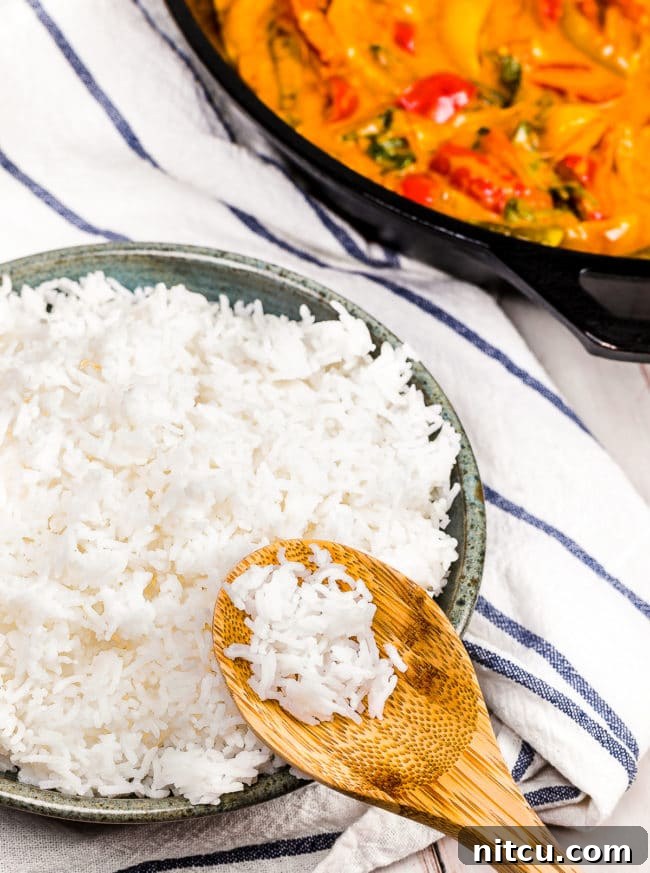
This fragrant rice pairs exquisitely with an extensive range of dishes. Enjoy it alongside robust curries such as Lamb Tikka Masala, creamy Butter Chicken, or wholesome Chickpea Curry. It also beautifully complements grilled meats, like succulent Tandoori Chicken Skewers, and hearty vegetarian delights, such as rich Saag Paneer. For a complete and satisfying Indian meal, serve it with a side of homemade Naan bread or a refreshing cucumber raita. The possibilities are endless for incorporating this versatile grain into your culinary repertoire.
Frequently Asked Questions About Basmati Rice
Do You Have To Soak Basmati Rice?
Technically, no, but it is highly recommended for optimal results. Soaking Basmati rice in lukewarm saltwater before cooking is a traditional and crucial step for several reasons. It helps to release and enhance the natural aroma and flavor of the rice, allows the grains to absorb water uniformly, and ensures they cook up long, separate, and fluffy without breaking. Unsoaked Basmati rice might cook faster but will likely be less fragrant and have a higher chance of being sticky or unevenly cooked.
Why Is My Basmati Rice Sticky?
Sticky Basmati rice is a common issue that usually stems from one of two main reasons. Firstly, you might not have rinsed it well enough before soaking. Insufficient rinsing leaves excess surface starch on the grains, causing them to clump together. Secondly, adding too much water to the pot during the simmering stage can also lead to sticky or mushy results, as the grains become oversaturated. Ensure thorough rinsing and precise water measurements for consistently fluffy rice.
What is Basmati Rice?
Basmati rice is a distinct variety of long-grain rice (naturally gluten-free!) renowned for its enticing aroma, delicate, soft texture, and characteristic long, curved grains. The word basmati itself translates to ‘fragrant’ in Hindi, aptly describing its unique fragrance. Its superior quality and unique nutty flavor are significantly influenced by an elongated aging process, which differs from most other rice varieties. Typically, Basmati rice ages for 9 months, but premium brands can undergo aging for up to 18 months, further developing its exquisite flavor and aromatic profile.
How Long Does This Recipe Last and How to Store It?
Cooked Basmati rice, when stored correctly, can last for several days. You can store this delicious dish in airtight containers in the refrigerator for 4 to 6 days. Ensure it cools down completely before refrigerating to prevent bacterial growth. For longer storage, you can freeze your cooked Basmati rice for up to 6 months. Portion it into freezer-safe bags or containers, pressing out any excess air. To reheat, simply microwave with a splash of water or steam on the stovetop until heated through.
Can I Cook Basmati Rice in a Rice Cooker or Instant Pot?
Yes, absolutely! While this recipe focuses on the stovetop method for authentic results, Basmati rice can be successfully cooked in a rice cooker or Instant Pot. For a rice cooker, typically use a 1:1.5 ratio of rice to water (1 cup rice to 1.5 cups water) after soaking, and follow your appliance’s instructions for white rice. For an Instant Pot, use a 1:1 ratio of rice to water, cook on high pressure for 4-5 minutes, and then allow for a natural pressure release for 10 minutes before quick releasing any remaining pressure. Always remember to wash and soak the rice beforehand for the best texture and flavor, regardless of your cooking method.
Explore More Delicious Rice Recipes
If you’ve enjoyed perfecting your Basmati rice, you might be interested in exploring other delightful rice-based dishes:
- Mushroom Rice Pilaf
- Roasted Cauliflower Rice
- Black Rice Recipe (Forbidden Rice)
- Chipotle Rice (Copycat Recipe)
- Indian Curry Rice
- Mediterranean Wild Rice Recipe
- 4-Ingredient Spanish Rice
- Caribbean Confetti Rice
Print Recipe
Leave a Review »
Basmati Rice Cooking Directions
Learn how to make authentic Indian Basmati Rice that is light and fluffy every single time.
Ingredients
- 2 cup long-grain basmati rice
- 2+ tablespoons salt (to taste, for soaking water)
- Water (for rinsing, soaking, and cooking)
Instructions
- Place the rice in a large sieve with a fine-grade mesh, set over a bowl. Rinse the rice with cold water, dunking the sieve and shaking gently. Dump out the starchy water and repeat at least FIVE times until the water runs clear. Handle gently to avoid breaking grains.
- Dump the rinsed rice into the bowl. Add lukewarm water and 2-4 tablespoons salt. Taste the water; it should taste like seawater. Add more salt if necessary.
- Let the rice soak in the saltwater for 2 hours.
- Carefully drain the soaked rice through the sieve.
- Place the drained rice in a medium saucepot over high heat. Add 3 ½ cups fresh water to the pot.
- Cover the pot with a lid and bring to a boil. Then lower the heat to its lowest setting and simmer for 15-20 minutes, covered. All liquid will be absorbed, and vent holes will appear on top of the rice.
- Remove from heat, and let it rest, covered, for 5 more minutes.
- Gently fluff the rice with a fork and serve immediately.
Nutrition
Calories: 225 kcal,
Carbohydrates: 49g,
Protein: 4g,
Fat: 1g,
Saturated Fat: 1g,
Sodium: 391mg,
Potassium: 71mg,
Fiber: 1g,
Sugar: 1g,
Calcium: 17mg,
Iron: 1mg