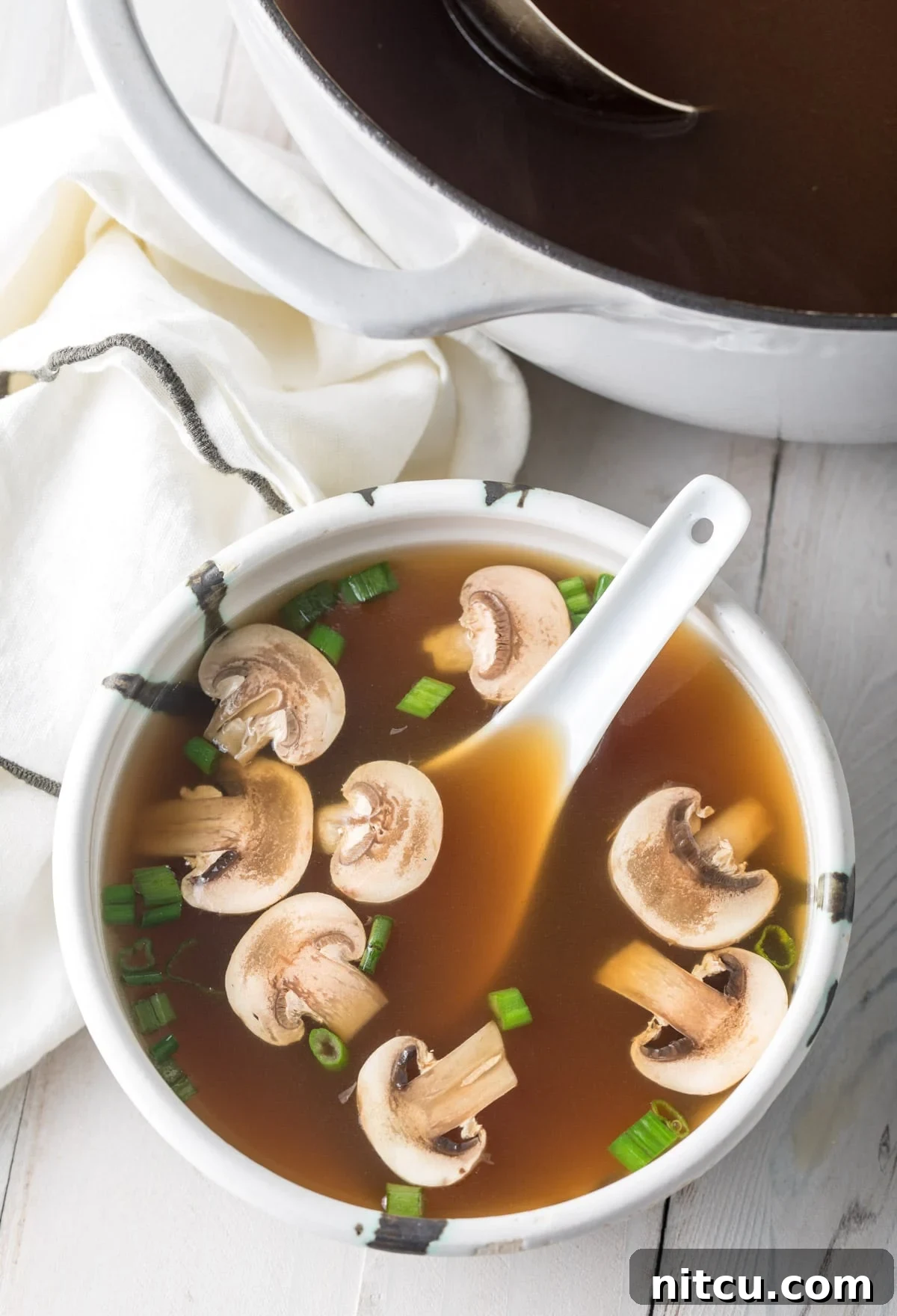
Authentic Japanese Clear Soup: Recreate the Soul-Soothing Hibachi Restaurant Favorite at Home
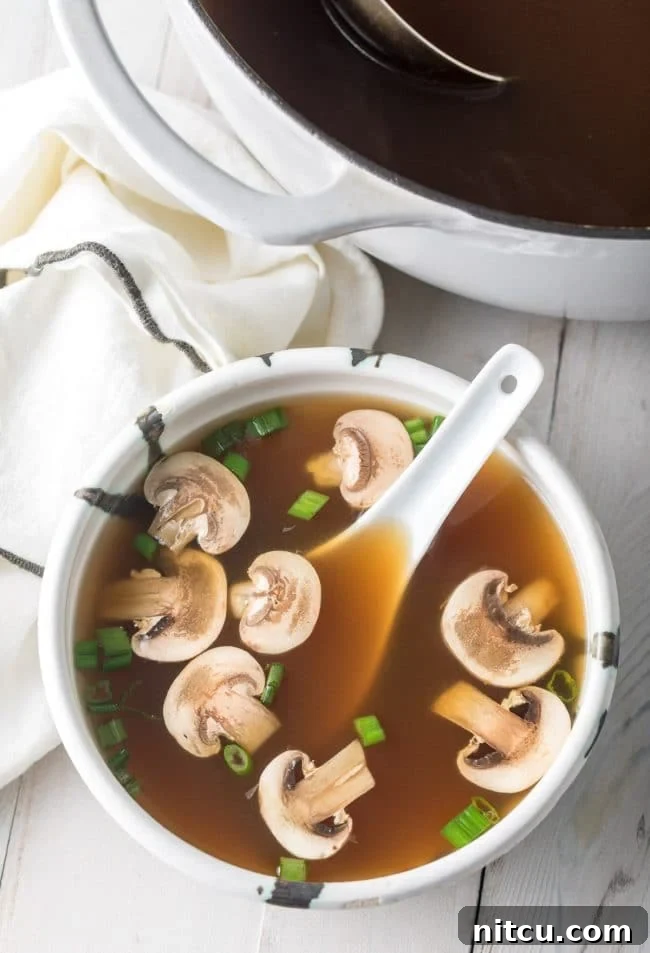

Unlocking the Secrets of Hibachi Clear Soup: Sommer’s Insights
Have you ever dined at a Hibachi restaurant, eagerly anticipating the chef’s culinary performance, only to be presented with that deceptively simple yet incredibly flavorful soup? You know the one – light, warm, and utterly comforting, it perfectly primes your palate for the feast to come. This isn’t the familiar Miso Soup you might associate with Japanese cuisine, but rather a distinct, broth-based marvel. Often referred to simply as Clear Soup on menus across the United States, it goes by several intriguing names, including Miyabi Soup, Japanese Onion Soup, or even just Hibachi Soup.
Why This Homemade Japanese Clear Soup Will Become Your New Favorite
Recreating the magic of restaurant-quality Japanese Clear Soup at home is more straightforward than you might think, and the results are incredibly rewarding. What truly sets our recipe apart is the carefully balanced blend of broths: we believe the richest, most authentic flavor comes from combining two parts chicken broth with one part beef broth, along with additional water to account for reduction during simmering. While this combination might yield a slightly darker hue than some ultra-light restaurant versions, it promises an **intense, deeply savory, and meaty flavor profile** that will transport your taste buds straight to your favorite Hibachi grill.
One of the best aspects of this recipe is its relative speed and simplicity. You can achieve this exquisite soup in **approximately an hour**, making it an accessible weeknight appetizer or a soothing meal on its own. However, for those seeking to truly replicate the profound depth of flavor found in restaurant-prepared clear soups, here’s a pro tip: most establishments simmer their broths for several days in advance. This extended simmering time allows the ingredients to fully meld and mature, developing a complexity that’s hard to achieve in a single session. The good news? You can easily adopt this technique at home!
Prepare your clear soup a day or two in advance, refrigerate it, and then gently rewarm it before serving. You’ll be amazed at how much richer and more nuanced the flavors become. This “make-ahead” approach not only enhances the taste but also makes entertaining effortless. Bringing these beloved restaurant flavors into your kitchen is a delightful experience, and this robust, flavorful, yet remarkably light soup is one you’ll want to master and enjoy repeatedly. Who knows, perfecting this soup might just inspire you to conquer other Hibachi challenges, like attempting your very own onion volcano!
Understanding Japanese Clear Soup: Clarity, Flavor, and Variations
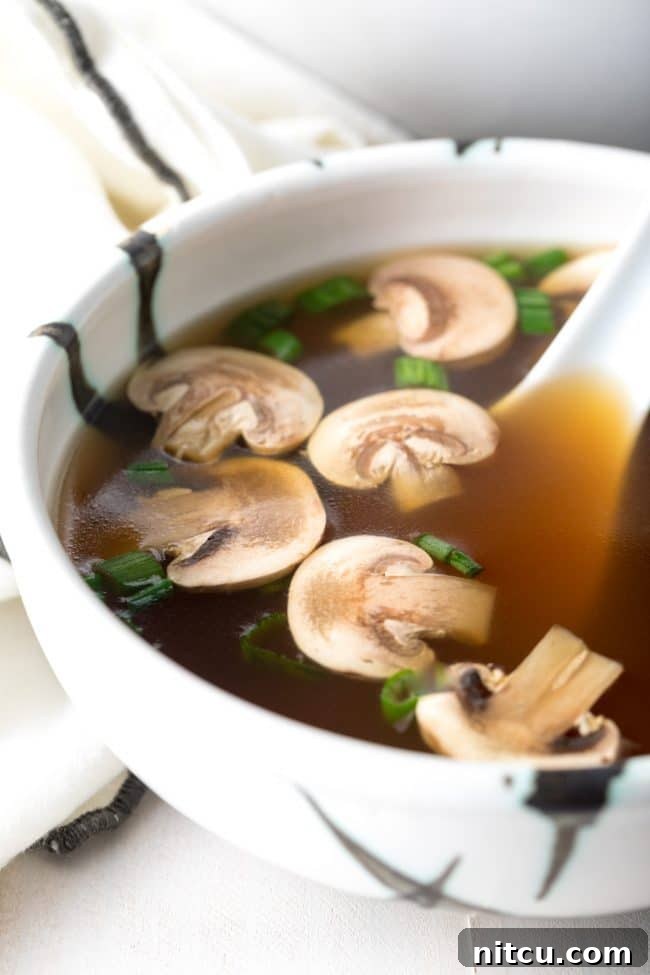
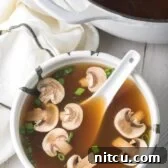
At its heart, Japanese Clear Soup is a beautifully simple broth-based creation. It relies on the slow simmering of carefully selected meat broths and fresh vegetables to extract a profound, rich, and umami-packed flavor. The defining characteristic, as its name suggests, is its clarity. After the long simmering process, the vegetables are meticulously strained and removed, leaving behind a pristine, golden broth. This transparent liquid is then elegantly garnished with thinly sliced scallions and delicate mushrooms, adding a touch of freshness and texture without clouding the exquisite broth.
However, the world of Japanese Clear Soup is not entirely uniform. There can be fascinating variations in its color, the degree of clarity, and even the core ingredients. For instance, a clear soup made exclusively with chicken broth will typically boast a lighter flavor profile and a more translucent appearance. While wonderfully delicate, it might lack the deep, complex notes found in versions that incorporate a blend of broths.
Conversely, the inclusion of beef broth can significantly deepen the flavor, though its impact on clarity and color can vary depending on the specific brand and type of beef broth used. Some robust beef broths might impart a slightly darker hue, making the soup less “clear” in the conventional sense, but incredibly rich in taste. Interestingly, some regional or personal variations even forgo both chicken and beef broth, opting instead for a mushroom broth as the primary base. This vegetarian alternative offers a distinct earthy umami, proving that “clear soup” can adapt to various palates while retaining its comforting essence. Our recipe strikes a perfect balance, aiming for maximum flavor depth while maintaining an appealing clarity.
Essential Ingredients for Your Homemade Clear Soup
Crafting the perfect Japanese Clear Soup begins with a selection of fresh, high-quality ingredients. Each component plays a crucial role in building the layered flavors that define this beloved dish:
- Sesame Oil (or Peanut Oil): Just a small amount of sesame oil adds a subtle, nutty aroma that hints at authentic Asian flavors. If you prefer a milder taste or have a sesame allergy, peanut oil makes an excellent substitute, providing a similar high smoke point for searing.
- Chicken Broth & Beef Broth: The combination of both chicken and beef broths is our secret to achieving unparalleled depth and complexity. Chicken broth provides a lighter, savory foundation, while beef broth introduces a richer, more robust umami, creating a beautifully balanced flavor profile that stands out.
- Water: Beyond the broths, water is essential. It helps to dilute the intensity slightly and, more importantly, accounts for evaporation during the long simmering process, ensuring you end up with the perfect volume of flavorful soup.
- Sweet Onion: We recommend a sweet onion, cut into large wedges. When gently caramelized, sweet onions release natural sugars that infuse the broth with a delicate sweetness, balancing the savory notes without overpowering them.
- Garlic: A staple in savory cooking, fresh garlic cloves, simply smashed, contribute a pungent aroma and a depth of flavor that is fundamental to the soup’s overall character. Be mindful not to burn it during searing to avoid bitterness.
- Carrots: Beyond adding a subtle sweetness and a beautiful orange hue, carrots contribute essential vegetable notes to the simmering broth, enriching its foundational taste. Cut them into generous chunks to withstand the long simmer.
- Fresh Ginger: This is a non-negotiable ingredient! A substantial piece of fresh ginger, thinly sliced, provides a characteristic warmth, a slight peppery kick, and a bright, zesty fragrance that is absolutely essential for the authentic taste of Japanese Clear Soup.
- Scallions (Green Onions): Sliced thinly, scallions serve as a vibrant, fresh garnish. They offer a mild, oniony bite and a beautiful green contrast that brightens each bowl just before serving.
- Button Mushrooms: Thinly sliced button mushrooms add a delicate earthy flavor and a pleasing textural element. They are added at the end, retaining their fresh texture and enhancing the visual appeal of the clear broth.
- Salt (to taste): Essential for seasoning, salt allows you to fine-tune the flavors, bringing out the best in all the ingredients. Always taste and adjust just before serving.
- Optional: Soy Sauce: For an even deeper umami and a touch of savory richness, a splash of good quality soy sauce can be added to taste, especially if you prefer a slightly more robust finish.
Mastering the Art of Homemade Japanese Clear Soup: Step-by-Step Guide
Creating this delightful Japanese Clear Soup is a straightforward process that yields incredibly satisfying results. Follow these detailed steps to bring the authentic flavors of a Hibachi restaurant into your home:
-
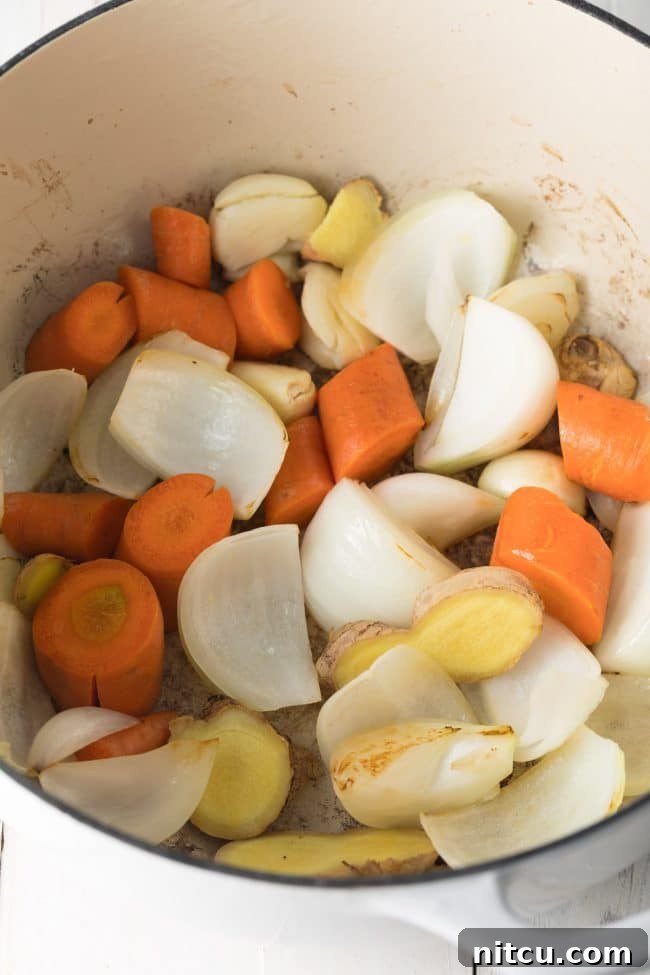
Prepare Your Aromatics: Begin by placing a large, heavy-bottomed 8-quart stock pot over medium-high heat. Add the sesame oil (or peanut oil) to the pot. Once shimmering, carefully add the prepared onion wedges, smashed garlic cloves, carrot chunks, and ginger slices. Sauté these vegetables, stirring occasionally, allowing them to sear and caramelize slightly on all sides. This process, known as “sweating” and “searing,” helps to unlock their deep, natural flavors. Be vigilant to prevent the garlic from burning, as this can impart a bitter taste to your broth.
-
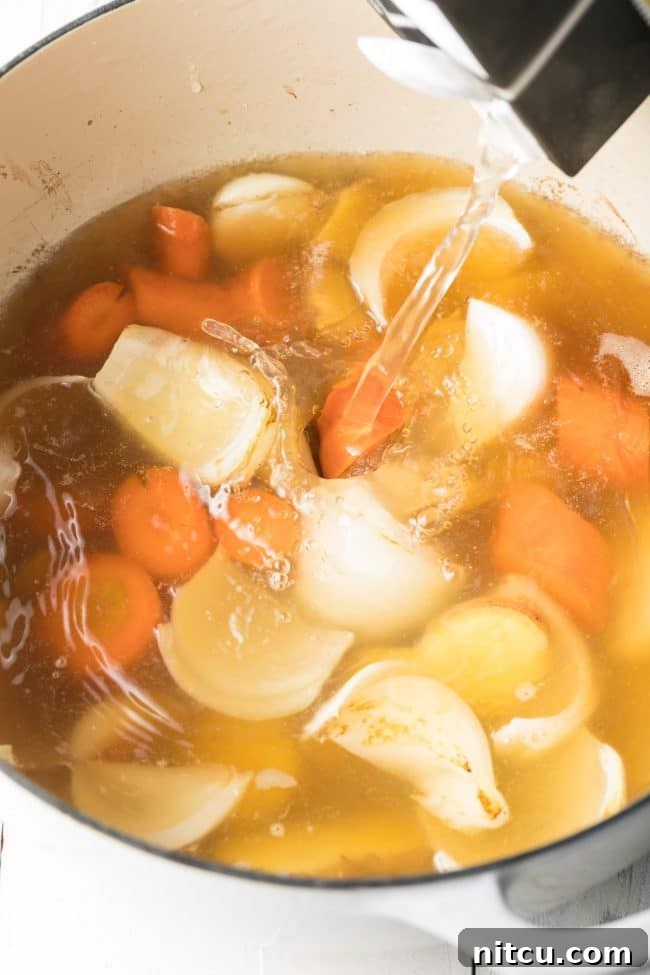
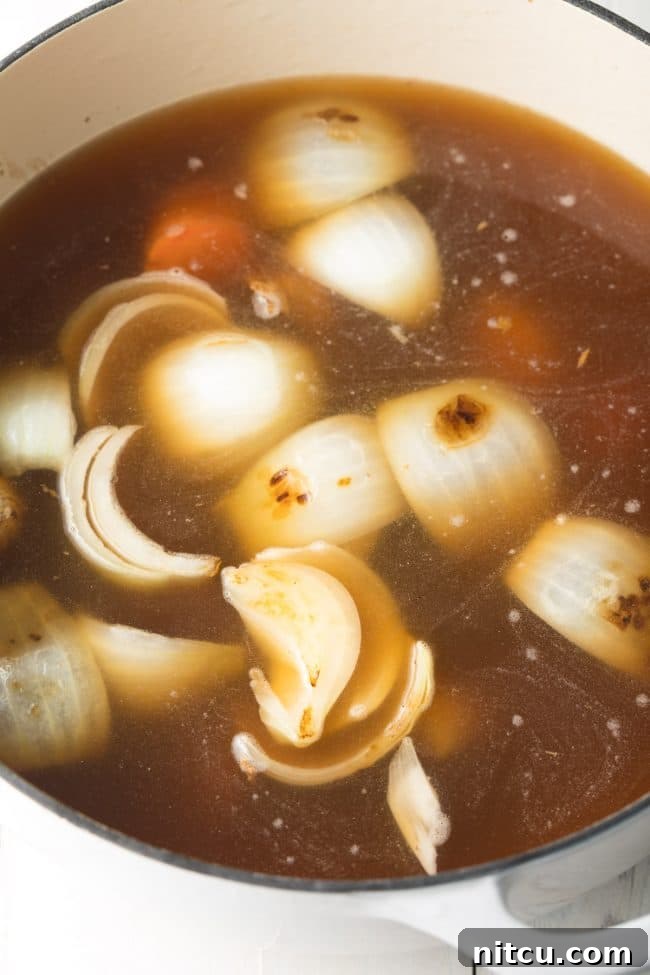
Build the Broth Base: Once the vegetables are fragrant and lightly caramelized, pour in the chicken broth, beef broth, and the measured water. Stir gently to combine all the ingredients. Increase the heat to bring the mixture to a rolling boil. As soon as it reaches a boil, reduce the heat significantly to a low simmer. Cover the pot and allow the soup base to simmer gently for at least one hour. This extended simmering time is crucial for the vegetables and broths to infuse and deepen, developing that signature rich flavor.
-
Achieve Clarity: After simmering for an hour (or longer, if you’re making it ahead for enhanced flavor), it’s time to create the “clear” aspect of the soup. Carefully use a fine-mesh skimmer or a slotted spoon to remove all the cooked vegetables and aromatics from the broth. Discard the solids, leaving behind a beautifully clear, golden liquid. For an even more pristine broth, you can strain it through a cheesecloth-lined sieve, though for home cooking, a good skimmer is usually sufficient.
-
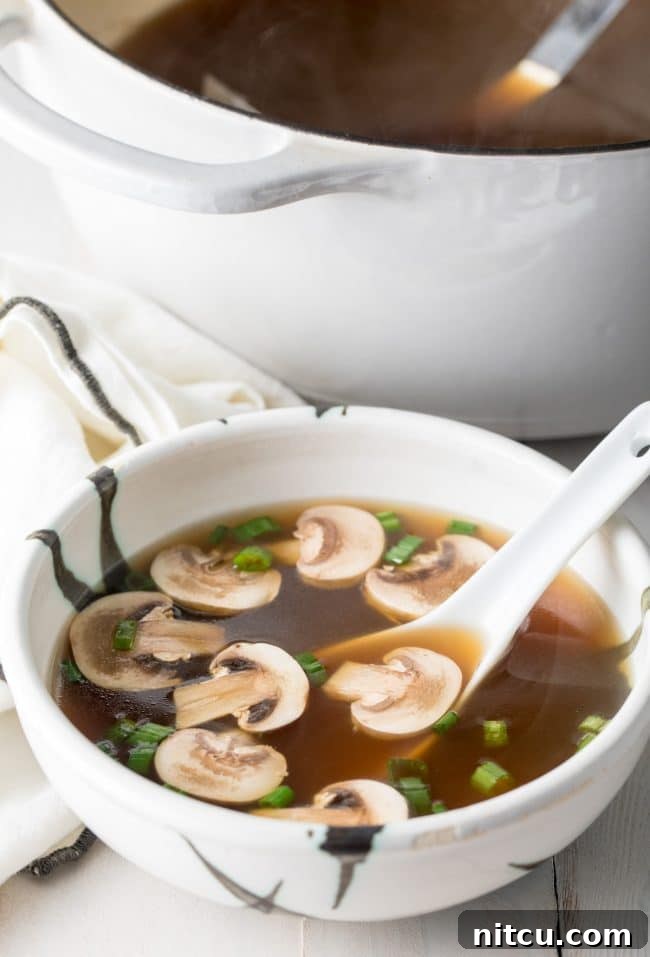
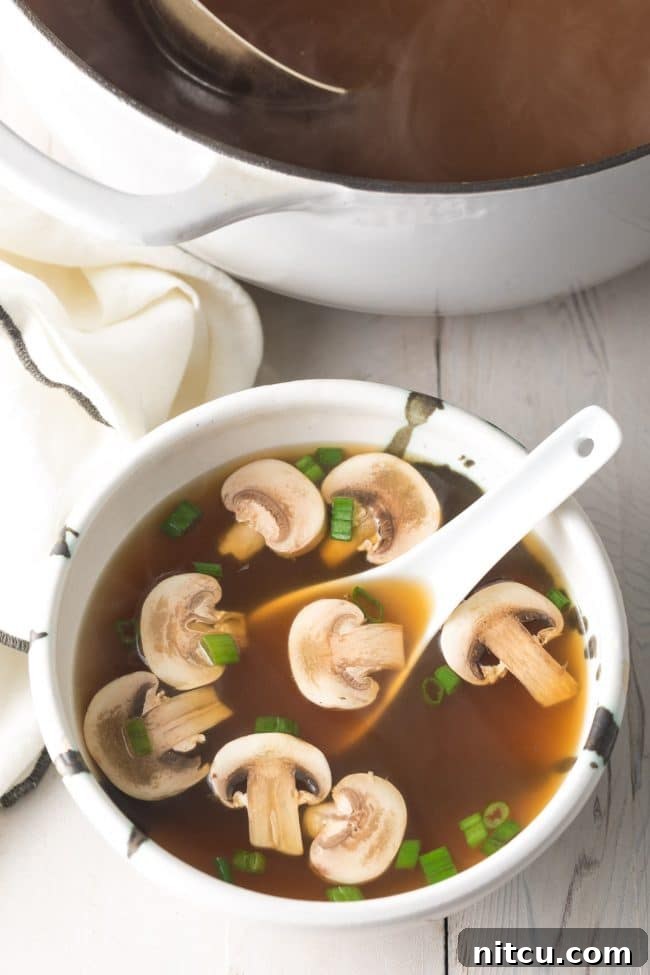
Season and Serve: Taste the clear broth and season with salt as needed. Start with a small amount and add more gradually until the flavor is perfectly balanced to your preference. Remember that broth flavors intensify as they cool, so season cautiously. To serve, ladle the hot, aromatic broth into individual bowls. Finish each serving by sprinkling a generous amount of freshly chopped scallions and thinly sliced button mushrooms over the top. Serve immediately and savor the comforting warmth and exquisite taste!
Discover the Complete Printable Recipe Below: Detailed Ingredient Proportions, Step-by-Step Instructions, and a Handy Video Tutorial Await!
Elevate Your Meal: Inspired Serving Suggestions for Clear Soup
This exquisite Hibachi clear soup, with its delicate yet profound flavors, is wonderfully versatile. Due to its light and refreshing nature, it shines brightest when served as an elegant appetizer or a comforting starter before a more substantial meal. It’s the perfect palate cleanser and a gentle introduction to a multi-course Japanese-inspired dinner. Here are some of our absolute favorite dishes to pair with your homemade clear soup, creating a truly memorable dining experience:
Beyond pairing with a full meal, this clear soup is also a wonderful stand-alone treat. There’s nothing quite like a warm, flavorful bowl of clear soup on its own to warm you from the inside out, especially on a chilly day or when you’re feeling a bit under the weather. Its light nature and nourishing broth make it a fantastic choice for a comforting pick-me-up.
Frequently Asked Questions About Japanese Clear Soup
While both Japanese Clear Soup and Miso Soup are cherished for their light yet flavorful profiles, they are fundamentally distinct. The primary difference lies in the presence of miso paste. Japanese Clear Soup, as its name implies, is a transparent broth deriving its rich flavor from the slow simmering of various broths (often chicken and beef) with aromatic vegetables like onions, garlic, and ginger. It contains no miso. Miso Soup, on the other hand, is characterized by the addition of miso paste – a fermented soybean paste – which gives it its signature cloudy appearance and a unique savory, umami-rich taste. While both are often garnished with mushrooms and scallions, and sometimes small cubes of tofu, their foundational flavors and appearances set them apart.
Absolutely! Japanese Clear Soup is indeed an excellent, healthy choice. It’s a remarkably simple recipe that doesn’t rely on a long list of ingredients, making it naturally low in fat, carbohydrates, and calories. The primary components – lean broths and nutrient-rich vegetables – provide essential hydration and a comforting warmth without any heavy additions. It’s a wonderful option for those seeking a light, nourishing, and guilt-free appetizer or a gentle meal during cold and flu season.
Storing leftover Japanese Clear Soup is simple, and it even tastes better the next day as the flavors continue to meld! Allow the soup to cool completely to room temperature. Then, transfer it to an airtight container and store it in the refrigerator for up to 5 days. For reheating, you can gently warm individual portions in the microwave or reheat a larger batch in a saucepot on the stovetop over medium-low heat until thoroughly warmed through. Clear soup also freezes exceptionally well. Pour cooled soup into freezer-safe zip-top bags or containers, leaving some headspace for expansion, and freeze for up to 3 months. Thaw overnight in the refrigerator before reheating.
Yes, you absolutely can! To make this Japanese Clear Soup vegetarian or vegan, simply substitute the chicken and beef broths with a high-quality vegetable broth or mushroom broth. Mushroom broth, in particular, will provide a wonderful depth of umami flavor that mimics the richness of meat broths. Ensure any garnishes like mushrooms and scallions are suitable for your dietary preferences. The searing of vegetables and the simmering process remain the same, ensuring a flavorful and comforting plant-based soup.
The “clear” appearance of this Japanese soup is achieved through a crucial step: straining. After simmering the broths with aromatic vegetables for an extended period to extract all their flavors, all the solid ingredients are carefully removed. This leaves behind a pure, transparent broth. Some traditional methods might also involve a clarifying raft (like egg whites) to further remove impurities, but for home cooking, simply straining the broth through a fine-mesh sieve or cheesecloth is usually enough to achieve the desired clarity and elegance.
Explore More Healthy & Delicious Asian Soup Recipes
If you’ve fallen in love with the comforting simplicity and exquisite flavors of Japanese Clear Soup, we invite you to explore more of our collection of healthy and hearty Asian-inspired soup recipes. Each one offers a unique taste of Asian cuisine, perfect for any season or occasion:
Print Recipe
Leave a Review »
Japanese Clear Soup Recipe
Prep Time: 5 minutes
Cook Time: 1 hour 5 minutes
Total Time: 1 hour 10 minutes
This classic Hibachi restaurant favorite is a light, healthy, and incredibly flavorful soup designed to soothe the soul and prepare the palate for any meal.
Servings: 10 cups
Video Tutorial
Watch the video tutorial for a visual guide on making this delicious soup!
Ingredients
Units: US Customary
- 2 teaspoons sesame oil (or peanut oil)
- 8 cups chicken broth
- 4 cups beef broth
- 4 cups water
- 1 large sweet onion, peeled and cut into wedges
- 6 cloves garlic, peeled and smashed
- 2 large carrots, cut into chunks
- 2 inch piece fresh ginger, sliced
- 4 whole scallions, chopped
- 10 button mushrooms, sliced thin
- salt (to taste)
Instructions
-
Place a large 8-quart stock pot over medium-high heat. Add the oil and place the onion, garlic, carrots, and ginger in the pot. Sear the veggies on all sides to caramelize, making sure not to burn the garlic.
-
Pour in the chicken broth, beef broth, and water. Bring to a boil. Lower the heat to a low boil and simmer for at least one hour.
-
Use a skimmer to remove the vegetables from the broth. Taste, then salt as needed.
-
To serve: ladle hot broth into bowls and sprinkle with chopped scallion and sliced mushrooms over the top. Enjoy!
Recipe Notes & Tips for Perfection
Make Ahead for Enhanced Flavor: For a truly restaurant-quality experience, consider making this soup several days in advance. Just like in professional kitchens, allowing the broth to rest and for the flavors to deepen over time significantly enhances its complexity and richness. It’s not only a fantastic make-ahead option; it genuinely tastes even better on the second day. If you have the luxury of time, prepare the soup, let it cool, and then refrigerate it. Gently rewarm the soup before serving, adding the fresh scallions and mushrooms just before ladling into bowls.
Adjusting Flavor: You can also add a splash of good quality soy sauce to taste if you desire to further deepen the umami and add a layer of savory richness to your clear soup. Start with half a teaspoon and adjust to your preference.
Nutrition Information (per 1 cup serving)
Serving: 1 cup
- Calories: 46 kcal
- Carbohydrates: 5g
- Protein: 3g
- Fat: 1g
- Saturated Fat: 0g
- Cholesterol: 0mg
- Sodium: 466mg
- Potassium: 360mg
- Fiber: 0g
- Sugar: 2g
- Vitamin A: 2405 IU
- Vitamin C: 16.3mg
- Calcium: 35mg
- Iron: 0.8mg
Course: Soup
Cuisine: Japanese
Author: Sommer Collier
Cook It? Love It? Rate It! YOU can help this recipe RANK on Google – TAP 5 STARS so other hungry people can find it. Thank you!
Disclosure: A Spicy Perspective participates in affiliate advertising programs. We may earn a commission when you make a purchase through links on our site.