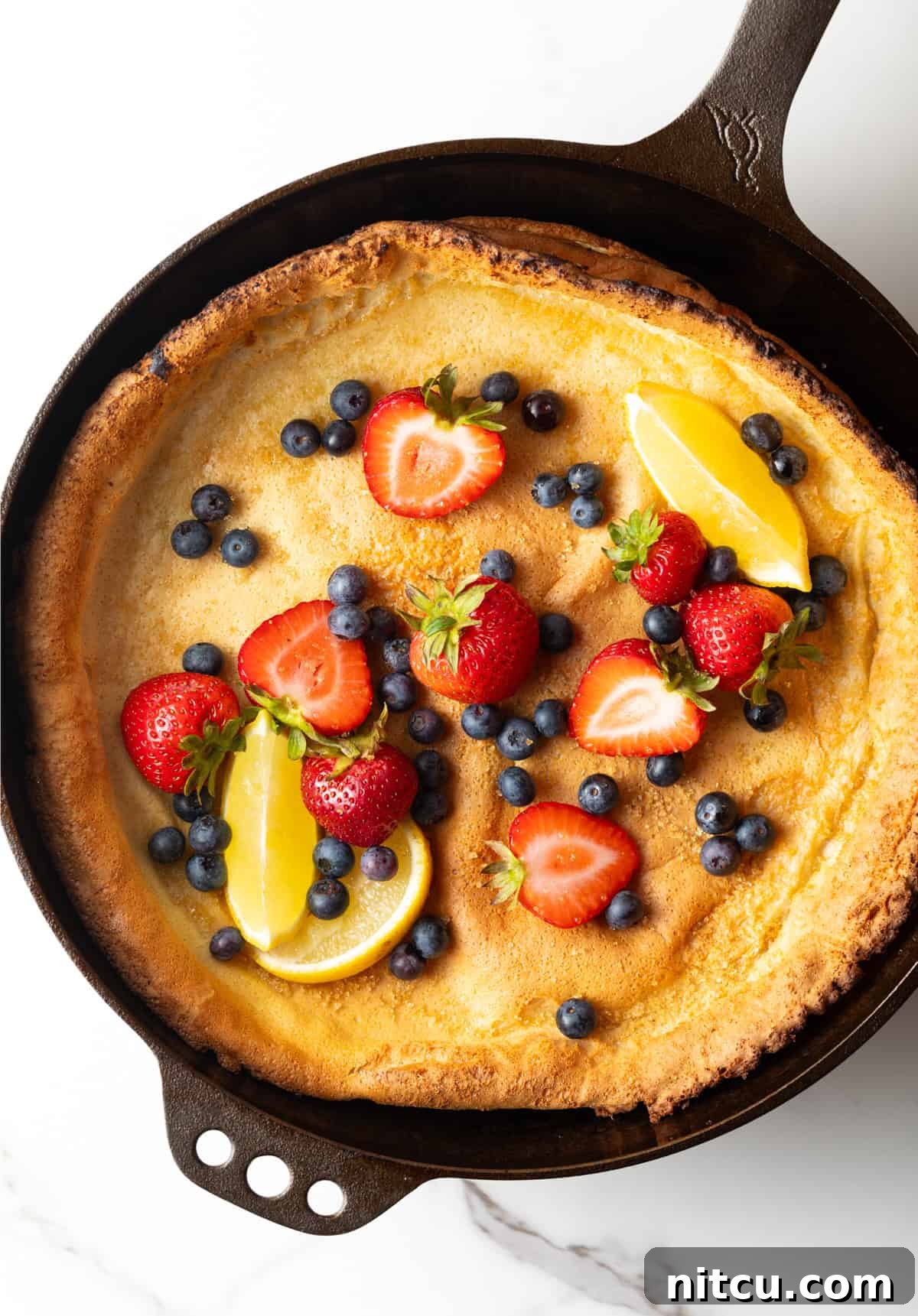
The Ultimate Foolproof Dutch Baby Recipe: Golden, Fluffy, and Unforgettable
For years, this simple Dutch Baby recipe has been a staple in my home, delighting my family with its effortless charm and incredible flavor. It’s a culinary marvel that consistently puffs up into a magnificent golden cloud, offering a light, airy, and utterly delicious breakfast experience. With just five core ingredients and the magic of rich, melted butter, it transforms an ordinary morning into something truly special, all with minimal effort. This isn’t just a recipe; it’s a beloved tradition, perfect for creating cherished memories around the breakfast table.
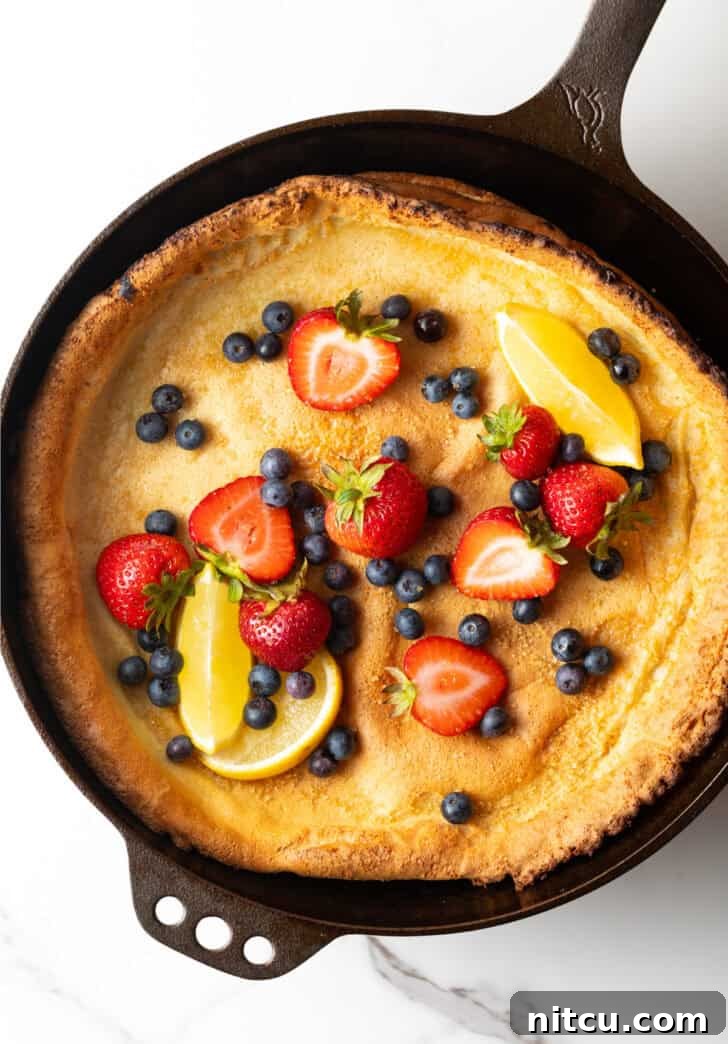
There’s something uniquely captivating about a Dutch Baby pancake. Unlike traditional pancakes cooked on a griddle, this oven-baked wonder emerges from the oven dramatically puffed, with an irresistible golden crust and a tender, custard-like interior. It’s an old family favorite, long heralded as my children’s most requested weekend breakfast. Whenever a lift of spirits is needed, I reach for my trusty cast-iron skillets and blender, knowing that a batch of these fluffy, bubbly pancakes is just minutes away. Similar to my other easy baked pancake recipes, Dutch Babies are fantastic for busy mornings or an impressive brunch spread with friends. The light, simple batter miraculously rises in the oven, creating a visually stunning centerpiece that tastes as incredible as it looks.

Why You’ll Love This Dutch Baby Recipe
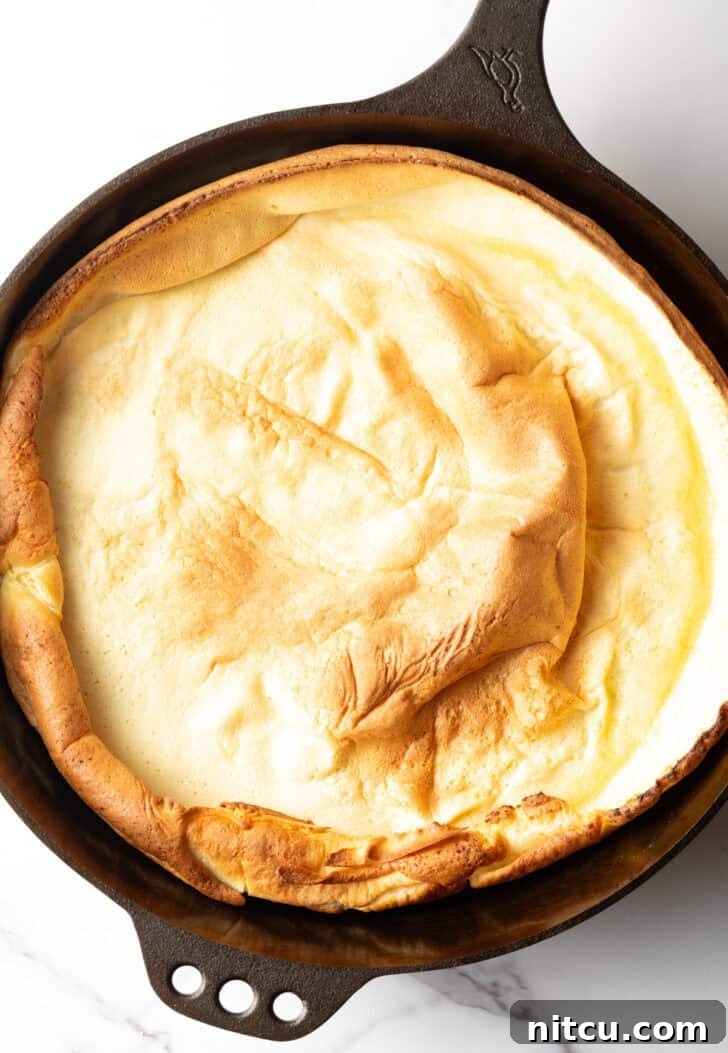
A Feast for the Senses – The initial dramatic puff of the Dutch Baby, with its delightful bubbles, is a sight to behold. While it gracefully deflates soon after leaving the oven, it leaves behind an intricate tapestry of sweet, buttery layers throughout the pancake. Even when cooled, its beauty remains undeniable. I particularly adore the captivating contrast between the crispy, caramelized edges and the remarkably soft, tender layers within, creating an unparalleled textural experience.
Effortless Entertaining with Dutch Babies – This recipe is designed to feed a crowd. By utilizing two skillets simultaneously, you can easily produce 16 generous slices, more than enough to satisfy 4 to 8 genuinely hungry individuals. For larger gatherings or particularly enthusiastic eaters, don’t hesitate to prepare a double batch of batter. The moment the first two golden pancakes emerge from the oven, simply pour the second round of batter into the hot pans and continue baking. It’s a seamless way to keep the deliciousness flowing!
Customize Your Culinary Creation – Dutch Babies share a similar flavor profile with traditional pancakes but boast a distinctive, rich custard essence. Conventionally, they are served simply with a dusting of granulated sugar and a bright squeeze of fresh lemon juice – a combination adored by my children. However, the versatility of this dish allows for endless customization. Feel free to load them up with an abundance of fresh seasonal fruits, or indulge in more decadent toppings like warm caramel sauce or rich hot fudge for an extra special treat.
Essential Ingredients for a Perfect Dutch Baby
Crafting the perfect Dutch Baby requires a handful of simple, high-quality ingredients. Each plays a vital role in achieving that signature fluffy texture and rich flavor. Here’s what you’ll need and some tips for selection:
- Dry Ingredients – Gather all-purpose flour, granulated sugar, and fine sea salt. When it comes to pantry staples, investing in the best quality you can afford truly makes a difference in your baked goods. For salt, I personally lean towards Celtic Sea Salt or Redmond Real Salt for their superior flavor profiles.
- Vanilla Extract – A good quality vanilla extract is non-negotiable for the best flavor. It adds a warm, aromatic depth that elevates the entire dish. I often use the Morton & Bassett brand for its excellent richness.
- Milk – Whole milk is highly recommended for its richness, which contributes significantly to a fluffy texture and full-bodied flavor. However, if whole milk isn’t available, 2% milk can be a suitable substitute. I’m also a fan of Fairlife lactose-free milk for those with dietary considerations.
- Eggs – This is a crucial tip for optimal puff: ensure your eggs are at room temperature. Room temperature eggs emulsify better with the other ingredients and help the pancake achieve its impressive rise in the oven.
- Butter – Unsalted butter is my preference, as it gives you complete control over the salt content of your dish. High-quality butter adds an incredible richness. If possible, seek out Vermont Creamery Cultured Butter or Kerrygold Unsalted for a truly decadent result. Eight tablespoons are divided between the batter and melting in the hot skillets.
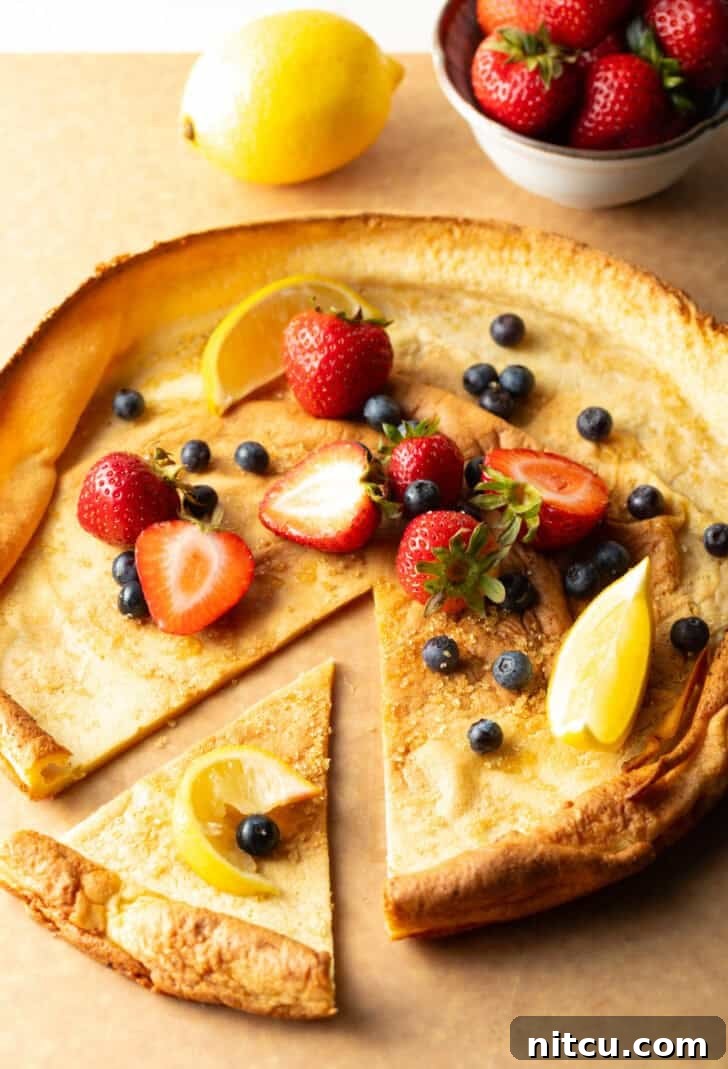
Step-by-Step Guide to Making Your Dutch Baby
Creating this impressive breakfast is surprisingly straightforward. Follow these steps for a perfectly puffed, golden-brown Dutch Baby every time. For detailed instructions, precise measurements, and a helpful video tutorial, please refer to the printable recipe card at the bottom of this post.
You’ll find the complete detailed instructions, handy storage tips, and a full video tutorial in the printable recipe card at the bottom of this page.
Prepare the Batter for Maximum Puff
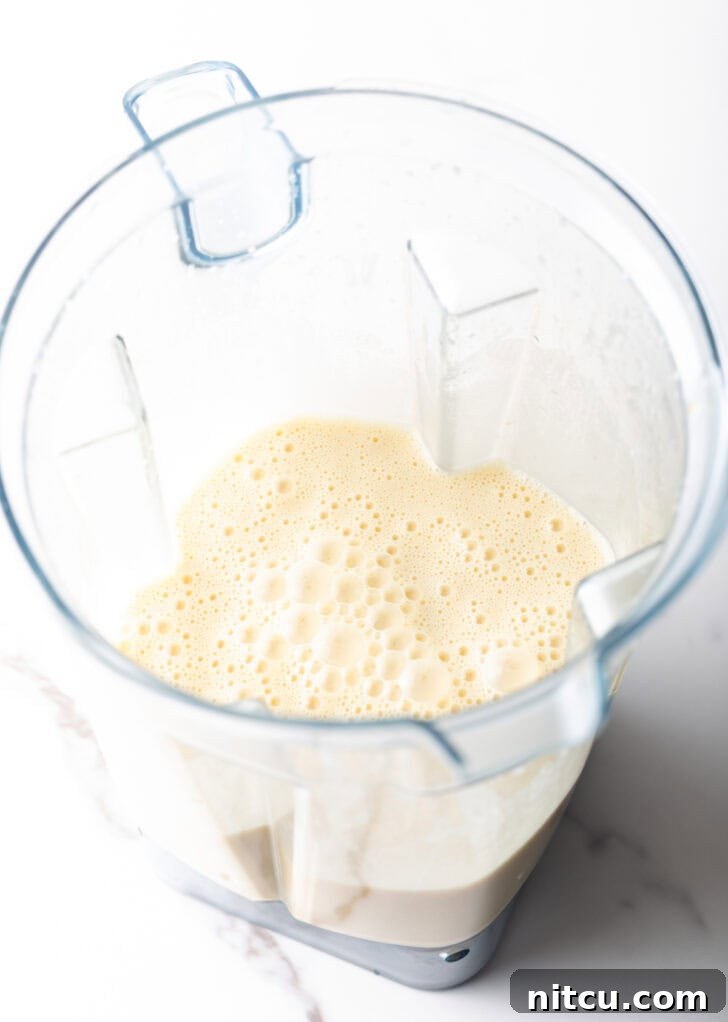
To ensure your Dutch Baby reaches its maximum height, temperature is key. Always begin by setting your eggs and milk out on the counter well in advance, allowing them to come to room temperature. The closer your batter is to room temperature, the more dramatically it will rise in the oven. Start by blending the room-temperature eggs and milk until well combined. Next, add the remaining dry ingredients – flour, sugar, and salt – along with the vanilla extract, and blend again until the mixture is smooth and slightly bubbly. This initial blending helps incorporate air, which is vital for that signature puff. I recommend doing this step before you even preheat your oven, giving the batter extra time to naturally warm up and develop its airy consistency.
Pour Batter into a Sizzling Hot Skillet
The secret to the Dutch Baby’s remarkable rise lies in the extreme heat of the pan. Preheat your oven to a scorching 425°F (218°C) with your cast-iron skillets inside. Once the oven and skillets are piping hot, carefully remove the skillets (using oven mitts!). Add 2 tablespoons of unsalted butter to each hot skillet, allowing it to melt and sizzle. Swirl the skillets to coat the bottom and sides evenly with the melted butter. Then, working quickly to retain heat, pour equal amounts of the prepared batter into each sizzling skillet. The batter should immediately begin to cook and form small bubbles around the edges. Promptly close the oven door and reduce the temperature to 375°F (190°C).
Achieving Golden Perfection
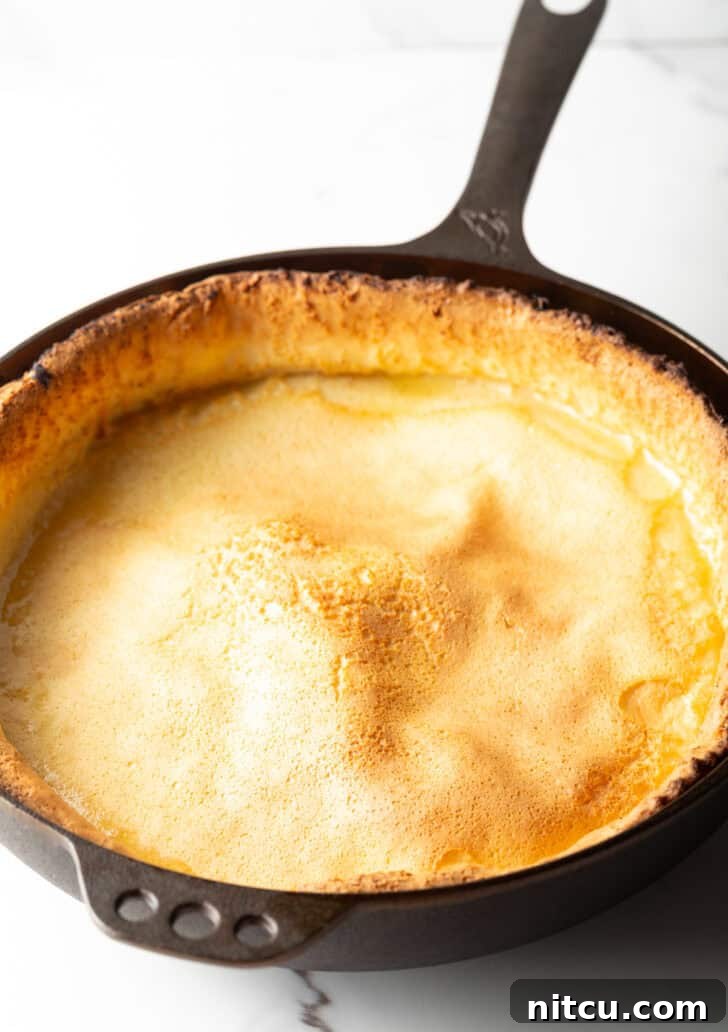
Bake the Dutch babies for approximately 25-35 minutes. Keep a close eye on them; they are ready when the center has dramatically puffed high above the rim of the pan, and the edges are beautifully golden-brown and crispy. Don’t be shy about letting the edges get a little dark – this caramelization contributes to a fantastic flavor and a more developed color and texture on the bottom of the pancake. The moment the skillets are removed from the oven, you’ll observe the centers beginning to sink. This is a completely normal and anticipated part of the process, creating those lovely, tender layers in the middle that are so characteristic of a Dutch Baby. Transfer them carefully from the skillets to a cutting board for easy slicing.
Expert Tips for Dutch Baby Success
To guarantee the best possible outcome for your oven-baked pancake, consider these helpful tips:
This recipe is designed to produce two 12-inch Dutch Babies, meaning you will need two cast-iron skillets of approximately this size. While minor variations in skillet size (10 to 14 inches) are acceptable, remember to adjust the batter quantity proportionally. For instance, if using a 10-inch and a 14-inch skillet, pour slightly more batter into the larger pan to ensure even cooking and rising. The consistent heat retention of cast iron is critical for that spectacular puff, so don’t skip preheating them thoroughly.
Although two Dutch Babies might seem like a substantial amount of eggy oven pancake to make at once, trust me, they are incredibly light, utterly irresistible, and disappear remarkably quickly! I do not recommend halving this recipe. In fact, whenever my entire family is home, I almost always find myself preparing a second batch to keep up with demand. Their delicate nature makes them a crowd-pleaser that is devoured in no time.
Storage and Reheating Recommendations
While Dutch Babies are undeniably at their peak when enjoyed fresh out of the oven, any leftovers can be stored and reheated. Here’s how to preserve their deliciousness:
- Storing Leftovers — These fluffy oven wonders are truly best savored immediately. However, should you find yourself with any delicious remnants, transfer them to an airtight container and store them in the refrigerator. They will remain fresh and tasty for up to 3 days.
- Freezing — For longer storage, individual pieces of Dutch Baby can be frozen. Wrap each piece tightly in plastic wrap, then place them in a freezer bag or an airtight freezer-safe container. They will keep well for 2 to 3 months. Freezing allows you to easily pull out one or two pieces at a time for a quick breakfast. Be aware that the texture will become slightly denser and chewier once thawed compared to freshly baked, but the flavor remains excellent.
- Reheating — To best revive your breakfast puffed pancakes, reheat them gently in the microwave at half power, using short 10-15 second bursts. This method helps them remain soft and tender. Alternatively, you can warm them in a lower-heat air fryer. While the air fryer can help crisp up the edges nicely, I’ve observed that the centers might dry out a little and lose some of their delicate, custard-like texture.
Creative Serving Ideas for Your Dutch Baby
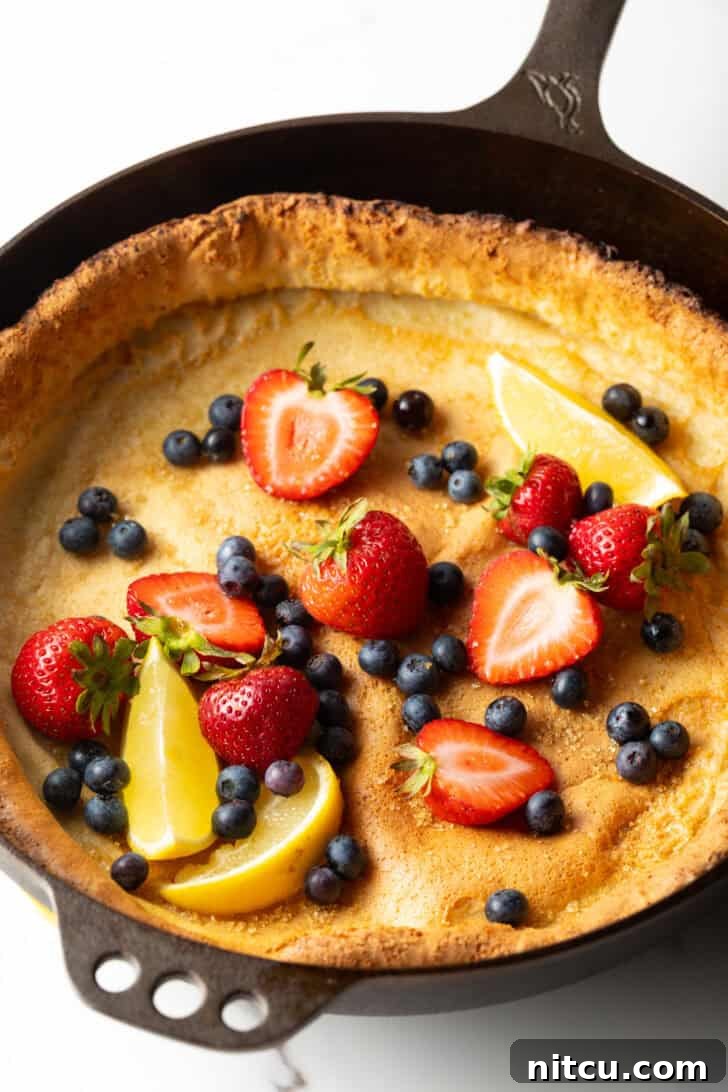
The beauty of the Dutch Baby lies in its versatility. My family adores the classic combination of lemon zest and a sprinkling of sugar, but don’t hesitate to unleash your creativity and dress them up however you prefer!
You can easily jazz things up with various flavor enhancements. I often swap granulated sugar for a drizzle of honey and add a dash or two of warm spices like cinnamon, pumpkin pie spice, or even a hint of ground coffee for an intriguing depth of flavor.
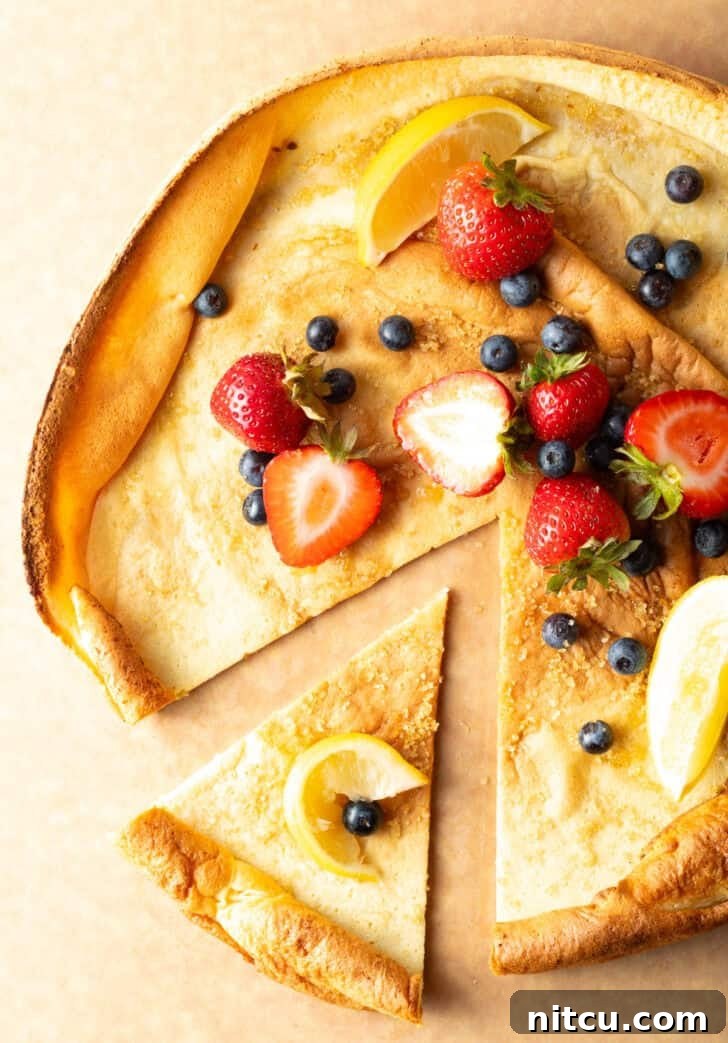
Freshen up your Dutch Babies with an abundance of seasonal fruits! I highly recommend topping your fluffy pancake with a vibrant medley of fresh strawberries, raspberries, blackberries, and/or blueberries. For a heartier touch, consider pairing them with tender sliced peaches (a personal favorite), elegantly poached pears, or even rustic fried apples.
These cloud-like pancakes also serve as an excellent canvas for more indulgent, sinful toppings! I sometimes dust them generously with powdered sugar for a simple elegance, or drizzle them with sweet condensed milk or rich, real maple syrup. A spoonful or two of homemade easy freezer jam, a dollop of silky whipped cream, a sprinkle of chocolate chips, or a generous pour of my decadent fudge sauce recipe can transform this humble breakfast into an unforgettable dessert-like experience!
Frequently Asked Questions About Dutch Babies
For the absolute best Dutch Babies, I firmly believe cast iron skillets are unparalleled. Their superior ability to retain and distribute heat evenly ensures a beautifully golden, crispy crust on the bottom of the pancake, which is a hallmark of a perfect Dutch Baby. That said, if a cast iron pan isn’t available, you can certainly use any other similar-sized oven-safe pans, such as heavy-bottomed stainless steel or ceramic bakeware. Just ensure they are thoroughly preheated for optimal results.
Absolutely, you can still create a fantastic Dutch Baby batter using just a bowl and a whisk. While a blender is convenient for quickly warming the batter slightly and incorporating abundant air bubbles (both beneficial for puff), a little manual effort can achieve similar results. Simply beat the batter vigorously by hand for 2 to 3 minutes, ensuring it’s extra fluffy and airy before carefully pouring it into your hot pans. The key is thorough mixing to aerate the eggs.
The most common culprits for a Dutch Baby that doesn’t puff dramatically are insufficient oven preheating or a batter that’s too cold when it hits the hot pan. Patience is truly a virtue here; take your time to ensure both the oven and your cast-iron skillets are fully preheated to the specified temperature, and that your batter has come to room temperature. These steps are crucial for the physics of the puff! But remember, even a flatter Dutch Baby, though less dramatic, is still incredibly delicious and worth enjoying.
More Delightful Breakfast Recipes to Explore
Help Us Share the Joy of This Recipe! If you love this recipe, please consider sharing the link on Pinterest and Facebook. Your support is incredibly impactful and deeply appreciated! You’ll find convenient share buttons below the recipe form.

Print Recipe
Leave a Review »
Easy Dutch Baby Recipe
5 minutes
30 minutes
35 minutes
Our foolproof Dutch Baby pancake recipe consistently yields the best results: a golden-brown, lightly crisp, and incredibly fluffy pancake. Serve it with your favorite toppings, such as a dusting of sugar and fresh fruit, for a rustic yet impressive breakfast or brunch!
16 slices (2 Dutch Babies)
Video
Ingredients
- 1 cup all purpose flour
- 1/2 cup granulated sugar + extra for topping
- 1 teaspoon fine sea salt
- 1 tablespoon vanilla extract
- 1 cup whole milk
- 4 large eggs
- 8 tablespoons unsalted butter, divided
Instructions
-
Place the eggs and milk into a blender. Cover and pulse a couple of times to combine. Allow this egg mixture to sit and warm to room temperature while you preheat your oven. (Remember, room temperature eggs and milk are key for truly fluffy Dutch Babies!) Preheat your oven to 425°F (218°C). Remove the upper oven rack and place two large 11 to 14-inch cast iron skillets in the oven to preheat thoroughly.
-
Once the oven and skillets are piping hot, add the flour, granulated sugar, sea salt, and vanilla extract to the blender with the egg mixture. Purée until the batter is smooth and slightly bubbly. Then, carefully remove the hot skillets from the oven, add 2 tablespoons of unsalted butter to each skillet, and quickly close the oven door to melt the butter. Once melted, open the door and swirl the skillets to coat the bottoms with the sizzling butter.
-
Working quickly, pour equal amounts of the prepared batter into each hot skillet. Immediately close the oven door. Reduce the oven temperature to 375°F (190°C). Bake the Dutch Babies for 25-35 minutes, or until they are dramatically puffed and golden-brown around the edges.
-
Using oven mitts and a spatula, carefully transfer the baked Dutch Babies out of the skillets and onto a cutting board. Don’t be alarmed as they will begin to deflate quickly – this is normal and creates delightful layers. Sprinkle generously with extra granulated sugar and cut into wedges. Serve each Dutch Baby immediately with a squeeze of fresh lemon juice, or your preferred optional toppings.
Notes
- Topping Ideas: Classic sugar and lemon wedges, an assortment of fresh berries, a sprinkle of ground coffee with sweetened condensed milk, various jams or fruit preserves, warm fried apples, a drizzle of honey, or tender sliced peaches.
- Storing Leftovers: Dutch Babies are truly best enjoyed moments after baking. If you have any leftovers, store them in an airtight container in the refrigerator for up to 3 days.
- Freezing: To freeze, wrap individual pieces tightly in plastic wrap, then place them in a Ziploc bag or another freezer-safe, airtight container. They can be frozen for 2-3 months. Note that the thawed texture will be denser and chewier than fresh, but still flavorful. Thaw at room temperature for 20-30 minutes before reheating.
- Reheating: Gently reheat a Dutch Baby in the microwave in short 10-second intervals at 50% power to ensure it warms through without drying out.
Nutrition
Serving: 1pc
,
Calories: 82kcal
,
Carbohydrates: 13g
,
Protein: 3g
,
Fat: 2g
,
Saturated Fat: 1g
,
Polyunsaturated Fat: 0.3g
,
Monounsaturated Fat: 1g
,
Trans Fat: 0.01g
,
Cholesterol: 48mg
,
Sodium: 169mg
,
Potassium: 50mg
,
Fiber: 0.2g
,
Sugar: 7g
,
Vitamin A: 92IU
,
Calcium: 27mg
,
Iron: 1mg
Breakfast, Brunch
American, German
Sommer Collier
Cook It? Love It? Rate It!
YOU can help this recipe RANK on Google – TAP 5 STARS so other hungry people can find it. Thank you!