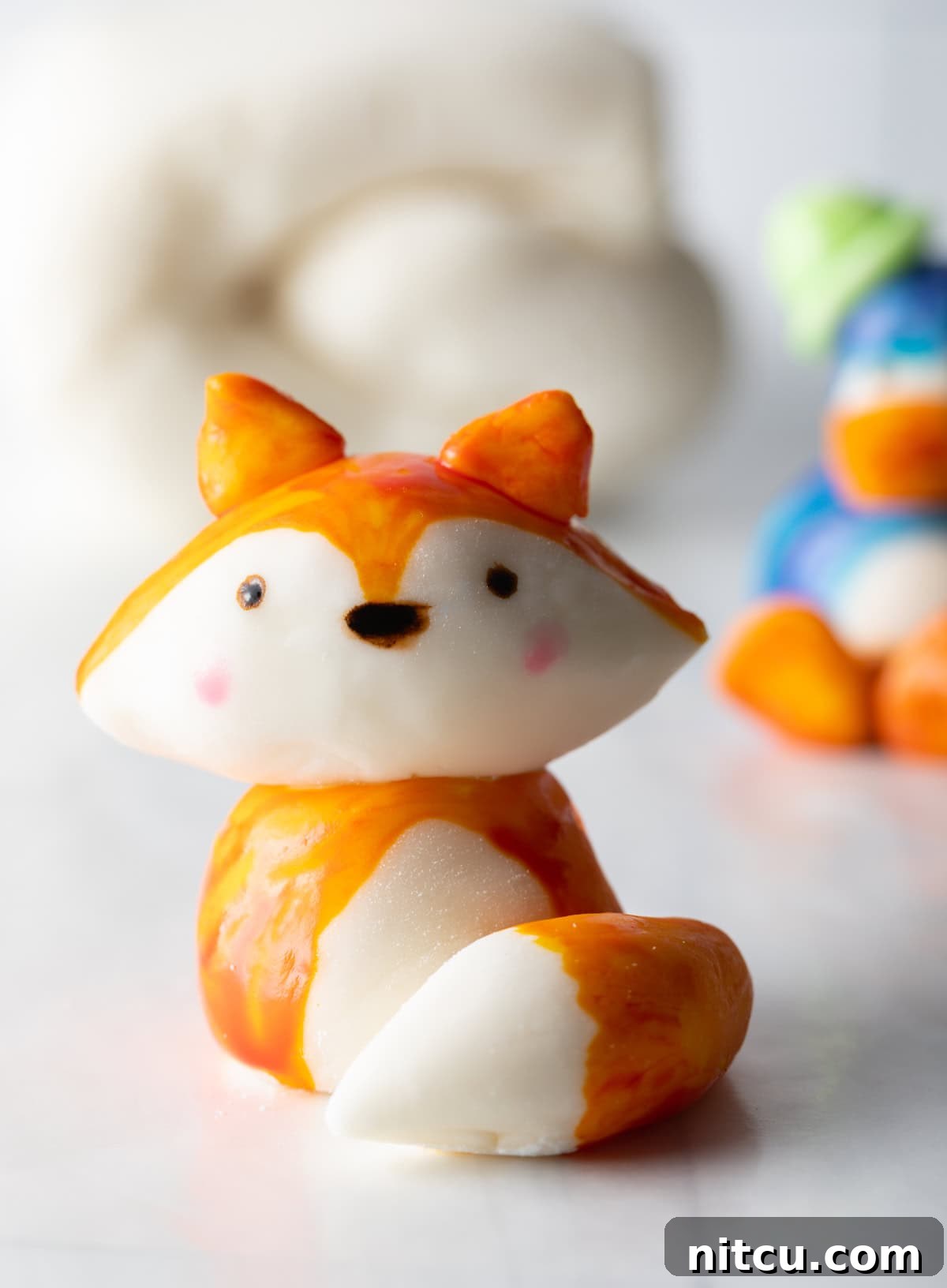
Homemade Marshmallow Fondant: Your Ultimate Guide to Easy Cake Decorating
Discover the secret to perfect cake decorating with this simple, homemade Marshmallow Fondant Recipe! Crafted with just a few basic ingredients, this recipe yields the softest, most pliable, and delightfully stretchy fondant, ideal for covering your favorite cakes and sculpting intricate decorations. Far superior in taste and texture to most store-bought options, this easy-to-follow guide will empower you to create bakery-quality masterpieces right in your own kitchen, guaranteed to impress friends and family alike!
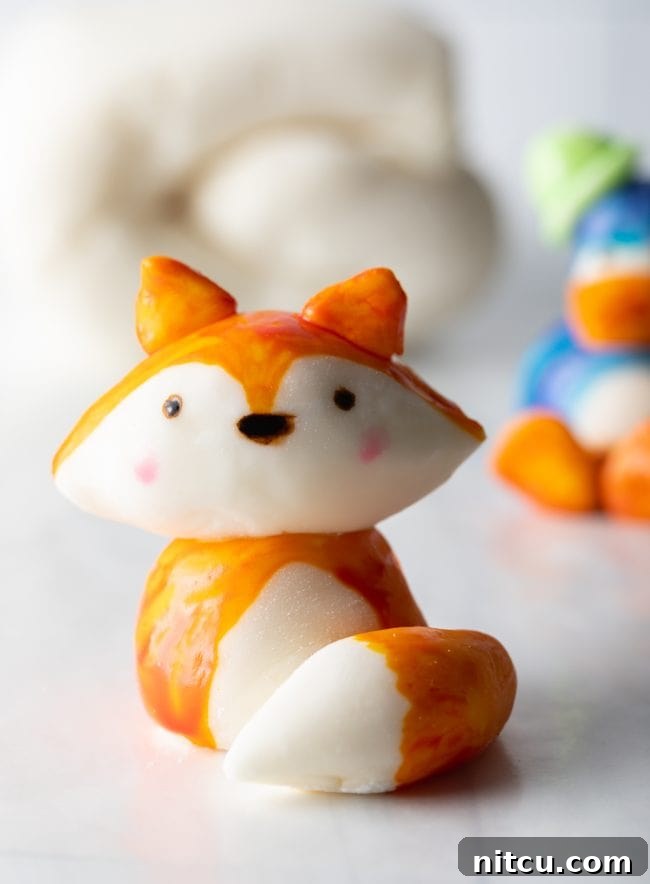

Unleash Your Inner Baker: A Sweet Introduction to Homemade Fondant
Embarking on the journey of homemade marshmallow fondant might seem daunting at first glance, but I promise you, it’s significantly easier and more rewarding than you could ever imagine. This recipe isn’t just about covering cakes; it’s about unlocking a new level of creativity in your baking. Forget about the bland, often rubbery texture of store-bought fondants. This recipe produces a soft, delicious, and incredibly workable fondant that will transform your desserts from simple treats into edible works of art.
Whether you’re meticulously planning an elaborate birthday cake, crafting charming figurines for a themed celebration, or simply enjoying a playful afternoon in the kitchen with your kids, this foolproof recipe delivers exceptional results every time. Its superior taste and pliability make it perfect for both novice decorators and seasoned bakers. Get ready to elevate your baking game and delight everyone with your stunning, homemade creations!
Why Homemade Fondant is a Game-Changer
Making your own fondant offers numerous advantages over purchasing pre-made versions. Here are just a few reasons why this recipe will become a staple in your baking repertoire:
- Incredible Cost Savings: Fondant can be surprisingly expensive at specialty baking stores, often retailing for $8 or more per pound. This recipe, using readily available ingredients, allows you to produce approximately 3 pounds of high-quality fondant for a fraction of that cost – typically less than $5. Imagine the savings for larger projects or frequent decorating!
- Limitless Customization: The beauty of homemade fondant lies in its versatility. You have complete control over its appearance. Easily incorporate your favorite food colors to match any theme, add edible glitter for an extra sparkle, or infuse it with various flavor extracts to complement your cake. The creative possibilities are endless, allowing you to personalize every detail of your edible designs.
- Superior Pliability and Stretch: One of the biggest frustrations with some fondants is their tendency to tear or crack when stretched. This recipe guarantees an exceptionally soft, smooth, and pliable fondant. Its remarkable elasticity means it can be rolled thin and draped over cakes without tearing, and it holds its shape beautifully for sculpting detailed figures. This forgiving texture makes decorating a joyous and stress-free experience.
- Enhanced Flavor Profile: Unlike the often bland or overly sweet taste of commercial fondants, this marshmallow-based recipe offers a subtly sweet and pleasant flavor that won’t overpower your cake. You can further enhance its taste with a touch of your favorite extract, making your decorations not just visually appealing but also delicious.
This easy marshmallow fondant recipe is truly an essential tool for any home baker looking to add a professional touch to their desserts. It empowers you to take your decorating skills to unprecedented heights, making every cake a memorable masterpiece.
Essential Ingredients for Perfect Fondant
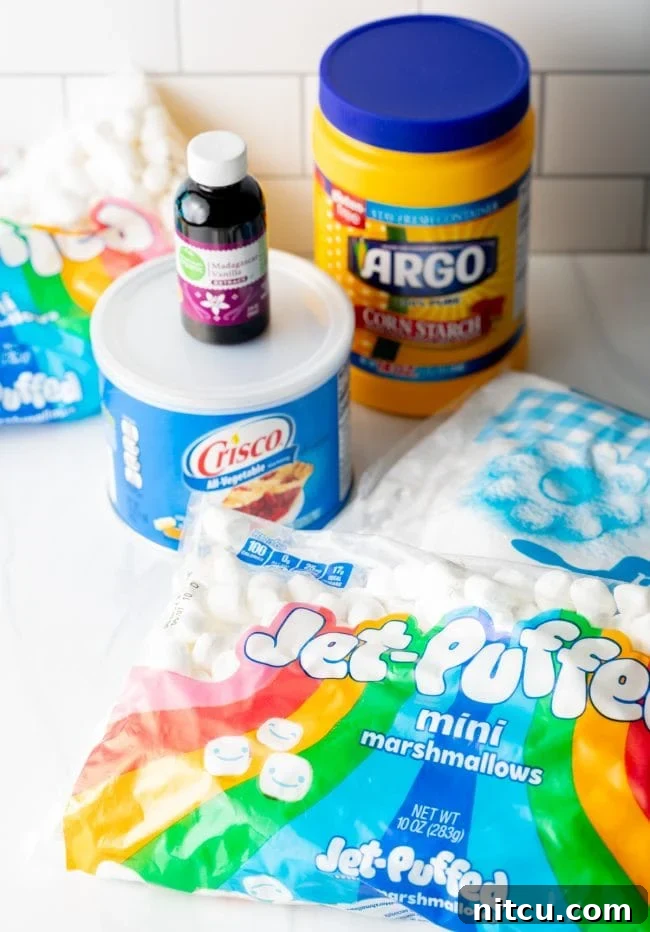
Crafting flawless marshmallow fondant begins with selecting the right ingredients. Here’s a detailed look at what you’ll need, along with some helpful tips:
- Mini Marshmallows (16 ounces): Opt for standard white mini marshmallows. Avoid colored or flavored varieties, as they can alter the color and taste of your fondant. Mini marshmallows melt more quickly and evenly, which is crucial for a smooth base.
- Water (3-6 tablespoons): Use cold water to help control the melting process. You’ll start with 3 tablespoons and gradually add more if the mixture becomes too dry during kneading. The exact amount can vary based on humidity and marshmallow brand.
- Flavored Extract of Choice (1/2 teaspoon, optional): While optional, a good quality extract significantly enhances the flavor. Almond extract is a popular choice and offers a classic, delicate taste. Vanilla, lemon, or even a clear butter extract can also be wonderful additions, allowing you to tailor the fondant to your cake’s flavor profile.
- Powdered Sugar (2 pounds, sifted): Also known as confectioners’ sugar or icing sugar, this is the primary structural component. Sifting the powdered sugar beforehand is highly recommended to prevent lumps in your finished fondant, ensuring a silky-smooth texture. You’ll need a generous amount, as it’s incorporated into the marshmallow base and also used for dusting your work surface.
- Shortening (2/3 cup): Vegetable shortening is key for preventing stickiness and adding elasticity to the fondant. It helps create that signature smooth, pliable texture. You can also use lard if preferred, but vegetable shortening is more common and widely available. Ensure it’s room temperature for easier handling.
- Cornstarch (for rolling): This is your best friend for rolling out fondant without it sticking to your surface or rolling pin. Unlike powdered sugar, cornstarch won’t easily clump or get absorbed into the fondant, helping maintain its smooth finish. Have a good amount on hand for dusting.
- Food Coloring (gel or liquid): Use your preferred gel or liquid food coloring to achieve vibrant hues. Gel food colorings are highly concentrated and produce richer, deeper colors without significantly altering the fondant’s consistency, making them ideal for bold statements.
Creative Variations and Dietary Adaptations
One of the joys of making your own marshmallow fondant is the ability to customize it to suit any occasion or dietary need. Here are some fantastic ideas to get you started:
- Decadent Chocolate Fondant: Transform your fondant into a rich, chocolatey delight by incorporating unsweetened cocoa powder. Replace a portion of the powdered sugar with cocoa powder (start with 1/2 to 1 cup per 2 pounds of powdered sugar, adjusting to taste) to give your fondant a deep chocolate flavor and color. This is perfect for chocolate cakes or elegant, dark decorations.
- Elegant Marbled Fondant: Achieve a sophisticated marbled effect by gently folding together at least two different colored fondants. Do not over-knead; you want the colors to swirl and intertwine rather than fully blend. This technique adds a beautiful, artistic touch to any cake.
- Sparkling Glitter Fondant: For an extra “wow” factor, knead in your favorite edible glitter. Whether you choose fine shimmer dust or larger flakes, edible glitter adds a magical, festive sparkle to your creations, perfect for celebrations and whimsical designs.
- Natural Food Coloring Options: If you prefer to avoid artificial food colorings, there are many natural alternatives to explore:
- Yellow: A tiny pinch of turmeric powder (use sparingly to avoid flavor) or a small amount of saffron infusion can yield lovely yellow hues.
- Red/Pink: Beetroot powder or a small amount of concentrated beet juice can create vibrant reds and soft pinks.
- Green: Spinach powder or a touch of spirulina powder can produce natural green shades.
- Blue: Butterfly pea flower powder is a fantastic natural option for creating beautiful blue and purple tones.
Always remember that natural colorings may impart a subtle flavor, so test small batches first.
- Vegan Marshmallow Fondant: For a vegan-friendly version, simply use vegan marshmallows and a plant-based shortening. Ensure your powdered sugar is bone-char free if strict veganism is a concern.
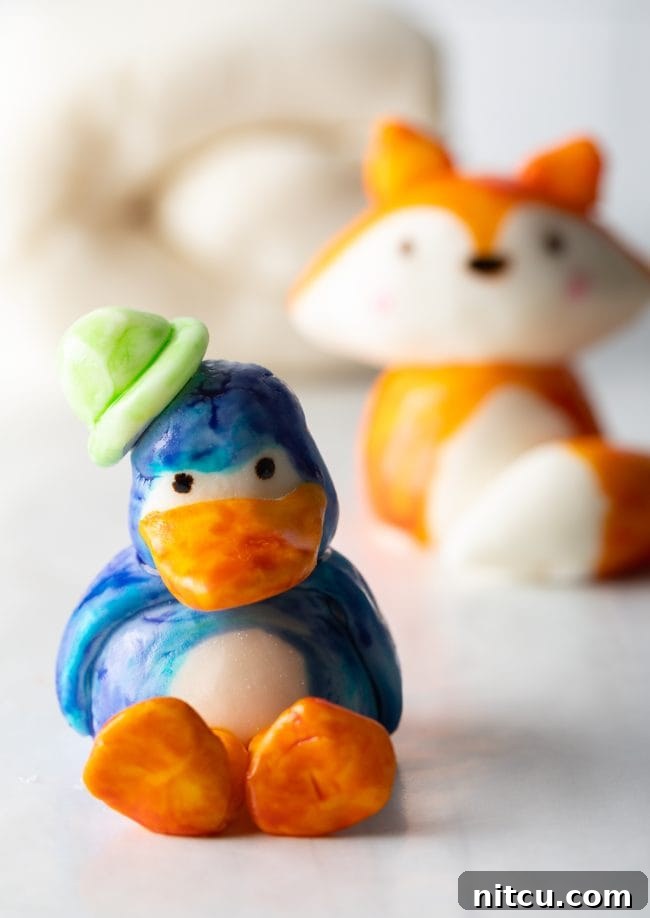
Mastering Homemade Marshmallow Fondant: A Step-by-Step Guide
The thought of making marshmallow fondant from scratch might seem intimidating, conjuring images of professional pastry chefs and complex techniques. However, I assure you, this recipe is incredibly straightforward and surprisingly fun! You’re about to unlock a world of cake decorating possibilities and create the cutest figurines or stunning cake coverings with ease.
Below, you’ll find the comprehensive Homemade Marshmallow Fondant recipe, complete with detailed instructions and storage tips, ready for you to print and follow along!
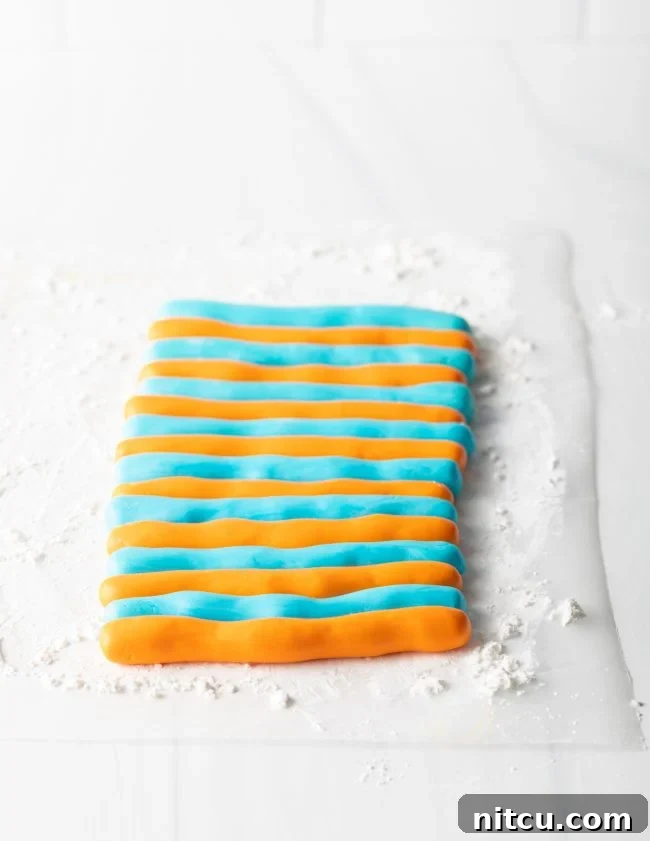
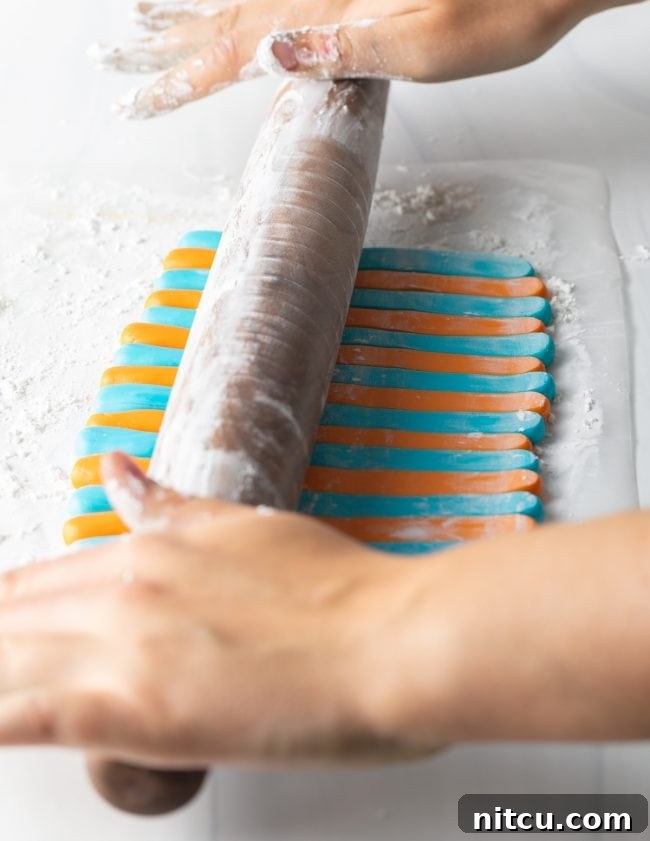
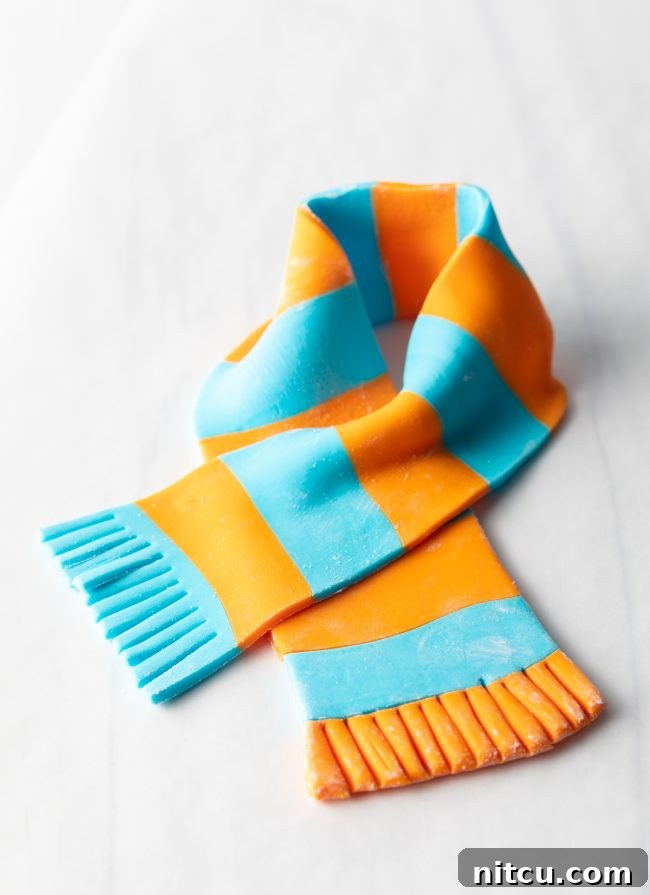
Essential Tips for Perfect Fondant Every Time
Achieving perfectly smooth, pliable marshmallow fondant is easier than you think, especially with these crucial tips:
- The Golden Rule: Grease, Grease, Grease! Marshmallow fondant, particularly in its initial stages, is incredibly sticky. To prevent frustration and ensure smooth handling, you must liberally grease every surface, tool, and even your hands that will come into contact with it. This includes your microwave-safe bowl, mixer bowl, paddle attachment, spatulas, and especially your hands when kneading. Keep a small bowl of shortening nearby for frequent re-greasing.
- Choose the Right Equipment: While the process is simple, having the correct tools makes a big difference. You’ll primarily need a large, microwave-safe bowl for melting the marshmallows and an electric stand mixer with a paddle attachment for incorporating the powdered sugar. While a hand mixer can be used, a stand mixer greatly simplifies the process and provides more consistent results, especially when the mixture becomes thick.
- Avoid Over-Drying the Fondant: A common mistake is allowing the fondant to become too dry, which leads to tearing and cracking. If you notice your fondant feeling stiff, brittle, or tearing easily as you knead or stretch it, don’t panic. Add a very small amount of water (1/2 to 1 teaspoon at a time) and continue kneading. It might seem like a mistake initially, but with continued kneading and re-greasing your hands, the water will absorb, and the fondant will regain its soft, pliable texture.
- Patience is a Virtue, Especially for Resting: While you *can* use the fondant immediately in a “cake emergency,” allowing it to rest overnight significantly improves its texture, elasticity, and overall workability. The resting period allows the sugar to fully hydrate and the fondant to settle, making it much smoother and easier to roll and sculpt.
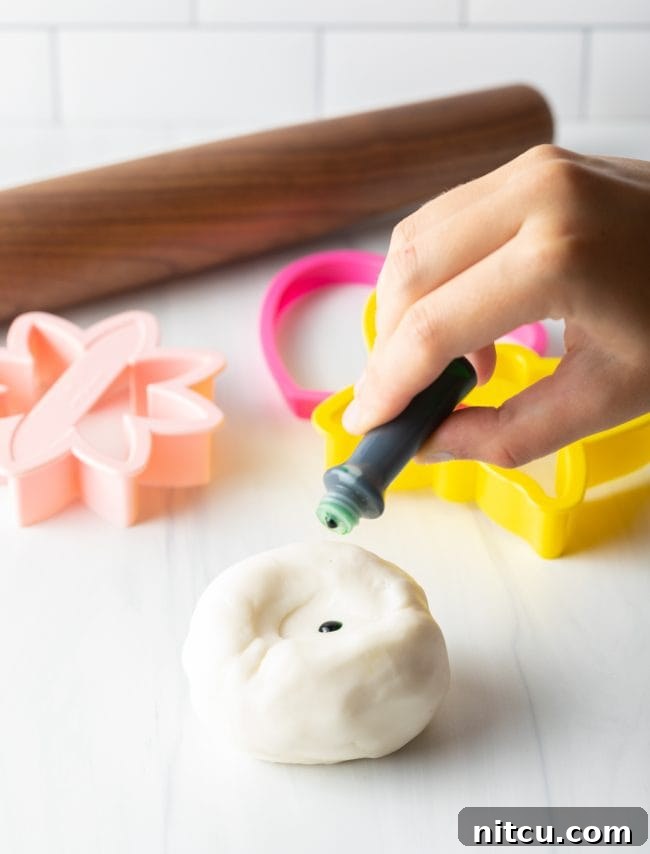
- Coloring Fondant: It’s best to color your fondant right before you plan to use it, as some colors can fade over time. For best results, use gel food coloring, which provides vibrant colors without adding too much moisture. Knead a few drops of coloring into a portion of fondant until the color is evenly distributed.
Storing Your Homemade Fondant for Future Creations
Proper storage is key to extending the life and maintaining the quality of your homemade marshmallow fondant, ensuring it’s ready whenever inspiration strikes.
- Storing Leftovers: Once you’ve finished decorating, any leftover rolled fondant or unused portions should be stored correctly. Wrap the fondant tightly in multiple layers of plastic wrap, making sure no air can reach it. Air exposure is the enemy of fondant, causing it to dry out and harden. After wrapping, place the plastic-wrapped ball into a large, airtight zip-top bag, pressing out as much air as possible before sealing. Store this at room temperature, ideally in a cool, dark pantry, for up to 2 months.
- Reviving Stiff Fondant: If your stored fondant feels a bit stiff when you’re ready to use it, don’t worry. You can often soften it by briefly kneading it with lightly greased hands. For particularly stiff fondant, you can microwave it for a few seconds (5-10 seconds at a time) on low power. Be cautious not to overheat, as this can cause it to become sticky or melt. Knead after each short microwave burst until it regains its desired pliability.
- Do NOT Freeze Fondant: Unlike many other baked goods, fondant does not freeze well. Freezing and thawing can cause it to become grainy, sticky, or lose its smooth texture and workability. Stick to room temperature storage for the best results.
Homemade Marshmallow Fondant Recipe
Cook Time: 3 minutes
Total Time: 23 minutes

Video Tutorial
Watch a video guide on how to make this delicious marshmallow fondant!
Ingredients
- 16 ounces mini marshmallows (white, not colored)
- 3-6 tablespoons water (cold)
- 1/2 teaspoon flavored extract of choice, optional (almond extract is recommended)
- 2 pounds powdered sugar (confectioners’ sugar), sifted
- 2/3 cup shortening (or lard)
- Cornstarch, for rolling
- Food coloring, optional (gel food coloring for best results)
Instructions
- Place a small bowl of shortening nearby; you will need to dip into it frequently throughout the entire process.
- Generously grease a large microwave-safe bowl, your electric mixer bowl, the paddle attachment, and a spatula with shortening. This step is crucial to prevent the sticky marshmallow mixture from adhering everywhere.
- Pour the mini marshmallows, 3 tablespoons of cold water, and your chosen flavor extract (if using) into the greased microwave-safe bowl.
- Melt the marshmallows in the microwave in 30-second increments. After each increment, stir the mixture thoroughly with your greased spatula. This ensures even melting and prevents burning.
- Continue melting and stirring until the marshmallows are completely smooth and liquid, with no lumps remaining. This usually takes about 2-3 minutes total, depending on your microwave’s power.
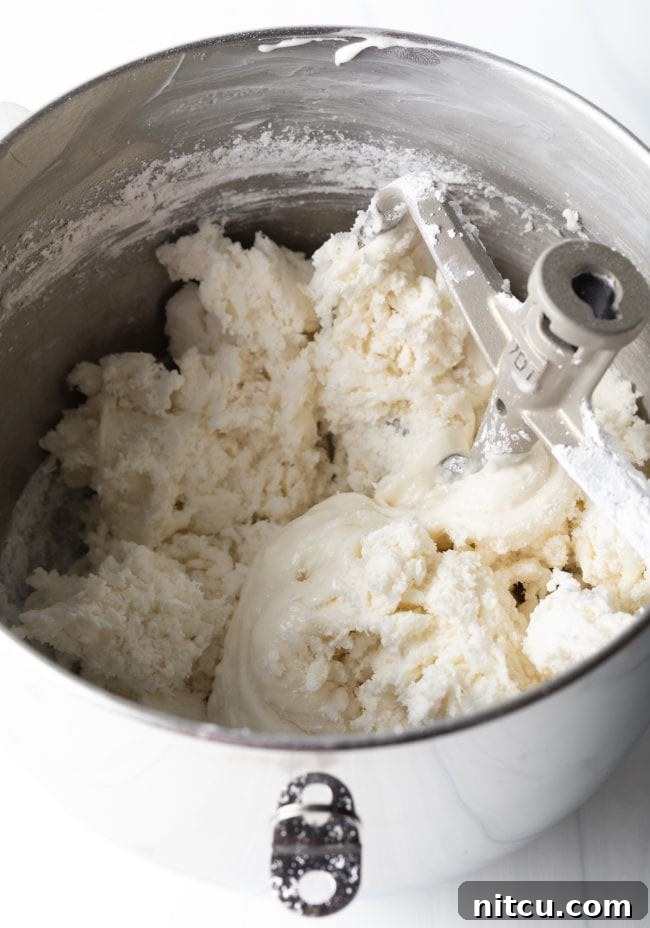
- Carefully pour the melted marshmallow mixture into the greased electric mixer bowl. Start the mixer on a low speed and gradually add the entire 2-pound bag of sifted powdered sugar. Mix until the mixer begins to struggle, and the mixture becomes very thick. You will still see plenty of dry clumps of powdered sugar in the bowl at this stage.
- Grease a clean work surface (such as a large cutting board or countertop) and your hands thoroughly with shortening. Dump the thick, clumpy mixture out onto the greased surface.
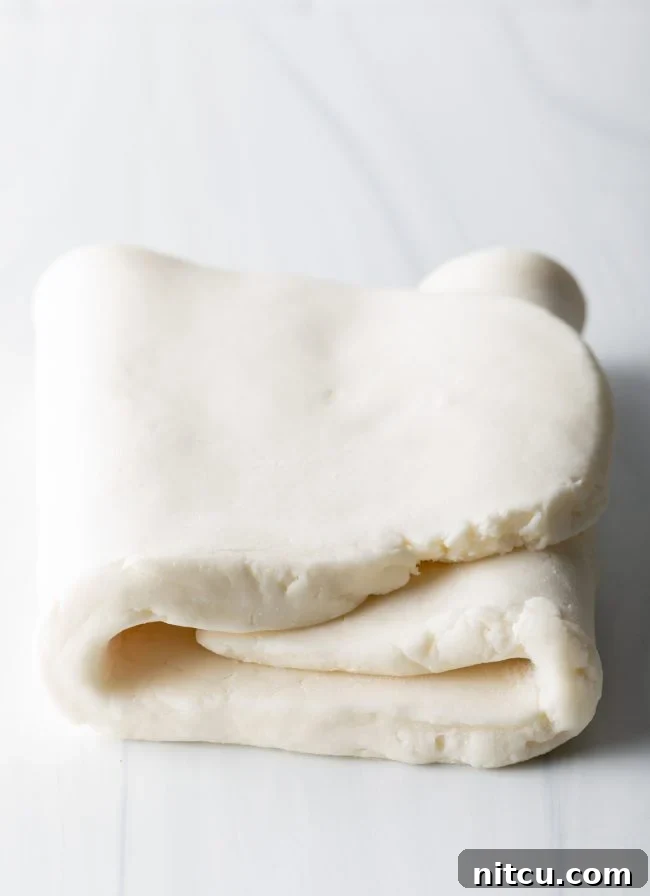
- Begin to knead the fondant by hand, incorporating all the dry powdered sugar clumps. Re-grease your hands as needed to prevent sticking. Continue kneading for several minutes until the fondant is completely smooth and cohesive, with no dry spots or clumps.
- Consistency Check: At this point, if the fondant feels dry, stiff, or tears easily when you pull it, add a little more water, 1 teaspoon at a time. Knead well after each addition. It might seem like a mistake momentarily as it gets sticky, but keep kneading with greased hands; the water will absorb, and the fondant will become soft, pliable, and stretchy.
- Once you’ve achieved the desired smooth and pliable texture, grease the entire ball of fondant with a final layer of shortening. Wrap it tightly in plastic wrap, ensuring no air bubbles are trapped. Then, place the wrapped ball into a large zip-top bag, squeeze out all the air, and seal. Let it sit at room temperature overnight to improve its texture and elasticity. While you can use it immediately in a “cake emergency,” waiting yields a much better result.
- Coloring Tip: It’s best to color your fondant right before using it to prevent color fading. Drop a few drops of gel food coloring onto the fondant and knead it in thoroughly until the color is uniform.
- For Rolling Out: After the overnight rest, lightly sprinkle a clean work surface and your hands with cornstarch (not powdered sugar, as it can cause clumping). Rub cornstarch onto your rolling pin as well. Roll the fondant until it’s just over 1/8-inch thick. Measure your cake and its sides to ensure you roll enough to cover it. Gently drape the rolled fondant over your frosted cake and carefully smooth out any bumps or creases using a fondant smoother or your hands. Trim any excess fondant around the base of the cake.
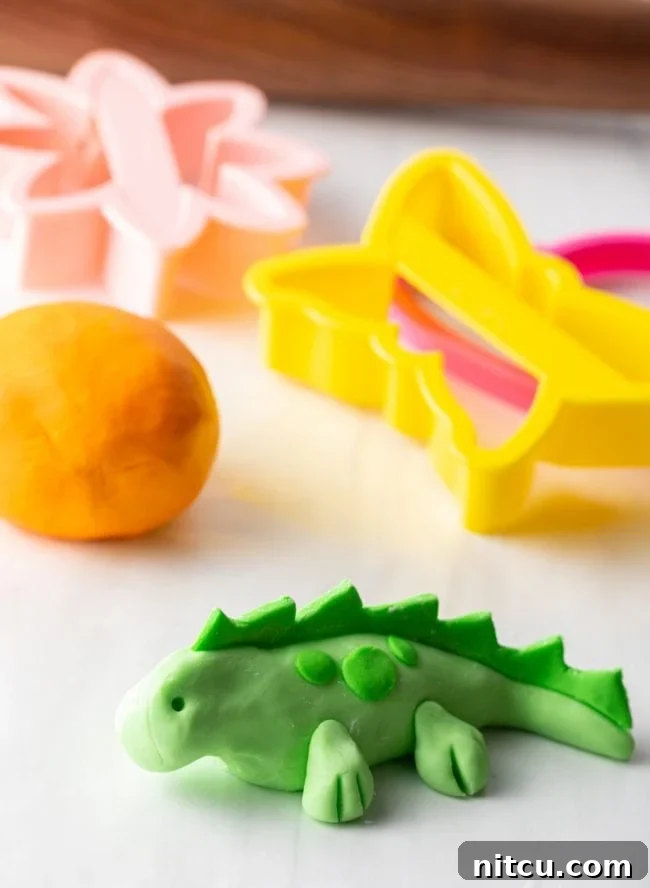
- For Molding: If you’re using the fondant for sculpting figurines or cutting shapes, have fun! It molds beautifully, much like play-dough, and holds intricate details.
- When stored properly (tightly wrapped and in an airtight container at room temperature), homemade marshmallow fondant will keep for a long time, typically up to 2 months.
Nutrition Information (Approximate)
(Per 1 serving, based on 3 pounds yielding approximately 10-12 servings for a medium cake covering)
- Serving Size: 1 serving
- Calories: 344 kcal
- Carbohydrates: 71g
- Protein: 1g
- Fat: 8g
- Saturated Fat: 2g
- Sodium: 22mg
- Fiber: 1g
- Sugar: 64g
- Calcium: 1mg
- Iron: 0.1mg
Note: Nutritional values are estimates and may vary based on specific ingredient brands and preparation methods.
Cuisine: American
If you loved this recipe, please consider leaving a review! Your feedback helps other bakers find and enjoy this delicious homemade fondant.
Frequently Asked Questions About Fondant
Your homemade marshmallow fondant will naturally be a beautiful white. To color it, you have a couple of excellent options:
For solid colors, cut off a portion of the white fondant. Add a few drops of gel food coloring directly onto the fondant. Knead the fondant thoroughly until the color is evenly distributed and no streaks remain. Gel food colorings are highly recommended as they are concentrated and won’t thin out your fondant like liquid dyes might. You can refer to the process images above for a visual guide.
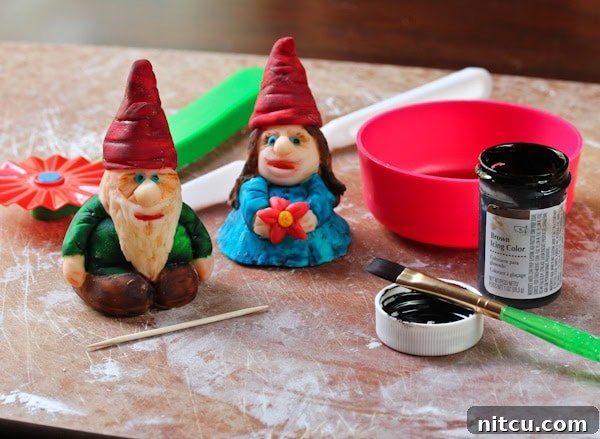
Alternatively, you can create intricate designs with white fondant and then paint them for a “watercolor” effect. To make edible paint, mix a small amount of food coloring (gel or liquid) with about 1 teaspoon of water or clear extract until you achieve your desired shade and consistency. Use clean, food-safe paintbrushes to decorate your fondant shapes. Allow the painted fondant to dry completely before handling or placing it on your cake to prevent smudging.
While it’s technically possible to start the process with a heavy-duty hand mixer, it might not get you very far. The marshmallow and powdered sugar mixture quickly becomes very thick and stiff, often exceeding the capabilities of most hand mixers. You’ll likely find yourself needing to do most of the mixing and kneading by hand. Be prepared for a good upper body workout if you choose this route! A sturdy stand mixer with a paddle attachment is highly recommended for ease and efficiency.
When preparing marshmallow fondant, the ambient air temperature doesn’t usually play a significant role in the initial mixing stages. However, it can have a slight effect on the final consistency and handling. In warmer, more humid temperatures, your fondant might feel a little softer and potentially stickier, requiring a bit more powdered sugar or cornstarch for rolling. Conversely, in cooler, drier climates, it might be slightly firmer and require a bit more shortening or water to achieve optimal pliability. These differences are generally minor and can be easily adjusted by adding small amounts of your dry or wet ingredients during the kneading process until the desired texture is achieved.
Homemade marshmallow fondant is an incredibly versatile medium for cake decorating, opening up a world of creative possibilities. You can use your amazing fondant for a variety of decorative applications:
Covering Cakes: Its primary use is to create a flawlessly smooth, professional-looking layer over frosted cakes, providing a clean canvas for further decoration. Fondant easily drapes over cakes and can be smoothed to perfection.
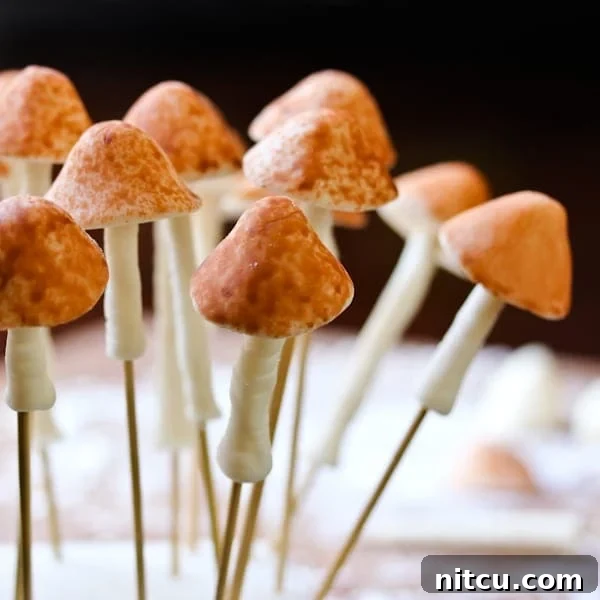
Sculpting and Molding: Fondant is wonderfully moldable, much like play-dough, making it perfect for creating charming critters, intricate edible figures, or any three-dimensional designs you can imagine. Its pliable nature allows for detailed sculpting.
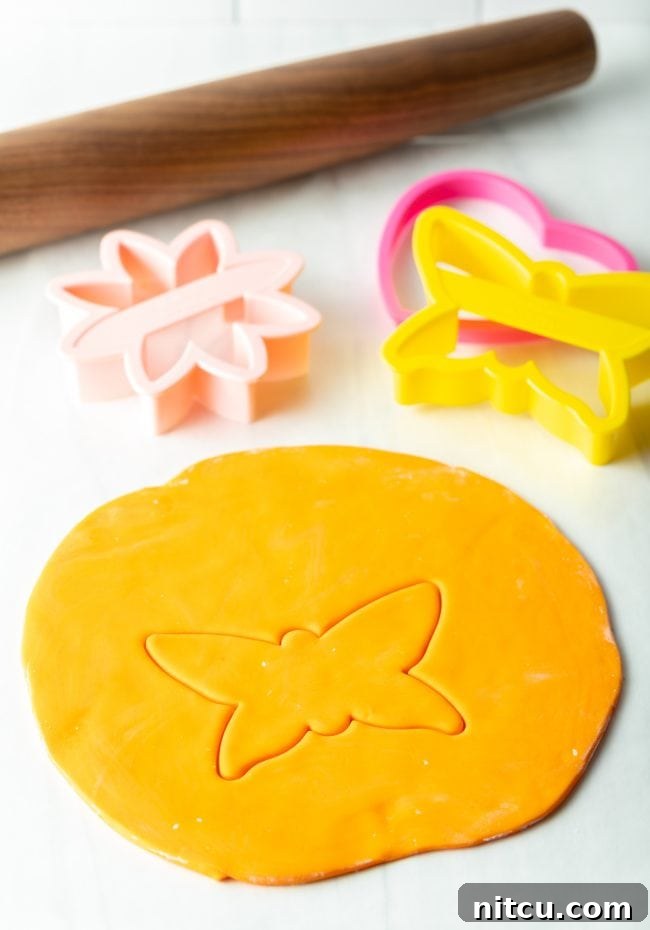
Cutting Shapes: Use cookie cutters or specialized fondant cutters to create fun shapes, letters, or numbers for cupcake toppers, cake borders, or side decorations.
Fondant is best suited for:
- Creating a smooth, flawless covering over cakes.
- Making flat decorations that lie flush against the cake.
- Forming small, squat shapes and figures that are not top-heavy.
Fondant vs. Gumpaste: It’s important to distinguish fondant from gumpaste. While both are used in cake decorating, gumpaste dries much harder and faster, making it ideal for delicate, intricate, or freestanding elements like large, realistic flowers, standing bows, or very thin leaves that need to hold their shape and structure without wilting or sagging. Fondant remains softer and more flexible, making it ideal for covering and general molding. If you’re aiming for elements that need to be rigid, gumpaste is the better choice.
Enhance Your Baking Skills with These Related Recipes
If you enjoyed making this versatile marshmallow fondant, you might also be interested in exploring these other delightful baking recipes to further expand your repertoire and impress your guests: