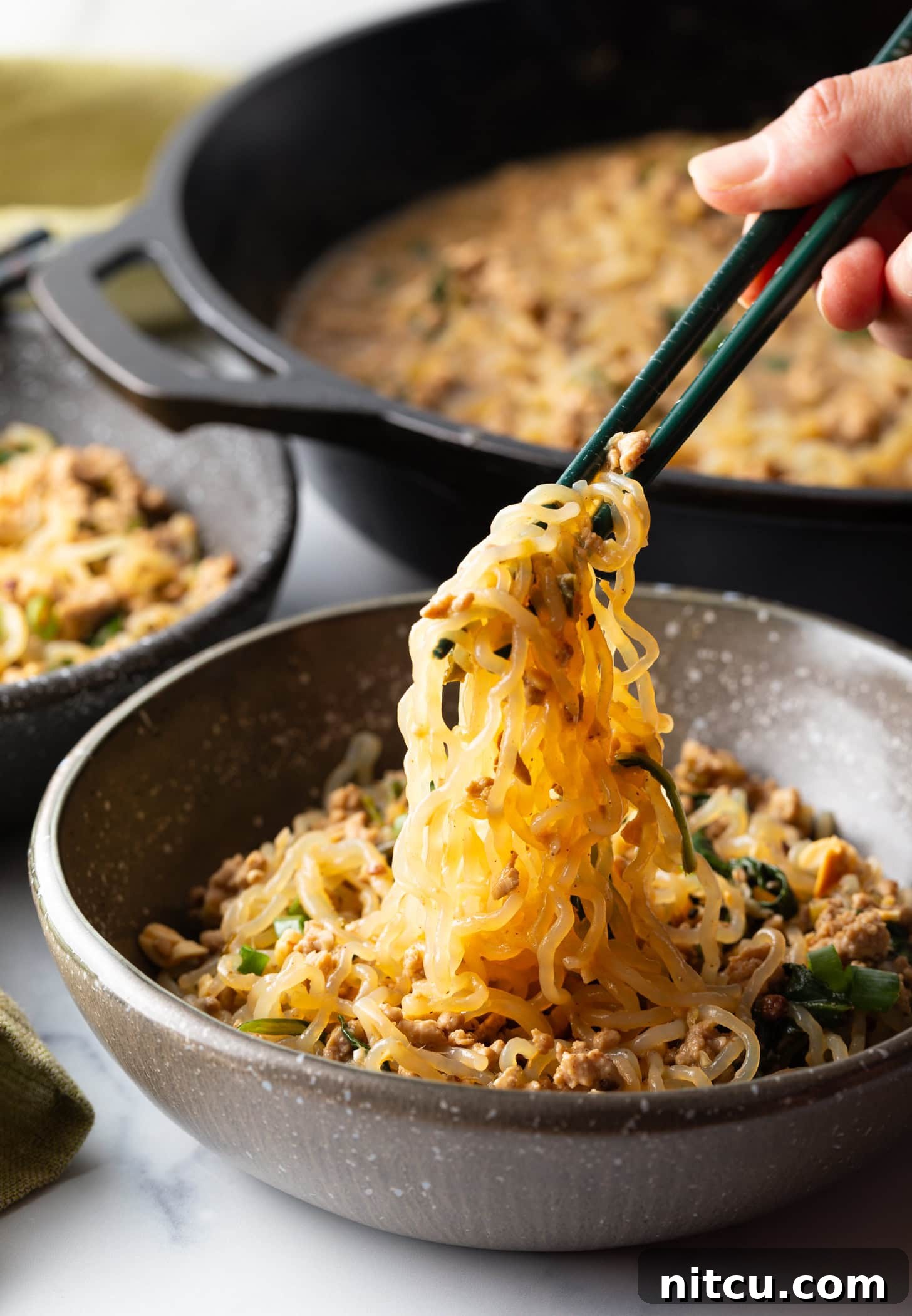
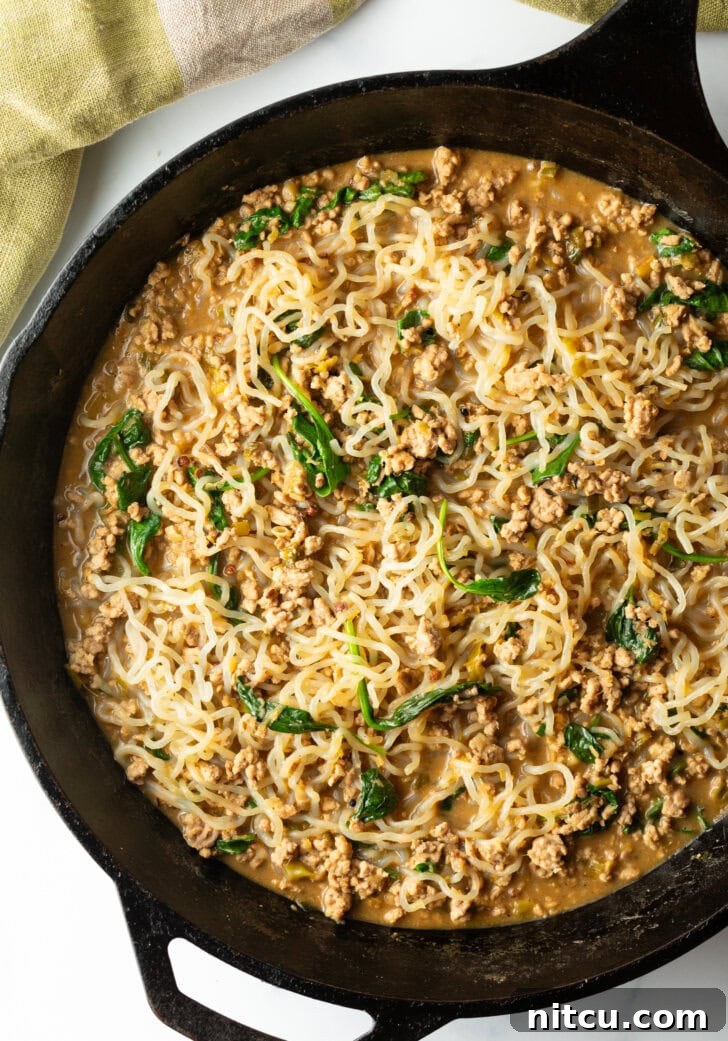
Embark on a culinary adventure with our incredible **Sichuan Dan Dan Noodles** recipe! This vibrant dish offers an exhilarating blend of spicy, savory, and nutty flavors, all crafted into a convenient **one-pot recipe**. Our unique twist incorporates **gluten-free konjac noodles**, transforming this classic into a remarkably **low-carb Szechuan noodle bowl** that promises to be both deliciously satisfying and incredibly healthy. Perfect for those seeking bold flavors without compromising on dietary goals, this recipe brings authentic Chinese tastes right to your kitchen.
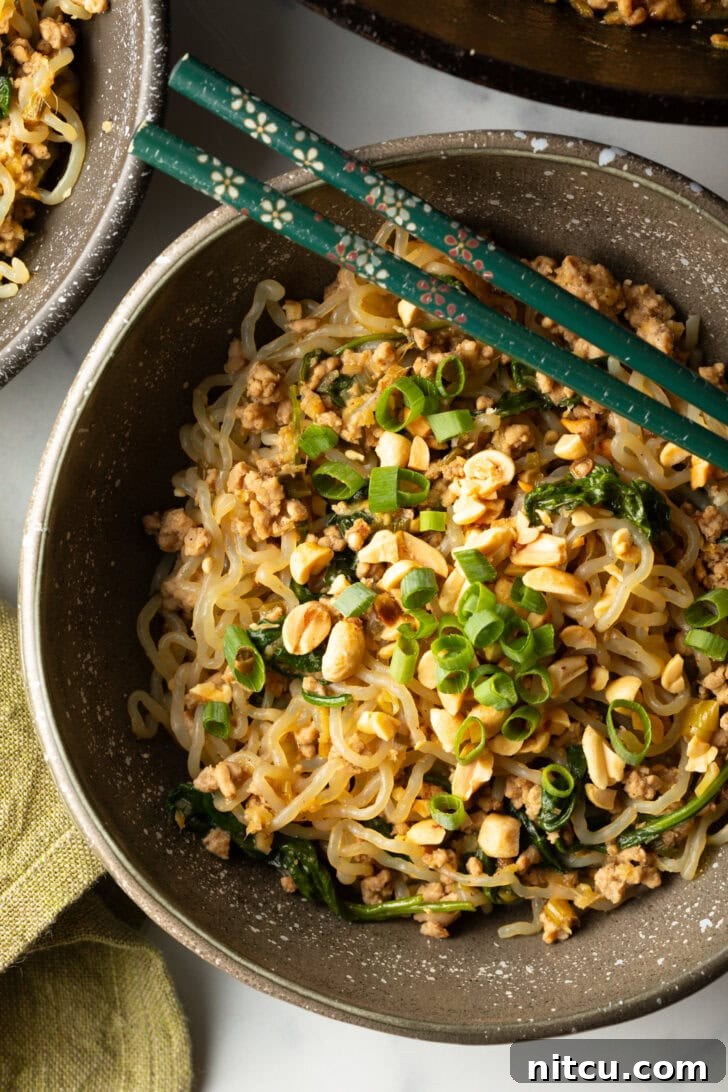
Why You’ll Adore Our Low-Carb Sichuan Dan Dan Noodles
There’s an undeniable allure to authentic Szechuan Dan Dan noodles, a beloved Chinese street food known for its fiery spice, complex savory notes, and rich, umami-laden broth. Traditionally, these noodles are a hearty affair, often made with wheat or egg noodles. However, our rendition offers a revolutionary twist, transforming this comforting classic into a guilt-free pleasure without sacrificing any of its iconic flavor. We’ve meticulously crafted this **one-pot recipe** to deliver all the bold, exciting tastes you crave in a convenient, **low-carb** format.
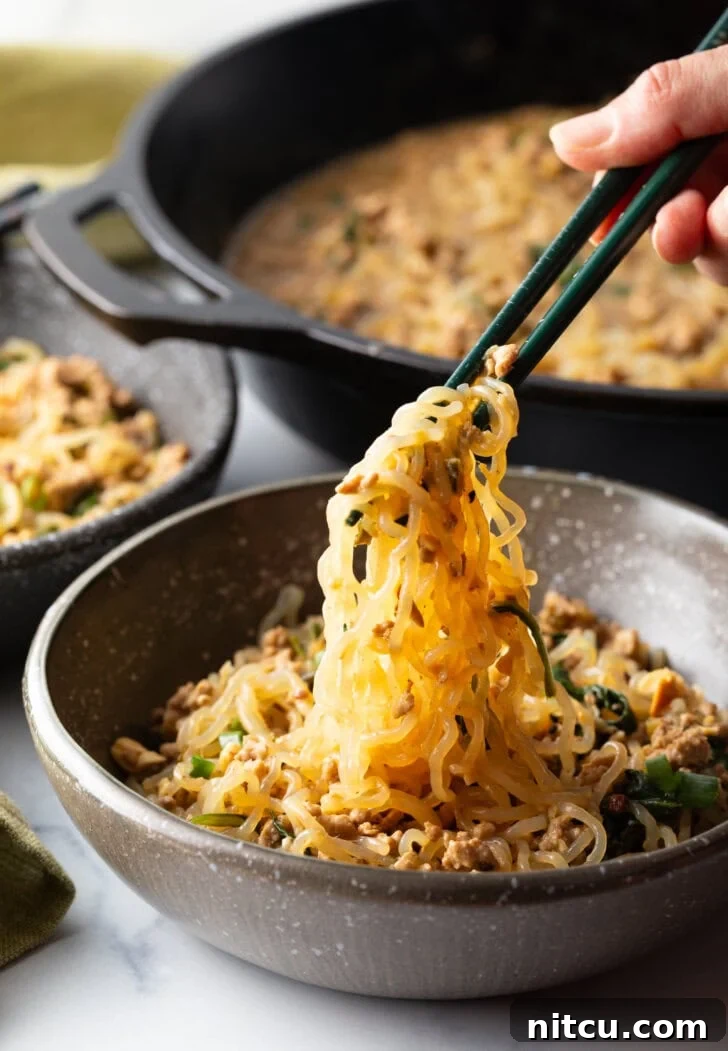
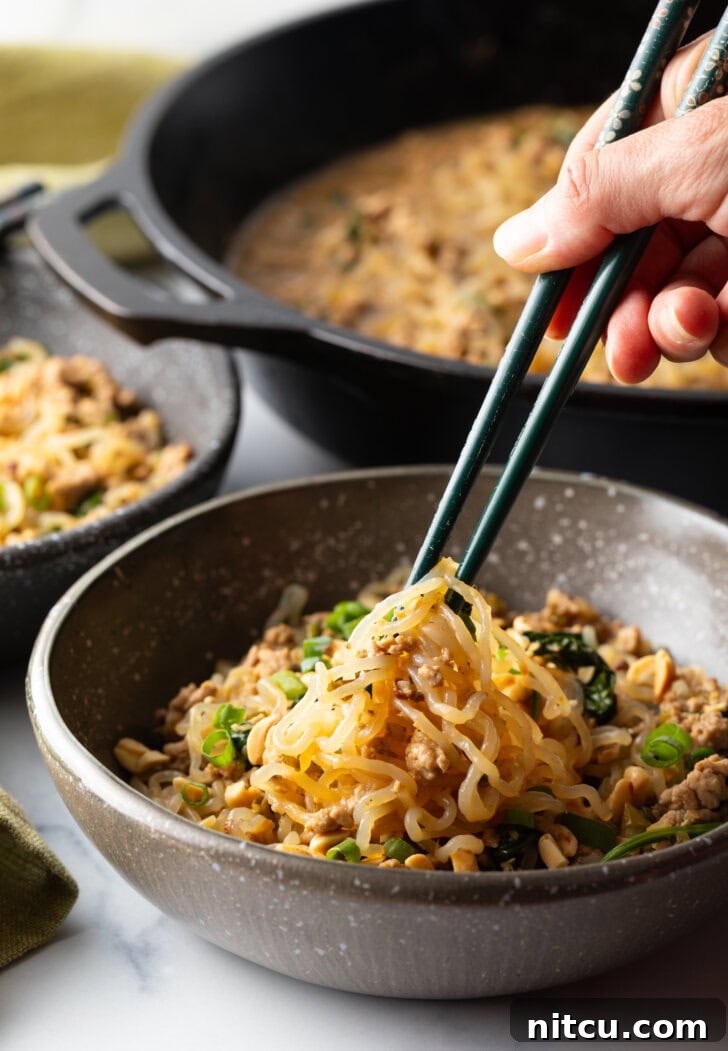
Our secret to making this dish sensationally **keto-friendly** and **gluten-free** lies in the ingenious use of **konjac noodles**, also widely known as **shirataki noodles** or “miracle noodles.” Derived from the root of the konjac plant (konnyaku), these translucent, chewy noodles are incredibly low in calories and carbohydrates, making them an ideal substitute for traditional pasta. They absorb the vibrant flavors of our rich sauce beautifully, ensuring every slurp is a burst of authentic Szechuan goodness.
The heart of these delectable **Sichuan Dan Dan noodle bowls** is a deeply flavorful and aromatic sauce. We start with perfectly browned ground pork, which forms a robust foundation, then infuse it with a symphony of ingredients: savory soy sauce, creamy peanut butter for richness, and an ample measure of **Szechuan peppercorns** that deliver their signature “ma la” (numbing and spicy) sensation. Fresh ginger and garlic provide pungent warmth, while vibrant spinach adds a touch of fresh green vitality and essential nutrients. The result is a truly unforgettable meal – bold, satisfying, and brimming with that distinctive, tingling heat that defines Szechuan cuisine.
Essential Ingredients for Authentic Low-Carb Dan Dan Noodles
Crafting the perfect bowl of Dan Dan noodles begins with selecting quality ingredients. Each component plays a vital role in achieving the complex flavor profile this dish is famous for. Here’s what you’ll need:
- Konjac Noodles (Shirataki Noodles): These “miracle noodles” are the star of our low-carb version. Available in various shapes, choose thinner ones for a more traditional noodle experience. Always drain and rinse them thoroughly to remove their unique odor before cooking.
- Ground Pork: A cornerstone of traditional Dan Dan noodles, ground pork adds richness and savory depth. For a leaner alternative, feel free to substitute with ground turkey or chicken, adjusting cooking time slightly if needed.
- Sesame Oil: Used for sautéing, its distinct aroma contributes significantly to the dish’s authentic Asian flavor. If unavailable, any high-heat, neutral cooking oil like canola or avocado oil can be used.
- Fresh Ginger: Grated fresh ginger provides a warm, pungent, and slightly spicy kick that is essential to the aromatic base.
- Fresh Garlic: Minced garlic adds a sharp, savory depth that pairs wonderfully with the ginger and peppercorns.
- Sichuan Peppercorns: These unique peppercorns are non-negotiable for their signature “ma la” (numbing and spicy) sensation. Grind them fresh for the most potent flavor and aroma. Adjust the quantity to your preferred level of tingle and heat.
- Cooking Sherry: This Chinese cooking wine adds a subtle tanginess and depth, enhancing the overall complexity of the sauce. Rice vinegar or even apple cider vinegar can be used as a non-alcoholic substitute.
- Soy Sauce: The primary source of umami and saltiness. Opt for low-sodium soy sauce to better control the dish’s seasoning. For a gluten-free option, ensure you use a certified gluten-free soy sauce or tamari.
- Creamy Peanut Butter: Essential for adding a luscious, nutty creaminess that balances the spice. Ensure it’s smooth and unsweetened. Tahini paste is an excellent alternative if you have a peanut allergy.
- Light Brown Sugar: A touch of light brown sugar provides a subtle caramel sweetness that beautifully rounds out the spicy and savory elements. Dark brown sugar can be used for a deeper molasses note.
- Ground Chinese Five Spice: This aromatic blend typically includes star anise, cloves, cinnamon, Sichuan peppercorns, and fennel seeds. It introduces a warm, complex spice profile that is quintessential to Chinese cuisine.
- Chicken Broth: Forms the liquid base of the sauce, infusing the noodles with rich flavor. Low-sodium chicken broth allows for better control over the dish’s salt content. Vegetable broth can be used for a vegetarian version.
- Fresh Spinach Leaves: Baby spinach adds a delightful freshness and a boost of nutrients. Feel free to use other quick-cooking greens like mustard greens or chopped bok choy.
- Scallions (Green Onions): Used for both flavor in the base (whites) and as a fresh, aromatic garnish (greens).
- Roasted Peanuts: Roughly chopped, these provide a crucial textural contrast and an extra layer of nutty flavor as a garnish.
Pro Tip for Sourcing Ingredients: While many ingredients like soy sauce, peanut butter, and ginger are readily available, specialized items such as konjac noodles, Sichuan peppercorns, and Chinese five spice can often be found at your local Asian market. Many larger chain grocery stores now carry these as well, or you can conveniently order them online for delivery right to your doorstep.
Mastering Your Low-Carb Szechuan Dan Dan Noodles: A Step-by-Step Guide
Creating these aromatic Dan Dan noodles is a straightforward process, especially as it’s a delightful **one-pot recipe**. Follow these simple steps to bring this spicy, savory, and satisfying dish to life in your kitchen:
- Gather Your Tools: Begin by selecting a large wok or a sturdy cast-iron sauté pan. The wide surface area of these pans is ideal for evenly browning the meat and allowing the flavors to meld beautifully.
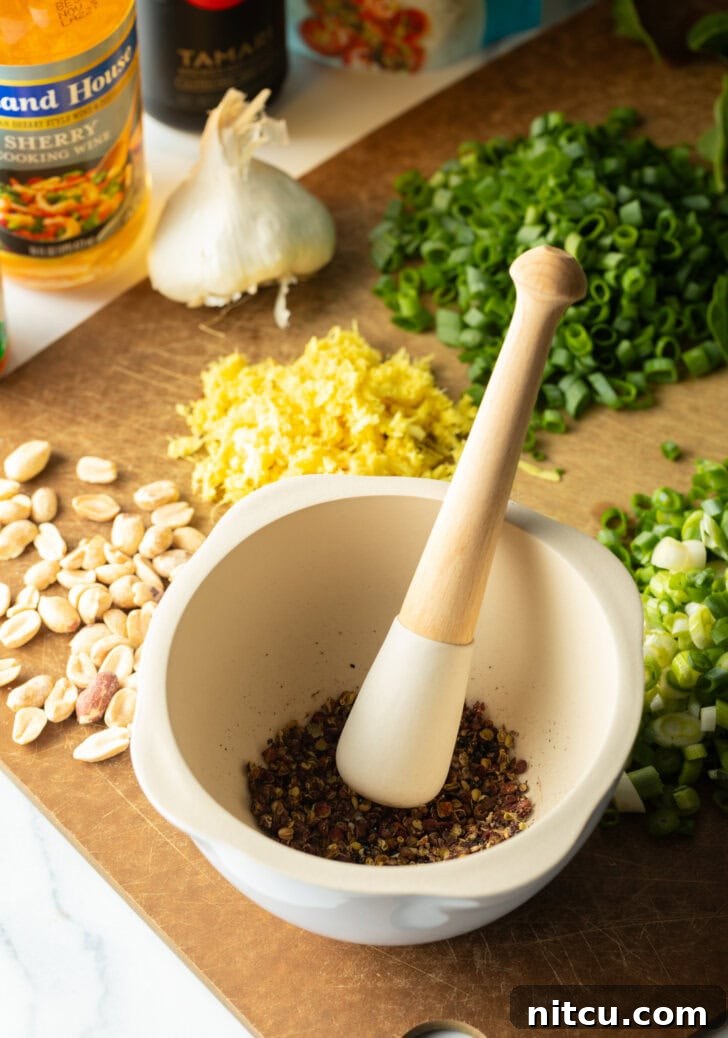
- Pre-Prep is Key: Efficient cooking starts with organized preparation. First, drain your konjac noodles in a colander and give them a thorough rinse under cold water. This helps to neutralize their natural odor. Set them aside to drain completely. Next, finely chop your scallions, separating the white parts (for cooking) from the green parts (for garnish). Grate the fresh ginger and mince the garlic. For the Szechuan peppercorns, achieve the best flavor by freshly crushing them with a mortar and pestle. If you don’t have one, a freezer bag and a rolling pin work just as well. Finally, roughly chop the roasted peanuts for your finishing touch.
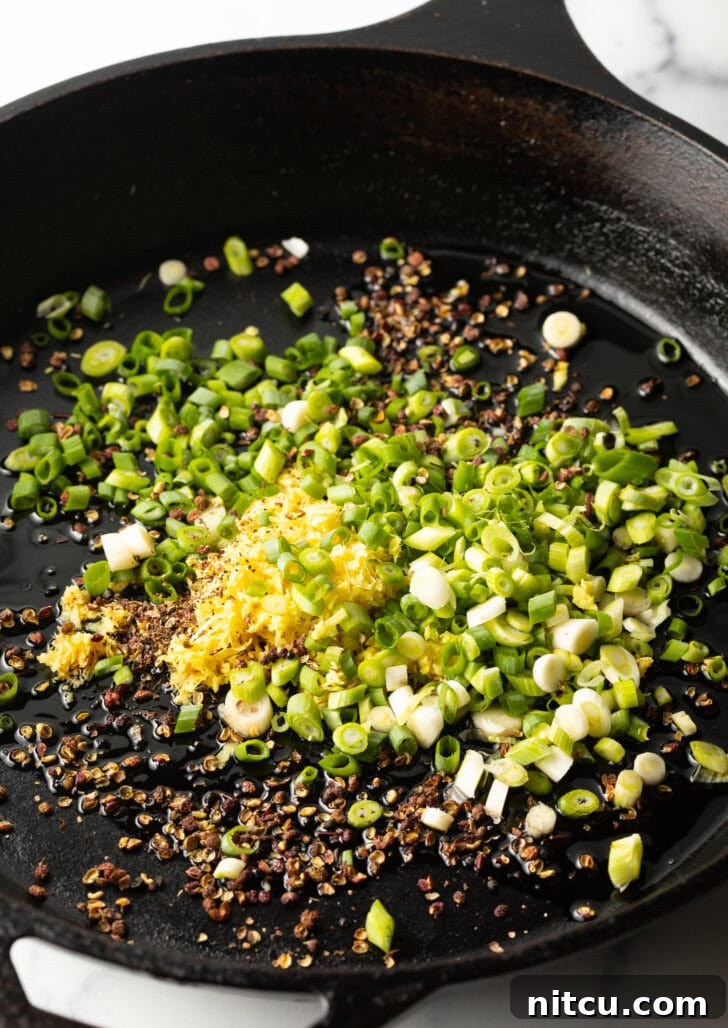
- Build the Flavor Base: Place your wok or pan over medium-high heat. Add the sesame oil, allowing it to shimmer slightly. Introduce the scallion whites, grated ginger, minced garlic, and freshly crushed Szechuan peppercorns. Sauté this aromatic mixture for 2 to 3 minutes, stirring constantly, until the onions soften and a fragrant aroma fills your kitchen. Be careful not to burn the garlic.
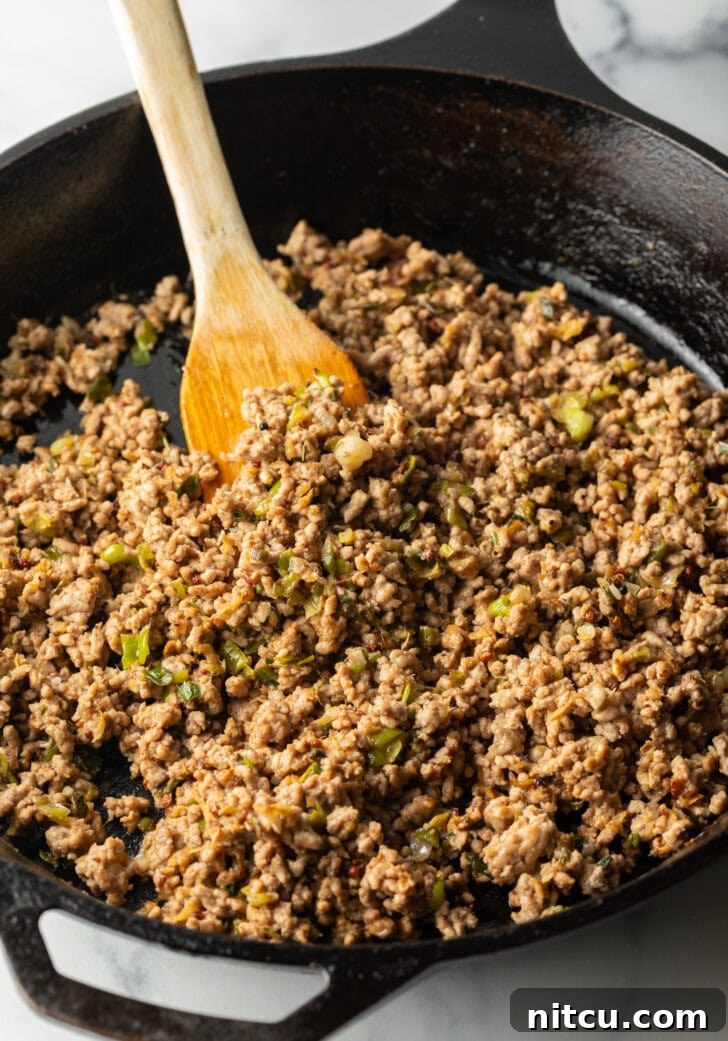
- Brown the Ground Pork: Add the ground pork to the pan with the aromatics. Using a wooden spoon or spatula, break the pork into fine, crumbly pieces as it cooks. Stir frequently and brown the meat thoroughly for about 5 to 8 minutes, ensuring no pink remains. A well-browned pork base is crucial for developing deep, rich flavors. Drain any excess fat if necessary.
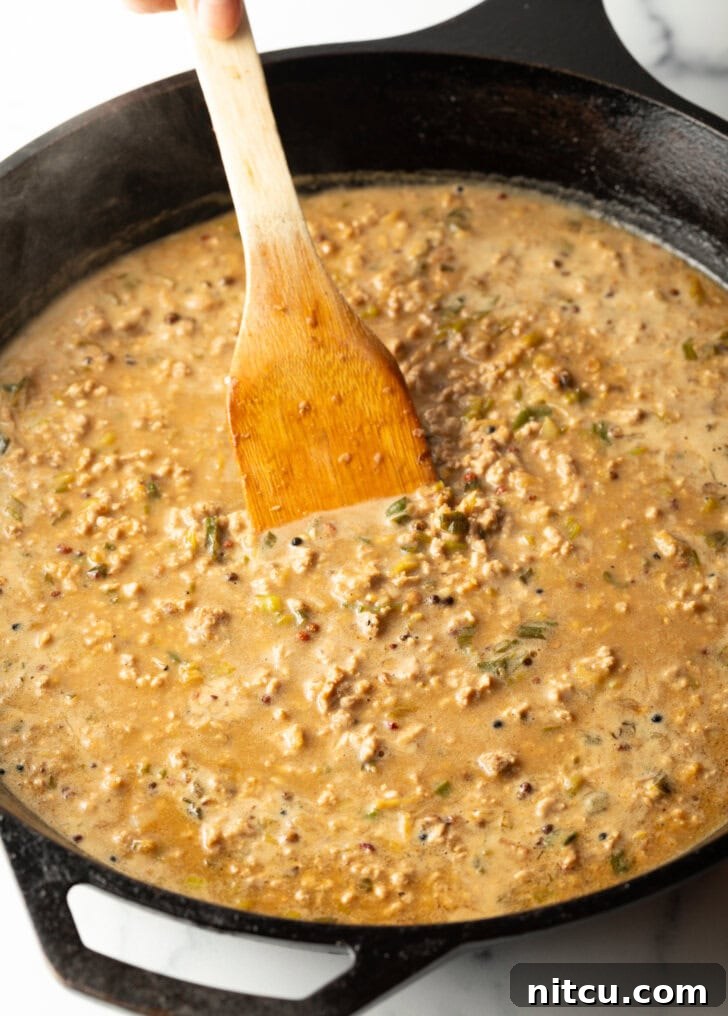
- Craft the Signature Sauce: Once the ground pork is beautifully cooked and finely minced, it’s time to build the signature Dan Dan sauce. Stir in the cooking sherry, soy sauce, creamy peanut butter, light brown sugar, and ground Chinese five spice. Mix these ingredients thoroughly into the pork, ensuring everything is well combined and fragrant. The peanut butter will create a luscious texture as it melts into the meat.
- Simmer to Perfection: Pour in the chicken broth, stirring well to incorporate all the delicious flavors. Bring the sauce to a gentle simmer and let it cook for 2 to 3 minutes. This allows the spices and liquids to meld, creating a rich and complex broth that will coat every strand of noodle.
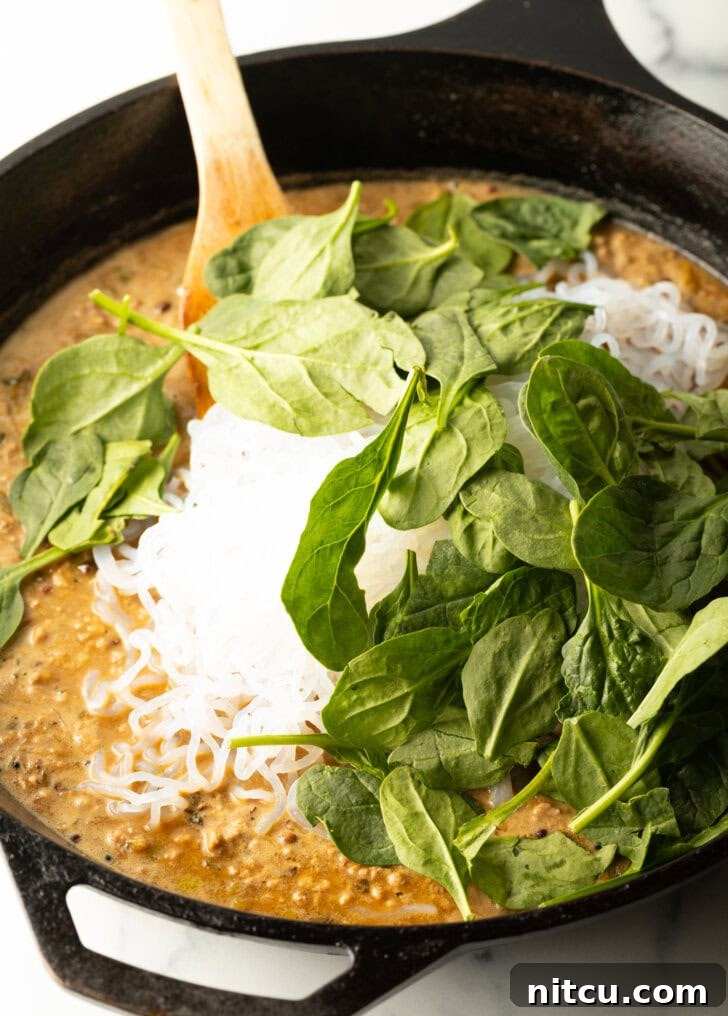
- Add Noodles and Greens: Reduce the heat or turn it off. Carefully add the drained konjac noodles and the fresh baby spinach leaves to the pan. Gently stir everything together until the noodles are thoroughly coated in the sauce and the spinach has just wilted. Konjac noodles don’t require extensive cooking, just warming through.
- Final Stir and Serve: Give the entire dish one final, gentle stir to ensure all ingredients are evenly distributed and warmed through. Your low-carb Sichuan Dan Dan Noodles are now ready to be enjoyed!
- Classic Dumplings or Paleo Potstickers: The savory fillings and tender wrappers offer a wonderful contrast to the spicy noodles.
- Light Soups: A delicate Egg Drop Soup or a zesty Wor Wonton Soup can provide a refreshing balance to the rich noodle dish.
- Fresh Greens: For a lighter, healthier side, a simple plate of stir-fried Super Greens (like our Panda Express copycat recipe) adds essential vitamins and a crisp texture.
- Noodle Alternatives: If a low-carb diet isn’t your primary concern, or if you simply prefer a more traditional texture, you can easily substitute konjac noodles with wheat-based egg noodles or even rice noodles. Ensure to cook these according to their package instructions before adding them to the prepared meat sauce, as their cooking times will differ significantly from konjac noodles.
- Meat Swaps: Ground pork provides a rich, classic flavor, but you can lighten the dish or adjust for dietary preferences by using other ground meats. Ground turkey or ground chicken are excellent lean alternatives that will still absorb the robust flavors of the sauce beautifully. For a richer, more umami depth, consider a blend of ground pork and beef.
- Vegetarian or Vegan Adaptation: This recipe can be made entirely plant-based. Omit the ground pork and instead use your favorite plant-based ground meat alternative (like textured vegetable protein, crumbled tofu, or a commercial plant-based ground). Be sure to also swap chicken broth for a high-quality vegetable broth to maintain the vegetarian integrity of the dish.
- Soy Sauce Alternatives: For those avoiding soy or seeking a slightly different flavor profile, coconut aminos can be used as a substitute for soy sauce. Keep in mind that coconut aminos are naturally sweeter than soy sauce, so you might want to adjust the amount of brown sugar accordingly, or add a pinch more salt to balance the flavors.
- Alcohol-Free Option: The cooking sherry adds a lovely tang, but if you prefer to make the recipe non-alcoholic, simply replace it with an equal amount of rice vinegar or apple cider vinegar. These alternatives will still provide the necessary acidity to brighten the sauce.
- Adjusting the Spice Level: The signature “ma la” of Sichuan Dan Dan noodles comes from the generous use of Sichuan peppercorns. If you prefer a milder dish, you can reduce the amount of peppercorns or even omit them entirely for a completely non-spicy version. For an extra kick, consider adding a dash of chili oil or dried red chili flakes alongside the peppercorns.
- Chicken Broccoli Quinoa
- Lemon Ricotta Pasta
- One-Pot Sloppy Joe Noodle Skillet
- Easy Instant Pot Bang Bang Shrimp Pasta
- Sheet Pan Mongolian Beef
- 14-16 ounce konjac noodles shirataki noodles, miracle noodles
- 16 ounces ground pork or ground turkey
- 2 tablespoons sesame oil
- 2 tablespoons fresh grated ginger
- 4 cloves garlic minced
- 1 tablespoon Szechuan peppercorns
- 5 tablespoons cooking sherry
- 3 tablespoons soy sauce GF
- 2 tablespoons peanut butter
- 1 tablespoon light brown sugar
- 1 teaspoons ground Chinese five spice
- 1 2/3 cup chicken broth
- 1 cup baby spinach leaves packed
- 1 bunch scallions whites and greens divided
- ½ cup roast peanuts
-
Set out a wok or a large cast-iron sauté pan.
-
Prepare the ingredients: Drain the konjac noodles in a colander and set aside. Chop the green onions and then divide them into two piles, whites and greens. Grate the fresh ginger and mince the garlic. Use a mortar and pestle to crush the Szechuan peppercorns. Or alternatively, place them in a freezer bag and pound them with a rolling pin. Roughly chopped the peanuts.
-
Preheat the pan to medium-high heat. Add the sesame oil. Once hot, add in the onion whites, ginger, garlic, and Szechuan peppercorns. Sauté for 2 to 3 minutes to soften the onions. Then add the ground pork. Break it apart with a wooden spoon as you cook and brown the meat for 5-8 minutes.
-
Once the meat is finely minced into small pieces and well cooked, add in the cooking sherry, soy sauce, peanut butter, brown sugar, and Chinese five spice. Mix well into the pork. Then add the chicken broth.
-
Stir and simmer the sauce for 2 to 3 minutes. Then stir in the drained konjack noodles and spinach. Turn off the heat. Then stir again to warm the noodles.
-
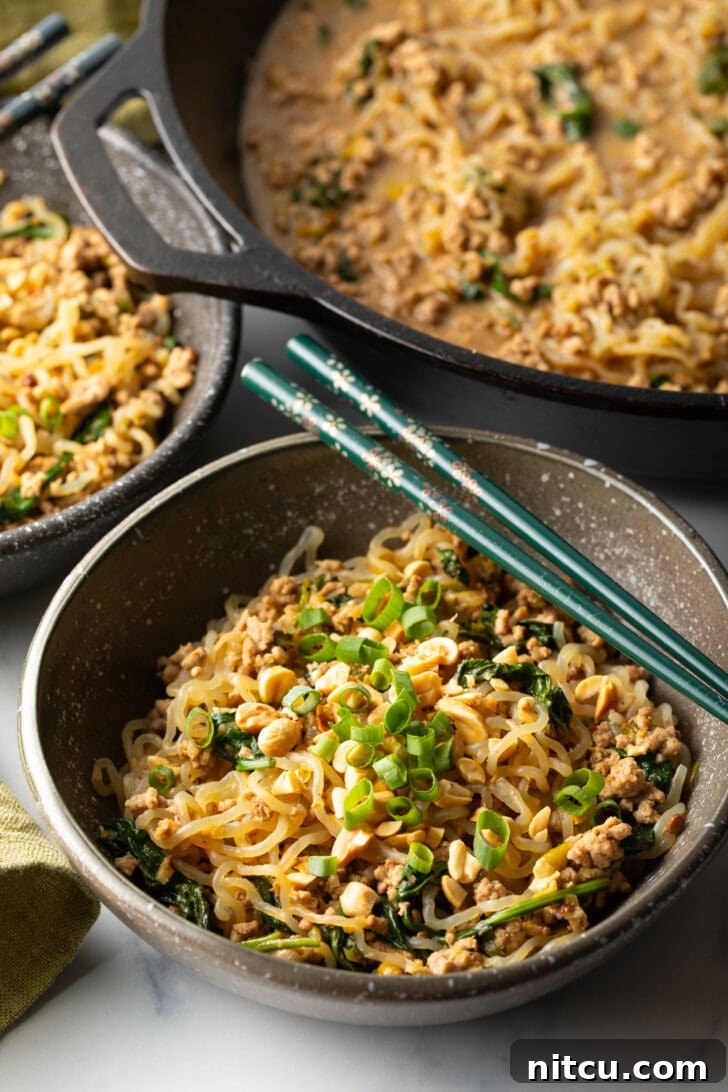
Scoop the noodles and sauce into bowls and garnish with the scallion greens and roasted peanuts.
Elevate Your Meal: Serving Suggestions for Dan Dan Noodles
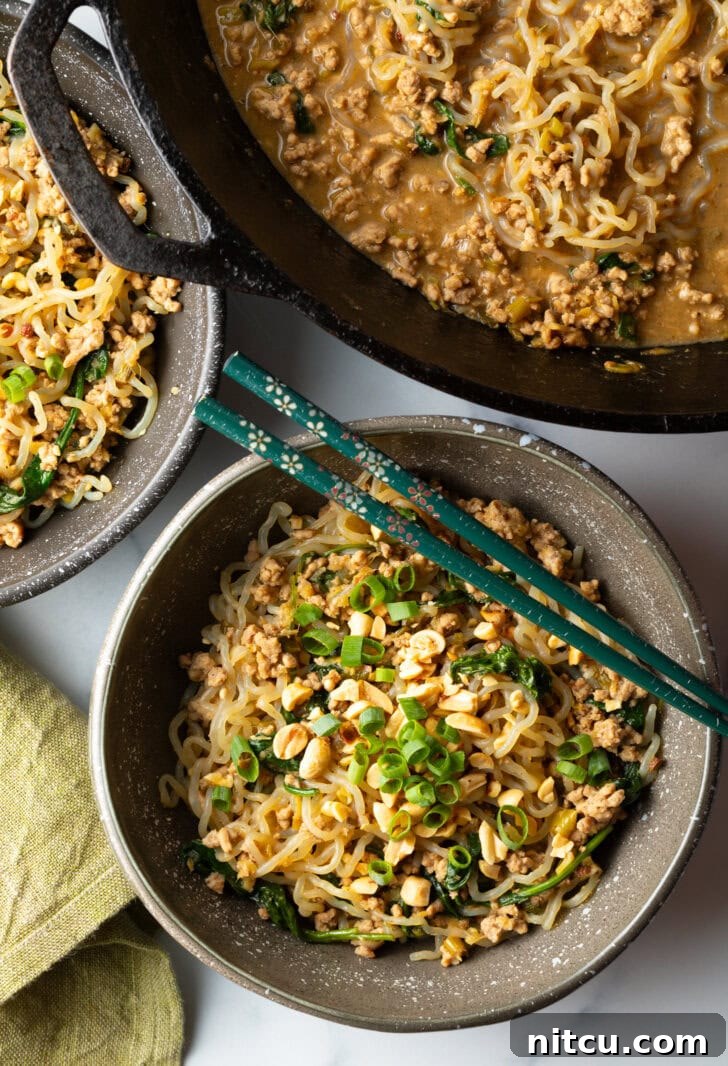
Once your low-carb Sichuan Dan Dan Noodles are perfectly prepared, it’s time for the final touch. Scoop generous portions of the flavorful noodles and rich sauce into individual serving bowls. For an authentic presentation and a burst of fresh flavor and crunch, liberally garnish each bowl with the reserved chopped scallion greens and a sprinkle of roasted peanuts. The vibrant green against the rich sauce makes for an appealing presentation, while the peanuts add essential texture.
These **Szechuan noodle bowls** are incredibly satisfying and hearty enough to stand alone as a complete meal. The combination of protein, vegetables, and flavorful noodles ensures you’ll feel full and content. However, if you’re hosting a larger dinner or simply desire an even more substantial feast, consider pairing them with complementary sides.
For those not adhering to a low-carb diet, traditional steamed white rice is a classic accompaniment, perfect for soaking up every last drop of the spicy sauce. If you’re committed to a low-carb lifestyle, **Cauliflower Rice** makes an excellent alternative, offering a similar texture and a neutral canvas for the bold noodle flavors.
Dan Dan noodles also shine when served as part of a larger Chinese-inspired spread. Consider pairing them with other delicious dishes such as:
No matter how you choose to serve them, these low-carb Dan Dan noodles are sure to impress with their depth of flavor and satisfying heat.
Customizing Your Dan Dan Noodles: Delicious Variations
While our low-carb Sichuan Dan Dan Noodles recipe is a triumph in itself, it’s also wonderfully adaptable. Don’t hesitate to experiment with these variations to tailor the dish to your personal preferences or dietary needs:
Frequently Asked Questions About Low-Carb Dan Dan Noodles
Here are some common questions about this unique and flavorful dish:
Konjac noodles, famously known as shirataki noodles or “miracle noodles,” are a revolutionary **gluten-free and low-carb** alternative to traditional pasta. They are primarily made from glucomannan fiber, which is extracted from the root of the konjac plant (also called konnyaku yam). This fiber is highly absorbent and has virtually no digestible carbohydrates, making these noodles an excellent choice for keto, low-carb, and gluten-free diets. Their unique composition allows them to closely mimic the texture of conventional rice or wheat noodles without the caloric or carb load.
Our low-carb Dan Dan noodles offer an incredibly dynamic and satisfying flavor profile. The konjac noodles themselves are very mild, acting as a perfect canvas, but they boast a wonderfully tender yet chewy texture, often described as “toothsome.” The ground pork and rich broth combine to deliver a complex experience: initially spicy with the invigorating tingle of Szechuan peppercorns, it quickly deepens into a savory, nutty, and subtly sweet harmony. The creamy peanut butter mellows the intense heat, while the soy sauce provides umami, and a hint of cooking sherry (or vinegar) adds a delightful tang. The light brown sugar introduces just enough sweetness to balance the bold spices, creating a truly balanced and addictive taste.
Dan Dan noodles stand apart from many other noodle dishes due to several key characteristics. Firstly, it’s the signature “ma la” sensation from the generous use of Sichuan peppercorns, which creates a unique numbing and tingling heat that is both addictive and distinctive. Secondly, the dish features a rich, almost soup-like meaty broth that is intensely flavorful and coats every noodle. This combination of an explosive spice profile, a hearty, savory base, and the satisfying texture of the noodles truly makes Dan Dan noodles a unique and beloved culinary delight in Chinese cuisine.
Leftover Dan Dan noodles are delicious and can be stored for enjoyment later. Ensure the noodles cool completely to room temperature before transferring them to an airtight container. They will keep well in the refrigerator for up to 3 days. However, it’s worth noting that due to their unique composition, konjac noodles may absorb more liquid and become slightly softer or “mushy” in texture after the first day. For the best texture, we recommend consuming them freshly made, but they are still perfectly enjoyable as leftovers.
Looking for More Easy One-Pot Recipes? Be Sure to Also Try:

Print Recipe
Leave a Review »
Dan Dan Noodles Recipe (Low Carb)
20 minutes
15 minutes
35 minutes
4 – 6 servings
Ingredients
Instructions
Notes
Cool leftover noodles completely before transferring to an airtight container. Keep in the fridge for up to 3 days. But note that the texture of the konjac noodles will start to get a bit mushy after a day or so.
Nutrition
Main, Main Course
Asian, Chinese
Sommer Collier