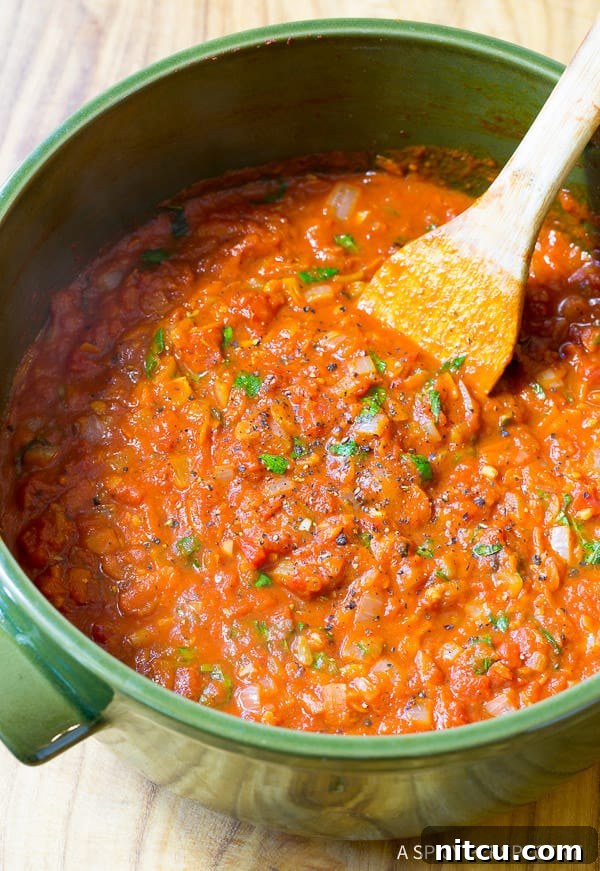
Experience the unparalleled taste of the best homemade Marinara Sauce! This comprehensive guide walks you through every step to craft a fresh, flavorful, and richly savory tomato sauce from scratch. Forget store-bought jars; our easy-to-follow recipe ensures a vibrant, robust marinara that’s perfect for elevating any pasta dish or serving as a zesty dipping sauce for your favorite appetizers. Dive into the art of authentic Italian cooking with simple pantry staples and unlock a world of exquisite flavor.
Why You’ll Fall in Love with This Classic Marinara Sauce Recipe
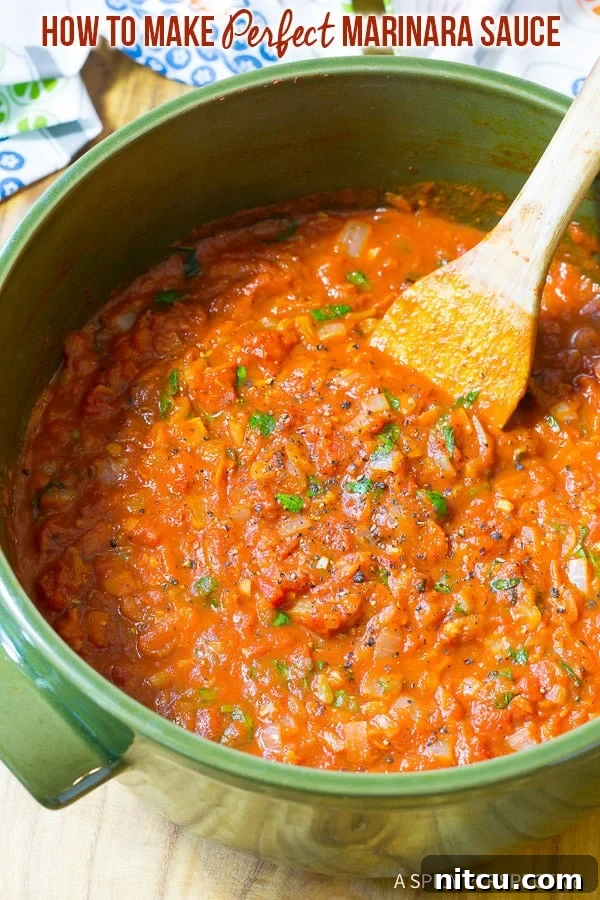
There’s something truly magical about a well-made Marinara Sauce. It’s more than just a topping; it’s the soul of countless Italian meals. This classic recipe delivers a robust, tangy, and perfectly balanced sauce that is never overly sweet. Its vibrant, fresh character shines through, tasting of sun-ripened tomatoes and aromatic herbs. It’s incredibly versatile, whether you’re tossing it with your favorite pasta, layering it in a lasagna, or simply using it as a sophisticated dipping sauce for crusty bread or crispy appetizers. In essence, homemade marinara transforms any dish it touches into something truly special and inviting.
While convenience sometimes calls for grabbing a jar of pre-made marinara from the grocery store – and we all have those busy moments – nothing truly compares to the deep, nuanced flavor of a sauce crafted in your own kitchen. This recipe isn’t just about making sauce; it’s about making the best marinara you’ve ever tasted, with minimal fuss and maximum flavor. We’ll share a few essential tips that elevate this simple tomato sauce into a culinary masterpiece. Prepare to be amazed by how easily you can create this absolute best tomato sauce from scratch, using just one pot and a handful of readily available, simple pantry staple ingredients. Get ready to rediscover the true taste of Italian tradition!
Essential Ingredients for the Perfect Marinara
Crafting an exquisite marinara sauce begins with selecting the right ingredients. Each component plays a vital role in building the layered flavors that define this Italian classic. Here’s what you’ll need to gather:
- Onion: A large, sweet onion, peeled and finely chopped, forms the foundational aromatic base, adding depth and a subtle sweetness as it slowly caramelizes.
- Garlic: Generous amounts of finely minced fresh garlic are crucial for that quintessential Italian flavor. It provides a pungent warmth that is indispensable.
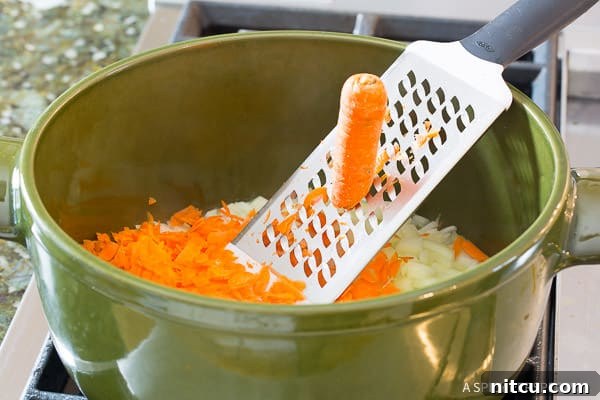
- Carrots: Finely shredded carrots introduce a natural sweetness to the sauce, balancing the acidity of the tomatoes without needing added sugar. They also contribute a subtle earthy undertone and thicken the sauce slightly.
- Dried Thyme: This rustic herb brings a deep, earthy, and slightly peppery flavor profile that complements the tomatoes beautifully. Dried thyme is ideal for simmering, allowing its essence to fully infuse the sauce.
- Butter: While olive oil is traditional, unsalted butter adds a luxurious richness and a silky texture to the sauce. It gently softens the tomato flavor and ensures you have complete control over the seasoning.
- Crushed Tomatoes: Opt for high-quality, fire-roasted canned crushed tomatoes. Fire-roasted varieties impart a smoky depth that is incredibly flavorful and mimics the slow-cooked taste of traditional marinara. Canned tomatoes are often picked and processed at their peak ripeness, ensuring superior flavor, especially outside of peak fresh tomato season.
- Tomato Sauce: A good quality canned tomato sauce, in addition to the crushed tomatoes, adds body and a smooth consistency to the marinara, creating a harmonious blend of textures.
- Fresh Basil: Roughly chopped fresh basil is stirred in at the end, providing a burst of vibrant, aromatic, and distinctly Italian flavor that brightens the entire sauce. Its fresh notes are incomparable.
- Salt and Pepper: Essential for seasoning to taste, enhancing all the other flavors.
Step-by-Step Guide: How to Make Homemade Marinara Sauce
Creating this delicious marinara from scratch is a straightforward process, built on a few key techniques that bring out the best in each ingredient. Follow these steps for a truly exceptional sauce:
- Sauté Aromatics with Patience: Begin by adding the butter to a large, heavy-bottomed sauce pot and place it over medium-low heat. Once the butter has fully melted and is shimmering, add your chopped onions and minced garlic. This is a crucial step where patience truly pays off. Sauté these aromatics for an extended period of 12-14 minutes, stirring occasionally. The goal is to achieve incredibly soft, translucent onions that are almost melting into the butter, without allowing them to brown or scorch, which would introduce bitterness. This slow sauté unlocks their natural sweetness and creates a deep flavor base.
- Soften the Carrots: Next, introduce the shredded carrots and dried thyme to the pot. Continue to sauté for another few minutes, about 3-5 minutes, stirring frequently. This step allows the carrots to soften further, releasing more of their inherent sweetness and allowing the dried thyme’s earthy notes to bloom and integrate with the other aromatics.
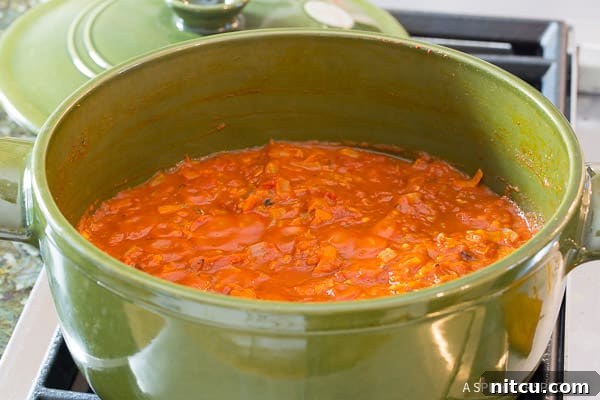
- Simmer and Infuse Flavors: Now, add all the remaining ingredients to the pot, reserving the fresh basil for the very end. This includes the crushed fire-roasted tomatoes and their juices, the tomato sauce, 1 1/2 teaspoons of sea salt, and 1 teaspoon of freshly ground black pepper. Increase the heat to medium and bring the mixture to a gentle simmer. Once simmering, cover the pot, but leave a small crack for venting to allow some steam to escape and prevent the sauce from boiling over. Let the sauce simmer for 30 minutes, stirring occasionally to prevent sticking and ensure even cooking. This simmering period allows the flavors to meld and deepen beautifully.
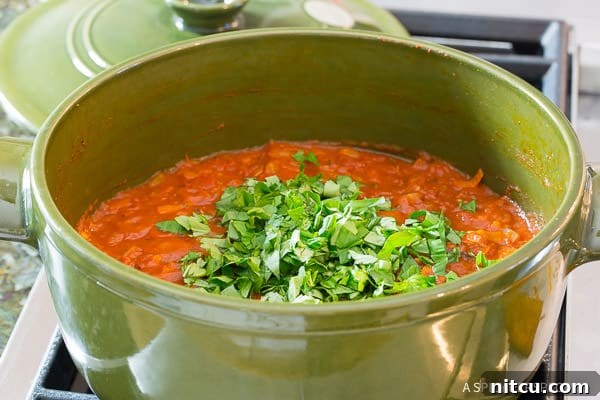
- Finish with Freshness and Season: Finally, stir in the freshly chopped basil. Allow the sauce to simmer for just another 2-3 minutes; this brief cooking time preserves the basil’s vibrant color and fresh aroma. After this, taste the sauce. This is your moment to adjust the seasoning. Add more salt, pepper, or even a tiny pinch of sugar if the tomatoes are particularly acidic, until the flavor perfectly suits your palate. Serve warm and enjoy the fruits of your labor!
Endless Possibilities: Ways to Enjoy Your Homemade Marinara Sauce
Once you’ve mastered this incredible homemade marinara sauce, you’ll find yourself reaching for it constantly. Its rich, herby, and vibrant flavor makes it incredibly versatile, transforming everyday meals into extraordinary culinary experiences. Here are just a few of the many delicious ways you can use your freshly made tomato sauce:
Elevate Your Pasta Dishes
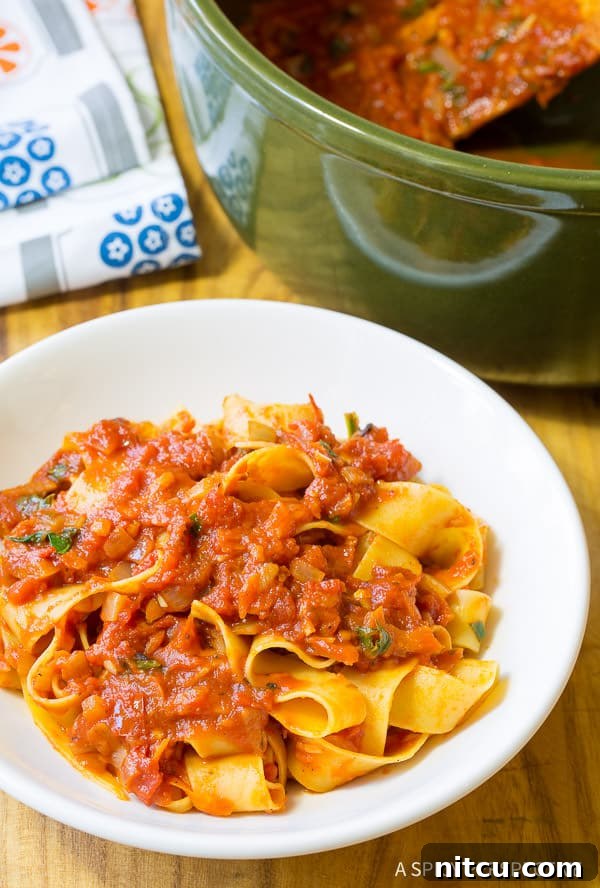
This rich tomato spaghetti sauce is the perfect companion for almost any type of noodle, from delicate angel hair to hearty pappardelle. It’s the foundation for making all your favorite classic Italian-style recipes, including:
- Homemade Sausage Lasagna: Layer it with rich ricotta, savory sausage, and tender pasta for the ultimate comfort food.
- Veal Parmesan: A beautiful pairing for tender, breaded veal cutlets, baked to perfection with cheese.
- Dump and Bake Meatball Casserole: An effortless way to create a hearty, family-friendly meal.
- Margherita Baked Polenta: A rustic and flavorful dish, perfect with a dollop of this fresh sauce.
- Crockpot Ravioli Lasagna Casserole: Easy slow-cooker magic for a busy weeknight.
- Lobster Fra Diavolo: The zesty kick of marinara perfectly complements sweet lobster.
- Italian Sausage Meatballs: Serve these tender, flavorful meatballs swimming in your homemade sauce.
- No Boil Chicken Parmesan Pasta: Simplify a classic with this clever shortcut, enhanced by your fresh marinara.
Fantastic Dipping Sauce and Beyond
Beyond pasta, this marinara is a fabulous sauce for dipping all kinds of appetizers and snacks. Serve a small ramekin of warm marinara alongside these yummy savory goodies for an instant crowd-pleaser:
- Air Fryer Mozzarella Sticks: The ultimate pairing for gooey, crispy cheese.
- Homemade Stromboli: A savory spiral of dough, meat, and cheese, begging for a side of marinara.
- Air Fryer Toasted Ravioli: Crispy, cheesy pockets perfect for dunking.
- Air Fryer Breaded Mushrooms: Earthy and crispy, made even better with a dip in fresh marinara.
- 1-Hour Garlic Knots: Soft, garlicky bread knots are simply irresistible with this tangy sauce.
Don’t limit yourself! This marinara can also be used as a base for pizza sauce, a flavorful addition to soups and stews, or even as a poaching liquid for eggs. Its versatility knows no bounds!
Mastering Marinara: Essential Recipe Tips
While making marinara seems simple, a few expert tips can elevate your sauce from good to truly exceptional. These techniques focus on maximizing flavor and achieving that perfect balance that defines a great Italian tomato sauce:
- The Art of Sautéing Onions: Give Your Onions Some Alone Time. Many quick-fix marinara recipes suggest sautéing onions for only 3-5 minutes. However, for a truly remarkable marinara, you want those onions to be incredibly soft and sweet, almost dissolving into the sauce. Extend their cooking time to at least 12-14 minutes over low heat. This slow, gentle caramelization process develops a profound sweetness and silken texture that profoundly impacts the sauce’s final depth of flavor. Just be vigilant: keep the heat low to prevent them from browning, which would introduce an undesirable bitter note.
- Butter is Better for Richness. While olive oil is a traditional and perfectly acceptable choice for sautéing the initial aromatics, unsalted butter offers a distinct advantage. I find that butter imparts a richer, more luxurious quality to the sauce, gently elevating and softening the overall tomato flavor. It prevents the sauce from becoming too sharp or acidic, creating a rounder, more appealing palate. Since you’re using unsalted butter, you retain full control over the salt content of your final dish.
- Achieving the Right Amount of Sweetness Naturally. In the past, adding a pinch of sugar to marinara was common practice to counteract acidic tomatoes. While not inherently bad, using finely shredded carrots offers a superior approach. Carrots naturally sweeten the sauce while simultaneously adding an additional layer of earthy flavor and a subtle thickening quality. Begin with the suggested amount of carrots for sweetness. Only consider adding a tiny touch of sugar at the very end if, after tasting, the tomatoes prove to be exceptionally acidic. This method ensures a more complex and natural sweetness.
- Embrace the Can: Yes, You Can Use Canned Tomatoes. It might surprise some, but I firmly believe that high-quality canned fire-roasted tomatoes yield a superior marinara to fresh tomatoes in many cases. Here’s why: Firstly, canned tomatoes are harvested and processed at the absolute peak of freshness and ripeness. If you’re making marinara outside of summer, grocery store fresh tomatoes simply won’t offer the same intense flavor or natural sweetness. Secondly, tomatoes develop a much deeper, richer flavor once stewed and concentrated. The concentrated, tangy, and slightly smoky flavor of fire-roasted canned tomatoes forms the ideal base for a truly excellent marinara. Achieving this depth with fresh tomatoes would require hours of simmering, which canned options conveniently bypass.
- Simplicity is Key: Less is More. Resist the urge to overload your pot with a multitude of vegetables and herbs, hoping to create depth. Instead, focus on a few well-selected, high-quality ingredients. The magic of marinara lies in allowing excellent tomatoes, a good fat for richness (like butter), and a handful of specific, impactful ingredients (like onion, garlic, thyme, and basil) to shine. This focused approach ensures the sauce tastes incredibly fresh, pure, and vibrant, rather than heavy or muddled. Let the quality of your core ingredients speak for themselves.
By keeping these simple yet powerful tips in mind, you can effortlessly create a bold, zesty, and undeniably delicious homemade marinara sauce in less than an hour. A sauce so good, it will undoubtedly put any store-bought alternative to shame, earning you rave reviews from family and friends!
Frequently Asked Questions About Homemade Marinara Sauce
For the best possible flavor, I recommend using both! Incorporate a rustic dried herb, like thyme, at the beginning of the cooking process. This allows its deep, earthy notes ample time to mix and mingle, infusing throughout the sauce as it simmers. Then, towards the end, stir in a bold, fresh herb, such as basil. This fresh addition brightens the sauce, adding a vibrant, garden-fresh appeal that complements the slow-cooked flavors beautifully. It’s a fantastic way to achieve a complex, well-rounded herbal profile.
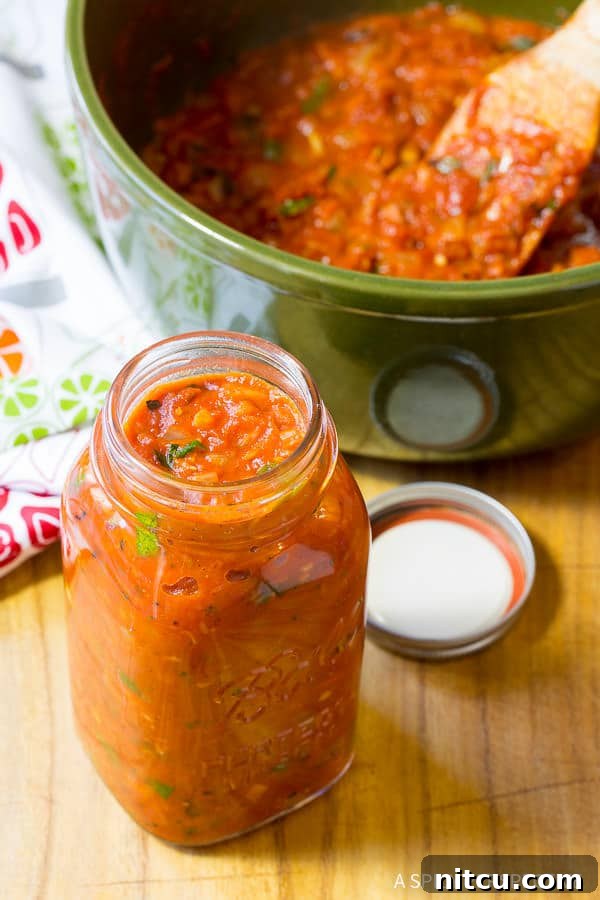
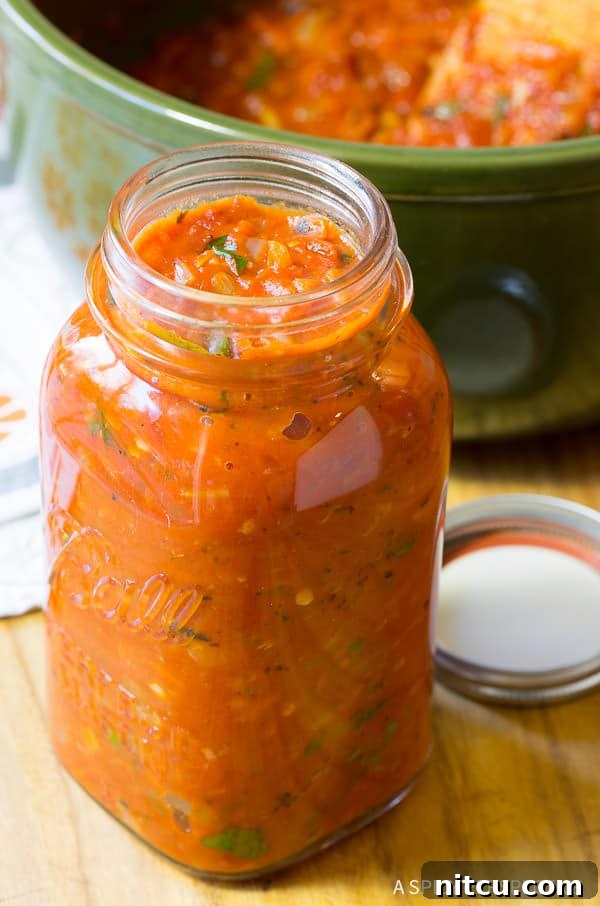
Absolutely, and it’s highly recommended! While freshly made marinara is undeniably fabulous straight off the stove, it actually tastes even better the next day. The flavors have more time to fully develop and meld together, resulting in a richer, more harmonious sauce. Whenever possible, consider making your marinara a day in advance. For ultimate convenience, make a double or even triple batch to freeze or can for future meals. This way, you’ll always have delicious homemade marinara ready to go!
Once your homemade marinara sauce has completely cooled, transfer it to an airtight container. Stored properly in the refrigerator, it will maintain its freshness and flavor for up to 3-4 days. This makes it a perfect component for meal prepping throughout the week.
Yes, marinara sauce freezes exceptionally well! Once the sauce has cooled completely, transfer it into an airtight, freezer-safe container. For an extra layer of protection against freezer burn, you can wrap the container in a layer of aluminum foil. Freeze for up to 3 months. When you’re ready to use it, simply thaw the frozen sauce in the refrigerator overnight, then gently reheat it on the stovetop until warmed through.
A large, heavy-bottomed pot or Dutch oven is ideal for making marinara sauce. The heavy bottom helps distribute heat evenly, preventing the sauce from scorching and ensuring a consistent simmer. Its size provides ample room for all the ingredients to cook comfortably and allows for easier stirring, especially during the long sautéing process of the onions. An enameled cast iron Dutch oven is an excellent choice for its heat retention and non-reactive surface.
Looking for More Delicious Scratch-Made Staple Recipes?
If you loved creating this homemade marinara, you’ll surely enjoy making more staple recipes from scratch. Elevate your culinary repertoire with these other fantastic homemade sauces:
- Homemade Cocktail Sauce: Perfect for seafood lovers.
- Creamy Pesto Sauce: A vibrant, herbaceous delight.
- How to Make Tzatziki Sauce: Refreshing and versatile.
- Garlic Butter Sauce: A simple, rich, and utterly irresistible sauce.
- Cheese Sauce for Broccoli: Makes any vegetable more exciting.
- Poblano Sauce: A creamy, spicy kick for your Mexican-inspired dishes.
Ready to unleash your inner chef? Get the complete, printable Homemade Marinara Sauce Recipe below and embark on a journey of delicious discovery. Enjoy every savory spoonful!
Print Recipe
★
★
★
★
Leave a Review »
How to Make Marinara Sauce
Ingredients
- 1 large onion, peeled and chopped (about 2 1/4 cups)
- 5-6 cloves garlic, minced
- 1 cup shredded carrots
- 1 1/2 teaspoons dried thyme
- 1/2 cup unsalted butter
- 56 ounces crushed “fire roasted” tomatoes
- 14 ounces tomato sauce
- 1/2 cup fresh chopped basil
- Salt and pepper, to taste
Instructions
-
Place a large, heavy-bottomed sauce pot over medium-low heat. Add the unsalted butter and allow it to melt completely. Once melted, add the chopped onions and minced garlic. Sauté for 12-14 minutes, stirring occasionally, until the onions are very soft, translucent, and slightly sweet, but not browned. This slow cooking is key to developing a rich flavor base.
-
Add the shredded carrots and dried thyme to the pot. Continue to sauté for another 5 minutes, stirring frequently, until the carrots have softened.
-
Pour in the crushed fire-roasted tomatoes and their juices, along with the tomato sauce. Season with 1 1/2 teaspoons sea salt and 1 teaspoon ground black pepper. Increase the heat to medium and bring the mixture to a gentle simmer. Once simmering, cover the pot, leaving a small crack for venting. Allow the sauce to simmer for 30 minutes, stirring occasionally to prevent sticking and ensure even cooking.
-
Remove the lid and stir in the fresh chopped basil. Simmer for an additional 2-3 minutes to allow the basil to infuse its fresh aroma. Taste the sauce and adjust seasoning with more salt or pepper as needed to achieve your desired flavor. Serve warm.
Notes
To Freeze: Transfer cooled tomato sauce to an airtight, freezer-safe container. For added protection, wrap the container in a layer of aluminum foil. Freeze for up to 3 months. Thaw overnight in the refrigerator before reheating on the stovetop.
Nutrition Information (per serving)
Carbohydrates: 10g,
Protein: 2g,
Fat: 6g,
Saturated Fat: 4g,
Cholesterol: 15mg,
Sodium: 268mg,
Potassium: 414mg,
Fiber: 3g,
Sugar: 6g,
Vitamin A: 1880IU,
Vitamin C: 12.3mg,
Calcium: 48mg,
Iron: 1.7mg
Cook It? Love It? Rate It!
Your feedback helps this recipe climb the ranks on Google! If you enjoyed making this, please consider leaving a 5-star rating so other hungry people can easily find and savor this incredible homemade marinara. Thank you for your support!