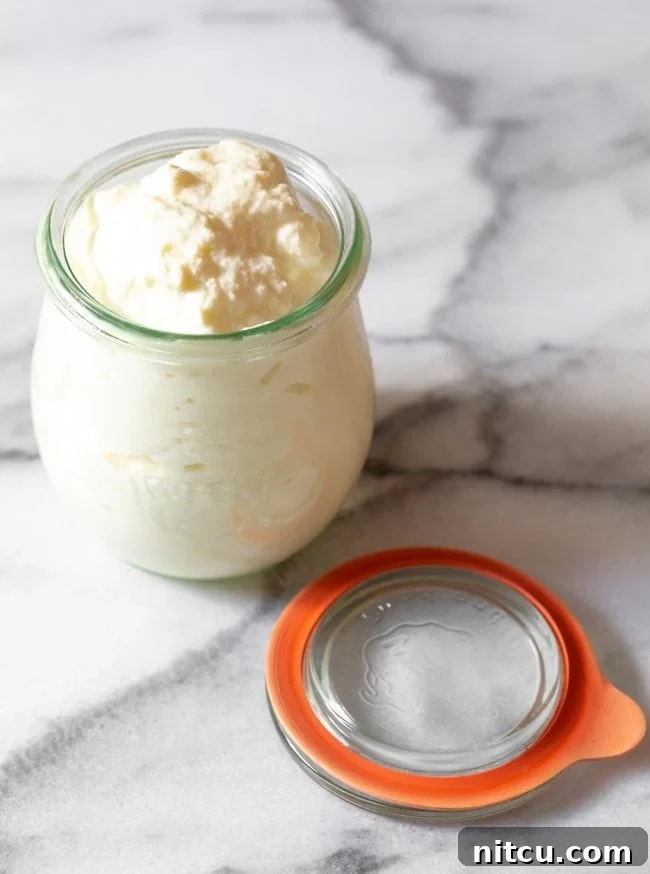
Unlock the secret to crafting exquisite ricotta cheese effortlessly in your own kitchen! With just four wholesome ingredients, you can create a truly indulgent, homemade ricotta cheese that boasts a superior richness and creamy texture. It’s an essential ingredient for countless culinary creations and a delightful spread for quick, satisfying snacks.

Sommer’s Culinary Insights: Why Homemade Ricotta is a Game Changer
While many home cooks might shy away from making their own cheese, I’m here to tell you: you’re not just any cook. You possess an adventurous spirit, a daring curiosity, and a keen appreciation for the finer aspects of flavor. You’re about to discover a simple secret to cheesemaking that elevates your culinary repertoire and puts store-bought options to shame.
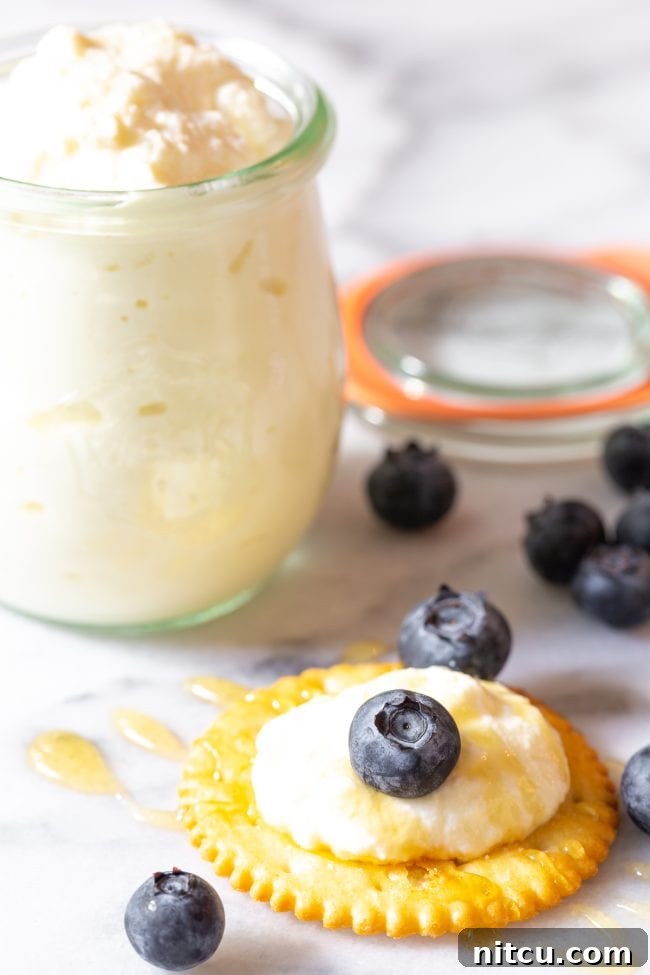
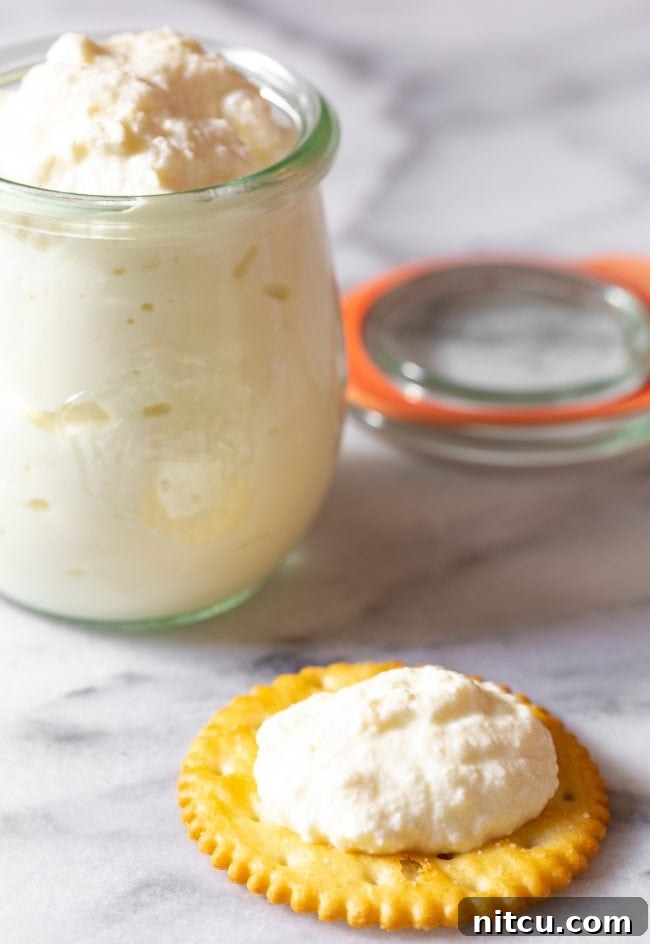
Summertime often inspires us to create dazzling dairy treats, from refreshing homemade ice cream to vibrant pudding pops. However, there’s another homemade delight I cherish just as much, especially when paired with fresh summer berries: my signature Homemade Ricotta Cheese! This recipe yields a ricotta that is exquisitely silky, beautifully spreadable, and utterly irresistible. Serve it simply on crackers or artisan bread, or transform it into a creamy dip for crisp vegetables.
Why You’ll Absolutely Love This Easy Homemade Ricotta Cheese Recipe
- Remarkably Simple Process: Forget complex cheesemaking equipment or specialized techniques. This recipe requires just 4 basic ingredients you likely already have and a straightforward, step-by-step guide. No fancy gadgets needed!
- Unparalleled Freshness and Flavor: Prepare for a ricotta experience unlike any other. The creamy, silky texture and vibrant, fresh taste are far superior to anything you’ll find pre-packaged at the grocery store. It’s a revelation!
- Incredibly Versatile for Any Meal: The culinary applications for this homemade ricotta are truly boundless. Use it as a luxurious dip, a creamy spread, swirl it into decadent desserts, or tuck it into comforting pasta dishes. Your creativity is the only limit!
With minimal effort and our comprehensive guide, you’ll master the art of making the most amazingly decadent ricotta cheese. It’s a taste and texture sensation that will leave commercial varieties far behind.
Essential Ingredients for Your Homemade Ricotta
Crafting exceptional ricotta begins with high-quality ingredients. Here’s what you’ll need and why each component is crucial for that perfect creamy texture and rich flavor:
- Heavy Cream: This is the secret to an ultra-creamy, incredibly rich, and intensely flavorful ricotta. Don’t skimp on the fat content here; it makes all the difference in achieving that luxurious mouthfeel.
- Whole Milk: Partnering with the heavy cream, whole milk further enhances the richness and creaminess of your ricotta. While other milk fat percentages can be used, whole milk truly elevates the final product.
- Fresh Lemon Juice: The acidic hero of this recipe! Freshly squeezed lemon juice is essential for curdling the milk and cream, initiating the separation of curds from whey. Its bright, tangy notes also contribute to the ricotta’s signature delicate flavor.
- Sea Salt: A good quality sea salt not only seasons the ricotta but also helps to balance its naturally tangy profile. Start with a smaller amount and adjust to your taste preferences for a perfectly seasoned cheese. A coarse sea salt adds a lovely subtle texture.
Customizing Your Ricotta: Delicious Variations
This basic homemade ricotta recipe is incredibly flexible, allowing for easy substitutions and enhancements to suit your dietary needs or flavor preferences:
- Lighter Ricotta Option: For a slightly lighter version, you can substitute the heavy cream entirely. Simply use 6 cups of whole milk instead of 4 cups milk and 2 cups cream. You could even experiment with low-fat milk, though the texture will be less rich.
- Vinegar as an Acid: If lemon juice isn’t available, or you prefer a different tang, white vinegar can be used as a substitute. Use equal parts white vinegar in place of the lemon juice. The flavor profile will be slightly different, but the curdling process will be just as effective.
- Herb-Infused Ricotta: For a savory spin, consider stirring in finely chopped fresh herbs like chives, basil, or dill after the ricotta has drained and cooled. A touch of black pepper or red pepper flakes can also add a delightful kick.
- Sweet Ricotta Base: For dessert applications, omit the salt (or reduce it significantly) and instead add a touch of vanilla extract, honey, or a sweetener like maple syrup to the finished ricotta.
Essential Tools for Making Ricotta
You don’t need a professional cheese-making kit to create delicious homemade ricotta. Most of the tools you’ll require are likely already in your kitchen:
- Large Stock Pot: Essential for heating the milk and cream. Ensure it’s large enough to accommodate the liquid without boiling over.
- Fine-Mesh Sieve or Colander: Used to hold the cheesecloth and curds, allowing the whey to drain away.
- Cheesecloth: This specialized porous fabric is crucial for separating the solid curds from the liquid whey. You’ll need several layers for effective straining.
- Large Heatproof Bowl: Placed beneath the sieve to collect the draining whey.
- Spoon or Whisk: For stirring the milk mixture and incorporating the lemon juice.
- Measuring Cups and Spoons: For accurate ingredient measurements.
Step-by-Step Guide: How To Make Ricotta Cheese From Scratch
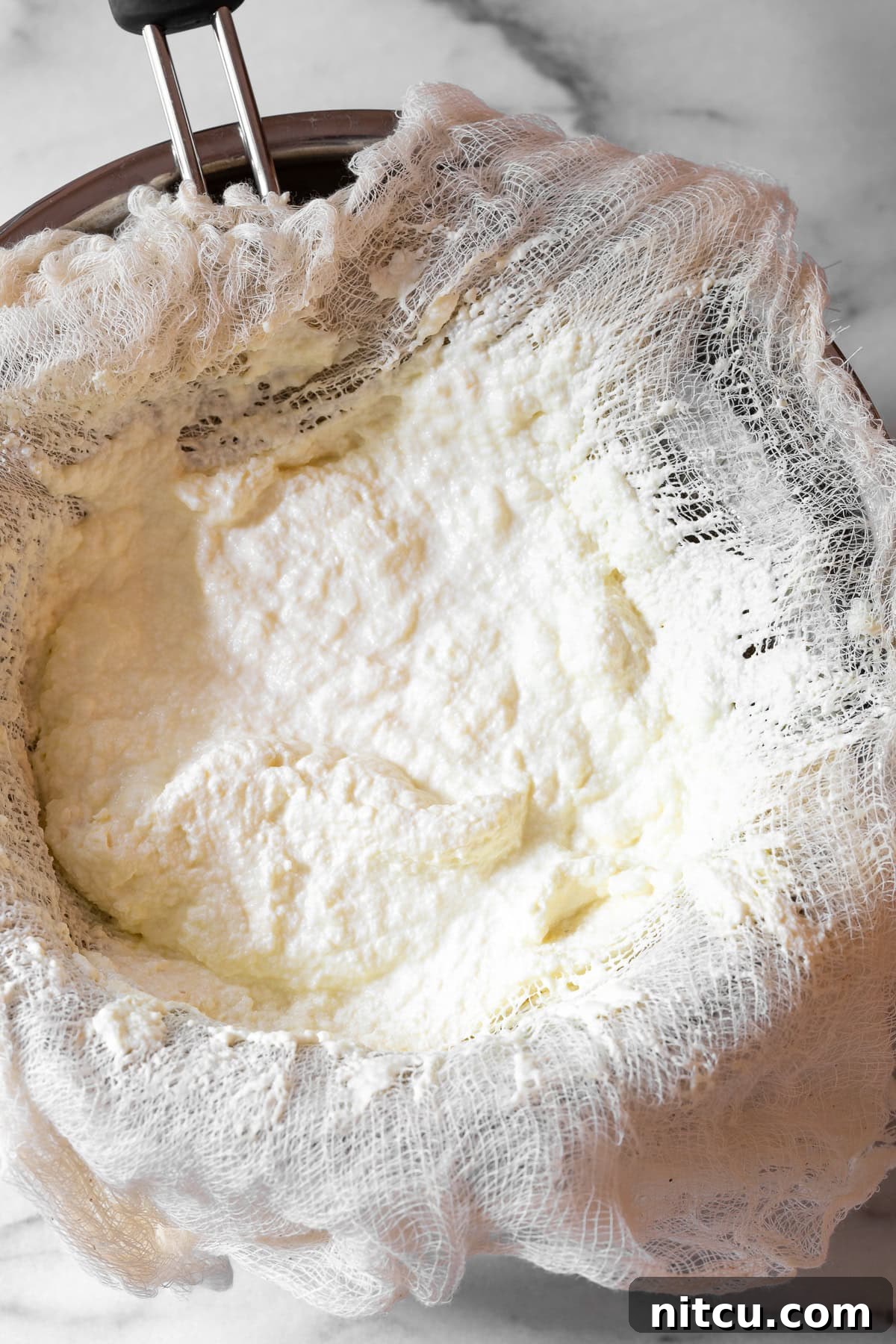
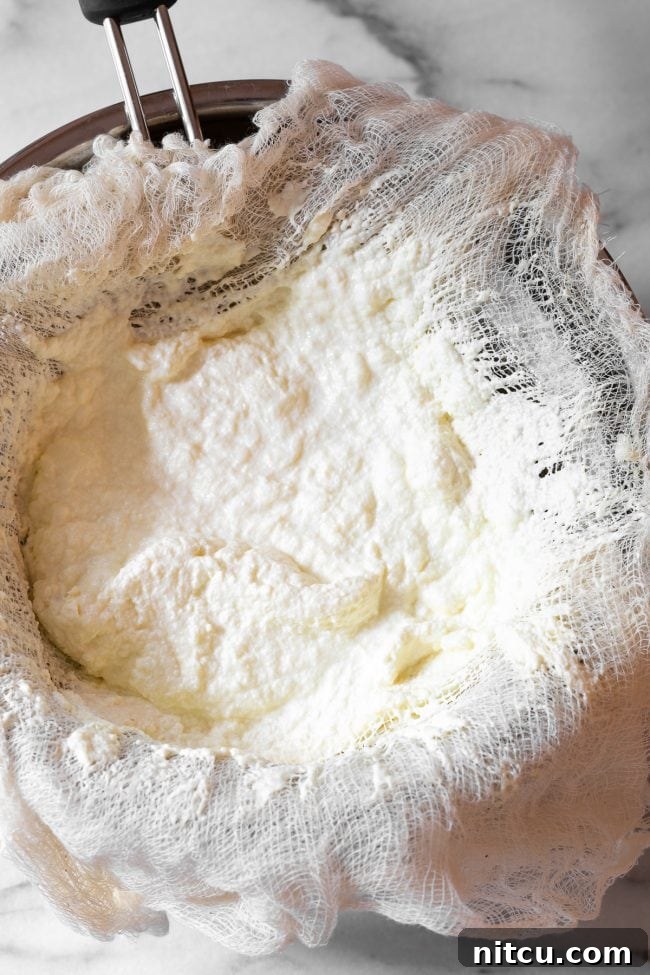
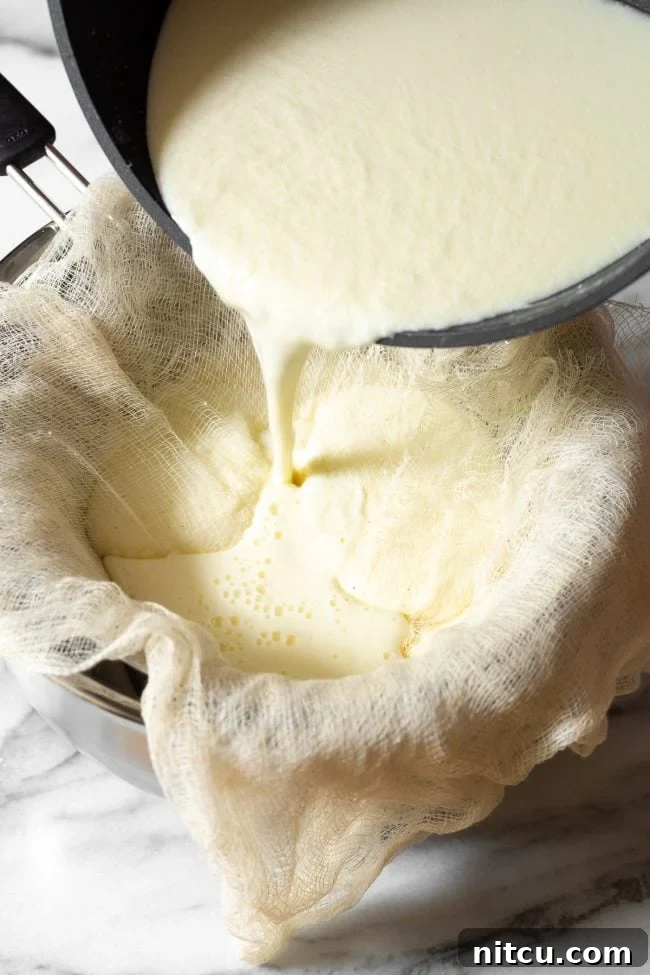
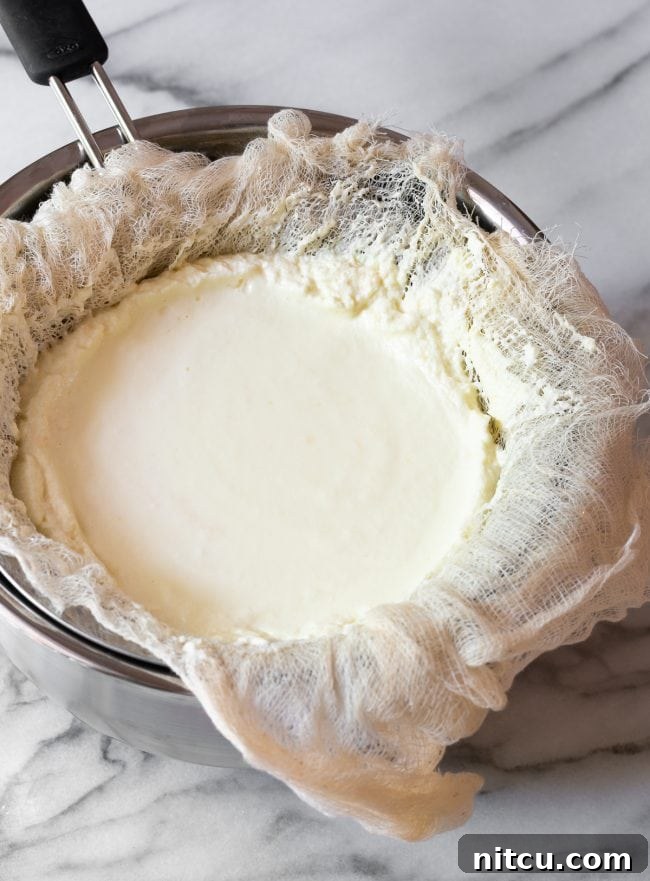
Embarking on your cheesemaking journey is simpler than you might imagine. The key to perfect homemade ricotta lies in patience, especially during the draining process. While it only takes minutes to combine and curdle, allowing enough time for the curds to drain will result in your desired texture – anywhere from an hour for a looser, creamier ricotta to two or more hours for a firmer, more spreadable consistency. Trust me, the wait is incredibly rewarding!
Below, you’ll find a visual walkthrough, and the full detailed recipe with precise measurements, instructions, and additional tips is provided in the recipe card towards the bottom of this page.
Expert Tips for Ricotta Success
Achieving perfectly creamy, homemade ricotta is surprisingly easy, but a few key tips can ensure outstanding results every time:
- Quality Ingredients Matter: Since there are only four ingredients, the quality of your milk, cream, and lemon juice will directly impact the flavor and texture of your ricotta. Opt for fresh, full-fat dairy for the best richness.
- Don’t Rush the Boil: Heat the milk and cream gently but steadily. The moment it reaches a rolling boil, remove it from the heat immediately. Over-boiling can affect the texture.
- Patience During Curdling: Once the lemon juice and salt are added, let the mixture sit undisturbed for the full 10 minutes. This allows the acid to work its magic and effectively separate the curds.
- Proper Draining Time: This is the most crucial step for texture. For a looser, more spreadable ricotta, drain for about an hour. If you prefer a firmer, more scoopable cheese suitable for fillings, drain for two hours or even longer. You can even place it in the fridge overnight for a very firm ricotta.
- Use Good Quality Cheesecloth: Ensure your cheesecloth is clean and layered adequately (3-4 layers are usually sufficient) to prevent curds from slipping through while allowing the whey to drain efficiently.
- Don’t Press the Curds: Resist the urge to press down on the curds to speed up draining. This can make your ricotta dry and crumbly. Let gravity do the work naturally.
- Season to Taste: While the recipe provides a salt guideline, taste your finished ricotta and adjust the seasoning if necessary.
Storing Your Freshly Made Ricotta
- Storing Leftovers: Your homemade ricotta will maintain its freshness and deliciousness for approximately one week when stored in an airtight container in the refrigerator. Ensure it’s sealed well to prevent it from absorbing other odors.
Creative Serving Suggestions for Homemade Ricotta
Homemade ricotta cheese is a culinary gem, far surpassing its store-bought counterparts in flavor and texture. Its versatility means it can be the star or a supporting player in a wide array of dishes, offering a delightful creamy richness and valuable nutrients like calcium and protein.
For Savory Dishes: Easily incorporate this artisanal cheese into comforting savory meals. Think classic Italian preparations like our flavorful lemon ricotta pasta, hearty stuffed shells, a rich vegetable lasagna, or even gourmet calzones. For a lighter touch, a dollop over a vibrant salad adds an unexpected creaminess and a boost of protein.
For Sweet Indulgences: If you’re looking to satisfy a sweet craving, ricotta transitions beautifully. Imagine a delicate lemon ricotta crepe cake, or a simple bowl of whipped ricotta, perfect for dipping fresh berries, sliced apples, or your favorite cookies. The subtle sweetness of homemade ricotta pairs wonderfully with fruit and dessert flavors.
I always make sure to keep a container of our freshly made ricotta cheese recipe in the fridge. It’s perfect for a quick, healthy snack, or as an elegant garnish that effortlessly elevates any dish. Serve it simply with crisp crackers, artisanal bread, or fresh chopped vegetables and fruit. For an extra pop of flavor, drizzle with a little honey or high-quality olive oil, or sprinkle with fresh herbs or a vibrant fruit spread.
Frequently Asked Questions (FAQ) About Ricotta Cheese
- Is the cheese the part that drains through or the part that is on top?
- The ricotta – the creamy curds – is the solid part that remains on top in the colander. The liquid that drains through is known as whey.
- Should I put it back on the heat if it is still runny?
- No, returning it to the heat after curdling generally won’t help it thicken. The best way to achieve a thicker consistency is to allow it to drain longer. You can even drain it in the sieve overnight in the refrigerator; this gradual draining will significantly help it to firm up.
- What can you do with whey after making cheese?
- Don’t discard that leftover whey! It’s a versatile ingredient. You can use it as a substitute for water or milk in many baking recipes, where its acidity can provide a similar tenderizing effect to buttermilk. It also makes an excellent base for rich soup recipes or can be used as a flavorful marinade for meats, adding moisture and tenderness.
- Can I use different types of milk for this recipe?
- While whole milk and heavy cream yield the richest ricotta, you can experiment. Skim milk will produce a very lean and somewhat crumbly ricotta. Lower-fat milks (like 1% or 2%) can be used but will result in a less creamy texture. For the best results, stick with whole milk and heavy cream.
- Why didn’t my milk curdle?
- Several factors could prevent proper curdling. Ensure your milk and cream reached a full boil before adding the acid. Also, verify that your lemon juice (or vinegar) is fresh and potent. Sometimes, an insufficient amount of acid or milk that wasn’t hot enough can be the culprit. Let it sit for the full 10 minutes before disturbing.
To explore more incredible dairy-based recipes and learn about the numerous health benefits of milk, be sure to visit MilkLife.com. You can also connect with Milk Life on their social channels: Facebook, Twitter, Pinterest, and Instagram.
Print Recipe
5 stars (21 reviews)
Leave a Review »
Homemade Ricotta Cheese
Prep Time: 15 minutes
Cook Time: 5 minutes
Resting Time: 1 hour (or more for firmer ricotta)
Total Time: 1 hour 20 minutes (plus draining time)
This incredibly easy recipe and comprehensive guide will show you exactly how to make rich, velvety homemade ricotta cheese using just four simple, wholesome ingredients like heavy cream and fresh lemon juice. Prepare for a flavor revelation!
Servings: Approximately 16 ounces
Video Tutorial
Watch a video demonstration of how to make Fresh Ricotta Cheese here.
Ingredients
- 4 cups whole milk
- 2 cups heavy cream
- 1/4 cup fresh lemon juice
- 1 1/2 – 2 teaspoons sea salt (adjust to taste)
Instructions
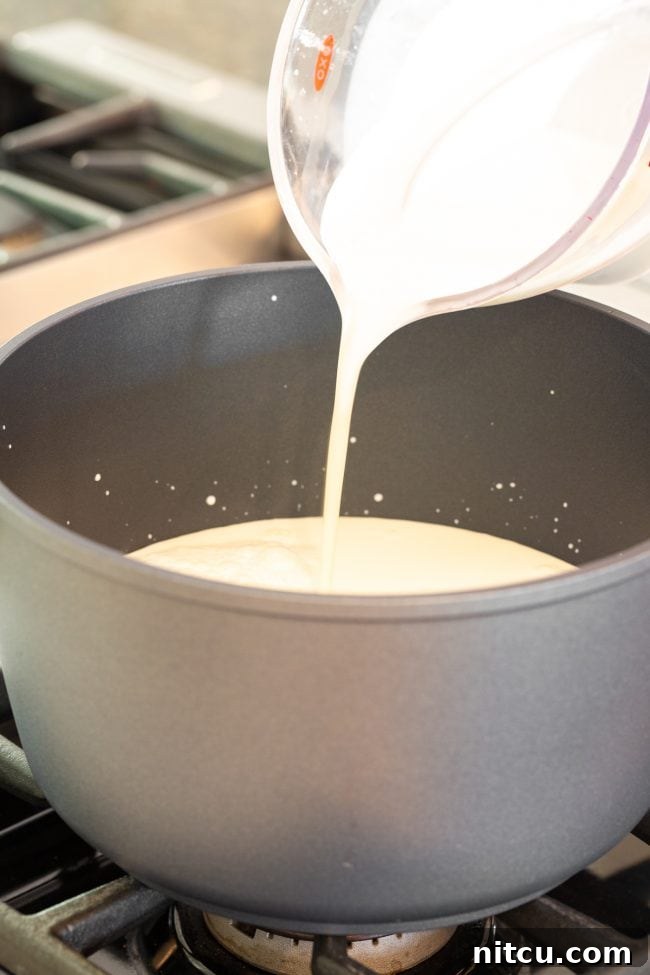
- Prepare the Dairy: Pour the whole milk and heavy cream into a large stock pot. Place the pot over high heat and bring the mixture to a full boil. As soon as you see a rolling boil, immediately remove the pot from the burner.
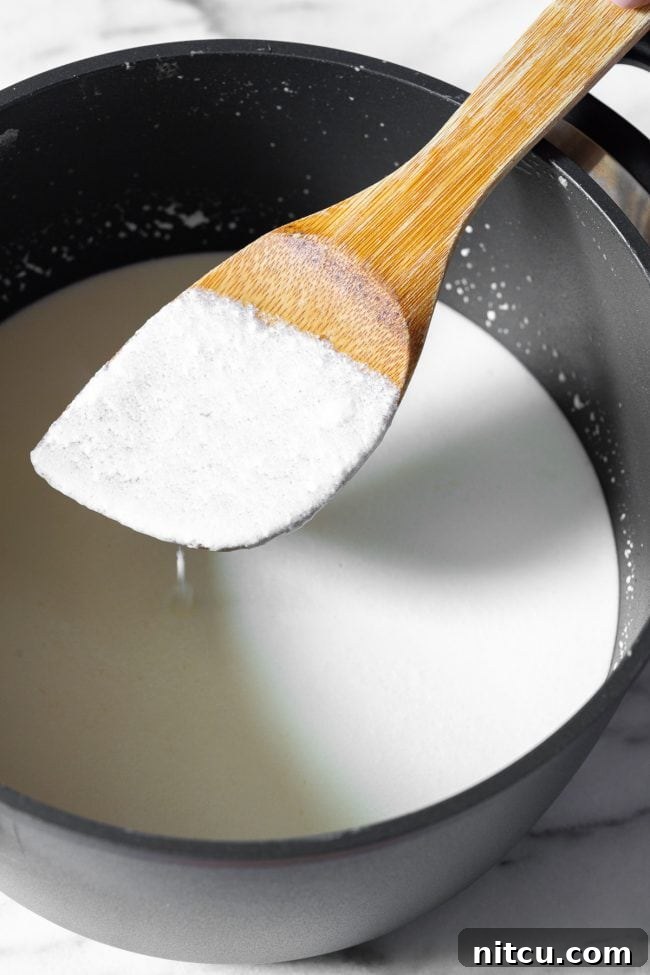
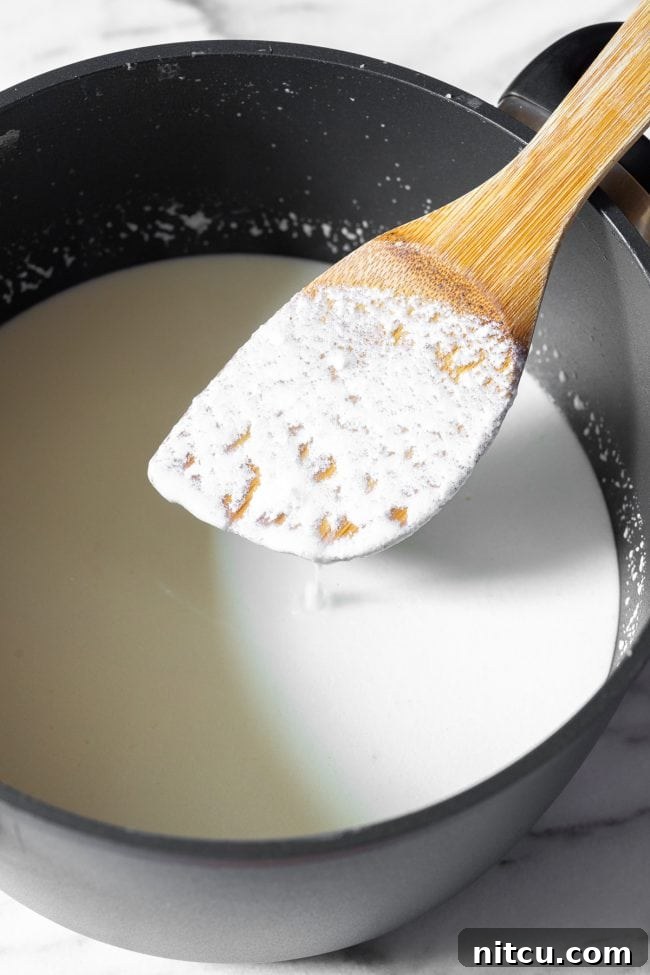
- Curdle the Milk: Gently stir in the fresh lemon juice and sea salt. For a saltier ricotta, use 2 teaspoons; reduce if you prefer it milder. Allow the mixture to sit undisturbed and curdle for a minimum of 10 minutes. You will start to see the curds (solids) separating from the whey (liquid).
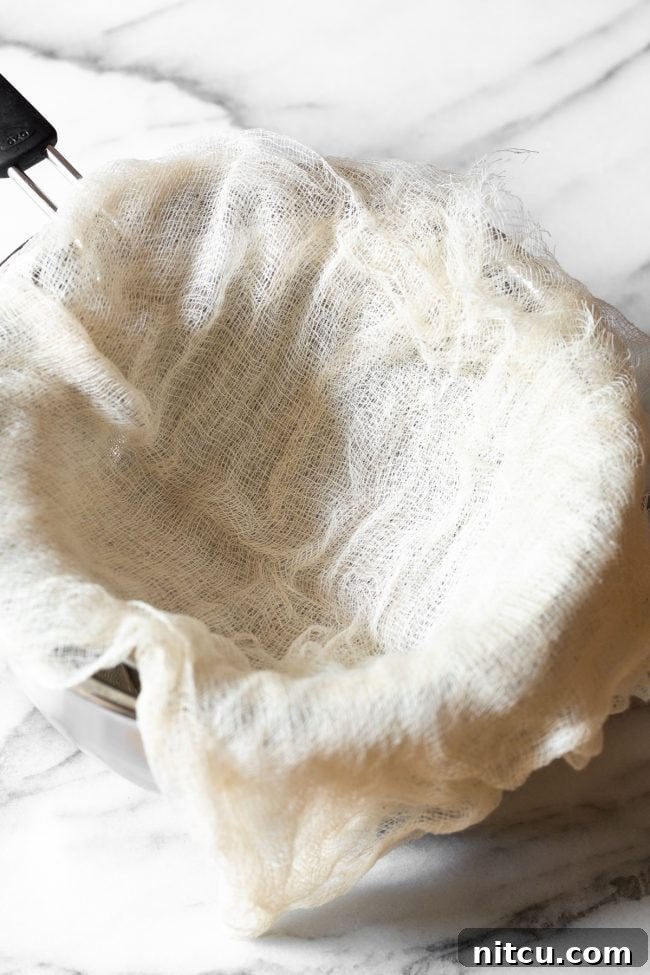
- Set Up for Draining: While the milk is curdling, prepare your draining station. Place a large fine-mesh sieve or colander over a large bowl. Line the sieve with 3-4 layers of clean cheesecloth, ensuring it overhangs the edges.
- Drain the Ricotta: Carefully pour the curdled milk mixture into the prepared sieve, allowing the whey to drain into the bowl below. Let the ricotta drain for about two hours for a nicely thickened, spreadable consistency. For a looser ricotta, drain for just one hour; for a very firm ricotta, drain longer or even overnight in the refrigerator.
- Serve and Store: Once the ricotta has reached your desired consistency, scoop it into an airtight container. Refrigerate until you are ready to serve. Enjoy your incredibly fresh and creamy homemade ricotta cheese!
Notes
- This ricotta cheese recipe achieves its ultra-rich and luxurious texture thanks to the combination of creamy whole milk and heavy cream. However, you can adjust this: you may substitute heavy cream with an additional 2 cups of whole milk (making it 6 cups total whole milk) for a slightly lighter version. You can even use low-fat milk, but expect a less creamy result.
- Storage Notes: Freshly made ricotta cheese will last approximately one week in the refrigerator when stored in a clean, airtight container.
Nutrition Information
Serving Size: 1 ounce, Calories: 141kcal, Carbohydrates: 4g, Protein: 3g, Fat: 13g, Saturated Fat: 8g, Cholesterol: 47mg, Sodium: 546mg, Potassium: 107mg, Sugar: 3g, Vitamin A: 535IU, Vitamin C: 1.7mg, Calcium: 88mg, Iron: 0mg
(Nutrition values are estimates based on standard calculations and may vary.)
Course: Condiment, Snack
Cuisine: American, Italian
Author: Sommer Collier
Cook It? Love It? Rate It!
YOU can help this recipe RANK on Google – we encourage you to leave a review and rate it to help others find this delicious recipe. Thank you!
Explore More Homemade Delights and “How To” Recipes You Might Like
Disclosure: This post is sponsored by The National Milk Life Campaign. All opinions are my own.