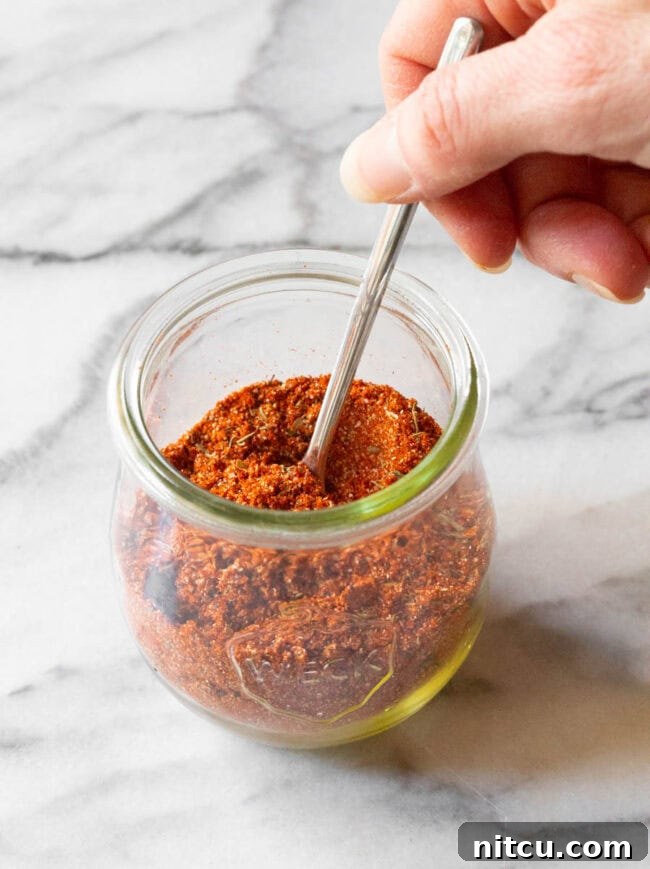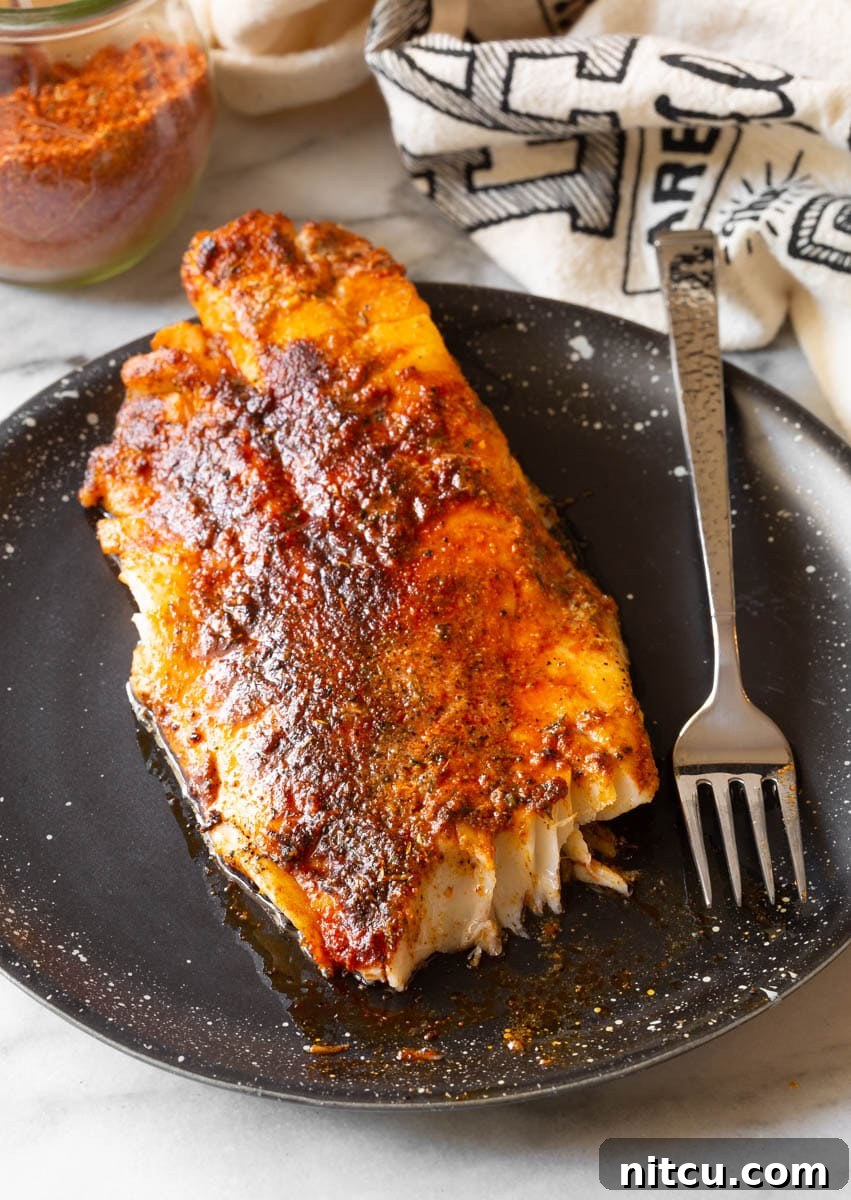
Transform Your Culinary Creations with the Best Ever Blackened Seasoning Recipe – Our all-time favorite homemade spice blend, crafted with aromatic thyme, savory oregano, pungent garlic, fiery cayenne, and a secret ingredient that elevates every dish!
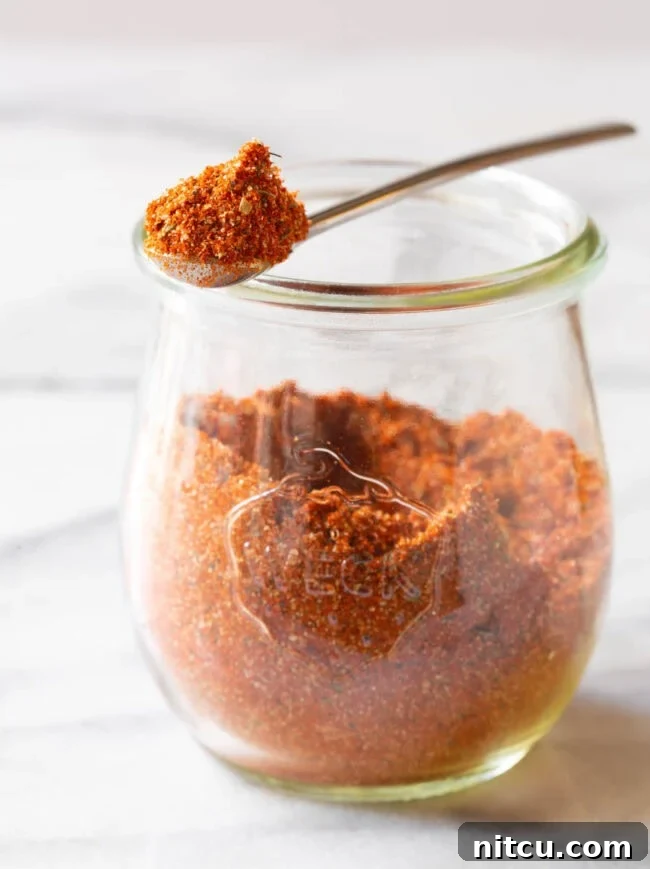

Why This Blackened Seasoning Recipe Is a Game-Changer
There’s nothing quite like a well-balanced blackened seasoning spice blend to elevate ordinary meals into extraordinary culinary experiences. This particular recipe stands out, offering a masterful combination of warmth, robust herbaceous notes, and a wealth of zesty flavor and depth. It’s more than just a seasoning; it’s a passport to the vibrant, bold flavors of Cajun and Creole-inspired cooking, right in your own kitchen.
The foundation of this tantalizing mix lies in classic ingredients like savory paprika, aromatic garlic and onion powders, and perfectly balanced sea salt. However, what truly sets our blend apart and takes it to the “best ever” level is a carefully selected “secret ingredient”: smoked paprika. The rich, deep, and subtly smoky essence of smoked paprika introduces a complexity that transforms the entire flavor profile. It doesn’t just add heat; it infuses every bite with a captivating smokiness that makes your taste buds dance.
Imagine sprinkling this magical seasoning mix onto your favorite proteins or vegetables and experiencing an explosion of flavor – it’s like fireworks in your mouth! This blend isn’t just about heat; it’s about a symphony of flavors that work in harmony to create an unforgettable dining experience. Forget bland meals; with this homemade blackened seasoning, every dish becomes a celebration of taste.
The Essence of Blackened Seasoning: What Makes It Special
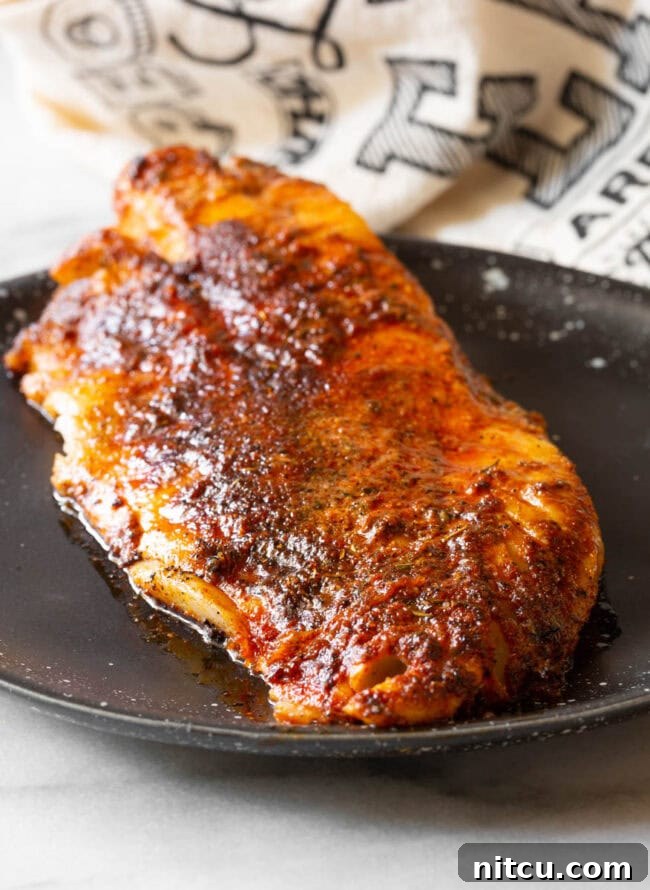
Blackened seasoning is more than just a collection of spices; it’s a culinary technique and a flavor profile that has captivated food lovers for decades. Originating in Louisiana cuisine, the “blackening” process typically involves coating meat or fish in a generous layer of spices and then searing it in a scorching hot cast-iron skillet, often with melted butter. This creates a dark, flavorful crust, hence the name “blackened.” The seasoning blend itself is crucial to this process, designed to withstand high heat while imparting maximum flavor.
Our best-ever blackened seasoning captures this spirit perfectly. It’s meticulously crafted to provide that signature robust, spicy, and herbaceous profile that is characteristic of authentic blackening. Unlike generic spice mixes, making your own at home allows you to control the freshness and quality of each ingredient, ensuring a superior taste and aroma that store-bought versions simply can’t match. This blend is a celebration of flavor, designed to bring a touch of Southern charm and fiery zest to any meal.
Essential Ingredients for Your Homemade Blackened Spice Blend
Crafting the perfect blackened seasoning starts with selecting high-quality spices. Each ingredient plays a vital role in achieving the nuanced and robust flavor profile this blend is known for. Here’s a detailed look at what you’ll need and why it matters:
- Smoked Paprika: This is our celebrated secret ingredient! Unlike regular paprika, the smoked variety (Pimentón de la Vera) offers a deep, complex, and irresistible smoky flavor that adds incredible depth and authenticity to your blackened dishes. You can choose between sweet or hot smoked paprika, depending on your preferred level of spice. Always opt for a high-quality brand for the best results.
- Onion Powder: A staple in many savory blends, onion powder contributes a sweet and savory umami note. Ensure it’s fresh and free of clumps for even distribution of flavor. It adds a subtle background sweetness that perfectly complements the other spices.
- Sea Salt: Essential for enhancing all the other flavors. Fine sea salt dissolves easily, distributing its brininess throughout the mix, while flaky salt can add a pleasant textural crunch if used as a finishing touch. Adjust the quantity to suit your dietary preferences.
- Garlic Powder: Providing a foundational savory and pungent flavor, garlic powder is indispensable. Use pure garlic powder, not garlic salt, to control the sodium content accurately and ensure a concentrated garlic flavor.
- Freshly Ground Black Pepper: For a sharp, piquant kick and aromatic warmth. Freshly ground pepper is always superior to pre-ground, as its volatile oils preserve the flavor more effectively.
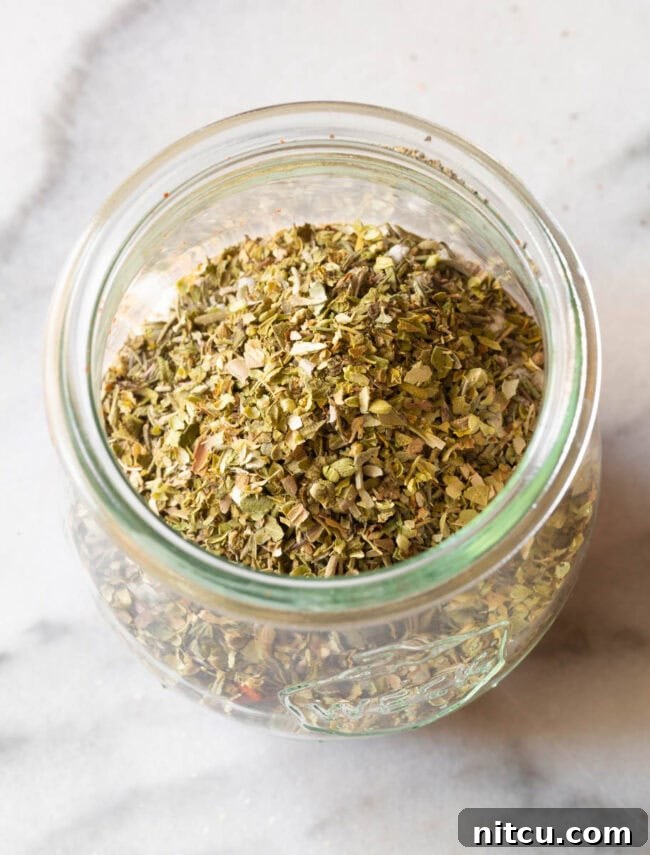
- Dried Thyme: This herb introduces a delicate, earthy, and slightly minty flavor, characteristic of many Cajun and Creole blends. High-quality dried thyme will release a more intense aroma and taste.
- Dried Oregano: With its bold, aromatic, and slightly bitter notes, dried oregano adds another layer of herbaceous complexity. For the best flavor, use dried oregano leaves rather than finely ground powder, as the leaves retain more of their essential oils.
- Cayenne Pepper: The primary source of heat in this blackened seasoning. Adjust the amount according to your preference for spice. A little goes a long way to provide that characteristic fiery kick.
Effortless Preparation: How to Make Your Own Blackened Seasoning
Making your own blackened seasoning blend is incredibly simple, requiring minimal effort for maximum flavor payoff. In just a few minutes, you can have a fresh batch ready to transform your meals:
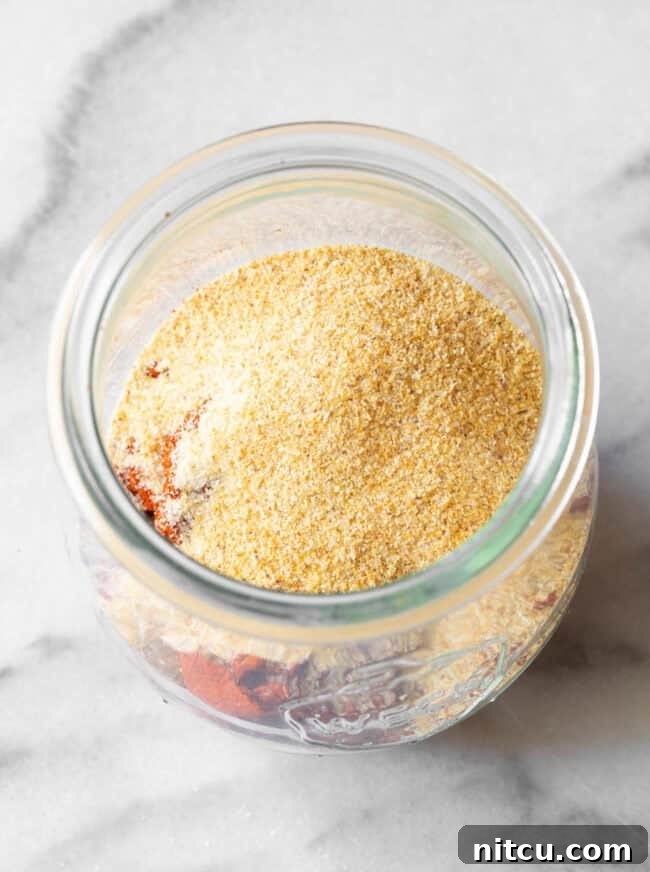
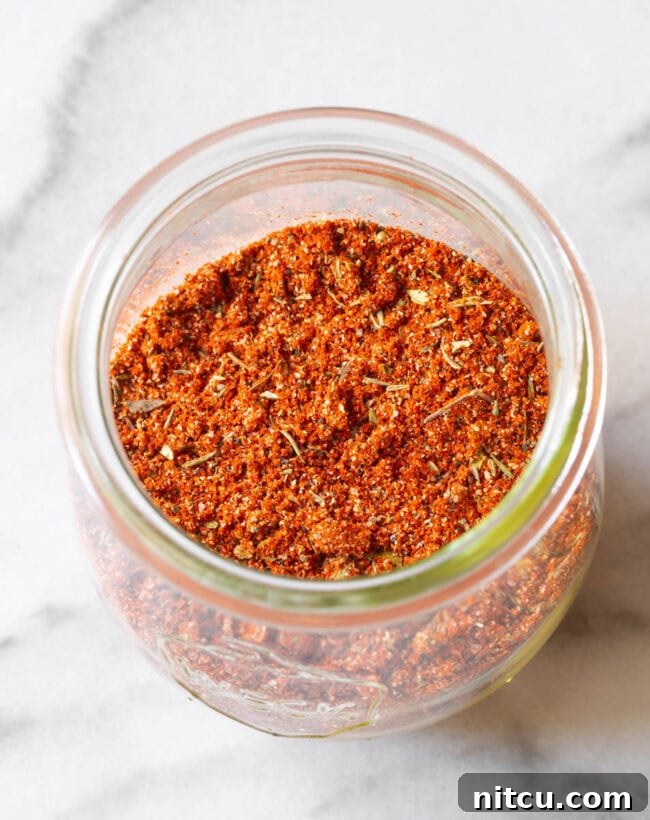
- Combine All Ingredients: In a small bowl or jar, measure out the smoked paprika, onion powder, sea salt, garlic powder, black pepper, dried thyme, dried oregano, and cayenne pepper. Use a spoon or whisk to thoroughly mix everything together until the blend is uniform in color and texture. Ensure there are no clumps, especially with the powders.
- Store Properly: Transfer your freshly made blackened seasoning into an airtight container. A glass jar with a tight-fitting lid is ideal. Store it in a cool, dry place away from direct sunlight and heat, such as your pantry or a spice cabinet. Proper storage will help maintain its potency and flavor for months.
That’s it! Your delicious homemade blackened seasoning is now ready to use, promising to infuse your dishes with an unmatched depth of flavor and aromatic spice.
Unleashing the Flavor: How to Use Blackened Seasoning in Your Cooking
Our best-ever blackening seasoning recipe is incredibly versatile and can be used in countless ways to add a spicy, smoky crust and intense flavor to a wide variety of dishes. While it’s famously used for blackening, its applications extend far beyond that technique, making it a true workhorse in your spice arsenal.
Beyond fish, chicken, shrimp, and steaks, consider incorporating this blend into your everyday cooking. It makes a fantastic addition to savory breakfast items, enriching the flavor of soups, hearty chilis, and even elevating simple roasted vegetables. Sprinkle it on popcorn for a gourmet snack, mix it into dips and spreads for an exciting kick, or season rice dishes for a flavorful side.
Here are just a few specific ways to enjoy this dazzling spice mix:
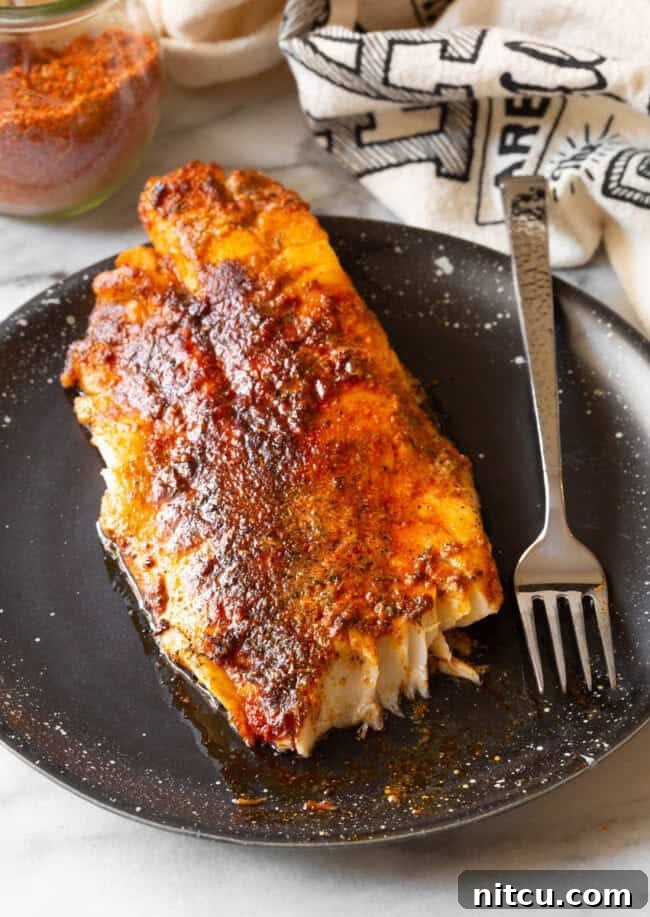
- Blackened Fish and Seafood: This is where the seasoning truly shines. Generously coat fillets of mahi-mahi, salmon, cod, or shrimp, then sear in a hot cast-iron skillet with a touch of butter until a dark, flavorful crust forms. Try it with grilled blackened mahi-mahi or delicious garlic butter shrimp.
- Blackened Chicken and Meats: Perfect for creating a crispy, seasoned exterior on chicken breasts, thighs, or pork chops. It’s also excellent as a dry rub for pork chops, pork tenderloin, and hamburger patties. Don’t forget grilled blackened chicken for a flavorful weeknight meal.
- Grilled and Roasted Vegetables: Toss chopped potatoes, corn, bell peppers, zucchini, or asparagus with olive oil and blackened seasoning before grilling or roasting for an incredible burst of flavor.
- Eggs and Breakfast Meats: A pinch of blackened seasoning in your scrambled eggs or sprinkled over bacon adds an unexpected and delightful savory depth.
- Dips and Spreads: Stir it into mayonnaise, sour cream, or cream cheese to create a zesty dip for chips, vegetables, or crackers.
- Soups and Stews: Add a teaspoon or two to your favorite soups, stews, or chilis to give them a warm, spicy, and smoky undertone.
Honestly, it’s hard to think of a savory dish that wouldn’t be improved by this brilliantly concocted spice mix. Its robust flavor profile makes it an essential ingredient for any home cook looking to add a touch of excitement to their culinary repertoire.
Customize Your Blend: Recipe Variations for Blackened Seasoning
One of the joys of making your own spice blends is the freedom to customize them to your exact preferences. While our base recipe for blackened seasoning is perfectly balanced, these variations allow you to tailor the flavor profile to suit different dishes or personal tastes:
- Amplify the Heat with More Cayenne Pepper: If you crave a more intense fiery kick, simply increase the amount of cayenne pepper. Start by adding an extra 1/4 teaspoon and adjust from there until you reach your desired level of spice.
- Add Herbaceous Depth with Dried Basil: For an extra layer of aromatic complexity and a slightly sweeter, peppery note, stir in 1/2 to 1 teaspoon of dried basil. This works particularly well for blackened chicken or pasta dishes.
- Adjust Sodium Levels: If you’re mindful of your salt intake, feel free to reduce the amount of sea salt in the recipe. You can always add more salt directly to your dish while cooking.
- Introduce a Zesty Twist with Dried Lemon Zest: For a bright, citrusy counterpoint to the smoky spices, incorporate 1/2 teaspoon of dried lemon zest (or the zest of one fresh lemon, finely grated and dried) into the blend. This variation is fantastic for blackened fish or shrimp.
- Subtle Sweetness with Sugar: A touch of sweetness can help balance the heat and acidity. Add 1/2 to 1 teaspoon of brown sugar or coconut sugar to your spice blend. This variation also aids in caramelization during the blackening process, creating an even richer crust.
- Extra Pungency with White Pepper: For a different kind of peppery heat, consider adding 1/2 teaspoon of white pepper. It offers a sharper, more earthy pungency compared to black pepper.
Experiment with these variations to discover your perfect personalized blackened seasoning blend!
Get the Complete Homemade Blackened Seasoning Recipe Below. Enjoy!
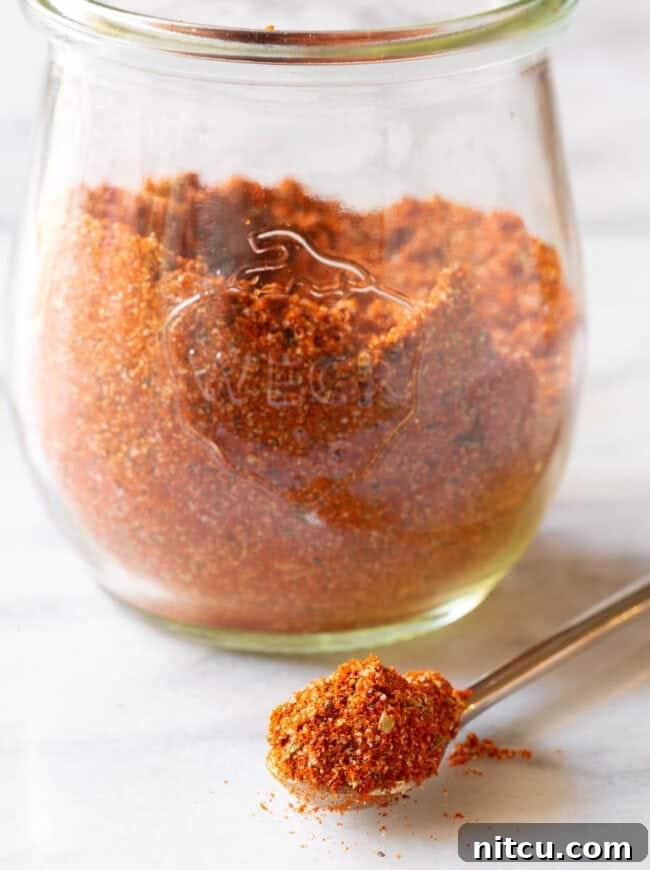
Blackened Seasoning Recipe
Our all-time favorite blackening spice blend is easy to make with thyme, oregano, garlic, cayenne, and a surprise ingredient!
Prep Time: 3 minutes
Total Time: 3 minutes
Servings: 8 (about 1/3 cup)
Print Recipe
Rated 4.95 out of 5 stars by 19 reviews.
Ingredients
- 3 tablespoons smoked paprika
- 2 teaspoons onion powder
- 1 1/2 teaspoons sea salt
- 1 teaspoon garlic powder
- 1 teaspoon ground black pepper
- 1 teaspoon dried thyme
- 1 teaspoon dried oregano
- 1/2-1 teaspoon cayenne pepper
Instructions
- Measure and dump all the herbs and spices in a jar and stir thoroughly to combine until evenly blended.
- Use immediately, or cover tightly and store in a dark, cool, dry place to maintain freshness.
Nutrition
Serving: 1.5 teaspoons
Calories: 12kcal, Carbohydrates: 2g, Protein: 0g, Fat: 0g, Saturated Fat: 0g, Cholesterol: 0mg, Sodium: 438mg, Potassium: 69mg, Fiber: 1g, Sugar: 0g, Vitamin A: 1345IU, Vitamin C: 0.1mg, Calcium: 14mg, Iron: 0.8mg
Course: Seasoning
Cuisine: American
Author: Sommer Collier
Frequently Asked Questions About Blackened Seasoning
What’s the difference between blackened seasoning, Cajun seasoning, and Creole spice?
While all three spice blends are quintessential to Southern U.S. cooking and share common base ingredients such as paprika, various peppers, garlic, and onion powder, they each possess distinct characteristics.
Cajun seasoning generally leans towards a hotter, spicier profile, often featuring more cayenne pepper and a simpler mix of herbs. It’s known for its rustic, robust heat. Creole seasoning, on the other hand, typically incorporates a broader spectrum of herbs like basil, oregano, and thyme, often with a milder heat and a more complex, nuanced flavor. It reflects the diverse cultural influences of New Orleans cuisine.
Blackened seasoning tends to bridge the gap between these two, often striking a balance of heat and herbaceousness. Its primary purpose is to create that dark, flavorful crust through the blackening cooking technique. My rule of thumb: When in doubt and seeking a balanced, versatile spice blend that captures the essence of Louisiana flavors without being overwhelmingly spicy or overly herbal, blackened seasoning is usually the perfect middle ground.
Can I use blackened seasoning as a dry rub?
Absolutely! Blackened seasoning excels as a dry rub for various meats and seafood. To achieve optimal flavor, generously coat your chosen protein – whether it’s fish, chicken, shrimp, or steak – with the seasoning. For best results, allow the seasoned item to rest for at least 15-30 minutes before cooking. This allows the flavors to penetrate the surface of the food, resulting in a more deeply flavored and satisfying crust when cooked.
How long does homemade blackened seasoning last?
When stored correctly, your homemade blackened seasoning will maintain its potency and flavor for an extended period. Keep it in an airtight container in a cool, dry, and dark place, such as a pantry or spice cabinet. Under these ideal conditions, the seasoning can last effectively for up to 6 months. While it may still be safe to consume after this period, the flavors and aromas might begin to diminish, so it’s always best to use it within that timeframe for the freshest taste.
Is this blackened seasoning gluten-free and vegan?
Yes, this homemade blackened seasoning recipe is naturally gluten-free and vegan. All the ingredients listed are spices and herbs, which are plant-based and do not contain gluten. This makes it a fantastic, inclusive option for a wide range of dietary needs.
Can I use fresh herbs instead of dried?
While dried herbs are generally preferred for spice blends like blackened seasoning because they are more concentrated and have a longer shelf life, you can technically use fresh herbs. However, you’ll need to use a larger quantity (typically three times the amount of dried herbs) and ensure they are very finely chopped. If using fresh herbs, the seasoning blend should be used immediately, as the moisture from the fresh herbs will significantly reduce its shelf life.