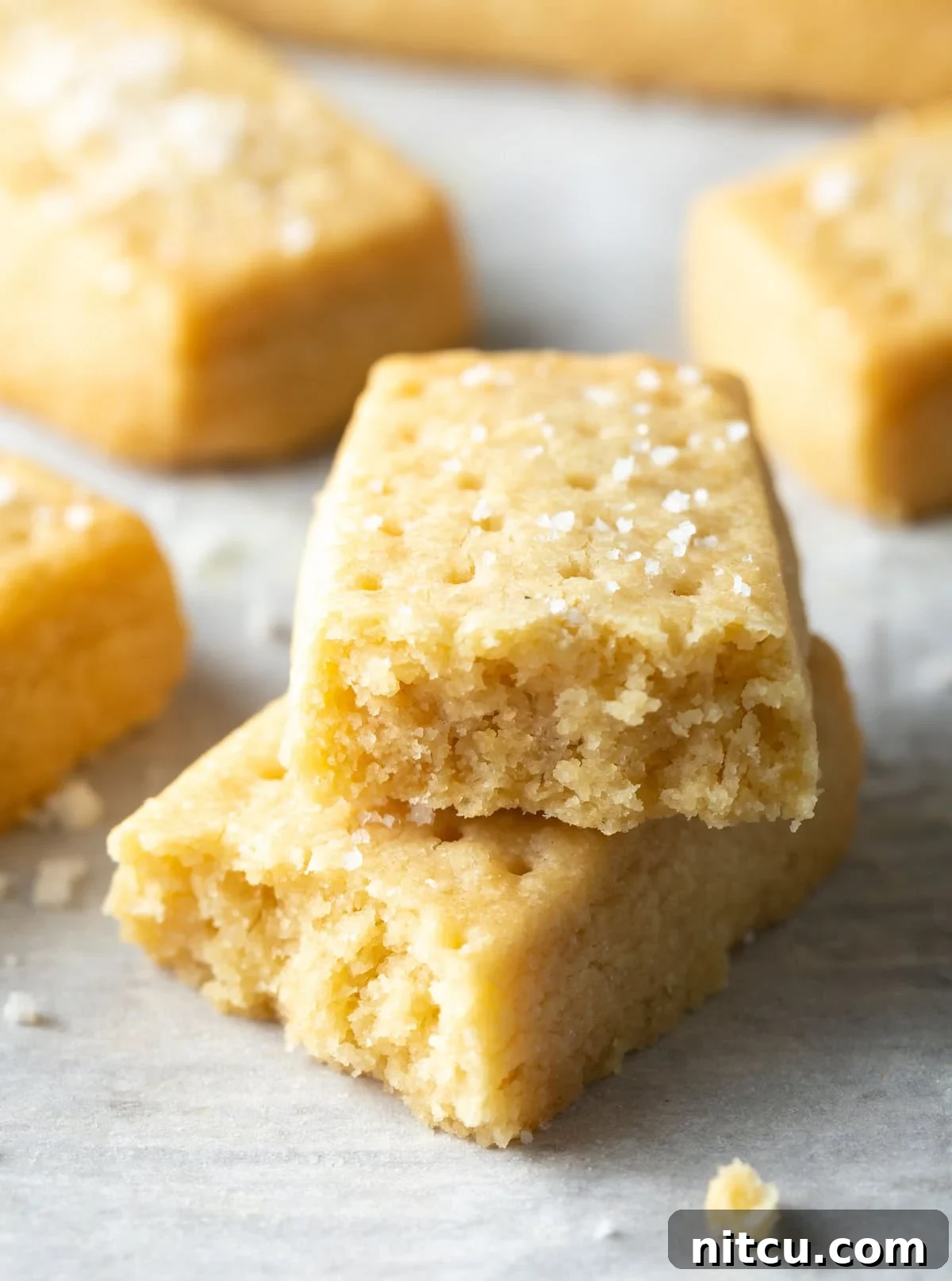
Scottish Shortbread Cookies – By far the best and easiest recipe for making traditional buttery shortbread cookies from scratch. This timeless classic offers a delicate, crumbly texture and rich, buttery flavor, perfect for customizing with your favorite extra goodies or enjoying in its purest form.
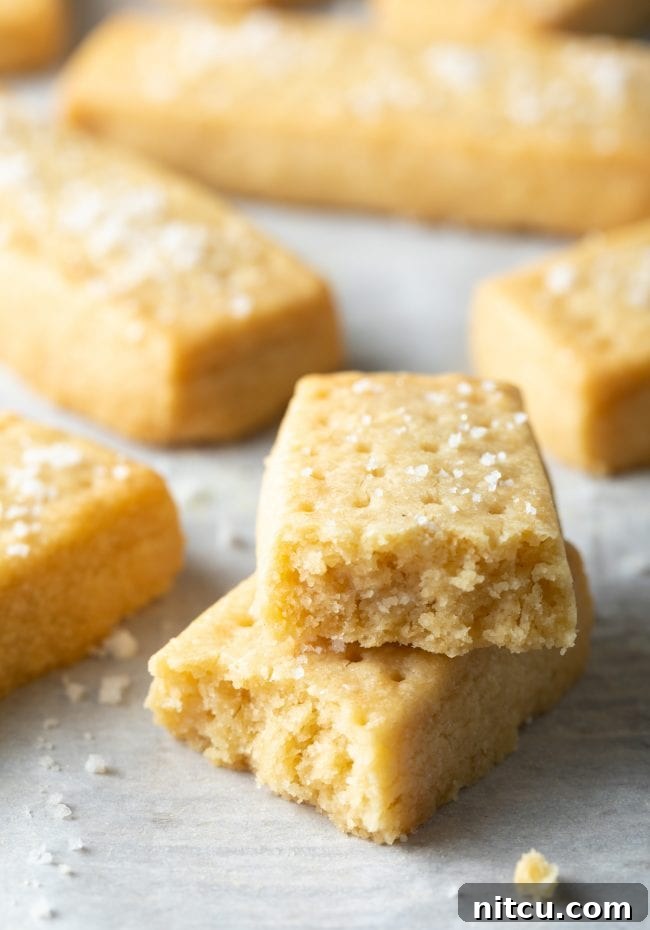
Unveiling the Magic of Scottish Shortbread: A Timeless Classic
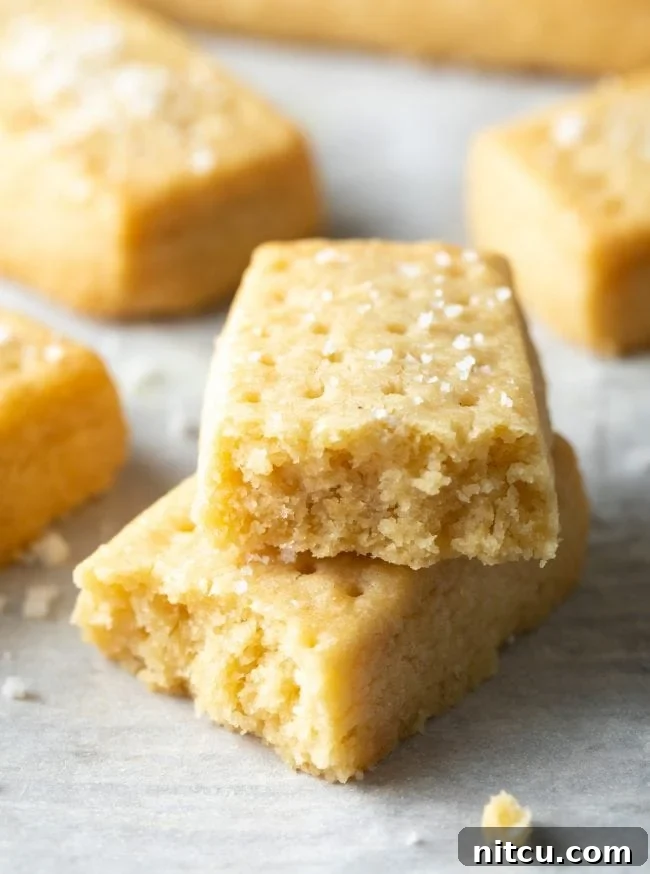
Scottish Shortbread holds a cherished place in the world of baking, a testament to the power of simple ingredients creating something truly extraordinary. At its heart, traditional shortbread is a marvel of culinary minimalism, typically requiring just three staple components: butter, sugar, and flour. Yet, from this humble trio emerges a biscuit (or cookie, as it’s known in North America) with an unparalleled melt-in-your-mouth tenderness and rich, buttery depth that has captivated palates for centuries.
Originating in Scotland, shortbread has a history as rich as its flavor, dating back to medieval times. Originally a type of bread made with leftover dough that was sweetened and dried in a slow oven, it evolved into the beloved buttery biscuit we know today with the advent of butter. Its name, “shortbread,” derives from the archaic meaning of “short,” referring to its crumbly texture, which is a result of the high fat content from the butter. This high butter ratio inhibits gluten development, preventing the dough from becoming elastic and giving shortbread its characteristic delicate snap and tender crumb.
Many often wonder about the distinction between shortbread and other butter cookies. While American butter cookies tend to be flatter and possess a crispier texture, Scottish shortbread stands apart. It’s characteristically thicker, boasting a dense, almost sandy crumble that yields effortlessly to the bite. Although both use similar core ingredients, the precise ratios and preparation methods are what create their distinct personalities. Our recipe embraces this traditional Scottish essence, focusing on that tender, slightly crumbly texture, but with a few thoughtful enhancements to elevate its flavor, making it an even more irresistible holiday treat or everyday indulgence.
Essential Ingredients for Perfect Shortbread
While the beauty of Scottish shortbread lies in its simplicity, a few intentional ingredient choices can transform a good cookie into an unforgettable one. The foundational elements remain butter, flour, and sugar, but we’re going a step further to infuse even more character into this classic.
- Butter: This is the star of the show. For truly authentic shortbread, high-quality butter is non-negotiable. It provides the signature rich flavor and tender texture. We recommend using salted butter, like Kerrygold, not only for convenience but also because its slightly higher salt content perfectly balances the sweetness and enhances the overall flavor profile. Ensure your butter is softened to room temperature for optimal creaming.
- Sugar: Instead of traditional white granulated sugar, we opt for light brown sugar. This subtle swap introduces a wonderful depth of flavor, adding a hint of caramel and a slight chewiness that beautifully complements the classic shortbread crumb. It also contributes to a slightly richer golden color.
- All-Purpose Flour: The structure of your shortbread comes from the flour. All-purpose flour is ideal here, providing the right balance for a tender yet firm biscuit.
- Vanilla Extract (Optional but Recommended): A splash of pure vanilla extract, though not traditionally Scottish, adds a warm, inviting aroma and a subtle layer of flavor that truly makes these cookies shine. It rounds out the sweetness and butteriness beautifully.
- Fleur de Sel: A sprinkle of Fleur de Sel on top of the warm cookies provides a delightful textural contrast and a pop of briny flavor that enhances the sweetness, creating a gourmet touch.
Beyond these foundational ingredients, the beauty of shortbread lies in its versatility. It serves as a perfect canvas for creative additions, allowing you to personalize each batch to your taste or the occasion. Feel free to incorporate nearly any “extra goodies” you desire, turning a simple biscuit into a uniquely flavored delight.
Inspiring Shortbread Add-Ins for Unique Flavors
While classic shortbread is perfect on its own, adding a touch of something extra can transform these humble cookies into a truly gourmet experience. Here are some fantastic ideas to spark your culinary imagination, each offering a distinct flavor profile:
- Mini Chocolate Chips or Cocoa Nibs: For chocolate lovers, these add a delightful burst of cocoa. Mini chips melt subtly, while cocoa nibs offer a sophisticated, slightly bitter crunch.
- Toffee Bits: Introduce a chewy, buttery caramel note with toffee chips. They create a wonderful texture and a sweet, indulgent flavor.
- Fresh Chopped Herbs (Rosemary or Lavender): For an unexpected yet elegant twist, finely chop fresh rosemary or culinary lavender. These herbs infuse the shortbread with fragrant, savory, or floral notes that are incredibly sophisticated and perfect for pairing with tea.
- Citrus Zest (Lemon, Orange, or Lime): Brighten up your shortbread with the vibrant aroma and tangy flavor of citrus zest. Lemon shortbread is a timeless classic, while orange or lime offers a more exotic touch.
- Ground Spices (Cinnamon, Cardamom, or Nutmeg): A pinch of warm spice can add a comforting depth. Cinnamon is always a winner, but cardamom offers a unique, aromatic sweetness, and nutmeg provides a cozy, traditional flavor, especially around the holidays.
- Instant Coffee Granules or Espresso Powder: For a sophisticated mocha-like flavor, dissolve a small amount of instant coffee or espresso powder in the vanilla extract before adding, or mix finely ground powder directly into the flour.
- Chopped Nuts (Pecans, Almonds, or Walnuts): Add texture and a nutty richness by folding in finely chopped toasted nuts. This provides a satisfying crunch and a deeper flavor dimension.
These are just a few suggestions to get you started on your shortbread adventure. Don’t hesitate to experiment with your favorite combinations. Share your delightful discoveries in the comments below!
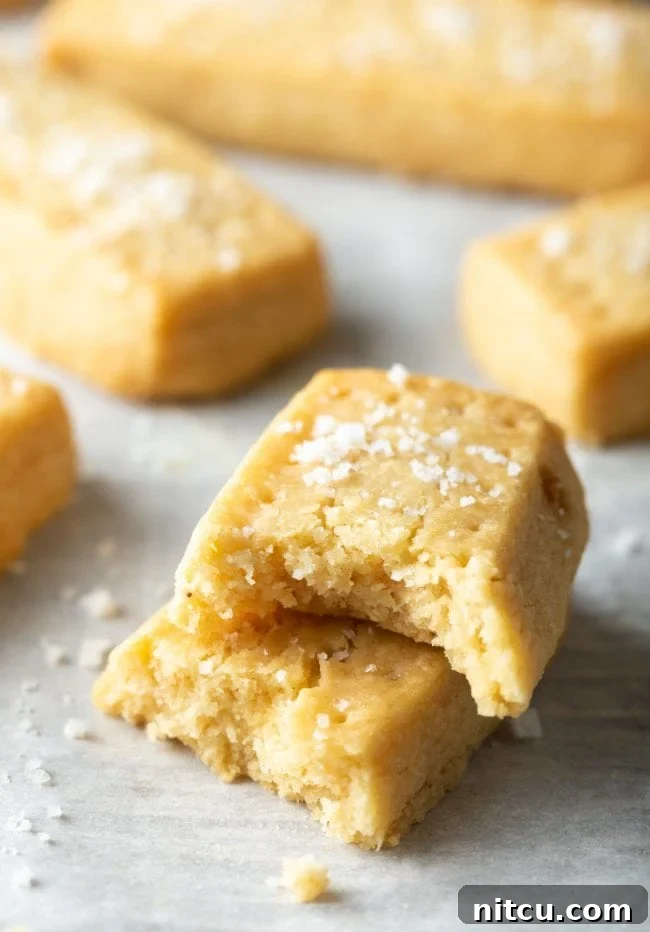
Crafting Perfect Scottish Shortbread: A Step-by-Step Guide
Making traditional Scottish Shortbread is a surprisingly simple process, yielding impressive results. The dough comes together effortlessly in just one bowl, making it a perfect recipe for bakers of all skill levels. Follow these detailed steps to achieve that coveted tender, crumbly texture and rich, buttery flavor.
Step 1: Creaming Butter and Sugar to Perfection
Begin by setting up your electric stand mixer. In the bowl, combine your softened salted butter and light brown sugar. Using the paddle attachment, cream these two ingredients on high speed until the mixture becomes wonderfully light and fluffy. This isn’t a step to rush; allow it to cream for at least 3-5 minutes. This process incorporates air into the butter and sugar, which is crucial for achieving the perfect tender and airy texture in your finished shortbread cookies. Properly creamed butter and sugar are the foundation of an excellent shortbread.
Step 2: Incorporating Vanilla and Flour
Once the butter and sugar are beautifully creamed, take a moment to scrape down the sides of the bowl with a rubber spatula, ensuring all ingredients are well combined. Reduce the mixer speed to low. Add the vanilla extract, allowing it to fully mix in. Then, gradually add the all-purpose flour, a little at a time, until it is just combined. The key here is to avoid over-mixing the dough. Over-mixing can develop the gluten in the flour, resulting in tough cookies rather than the delicate, crumbly shortbread we desire. As soon as the flour is incorporated, turn off the mixer.
Step 3: Chilling the Dough for Optimal Texture
Transfer the dough from the mixing bowl onto a lightly floured surface. Use your hands to gently press it into a rectangular shape. Wrap the dough tightly in plastic wrap, ensuring no air can get in. This chilling step is absolutely crucial for shortbread. Place the wrapped dough in the refrigerator for at least 1 hour. Chilling allows the butter to firm up, which helps the cookies maintain their shape during baking and prevents excessive spreading. It also allows the flavors to meld and the gluten to relax, contributing to that signature tender crumb. You can prepare the dough up to a full day in advance; however, any longer than 24 hours and the dough might start to dry out.
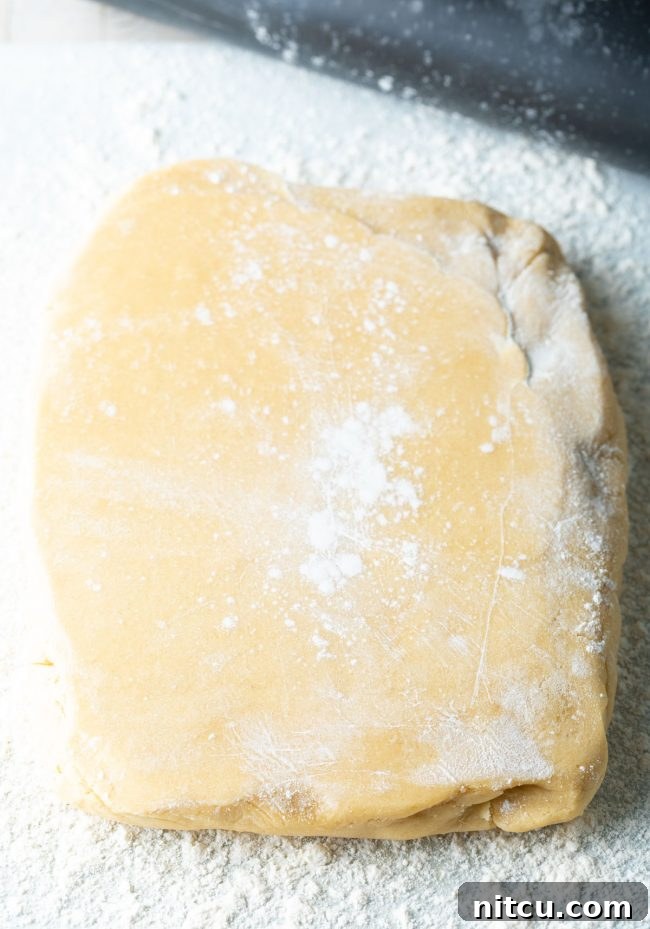
Step 4: Preparing for Baking: Rolling and Cutting
When you’re ready to bake, preheat your oven to 325 degrees F (160 degrees C). Line two large baking sheets with parchment paper; this prevents sticking and makes for easy cleanup. Lightly flour a clean work surface. Remove the chilled shortbread dough from the refrigerator and place it in the center of the floured area. Using a rolling pin, roll out the dough into an even sheet, aiming for a thickness of about ½ inch. Continue to lightly flour your counter and rolling pin as needed to prevent the dough from sticking. Consistency in thickness is important for even baking.
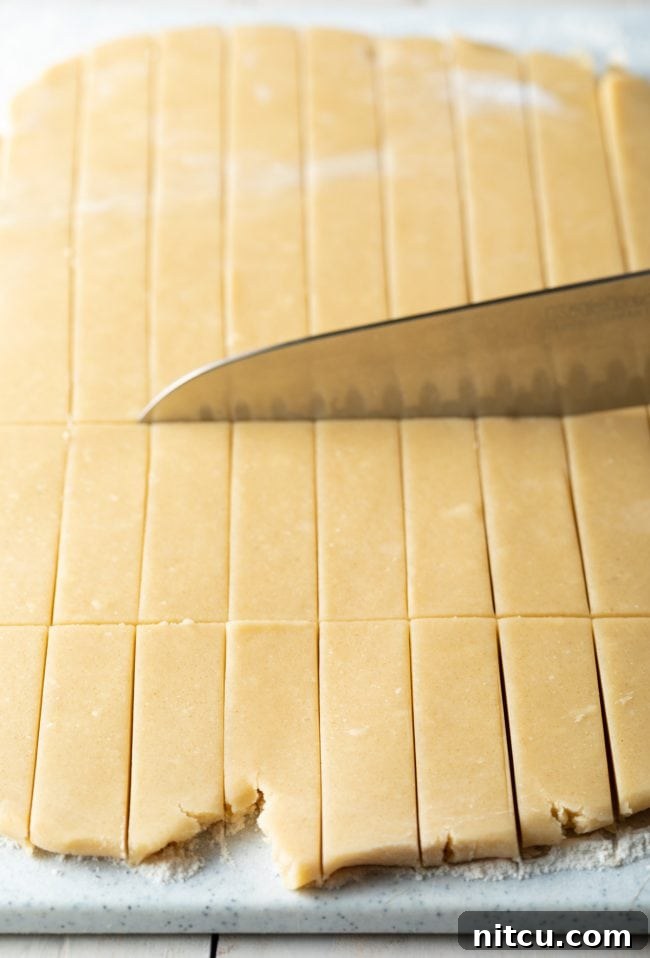
Step 5: Shaping the Cookies and Poking Holes
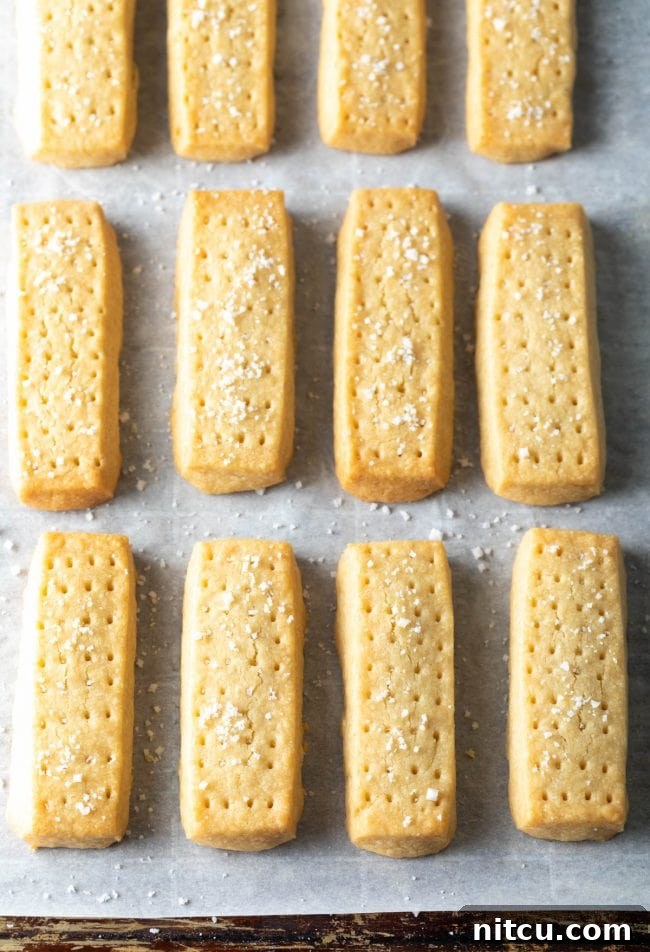
Next, use a large, sharp chef’s knife or a pizza cutter to slice the rolled-out shortbread dough into uniform pieces. We recommend 2 ½ x 1 inch rectangular pieces for a classic shortbread finger shape, but you can also use cookie cutters for rounds or other festive shapes. Carefully transfer the cut pieces to your prepared baking sheets, ensuring they are spaced about 1 ½ inches apart to allow for proper airflow during baking.
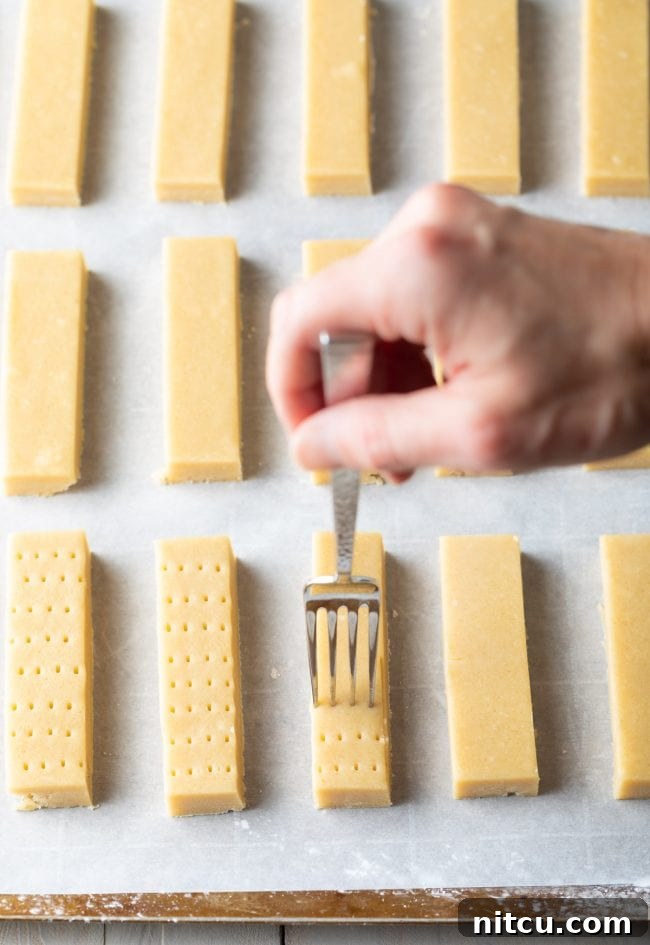
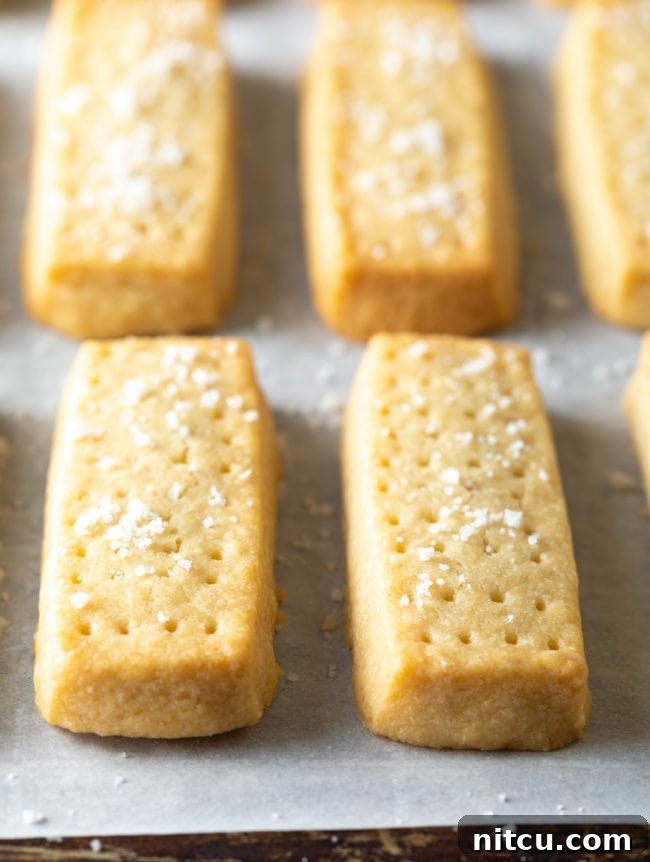
Now, for a vital step: use a fork to gently poke holes across the surface of each cookie. These “prick” marks are not just decorative; they serve a crucial purpose in preventing the shortbread from bubbling or puffing up excessively during baking. By creating small vents, they allow steam to escape, ensuring the cookies maintain their uniform shape and characteristic flat, dense texture. Be careful not to poke too deeply, just enough to break the surface tension.
Step 6: Baking and Finishing Touches
Bake the shortbread cookies in the preheated oven for 20-22 minutes, or until the edges are just golden. Shortbread is not meant to be deeply browned; a light golden hue indicates perfection. Remove the baking sheets from the oven and, while the cookies are still warm, sprinkle the tops with Fleur de Sel. The residual heat helps the salt adhere and slightly melt into the surface, intensifying its flavor. Allow the cookies to cool on the baking pans for about 5 minutes before carefully transferring them to a wire rack to cool completely. This initial cooling on the hot pan helps them firm up and prevents breakage.
These simple yet sophisticated cookies are absolutely perfect for holiday gatherings, tea parties, or any special occasion. Enjoy them as they are, savoring their pure buttery flavor, or elevate them further by dipping in rich chocolate, drizzling with a decadent caramel sauce, or pairing them with a homemade fruit curd for an even sweeter, more complex treat.
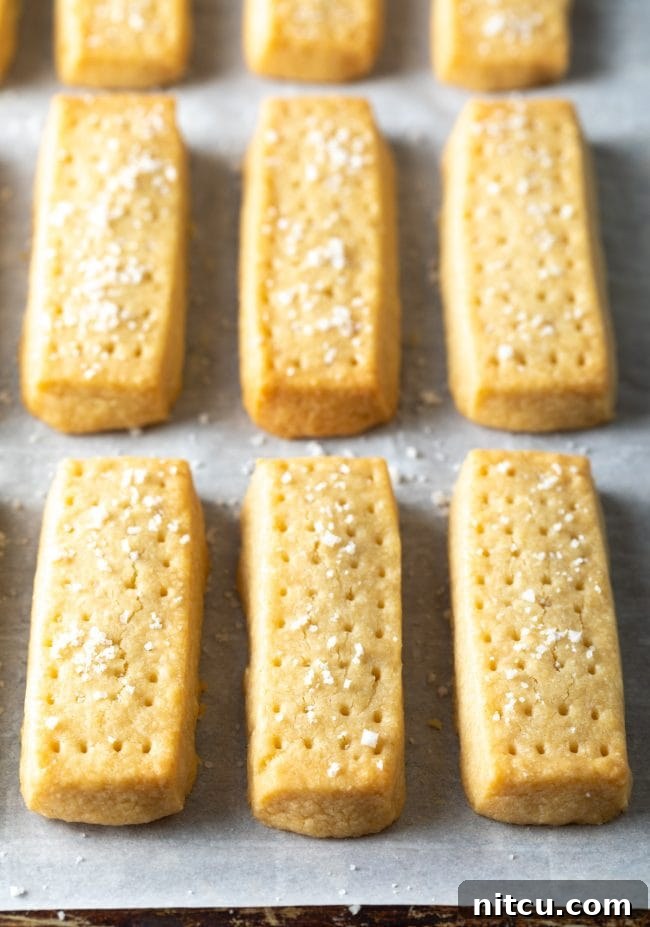
The Importance of Pricking: Why Poke Holes in Shortbread?
The practice of “pricking” or poking holes in shortbread cookies before baking is a traditional and essential step that contributes significantly to their iconic texture and appearance. It’s not merely for decoration; these small perforations serve a vital functional purpose in the baking process.
During baking, the butter in the shortbread dough melts and releases steam. Without a way for this steam to escape, it can cause the cookies to puff up unevenly, bubble, or spread excessively, losing their desired flat, dense, and uniform shape. By gently poking holes across the surface of each cookie, you create tiny vents that allow this steam to release gradually. This controlled release ensures that your shortbread maintains its structural integrity, preventing it from becoming overly airy or misshapen.
Do not skip this crucial step when preparing your best shortbread cookie recipe! Neglecting to prick the dough can result in cookies that are too flat, irregularly shaped, or lack that beloved dense yet tender Scottish Shortbread texture. The pricking ensures a beautifully even bake and the perfect crumb every time, upholding the integrity of this classic biscuit.
Storing Your Homemade Scottish Shortbread for Lasting Freshness
One of the many charms of Scottish Shortbread is its excellent shelf life, making it a fantastic treat to bake ahead for gifts or entertaining. Proper storage is key to preserving its delightful buttery flavor and crisp, crumbly texture.
At Room Temperature: Once completely cooled, shortbread biscuits can be stored in an airtight container at room temperature for up to a week. To maintain optimal freshness and prevent them from sticking together or absorbing moisture from one another, we highly recommend placing a piece of parchment paper between layers if you choose to stack them. A cool, dry pantry is the ideal environment.
Freezing for Longer Storage: For extended enjoyment, Scottish Shortbread freezes beautifully. Once baked and fully cooled, arrange the cookies in a single layer on a baking sheet and flash freeze them for about an hour until firm. Then, transfer the frozen cookies to a freezer-safe airtight container or heavy-duty freezer bag. Again, placing parchment paper between layers is advisable. Shortbread can be stored in the freezer for up to 3 months. When you’re ready to enjoy them, simply thaw at room temperature for an hour or two. They will taste just as fresh as the day they were baked!
Delightful Serving Suggestions for Scottish Shortbread
These easy shortbread cookies are utterly delicious on their own, their rich buttery flavor shining through with every bite. However, their versatility makes them a perfect companion for a variety of sweet and sometimes even savory pairings. Here are some ideas to elevate your shortbread experience:
- Classic Tea Time Treat: There’s no more traditional pairing than shortbread with a freshly brewed cup of hot tea. Whether it’s Earl Grey, English Breakfast, or a floral herbal blend, the simple elegance of shortbread complements any tea beautifully.
- Coffee Companion: Enjoy a shortbread cookie alongside your morning or afternoon coffee or latte. The buttery richness pairs wonderfully with the robust flavors of coffee.
- Lemon Curd or Fruit Preserve: For a delightful tangy contrast, dip your shortbread into homemade lemon curd or spread it with a dollop of your favorite berry jam or marmalade.
- Chocolate Indulgence: Transform them into a decadent dessert by dipping one end in melted dark, milk, or white chocolate. A drizzle of Nutella fondue would also be a heavenly chocolatey twist!
- Caramel Drizzle: For an extra layer of sweetness and sticky goodness, a swirl of warm caramel sauce over your shortbread is simply divine.
- Ice Cream Enhancement: Crumbled shortbread makes an excellent topping for vanilla, coffee, or even salted caramel ice cream, adding both flavor and texture.
- Fruit Platter Accent: Serve shortbread alongside a fresh fruit platter. The buttery cookies provide a lovely counterpoint to the sweetness and acidity of berries, melon, or sliced peaches.
However you choose to enjoy them, these homemade Scottish Shortbread cookies are sure to bring a touch of traditional charm and deliciousness to any occasion.
Explore More Classic Cookie Recipes!
If you’ve enjoyed mastering the art of Scottish Shortbread, you might be eager to delve into other delightful cookie creations. Discover more beloved recipes that are perfect for any occasion, from simple everyday treats to impressive holiday bakes:
- Best Peanut Butter Cookies Recipe
- Oatmeal Cream Pie Cookies
- Caramel Shortbread Recipe
- Cornmeal Cookies
- The Best Sugar Cookie Recipe
- Cream Cheese Cookies
- Chocolate Dipped Lace Cookies
- Haystack Cookies Recipe (Birds Nest Cookies)
- Linzer Cookies (Cookie Cutter Christmas Cookie)
- Italian Wedding Cookies
- Mexican Cookies (Biscochitos)
- Lemon Crinkle Cookies
- Toffee Chocolate Chip Cookies
Discover a world of flavors and textures in our diverse collection of cookie recipes!
Print Recipe
Leave a Review »
Scottish Shortbread Recipe
Video
Learn how to make perfect Scottish Shortbread with our helpful video tutorial:

(Video: Scottish Shortbread (Easy Shortbread Cookie Recipe) – Click to play on original site)
Ingredients
- 2 cups salted butter softened (1 pound)
- 1 cup light brown sugar packed
- 4 ¼ cups all-purpose flour
- ½ teaspoon vanilla extract optional
- Fleur de Sel
Instructions
-
Set out an electric stand mixer. Add the softened butter and brown sugar. Cream on high until light and fluffy, about 3-5 minutes. (Don’t skimp on the time!)
-
Scrape the bowl with a rubber spatula, then turn the mixer on low. Add the vanilla extract, then slowly add in the flour. Once combined, turn off the mixer to avoid over-mixing the dough.
-
Press the dough into a rectangle and wrap well in plastic. Chill for at least 1 hour in the refrigerator.
-
When ready to bake, preheat the oven to 325 degrees F (160°C). Line 2 large baking sheets with parchment paper.
-
Thoroughly flour a clean work surface. Place the dough in the center of the floured area and roll it out into an even sheet, ½ inch thick. Use as much flour as needed to keep the dough from sticking to the counter or rolling pin.
-
Use a large chef’s knife (or pizza cutter) to cut the shortbread dough into 2 ½ X 1 inch pieces. Carefully move the pieces to the baking sheets, spreading them 1 ½ inches apart.
-
Use a fork to gently poke holes over the surface of each cookie. This helps release steam so the cookies hold their shape better.
-
Bake for 20-22 minutes, until golden around the edges. Sprinkle the top of each cookie with Fleur de Sel while they are still warm. Cool for 5 minutes on the baking sheets before moving to a wire rack.
Notes
Keep shortbread cookies stored in an airtight container at room temperature for up to a week.
Scottish Shortbread can be frozen for up to 3 months.
If you stack them, place a piece of parchment paper between the layers to keep the cookies freshest.
Nutrition
Calories: 188kcal,
Carbohydrates: 19g,
Protein: 2g,
Fat: 12g,
Saturated Fat: 7g,
Cholesterol: 31mg,
Sodium: 104mg,
Potassium: 30mg,
Fiber: 1g,
Sugar: 7g,
Vitamin A: 355IU,
Calcium: 12mg,
Iron: 1mg
Cook It? Love It? Rate It!YOU can help this recipe RANK on Google – TAP 5 STARS so other hungry people can find it. Thank you!