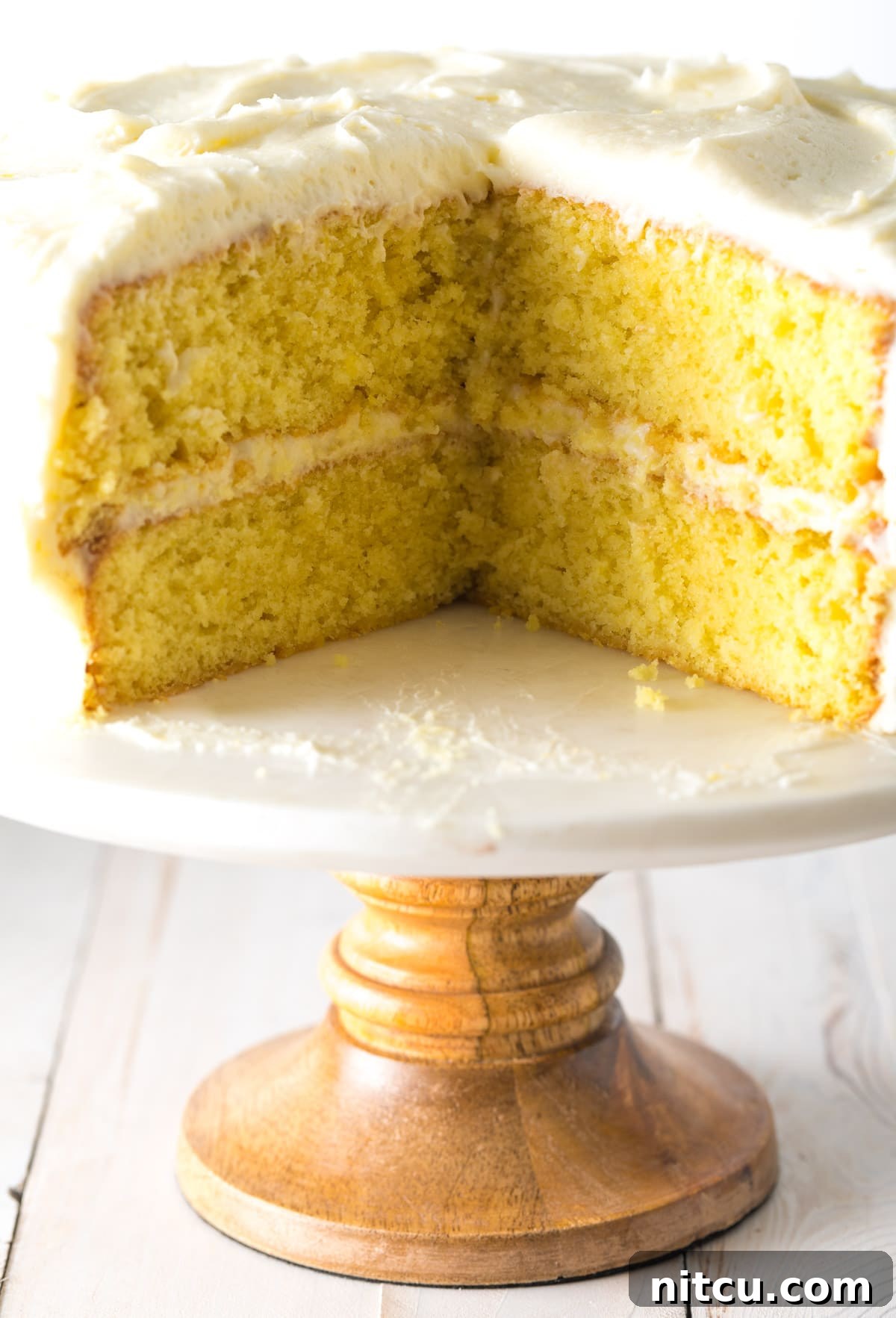
Experience the quintessential Southern dessert with our irresistible Lemon Buttermilk Cake recipe. This simple yet elegant layer cake boasts an incredibly soft, moist crumb, perfectly complemented by a vibrant, tangy buttermilk frosting. It’s a truly tender, sweet, and bright cake destined to become a cherished family favorite!
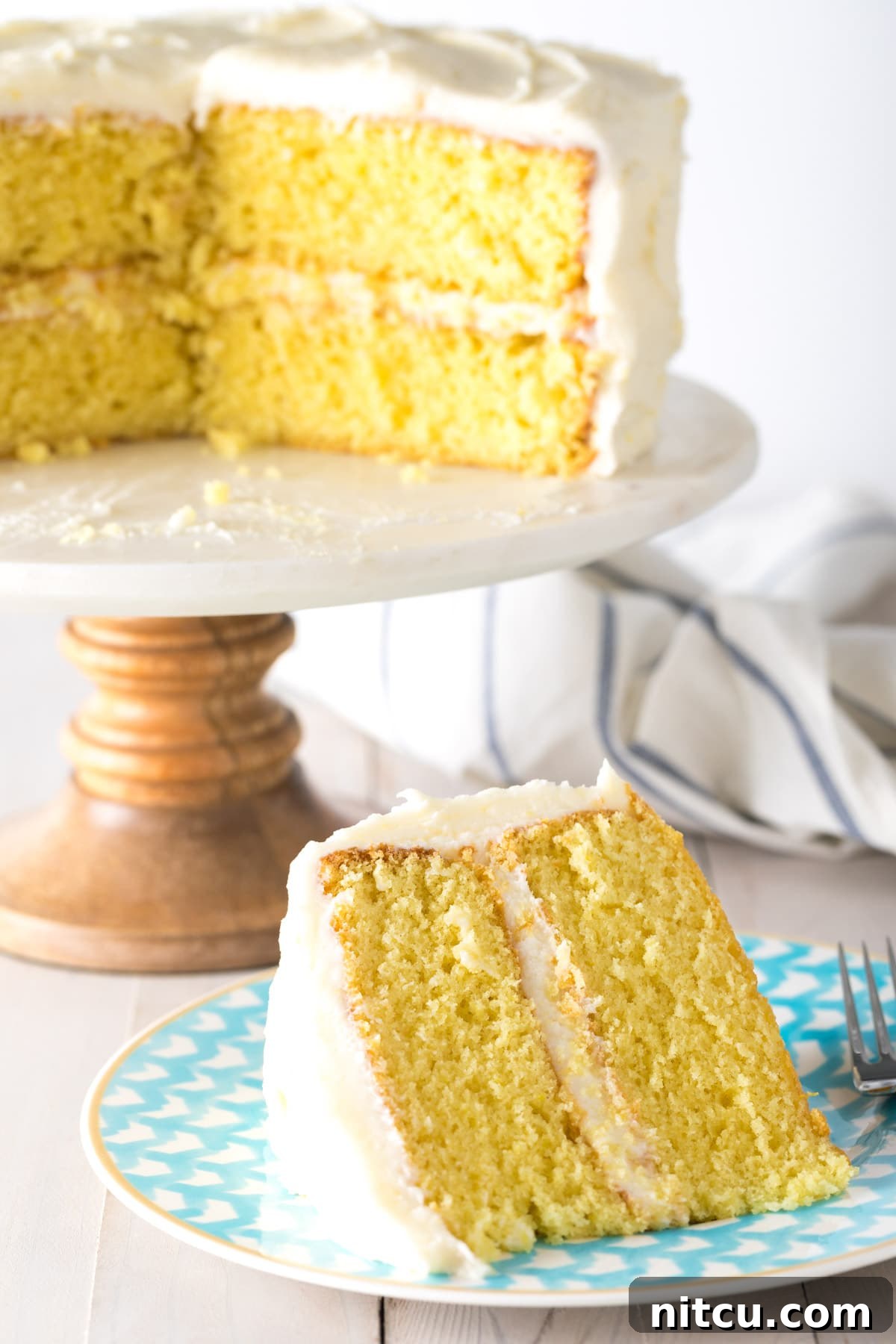

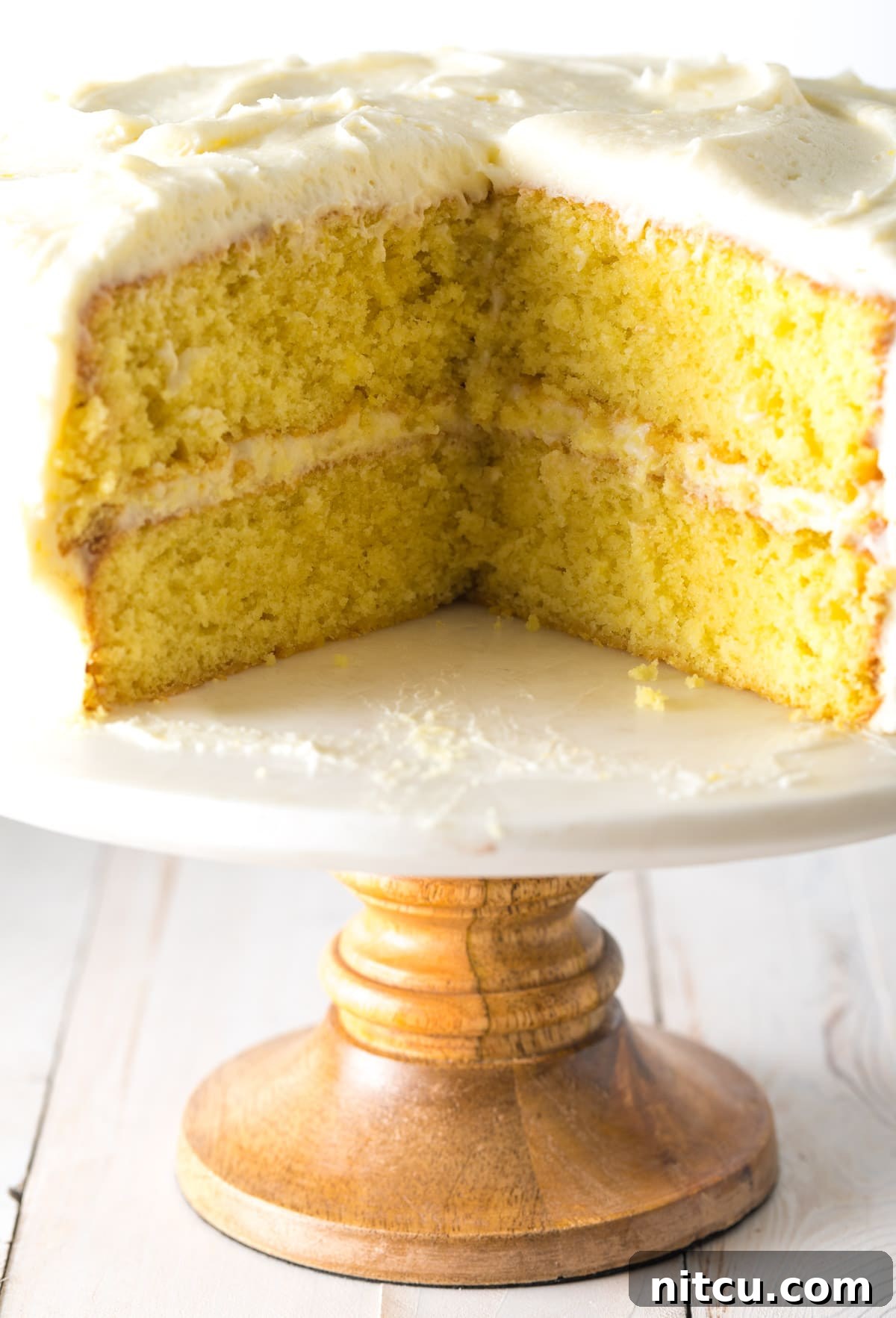
Sommer’s Southern Cake Secrets: The Essence of a Perfect Cake
When I first ventured into the culinary landscape of the American South, I quickly learned that “cake” here isn’t just a dessert; it’s an experience, a tradition, and frankly, a different league from cakes I had encountered elsewhere. Before moving to North Carolina, I honestly couldn’t say I had tasted a truly *mind-blowing cake*. But the South, with its rich baking heritage, changed everything I thought I knew about sweet treats.
For those unfamiliar with the magic of Southern baking, it’s not about a particular flavor profile or decorative style. Instead, a genuine Southern cake is defined by its unparalleled texture, profound moistness, and a level of sweetness that is unapologetically delightful. These elements combine to create a confection that’s both comforting and luxurious, embodying hospitality in every single bite. It’s a culinary philosophy that prioritizes richness, tenderness, and an almost indescribable melt-in-your-mouth quality.
Why This Lemon Buttermilk Cake Will Be Your New Favorite
Having indulged in countless cakes throughout my life, I can confidently say this Lemon Buttermilk Cake not only meets but exquisitely exceeds all expectations. It truly encapsulates the very best of Southern baking traditions, elevating a classic lemon flavor to new heights with the essential addition of rich buttermilk. Each feature has been perfected to deliver an unforgettable dessert experience:
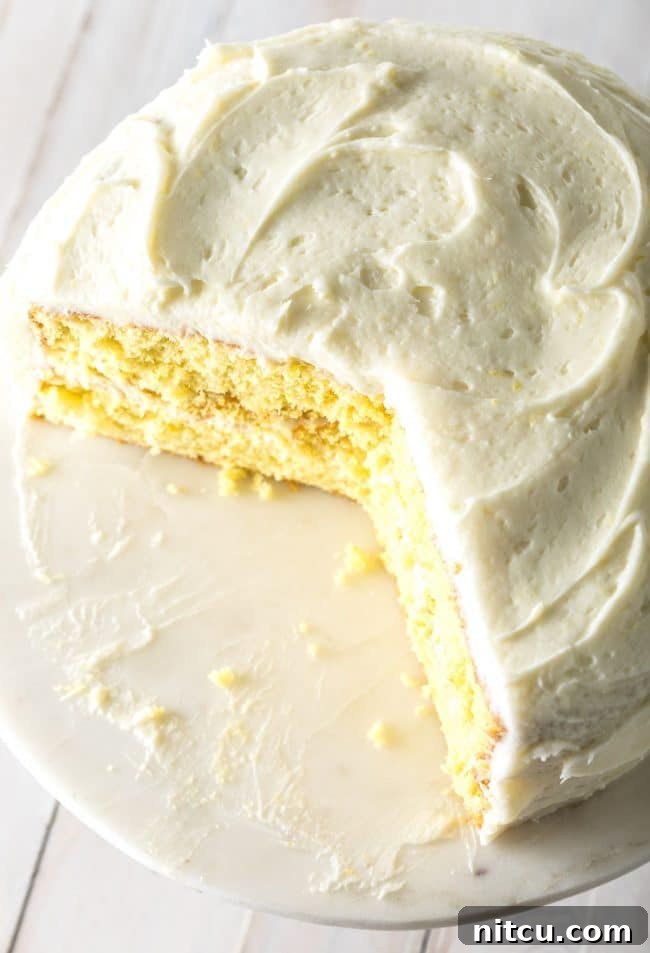
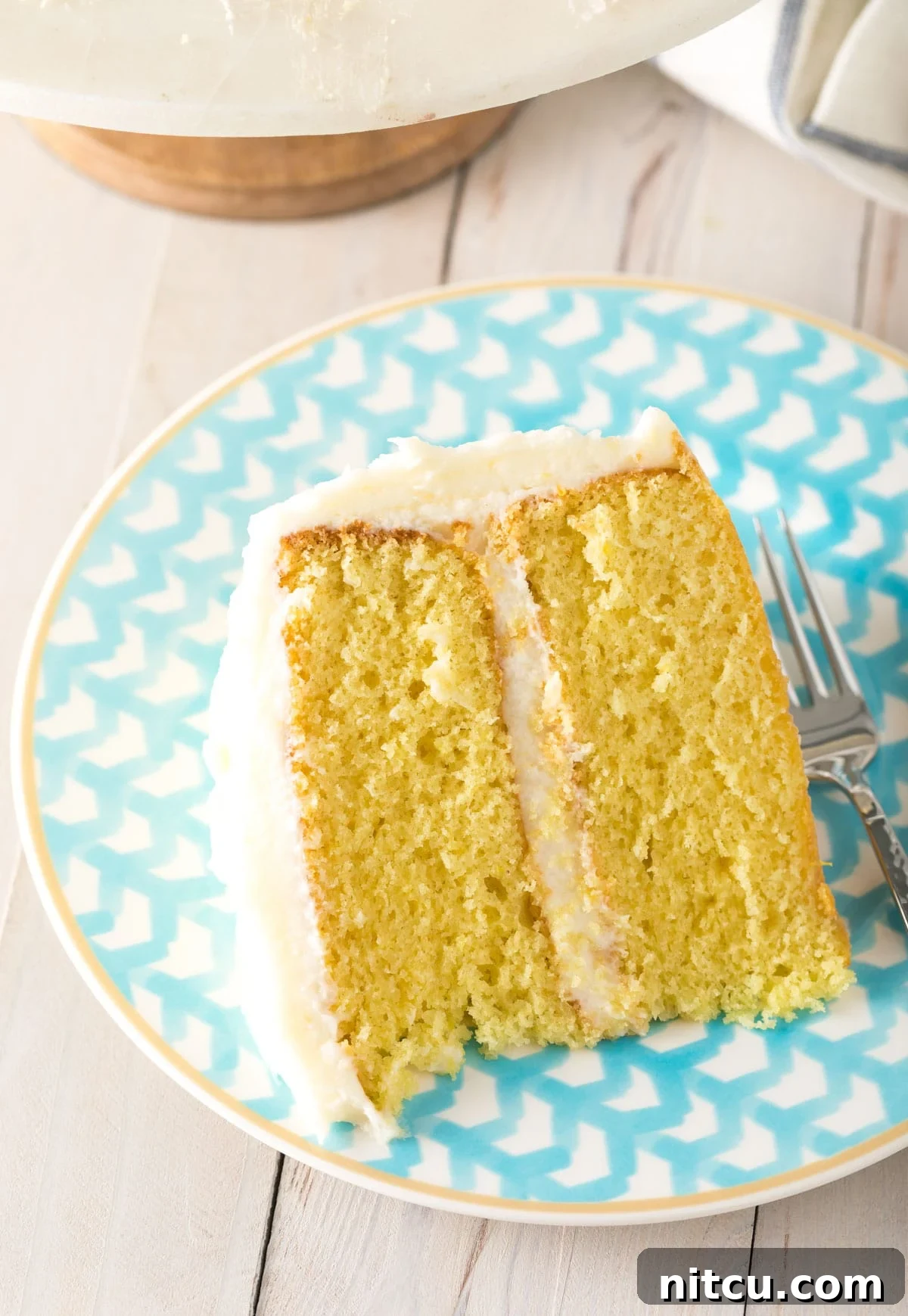
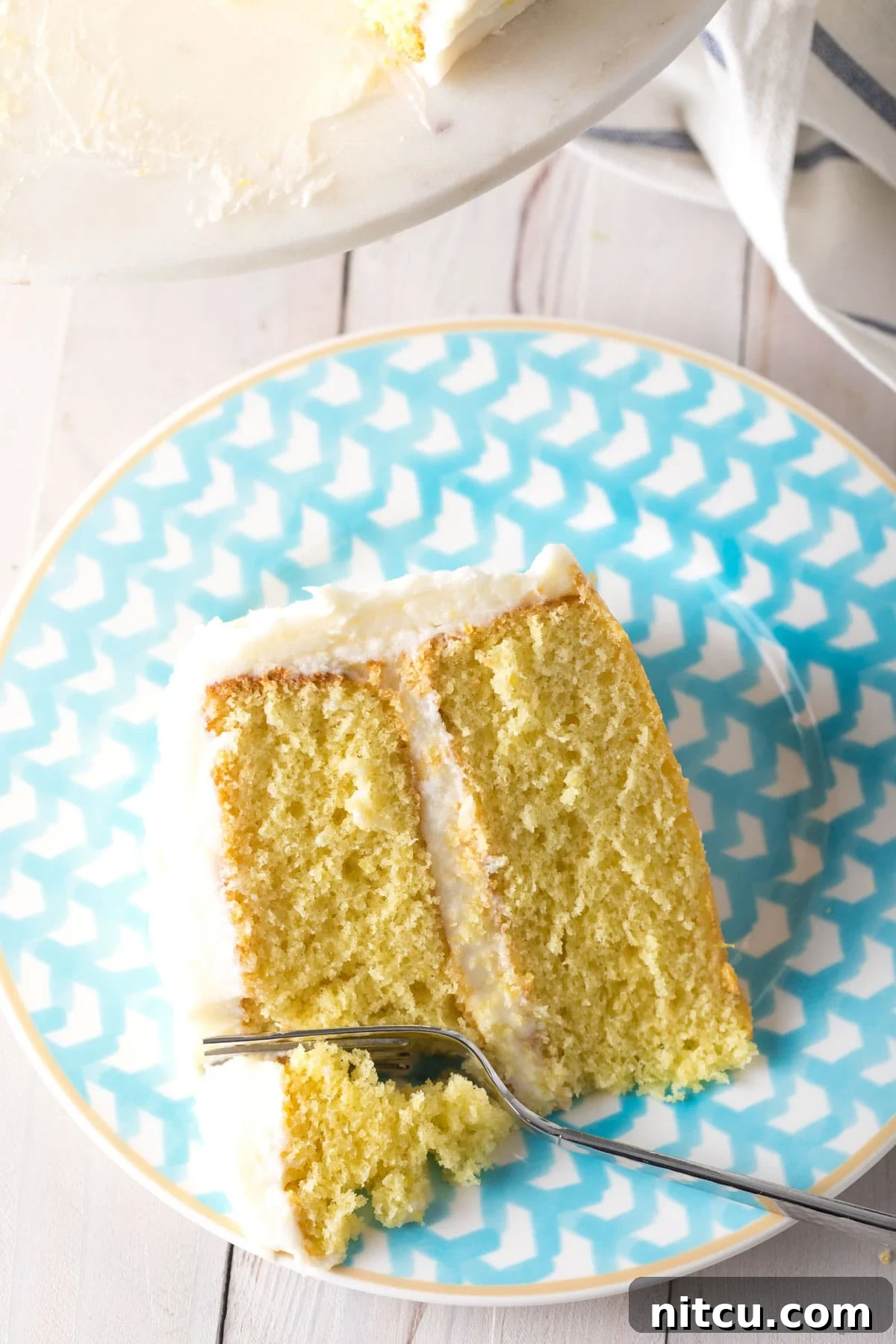
- Incredibly Soft and Light with a Fine Crumb: This cake boasts a beautifully fine, delicate crumb that practically melts in your mouth. Its ethereal lightness is a hallmark of expertly crafted Southern cakes, a texture so tender it requires a gentle touch when handling to preserve its delicate structure. You’ll immediately notice it’s never “bready” but rather a tender, almost pillowy embrace of flavor and texture. This fine crumb is a direct result of precise ingredient measurements and careful mixing techniques.
- Remarkably Moist and Tender Due to Buttermilk: The secret to its exquisite tenderness and profound moisture lies in the generous use of whole-fat buttermilk. Buttermilk, with its inherent acidity, reacts beautifully with the leavening agents (baking soda and baking powder) to create a lofty rise and an incredibly soft texture. It not only imparts a subtle tang that enriches the flavor but also significantly contributes to the cake’s moistness. The rich, creamy buttermilk frosting further locks in this moisture, ensuring each layer remains fresh, succulent, and never dries out. It’s the kind of moistness where, if you were to gently press down on a piece, you could almost perceive the rich butter or oil, a true sign of Southern baking perfection.
- Perfectly Balanced Sweetness with a Zesty Kick: While Southern cakes are celebrated for their powerful sweetness, this lemon buttermilk cake masterfully balances that sweetness with a bright, invigorating lemon flavor. The robust lemon presence, derived from multiple sources, prevents it from being overly cloying, instead creating a harmonious blend that leaves a refreshing and clean aftertaste. The sweetness is undoubtedly potent, as it should be in a truly great cake, but the lemon’s tartness cuts through beautifully, resulting in a perfectly balanced flavor profile that makes each slice a pure joy.
The intense and authentic lemon flavor in this recipe is not by accident; it’s carefully cultivated from three distinct and powerful sources: fresh lemon zest, tangy lemon juice, and a touch of concentrated lemon extract. This trifecta ensures a complex and multi-layered lemon profile, offering both a bright, fresh top note and a deeper, more profound citrus essence that permeates every bite of the cake and its luxurious, creamy frosting. It’s a lemon lover’s dream come true.
Essential Ingredients for Your Ultimate Lemon Buttermilk Cake
Crafting this incredible lemon buttermilk cake requires a selection of high-quality ingredients, each playing a vital role in achieving that signature Southern texture and flavor. Paying close attention to the details, especially the quality and temperature of your ingredients, can significantly impact the final delightful result. Gather your components and get ready to bake!
For the Lemon Buttermilk Cake Batter:
- Cake Flour: The true secret to a tender, fine-crumbed cake. Cake flour has a lower protein content compared to all-purpose flour, which means less gluten development and a softer, more delicate texture. If you don’t have cake flour, you can easily create a suitable substitute: measure 2 ½ cups of all-purpose flour, remove ¼ cup, and then whisk in ¼ cup of cornstarch. This blend effectively mimics the low-protein structure needed for an ethereal cake.
- Baking Powder: A crucial chemical leavening agent that reacts with moisture and heat to produce carbon dioxide gas, creating numerous small air pockets throughout the batter. This ensures your cake rises beautifully and achieves its desired fluffiness and softness.
- Baking Soda: Another essential leavening agent. It works in conjunction with the acidic buttermilk to provide additional lift, contributing to the cake’s airy consistency and fine crumb structure. Its reaction is vital for the signature lightness.
- Salt: Never underestimate the importance of salt in baking! It’s a flavor enhancer that balances all the other components, particularly the sweetness of the sugar and the bright tang of the lemon. It prevents the cake from tasting flat.
- Granulated Sugar: Provides the foundational sweetness and plays a key role in the cake’s moist texture by attracting and retaining moisture. When creamed thoroughly with butter, it also helps aerate the batter, contributing to the cake’s light structure.
- Unsalted Butter: Softened to a true room temperature (meaning it yields slightly when gently pressed), butter contributes unparalleled richness, deep flavor, and exquisite tenderness to the cake. Using unsalted butter gives you precise control over the overall salt content of your recipe.
- Large Eggs: Like the butter, eggs should be at room temperature. They act as a binder for the ingredients, add crucial moisture, and contribute significantly to the cake’s structure and richness. Room temperature eggs emulsify much better with the softened butter and sugar, leading to a smoother, more stable batter.
- Vegetable Oil: A strategic addition of vegetable oil ensures an extra layer of moistness. Unlike butter, which can firm up when cooled, oil remains liquid, keeping the cake exceptionally tender and preventing it from drying out, even a day or two after baking.
- Fresh Lemon Zest and Juice: These are paramount for delivering an authentic, vibrant, and incredibly fresh lemon flavor. Always use fresh lemons for the best results; bottled juice simply won’t yield the same bright, complex taste. The zest, in particular, holds aromatic oils that deliver a powerful burst of citrus essence, while the juice adds a tangy acidity.
- High-Quality Vanilla Extract: A crucial background ingredient that rounds out and deepens all the other flavors, adding warmth and a subtle complexity without ever overpowering the star lemon. Always opt for pure vanilla extract for the most authentic and rich taste.
- Lemon Extract: Used strategically in addition to fresh lemon, lemon extract intensifies the citrus flavor profile, providing a deeper, more pronounced lemon essence that makes this cake truly shine and ensures a consistent lemon presence throughout.
- Yellow Food Coloring (Optional): A few drops of yellow food coloring can purely enhance the natural sunny yellow hue of a lemon cake, making it even more visually appealing and appetizing. This is entirely for aesthetics and does not affect flavor.
- Whole-Fat Buttermilk: The undeniable star ingredient for achieving extraordinary moisture, tenderness, and a delicate tang. If you don’t have store-bought buttermilk, you can easily make a homemade substitute: add 1 tablespoon of white vinegar or fresh lemon juice to a liquid measuring cup, then fill the rest of the way to 1 ¼ cups with whole milk. Let it sit for 5-10 minutes until it visibly curdles slightly before using.
For the Tangy Buttermilk Frosting:
- Unsalted Butter: Softened to room temperature, it forms the rich, creamy base for an exquisite buttercream frosting. Using unsalted butter allows you precise control over the salt level in your frosting, ensuring perfect flavor balance.
- Buttermilk: Just as it enhances the cake, buttermilk in the frosting adds a delightful tangy counterpoint to the sweetness. It also contributes to achieving a wonderfully smooth, spreadable consistency that is never cloying.
- Fresh Lemon Juice: Infuses the frosting with a bright, refreshing lemon flavor that perfectly complements the cake and helps to cut through the richness of the butter and sugar, creating a balanced taste.
- Powdered Sugar (Confectioners’ Sugar): The main sweetening agent for the frosting, powdered sugar is finely milled, ensuring a smooth, velvety texture without any grittiness, making the frosting incredibly pleasant on the palate.
Crafting the Perfect Lemon Buttermilk Cake: Step-by-Step Guide
Follow these detailed instructions precisely to bake a beautiful, moist, and intensely flavorful Lemon Buttermilk Cake that will undoubtedly impress everyone who tastes it. Remember, precision and patience are your best tools in the art and science of baking.
Best Lemon Buttermilk Cake Recipe
Prep Time: 30 minutes | Cook Time: 30 minutes | Rest Time: 45 minutes | Total Time: 1 hour 45 minutes
Servings: Approximately 20 slices
Summary: This classic Southern lemon layer cake is renowned for its incredibly soft, moist, and tender texture, exquisitely complemented by a vibrant, tangy buttermilk frosting. It’s a truly sweet, bright, and heartwarming cake that is guaranteed to become a cherished family favorite, bringing sunshine and joy to any table and celebration.
Instructions
-
Prepare Your Pans: Begin by preheating your oven to 350°F (175°C). Next, thoroughly grease or spray two 9-inch round cake pans with a high-quality non-stick baking spray. For an impeccable, stick-free release, cut out two 9-inch circles of parchment paper (tracing the pan bottoms provides perfect circles) and press them firmly into the bottom of each prepared pan. This crucial step is your guarantee that your precious cake layers will emerge perfectly intact, without any frustrating sticking or tearing.
-
Cream Butter and Sugar: In the spacious bowl of an electric stand mixer fitted with the paddle attachment, combine your softened unsalted butter and granulated sugar. Beat on high speed for approximately 3-5 minutes until the mixture transforms into a light, fluffy, and notably pale cream. This essential process, known as “creaming,” meticulously incorporates tiny air pockets into the butter and allows the sharp sugar crystals to further aerate the mixture. This aeration is absolutely crucial for achieving that signature tender, airy cake texture.
-
Combine Dry Ingredients: In a separate medium bowl, take a whisk and thoroughly combine the sifted cake flour (or your meticulously prepared homemade substitute), baking powder, baking soda, and salt. Sifting the flour beforehand ensures there are no unwanted lumps and that all the leavening agents are perfectly and evenly distributed throughout the dry mixture, setting the stage for an even rise.
-
Add Wet Ingredients to Creamed Mixture: Once the butter and sugar mixture is beautifully creamed and aerated, stop the mixer and use a rubber spatula to meticulously scrape down the sides and bottom of the mixing bowl. Turn the mixer to low speed and gradually beat in the room temperature eggs, one at a time, ensuring each egg is fully incorporated into the batter before you add the next. Following this, mix in the vegetable oil, fresh lemon zest, pure vanilla extract, concentrated lemon extract, and the optional yellow food coloring. Continue mixing only until all these ingredients are just combined.
-
Alternate Wet and Dry Ingredients: Scrape the bowl once more to ensure everything is evenly incorporated. With the mixer still on low speed, begin to alternate adding the dry flour mixture and the whole-fat buttermilk. Start and end with the flour mixture. Add about a third of the flour mixture, mix until just incorporated, then half of the buttermilk, mix, then another third of the flour, the remaining buttermilk, and finally the last third of the flour. Mix only until the batter is smooth and no streaks of dry flour remain visible. As soon as all ingredients are visibly combined, turn the mixer off immediately to prevent overmixing, which can lead to a tough and undesirable cake texture.
-
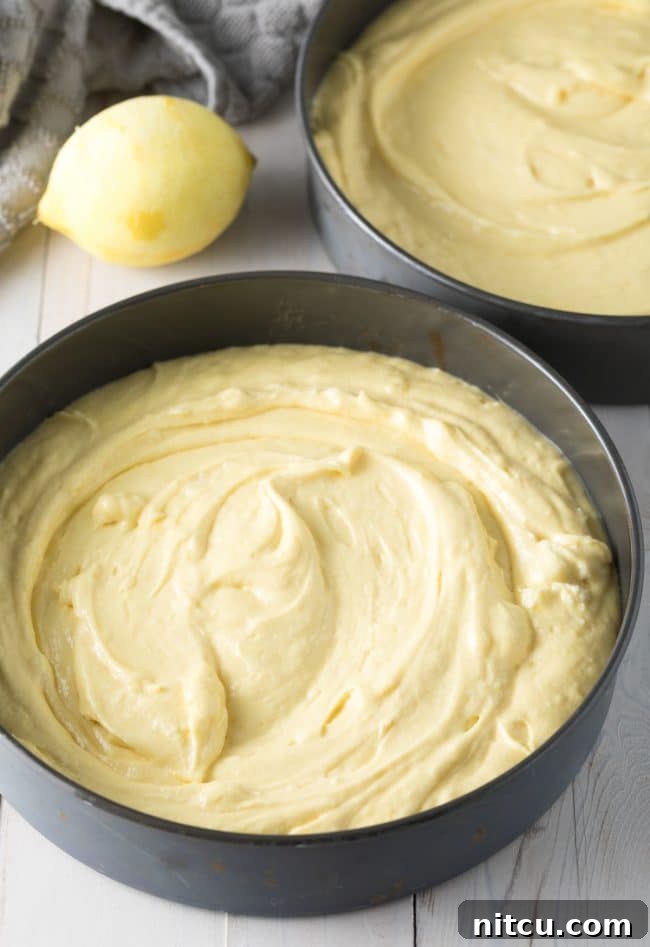
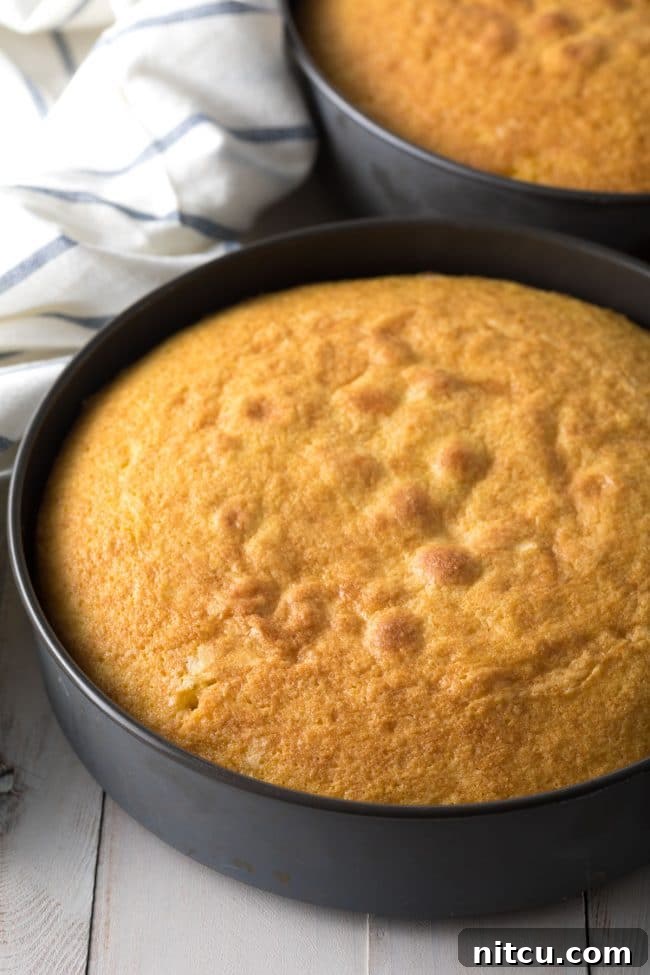
Bake the Cake Layers: Carefully divide the prepared batter evenly between the two prepared 9-inch cake pans. Place the pans on the middle rack of your preheated oven. Bake undisturbed for approximately 30 minutes. It is absolutely crucial not to open the oven door during the baking process, especially within the first 20 minutes, as this sudden temperature change can cause the delicate cake to collapse and deflate.
-
Check for Doneness: The cake layers are ready when their centers are slightly puffed, spring back gently when lightly touched, and have turned a beautiful golden-brown. To definitively test for doneness, insert a clean wooden toothpick into the very center of each cake; if it comes out clean with no wet batter attached, the cakes are perfectly done. If the toothpick still has batter on it, bake for another 5-10 minutes and then recheck.
-
Cool the Cakes: Once baked, promptly remove the cakes from the oven and allow them to cool in their pans for a critical 10 minutes. This initial cooling period allows the cakes to firm up slightly, making them easier to handle. After 10 minutes, carefully invert the cakes onto a wire cooling rack, gently peel off the parchment paper from the bottoms, and let them cool completely to room temperature before you even think about frosting. Attempting to frost a cake that is even slightly warm will inevitably result in melted, sliding frosting and a messy presentation.
-
Prepare the Buttermilk Frosting: While your cake layers are achieving their full cool, prepare the luscious buttermilk frosting. In a clean stand mixer bowl with the paddle attachment, beat the softened unsalted butter on medium-high speed until it becomes wonderfully light and fluffy, a process that typically takes about 3-4 minutes. Stop the mixer and scrape down the bowl. With the mixer now on low speed, gradually add the buttermilk and fresh lemon juice, mixing until they are just combined. Then, begin adding the powdered sugar, one cup at a time, beating thoroughly after each addition until it is fully incorporated and smooth.
-
Adjust Frosting Consistency: After adding approximately 5 cups of powdered sugar, increase the mixer speed to medium-high and beat for an additional 2-3 minutes to ensure all clumps are completely gone and the frosting is incredibly smooth, airy, and light. Carefully check the consistency of your frosting. If it appears too loose or runny, incorporate another 1-2 cups of powdered sugar, adding it one cup at a time, until it reaches a thick, spreadable consistency that holds its shape beautifully for frosting. Conversely, if the frosting is too stiff, add a tiny splash (about a teaspoon at a time) of additional buttermilk or milk until the desired smooth texture is achieved.
-
Assemble the Cake – First Layer: Once both cake layers are completely cool to the touch, carefully place one layer onto your chosen cake stand or serving platter. Scoop about 2 cups of the prepared buttermilk frosting onto the very top of this first cake layer. Use a large, flat offset spatula to expertly spread the frosting evenly across the entire surface, extending it gracefully to the very edges of the cake layer.
-
Add Second Layer and Crumb Coat (Optional but Recommended): Carefully and precisely place the second cake layer directly on top of the frosted first layer, aligning it as perfectly as possible to create even layers. Gently press down on the top of the cake to ensure it is level and stable. Now, scoop all the remaining frosting onto the top of the cake. For a truly professional and crumb-free finish, apply a very thin “crumb coat” layer of frosting over the entire cake (both top and sides) to trap any potential loose crumbs. If you apply a crumb coat, chill the cake in the refrigerator for 15-20 minutes until this thin layer is fully set.
-
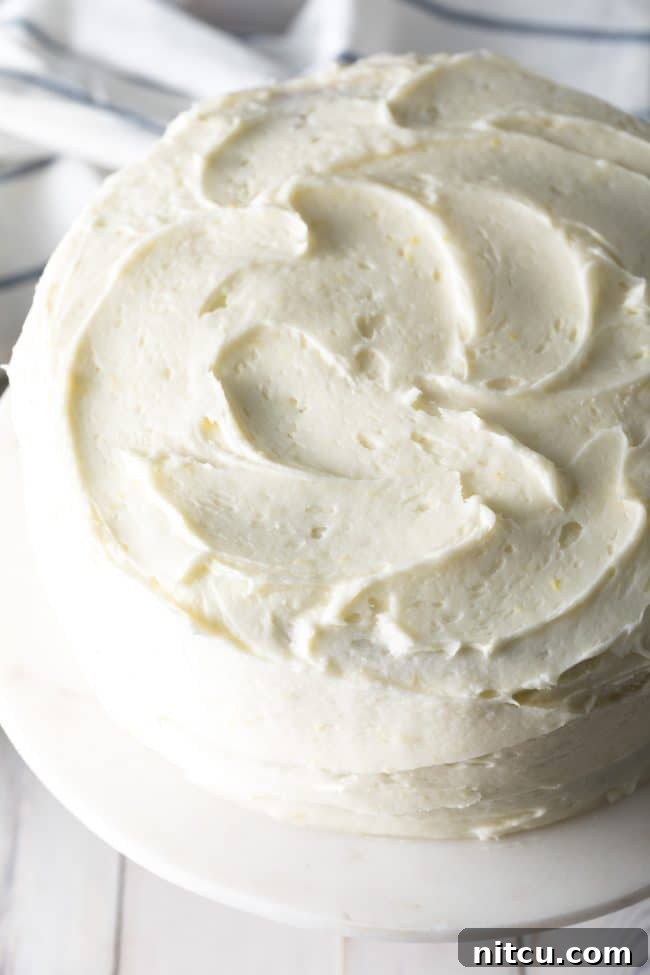
Apply Final Frosting and Decorate: After the crumb coat has set (or directly after applying the second layer if you skipped the crumb coat), use the generous amount of remaining frosting to liberally cover the top and sides of the cake. Utilize your offset spatula to carefully smooth the frosting to your desired finish. If you have a rotating cake stand, gently turn the stand while holding the spatula steady against the sides to achieve an exceptionally smooth, professional-looking exterior. For a charming, rustic touch, you can create decorative swooping marks on the top of the cake with your spatula. Finally, use a clean, wet paper towel to meticulously clean any frosting smudges from the cake stand for a perfectly polished presentation.
-
Serve and Store: Your stunning, homemade Lemon Buttermilk Cake is now ready to be proudly displayed and enjoyed! For optimal flavor and texture, allow the cake to sit at room temperature for at least 30 minutes before cutting and serving, as classic layer cakes truly shine when they are not chilled. Cover any leftovers loosely (with plastic wrap or a cake dome) to prevent drying. The cake can be kept fresh at room temperature for up to 4 days, or it will last beautifully when refrigerated for up to a week. Always remember to bring it back to room temperature before serving for the absolute best taste and texture experience.
Notes
Pro Frosting Tips for a Flawless Finish: Getting crumbs in your frosting can be one of the most frustrating aspects of decorating a cake, often diminishing the final aesthetic. Here are two expert techniques to achieve a beautifully smooth, pristine, and crumb-free exterior, ensuring your Lemon Buttermilk Cake looks as incredible as it tastes:
- The Essential Crumb Coat Method: This technique is a game-changer for a professional-looking cake. After stacking your cake layers and before applying your final decorative frosting, spread a very thin, almost translucent layer of frosting over the entire cake – covering both the top and the sides. This initial “crumb coat” acts as a crucial sealant, effectively trapping any loose cake crumbs that may be present. Once this thin layer is applied, refrigerate the cake for approximately 15-20 minutes, allowing this crumb coat to firm up completely. This chilling creates a stable, crumb-free canvas, preparing the cake for your final, thicker, and perfectly smooth layer of frosting.
- The Freeze and Frost Method for Enhanced Stability: For an even greater level of stability and ease, especially beneficial when working with delicate cake textures or in warm kitchens, you can opt for the “freeze and frost” method. After your cake layers have completely cooled, wrap them individually and tightly in plastic wrap, then cover with aluminum foil, and freeze them for a few hours (or even overnight). Once firm and cold, unwrap the frozen layers, level them if necessary for even stacking, and then proceed to frost them. The firm, cold cake layers are significantly less prone to crumbling and are much easier to handle and frost. Just remember, if you use this method for a fully frosted cake, allow at least 6 hours for the cake layers to thaw completely to room temperature before serving, ensuring the perfect moist and tender texture for enjoyment.
Nutrition Information
- Serving Size:
- 1 slice
- Calories:
- 477 kcal
- Carbohydrates:
- 63g
- Protein:
- 3g
- Fat:
- 23g
- Saturated Fat:
- 15g
- Cholesterol:
- 86mg
- Sodium:
- 178mg
- Potassium:
- 97mg
- Fiber:
- 0g
- Sugar:
- 50g
- Vitamin A:
- 675 IU
- Vitamin C:
- 0.4mg
- Calcium:
- 50mg
- Iron:
- 0.4mg
Course: Dessert | Cuisine: American | Author: Sommer Collier
Mastering Your Bake: Expert Baking Tips and Tricks
Achieving the perfect lemon buttermilk cake, with its tender crumb and delectable flavor, relies on a few fundamental baking principles. Even experienced bakers benefit from a refresher on these essential tips. Following these guidelines will elevate your baking and ensure consistent, mouth-watering results every single time, transforming you into a true baking maestro.
- Meticulously Prep Your Pans: This seemingly minor step is, in fact, absolutely critical for a successful cake release. Always generously grease your cake pans with butter or a high-quality baking spray, then dust them lightly with flour, tapping out any excess. For an added, foolproof layer of security, meticulously cut circles of parchment paper to precisely fit the bottom of each pan. This creates an impermeable, non-stick barrier that guarantees your precious cake layers will slide out in one perfect, unblemished piece, preventing any frustrating sticking, tearing, or crumbling.
- Cream Butter and Sugar Long Enough: This is a cornerstone technique for creating light, airy cakes, and it’s a step often overlooked or rushed by novice bakers. When softened butter and granulated sugar are vigorously beaten together at high speed, countless tiny air pockets are incorporated into the butter. Simultaneously, the sharp sugar crystals work as microscopic aerators, further fluffing the mixture. This process should take a solid 3-5 minutes, resulting in a pale, almost white, wonderfully fluffy mixture that has the consistency of whipped cream. Skimping on this vital step will inevitably result in a denser cake with a less delicate and desirable crumb.
- Measure Ingredients with Precision: While cooking can often be an art form where improvisation shines, baking is unequivocally a precise science. Unlike cooking, where a pinch more or less won’t typically ruin a dish, baking relies heavily on intricate chemical reactions where exact proportions are paramount. For the most accurate measurements, especially for flour, invest in and use a reliable kitchen scale. If you are using measuring cups, always employ the “fluff, spoon, and level” method: gently fluff your flour, lightly spoon it into the measuring cup, and then level it off with a straight edge. Never scoop directly from the bag, as this compacts the flour and can lead to excessive amounts, altering your cake’s texture. Always take liquid measurements at eye level for accuracy.
- Scrape the Bowl Frequently: As you mix your batter, ingredients have a natural tendency to cling to the sides and bottom of your mixing bowl. If left unaddressed, this can lead to uneven incorporation, resulting in pockets of unmixed ingredients or an inconsistent cake texture. Therefore, it is essential to use a rubber spatula to meticulously scrape down the bowl thoroughly between each ingredient addition and after every mixing step. This simple yet effective act ensures all components are fully combined and homogenous, leading to a consistently textured and flawlessly baked cake.
- Avoid Overbeating the Batter: It’s incredibly tempting to simply turn on the mixer and let it run, perhaps while attending to other kitchen tasks. However, cake batter can very easily be overmixed! Once you’ve added the dry ingredients to the wet, mix only until they are just combined and no streaks of dry flour are visible. Overmixing develops the gluten in the flour too much, which can lead to a tough, chewy, or even rubbery cake texture. It can also cause the cake to sink in the middle, creating a dense rather than a fluffy result. The very moment the batter appears smooth and uniform, turn that mixer off immediately!
- Do Not Disturb the Baking Cake: Patience is an absolute virtue while your cake is gracefully baking in the oven. Resist the almost irresistible urge to open the oven door, especially during the crucial first two-thirds of the baking time. Opening the door causes a sudden, significant drop in temperature within the oven, which can severely interrupt the cake’s delicate rising process and often cause it to fall, collapse, or sink in the center. Even heavy footfalls or vibrations in the kitchen can sometimes impact a delicate, rising cake. Trust your oven, set a timer, and allow the magical transformation to happen uninterrupted.
- Cool Completely Before Frosting: This tip, arguably the most important for a beautifully presented cake, cannot be stressed enough. Rushing to frost a cake that is even slightly warm is a direct recipe for disaster. The residual heat from the cake will inevitably melt your beautiful, creamy frosting, causing it to slide right off the sides and create a messy, unappealing presentation. Allow your Lemon Buttermilk Cake layers to cool completely on a wire rack—this can sometimes take several hours—before you even begin to prepare or think about applying your frosting. Cool cakes guarantee clean, professional-looking frosting application that adheres perfectly.
- Ensure Room Temperature Ingredients: Many recipes call for room temperature butter and eggs, and for good reason. Ingredients at room temperature emulsify much better, meaning they combine more smoothly and evenly. This leads to a finer, more tender crumb and a more stable batter that rises better. For eggs, place them in a bowl of warm water for 5-10 minutes. For butter, cut it into smaller cubes and let it sit on the counter for 30-60 minutes, or use short, gentle bursts in the microwave until just softened.
Delightful Recipe Variations for Your Lemon Buttermilk Cake
While this classic Lemon Buttermilk Cake is absolutely perfect and satisfying as is, it also serves as an excellent canvas for creative culinary experimentation. Its bright, versatile flavor profile makes it easy to adapt. Here are some delightful variations to customize your cake, adding new dimensions of flavor and texture that will surely impress your guests and awaken your taste buds:
- Raspberry Swirl Lemon Cake: For a beautiful visual appeal and a burst of complementary fruitiness, gently fold in a cup of fresh or frozen raspberries (there’s no need to thaw them first) into approximately half of your prepared cake batter. When pouring the batter into your prepared pans, alternate spoonfuls of the plain lemon batter and the raspberry-infused batter. As the cake bakes, the raspberries will create lovely, vibrant swirls of color and add a delightful tart counterpoint to the cake’s inherent sweetness and lemon flavor.
- Elegant Lavender Lemon Cake: Introduce a sophisticated and subtly fragrant floral note by carefully incorporating a teaspoon of food-grade dried lavender into your cake batter. For the best infusion of flavor, gently grind the lavender buds with a small amount of sugar or lemon zest to help release their aromatic oils before mixing them into the dry ingredients. This delicate addition creates an elegant, uniquely fragrant cake that is truly special and perfectly suited for sophisticated gatherings or an afternoon tea.
- Tropical Coconut Lemon Cake: For a delightful tropical twist that transports your senses, gently fold in a generous cup of shredded unsweetened coconut flakes into the cake batter. The coconut adds a wonderful, chewy texture and a subtle hint of exotic flavor that pairs absolutely beautifully with the bright, tangy lemon. For an extra layer of flavor and a pleasing crunch, consider sprinkling some lightly toasted coconut flakes over the top of the frosted cake.
- Luscious Lemon Curd Filling: Elevate your layer cake to new heights of decadence by adding a rich layer of homemade or high-quality store-bought lemon curd between the cake layers. After spreading your initial layer of buttermilk frosting, create a small “dam” or border of frosting around the edge of the cake layer. Then, fill the center with a generous amount of tangy, velvety lemon curd. This addition provides an extra punch of tartness and a luxurious, creamy texture that makes each slice even more indulgent and memorable.
- Blueberry Burst Lemon Cake: Similar to the raspberry swirl variation, you can gently fold in fresh blueberries into the cake batter. During baking, the blueberries will beautifully burst, releasing their sweet-tart juices and creating lovely, flavorful pockets of fruit throughout the cake. This is an absolutely fantastic and refreshing option, especially ideal for summer gatherings or brunches.
- Cream Cheese Frosting Variation: While our tangy buttermilk frosting is divine, for those who love the classic pairing, a light lemon cream cheese frosting would also be exceptional. Reduce the buttermilk slightly in the frosting recipe and add softened cream cheese for a rich, tangy, and slightly denser frosting that perfectly complements the lemon cake.
Frequently Asked Questions About Lemon Buttermilk Cake
Here are answers to some common questions about baking, storing, and customizing your Lemon Buttermilk Cake to ensure you get the absolute most out of this delightful and versatile recipe. These tips will help you navigate common baking queries and maintain the cake’s freshness.
For optimal freshness and unparalleled flavor, this cake can be kept at room temperature, loosely covered (ideally with a cake dome or plastic wrap), for up to 3 days. If you need to extend its shelf life further, it will last beautifully for 7-10 days in the refrigerator. Always make sure to wrap it well in plastic wrap or store it in an airtight cake keeper to meticulously prevent it from drying out or absorbing other odors from your fridge. Remember to bring it back to room temperature before serving for the best taste and texture.
Absolutely! This cake freezes exceptionally well, making it a fantastic option for meal prep or future celebrations. For best results, wrap the *unfrosted* cake layers tightly in a layer of plastic wrap, then cover them with aluminum foil to meticulously prevent any freezer burn. These can be frozen for up to 2 months. For a *frosted* cake, you can “flash freeze” it uncovered for about an hour until the frosting is firm to the touch. Then, wrap it securely with plastic wrap and an outer layer of foil. A frosted cake can be frozen for up to 1 month. To thaw, simply unwrap and leave the cake at room temperature for several hours or overnight before serving. Freezing is a brilliant way to manage your baking schedule!
Yes, this versatile recipe works wonderfully for crafting delightful cupcakes! To make Lemon Buttermilk Cupcakes, slightly increase your oven temperature to 375°F (190°C) – this higher heat encourages a beautiful, domed top. Line muffin tins with paper liners and fill each about two-thirds full with your cake batter. Bake for approximately 15-18 minutes, or until a clean toothpick inserted into the center of a cupcake comes out clean. This recipe typically yields a generous batch of about 18-24 cupcakes, depending on how full you fill the liners.
Indeed, you can! If you prefer a single-layer sheet cake rather than a stacked layer cake, simply pour the entire batter into a thoroughly greased and floured 9×13 inch baking pan. Bake at 350°F (175°C) for approximately 30-35 minutes. Always keep a close eye on it, as actual baking times can vary slightly depending on the specific characteristics of your oven. As always, check for doneness by inserting a toothpick into the center; it should come out clean.
Absolutely! Lemon and poppy seeds are a classic, beloved flavor combination. To incorporate poppy seeds into your cake, start by adding 1 to 2 tablespoons of poppy seeds to your dry ingredients (flour, baking powder, baking soda, salt) before combining them with the wet ingredients. This method ensures they are evenly distributed throughout the batter. You can adjust the amount to your personal preference for a delightful textural element and a subtle nutty flavor that beautifully complements the bright lemon.
If your cake has unfortunately turned out with a spongy or rubbery texture, it’s highly likely that the batter was overmixed. Overmixing vigorously develops the gluten in the flour excessively, which leads directly to a tough, chewy, and undesirable consistency. Remember this golden rule of baking: once you add the dry ingredients to the wet, mix only until they are *just* combined and no dry streaks of flour remain visible. The very moment the batter appears smooth and uniform, stop mixing immediately to ensure the most tender and delicate crumb.
Room temperature ingredients, especially butter and eggs, are absolutely crucial for proper emulsification, which leads to a smoother, more homogenous batter and ultimately a finer, more tender crumb in your finished cake. To quickly bring eggs to room temperature, place them in a bowl of warm water for 5-10 minutes. For butter, cut it into smaller pieces and let it sit on the counter for 30-60 minutes, or microwave on very low power for short bursts (5-10 seconds), flipping frequently, until just softened but not melted. Buttermilk can usually be left out on the counter for about 30 minutes to take the chill off effectively.
Discover More Classic Southern Dessert Recipes
If you’ve fallen in love with the comforting charm and irresistible flavors of this Lemon Buttermilk Cake, you’ll surely enjoy exploring other beloved Southern dessert traditions. The South is a treasure trove of sweet delights, each offering its own unique blend of history, comfort, and deliciousness. Here are some more delightful recipes to expand your baking repertoire and bring more Southern warmth to your kitchen:
- Farmstand Fresh Strawberry Yogurt Bundt Cake
- Effortlessly Easy Apple Crisp Recipe
- The Perfect Classic Carrot Cake
- Indulgent No-Bake Pumpkin Cheesecake Bars
- Delightful Hummingbird Cake Cupcakes
- Rich and Fudgy Chocolate Texas Sheet Cake
- Sweet & Juicy Blueberry Crisp (Blueberry Crumble)
- Cloud-Like Fluffy Divinity Candy Recipe
- Authentic Scottish Shortbread (Easy Shortbread Cookie Recipe)
- The Easiest Homemade Candied Orange Peel Recipe
- Elegant Linzer Cookies (Cut Out Cookies Recipe)