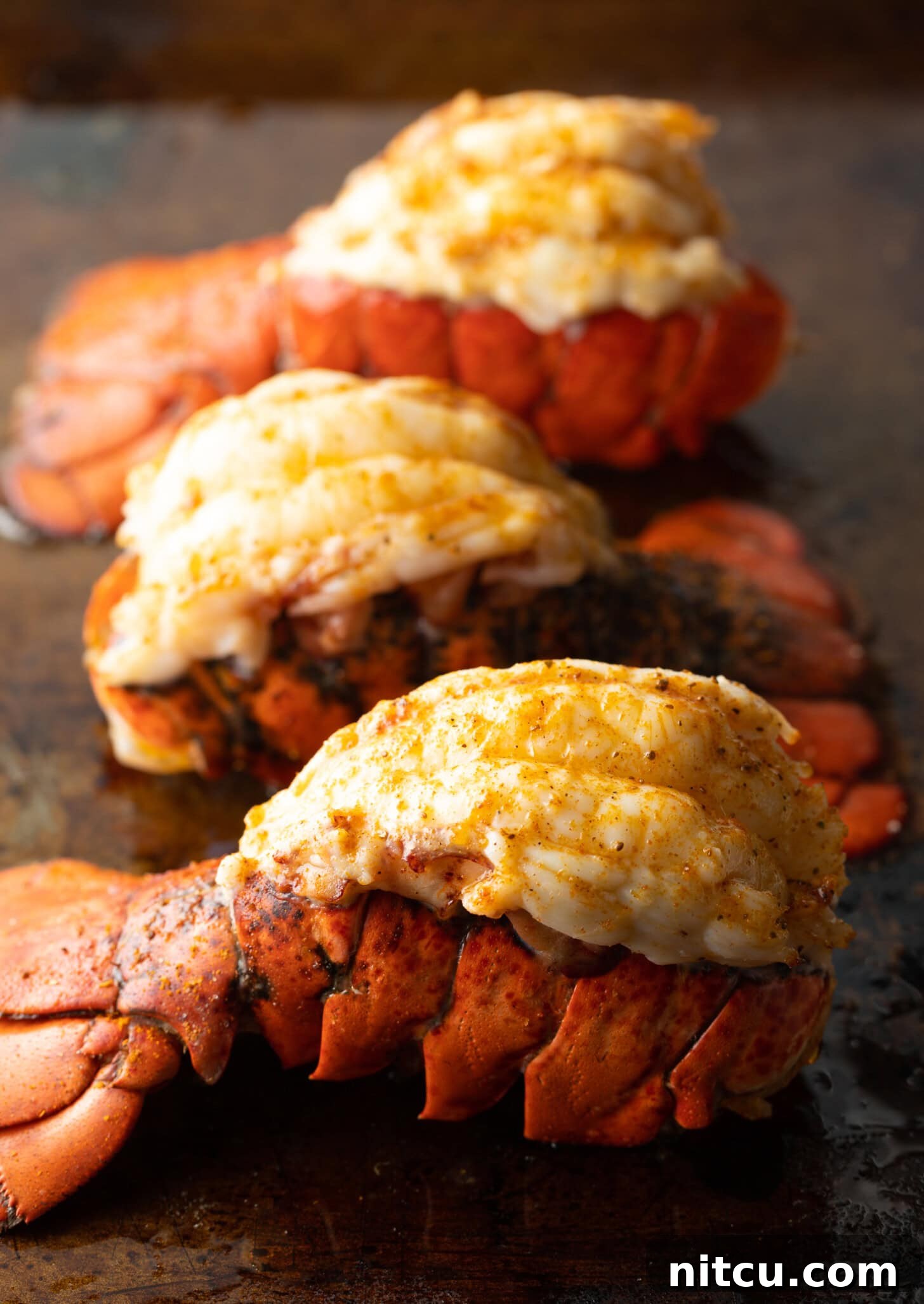
Unlock the secrets to preparing succulent, restaurant-quality lobster tails right in your own kitchen! This comprehensive guide provides easy-to-follow, no-fail methods and expert tips for cleaning, prepping, and cooking lobster tails to perfection. Whether you prefer baking, grilling, steaming, or even air frying, you’ll discover how to achieve tender, flavorful lobster that’s ideal for any special occasion or a luxurious weeknight treat.
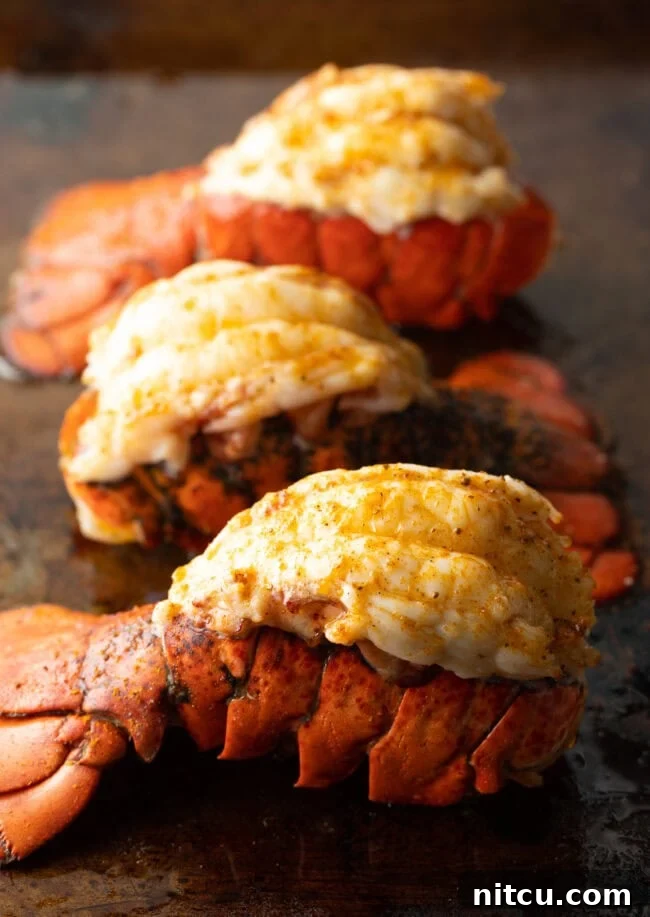
Mastering Lobster Tails: Your Ultimate Home Cooking Guide
When visions of an exquisite, gourmet meal dance in your head, lobster tails often take center stage. They’re a staple at high-end steakhouses and fine dining establishments, synonymous with luxury and indulgence. However, the good news is that achieving perfectly tender, juicy, and incredibly flavorful lobster tails is far simpler than you might imagine, and entirely within your grasp from the comfort of your home kitchen.
This guide is your all-in-one resource for mastering the art of cooking lobster tails. We’ll explore the most effective and popular methods: baking for a hands-off approach, grilling for a smoky char, steaming for delicate texture, and even air frying for speed and convenience. Each technique is designed to maximize flavor and ensure a consistently delicious result, offering flexibility to suit your preferences and available kitchen equipment. Forget the intimidation and embrace the ease of preparing this magnificent shellfish yourself!
Boiling vs. Baking Lobster Tails: The Superior Choice for Flavor and Texture
A common question among home cooks is whether to boil or bake lobster tails. Let’s be unequivocally clear: we strongly advise against boiling lobster tails. While it’s an old-school method, boiling tends to leach the delicate, sweet flavor from the lobster meat into the cooking water, often resulting in bland and rubbery textures. The goal is to retain those precious natural juices and infuse them with additional flavor, not wash them away.
Instead, we champion alternative cooking methods that preserve the lobster’s inherent goodness. If stovetop cooking is your preference, steaming is a far superior choice, as it gently cooks the meat within its shell, locking in moisture and flavor. However, baking often emerges as the top recommendation for its consistent results and ease. Throughout this guide, you’ll discover why baking, grilling, steaming, and air frying are vastly superior techniques that consistently yield succulent, flavorful lobster tails every time. Say goodbye to tough, tasteless lobster and hello to culinary perfection!
Keep reading to uncover the best steps for prepping your tails and then cooking them using your favorite, flavor-maximizing method.
Essential Ingredients for Perfect Lobster Tails
Preparing exquisite lobster tails requires just a few high-quality ingredients to let the natural sweetness of the seafood shine. Here’s what you’ll need:
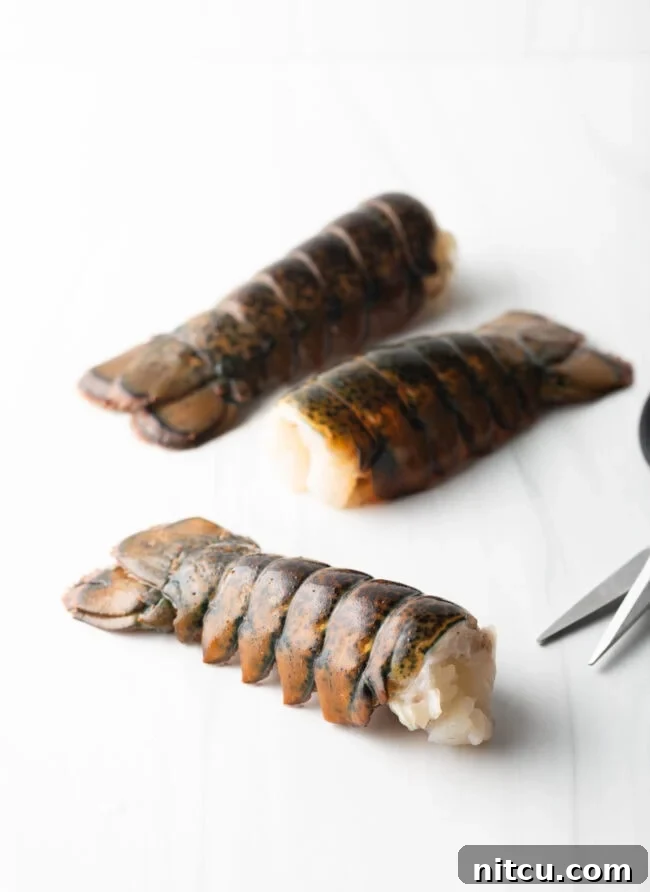
- Lobster Tails: Opt for fresh lobster tails whenever possible for the best flavor and texture. If using frozen tails, ensure they are thoroughly thawed in the refrigerator before cooking. Rapid thawing (like in hot water) can compromise the texture.
- Butter: Unsalted butter is ideal as it allows you to control the seasoning. Clarified butter (ghee) is also an excellent choice, offering a pure butter flavor with a higher smoke point, which is particularly useful for grilling or broiling.
- Salt and Pepper: Simple sea salt and freshly ground black pepper are often all you need to enhance the lobster’s natural taste. Alternatively, experiment with savory blends like Cajun or blackening seasoning for an extra kick and aromatic depth.
An important consideration is the size of your lobster tails. Lobster tails vary significantly in size, but commonly found options at supermarkets or fish markets range from 3-4 ounces (small) to 6-8 ounces (larger). The cooking times provided in this guide are carefully adjusted for these two primary size categories.
Pro Tip: If you happen to find exceptionally large lobster tails (over 8 ounces), simply extend the cooking time slightly. The key is to ensure the internal temperature reaches a safe and succulent 135°F to 140°F.
Indispensable Tools for Cooking Lobster Tails
Having the right tools at hand will make preparing lobster tails a smooth and enjoyable process. Here’s a list of essential cooking equipment:
- A sharp pair of kitchen shears is by far the best tool for effortlessly cutting through the lobster shell for preparation. If kitchen scissors aren’t available, a sturdy chef’s knife can also get the job done, though with a bit more effort.
- A reliable meat thermometer is crucial for ensuring your lobster tails are cooked perfectly without overdoing them. This is especially vital for beginners or when cooking different sizes of tails, guaranteeing they reach the optimal internal temperature of 135°F to 140°F for tender, juicy results.
- A sturdy set of metal tongs is invaluable for safely handling hot lobster tails, particularly when grilling, flipping, or transferring them from the cooking vessel.
- Depending on your chosen cooking method, you’ll need standard kitchen equipment such as a rimmed baking sheet (for oven baking or broiling), a steaming basket and a large pot (for steaming), or an air fryer (for a quick air-fried option).
Expert Guide: Cleaning and Prepping Lobster Tails
Proper preparation is key to achieving succulent and visually appealing lobster tails. Follow these steps carefully to clean and prep your tails:
First, begin by rinsing the lobster tails under cool running water. Gently scrub the exterior of the shell to remove any debris, but be careful not to damage the delicate meat. Once rinsed, pat the tails thoroughly dry with a clean paper towel. This step is important for ensuring seasonings adhere well and for achieving a good sear or crispness during cooking.
There are two primary methods for prepping lobster tails before cooking, each offering distinct advantages:
A) Cooking in the Shell: This method involves cutting down the top of the shell while leaving the meat largely encased. It’s a fantastic option if you’re concerned about overcooking, as the shell provides a protective barrier, helping to keep the lobster meat exceptionally tender and juicy.
B) Butterflying for Presentation: Butterflying the lobster tail involves cutting the shell and lifting the meat on top, creating an impressive, fan-like presentation. This method is visually stunning and allows for even seasoning and quicker cooking, making it perfect for an elegant dinner party.
To Prep Lobster Tails in the Shell:
Using a sharp pair of kitchen shears, carefully cut down the top center of the lobster shell, starting from the thickest part and continuing towards the fin. Once the shell is cut, gently use your fingers to separate the tail meat from the inside of the shell, keeping the meat attached at the base near the fin. This simple cut allows the meat to cook more evenly while still benefiting from the shell’s protection.
To Butterfly a Lobster Tail for Stunning Presentation:
Begin by taking your sharp kitchen shears and cutting a straight seam down the top of the lobster tail, from the thickest end all the way to the fin.
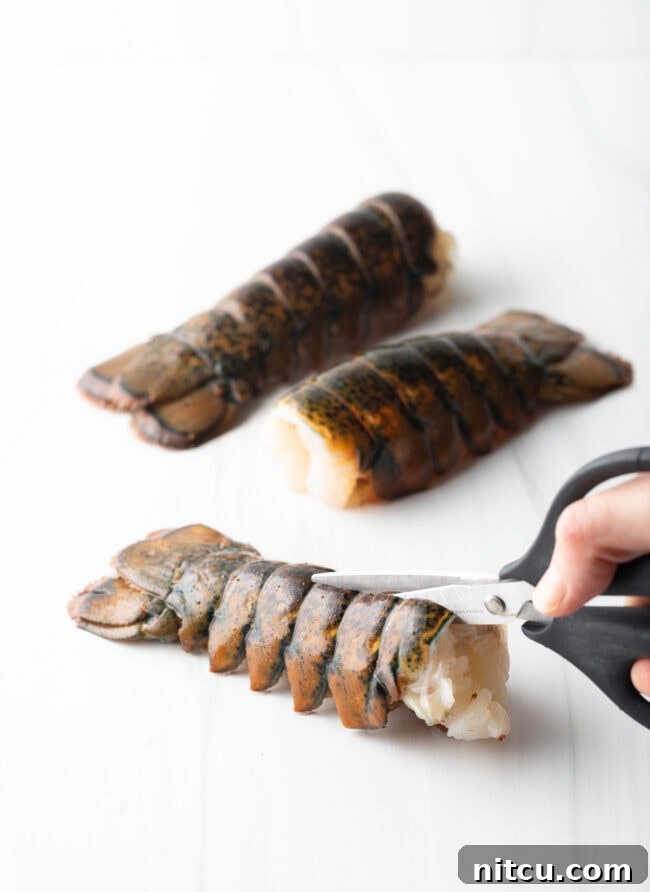
Next, gently pull the two halves of the cut shell apart. Exercise caution here to avoid completely cracking the shell, as it will serve as the base for your butterflied meat. With your fingers, carefully separate the raw tail meat from the inside of the shell, ensuring it remains connected at the very base, just above the fin.
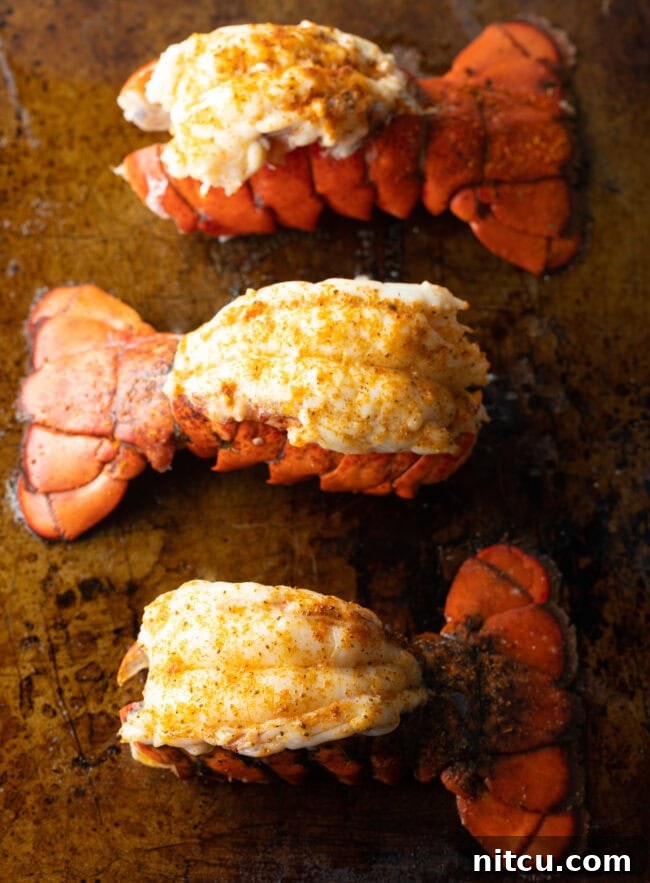
Finally, delicately lift the entire tail meat section up and over the opened shell. Arrange it artfully on top of the empty shell, creating a beautiful and impressive presentation that will wow your guests.
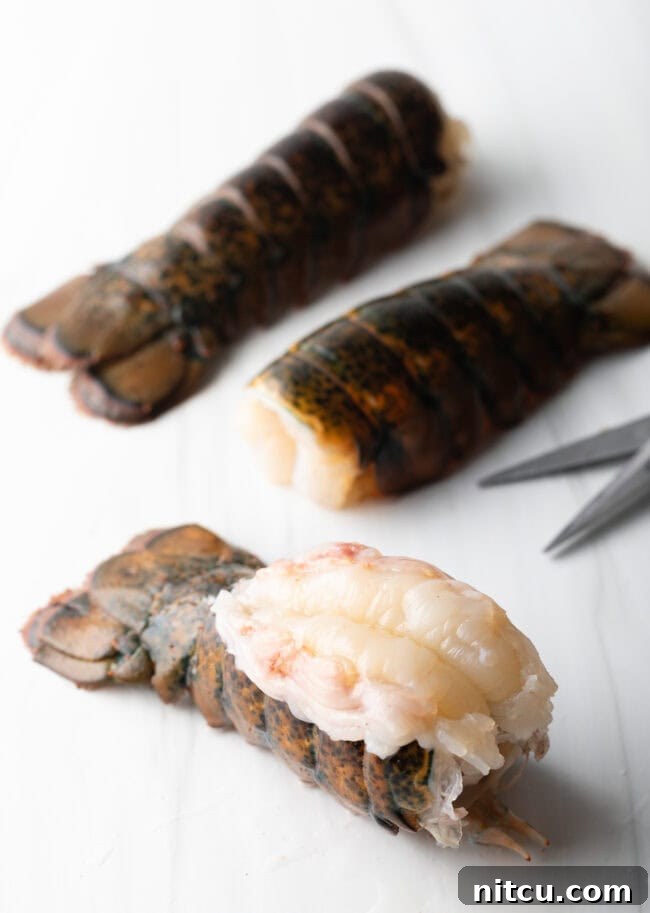
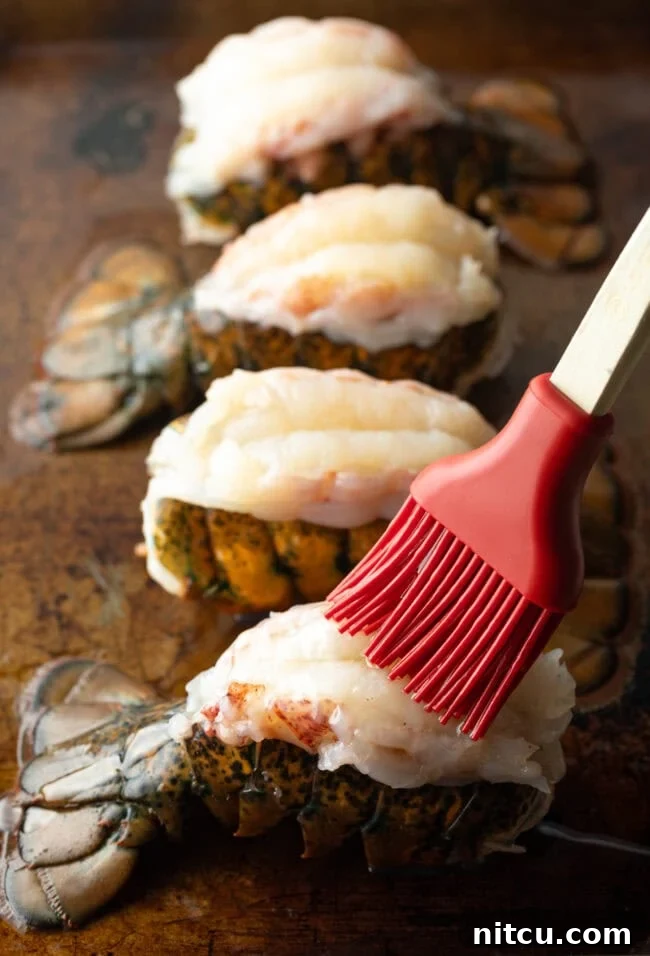
When you are ready to cook: Generously brush the exposed lobster meat with luscious melted butter. Then, lightly sprinkle with salt and freshly ground black pepper, or for a more adventurous flavor profile, a pinch of savory Cajun seasoning.
Ready to Cook? Your Comprehensive Guide to Perfect Lobster Tails Continues Below with Detailed Instructions for Each Method!
How To Bake Lobster Tails: A Classic, Foolproof Method
Baking lobster tails is a widely popular method celebrated for its simplicity and ability to yield consistently tender and juicy results. It’s an excellent choice for a hands-off approach that minimizes cleanup.
To begin, preheat your oven to 400°F (200°C). While the oven heats, place your prepared lobster tails – whether you’ve left them in the shell or butterflied them – onto a rimmed baking sheet. A rimmed sheet helps contain any melted butter or juices. Once the oven reaches the desired temperature, carefully place the baking sheet in the oven.
The cooking time will vary based on the size of your tails:
- For smaller 3-4 ounce lobster tails, bake for approximately 10-12 minutes.
- For larger 6-8 ounce lobster tails, expect to bake for about 20-22 minutes.
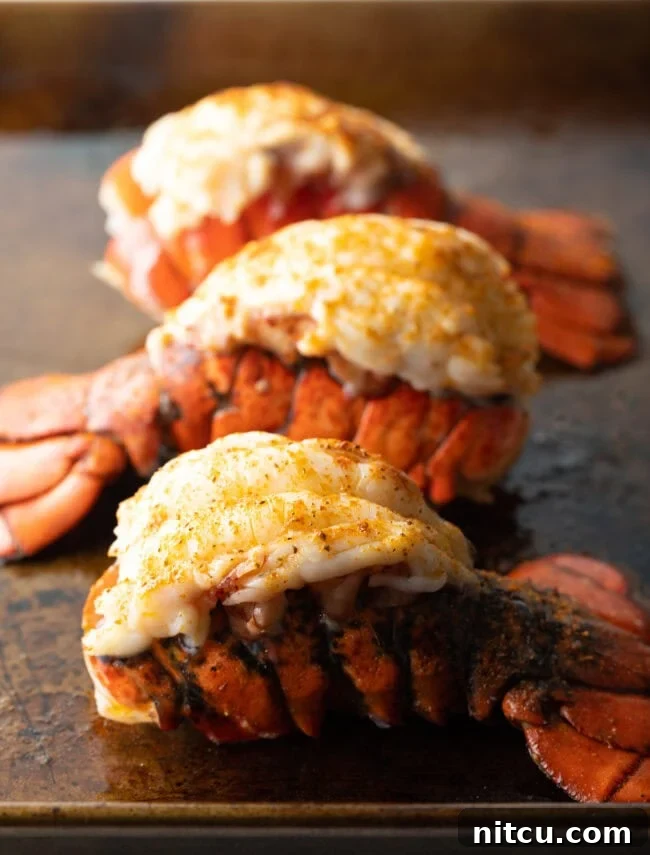
Always check the internal temperature with a meat thermometer at the lowest stated time. The ideal doneness for succulent lobster tails is an internal temperature between 135°F (57°C) and 140°F (60°C). The meat will turn opaque and firm. If needed, return the tails to the oven for an additional few minutes, checking frequently to prevent overcooking.
Considering Broiling for a Golden Finish? Broiling is a fantastic way to achieve a beautifully caramelized top on your lobster tails. Preheat your broiler to 500°F (260°C). Place the baking sheet with prepared tails on the top rack of the oven. Broil smaller tails for 2-3 minutes, and larger tails for 3-5 minutes, watching them closely to prevent burning. Broiling is a fast process, so vigilance is key!
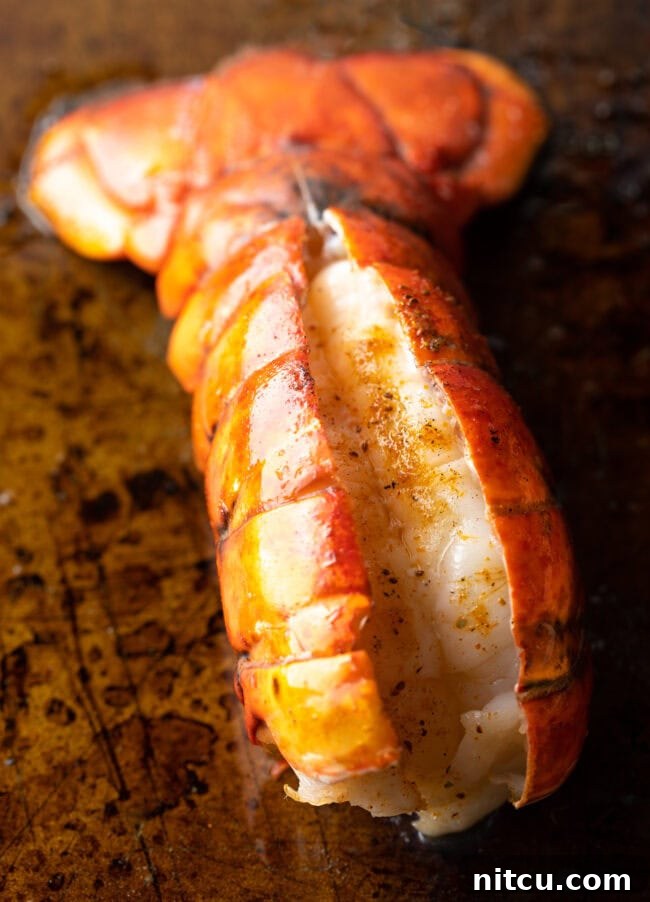
How To Grill Lobster Tails: Infusing Smoky Flavor
Grilling imbues lobster tails with a delightful smoky char and perfectly cooked meat, making it a favorite method for outdoor cooking enthusiasts. For grilling, it’s generally best to leave the lobster tails inside the shell, simply cut down the middle, rather than fully butterflying them. This protective shell helps prevent direct contact with the flames, minimizing the risk of flare-ups charring the delicate meat.
Start by preheating your grill to a medium-high temperature, around 425°F (220°C). Once the grill is hot, place the prepared lobster tails cut-side-down directly on the grates. This allows the meat to cook directly and absorb the smoky flavors.
Grill times will vary by size:
- For small 3-4 ounce lobster tails, grill cut-side-down for 3 minutes, then flip them over and cook for an additional 1 minute.
- For larger 6-8 ounce tails, grill cut-side-down for 5 minutes, then flip and cook for an additional 2 to 3 minutes.
Always confirm doneness with a meat thermometer. The internal temperature should register between 135°F (57°C) and 140°F (60°C). If they need more time, continue grilling for short intervals, checking frequently, until they reach the perfect temperature.
How to Steam Lobster Tails: Preserving Delicate Juices
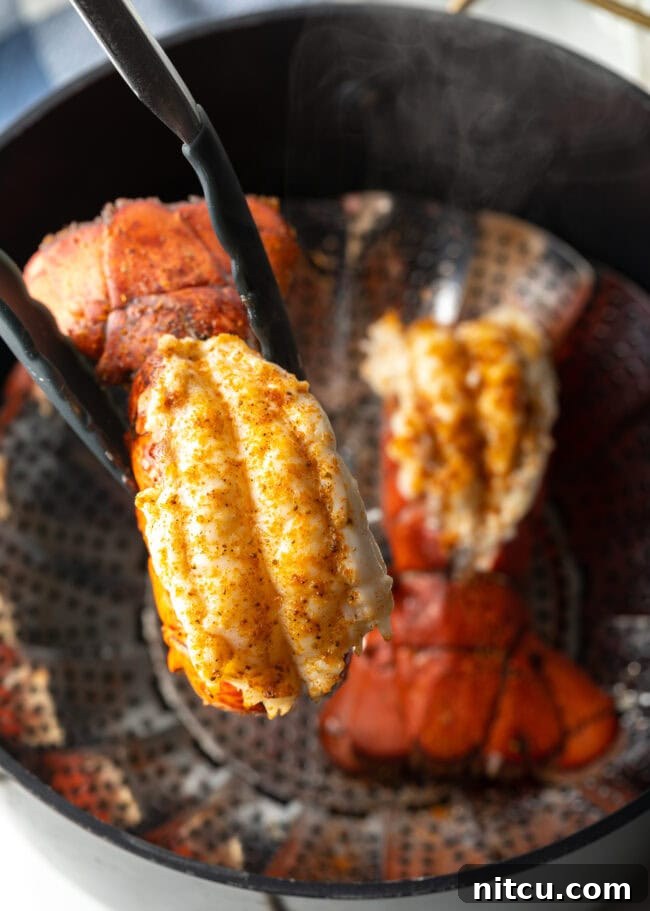
Steaming is an excellent method for cooking lobster tails, as it gently cooks the meat with moist heat, ensuring it remains incredibly tender, juicy, and full of natural flavor. It’s a healthier option that truly lets the lobster’s inherent sweetness shine.
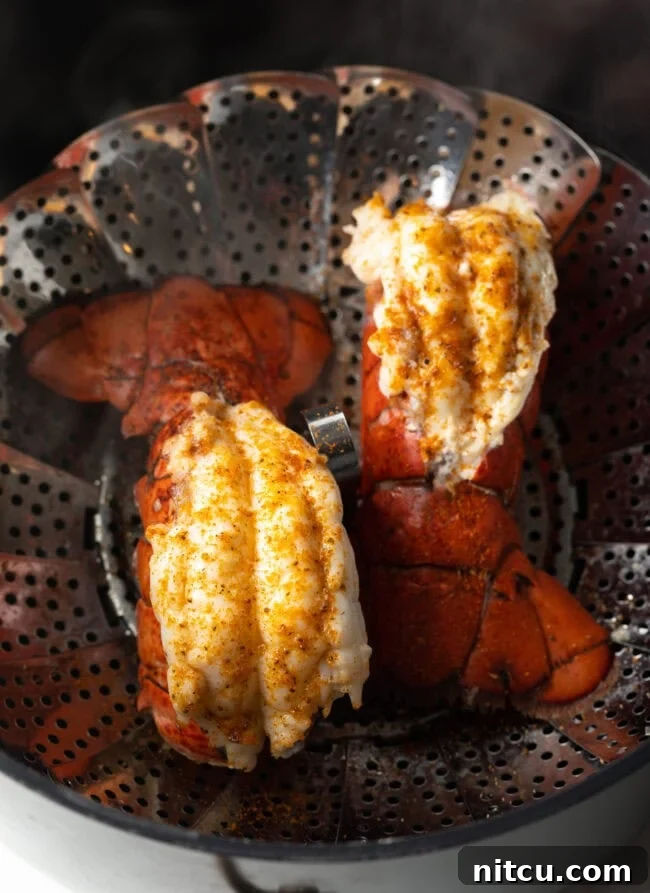
To get started, set a large pot, ideally a 6-8 quart capacity, on your stovetop. Place a steamer basket into the bottom of the pot, ensuring it’s elevated above the water level. Pour about 1 inch of water into the pot, making sure it doesn’t touch the bottom of the steamer basket. Cover the pot with a tight-fitting lid and bring the water to a rapid boil over high heat.
Once the water is vigorously boiling, carefully place your prepared lobster tails into the steam basket. Quickly cover the pot again to trap the steam. The cooking times will depend on the size of your lobster tails:
- Steam small 3-4 ounce lobster tails for 5 to 6 minutes.
- Steam larger 6-8 ounce lobster tails for 8 to 9 minutes.
Always use a meat thermometer to verify doneness. Lobster is perfectly cooked when its internal temperature reaches between 135°F (57°C) and 140°F (60°C). The meat will turn opaque and be firm to the touch.
Air Frying Lobster Tails: Quick, Convenient, and Delicious
The air fryer offers a surprisingly effective and incredibly convenient method for cooking lobster tails, delivering perfectly cooked, tender meat with minimal effort and quick cooking times. It’s an excellent option when you want to prepare a gourmet meal without the fuss.
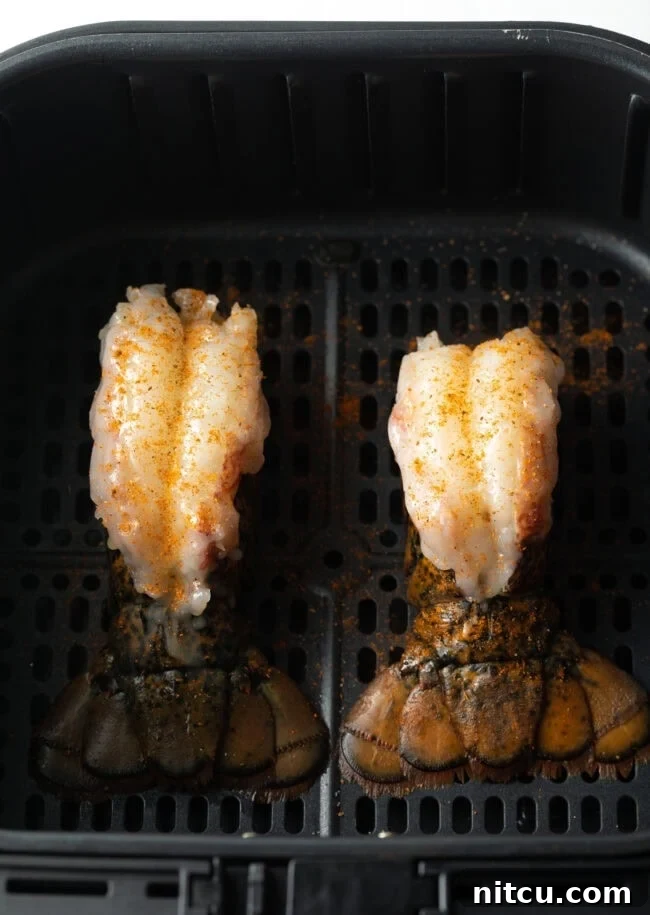
Begin by preheating your air fryer to 380°F (190°C). While the air fryer is heating, prepare your lobster tails as desired (butterflied or split in the shell). Once the air fryer is hot, carefully place up to two lobster tails in the basket, arranging them cut-side-up to ensure even cooking and a beautiful presentation.
Air frying times will vary based on the size of your tails:
- Air fry smaller 3-4 ounce lobster tails for 3 to 5 minutes.
- Air fry larger 6-8 ounce lobster tails for 5 to 7 minutes.
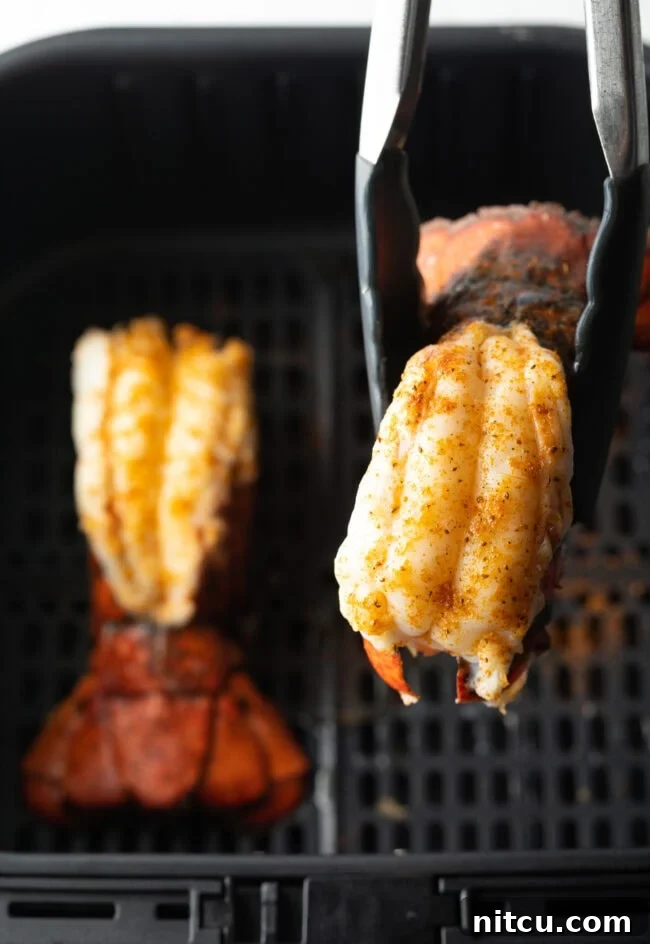
Always check the internal temperature of the thickest part of the meat with a meat thermometer. The lobster is perfectly cooked when it reaches an internal temperature of 135°F (57°C) to 140°F (60°C). The meat will be opaque and firm. Adjust cooking time as needed, checking frequently to avoid overcooking. Enjoy the convenience and delicious results of air-fried lobster!
Elevate Your Meal: Delicious Serving Suggestions for Lobster Tails
Once your lobster tails are perfectly cooked, the possibilities for serving are endless, allowing you to tailor the experience to any occasion. For a classic and elegant presentation, serve them in their shells alongside small ramekins of additional clarified butter and fresh lemon wedges. The simplicity allows the lobster’s natural sweetness to truly shine.
For an extra layer of flavor, consider creating zesty melted butter combinations for dipping. While plain clarified butter is traditional and always a hit, you can easily infuse it with other aromatics and spices. Melt ghee or clarified butter and then stir in:
- Old Bay Seasoning: A classic seafood spice blend that adds a savory, slightly spicy, and aromatic kick.
- Fresh Herbs & Garlic: Finely chopped fresh parsley, thyme, or rosemary, combined with minced garlic, creates an incredibly fragrant and flavorful dipping sauce.
- Lemon Zest & Garlic: A bright and pungent combination that beautifully complements the lobster’s delicate taste.
- Spicy Enhancements: A pinch of cayenne pepper and smoked paprika can add warmth and depth, perfect for those who enjoy a bit of heat.
Lobster tails are the quintessential component of an impressive surf and turf meal, perfect for celebrating special occasions like anniversaries, holidays, or dinner parties. Pair them with a perfectly cooked steak, such as a luxurious Steak au Poivre with a rich Cognac Cream Sauce or a flavorful Steak Diane (a popular Cheesecake Factory Copycat) for an unforgettable dining experience.
Beyond steak, these succulent lobster tails are also fantastic served with other complementary dipping sauces like a zesty cocktail sauce or a bold spicy mustard seafood sauce!
Alternatively, the cooked lobster tail meat can be easily chopped and incorporated into a myriad of other exquisite recipes. Think lobster fra diavolo, creamy bisque, vibrant salads, decadent macaroni and cheese, or hearty seafood stews. The versatility of perfectly cooked lobster meat makes it a fantastic addition to many culinary creations.
Frequently Asked Questions About Cooking Lobster Tails
How do you know when lobster tails are done?
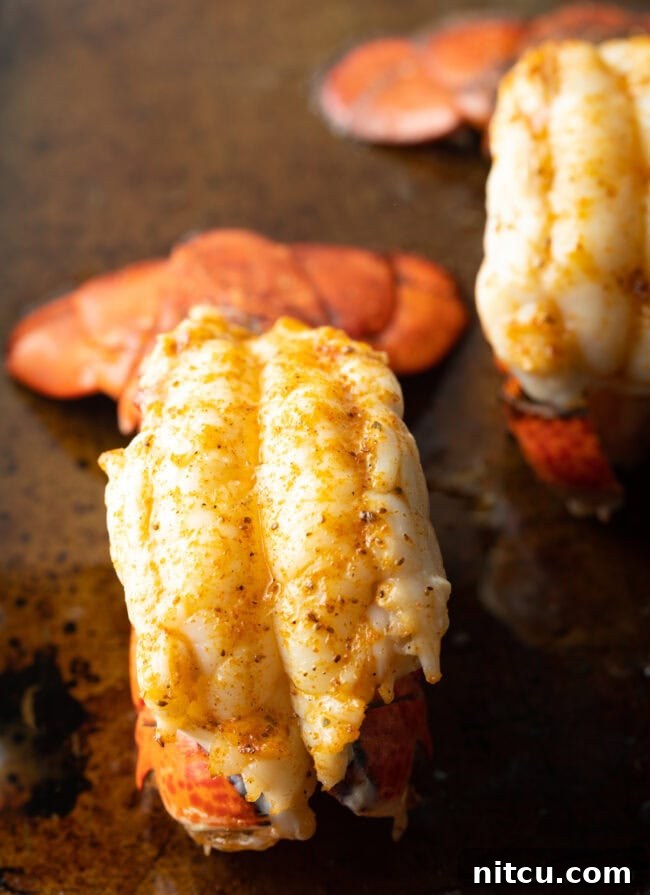
Perfectly cooked lobster tails will undergo a noticeable transformation. The translucent, opaque raw meat will turn a light, inviting white color and become visibly firm. The most accurate way to confirm doneness is to use a meat thermometer inserted into the thickest part of the tail meat. It should register an internal temperature between 135°F (57°C) and 140°F (60°C). Anything beyond 145°F (63°C) risks overcooking and a rubbery texture.
Is it better to boil or bake lobster tails?
As emphasized throughout this guide, you should never boil lobster tails. Boiling submerges the delicate meat in water, which leaches out much of its natural sweetness and often results in a tough, chewy texture. Baking, steaming, grilling, or air frying are all far superior methods, as they help retain the lobster’s precious juices and succulent texture. Oven baking, in particular, is a top recommendation for consistently tender and flavorful results.
Can you cook lobster tails from frozen?
While fresh lobster tails are always preferred for optimal flavor and texture, frozen tails can certainly be cooked successfully. However, it is highly recommended to thaw them completely before cooking. To thaw, you have a couple of options:
- Overnight Thaw (Best Method): Place the frozen lobster tails in a shallow pan or bowl in the refrigerator and let them thaw slowly overnight. This gentle method helps maintain texture.
- Quick Thaw: For faster defrosting, place the frozen tails in an airtight zipper bag. Squeeze out as much air as possible and seal the bag. Submerge the sealed bag in a bowl of cold water. Change the water every 30 minutes, and the tails should be defrosted within 1 to 2 hours, depending on their size. Avoid hot water, as it can partially cook the lobster and affect its texture.
What are the best side dishes to serve with lobster tails?
Lobster tails pair beautifully with a variety of side dishes. For a classic pairing, consider roasted asparagus, creamy mashed potatoes, a fresh garden salad, or fluffy rice pilaf. For something a little more indulgent, rich macaroni and cheese, truffle fries, or a vibrant corn on the cob would be excellent choices. The key is to choose sides that complement the lobster without overpowering its delicate flavor.
How do I choose the best lobster tails at the store?
When selecting lobster tails, look for those that are firm and appear vibrant in color, whether they are fresh or frozen. If fresh, they should have a mild, oceanic scent, not a strong or fishy odor. For frozen tails, ensure there are no signs of freezer burn (discoloration or dry spots), and that the packaging is intact. Ideally, choose tails that are individually quick-frozen (IQF) to preserve quality.
Looking for More Impressive (Yet Easy) Dinner Recipes?
If you loved creating these restaurant-worthy lobster tails, you’re in for a treat! Explore more of our fantastic recipes designed to impress your guests and elevate your home cooking, all while keeping things manageable and delicious:
- The Best Beef Wellington Recipe
- Best Smoked Prime Rib with Au Jus
- Sheet Pan Low Country Boil
- Pan Seared Scallops
- Brown Sugar Ham (Glaze Recipe)
- Best Tuna Tartare (Easy Ahi Tuna Recipe)
- Candy Grapes
- Top Round Roast
- Peach Burrata Caprese Salad
- Whipped Ricotta (Sweet and Savory Options)
We hope this guide empowers you to cook lobster tails with confidence and flair. Dive into the full recipe details below, including prep times, cook times, and nutritional information. Don’t forget to share your culinary successes on Facebook, Instagram, and Pinterest!
How to Cook Lobster Tail (Best Methods + VIDEO)

Print Recipe
Leave a Review »
Learn the easy steps and no-fail top tips for how to clean and bake, steam, grill, or cook lobster tails in the air fryer so they are succulent and perfect for any occasion!
Video

Watch Video: How To Cook Lobster Tail (Best Methods!)
Ingredients
- 2 lobster tails
- 1 tablespoon butter or ghee
- Salt and pepper or Cajun seasoning
Instructions
How to prepare lobster tails for cooking:
-
To butterfly a lobster tail: Use a sharp pair of kitchen shears to cut a seam down the top of the lobster tail towards the fin. Gently pull at the seam to separate the tail meat, being careful not to crack the shell.
-
Use your fingers to separate the tail meat from the inside of the shell, leaving the tail meat connected at the base near the fin.
-
Gently pull the tail meat up and over the shell, then rest it on the top of the empty shell for a beautiful presentation.
-
If cooking the lobster tails in the shell: Simply cut down the top center of the shell towards the fin. Then use your finger to separate the tail meat from the inside of the shell. That’s it!
-
When ready to cook: Brush the top of the lobster meat with melted butter. Then sprinkle with salt and pepper or with Cajun seasoning.
How to bake lobster tail:
-
Preheat the oven to 400°F. Place the prepared lobster tails on a rimmed baking sheet. Once the oven is hot, place the baking sheet in the oven.
-
Bake small 3-4 ounce lobster tails for 10+ minutes, or larger 6-8 ounce lobster tails for 20+ minutes. Make sure to check the lobster tails with a meat thermometer at the lowest stated time, then add minutes if needed.
How to grill lobster tails:
-
It’s best to leave lobster tails inside the shell for grilling to make sure flare ups don’t char the meat. Preheat the grill to 425°F.
-
Once hot, grill the lobster tails cut-side-down then flip them over to finish them off. For small 3-4 ounce lobster tails, grill for 3 minutes cut-side-down, then flip and cook an additional 1 minute. For larger 6-8 ounce lobster tails, grill cut-side-down for 5 minutes, then flip and cook an additional 2 to 3 minutes.
How to steam lobster tails:
-
Set a large 6-quart sauce pot on the stove top. Place a steaming basket in the bottom of the pot and fill with 1-inch of water.
-
Cover and bring the water to a boil. Once boiling, place the prepared lobster tails down in the steam basket.
-
Cover the pot and steam small 3-4 ounce lobster tails for 5 to 6 minutes. Steam larger 6-8 ounce lobster tails for 8 to 9 minutes.
How to air fry lobster tails:
-
Preheat the air fryer to 380°F. Once the air fryer is hot, place two lobster tails in the basket, cut-side-up.
-
Air fry smaller 3-4 ounce lobster tails for 3 to 5 minutes. Air fry a larger 6-8 ounce lobster tails for 5 to 7 minutes.
Notes
For dipping lobster tails, melt ghee or clarified butter to pour into ramekins and serve with each lobster tail. Plain clarified butter is traditional, but also consider adding:
- Old Bay seasoning
- Fresh thyme, rosemary, and garlic
- Lemon zest and garlic
- Cayenne pepper and smoked paprika