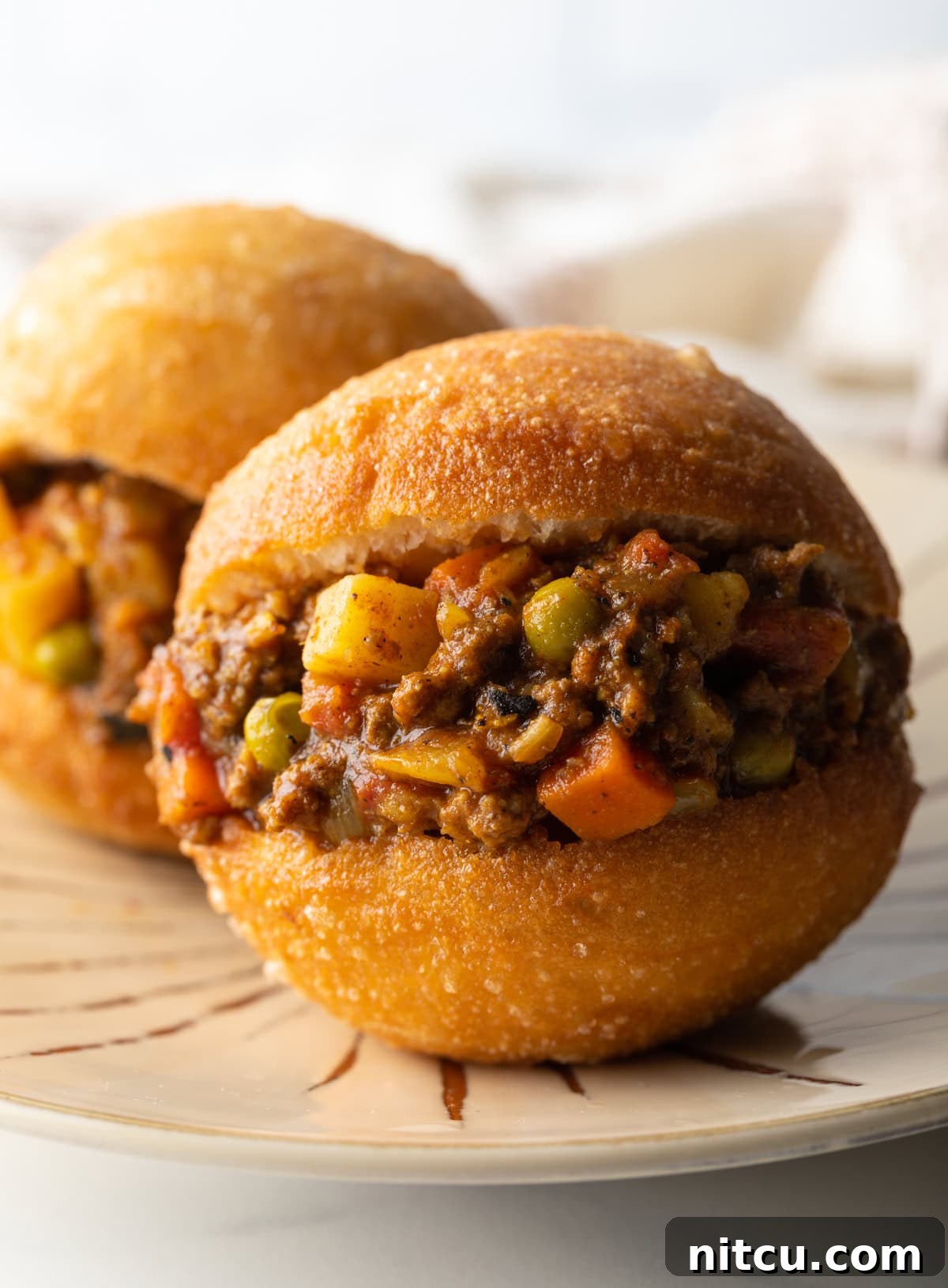
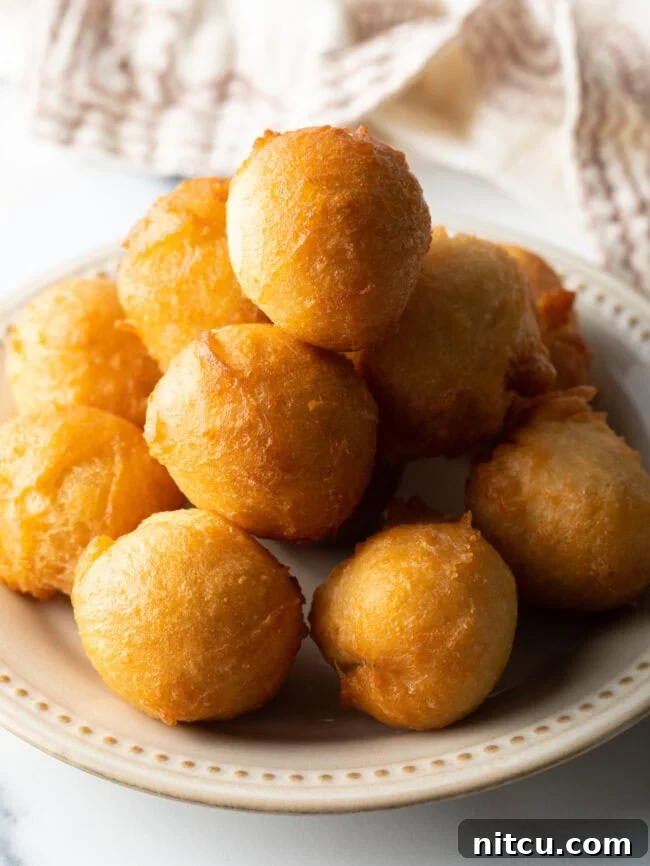
Discover the authentic taste of South Africa with this incredible Fat Cake Recipe, also known as Vetkoek. These delectable fried dough treats are perfectly crisp on the outside, wonderfully fluffy within, and incredibly versatile for any sweet or savory stuffing you desire!

Discover the Magic of Vetkoek: Our Family’s Favorite South African Treat
A few years ago, my daughter, Ava, embarked on an unforgettable journey to South Africa. Among the many vibrant experiences she shared upon her return, one culinary delight stood out: South African Fat Cakes, affectionately known as Vetkoek. Her vivid descriptions of these warm, golden fried dough parcels were so enticing that we simply had to try making them at home. The moment the aroma filled our kitchen, and we tasted the first bite, our entire family was completely smitten!
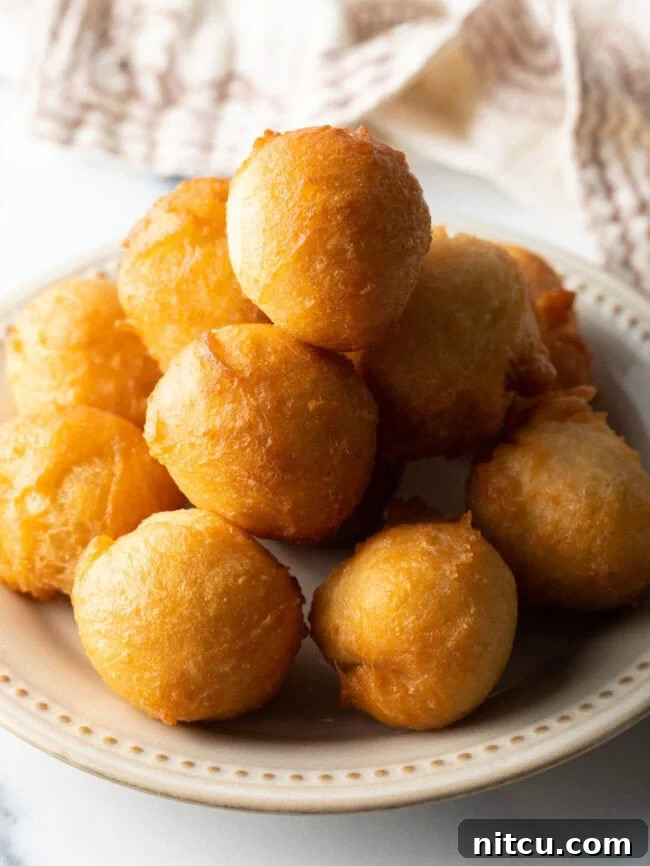
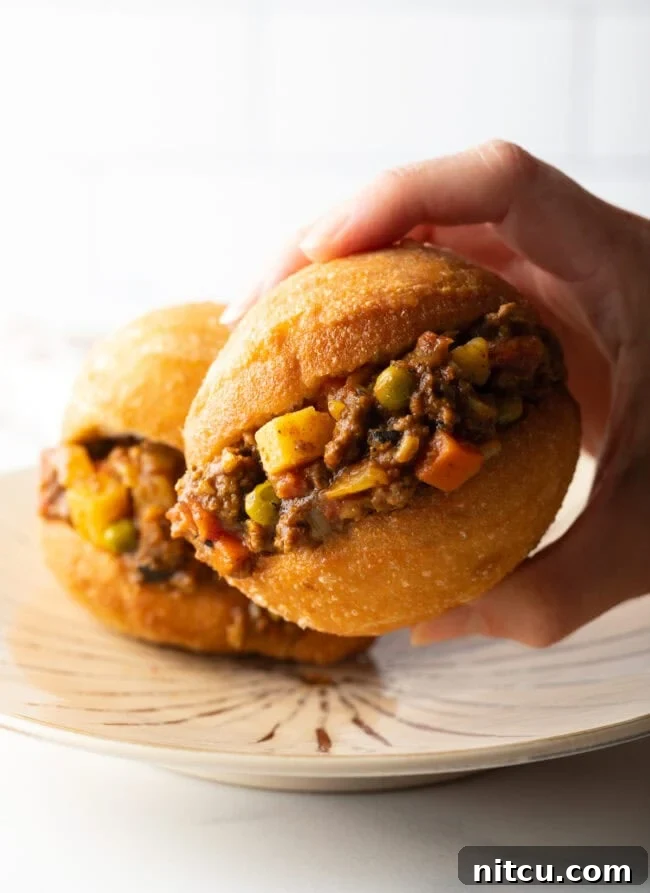
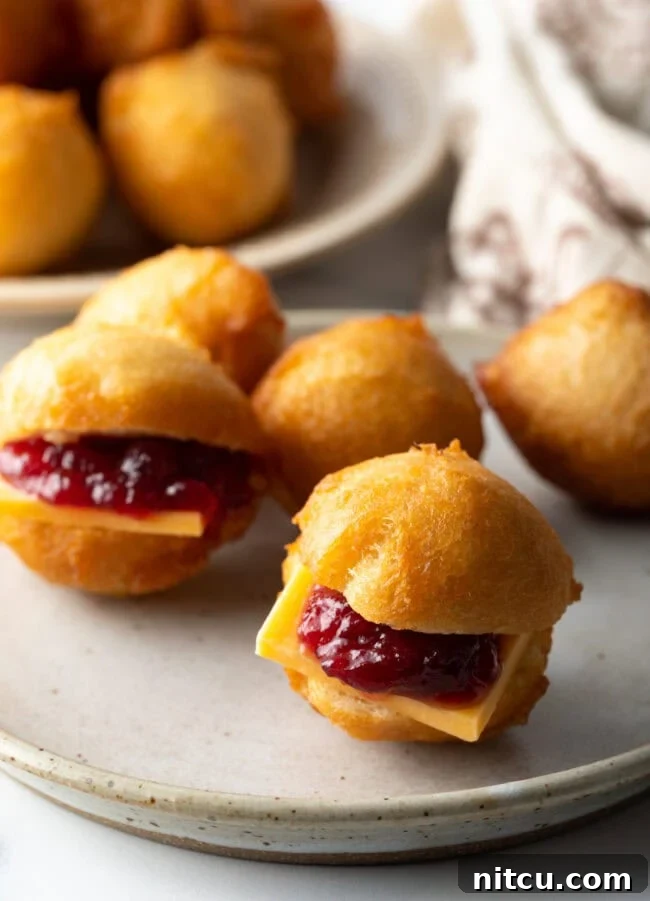
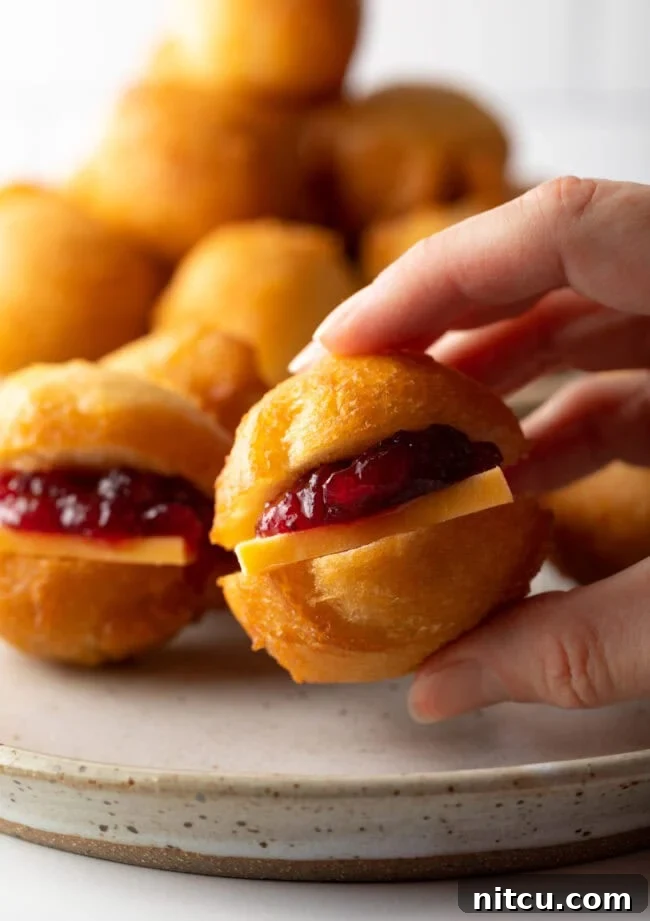
Vetkoek, meaning “fat cake” in Afrikaans, is a beloved staple snack found across South Africa, Botswana, and other Southern African countries. More than just a snack, it’s a cultural icon, frequently enjoyed at markets, roadside stalls, and family gatherings. These versatile fried dough balls can be crafted with either yeast or baking powder, yielding slightly different textures but always delivering a comforting taste. Visually, they often resemble a plump, un-cut hamburger bun, creating the perfect pocket for an array of delightful fillings. Ava often recounted how much she loved them stuffed with a surprising, yet perfectly balanced, combination of sharp cheddar cheese and sweet jam – a testament to their incredible adaptability.
In this comprehensive guide, we’ll focus primarily on the classic yeast-leavened fat cake, which offers a wonderfully airy and fluffy texture. However, we’re also excited to share an alternative recipe for the quicker, flatter baking powder version, along with our highly acclaimed recipe for a flavorful minced meat filling, ensuring you have every option to create your ideal Vetkoek experience!
Why You’ll Fall in Love with This Fat Cake Recipe
- Unforgettable Texture – Prepare for a textural masterpiece! These fat cakes boast an irresistibly crispy, golden-brown exterior that gives way to an incredibly soft, moist, and airy interior. It’s a harmonious blend that keeps you coming back for more.
- Endlessly Versatile – The beauty of Vetkoek lies in its adaptability. Whether your palate craves something sweet or savory, these fried dough delights are the perfect canvas. From breakfast to dinner, or simply as a comforting snack, the possibilities are limitless.
- Simple, Accessible Ingredients – You don’t need exotic items to create this South African gem. Our recipe relies on a handful of straightforward, pantry-friendly ingredients, making it accessible for any home cook.
- Comfort Food at Its Best – Beyond their taste, these Fat Cakes evoke a sense of warmth and nostalgia. They are the quintessential comfort food, perfect for sharing with loved ones or indulging in on a cozy afternoon.
This nostalgic Fat Cake Recipe isn’t just a meal; it’s an experience, a journey to the heart of South African culinary tradition, offering one of the most comforting food adventures you’ll embark on.
Essential Ingredients and Pro Tips
Crafting the perfect Vetkoek begins with understanding the role of each ingredient. Here’s a breakdown of what you’ll need and some expert tips for best results:
- Bread Flour – While all-purpose flour can work in a pinch, bread flour is highly recommended. Its higher protein content develops more gluten, resulting in a chewier texture and a more robust structure that holds up beautifully during frying.
- Active Dry Yeast – This is crucial for achieving that signature fluffy texture in our yeast-leavened fat cakes. Ensure your yeast is fresh and active by performing a quick proofing step (as detailed in the instructions). Do not substitute with instant yeast for this specific recipe, as it behaves differently and may not yield the desired rise and texture.
- Granulated Sugar – Beyond sweetness, sugar plays a vital role in yeast activation, providing food for the yeast. It also contributes to the golden-brown color during frying and helps keep the dough moist and flavorful.
- Water – Lukewarm water is essential for activating the yeast without killing it. The temperature should be comfortable to the touch – think baby bath water. Too hot, and the yeast dies; too cold, and it won’t activate properly.
- Fry Oil – Choosing the right oil is key for perfectly fried Vetkoek. Opt for high-heat oils with a neutral flavor profile like sunflower oil, peanut oil, safflower oil, or canola oil. These oils can withstand the high temperatures needed for deep frying, ensuring a crisp exterior without a greasy feel.
- Salt – A fundamental ingredient that balances the sweetness and enhances the overall flavor of the dough. It also plays a role in controlling yeast activity.
Creative Recipe Variations and Dietary Swaps
One of the many joys of Vetkoek is how easily it can be adapted to suit different tastes and dietary needs. Here are some ideas to inspire your culinary creativity:
- Whole Wheat Goodness – For a healthier twist or a nuttier flavor profile, you can swap a portion (or even all, if you prefer a denser texture) of the bread flour with whole wheat flour. This adds fiber and a unique depth of flavor.
- Endless Stuffing Possibilities – The true magic of Vetkoek comes alive with its fillings! Beyond the classic curried minced meat, cheese, and jam, consider these delicious options:
- Sweet: Vanilla ice cream, cinnamon sugar, fresh fruit (berries, sliced bananas), chocolate spread, condensed milk, or even a dollop of whipped cream.
- Savory: Shredded chicken (plain or BBQ-flavored), leftover stew, scrambled eggs and bacon for a breakfast treat, tuna salad, or various cheeses like feta, mozzarella, or a sharp cheddar.
- Miniature Marvels – Hosting a party or simply want bite-sized portions? Use a small ice cream scoop (about 1 to 1.5 tablespoons) to create adorable mini fat cakes. These cook faster and are perfect for appetizers or a sweet snack bar.
- Herb & Spice Infusion – Experiment by adding dried herbs like oregano or thyme, or a pinch of garlic powder to the dough for a savory base, especially if you plan on savory fillings. A hint of cardamom or cinnamon can elevate sweet versions.
How to Make Perfect Vetkoek: Step-by-Step
Below, you’ll find the full Fat Cake recipe with detailed instructions, ingredient measurements, and handy storage tips. Get ready to create culinary magic!
Making Vetkoek is a rewarding process, and these visual steps will guide you through creating fluffy, golden fried dough:
Expert Tips for Vetkoek Success
Achieving perfectly fluffy and golden Vetkoek requires attention to a few key details. Master these tips for consistently delicious results:
- Yeast Activation Temperature is Crucial – The success of your yeast dough hinges on the water temperature. Water that is too warm (hot to the touch) will kill the yeast, preventing your dough from rising. Conversely, water that is too cold will inhibit yeast activity, leading to a slow or non-existent rise. Aim for water that is just barely warmer than your body temperature, feeling like a comfortable bath. This allows the yeast to activate optimally, creating a light and airy dough.
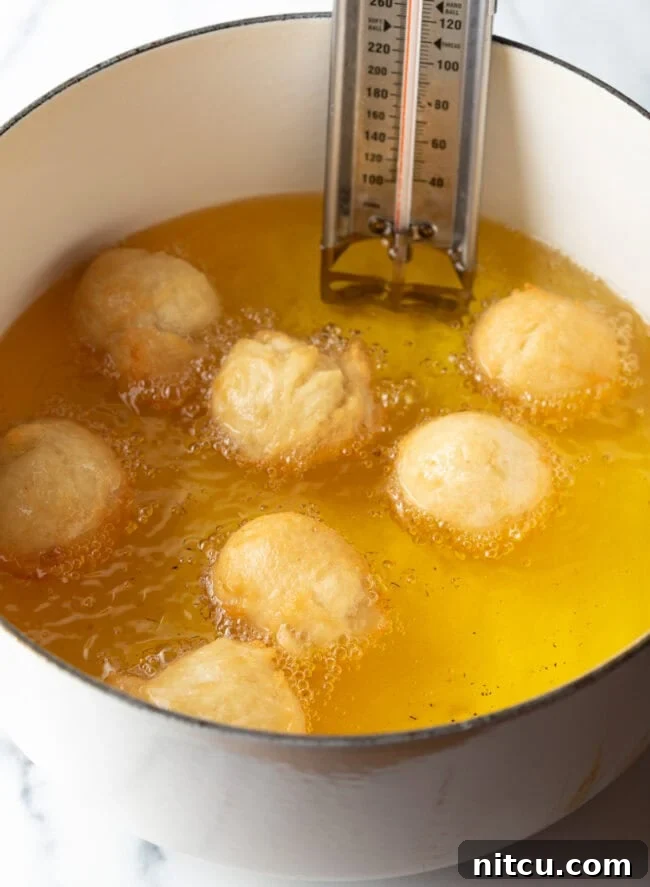
- Maintain Optimal Frying Temperature – When you add the dough balls to the hot oil, the temperature will naturally drop. This is expected and beneficial, as it allows the dough to cook through without burning the exterior. However, it’s vital to monitor and adjust the heat to keep the oil around 320°F (160°C). If the oil is too hot, the Vetkoek will brown too quickly on the outside and remain raw inside. If it’s too cool, they will absorb too much oil, becoming greasy. A cooking thermometer is your best friend here!
- Don’t Overcrowd the Pot – Fry your Vetkoek in batches. Adding too many dough balls at once will drastically lower the oil temperature, leading to greasy, poorly cooked results. Give each piece enough space to float and fry evenly.
- Rotate for Even Browning – As the dough balls fry, gently rotate them using a skimmer or tongs. This ensures they develop an even golden crust on all sides, resulting in a beautifully consistent appearance and texture.
- The “Toothpick Test” – To ensure the fat cakes are cooked all the way through, especially for larger ones, insert a wooden skewer or toothpick into the center of one. If it comes out clean, your Vetkoek are ready. If there’s wet dough clinging to it, continue frying for another minute or two.

Storing and Reheating Your Vetkoek
While freshly fried Vetkoek are undoubtedly the best, you can easily store and reheat leftovers to enjoy later:
Storing Leftovers – Allow any leftover fat cakes to cool completely to room temperature before storing. Place them in an airtight container to prevent them from drying out. They will keep well on the counter for 1 to 2 days. For longer storage, refrigerate them for up to 4 days.
Freezing Leftovers – Vetkoek freeze beautifully! Once cooled, wrap each fat cake individually in a layer of plastic wrap, then place them all together in a freezer-safe zipper bag or airtight container. This prevents freezer burn and makes it easy to grab just one or two at a time. Store in the freezer for up to 3 months.
Reheating –
- From the Counter/Fridge: For best results, reheat fat cakes in an air fryer at 350°F (175°C) for 3-5 minutes, or in an oven at 375°F (190°C) for 5-7 minutes, until warmed through and the exterior crisps up slightly. You can also briefly microwave them for 30-60 seconds, though this might make them softer rather than crispy.
- From the Freezer: Thaw frozen Vetkoek in the refrigerator overnight, then reheat as described above. Alternatively, you can reheat them directly from frozen in an air fryer or oven, adding a few extra minutes to the cooking time until thoroughly heated.
Creative Serving Suggestions for Every Occasion
The beauty of Vetkoek lies in its incredible versatility. These golden fried dough pockets are not just a snack; they can be transformed into a hearty breakfast, a satisfying lunch, or a delightful appetizer. Here are some ideas to inspire your culinary creations:
- The Quintessential Snack or Appetizer: Serve warm fat cakes plain with various dips and spreads, or offer a platter of unfilled Vetkoek alongside bowls of sweet and savory fillings, allowing guests to customize their own. Think chutneys, flavored butters, or even a simple sprinkle of cinnamon sugar.
- Hearty Breakfast or Brunch:
- Stuff them with fluffy scrambled eggs, crispy bacon, and a slice of cheddar cheese for an unforgettable breakfast sandwich.
- Fill with a sweet combination of fresh berries, Greek yogurt, and a drizzle of honey.
- For a decadent treat, add a scoop of vanilla ice cream and a sprinkle of chocolate shavings.
- Satisfying Lunch or Light Dinner:
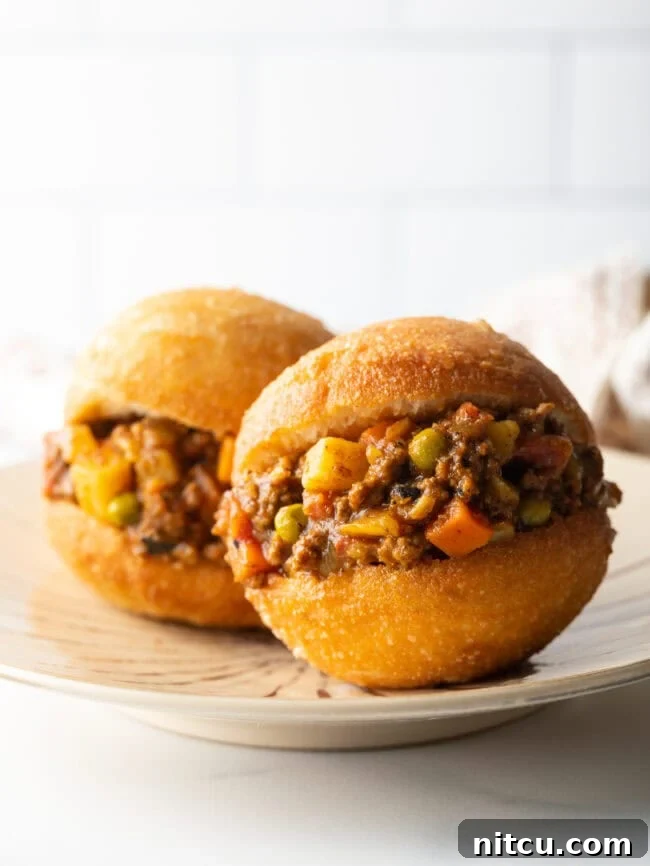
- Our homemade curried minced meat filling (recipe below) is a classic and incredibly flavorful choice. It’s comforting, savory, and perfectly spiced.
- Beyond minced meat, explore other savory options like creamy chicken salad, pulled pork, or even a flavorful lentil or bean stew for a vegetarian option.
- Turn them into unique sandwich carriers. Imagine a mini beef brisket sandwich tucked inside a Vetkoek, or a flavorful ground turkey taco filling.
- Dessert Delight: Split warm Vetkoek and fill with a scoop of ice cream, fresh fruit, and a drizzle of caramel or chocolate sauce. A simple sprinkle of powdered sugar makes them feel extra special.
There truly is no limit to how you can enjoy homemade fat cakes. Let your imagination guide you to your next favorite combination!
Print Recipe
Fat Cakes Recipe (Vetkoek)
This authentic South African Fat Cake Recipe creates irresistibly crisp, fluffy, and tender fried dough bites, perfect for stuffing with an array of sweet or savory fillings!
Ingredients
- 4 cups bread flour
- 4 teaspoons active dry yeast
- 7 tablespoons granulated sugar
- 1 ½ teaspoons salt
- 1 ½ cups lukewarm water
- 2 quarts fry oil (canola, sunflower, peanut, or safflower)
Instructions
- In the bowl of a large stand mixer, combine 2 tablespoons of the granulated sugar and the active dry yeast. Add the lukewarm water to the bowl. Allow this mixture to sit undisturbed for 10 minutes until it becomes foamy. This step is crucial for activating the yeast. *Remember, water that is too warm will kill the yeast, preventing the dough from rising. Ensure the water is just barely warmer than your skin’s temperature.
- Once the yeast is activated and foamy, add the remaining granulated sugar and the salt to the mixture. Attach a dough hook to your stand mixer and begin mixing on low speed. Gradually add the 4 cups of bread flour, one cup at a time, until the dough starts to come together. Increase the speed slightly and knead the dough for 5 minutes. The dough will be wet and somewhat tacky to the touch; this is the desired consistency. If it appears too dry or stiff, add a very small amount of additional water (half a tablespoon at a time) until the correct consistency is achieved.
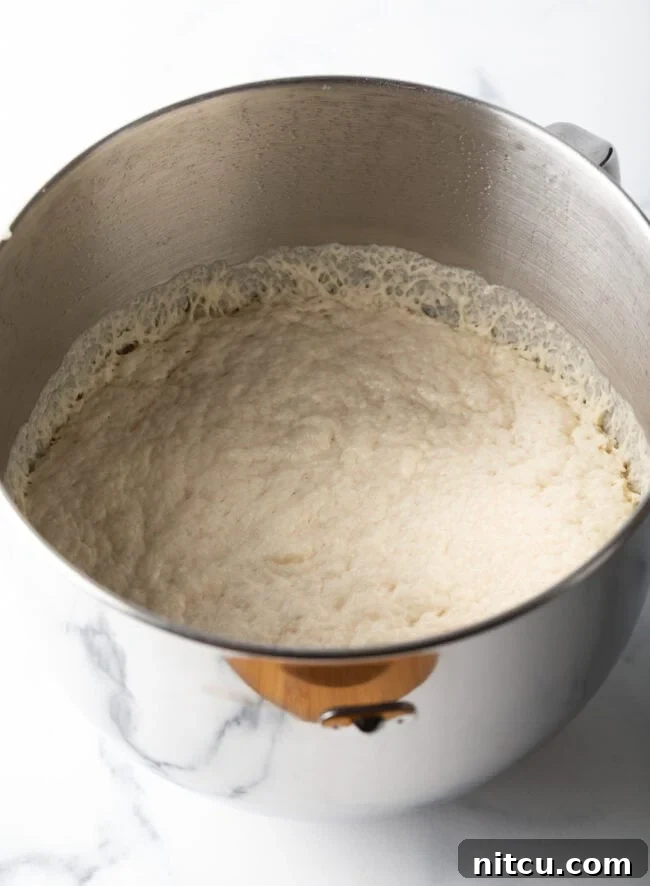
- Remove the dough hook from the mixer. Cover the bowl tightly with plastic wrap or a clean kitchen towel. Place the bowl in a warm, draft-free spot and allow the dough to rise for 1 to 2 hours, or until it has visibly doubled in size.
- While the dough is rising, prepare your frying station. Set a large, heavy-bottomed pot or Dutch oven over medium to medium-low heat. Secure a cooking thermometer to the side of the pot and pour in the 2 quarts of fry oil. Allow the oil to gradually heat up to 350°F (175°C). Line a plate or a baking sheet with several layers of paper towels and place it next to your stove to drain the fried fat cakes.
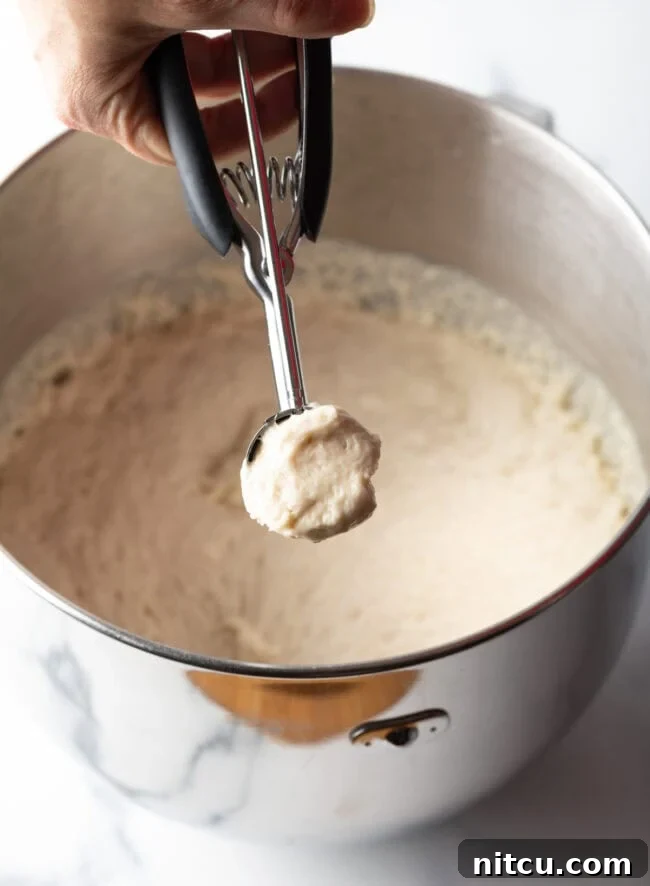
- Once the oil reaches the target temperature and your dough has risen, you are ready to fry. Use a 1 ½ to 2 tablespoon scoop (an ice cream scoop works perfectly) to portion out pieces of the wet dough. If the dough is sticking, dip the scoop into the hot fryer oil between portions – this creates a non-stick coating. Gently place the scooped dough balls into the preheated fry oil. As soon as they are in, use a skimmer or tongs to immediately rotate them. Continue portioning out dough balls, carefully placing them into the oil, ensuring not to overcrowd the pot. Use the skimmer to continuously rotate the fat cakes throughout the cooking process, ensuring they brown evenly on all sides. Fry each batch for 4-5 minutes, or until they are deeply golden brown and a fork inserted into the center of one fat cake comes out clean. *Note that the oil temperature will naturally drop once the dough balls are added. This is good as it allows the interior to cook. Adjust your burner’s heat as needed to maintain the oil temperature around 320°F (160°C) for optimal results. Once cooked, use the skimmer to transfer the fried fat cakes to the paper towel-lined plate to drain any excess oil. Repeat with the remaining dough, remembering to dip your scooper in oil as needed.
Notes
For Larger, Flatter Fat Cakes (Baking Powder Variety):
If you prefer a quicker, denser, and flatter fat cake, similar to a fried doughnut, use this baking powder recipe:
- 4 cups bread flour (or all-purpose)
- 7 tablespoons granulated sugar
- 6 teaspoons baking powder
- 1 ½ teaspoons salt
- 1 cup water
In a large mixing bowl, or the bowl of a stand mixer fitted with a dough hook, combine the bread flour, sugar, baking powder, and salt. Mix these dry ingredients thoroughly.
Pour in ¾ cup of water. Mix (by hand or with the dough hook) until a rough dough ball forms. Continue to knead the dough for 5 minutes until it becomes firm and smooth, yet still soft and pliable. If the dough seems too dry or stiff, gradually add the remaining ¼ cup of water, a tablespoon at a time, until the desired consistency is reached. The dough should resemble a good bread or pizza dough – slightly tacky but not overly wet or sticky.
On a lightly floured surface, cut the dough into 12 equal pieces. Use your hands to roll each piece into a smooth ball, then gently press each ball flat to form a disk shape, about ½-inch thick.
Follow the main recipe’s instructions to prepare the fry oil, heating it to 350°F (175°C). Place 3-4 dough disks into the fry oil at a time, ensuring the temperature drops to approximately 320°F (160°C). Fry each side for 3 to 5 minutes, or until they are a beautiful light golden brown and puffed up. A fork inserted into the center should come out clean. Remove, drain, and serve these larger fat cakes cut open and filled with curried minced meat, cheese, jam, or any of your favorite fillings.
Easy South African Minced Meat Recipe (Curried Filling):
This savory, spiced filling is a classic accompaniment to Vetkoek and utterly delicious on its own!
- 2 tablespoons oil (vegetable or canola)
- 1 pound ground beef
- 1 sweet onion, peeled and diced finely
- 2 cups diced potato (peeled or unpeeled, cut into small ½-inch cubes)
- 3-4 cloves garlic, minced
- 1 tablespoon fresh grated ginger
- 1 tablespoon curry powder (mild or medium)
- 1 tablespoon garam masala
- 1 teaspoon chili powder (adjust to taste for heat)
- 1 teaspoon ground cumin
- 1 teaspoon salt (or to taste)
- 15 ounce can diced tomatoes (or crushed tomatoes)
- 1 ½ cups frozen peas
Set a large sauté pan or a Dutch oven over medium heat. Add the oil to the pan. Once the oil is hot and shimmering, stir in the diced onions, minced garlic, and grated ginger. Sauté for 2 to 3 minutes, until the onions begin to soften and become translucent, and the aromatics are fragrant.
Once the onions have softened, stir in all the ground spices: curry powder, garam masala, chili powder, ground cumin, and salt. Cook for another minute, stirring constantly, to toast the spices and release their full aroma. This step adds immense depth of flavor.
Add the ground beef and diced potatoes to the pan. Stir well to combine the meat with the spices and aromatics. Break apart the ground beef with a wooden spoon as it cooks to form small, even pieces. Brown the meat for 5 to 8 minutes, until no pink remains.
Finally, stir in the canned diced tomatoes and the frozen peas. Fill the empty tomato can with 15 ounces of water, then add this water to the pan. Bring the minced meat mixture to a gentle simmer, then reduce the heat to low, cover, and let it cook. Simmer until the sauce has reduced and thickened to a “Sloppy Joe” consistency, and the potatoes are tender and cooked through (this usually takes 15-20 minutes, stirring occasionally). Remove from heat and serve warm, perfect for stuffing into your freshly fried Vetkoek.
Storing Leftovers (Minced Meat Filling) – Store any remaining minced meat filling in an airtight container in the refrigerator for up to 3-4 days. It can also be frozen for up to 2 months.
Reheating (Minced Meat Filling) – Reheat gently on the stovetop over medium-low heat, stirring occasionally, until warmed through. Add a splash of water or broth if it seems too thick.
Nutrition
Calories: 140kcal,
Carbohydrates: 16g,
Protein: 3g,
Fat: 8g,
Saturated Fat: 1g,
Polyunsaturated Fat: 4g,
Monounsaturated Fat: 2g,
Trans Fat: 0.05g,
Sodium: 118mg,
Potassium: 32mg,
Fiber: 1g,
Sugar: 3g,
Vitamin A: 0.3IU,
Vitamin C: 0.005mg,
Calcium: 3mg,
Iron: 0.2mg
Frequently Asked Questions About Vetkoek
It’s perfectly normal for yeast dough, especially one designed for frying like Vetkoek, to be quite wet and sticky. This higher hydration level contributes to the incredibly moist and fluffy interior texture after frying. It should be manageable but not soupy. If you find your dough excessively sticky or difficult to handle, you can add a tiny bit more flour (one tablespoon at a time) during the kneading process, or lightly oil your hands and scoop to prevent sticking when portioning. Resist the urge to add too much flour, as this will result in a denser, tougher fat cake.
The best indicators are visual and tactile. Your fat cakes should be a beautiful, even golden-brown on all sides, appearing puffed and light. For absolute certainty, use the “toothpick test” – carefully insert a wooden toothpick or a thin skewer into the center of one of the larger fat cakes. If it comes out clean with no wet dough clinging to it, they are perfectly cooked. If there’s any wet residue, continue frying for another minute or two, ensuring your oil temperature remains consistent.
The ideal time to stuff your Vetkoek is immediately after they have finished frying and have drained on paper towels for a minute or two. While still warm, carefully slice them open (like a pita pocket or hamburger bun) and fill them with your chosen sweet or savory ingredients. The warmth of the fresh Vetkoek will slightly melt cheeses or perfectly complement warm savory fillings, enhancing the overall experience.
While best enjoyed fresh, you can definitely prepare parts of this recipe in advance. The dough can be prepared and allowed to rise, then refrigerated overnight (punch it down once it rises, then let it slowly rise again in the fridge). This can also develop more flavor. For frying, we recommend frying closer to serving time for the crispiest results. Fried Vetkoek can be stored and reheated as described in the storage section above.
Similar Fried Dough and Bread Recipes You Might Like
We hope this detailed guide encourages you to bring the delicious flavors of South Africa into your home with this authentic Vetkoek recipe. Enjoy the process, experiment with your favorite fillings, and savor every fluffy, crispy bite!