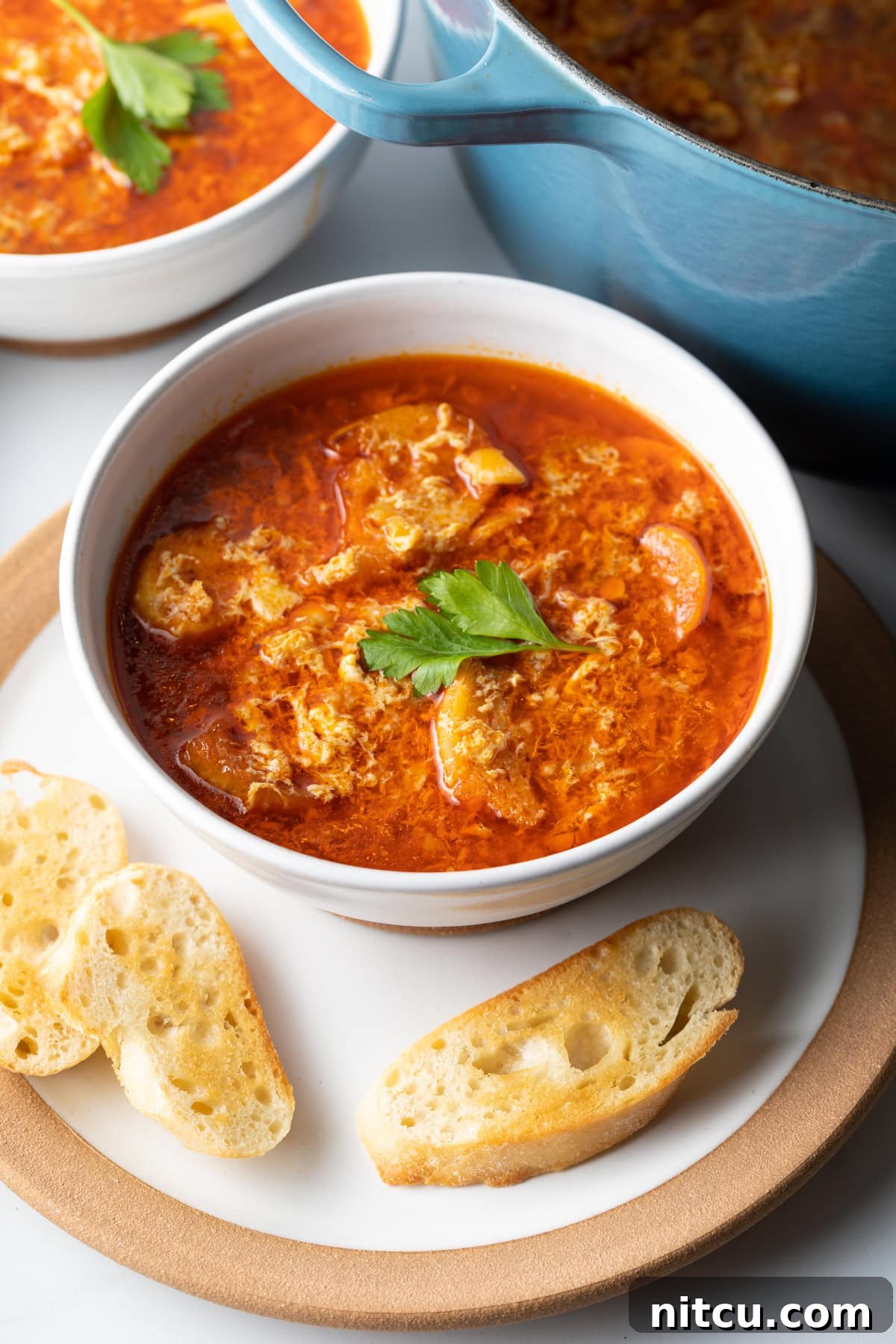
Sopa de Ajo Recipe: Authentic Spanish Garlic Soup – A Heartwarming Culinary Tradition
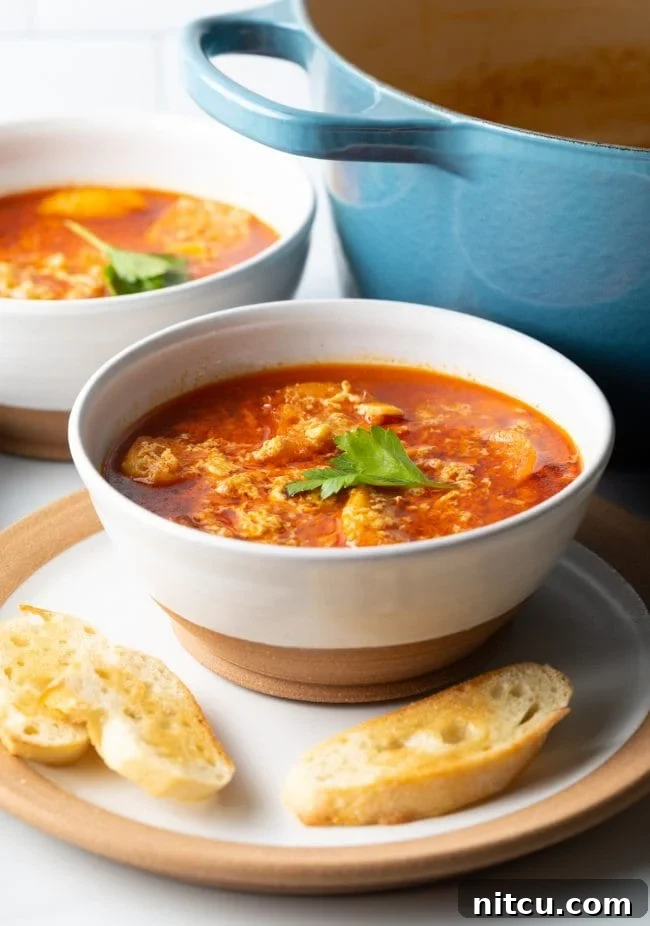
The Soul-Soothing Comfort of Spanish Sopa de Ajo
There’s an undeniable magic in a simple bowl of soup. It’s a culinary embrace, offering comfort and warmth with every spoonful. This is especially true for Sopa de Ajo, a truly traditional Spanish Garlic Soup that transcends mere sustenance to become a deeply soul-soothing experience. Originating from the heartland of Spain, particularly Castile, this humble yet profoundly flavorful dish showcases how basic pantry staples can be transformed into something extraordinary. Its rustic charm lies in its simplicity, proving that often, the most delicious and satisfying meals are born from the most straightforward ingredients.
Sopa de Ajo, literally “Garlic Soup,” is a testament to the Spanish reverence for bold flavors and resourceful cooking. It’s a dish often enjoyed during colder months, providing not just physical warmth but a comforting culinary journey. This recipe captures the essence of this beloved classic, delivering a delightfully smoky and savory broth with a unique, creamy consistency achieved through unexpected heroes: toasted bread and eggs. In just about 30 minutes, you can have a hearty side or a substantial starter that’s brimming with authentic Spanish character.
What Makes Sopa de Ajo So Unique? The Magic of Bread and Eggs
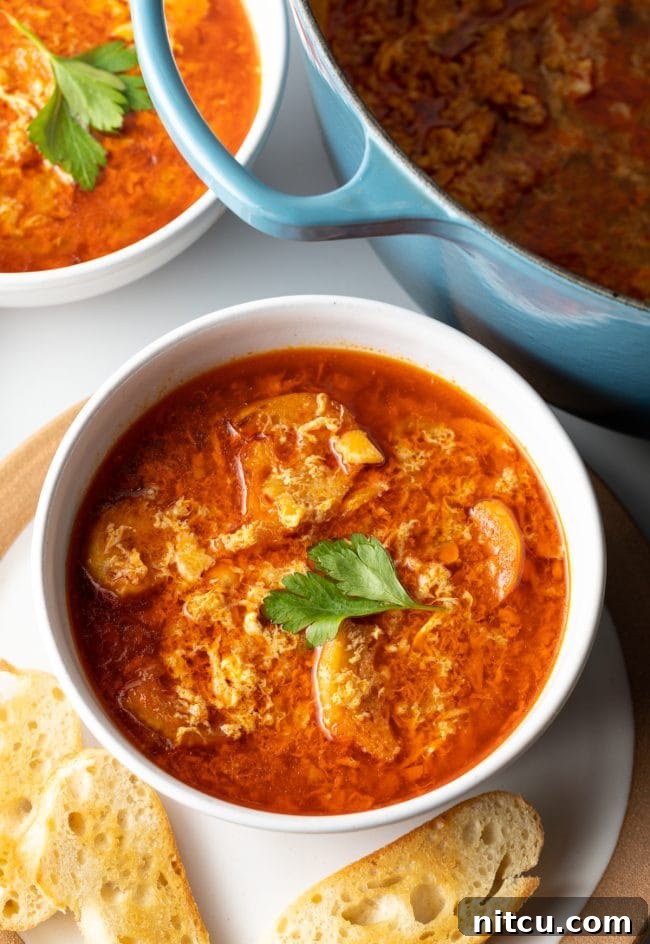
Many encounter Sopa de Ajo for the first time and are instantly captivated by its distinct character. The initial impression is often one of a vibrant, pungent broth, rich with the unmistakable aroma of garlic and the deep, earthy notes of smoked paprika. However, it’s the texture that truly sets this soup apart. Unlike many creamy soups that rely on dairy, Sopa de Ajo achieves its luxurious body through the ingenious incorporation of day-old bread and beaten eggs.
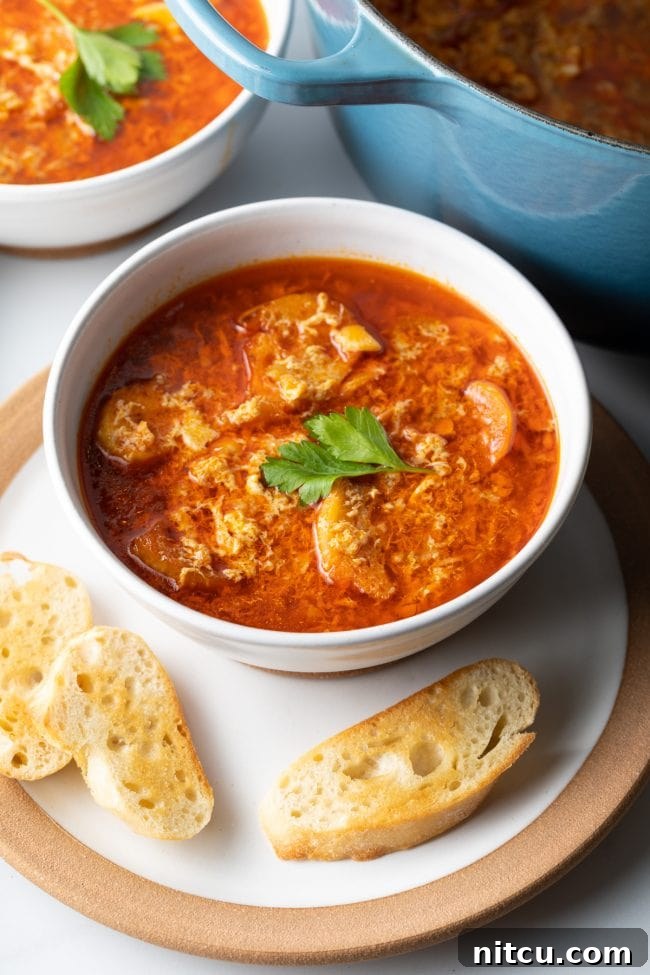
The bread, typically a crusty baguette, is torn into pieces and toasted before being added to the simmering broth. As it soaks, it gradually dissolves, releasing its starches and naturally thickening the soup, giving it a wonderfully rustic and satisfying mouthfeel. This technique is not only a hallmark of Spanish culinary resourcefulness but also contributes significantly to the soup’s unique appeal. The addition of eggs, swirled in at the final stage, creates delicate “egg ribbons” that float gracefully throughout the broth. This method is reminiscent of an egg drop soup, but here, it infuses the definitive, savory Spanish flavors of paprika and garlic with a silken richness, transforming the broth into a hearty yet never overly heavy experience.
This clever combination of humble ingredients results in a soup that is both deeply satisfying and surprisingly light. It’s a culinary paradox that perfectly embodies the ingenuity of traditional Spanish cooking, turning simple fare into a memorable gastronomic delight. Whether you’re a seasoned chef or a home cook exploring new flavors, the unique taste and consistency of Sopa de Ajo are sure to enchant your palate.
A Versatile Delight: Perfect for Any Occasion
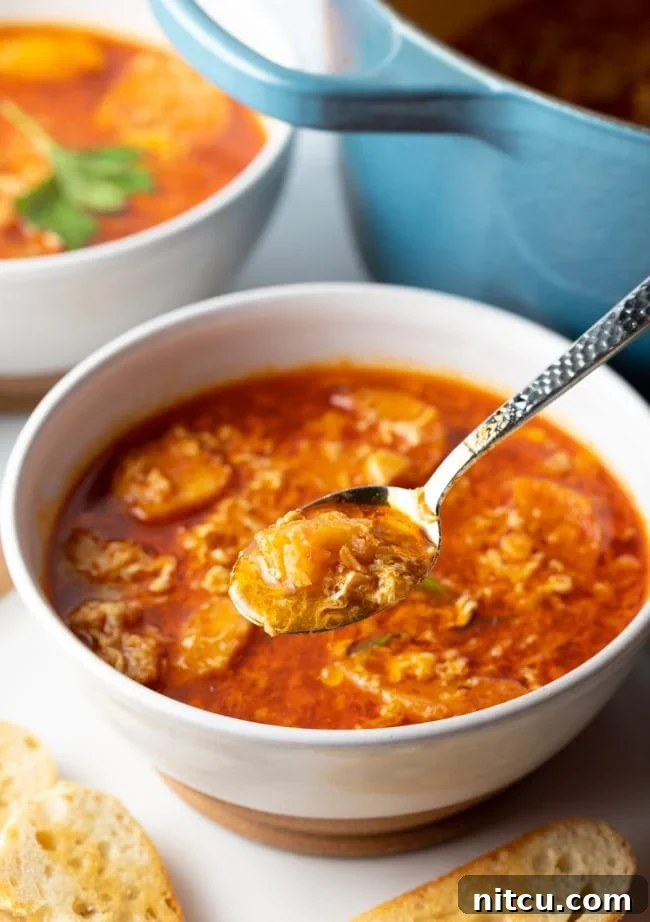
Beyond its unique flavor and texture, Sopa de Ajo boasts incredible versatility, making it a fantastic addition to any meal plan. As a naturally vegetarian winter soup, it provides a warm and nourishing option for meat-free days, without sacrificing richness or flavor. The robust garlic and smoked paprika give it a depth that will satisfy even the most fervent meat-eaters.
This Spanish classic shines whether served as an elegant first course before a sophisticated dinner or as a hearty component of a casual tapas night. Its substantial nature means it can easily stand alone as a light lunch or a comforting dinner, perhaps paired with a fresh green salad or a simple sandwich. The beauty of this recipe is its efficiency; it’s ready to enjoy in a mere 30 minutes, making it an ideal choice for busy weeknights when you crave something wholesome and flavorful without spending hours in the kitchen.
Imagine a chilly evening, gathered with friends, enjoying a vibrant array of Spanish tapas. A steaming bowl of Sopa de Ajo fits seamlessly into this setting, offering a fragrant, warming counterpoint to other dishes. Its adaptability means it can be paired with anything from simple bread to elaborate paellas, always enhancing the dining experience with its distinctive Spanish charm.
Essential Ingredients for an Authentic Sopa de Ajo
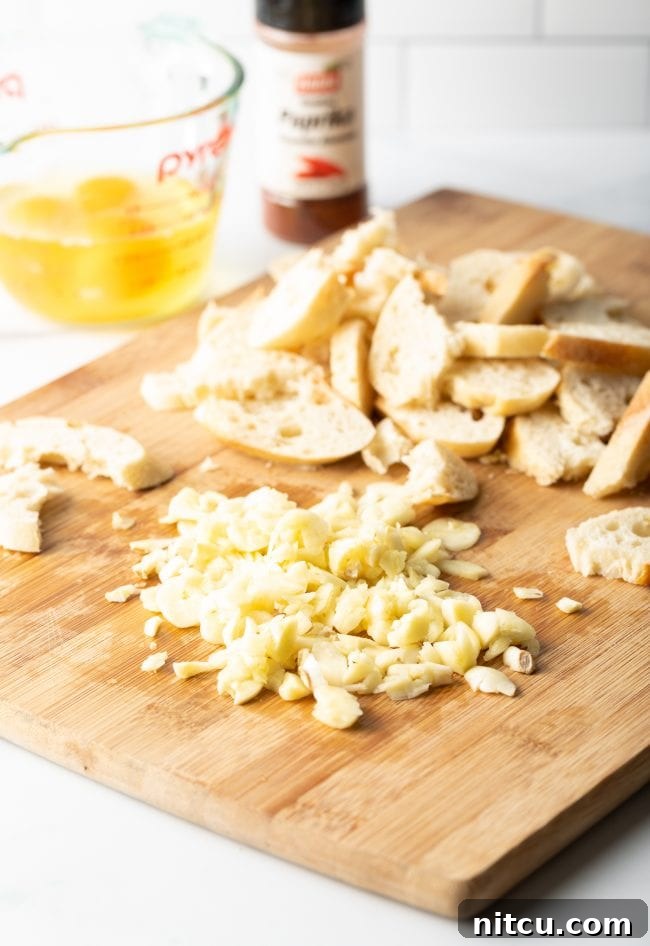
Crafting a truly authentic Sopa de Ajo relies on a few key ingredients, each playing a crucial role in building its signature flavor and texture. Quality ingredients, even in their simplicity, make all the difference in this rustic dish. Here’s a closer look at what you’ll need:
- Baguette: While often called for as “stale bread,” a fresh baguette sliced into thin pieces and then toasted will yield the same fantastic results. The bread is vital for thickening the soup and giving it a unique, earthy body as it dissolves into the broth.
- Olive Oil: Essential for sautéing and building the flavor base. A good quality extra virgin olive oil, preferably Spanish, will impart a richer and more authentic taste. Use a neutral-flavored high-heat oil if preferred, but olive oil is traditional.
- Garlic Cloves: The undisputed star of this soup! Don’t be shy with the garlic. Sliced thin, the garlic cloves will mellow and sweeten slightly as they sauté, infusing the entire broth with their irresistible aroma and robust flavor. Aim for generous amounts, as the soup is named after it!
- Smoked Paprika (Pimentón): This is arguably the second most important flavor component. Spanish smoked paprika (pimentón de la Vera) provides that distinctive smoky depth and beautiful reddish hue. While sweet paprika can be used, smoked paprika is highly recommended for the authentic flavor profile.
- Vegetable Broth: The liquid base for our soup. While vegetable broth keeps the dish strictly vegetarian, chicken broth can be used for a richer, albeit non-vegetarian, alternative. You can also use vegetable bouillon dissolved in water.
- Dry Sherry: A splash of dry sherry adds a subtle layer of complexity and a hint of acidity, balancing the richness of the other ingredients. If dry sherry is unavailable, red wine vinegar or even a dry white wine can serve as a suitable substitute.
- Eggs: Beaten and slowly drizzled into the hot soup, the eggs create delicate, tender ribbons that add heartiness and a silky texture to the broth, transforming it into a comforting egg drop style soup.
- Fresh Parsley: Chopped fresh parsley is used as a garnish, adding a burst of fresh flavor and a vibrant pop of color, enhancing the soup’s overall presentation and taste.
- Salt and Pepper: To taste, these fundamental seasonings help to bring all the flavors together, allowing you to adjust the soup to your personal preference.
Crafting Your Sopa de Ajo: A Step-by-Step Culinary Guide
Making Spanish Garlic Soup is a straightforward process, but each step is vital for building the layers of flavor and achieving that perfect rustic texture. Follow these instructions carefully to create a truly delicious Sopa de Ajo:
1. Prepare and Toast the Bread: The Foundation of Flavor
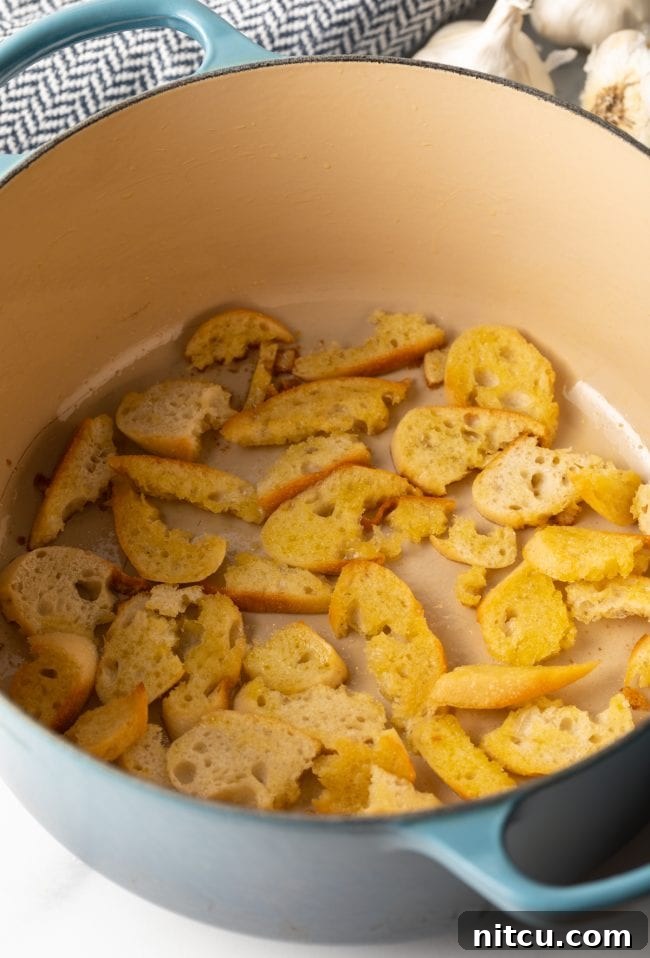
Begin by setting a large 6-8 quart saucepot over medium heat. Add 2 tablespoons of olive oil to the pot. Take your baguette and tear enough slices into bite-sized pieces to yield approximately 2 cups. It’s perfectly fine, and even recommended, to have leftover baguette slices, as these can be toasted and served on the side with your finished soup. Place the torn bread pieces into the oiled pot and stir continuously to ensure they are well coated. Toast the baguette pieces for about 2 to 3 minutes, or until they turn a beautiful golden brown and become fragrant. This toasting step is crucial as it adds depth of flavor and helps the bread dissolve properly later. Once toasted, remove the bread from the pot and set it aside for future use.
2. Sauté the Aromatics: Unleashing Garlic and Paprika
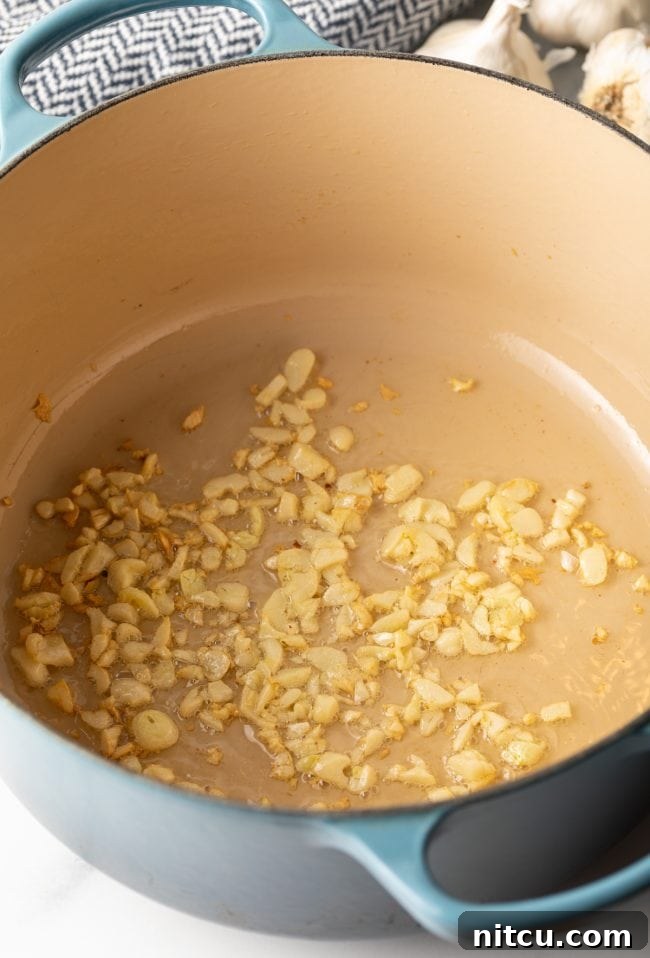
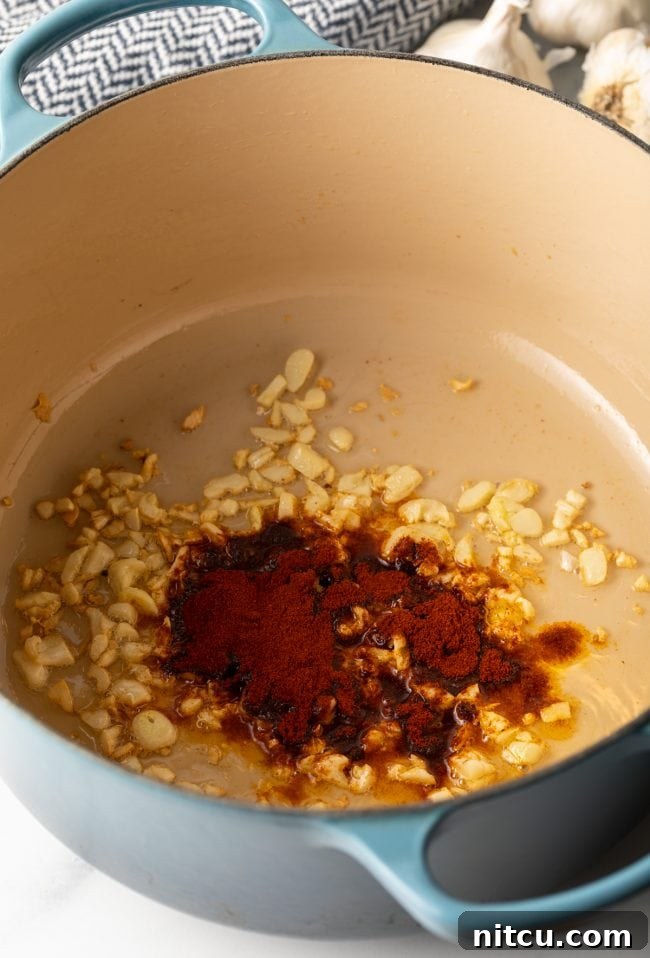
With the toasted bread removed, add the remaining 2 tablespoons of olive oil to the same pot. Introduce the thinly sliced garlic cloves. Stir the garlic for 2-3 minutes over medium heat. Be vigilant during this stage, as garlic can burn quickly, which would impart a bitter taste to your soup. You want it fragrant and slightly softened, not browned. Once the garlic is aromatic, stir in the smoked paprika. Sauté for another 30-60 seconds, allowing the paprika’s smoky essence to bloom in the hot oil. This brief sauté maximizes its flavor without risking a burnt taste. Immediately after, pour in the vegetable broth.
3. Simmer and Incorporate the Bread
Bring the broth mixture to a rolling boil, then reduce the heat to a gentle simmer. Allow it to simmer for 10 minutes, giving the flavors time to meld and deepen. This is where the magic truly starts to happen. After simmering, add the reserved toasted bread pieces and the dry sherry (or red wine vinegar) to the pot. Stir gently and allow the bread to soften and gradually dissolve into the soup base. This process will naturally thicken the broth, creating the rustic, creamy texture characteristic of Sopa de Ajo.
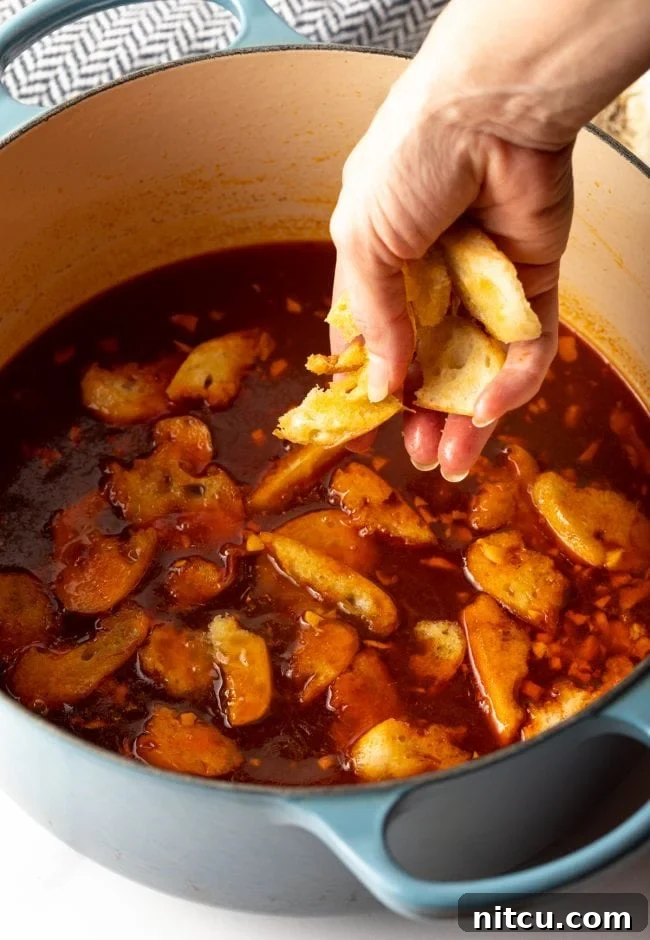
4. Add the Eggs: Creating Silken Ribbons
While the bread continues to dissolve, beat the eggs in a small bowl until well combined. Now for the signature egg drop effect: stir the soup continuously in one direction to create a gentle swirl. Slowly drizzle the beaten eggs into the swirling soup in a thin stream. This technique will create beautiful, delicate egg ribbons that cook instantly in the hot broth, adding a tender, silky texture and a boost of protein. Continue stirring gently for a moment to ensure the eggs are fully cooked and distributed.
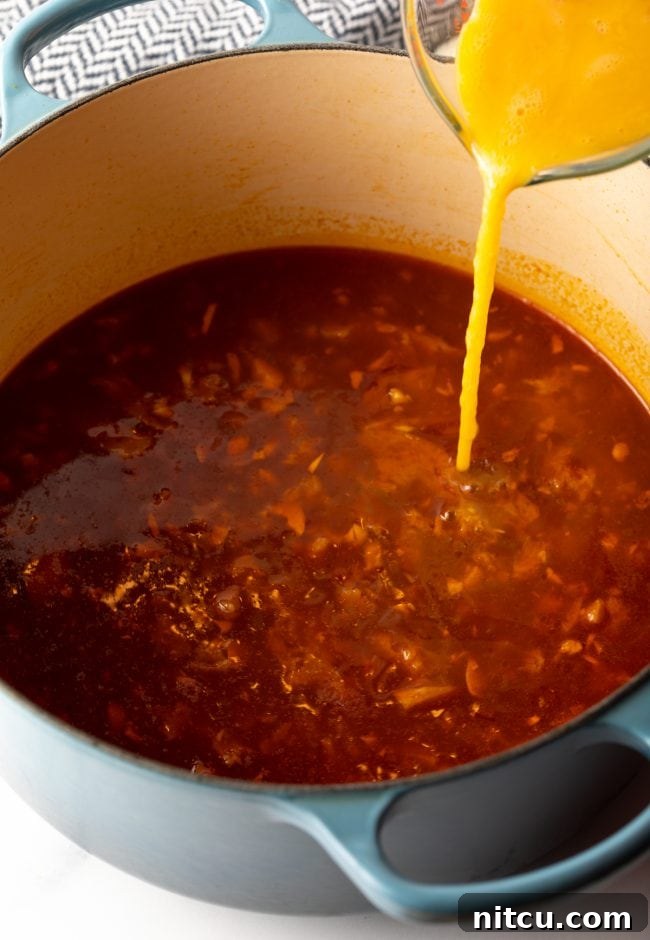
5. Season and Serve: The Final Touch
Once the eggs are incorporated, taste the soup and adjust the seasoning with salt and pepper as needed. You might find it needs a little more salt to truly bring out the flavors. Ladle the warm, aromatic Sopa de Ajo into bowls. Finish each serving with a generous sprinkling of fresh, chopped parsley. Don’t forget to offer those extra toasted baguette slices on the side for dipping. Serve immediately and enjoy the comforting, authentic taste of Spain!
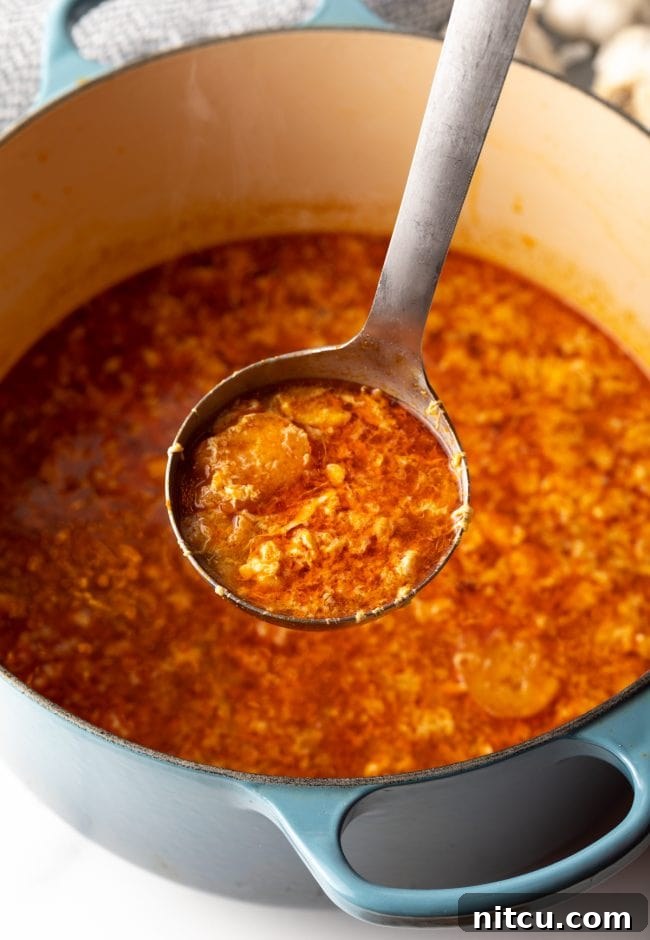
Sopa De Ajo Serving Suggestions: Elevate Your Experience
The beauty of Sopa de Ajo lies not only in its heartwarming flavor but also in its versatility on the dining table. While utterly delicious on its own, especially with a garnish of fresh parsley and those perfectly toasted baguette slices, this Spanish garlic soup truly shines when paired thoughtfully with other dishes. Here are some suggestions to elevate your Sopa de Ajo experience:
- As Part of a Tapas Spread: Embrace the Spanish tradition by serving Sopa de Ajo as a foundational element of a tapas meal. It pairs wonderfully with other Spanish-inspired small plates such as Arroz Rojo (Spanish red rice), Pan Con Tomate (tomato bread), Patatas Bravas, marinated olives, or a selection of Spanish cheeses and cured meats (if not strictly vegetarian).
- A Traditional Starter Course: In Spain, soups often serve as a comforting prelude to the main entree. Sopa de Ajo is a fantastic choice before a larger meal. Consider pairing it with a vibrant paella sheet pan dinner, flavorful stuffed peppers, or even a simple roasted chicken.
- For a Light Lunch or Dinner: When you desire a lighter yet satisfying meal, Sopa de Ajo is an excellent option. Serve it alongside a crisp, fresh green salad with a vinaigrette dressing, or with a simple, crusty sandwich. The soup’s hearty nature makes it substantial enough to be the star of your plate without being overly filling.
- A Touch of Olive Oil: For an extra layer of richness and flavor, drizzle a good quality extra virgin olive oil over each bowl just before serving. This enhances the soup’s natural goodness and adds a beautiful sheen.
- Wine Pairing: To complement the flavors of Sopa de Ajo, consider pairing it with a dry sherry (like Fino or Manzanilla) for an authentic Spanish touch, or a light-bodied red wine that won’t overpower the delicate garlic and paprika notes.
However you choose to enjoy it, Sopa de Ajo promises a delicious and comforting culinary journey that brings the warmth and flavors of Spain directly to your table.
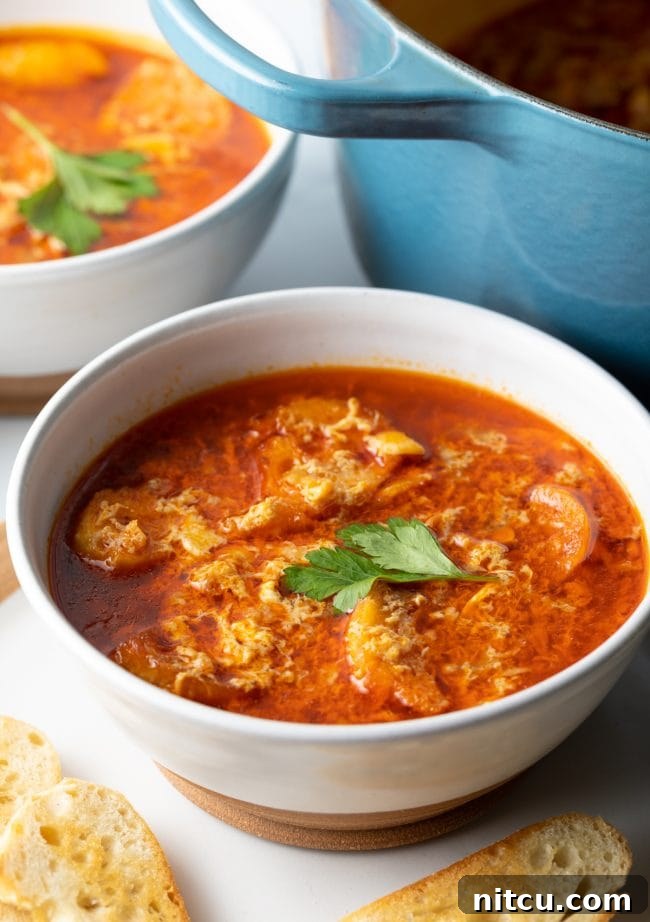
Frequently Asked Questions about Spanish Garlic Soup
Here are some common questions about Sopa de Ajo and helpful answers to ensure you master this delightful Spanish dish:
While our recipe features the traditional egg ribbon technique, you can certainly add a perfectly poached egg to your Sopa de Ajo for a different presentation and texture. To do this, poach the eggs in a separate pot of simmering water until the whites are set and the yolks are still runny. Carefully transfer one poached egg into each bowl of soup just before serving. Mastering the perfect poached egg can take a few attempts, so don’t be discouraged if your first few aren’t flawless!
Absolutely! While this particular Sopa de Ajo recipe is vegetarian, many traditional versions include meat. To incorporate it, consider adding diced cooked ham (jamón Serrano is excellent for authenticity) or even crispy bacon bits. After you’ve sautéed the paprika and before adding the broth, stir in about 1/2 cup of finely chopped cooked ham or crumbled bacon, allowing it to heat through and meld with the flavors.
For the best experience, Sopa de Ajo is truly at its peak when enjoyed freshly prepared. The delightful textures of the dissolved bread and the tender egg ribbons tend to change upon cooling and reheating. That being said, if you have leftovers, they can certainly be saved. Allow the soup to cool completely to room temperature before transferring it to an airtight container. Store it in the refrigerator for up to 3 days. When reheating, do so gently over low heat on the stovetop, stirring occasionally, and add a splash of broth or water if it has become too thick.
It is generally not recommended to freeze Sopa de Ajo. As mentioned, both the bread and the eggs undergo significant textural changes when frozen and then thawed and reheated. The bread can become mushy, and the eggs may develop a rubbery consistency, diminishing the overall quality and enjoyment of the soup. This is a dish best savored fresh or within a few days from the refrigerator.
Yes, you can easily adapt this Sopa de Ajo recipe to be gluten-free. Simply substitute the traditional baguette with your favorite gluten-free bread. Ensure it’s a crusty variety that can be torn and toasted effectively. The rest of the ingredients are naturally gluten-free, but always double-check your vegetable broth for any hidden gluten-containing additives.
If dry sherry isn’t available, don’t worry! You have a couple of excellent alternatives. A tablespoon of red wine vinegar will provide a similar tang and acidity that brightens the soup’s flavors. Alternatively, a dry white wine can also be used. Just a small amount is needed to add that subtle layer of complexity.
Looking For More Scrumptious Soups? Be Sure to Also Try These Recipes:
- Portugese Kale Soup (Caldo Verde)
- The Best Chicken Tortilla Soup
- Greek Lemon Chicken Soup
- Chicken Noodle Soup
- Easy Instant Pot Black Bean Soup
- Taiwanese Beef Noodle Soup
- Quick and Easy Lasagna Soup

Sopa de Ajo Recipe (Spanish Soup)
- Prep Time: 10 minutes
- Cook Time: 20 minutes
- Total Time: 30 minutes
This traditional Spanish garlic soup is delightfully smoky, savory, and has a creamy broth thickened with toasted bread and eggs. It’s ready to serve in 30 minutes as a hearty side or starter course!
Servings: 8 servings
Ingredients
- 1 baguette, sliced into thin pieces (day-old is ideal, or toast fresh)
- 4 tablespoons olive oil, divided
- 10-12 cloves garlic, sliced thin
- 1 tablespoon smoked paprika
- 8 cups vegetable broth
- 1 tablespoon dry sherry or red wine vinegar
- 3 large eggs, beaten
- 2 tablespoons chopped fresh parsley, for garnish
- Salt and pepper, to taste
Instructions
- Set a large 6-8 quart saucepot over medium heat. Add 2 tablespoons of olive oil to the pot.
- Tear enough of the baguette slices into pieces to fill 2 cups. (Keep any leftover slices to serve on the side with the soup.) Place the torn bread pieces in the saucepot and stir to coat in oil. Stir and toast the baguette pieces for 2 to 3 minutes until golden brown. Then remove and set aside for later use.
- Add the remaining 2 tablespoons of olive oil to the pot. Add the sliced garlic. Stir the garlic for 2-3 minutes, making sure it does not burn. Stir in the smoked paprika and sauté for another 30-60 seconds. Then pour in the vegetable broth. Bring to a boil, lower the heat, and simmer for 10 minutes.
- Now add in the toasted bread pieces and dry sherry (or red wine vinegar). Stir and allow the bread to dissolve into the soup base, thickening the broth.
- In a small bowl, beat the eggs. Then, stir the soup in a circular motion and slowly drizzle the beaten eggs into the soup to create delicate egg ribbons. Taste, then season with salt and pepper as needed. Serve warm with a sprinkling of fresh parsley and extra toasted baguette slices.
Notes
This dish is best when enjoyed freshly prepared. The bread and egg tend to lose their delightful textures when cooled and reheated. That being said, you certainly can save leftovers if you like. Let the soup cool completely before transferring to an airtight container, and store in the refrigerator for up to 3 days. It is not recommended to freeze Sopa de Ajo, as the textures of the eggs and bread do not hold up well during freezing and reheating.
Nutrition
Serving: 1 bowl, Calories: 192kcal, Carbohydrates: 21g, Protein: 5g, Fat: 10g, Saturated Fat: 2g, Polyunsaturated Fat: 2g, Monounsaturated Fat: 6g, Trans Fat: 1g, Cholesterol: 61mg, Sodium: 1157mg, Potassium: 99mg, Fiber: 1g, Sugar: 2g, Vitamin A: 1105IU, Vitamin C: 3mg, Calcium: 44mg, Iron: 2mg
Course: Appetizer, Main, Main Course, Starter
Cuisine: Spanish
Author: Sommer Collier
We hope this detailed guide inspires you to create your own authentic bowl of Sopa de Ajo. This traditional Spanish Garlic Soup is more than just a recipe; it’s a comforting piece of culinary heritage, offering a simple yet profoundly flavorful experience. Whether you’re seeking a quick weeknight meal, a unique starter for a dinner party, or a cozy dish to warm you from the inside out, Sopa de Ajo is a choice that promises satisfaction. Its blend of smoky paprika, abundant garlic, and the distinctive texture from dissolved bread and delicate egg ribbons creates a symphony of flavors that will transport your taste buds straight to the heart of Spain. Enjoy the process of crafting this rustic masterpiece, and savor every delicious spoonful!