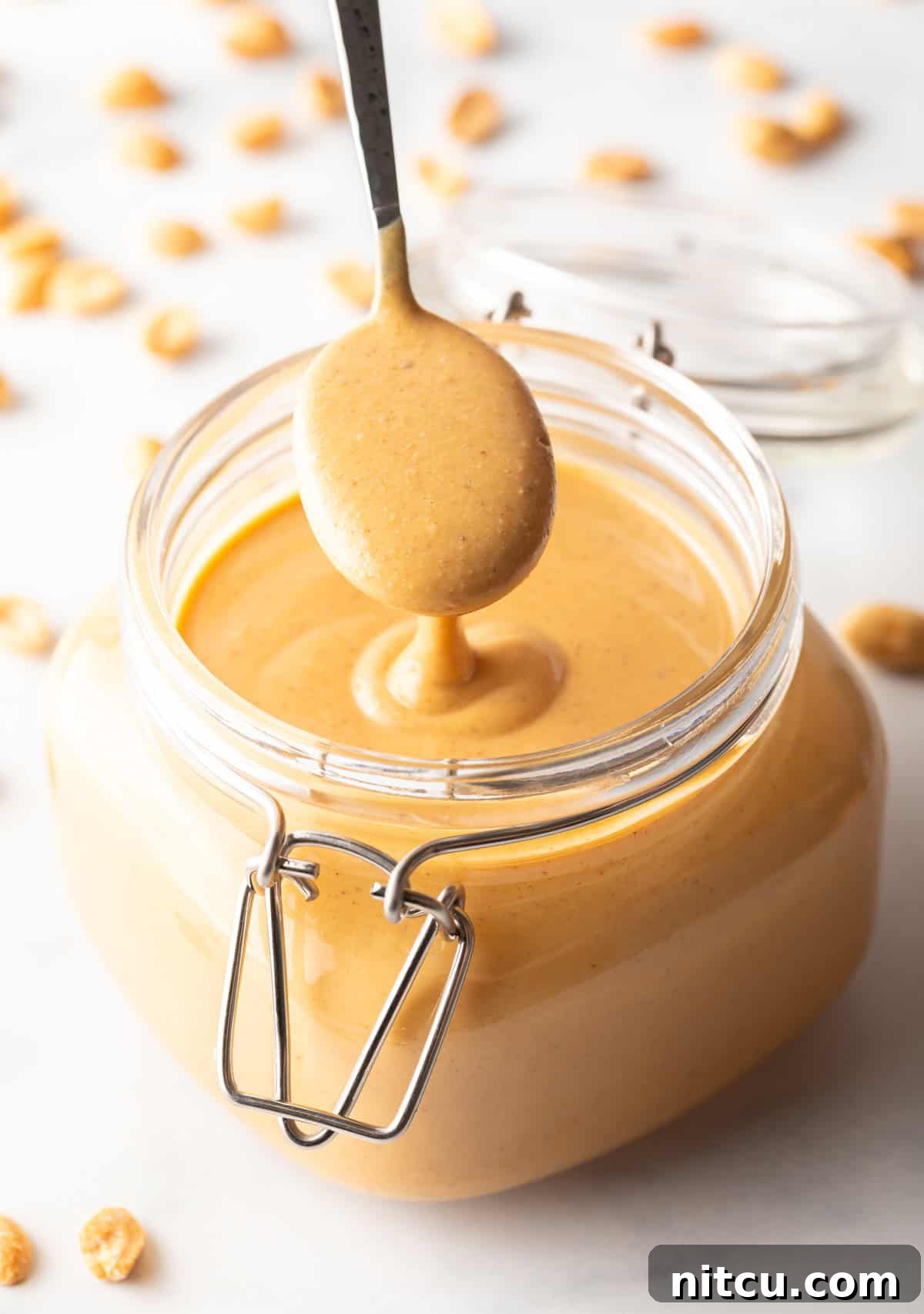
Unlock the secret to incredibly smooth, rich, and utterly luscious homemade peanut butter with our foolproof recipe. Learn the easy steps and top tips to craft this pantry staple from scratch using just one incredible ingredient. (Spoiler alert: It’s peanuts!)
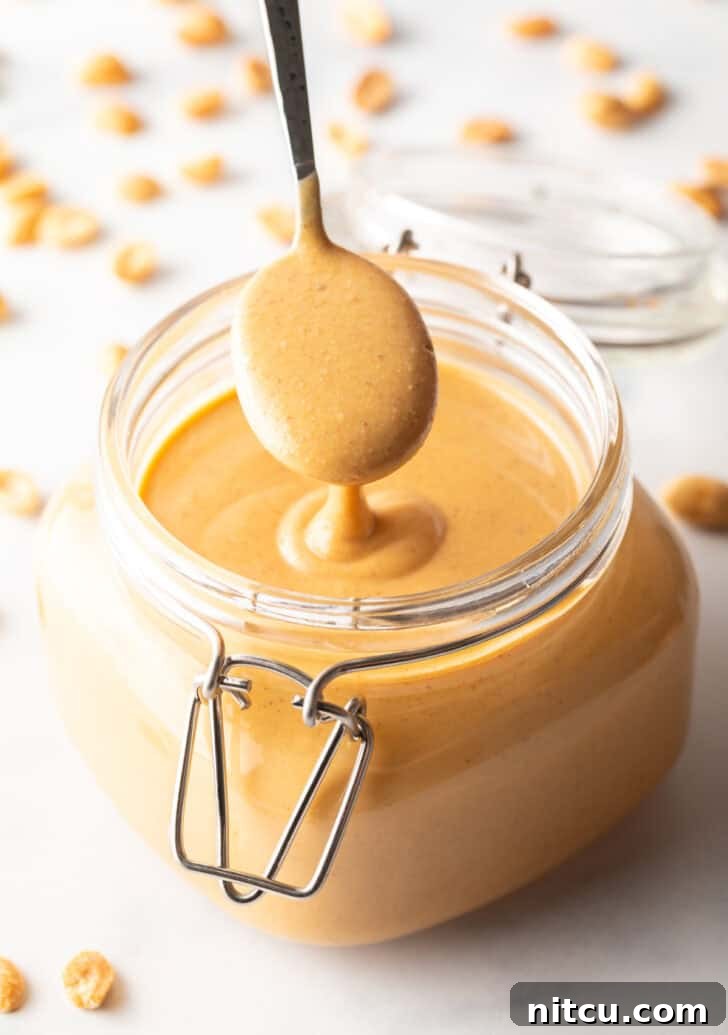
Why Homemade Peanut Butter is a Game Changer
Few kitchen essentials boast the versatility, nutritional value, and sheer deliciousness of peanut butter. It’s a culinary chameleon, equally at home in an array of sweet desserts as it is in robust savory dishes, or simply savored by the spoonful straight from the jar. For many, it’s not just a preference; it’s a fundamental must-have, consistently stocked in the pantry. The appeal of homemade peanut butter elevates this experience even further, transforming a simple spread into a gourmet delight tailored precisely to your taste and health preferences.
Making peanut butter at home allows you to take full control of its quality. Store-bought varieties often contain unnecessary additives like excessive sugars, hydrogenated oils, and preservatives to enhance shelf life and texture. By opting for homemade, you eliminate these unwanted ingredients, ensuring a purer, healthier product. This empowers you to enjoy peanut butter in its most natural state, packed with protein, healthy fats, and fiber, without compromising on flavor or creamy satisfaction.

Sommer’s Recipe Notes: The Ease of Making Your Own
The good news is that crafting your own peanut butter is incredibly simple, often taking less than 10 minutes from start to finish. This speed means there’s truly no excuse to ever run out of this delicious spread. All you need are two key items: a reliable food processor (or a high-powered blender) and, of course, a generous supply of peanuts. It’s truly that straightforward!
While the basic recipe is wonderfully minimalist, it serves as an excellent canvas for personalization. You can easily adapt this simple homemade peanut butter recipe with a few strategic add-ins to create unique flavor profiles. Whether you stick to the classic or venture into new taste territories, these top tips and suggestions will guide you in enjoying your homemade peanut butter in countless delightful ways.
The Essential Ingredient and Exciting Optional Add-Ins
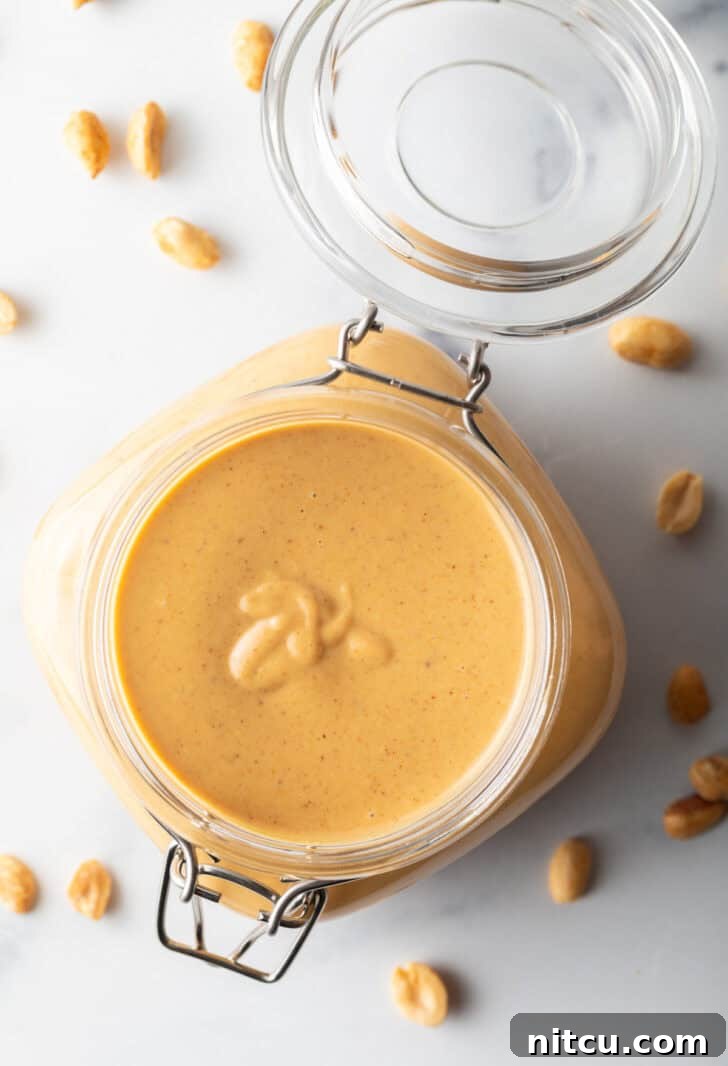
The core of this recipe hinges on one hero ingredient: peanuts. But not just any peanuts will do; the type you choose significantly impacts the final flavor and texture of your homemade spread. For the best results, select high-quality roasted peanuts. You have a few options:
- Dry Roasted Peanuts: These are ideal as they don’t contain added oils, allowing the natural oils to release during processing for a pure, rich flavor. Choose salted dry roasted peanuts for a classic taste, or unsalted if you prefer to control the salt content yourself.
- Honey Roasted Peanuts: If you desire a naturally sweeter peanut butter without adding liquid sweeteners, honey roasted peanuts are an excellent choice. They bring a delightful sweetness and a hint of caramelized flavor.
Ready to infuse your peanut butter with an extra layer of flavor? A light sprinkle of these optional add-ins can transform your spread:
- Sea Salt: Enhances the natural peanut flavor, especially if starting with unsalted peanuts.
- Cinnamon: Adds a warm, comforting spice, perfect for sweet applications.
- Pumpkin Pie Spice: Ideal for autumnal flavors, giving your peanut butter a festive twist.
- Apple Pie Spice: Similar to pumpkin pie spice, it offers a sweet and aromatic complexity.
- Cayenne Pepper: For those who love a hint of heat, a tiny pinch creates a surprising and delicious kick, fantastic in savory dishes.
- Cocoa Powder: Transforms your peanut butter into a delightful chocolate-peanut butter spread.
Important Note: To maintain the desired smooth and creamy consistency, it is crucial to avoid adding liquid sweeteners such as honey or maple syrup directly into the food processor while blending. These can cause the peanut butter to seize and become thick or “gunky.” If you prefer a sweetened peanut butter, start with honey roasted peanuts as your base, or mix in powdered sweeteners (like powdered sugar) after the butter is fully processed, in very small amounts.
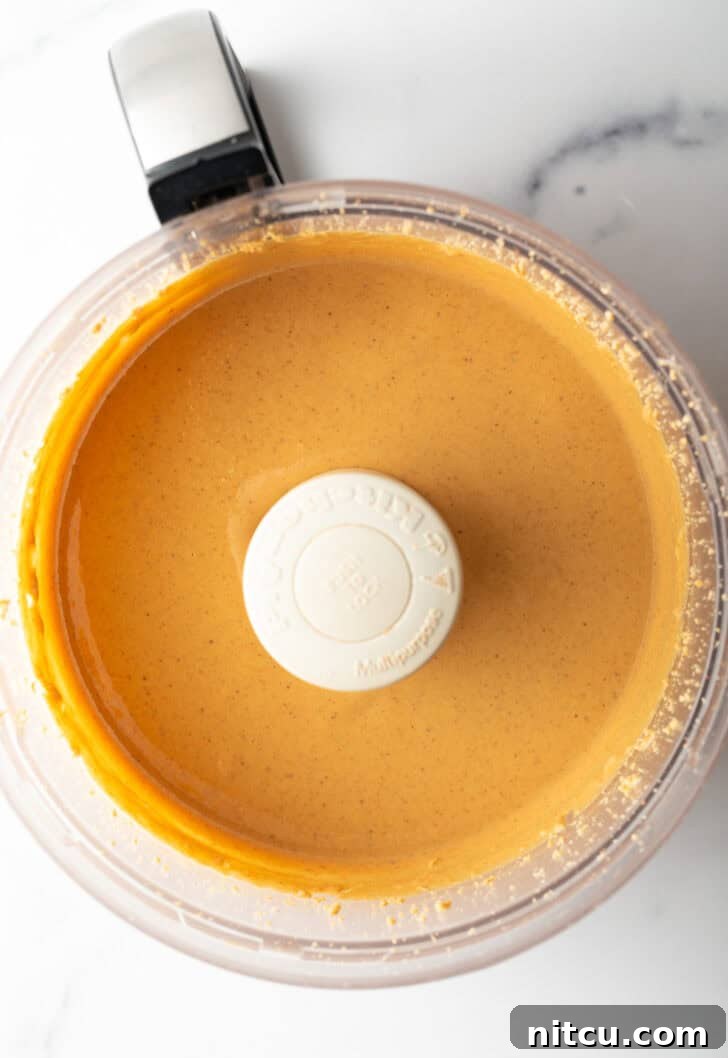
How to Make Peanut Butter: A Step-By-Step Guide to Perfection
Creating homemade peanut butter is a mesmerizing process that demonstrates the power of a good food processor. Follow these simple steps to achieve a perfectly smooth and delectable spread:
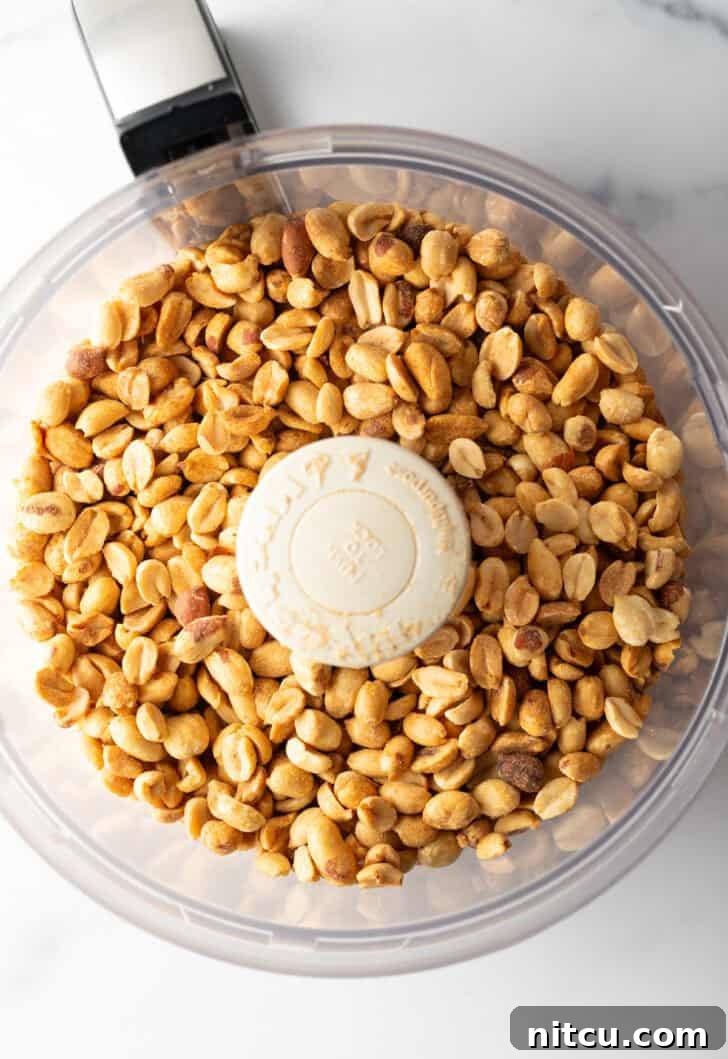
- Prepare Your Equipment: Start by gathering your high-powered food processor or blender. Ensure the jar is clean and dry. Carefully pour your chosen roasted peanuts into the food processor bowl and securely lock the lid into place. For optimal performance, make sure you have enough peanuts to cover the blades, usually at least 2 cups, to allow for efficient processing.
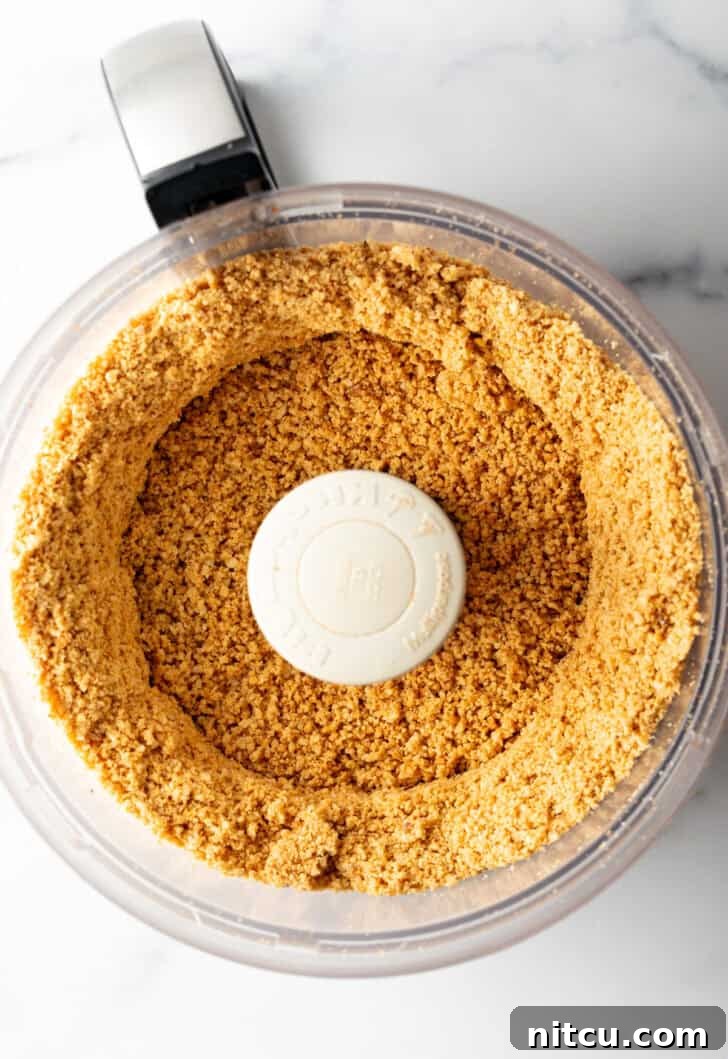
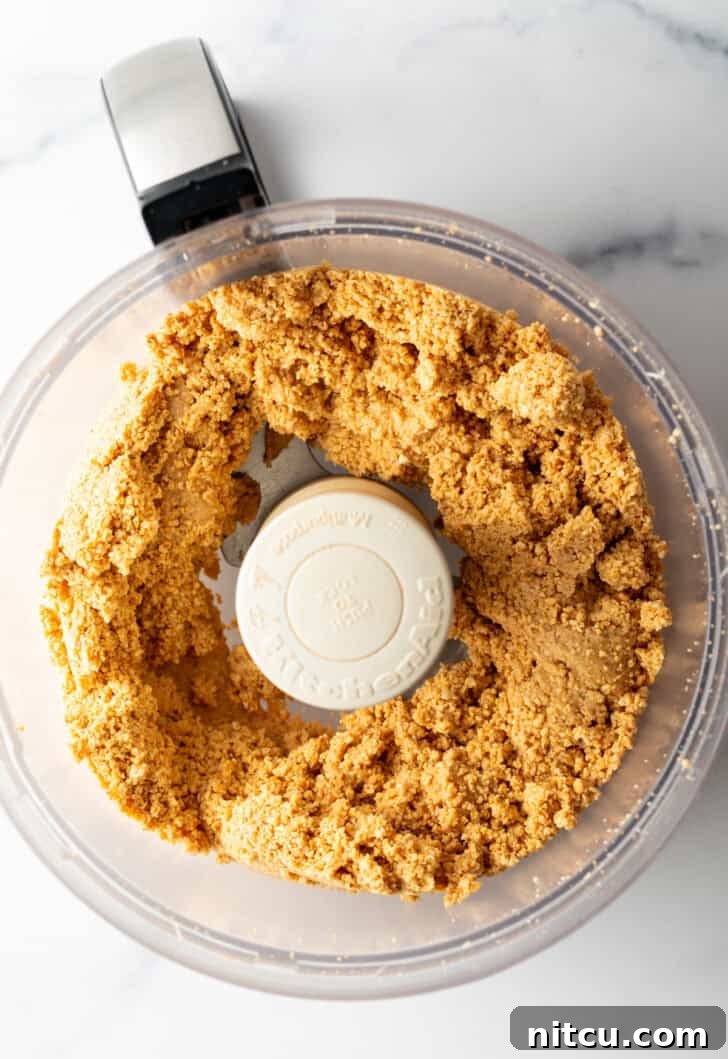
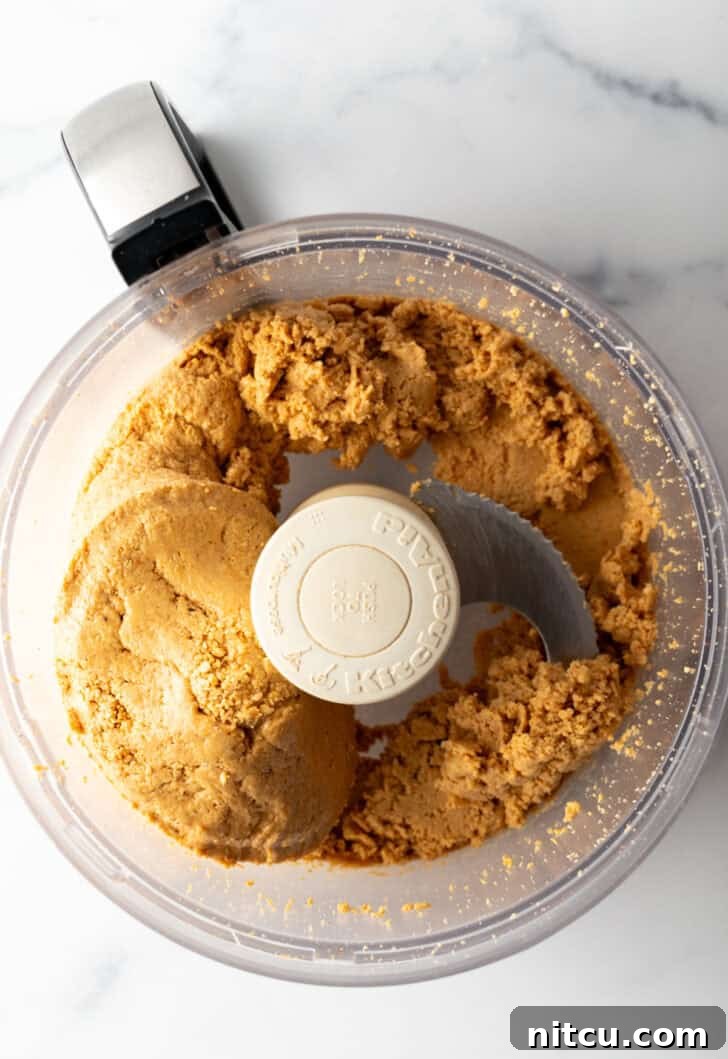
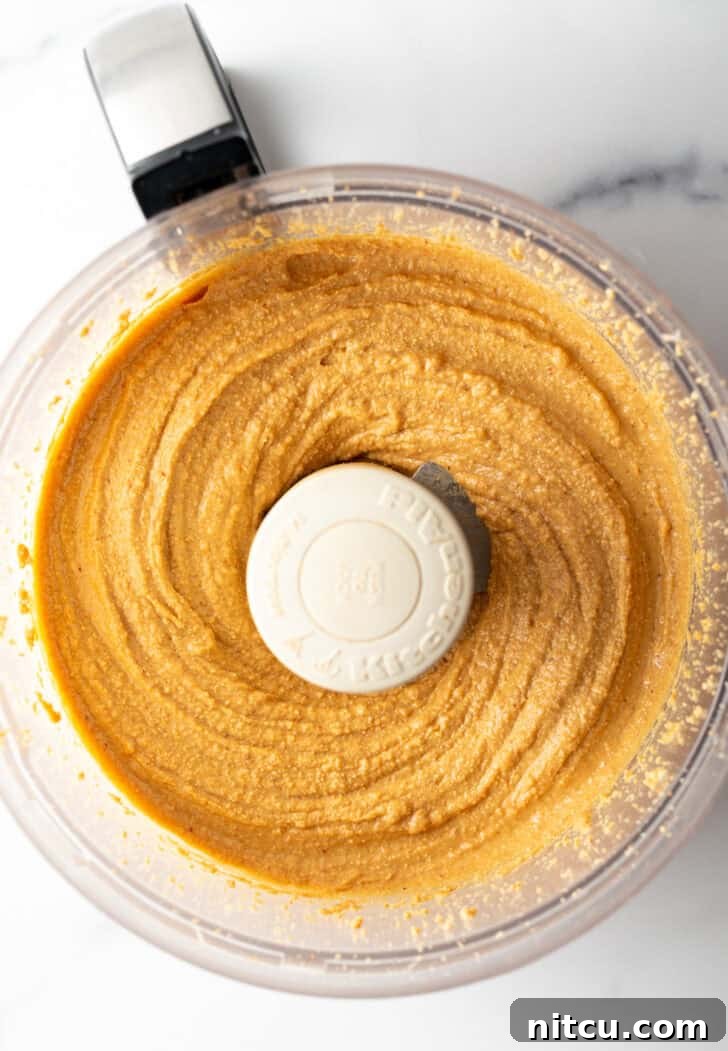
- Begin the Transformation: Turn the food processor on and let it work its magic. This is where patience is key! The peanuts will go through several distinct stages over the course of 5 to 7 minutes:
- Stage 1 (0-1 minute): The peanuts will first break down into fine, dry crumbs.
- Stage 2 (1-3 minutes): As the natural oils begin to release, the crumbs will start to clump together, forming a sticky, dough-like ball.
- Stage 3 (3-5 minutes): The “dough” will gradually loosen and become a thick, chunky paste with a slightly creamy consistency.
- Stage 4 (5-7 minutes): Finally, the paste will transform into a gloriously smooth, liquid peanut butter as the oils fully emulsify. Continue processing until it reaches your desired creaminess.
Throughout this process, especially during the crumby and dough stages, you may need to pause the food processor every couple of minutes. Use a rubber spatula to scrape down the sides of the jar, pushing any clinging peanut bits back down towards the blades. This ensures even blending and helps achieve that consistent, smooth texture. Lock the lid back in place and continue blending.
- Taste and Customize: Once your peanut butter has reached its ideal creamy consistency, turn off the processor. Taste a small amount and adjust seasonings as desired. If you used unsalted peanuts, now is the time to add a pinch of sea salt to enhance the flavor. This is also the perfect moment to stir in any optional dry add-ins like cinnamon, pumpkin pie spice, or a touch of cocoa powder. Blend for another 10-15 seconds to incorporate them fully.
Pro Tip for Consistency: For a spreadable, slightly firmer peanut butter, transfer it to an airtight container and refrigerate. The cold will help it thicken beautifully. If you prefer a runnier, super pourable consistency—ideal for sauces, dressings, or drizzling—store the sealed jar at room temperature.
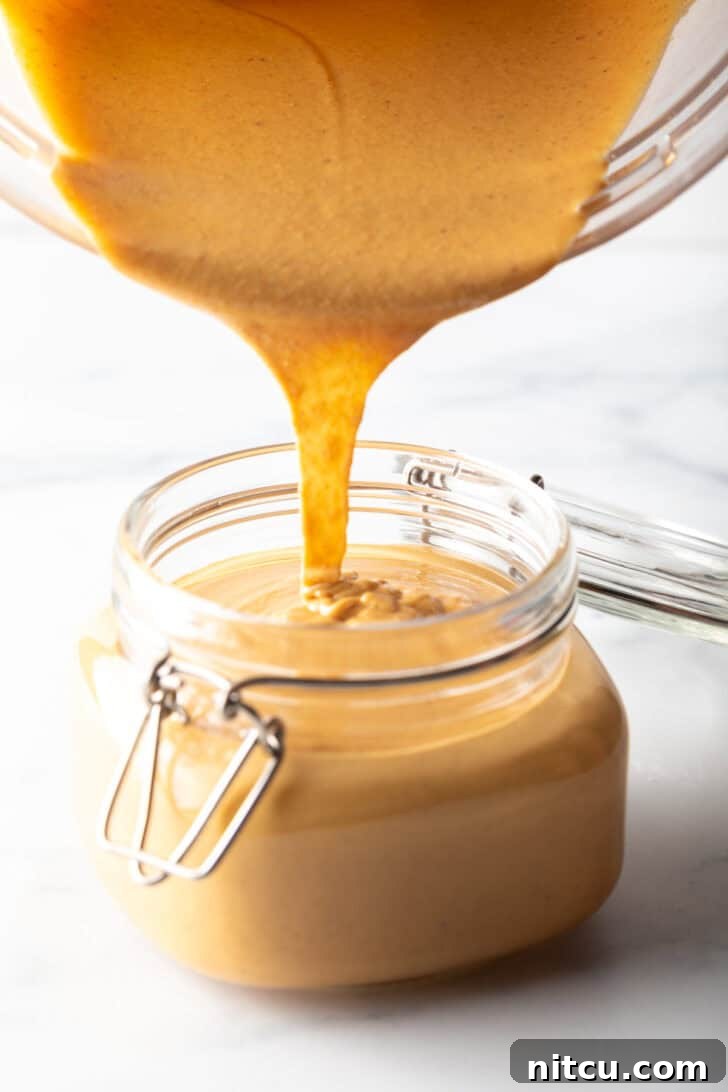
Best Tips for Making Flawless Peanut Butter From Scratch
Achieving that perfect, velvety homemade peanut butter is simple, but a few expert tips can make all the difference:
- Invest in Quality Equipment: To produce truly creamy peanut butter, a powerful food processor or a high-speed blender is non-negotiable. These appliances are designed to handle the friction and heat generated during the long blending process, efficiently breaking down the peanuts and releasing their natural oils. Lesser machines might struggle or even overheat.
- Patience is a Virtue: The transformation from whole peanuts to smooth butter takes time. Do not be alarmed if your peanuts look like dry crumbs or a stiff dough in the initial minutes. This is completely normal! Continue processing; the magic happens as the oils are gradually extracted and emulsified. Typically, 5 to 7 minutes of continuous blending (with occasional scraping) is necessary for a wonderfully smooth texture.
- Avoid Liquid Additions: This is perhaps the most crucial tip. Introducing liquid ingredients like honey, maple syrup, or water too early or in large quantities can cause the peanut butter to seize up, resulting in a thick, pasty, and unappetizing “gunky” texture. If you want to add flavors, stick to dry spices (cinnamon, nutmeg, cayenne pepper) or incorporate powdered sweeteners after the butter is already smooth.
- Sweetness Solutions: If you prefer sweetened peanut butter, the best approach is to start with high-quality honey roasted peanuts. They already have the sweetness integrated, ensuring you’ll still achieve that desirable silky-smooth texture without risking separation or a “gummy” consistency.
- Craving Crunch? For a delightful crunchy peanut butter, simply add a handful of whole or roughly chopped roasted peanuts back into the food processor during the last minute of blending. Process just enough to incorporate them without fully puréeing, creating satisfying textural contrast.
- Roasting Matters: While dry roasted peanuts are convenient, you can also roast raw peanuts at home. Spread them on a baking sheet and roast at 350°F (175°C) for 10-15 minutes, stirring halfway, until fragrant and lightly golden. Let them cool completely before processing. This can intensify their flavor.
Versatile Ways to Enjoy Your Homemade Peanut Butter
Once you’ve experienced the superior taste and texture of homemade peanut butter, you’ll find endless ways to incorporate this golden-brown goodness into your daily meals and snacks. Its rich flavor and wholesome profile make it far more than just a sandwich spread:
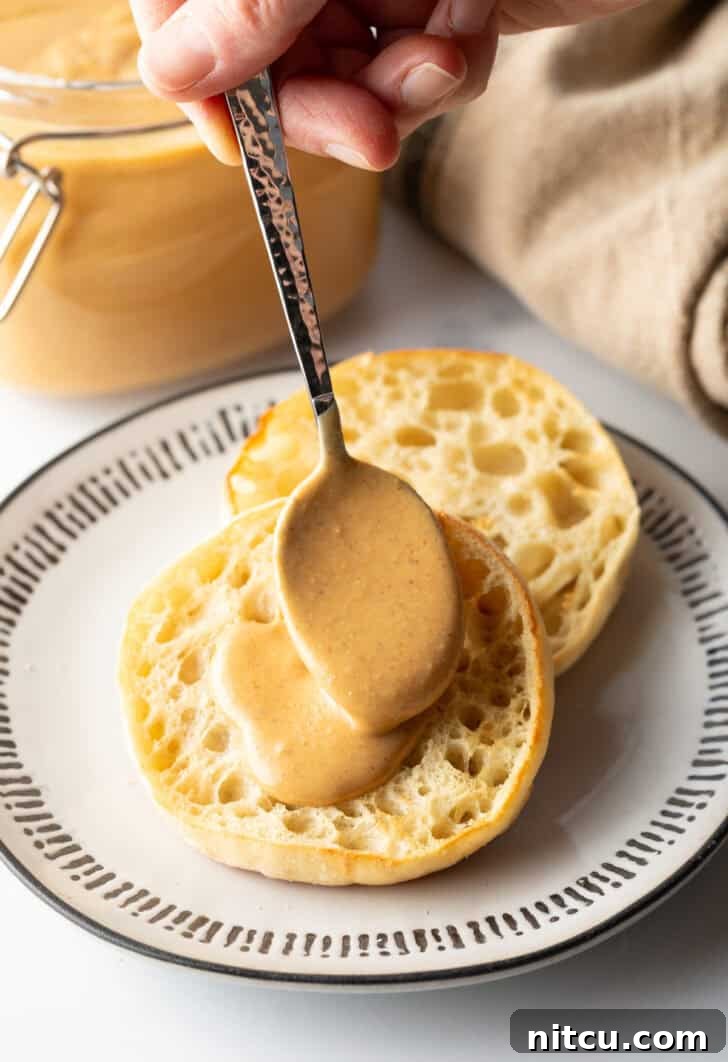
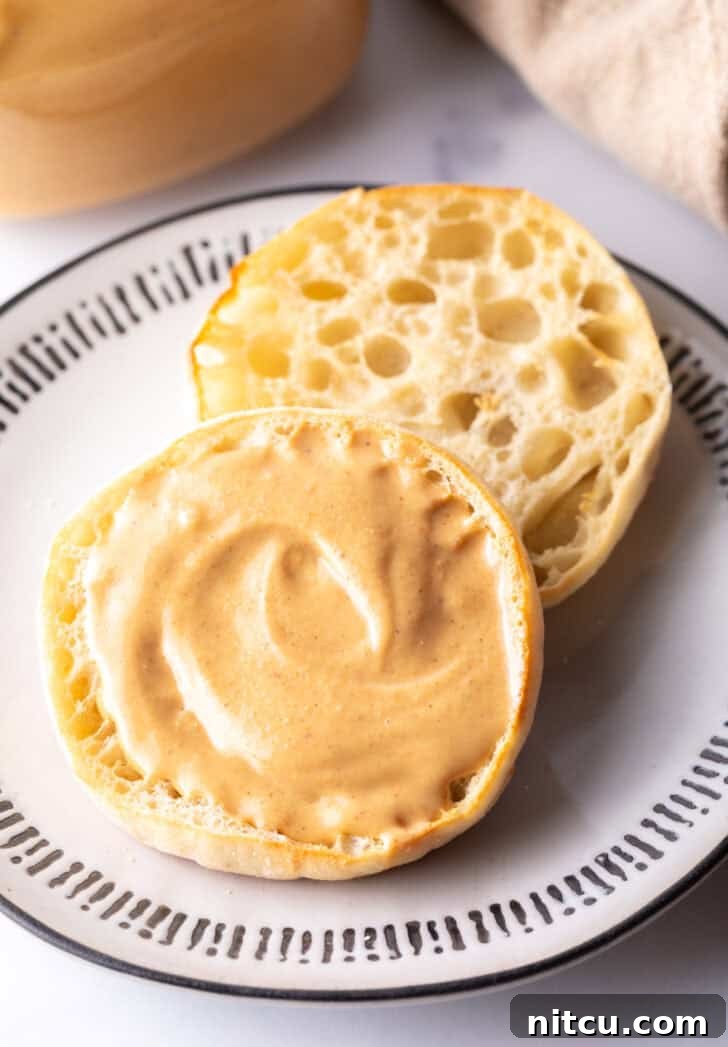
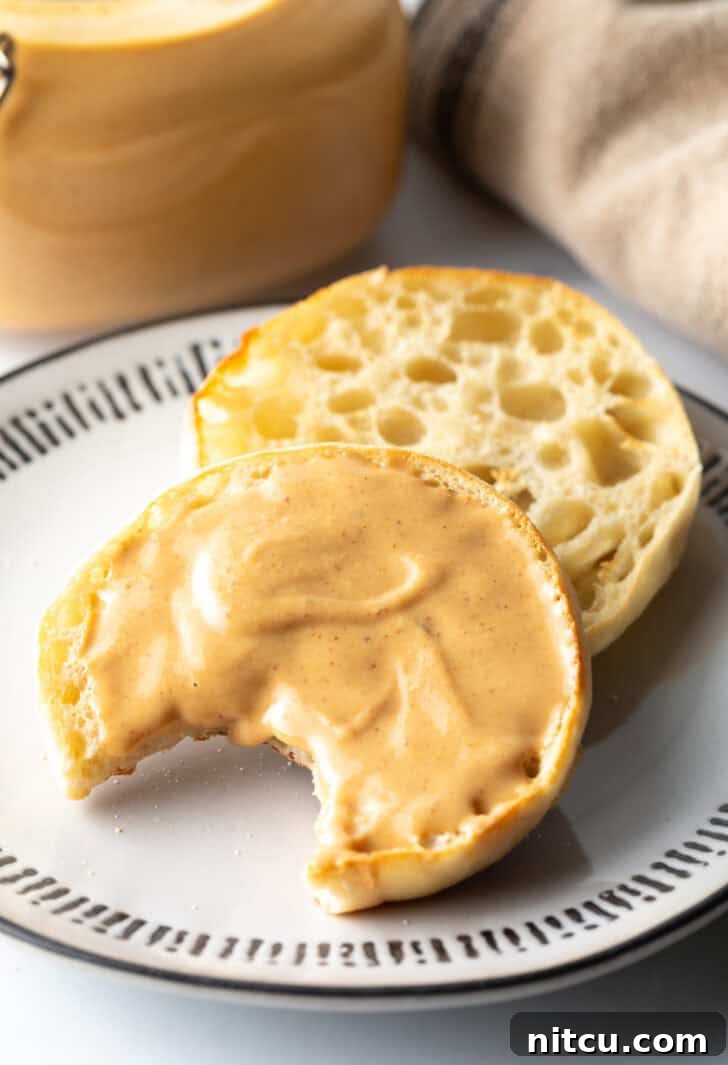
Beyond the classic, try spooning this deliciousness onto warm English muffins, toast, or other baked goods for a simple yet satisfying breakfast. Enhance your morning smoothie with a dollop for extra protein and creaminess. Use it as a delightful dunking sauce for crisp crackers, crunchy pretzels, apple slices, or celery sticks. And let’s be honest, sometimes the best way to enjoy it is simply by licking it right off of that spoon!
And, of course, homemade peanut butter is the quintessential ingredient for crafting the ultimate PB and jelly sandwiches. Elevate your sandwich experience by pairing it with gourmet jams like strawberry rhubarb jam, luscious peach preserves, or truly whatever jam is your absolute favorite!
Here are just a few of our favorite sweet and savory recipes where homemade peanut butter truly shines:
Sweet Recipes with Peanut Butter
- Chocolate and Peanut ButterCandy
- Peanut ButterPotato Candy
- Peanut ButterAir Fryer Cookies
- Easy MicrowavePeanut Brittle
- Peanut Butter OatmealMonster Cookies
- No BakeBuckeyes(Chocolate Peanut Butter Candy)
- Peanut ButterRice Krispie Barswith Chocolate
And, of course, don’t forget the BEST Peanut Butter Cookies recipe!
Savory Recipes with Peanut Butter
- Thai Chicken Satay withPeanut Sauce
- African PeanutSoup(Maafe)
- Panang-StyleTofu Curry
- Thai PanangChicken Curry
- ChickenPad Thai
- Dan DanNoodles
Frequently Asked Questions About Homemade Peanut Butter
Your storage method can influence the consistency of your peanut butter. If you prefer a thinner, runnier spread, perfect for drizzling or mixing into sauces, store it in an airtight container at room temperature in your pantry. For a firmer, more scoopable peanut butter, akin to most store-bought varieties, keep the sealed jar in the refrigerator. When you’re ready to use it after refrigeration, simply give it a good stir to ensure uniform consistency.
Homemade peanut butter, without any preservatives, has a respectable shelf life. Stored in an airtight container, it will keep fresh in your pantry for up to one month. If you refrigerate it, its freshness can be extended significantly, remaining good for up to three months. Always use clean utensils to scoop it out to prevent contamination and ensure it lasts longer.
The cost-effectiveness of making your own peanut butter can vary depending on a few factors: primarily, the price and quality of the peanuts you purchase, and how much you typically spend on store-bought brands. Both a jar of ready-made peanut butter and a container of roasted peanuts can range from $2 to $10, influenced by ingredients, brand, and whether they are organic or specialty. If you usually buy a premium $8 jar of peanut butter but can find quality roasted nuts for $4-5, you’ll definitely save money. However, the true value of homemade peanut butter often goes beyond mere monetary savings. It offers unparalleled freshness, ingredient control, and a customizable flavor profile that many consider priceless!
Unfortunately, to achieve that smooth, creamy texture characteristic of traditional peanut butter, a high-powered blender or a food processor is essential. These appliances are specifically designed to grind nuts and release their natural oils efficiently. Without one, it’s virtually impossible to replicate the desired consistency. Manual methods, while possible for coarse pastes, won’t yield the spreadable, silky nut butter you’re aiming for.
Absolutely! The process for making peanut butter can be easily adapted for other nuts. Feel free to experiment with dry-roasted almonds, pecans, walnuts, or cashews to create your own unique homemade nut butters. The blending times might vary slightly depending on the nut’s oil content and hardness, but the general steps remain the same. Enjoy exploring a world of delicious homemade spreads!
Looking for More Easy How-To Recipes? Be Sure to Try:
Recipe Card: Homemade Peanut Butter (1-Ingredient!)
Learn the super easy steps and top tips for how to make perfectly smooth, luscious, and delicious peanut butter from scratch with only 1 ingredient. (Hint: It’s peanuts!)
Print Recipe
Recipe Details
- Prep Time: 10 minutes
- Total Time: 10 minutes
- Servings: 16 servings (approximately 2 cups)
- Author: Sommer Collier
- Course: Condiment, Dip, How To
- Cuisine: American
Ingredients
- 5 cups dry roasted peanuts, salted (or honey roasted peanuts)
Instructions
- Set out a large high-powered food processor. Place the salted dry roasted peanuts in the food processor and securely lock the lid into place.
- Turn the food processor on and let it purée the peanuts for 5 to 7 minutes. During this time, the peanuts will progressively transform into crumbs, then a dough-like stage, followed by a slightly creamy texture with chunky pieces, and finally, a very smooth, liquid-like peanut butter. Periodically, turn off the food processor and scrape down the sides of the bowl with a rubber spatula to ensure even blending.
- Once it reaches your desired creamy consistency, taste the peanut butter. Add additional salt if desired. This is also the stage where you can mix in dried spices like cinnamon or a pinch of cayenne pepper. Remember, to maintain consistency, avoid adding liquid sweeteners.
- Transfer the freshly made peanut butter into an airtight container. Refrigerate it until you’re ready to serve. Chilling will give the peanut butter a smoother yet slightly thicker consistency.
Notes
- Optional Add-ins: Consider adding a small amount of sea salt (if using unsalted peanuts), cinnamon, pumpkin pie spice, apple pie spice, cayenne pepper (for a kick), or cocoa powder for a chocolate peanut butter.
- To preserve your desired consistency, do not add liquid sweeteners like honey or maple syrup during blending.
- Homemade peanut butter keeps well in the pantry for up to a month and remains fresh in the refrigerator for up to 3 months when stored in an airtight container.
Nutrition Information (per 2 tbsp serving)
- Calories: 275kcal
- Carbohydrates: 10g
- Protein: 11g
- Fat: 23g
- Saturated Fat: 4g
- Polyunsaturated Fat: 5g
- Monounsaturated Fat: 12g
- Sodium: 192mg
- Potassium: 297mg
- Fiber: 4g
- Sugar: 2g
- Calcium: 27mg
- Iron: 1mg
Loved this recipe? Share your experience with others!