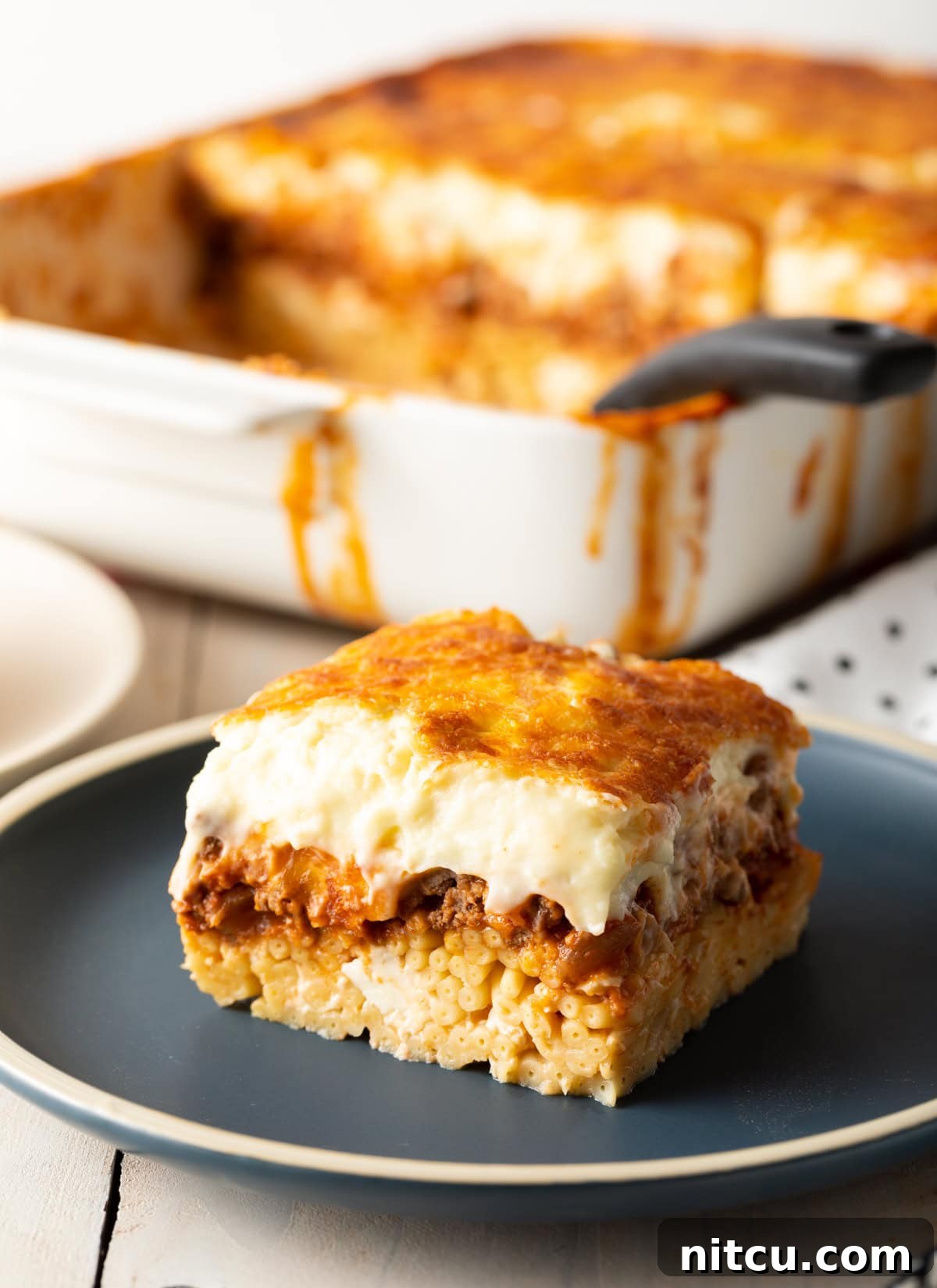
Greek Pastitsio – This beloved Greek lasagna recipe masterfully combines layers of tender pasta, a richly spiced meat sauce, and a velvety smooth béchamel, all baked to golden perfection for the ultimate comfort food experience.
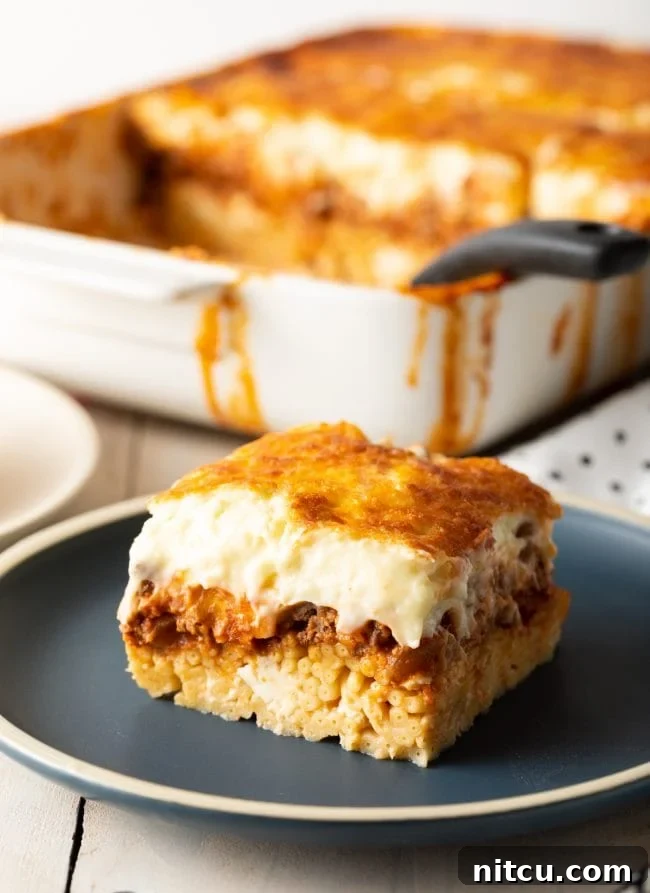
Why You’ll Love This Authentic Greek Pastitsio Recipe
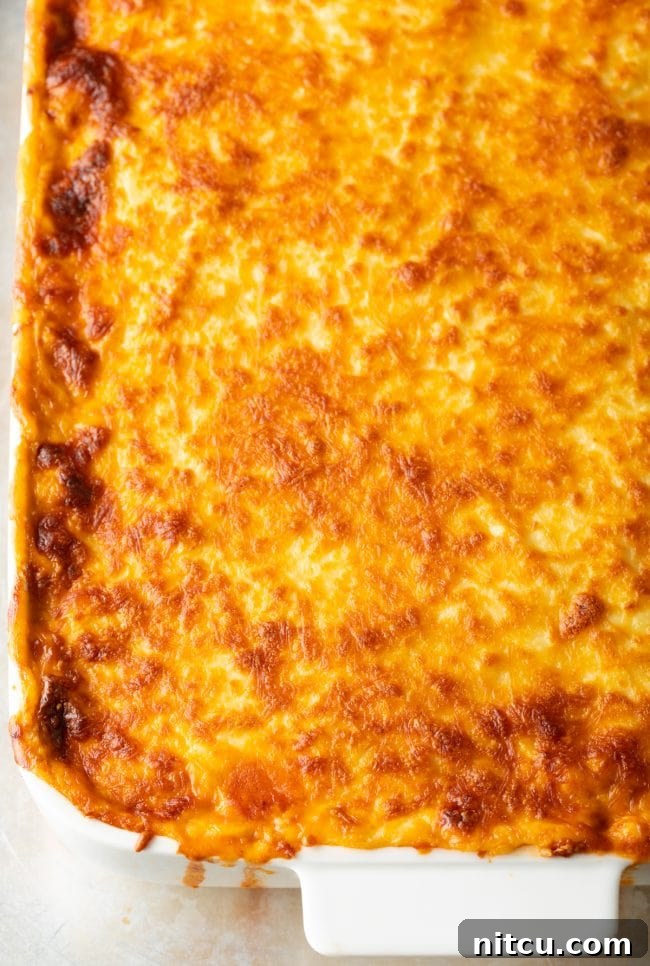
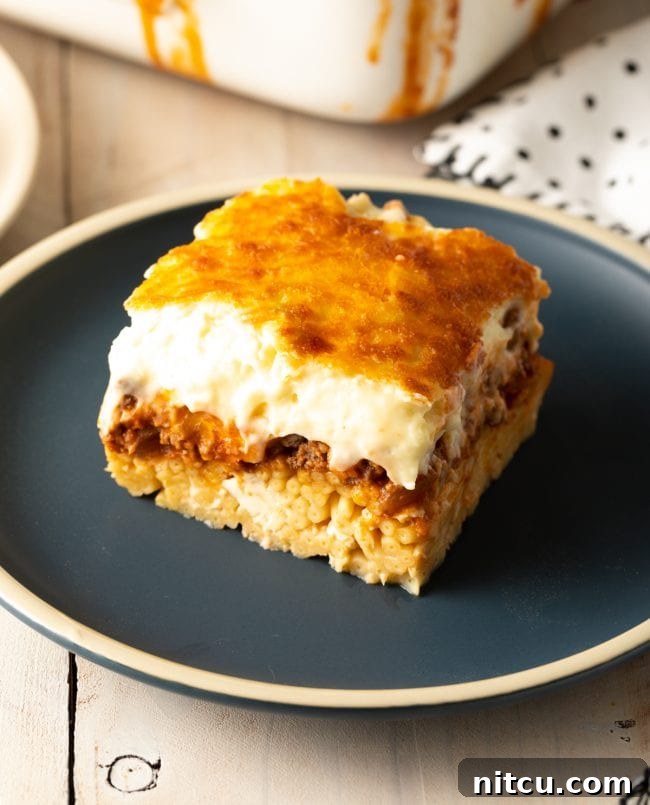
Step into the heart of Greek culinary tradition with Pastitsio, a dish often described as the “Greek lasagna.” Far more than just a simple pasta bake, Pastitsio is a symphony of flavors and textures, making it a staple in Greek homes and a star on restaurant menus. Our classic recipe delivers an unparalleled experience, featuring a robust foundation of tender bucatini pasta, a savory Greek meat sauce infused with aromatic spices, and a crowning layer of creamy, cheesy béchamel sauce, all baked until bubbly and golden brown.
This exquisite dish is perfect for gathering family around the dinner table on a cozy Sunday evening. Not only does it promise a deeply comforting and satisfying meal that everyone will adore, but Pastitsio also shines as a leftover, often tasting even better the next day as the flavors meld and deepen. Its hearty nature and rich taste make it an instant favorite, earning its place among the most cherished Mediterranean comfort foods.
One of the many benefits of this Greek béchamel sauce lasagna is its adaptability for meal planning. You can easily prepare it ahead of time, freeing up precious moments on the day you plan to serve it. Assemble the entire dish the day before and refrigerate, ready to pop into the oven. Alternatively, Pastitsio freezes beautifully, either before or after baking, allowing you to enjoy this flavorful creation for up to two months. It’s the ideal solution for busy weekdays or unexpected guests, ensuring a delicious, homemade meal is always within reach.
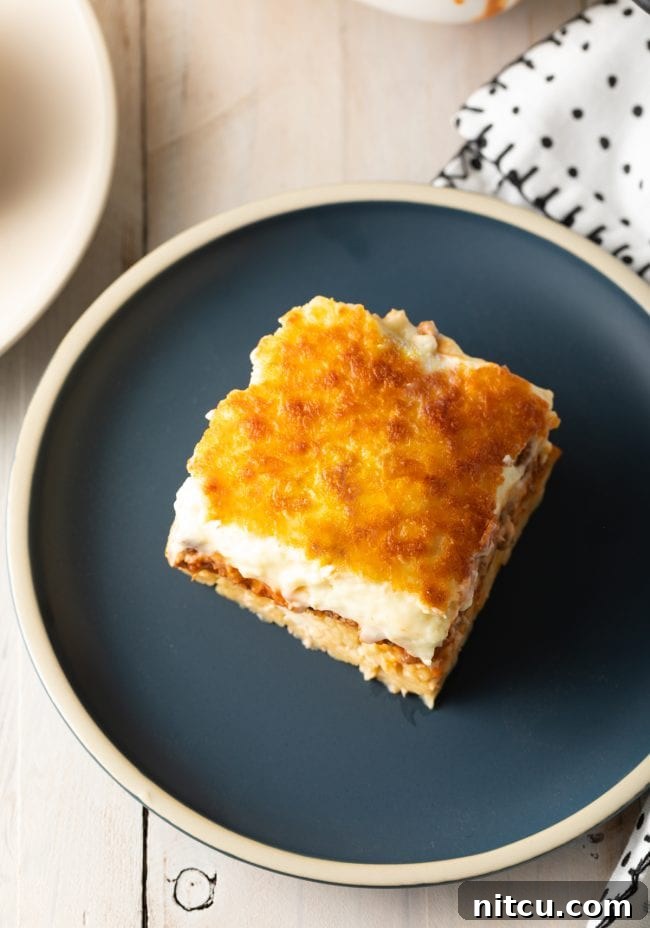
What is Pastitsio? The Greek Comfort Food Classic
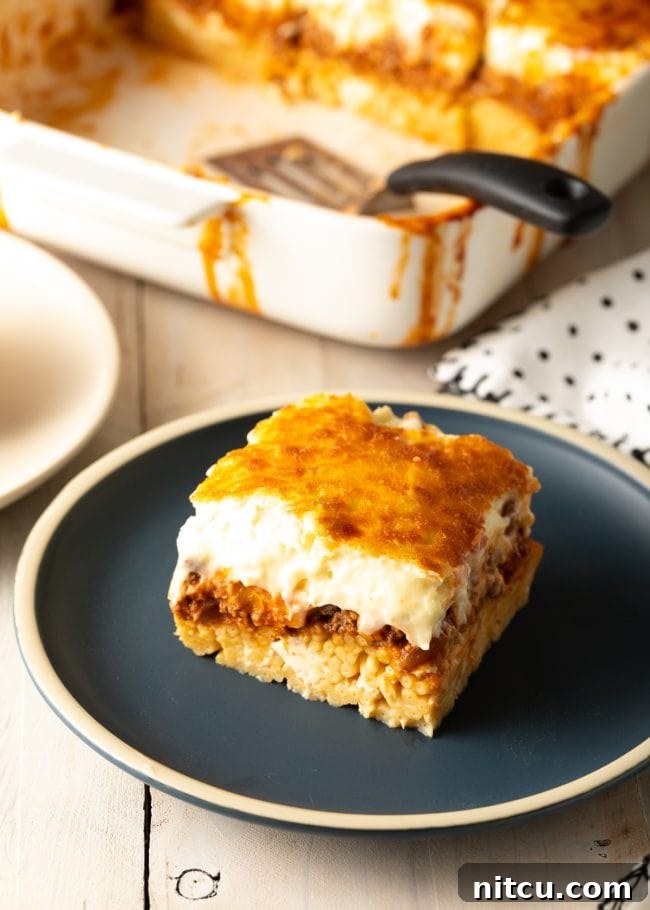
Pastitsio is a classic Greek baked pasta dish, often likened to Italian lasagna but with distinct characteristics that give it its unique Mediterranean charm. The name itself is derived from the Italian word “pasticcio,” meaning “pastiche” or “hodgepodge,” reflecting its layered composition. At its heart, Pastitsio is composed of three main elements: a base layer of pasta, a rich, savory ground meat sauce, and a luxurious, creamy béchamel topping.
The pasta layer is traditionally made with thick, tubular pasta like bucatini, which creates a robust foundation. This pasta is often mixed with egg and cheese to form a cohesive, flavorful base. Next comes the heart of the dish – a fragrant ground meat sauce. Unlike Italian ragù, Greek meat sauce for Pastitsio is typically seasoned with warming spices like cinnamon and nutmeg, giving it a distinctive aromatic quality that is both comforting and exotic. This rich sauce is usually made with ground beef, but variations can include lamb or a mix of meats, often simmered in a tomato-based broth with onions and garlic.
Finally, the entire casserole is crowned with a generous layer of creamy béchamel sauce. This béchamel is often enriched with egg yolks and cheese, baking into a golden, custardy topping that provides a beautiful contrast to the savory meat and tender pasta beneath. The combination of these layers results in a dish that is deeply satisfying, full of contrasting textures, and bursting with traditional Greek flavors. It’s a meal that speaks of home, family, and celebration, making it an enduring favorite across generations.
The Secret to Perfect Pastitsio: Bucatini Pasta
While various pastas can be used in a layered bake, bucatini is the traditional and preferred choice for Pastitsio, and for good reason. Bucatini, meaning “little holes” in Italian, is a long, spaghetti-like pasta characterized by a hollow center, much like a thin straw. This unique feature is crucial to the texture and flavor profile of authentic Pastitsio. The small hole running through each strand allows the rich meat sauce and the creamy béchamel to seep inside the pasta, ensuring every single bite is imbued with maximum flavor and a delightful tenderness.
The texture of bucatini is also wonderfully robust, providing a satisfying bite that stands up perfectly to the hearty meat sauce and thick béchamel. You might find bucatini with varying hole sizes; whether it’s a finer or slightly larger hole, either version will deliver that distinctive saucy noodle goodness throughout your Pastitsio. This structural integrity prevents the pasta from becoming mushy, ensuring a pleasant eating experience.
However, if bucatini is not readily available in your local grocery store, don’t worry – you can still create a fantastic Pastitsio. Excellent substitutes that mimic bucatini’s ability to hold sauce include other tubular pastas like penne and ziti. These noodles also feature hollow centers, allowing them to capture and distribute the delicious sauces, ensuring that comforting taste in every forkful. Rigatoni is another viable option, with its wider ridges and larger internal diameter. The key is choosing a pasta that can embrace the flavors rather than letting them just sit on the surface.
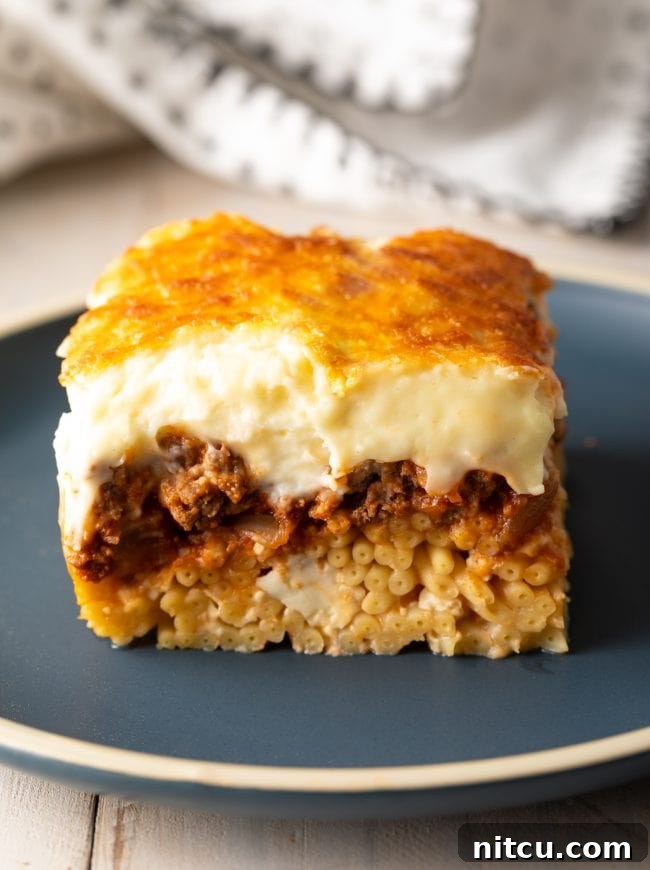
Essential Ingredients for Your Homemade Pastitsio
Crafting the perfect Pastitsio requires a thoughtful selection of ingredients, each playing a vital role in building the dish’s signature flavors and textures. Here’s a breakdown of what you’ll need:
- Bucatini pasta – The star of our pasta layer, or a suitable alternative like penne or ziti that also has a hole running through the center to absorb all that delicious sauce.
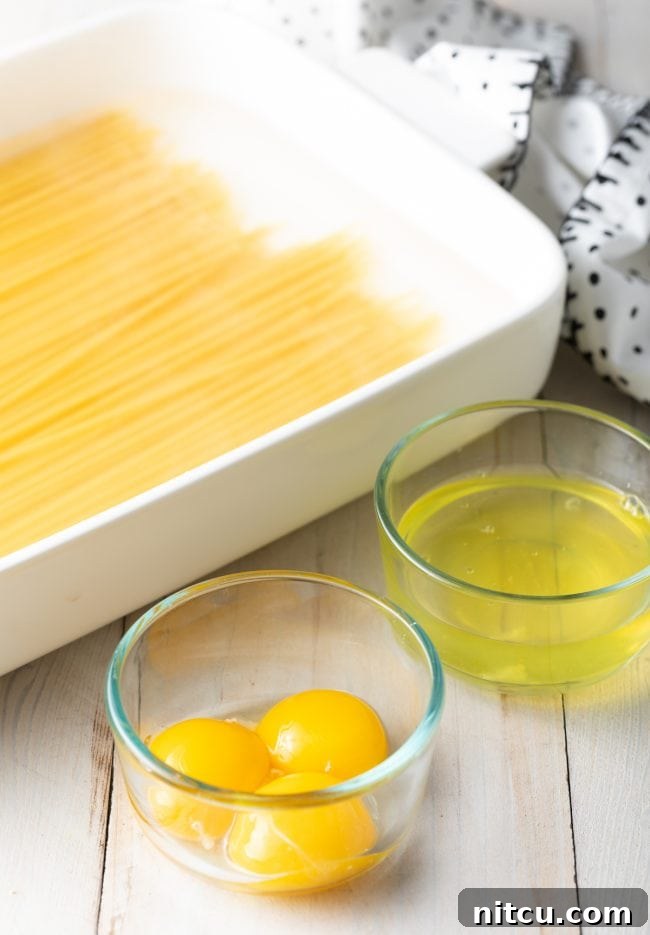
- Egg whites – Used to bind the pasta layer, creating a cohesive and sturdy base. Remember to reserve the yolks for the béchamel!
- Feta cheese – Crumbled feta adds a tangy, salty kick to the pasta layer, enhancing its Greek character.
- Shredded Italian blend cheese – A mix often including mozzarella for meltiness, provolone for richness, and asiago, romano, and parmesan for depth of flavor. This blend contributes to both the pasta layer and the golden topping.
- Butter – Unsalted butter is preferred for better control over the dish’s seasoning, used in both the meat sauce and the béchamel.
- Onion – A foundational aromatic, peeled and finely chopped to provide a sweet and savory base for the meat sauce.
- Garlic – Minced garlic complements the onion, adding a pungent, essential flavor to the meat sauce.
- Ground beef – We recommend a lean ground beef (90-95%) for a less greasy, more balanced meat sauce. This allows the spices to truly shine.
- Spices – Ground cinnamon and ground nutmeg are the secret ingredients that give Greek meat sauce its distinctive, warm, and subtly sweet aroma. Salt and pepper are essential for seasoning to taste.
- Tomato sauce – Canned or fresh crushed tomatoes form the rich, savory base of the meat sauce.
- All-purpose flour – The thickening agent for our creamy béchamel, forming a roux with butter.
- Milk – Whole milk is highly recommended for the béchamel, providing the richest, creamiest texture and flavor.
- Egg yolks – Reserved from the pasta layer, these are whisked into the béchamel to enrich it, giving it a custardy texture and beautiful golden hue when baked.
- Seasonings for béchamel – A touch of salt and ground nutmeg elevates the béchamel, adding a subtle warmth that balances its richness.
Step-by-Step Guide: How to Make Authentic Greek Lasagna (Pastitsio)
Crafting homemade Pastitsio is a rewarding experience. Follow these detailed steps to create a truly authentic Greek lasagna that will impress your family and friends:
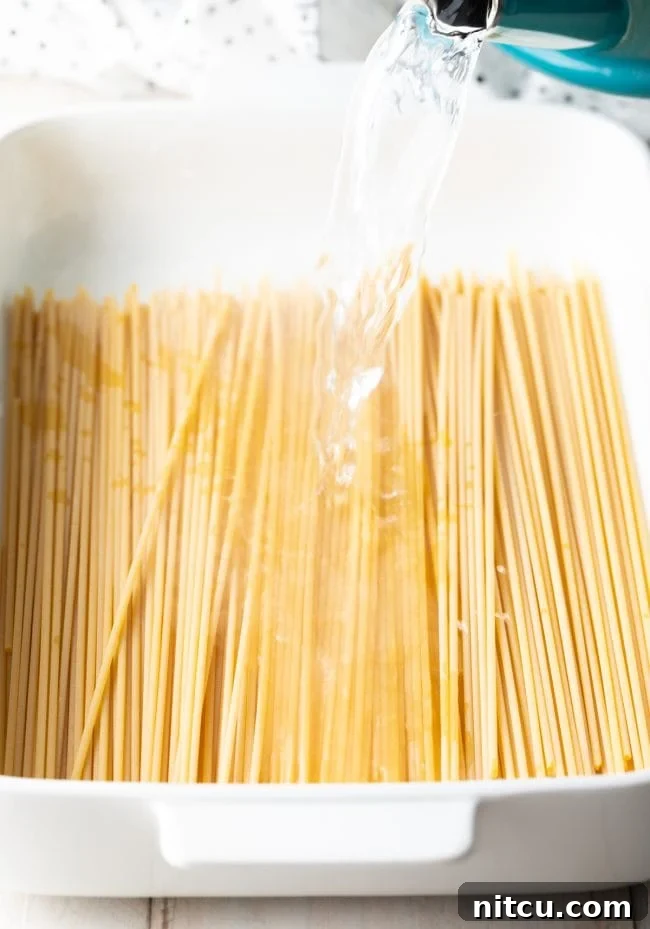
- First, let’s prepare the pasta. Find a deep 9×13 inch casserole dish – a deeper dish is ideal for holding all the wonderful layers. Add your bucatini pasta to the dish and cover it generously with very hot tap water. There’s no need to boil the water separately, as the soaking process will soften the pasta beautifully. Stir in a pinch of salt to prevent the noodles from sticking together. Let the pasta soak for 30-40 minutes while you move on to preparing your sauces. This method simplifies the cooking process and results in perfectly tender pasta.
- While the pasta soaks, begin your prep work. Peel and finely chop your onion, and mince the garlic cloves. Having these ready will make the cooking process much smoother. Don’t forget to preheat your oven to 350 degrees F (175 degrees C) so it’s ready when your Pastitsio is assembled.
- Next, we’ll create the heart of the dish: the rich meat sauce. In a large saucepan, melt 2 tablespoons of butter (or olive oil if you prefer a lighter touch) over medium heat. Add the chopped onions and minced garlic, sautéing for about 3-5 minutes until they are fragrant and translucent. Then, add the lean ground beef, along with the ground cinnamon, ground nutmeg, and 1 teaspoon of salt. Use a wooden spoon to break the beef into small pieces as it browns. Once the ground beef is fully cooked and no pink remains, stir in the tomato sauce. Bring the sauce to a gentle simmer and let it cook for 15 minutes, stirring regularly to prevent sticking and ensure even cooking. Taste the sauce and adjust seasonings with additional salt and pepper as needed to achieve your desired flavor profile.
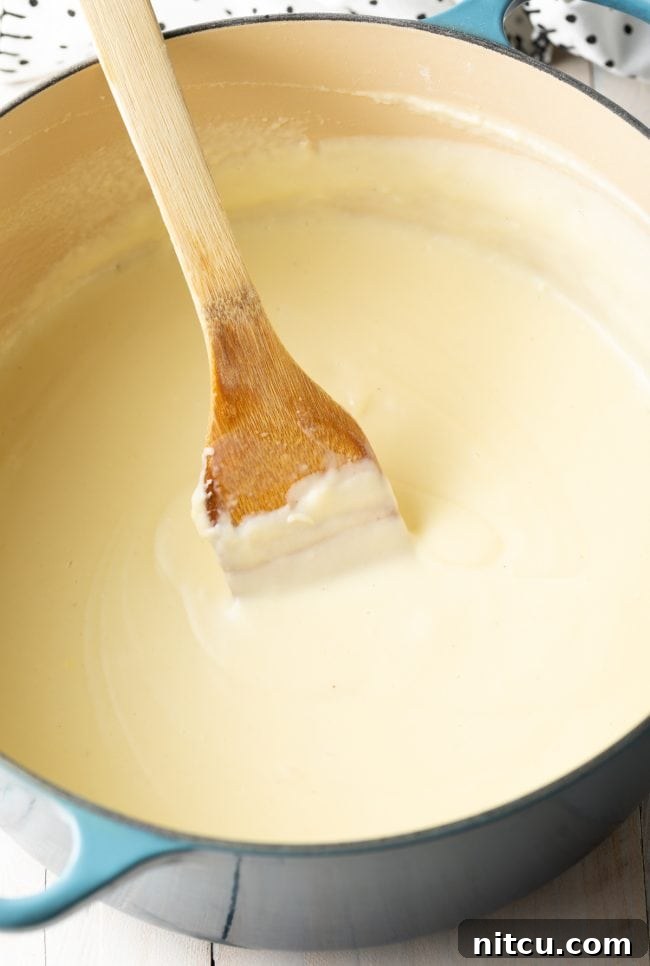
- While your meat sauce simmers, it’s time to prepare the luxurious béchamel sauce. In a separate large skillet or pot set over medium heat, melt ½ cup of butter. Once melted, whisk in ½ cup of all-purpose flour to create a roux. Cook the roux for 1-2 minutes, whisking constantly to ensure no clumps form and that it doesn’t brown – we want a light-colored béchamel. Once the roux has thickened, gradually whisk in 4 cups of whole milk. Continue whisking as the sauce thickens into a rich, gravy-like consistency. Immediately remove the pot from the heat once it reaches the desired thickness. Vigorously whisk in the 2 reserved egg yolks until they are fully incorporated and the sauce is smooth. Lastly, stir in 1 cup of your shredded Italian blend cheese until it has completely melted and the béchamel is wonderfully smooth and creamy.
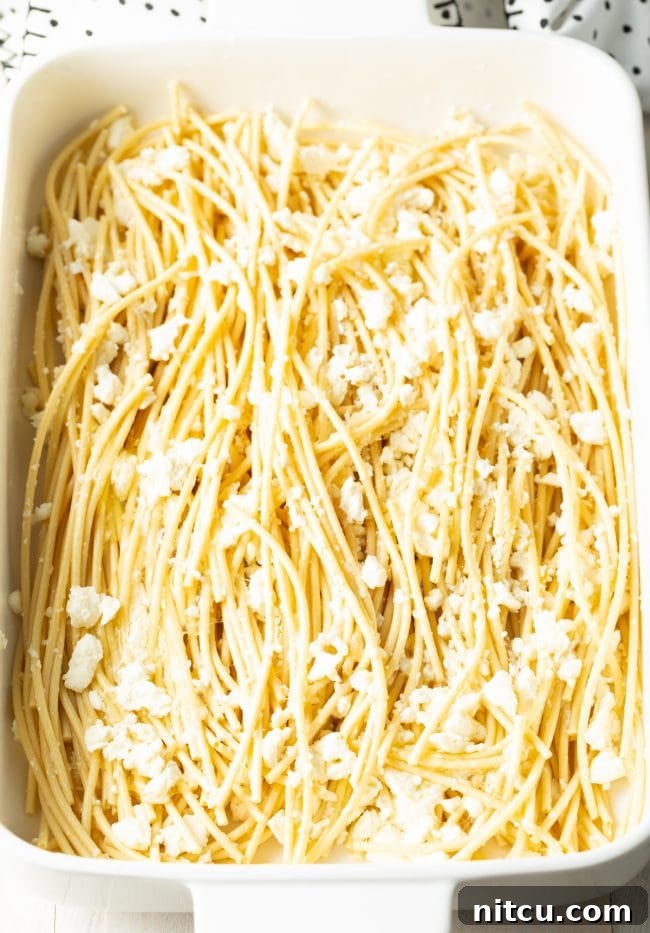
- Now, let’s prepare the pasta for layering. Carefully drain the hot salt water from the bucatini pasta. A little residual water is perfectly fine. In the baking dish, toss the soaked Pastitsio noodles with the 2 egg whites and the crumbled feta cheese. The egg whites will help bind the pasta together, creating a firm base. Spread the pasta mixture out into an even layer across the bottom of the dish. Then, generously sprinkle 2 cups of the shredded Italian blend cheese over the top of the pasta.
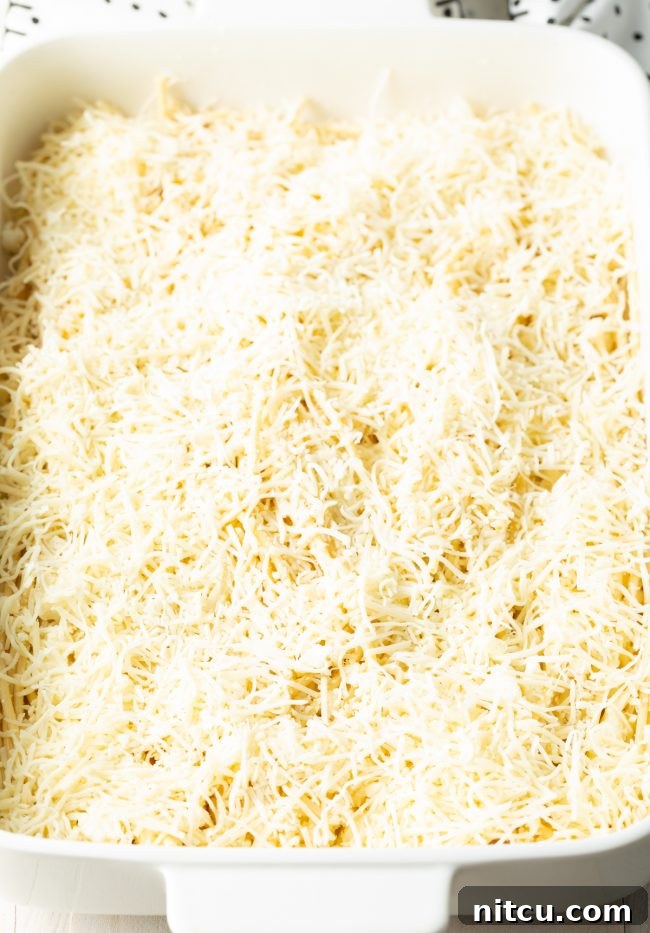
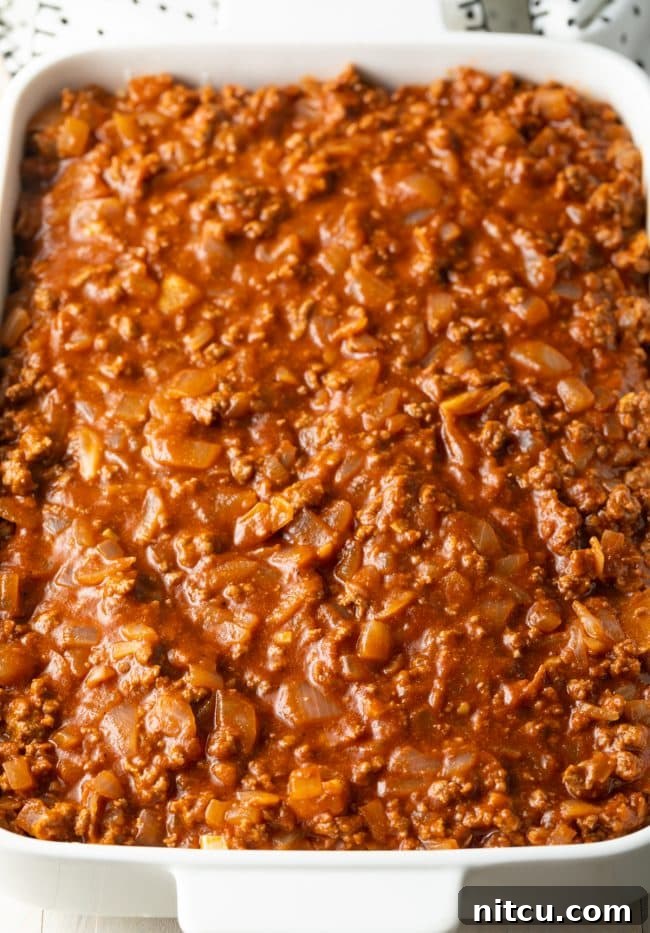
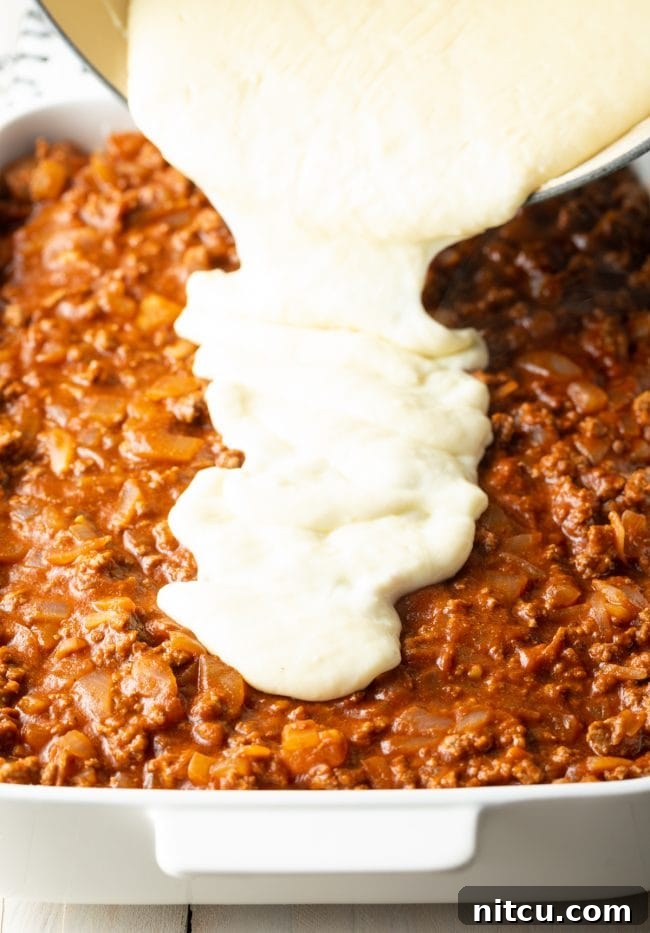
- It’s time to assemble your Greek lasagna! Carefully spread all of the savory meat sauce evenly over the layers of pasta and cheese in the baking dish. Next, gently pour and spread the creamy béchamel sauce over the meat layer, ensuring it covers the entire surface. Finally, sprinkle the remaining 1 cup of shredded Italian blend cheese over the béchamel, along with some freshly ground black pepper for a touch of extra flavor and visual appeal.
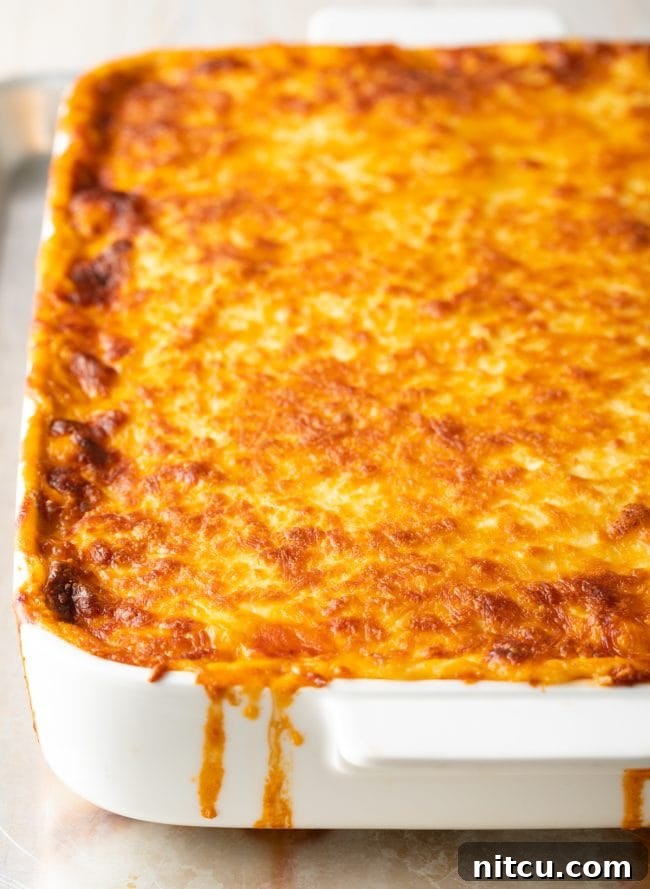
- Place your Pastitsio in the preheated oven. If you’re using a standard 9×13 inch baking dish, place it on a rimmed baking sheet to catch any potential drips, preventing a mess in your oven. (This step isn’t necessary if you’re using a deep-dish pan.) Bake uncovered on the lowest rack for 30-40 minutes, or until the top is beautifully golden brown and the edges are bubbling. Keep an eye on it; if the top starts to brown too quickly, loosely tent it with a piece of aluminum foil to prevent burning.
- Once baked to perfection, the hardest part is waiting! It’s crucial to let the Pastitsio rest for at least 20 minutes before attempting to cut and serve it. This resting period allows the pasta, meat sauce, and cheese to set and bind together, ensuring that your Greek lasagna slices cleanly and holds its firm, beautiful layered shape when served. Patience will be rewarded with perfectly intact, delicious portions.
Pro Tips for Pastitsio Perfection
Achieving a truly exceptional Pastitsio goes beyond just following the steps; a few expert tips can elevate your dish from delicious to unforgettable:
- Perfecting the Béchamel: The key to a smooth béchamel is constant whisking, especially when adding the milk to the roux. Start with cold milk if possible, as it helps prevent lumps. If lumps do form, a quick whisk with an immersion blender or pushing the sauce through a fine-mesh sieve can salvage it. Ensure you remove the sauce from the heat before vigorously whisking in the egg yolks to prevent them from scrambling.
- Seasoning the Meat Sauce: Don’t underestimate the power of cinnamon and nutmeg in the meat sauce. These spices are what give Pastitsio its distinctive Greek flavor. Taste and adjust seasoning as you go, adding more salt and pepper as needed. A bay leaf added during simmering can also deepen the flavor.
- The Pasta Base: Soaking the bucatini in hot water rather than boiling it ensures the pasta remains firm enough to support the heavy layers without becoming mushy during baking. Mixing with egg whites and feta also adds flavor and structural integrity to this foundational layer.
- Achieving a Golden Crust: For that beautifully golden-brown béchamel topping, make sure your oven rack is positioned correctly (lowest rack, as specified). If you notice it browning too quickly, a loose foil tent will prevent over-browning while the interior finishes cooking.
- Resting is Essential: Do not skip the resting period! It’s vital for the layers to set. Cutting too early will result in a messy, crumbling dish. The 20-minute wait allows everything to firm up, leading to neat, impressive slices.
- Choosing Quality Ingredients: Use fresh, good quality ingredients whenever possible. Lean ground beef, whole milk for the béchamel, and fresh spices will make a noticeable difference in the final taste.
Make-Ahead & Storage Solutions
One of the many charms of Greek Pastitsio is its flexibility, making it an excellent choice for meal prepping and entertaining. Preparing it ahead of time can significantly reduce stress on the day you plan to serve it, allowing you more time to enjoy with your loved ones.
To prepare ahead of time: You can fully assemble your Pastitsio, layering all the components in your baking dish, up to two days before you plan to bake it. Once assembled, cover the dish tightly with plastic wrap or aluminum foil and refrigerate. When you’re ready to bake, remove it from the fridge and let it sit at room temperature for about 30 minutes while your oven preheats. Bake as directed in the recipe, but be prepared to add an extra 10-15 minutes to the baking time since it’s starting from a colder temperature. This ensures it heats through completely and achieves that perfect golden crust.
Storing Leftovers: Any leftover Pastitsio will keep beautifully in the refrigerator for 3-4 days. To store, allow the dish to cool completely at room temperature first. Then, transfer individual portions or the entire remaining casserole to an airtight container before refrigerating. This prevents moisture buildup and keeps the Pastitsio fresh and flavorful.
Freezing Pastitsio: Pastitsio is wonderfully freezer-friendly, both before and after baking, offering incredible convenience.
- To freeze before baking: Assemble the entire Pastitsio in a freezer-safe baking pan. Wrap it tightly with several layers of plastic wrap, followed by a layer of aluminum foil to prevent freezer burn. Label with the date. When you’re ready to serve, transfer the frozen dish directly to a preheated oven (you may need to increase the baking time significantly, potentially up to 90 minutes or more, covered with foil, then uncovered for the last 20-30 minutes). Or, defrost it in the refrigerator overnight before baking as per recipe instructions.
- To freeze after baking (leftovers): Allow the baked Pastitsio to cool completely. Cut it into individual serving portions, which makes reheating easier. Transfer these portions into freezer-safe containers or wrap them individually in plastic wrap and then foil. Freeze for up to 2 months. To reheat, defrost overnight in the fridge and then warm in the oven or microwave until heated through.
These make-ahead and freezing options ensure you can enjoy this comforting Greek classic whenever the craving strikes!
Delicious Serving Suggestions for Your Pastitsio
Pastitsio is a complete meal in itself, but pairing it with the right side dishes can elevate the dining experience and balance its richness. Here are some delicious serving suggestions to complement your homemade Greek lasagna:
- Greek Village Salad (Horiatiki): We absolutely adore serving this warm, comforting dish with a crisp, cold, and refreshing Horiatiki. The vibrant freshness of tomatoes, cucumbers, red onion, olives, and feta, tossed in a light vinaigrette, provides a perfect counterpoint to the rich Pastitsio.
- Simple Green Salad: A simple green salad dressed with a bright and zesty Greek Salad Dressing is always a welcome accompaniment. The acidity of the dressing cuts through the richness of the béchamel and meat sauce.
- Fresh Herbs: For an extra burst of flavor and a beautiful presentation, sprinkle some fresh parsley or oregano over your Pastitsio just before serving.
- Greek Lemon-Garlic Potatoes: For an extra filling and truly authentic Mediterranean feast, consider serving your Greek lasagna with a side of savory Greek Lemon-Garlic Potatoes. Their tangy, herby flavor and tender texture are a match made in heaven.
- Freshly Baked Bread: Is it really pasta night without a basket of fresh baked Homemade Breadsticks or thick slices of Garlic Bread on the table? We think not! These are perfect for soaking up any lingering sauces.
- Roasted Vegetables: Simple roasted vegetables like asparagus, broccoli, or bell peppers drizzled with olive oil and lemon juice can add a healthy and colorful element to your meal.
Exciting Recipe Variations to Try
While our classic Pastitsio recipe is a crowd-pleaser, it’s also incredibly versatile, allowing for creative variations to suit different tastes and dietary preferences. Don’t hesitate to experiment and make this dish your own!
- Pasta Alternatives: If bucatini isn’t available or you prefer a different texture, any medium-sized tubular noodles with holes will work wonderfully to soak up all that delicious sauciness. Excellent options include penne, ziti, or rigatoni. You can also use elbow macaroni for a more casual, casserole-like feel, though it’s less traditional.
- Protein Swaps: The meat sauce is robust enough to accommodate various proteins. Instead of ground beef, you can use ground chicken, ground turkey, ground pork, or even ground veal for a different flavor profile. A combination of beef and lamb is also a popular choice in Greece, adding a deeper, richer taste.
- Vegetarian Pastitsio: For a delicious meat-free version, simply leave out the ground meat. Instead, you can create a hearty vegetable-based sauce using mushrooms, lentils, or a rich marinara sauce loaded with finely diced vegetables like carrots, celery, and zucchini. The creamy béchamel ensures it remains a comforting and satisfying dish.
- Quick & Easy Tomato Base: To save time without sacrificing flavor, swap homemade tomato sauce for your favorite high-quality jarred pasta sauce. You can enhance it with a hint of tomato paste for concentrated richness and depth.
- Gluten-Free Option: Making Pastitsio gluten-free is simple. Just use your favorite gluten-free bucatini, penne, or other suitable pasta. For the béchamel, swap all-purpose flour for a gluten-free alternative flour blend (ensure it’s suitable for making a roux).
- Cheese Choices: While our Italian blend cheese is fantastic, you can lean into more traditional Greek cheeses. Swap the Italian blend for kefalotyri cheese, a hard, salty sheep’s milk cheese, or graviera, another popular Greek cheese, for an even more authentic flavor. A mix of feta and a hard grating cheese works beautifully.
- Enhanced Sauce Flavor: Elevate your meat sauce by adding some bay leaves during simmering for an extra layer of aroma. A splash of dry red wine (like a Cabernet Sauvignon or Merlot) can also be added after browning the meat, allowing it to reduce before adding the tomato sauce, for a richer, more complex taste.
Frequently Asked Questions About Pastitsio
How long will leftovers keep well?
This Greek lasagna will keep well in the fridge for 3-4 days. To ensure freshness, allow any leftovers to cool completely at room temperature before transferring them to an airtight container and refrigerating.
How do I freeze Pastitsio?
You can easily freeze Greek lasagna either before or after baking! To freeze before baking, prepare the dish in a freezer-safe pan that can go directly into the oven when you’re ready to serve. If freezing leftovers, let them cool completely and then transfer them to a freezer-safe, airtight container. Pastitsio can be frozen for up to 2 months. Always defrost frozen Pastitsio in the refrigerator overnight before heating according to the recipe instructions or until warmed through.
Can I make Greek lasagna ahead of time?
Yes, absolutely! Pastitsio is an excellent make-ahead meal. You can fully assemble the entire dish, cover it tightly with foil or plastic wrap, and refrigerate it for up to 2 days before baking. When you’re ready to cook, bake as directed in the recipe, but add an extra 10-15 minutes to the baking time if it’s going into the oven straight from the fridge.
What is the difference between Pastitsio and Moussaka?
Both Pastitsio and Moussaka are iconic Greek casseroles, featuring hearty layers of spiced meat sauce and a rich, creamy béchamel topping. The fundamental difference lies in their base layer: Pastitsio is made with a pasta foundation (traditionally tubular pasta like bucatini), while Moussaka substitutes the pasta for tender layers of eggplant or sometimes potatoes.
What is the difference between Pastitsio and lasagna?
Pastitsio and lasagna are both beloved layered, baked pasta dishes with meat sauce, but they hail from different culinary traditions and possess distinct characteristics. Pastitsio is a Greek casserole that typically uses tubular pasta (like bucatini), a richly spiced meat sauce (often with cinnamon and nutmeg), and a thick, creamy, egg-enriched béchamel sauce as its top layer. Italian lasagna, on the other hand, traditionally uses flat lasagna noodles, incorporates a tomato-based marinara sauce, and often includes layers of ricotta or mozzarella cheese, though some regional Italian variations also feature béchamel. The specific spices, cheeses, and type of pasta used are what give each dish its unique and cherished flavor profile.
Explore More Comforting Lasagna Recipes
Craving More Delicious Dinner Ideas?
- Baked Ziti with Ricotta and Sausage
- Lamb Gyro Recipe
- Cheesy Chicken Spaghetti with Rotel (Casserole Recipe)
- No-Boil Chicken Parmesan Pasta Recipe
- Cheesy Chicken Alfredo Pasta Bake

Print Recipe
Greek Lasagna (Pastitsio)
This Greek-style lasagna recipe features layers of tender pasta, zesty meat sauce, shredded cheese and creamy bechamel.
Prep Time: 20 minutes
Cook Time: 1 hour
Total Time: 1 hour 20 minutes
Servings: 12 servings
Ingredients
For the Pasta –
- 12 ounces bucatini pasta or penne
- 2 large egg whites (save the yolks)
- 6 ounces crumbled feta cheese
- 4 cups shredded Italian blend cheese (divided)
For the Meat Sauce –
- 2 tablespoons butter
- 1 large onion (peeled and chopped)
- 4 cloves garlic (minced)
- 2 pounds lean ground beef
- ¼ teaspoon ground cinnamon
- ⅛ teaspoon ground nutmeg
- 30 ounces tomato sauce
- Salt and pepper
For the Bechamel –
- ½ cup butter
- ½ cup all-purpose flour
- 4 cups whole milk
- 2 large egg yolks
- 1 teaspoon salt
- ⅛ teaspoon nutmeg
Instructions
- Soak the Pasta: Set out a 9X13 inch (3 quart) baking dish. (Use a deep-dish pan if you have one.) Place the bucatini in the dish and cover with very hot tap water. Add a teaspoon of salt and mix the pasta around so it doesn’t stick together. Then let it soak for 30-40 minutes while the sauces are cooking.
- Preheat the oven to 350 degrees F (175 degrees C). Chop all produce (onion and garlic).
- Make the Meat Sauce: Set a large 6 quart pot over medium heat. Add the butter, onions and garlic. Sauté for 3-5 minutes, then add in the ground beef, cinnamon, nutmeg, and 1 teaspoon salt. Break the beef into small pieces with a wooden spoon as you let it brown. Once the ground beef is cooked through, add in the tomato sauce. Simmer for 15 minutes, stirring regularly. Taste, then add salt and pepper as needed.
- Make the Bechamel: Set a separate pot over medium heat. Add the butter and flour. Whisk well as the butter melts to remove all clumps. Cook the roux for 1-2 minutes, do not let it brown. Once it thickens, whisk in the milk, salt, and nutmeg. Stir and let the béchamel thicken into a gravy-like consistency. Then turn off the heat. Whisking vigorously, add in the egg yolks. Whisk well so they fully incorporate. Finally stir in 1 cup of shredded cheese blend. Stir until the cheese has melted and the béchamel is smooth.
- Drain and Prep the Pasta: Carefully drain the salt water off the pasta. It’s ok if a little water is left in the dish. Then toss the soaked pasta with the egg whites and feta cheese. Spread them pasta out in an even layer. Then sprinkle the top of the pasta with 2 cups of shredded cheese.
- Layer All: Next spread the meat sauce over the cheese layer in the baking dish. Then gently spread the béchamel over the meat sauce. Finally sprinkle the last 1 cup of shredded cheese over the béchamel.
- Bake: If you are using a standard 9X13 inch dish, set it on a rimmed baking sheet. (No need for the baking sheet if you have a deep-dish pan.) Bake uncovered, on the low rack, for 30-40 minutes. The top should be golden brown. If it starts to turn dark too quickly, cover loosely with a piece of foil.
- Rest: Let the Pastitsio rest for at least 20 minutes before cutting and serving.
Notes
This lasagna will keep well in the fridge for 3-4 days. Allow leftovers to cool completely before transferring to an airtight container and refrigerating.
You can easily freeze Greek lasagna before or after baking! To freeze before baking, I recommend preparing the dish in a freezer-safe pan that you can then heat in the oven when ready to serve. If freezing leftovers, allow them to cool and transfer to a freezer-safe container that seals. Freeze Pastitsio for up to 2 months. Defrost in the fridge overnight before heating per the recipe instructions.
Nutrition (Approximate Per Serving)
Serving: 1pc, Calories: 586kcal, Carbohydrates: 35g, Protein: 37g, Fat: 33g, Saturated Fat: 20g, Trans Fat: 1g, Cholesterol: 165mg, Sodium: 1138mg, Potassium: 750mg, Fiber: 2g, Sugar: 9g, Vitamin A: 1214IU, Vitamin C: 6mg, Calcium: 468mg, Iron: 4mg
Course: Dinner, Main, Main Course
Cuisine: Greek, Mediterranean
Author: Sommer Collier