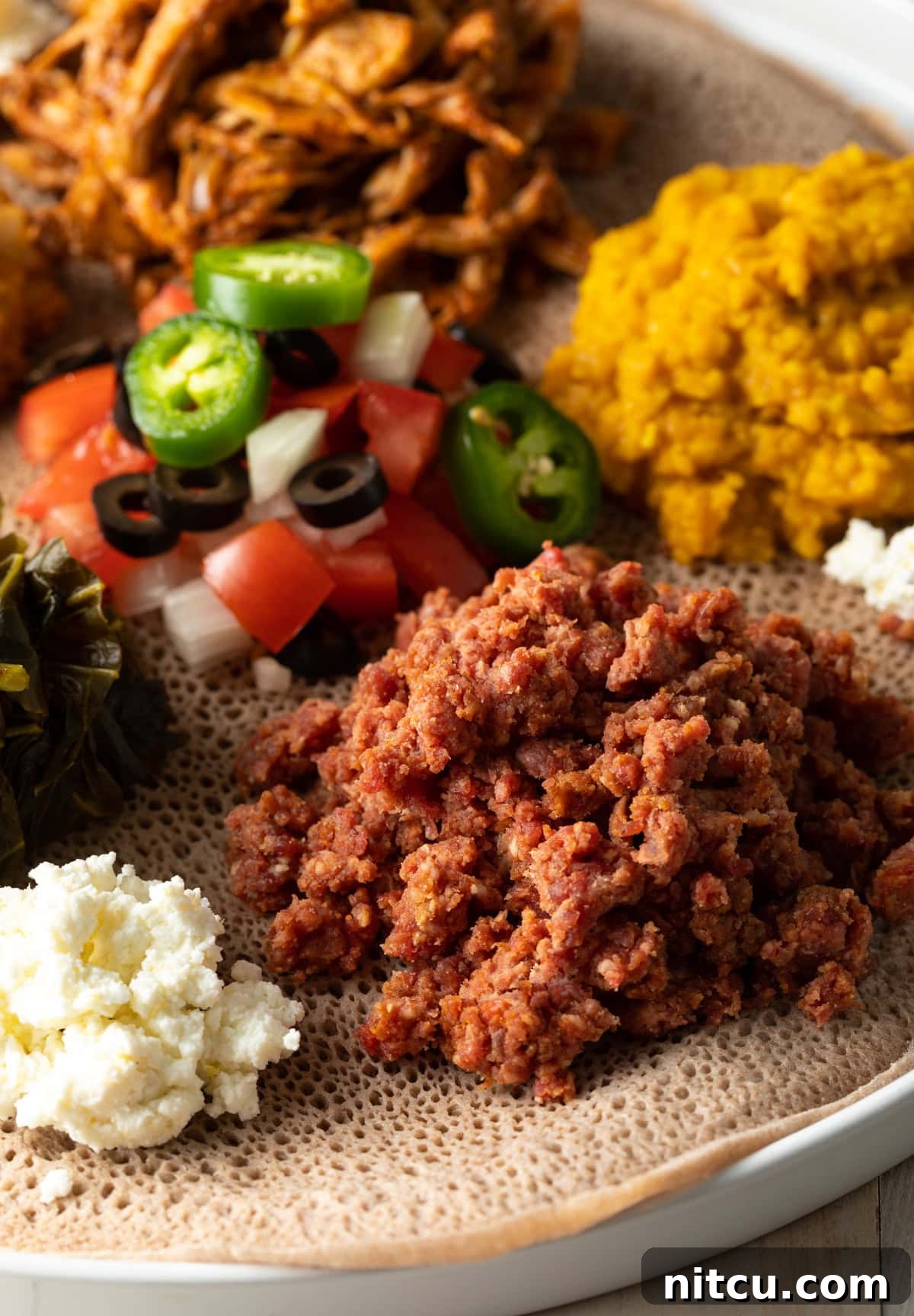
Kitfo Recipe (Ethiopian Steak Tartare) – Embark on a culinary journey with this exceptional Ethiopian Kitfo recipe, a traditional beef tartare dish renowned for its rich flavors and unique texture. Featuring premium quality steak meticulously seasoned with a vibrant blend of aromatic spices and clarified butter, Kitfo offers a truly unforgettable dining experience. Whether you prefer it served in its authentic raw form or gently seared to a tender “lebleb” consistency, this dish is perfect for sharing and creating lasting memories around any dinner table.
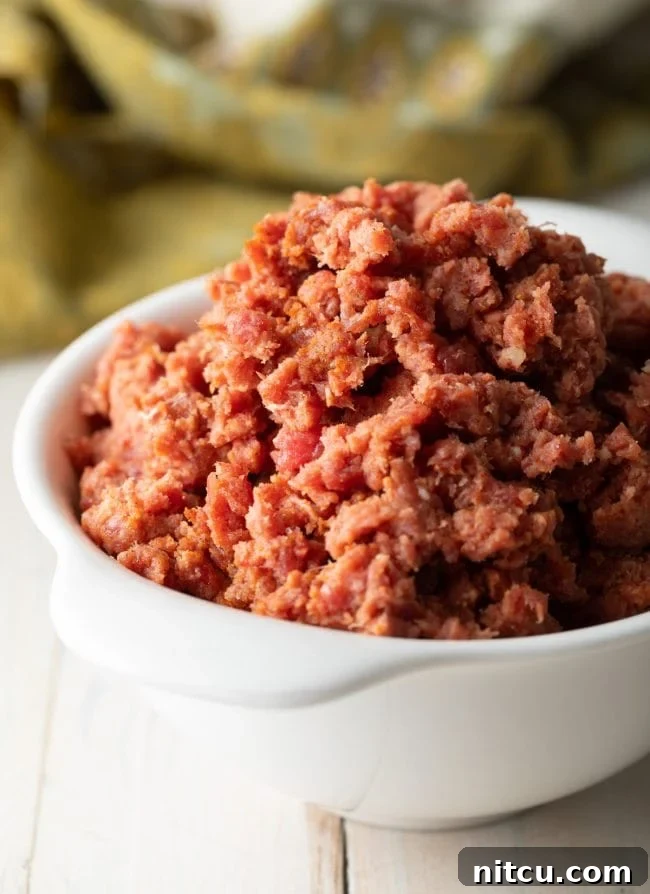
Discover the Delights of Authentic Ethiopian Kitfo
A Note on Raw Beef: This recipe primarily features raw or undercooked beef. It is crucial to source the highest quality, freshest beef and handle it with extreme care. Consuming raw or undercooked meats is not recommended for pregnant women, young children, the elderly, or individuals with compromised immune systems. Please cook the meat thoroughly if you belong to these groups or have any health concerns.
Ethiopian cuisine holds a special place in our hearts. Beyond its incredible flavors, it’s a culinary tradition that emphasizes communal dining and rich cultural experiences. Living in areas where authentic Ethiopian restaurants are scarce has inspired us to recreate these beloved dishes at home. There’s something profoundly heartwarming about gathering with loved ones, tearing pieces of soft, spongy injera bread, and sharing a platter laden with hearty, aromatic creations. An Ethiopian meal transcends mere sustenance; it’s a vibrant sensory journey that fosters connection and builds cherished memories.
Among the many treasures of Ethiopian gastronomy, Kitfo Beef Tartare stands out as a true masterpiece. This common staple, often featured on traditional sharing platters, is prepared from the finest quality beef, meticulously minced and infused with a distinctive blend of spices and rich, aromatic clarified butter (known as Niter Kibbeh). The result is a dish that boasts a symphony of flavors – savory, subtly salty, and deeply umami, all harmonized by an incredibly soft, melt-in-your-mouth texture that is simply irresistible.
Kitfo offers versatility in its serving. You can savor it as a true raw steak tartare, allowing the pure flavor of the beef and spices to shine. Alternatively, for those who prefer a slightly cooked texture or are new to raw meat, a quick sear in a hot skillet transforms it into “lebleb” Kitfo, where the exterior is gently cooked while the interior remains tender. Whichever way you choose to enjoy it, this fresh, intensely flavorful beef tartare promises to be a spectacular centerpiece, especially when accompanied by an array of East African-inspired side dishes.
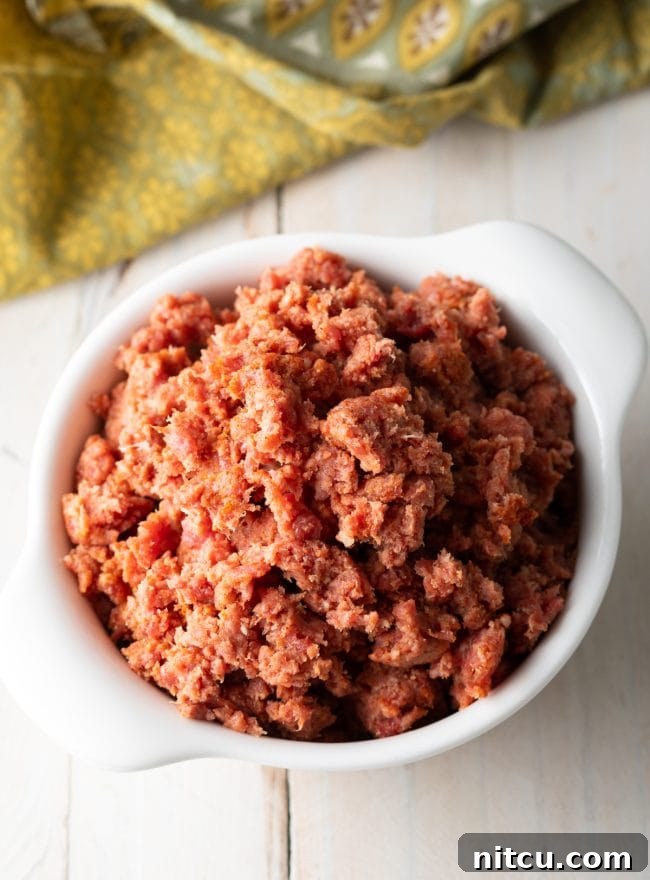
Essential Ingredients for Authentic Ethiopian Kitfo
Crafting authentic Ethiopian Kitfo requires a commitment to quality ingredients, particularly the beef, and a selection of vibrant, carefully chosen spices. Here’s what you’ll need to prepare this exquisite dish:
- Beef Fillet: The cornerstone of Kitfo. It’s imperative to use an exceptionally high-quality, fresh cut of beef, such as beef tenderloin or eye of round, and ensure it is meticulously trimmed of all silver skin and fat. This ensures a tender texture and safe consumption if serving raw.
- Anchovy Paste: A surprising but essential ingredient that contributes a profound depth of savory, umami flavor without imparting a distinct “fishy” taste. It’s a secret weapon for enhancing the overall richness of the dish.
- Aromatic Seasonings:
- Cayenne Pepper: Provides a gentle warmth and characteristic Ethiopian spice. You can adjust the quantity to suit your preferred level of heat.
- Salt: Essential for balancing and amplifying all the other flavors.
- Garlic Powder: Adds a pungent, aromatic note that complements the richness of the beef.
- Ground Cardamom: A distinctive spice that lends a sweet, floral, and slightly citrusy aroma, contributing to the unique Ethiopian flavor profile.
- Clarified Butter (Niter Kibbeh or Ghee): Traditionally, Kitfo is prepared with Niter Kibbeh, a spiced clarified butter infused with various herbs and spices. If Niter Kibbeh isn’t readily available, high-quality regular ghee or plain clarified butter makes an excellent substitute. The butter binds the meat and spices, adding a luscious richness and silky texture.
While spice levels are a matter of personal preference, even if you prefer a milder beef tartare, we highly recommend including at least a touch of cayenne pepper. It provides that authentic Ethiopian kick and brightens the overall flavor profile, making a significant difference in the final taste.
Simple Steps to Prepare Your Own Ethiopian Kitfo
Making Ethiopian Kitfo at home is surprisingly straightforward, involving just a few key steps to achieve its signature texture and flavor. Here’s how you can create this delectable dish:
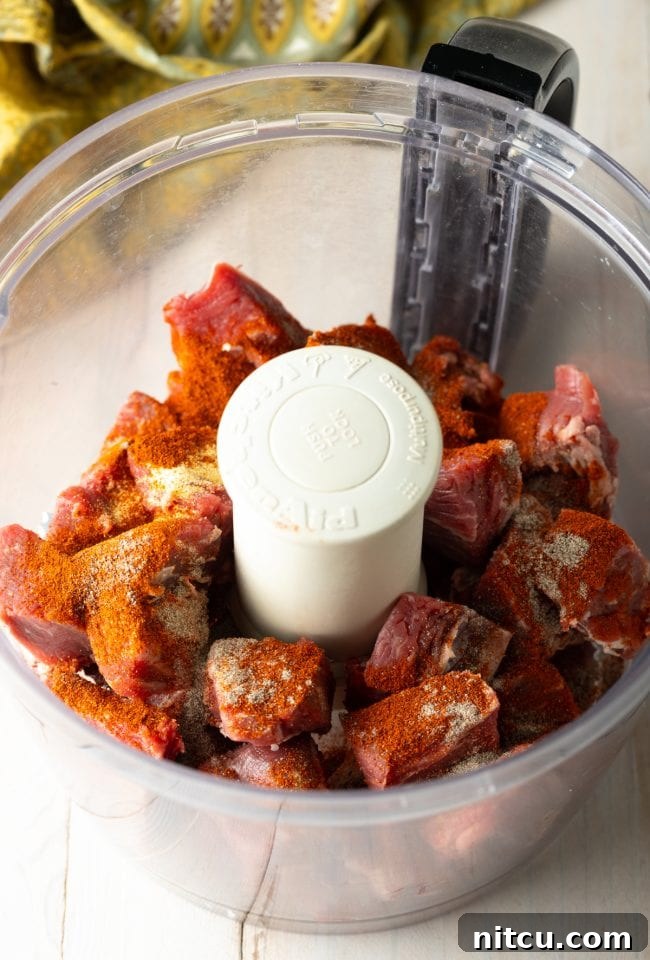
- Prepare the Beef: Begin by setting up a large, high-powered food processor. The quality of your beef is paramount for Kitfo, especially if you plan to enjoy it raw. Carefully trim away all traces of silver skin and excess fat from the beef fillet. This step is crucial for achieving a tender, uniform texture. Once trimmed, cut the fillet into large, manageable chunks and place them evenly into the food processor bowl.
- Season and Mince: Add the cayenne pepper, salt, anchovy paste, garlic powder, and ground cardamom directly into the food processor with the beef chunks. Secure the lid and pulse the processor in short bursts. The goal is to finely chop the fillet into small, consistent pieces. You have the flexibility here: pulse until the beef resembles coarse ¼-inch chunks for a more rustic texture, or continue pulsing until it reaches a finer, ground steak consistency, similar to a traditional tartare. Be careful not to over-process, as this can make the meat tough.
- Incorporate the Clarified Butter: Once the beef has reached your desired texture, gently melt the clarified butter (or ghee) until it’s warm and liquid. Pour the melted butter evenly over the minced beef in the food processor. Crucially, at this stage, do not use the food processor to mix the butter. Instead, remove the bowl and use your hands to gently fold and mix the butter into the seasoned beef. This ensures the butter is evenly distributed without overworking the meat, preserving its delicate texture.
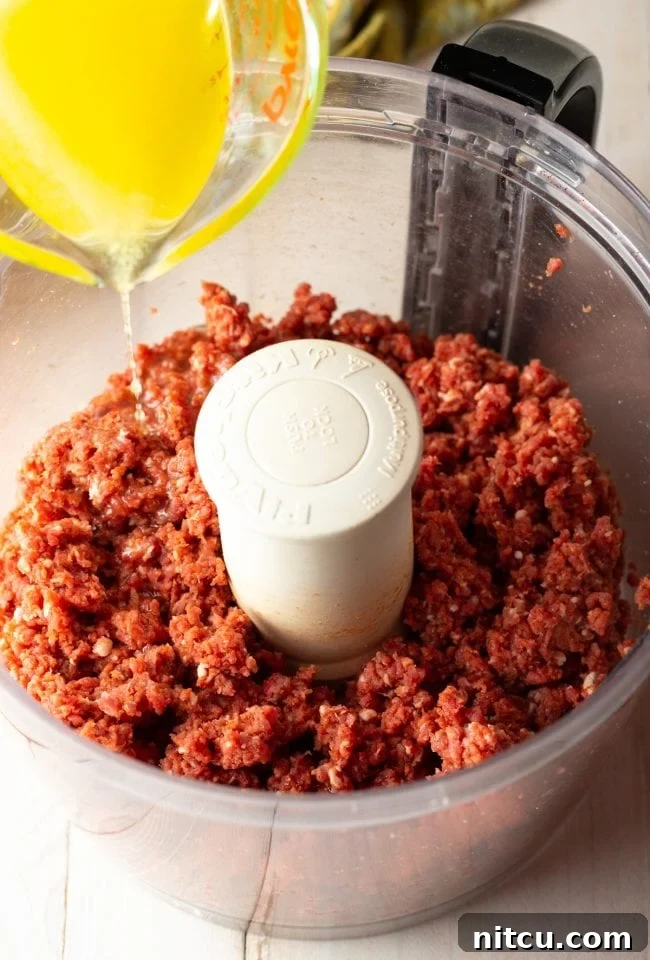
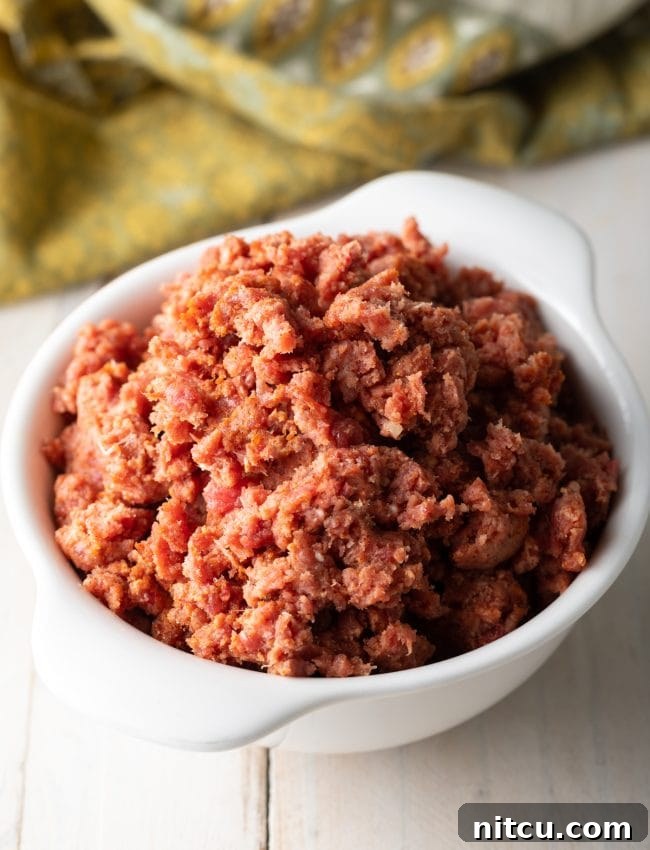
Your freshly prepared Kitfo is now ready to be enjoyed! Serve it immediately at room temperature to appreciate its full sensory profile. If you prefer it chilled, cover the container and refrigerate for at least 30 minutes, or even longer, before serving. However, if you’re serving Kitfo alongside other warm Ethiopian dishes, presenting it at room temperature can provide a delightful contrast in temperatures, enhancing the overall dining experience.
Get the Complete Ethiopian Kitfo Recipe Details Below. Enjoy!
Transforming Kitfo into Lebleb: The Cooked Version
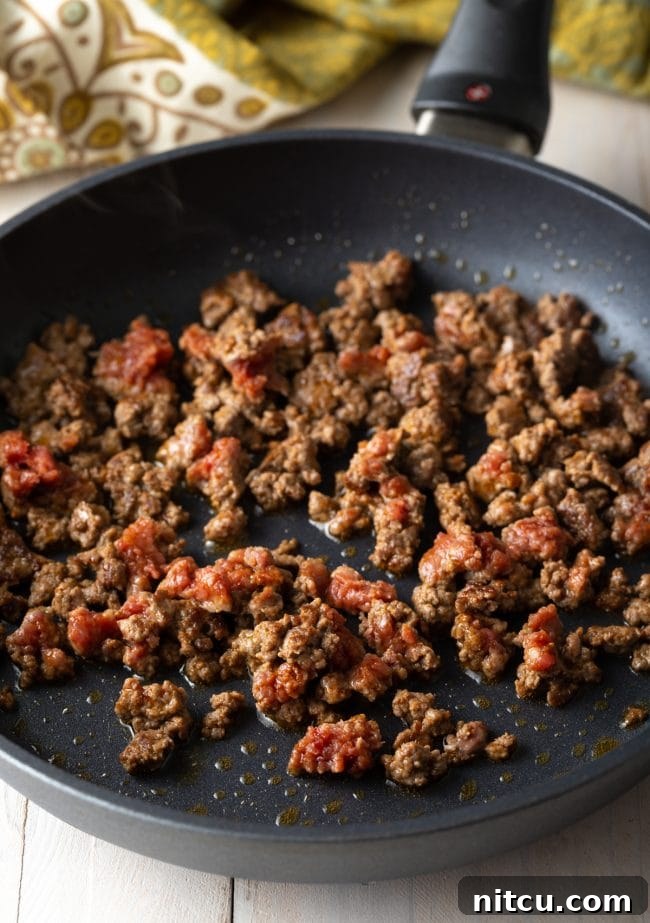
For those who prefer a cooked version or are simply cautious about consuming raw meat, Kitfo can be gently transformed into “lebleb.” To prepare this variation, simply heat a skillet over medium-high heat and sear the prepared Kitfo for a brief 1 to 2 minutes. The goal is to cook the exterior just enough to warm it through and lightly brown it, while ideally leaving the interior still very tender and slightly pink – maintaining some of that “tartare” essence. It’s about achieving a delicate balance, not cooking the steak completely through.
As reiterated earlier and throughout this guide, please remember the health disclaimer: undercooked meat is not advised for consumption by pregnant women or individuals with compromised immune systems. Always prioritize your health and safety when preparing and consuming meat dishes.
Expert Tips for Perfect Kitfo Every Time
- Always Start with Whole Cuts: A fundamental rule for safe and delicious Kitfo is to never use pre-ground beef. For raw consumption, the beef must be a high-quality, whole cut that you meticulously trim and grind yourself, just before serving. This minimizes exposure to bacteria and ensures optimal freshness.
- Mind the Mince: When processing the beef in a food processor, pay close attention to the texture. Pulse in short bursts and avoid over-grinding. Overworking the meat can lead to a tough, unappetizing consistency rather than the desired tender, melt-in-your-mouth texture.
- Embrace the Spices: The soul of Kitfo lies in its bold and balanced seasoning. Don’t shy away from the suggested spices. Anchovy paste is key for its umami depth, while cayenne delivers that characteristic Ethiopian warmth. Adjust the cayenne to your heat preference, but ensure all spices are present for a truly authentic flavor profile.
- Consider Niter Kibbeh: While clarified butter or ghee works well, seeking out or making your own Niter Kibbeh (spiced clarified butter) will elevate your Kitfo to another level of authenticity and flavor. Its complex aromatic notes perfectly complement the beef.
- Temperature Matters: For the most luxurious mouthfeel, serving Kitfo at room temperature (after a brief chill if desired) is often preferred, especially when not paired with hot dishes. This allows the clarified butter to be perfectly pliable and the flavors to fully bloom.
Frequently Asked Questions About Kitfo
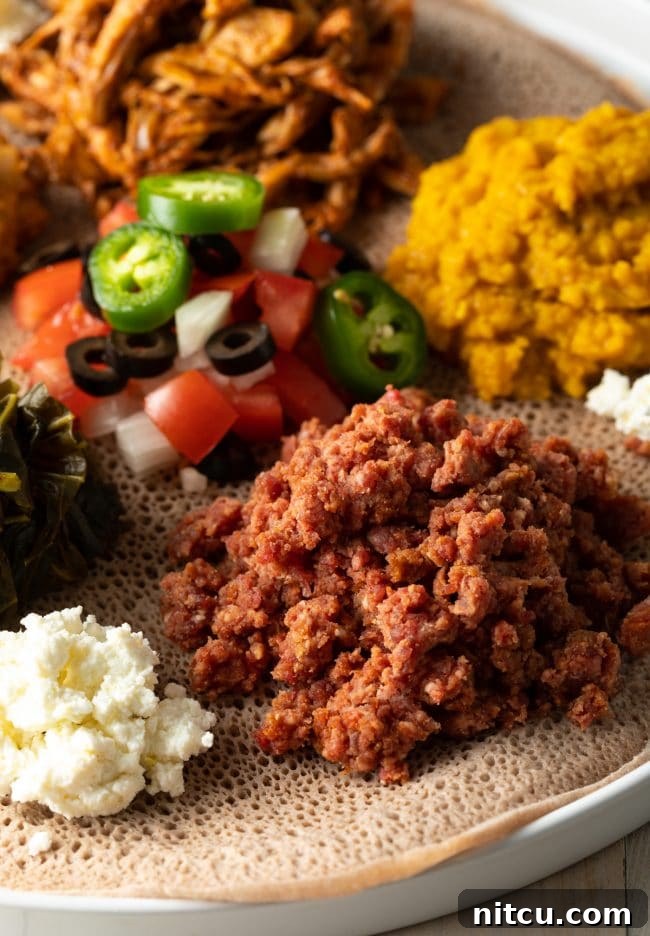
Kitfo is traditionally served as part of a grand Ethiopian sharing platter. Essential accompaniments include soft, spongy injera bread, which acts as an edible utensil and absorbs the rich flavors. Other popular pairings are vibrant collard greens (gomen), hearty mesir wat lentils, and sometimes ayibe (a mild, fresh Ethiopian cheese) to balance the spices. If you’re preparing a larger feast, consider adding Ethiopian Chicken Doro Wat to the spread for a truly authentic experience.
The idea of consuming raw beef can initially be daunting if you’re unfamiliar with steak tartare. However, when prepared correctly with an exceptionally high-quality cut of beef, Kitfo is generally considered safe to eat. The meticulous trimming, immediate preparation, and the blend of spices and clarified butter contribute to its safety and tender, flavorful profile. As always, use your best judgment. If you are pregnant, have underlying health conditions, are elderly, or simply nervous about raw beef, you can easily sear it quickly to create “lebleb” Kitfo, offering a delicious and safe alternative.
Ethiopian cuisine is traditionally enjoyed communally and eaten with your hands. The injera bread (or other flatbread) serves as your primary utensil. To eat Kitfo, tear off a small piece of injera, holding it between your thumb and forefinger. Use this piece of bread like a scoop or a small glove to gather a portion of the Kitfo. Then, bring it to your mouth and enjoy the rich flavors and textures. It’s an interactive and engaging way to dine.
Kitfo truly shines when eaten fresh or after being refrigerated for a brief period (around 30 minutes) to allow the flavors to meld and the butter to firm slightly. For safety and quality, any leftover raw Kitfo should be stored in an airtight container in the refrigerator for no more than one to two days. If you intend to enjoy it the next day, remove it from the fridge and allow it to come to room temperature for about 15 minutes before serving for the best texture and flavor. Cooked “lebleb” Kitfo can generally be kept for a similar duration.
No, it is highly recommended to never use pre-ground beef for Kitfo, especially if you plan to eat it raw. Pre-ground beef has a larger surface area exposed to air and potential contaminants, making it riskier for raw consumption. Always start with a fresh, whole cut of high-quality beef and grind it yourself using a food processor just before preparing the dish.
Kitfo is a revered dish in Ethiopian culture, particularly associated with special occasions and celebrations. It is often served during holidays like Meskel (the finding of the True Cross) or at weddings and other important gatherings. Its richness symbolizes prosperity and its communal nature embodies hospitality and sharing, core values in Ethiopian society. Preparing and sharing Kitfo is a way of honoring guests and celebrating significant moments.
Explore More Delicious Beef Recipes
If you’ve enjoyed the bold flavors of Ethiopian Kitfo, you might love exploring other exciting beef creations. Here are some of our favorite beef recipes to inspire your next meal:
- Quick-Seared Carne Asada
- Skillet Steak Bites with Mushrooms
- Perfect Bone-In Ribeye Steak
- Flavorful Philly Cheesesteak Sliders
- Easy Baked Corned Beef and Cabbage
- Saucy Greek Lemon Meatballs (Keftedes)
- Zesty Italian Beef Skewers

Print Recipe
Leave a Review »
Kitfo (Ethiopian Steak Tartare Recipe)
This Ethiopian Kitfo beef tartare recipe features high-quality steak minced and combined with bold spices. Enjoy with injera and nearly any sides!
Ingredients
- 1 ½ pounds beef fillet (well-trimmed)
- 1 tablespoon cayenne pepper
- 2 teaspoon salt
- 1 teaspoon anchovy paste
- 1 teaspoon garlic powder
- ½ teaspoon ground cardamom
- 1/3 cup clarified butter or ghee
Instructions
- Set out a large high-powered food processor. Make sure to trim all the silver skin and fat off the fillet and cut the fillet into large chunks. Place in the food processor.
- Add the cayenne, salt, anchovy paste, garlic powder, and cardamom. Pulse to chop the fillet into fine chunks. You can choose to stop when the beef resembles ¼ inch chunks, or chop smaller into ground steak.
- Once the texture is to your liking, melt the clarified butter and pour over the top. Mix the butter in by hand, do not pulse.
- Serve raw immediately, cover and chill, or pan-fry over high heat for 1-2 minutes.
Notes
Disclaimer: This recipe features raw or undercooked beef. It is not recommended that pregnant women or people with compromised immune systems eat meat that has not been properly and thoroughly cooked.
Tartare does taste best when eaten freshly prepared or refrigerated for about 30 minutes. You should only keep the beef tartare in the fridge for up to a day or so. To enjoy the next day after making, remove from the fridge and eat cold or let the Kitfo come to room temperature for about 15 minutes before serving.
Nutrition
Serving: 1 serving, Calories: 405kcal, Carbohydrates: 1g, Protein: 21g, Fat: 35g, Saturated Fat: 16g, Cholesterol: 106mg, Sodium: 868mg, Potassium: 375mg, Fiber: 1g, Sugar: 1g, Vitamin A: 347IU, Vitamin C: 1mg, Calcium: 13mg, Iron: 3mg