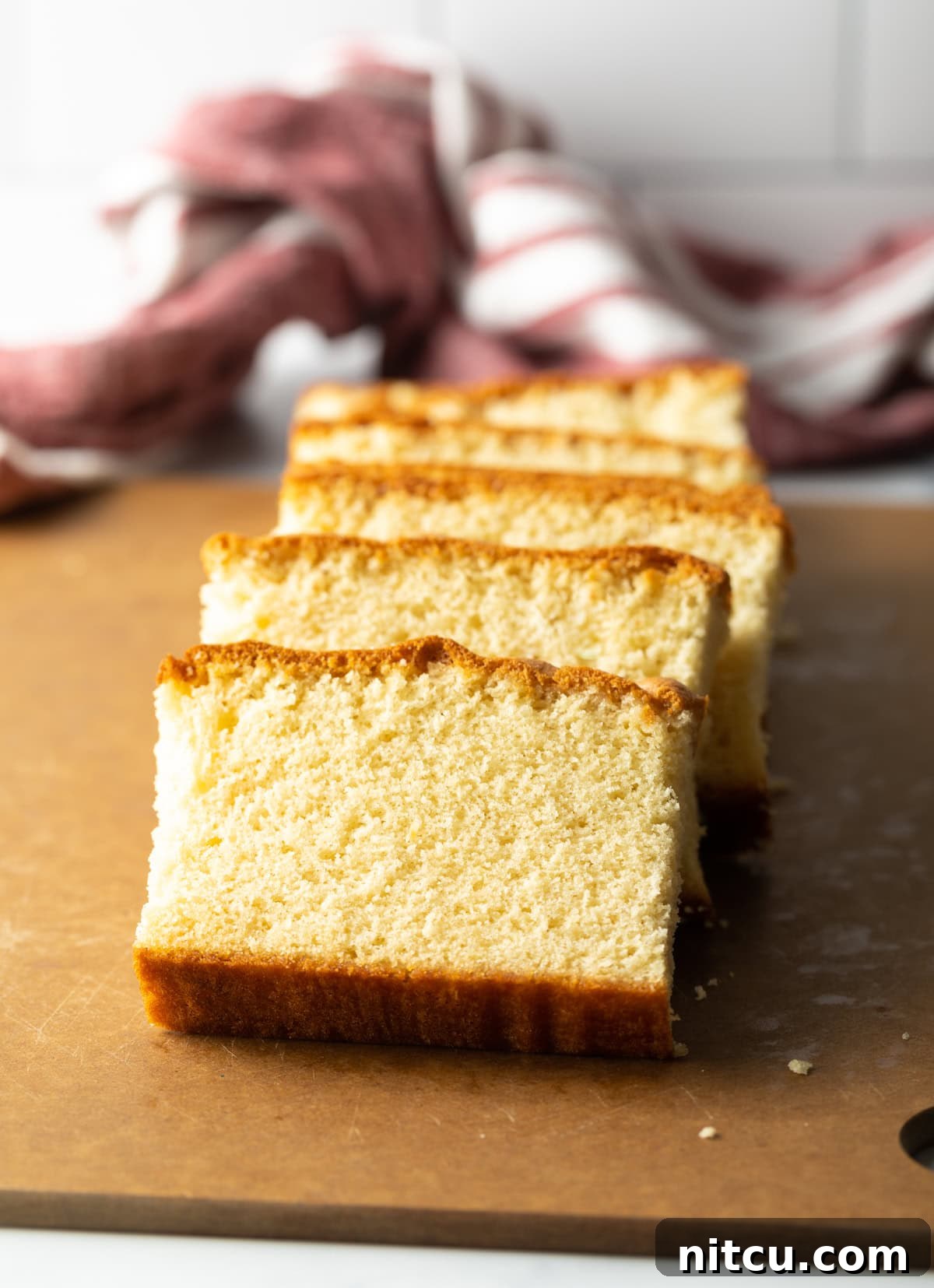
Experience the sublime delight of Japanese Sponge Cake – a truly fluffy, tender, and effortlessly jiggly Castella cake. This classic baked dessert, known in Japan as yakimono wagashi, offers a perfectly balanced sweetness that’s never overpowering. Prepare to enchant your taste buds with this light and airy treat that promises to be a favorite for all occasions!
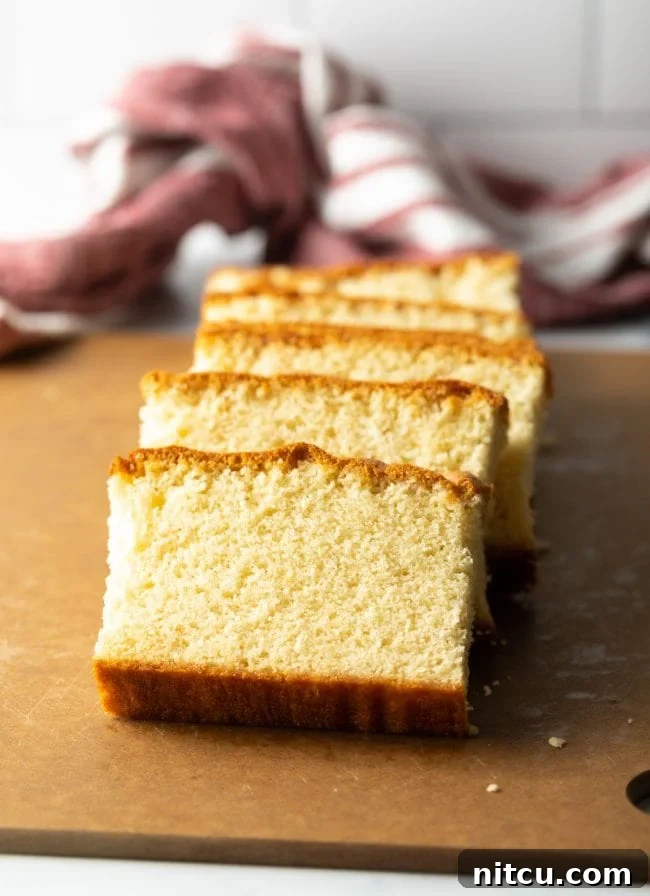
Why You’ll Adore This Japanese Sponge Cake Recipe
Asian-inspired desserts are captivating palates worldwide, and for good reason. They often feature intriguing ingredients transformed by meticulous cooking methods, offering a delightful culinary adventure for any home cook. While some traditional recipes can seem complex or require hard-to-find components, the Japanese Castella Cake – also affectionately called Wagashi Sponge Cake – stands as a beautiful exception. This recipe offers a straightforward path to creating a beloved dessert that’s widely popular across Japan, Taiwan, and parts of Eastern China.
Its simplicity belies its sophisticated texture and delicate flavor, making it an ideal project for bakers of all skill levels. If you’ve ever dreamt of crafting a light, airy, and bouncy cake, this easy Castella recipe will guide you to expert results in no time. Get ready to add a touch of authentic Japanese sweetness to your repertoire, a treat that will undoubtedly become a much-requested delight in your home.
Unveiling Wagashi Sponge Cake: A Delicate Japanese Delicacy
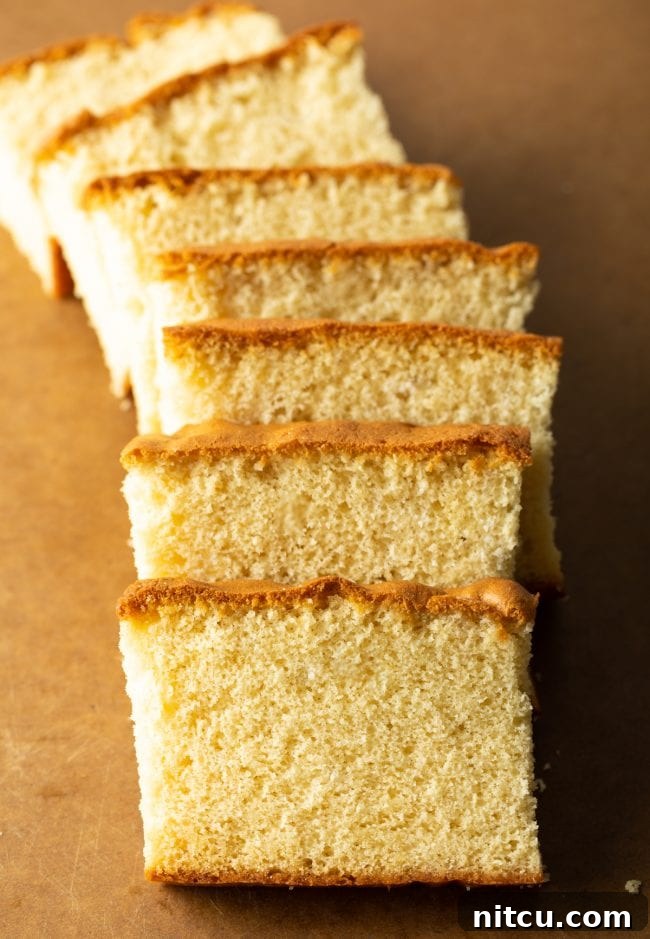
In Japanese culinary traditions, Wagashi is a broad term encompassing traditional Japanese confections, often served with tea. Within this category, Yakimono specifically refers to baked goods. This particular yakimono wagashi is a truly exceptional and delicate sponge cake, cherished for its unique texture and subtly sweet flavor. Originating from Nagasaki, Japan, Castella cake has a fascinating history, having been introduced by Portuguese merchants in the 16th century. Its name is believed to derive from “Pão de Castela,” meaning “bread from Castile.” Over centuries, the Japanese refined this foreign sweet, adapting it to their tastes and developing the distinct, moist, and airy cake we know today.
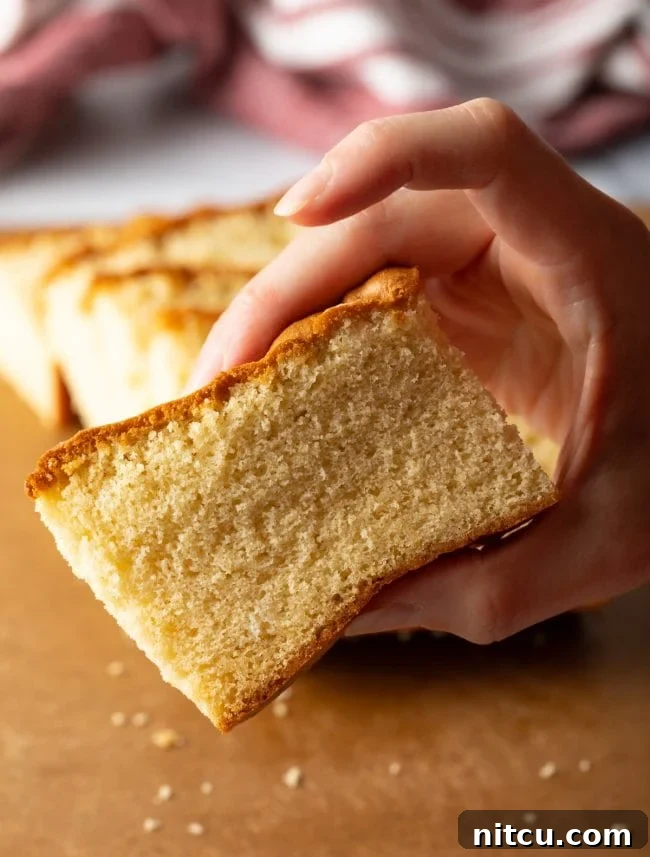
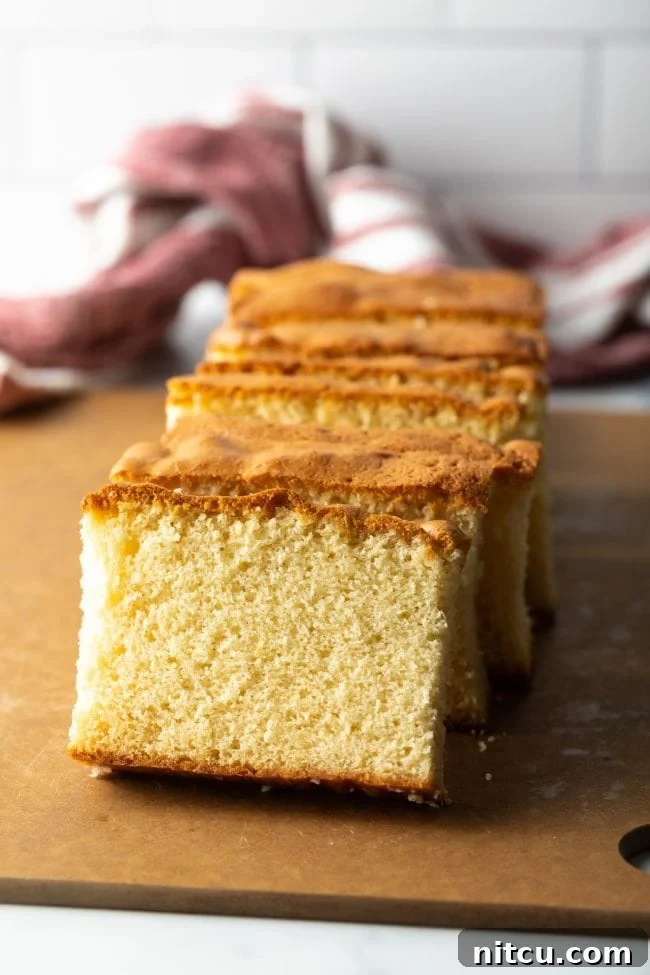
What sets Castella cake apart is its signature texture. Imagine a confection that combines the soft, springy quality of sandwich bread with the ethereal lightness of meringue. It’s incredibly tender, slightly moist, and famously “jiggly” or “bouncy” to the touch. Unlike many Western sponge cakes that rely on butter or oil for moisture, Castella achieves its remarkable texture primarily through a precise balance of whipped eggs and cake flour, resulting in a cake that is fluffy yet substantial enough to hold its form. The flavor profile is equally captivating – a gentle blend of honey and vanilla, creating a comforting sweetness that is never cloying.
This light and fluffy sponge cake shares some characteristics with chiffon cake, being airy and tender, but it differs significantly from denser varieties like pound cake. Castella is an ideal companion for a warm cup of tea or coffee, providing a moment of serene indulgence. Beyond simply slicing and serving, its stable yet delicate structure makes it an excellent base for more elaborate desserts, such as layering with fresh fruit and whipped cream, or serving alongside ice cream for an elevated treat. Its versatility and unique appeal make it a standout dessert that beautifully represents the elegance of Japanese baking.
Essential Ingredients for Your Castella Cake
Creating the perfect Japanese Sponge Cake requires a handful of basic ingredients, each playing a crucial role in achieving its signature airy texture and delicate flavor. Quality ingredients are key here, especially since there are so few. Here’s a breakdown of what you’ll need:
- Eggs: Crucial for the cake’s structure and lift. Ensure they are at room temperature, as this allows them to whip up to their maximum volume, creating the foundational air bubbles that make the cake light and fluffy.
- Granulated Sugar: Provides the perfect level of sweetness, complementing the other flavors without overwhelming them. It also aids in stabilizing the whipped egg mixture.
- Honey: This ingredient is a hallmark of authentic Castella. Honey not only adds a lovely, distinctive sweetness but also contributes significantly to the cake’s moistness and beautiful golden-brown crust. It truly rounds out the flavor profile.
- Warm Water: Used to dissolve the honey and vanilla, ensuring they are evenly distributed throughout the batter. It’s important that the water is warm, not hot, to prevent cooking the eggs prematurely and allow for proper leavening.
- Vanilla Extract: Infuses the Japanese sponge cake with its signature light, fragrant aroma and subtle flavor. Choose a good quality pure vanilla extract for the best results.
- Salt: Just a pinch is needed to balance the sweetness and enhance all the other flavors, bringing out the depth in the honey and vanilla.
- Cake Flour: Absolutely essential for achieving the delicate, tender, and jiggly texture that Castella is famous for. Cake flour has a lower protein content than all-purpose flour, which results in a softer, finer crumb. Do not substitute with bread flour.
Crafting Your Own Fluffy Japanese Sponge Cake: A Step-by-Step Guide
Making Castella cake might seem intimidating at first, but by following these detailed steps, you’ll be baking a perfect, jiggly sponge cake that will impress everyone. The key lies in careful preparation and gentle handling of the batter.
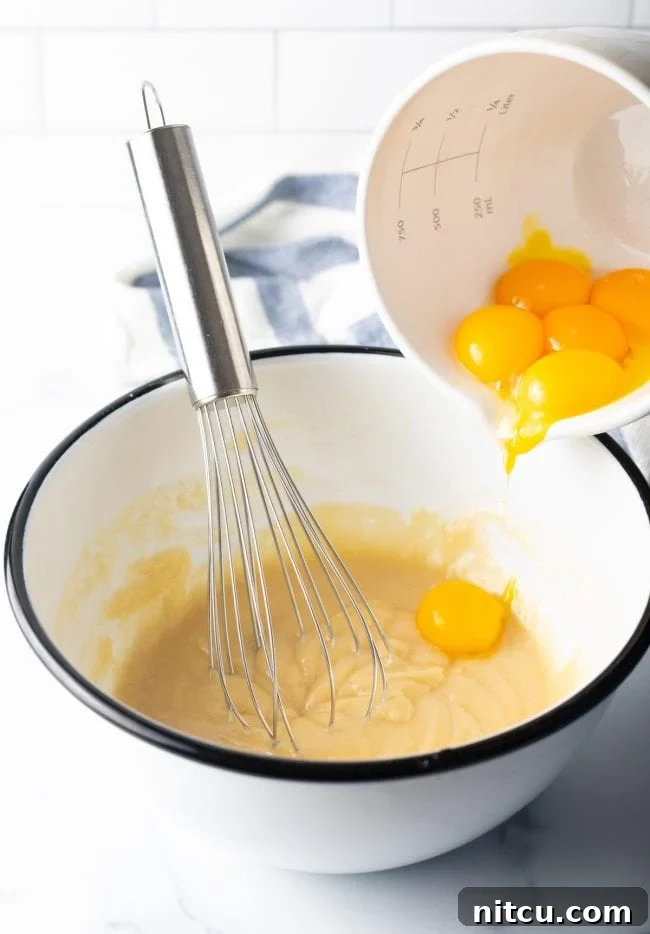
- Begin by preparing your mixing station. Position an electric stand mixer with a whisk attachment firmly in place. Crack your room-temperature eggs into the mixing bowl, followed by the granulated sugar. This combination is the heart of your cake’s structure.
- Start whisking on high speed. This initial whisking phase is critical and should last between 6 to 8 minutes. You are aiming for a mixture that transforms dramatically: it should become very light in color, almost pale yellow, and incredibly frothy and voluminous. The consistency should resemble a thick, airy custard, holding soft peaks when the whisk is lifted. This abundant aeration is what provides the cake’s lift, as Castella does not rely on chemical leaveners.
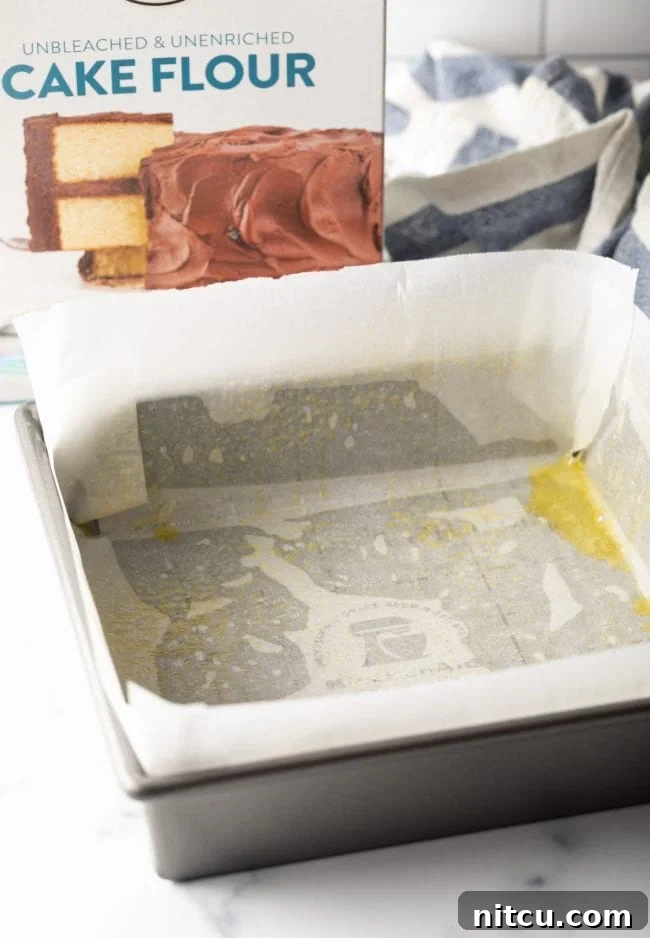
- While your eggs are whisking, preheat your oven to 315°F (157°C). Prepare an 8 x 8-inch metal baking pan. Lightly spray the inside of the pan with a nonstick cooking spray. This helps the parchment paper adhere smoothly. Line the bottom and all four sides of the pan with parchment paper. It’s vital that the parchment paper extends at least 1 inch above the rim of the pan. This extra height accommodates the cake’s significant rise during baking and prevents it from spilling over.
- In a separate small bowl, combine the honey, warm water (ensure it’s not hot, just comfortably warm to the touch), vanilla extract, and salt. Whisk these ingredients together until the honey is fully dissolved and the mixture is well combined. This warm liquid will seamlessly integrate into the egg batter.
- Once your egg mixture has reached the desired frothy, custard-like consistency, reduce the mixer speed to low. Gradually pour in the honey mixture, allowing it to incorporate slowly. After the honey mixture is fully combined, begin to slowly add the cake flour, a little at a time, until it is fully incorporated. Immediately turn off the mixer as soon as the flour disappears into the batter. Overbeating at this stage will develop the gluten in the flour, resulting in a tough, dense cake rather than the desired fluffy, jiggly texture.
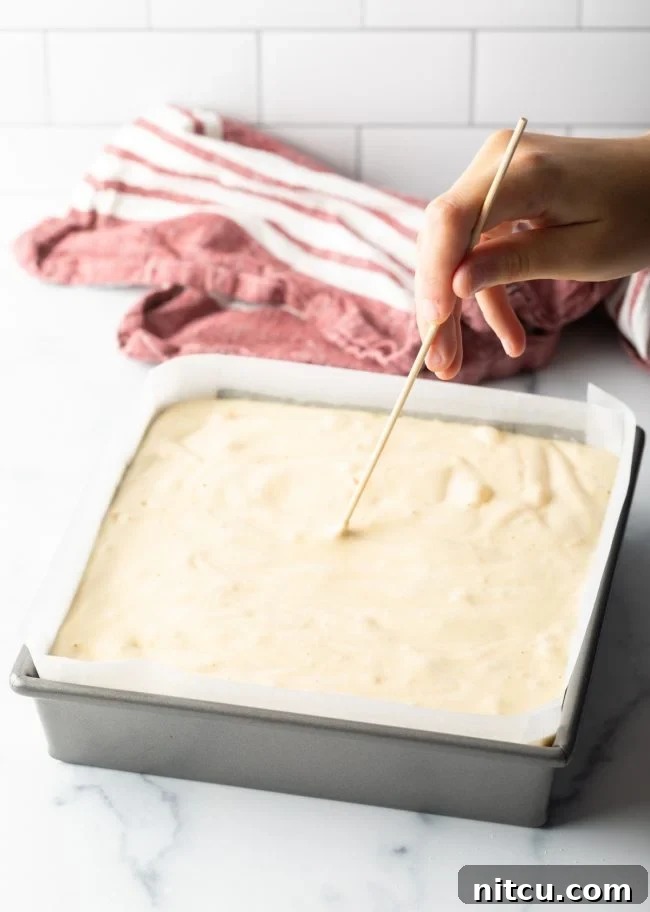
- Carefully pour the delicate batter into your prepared baking pan. Gently tap the pan once or twice on your counter. This helps to release any large air bubbles trapped within the batter, which can create large holes in the finished cake. Be cautious not to tap excessively, as this could deflate the precious air you’ve whipped into the eggs.
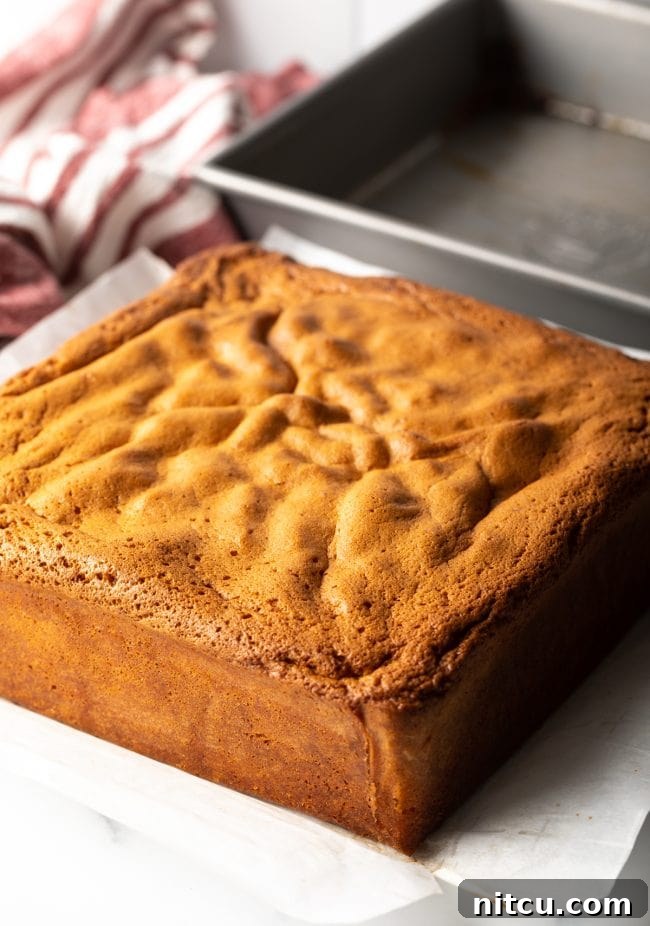
- Place the pan in the center of your preheated oven. Bake for approximately 45 minutes. The cake is done when the top is beautifully dark golden brown and visibly puffy, indicating a perfect rise. A skewer inserted into the center should come out clean.
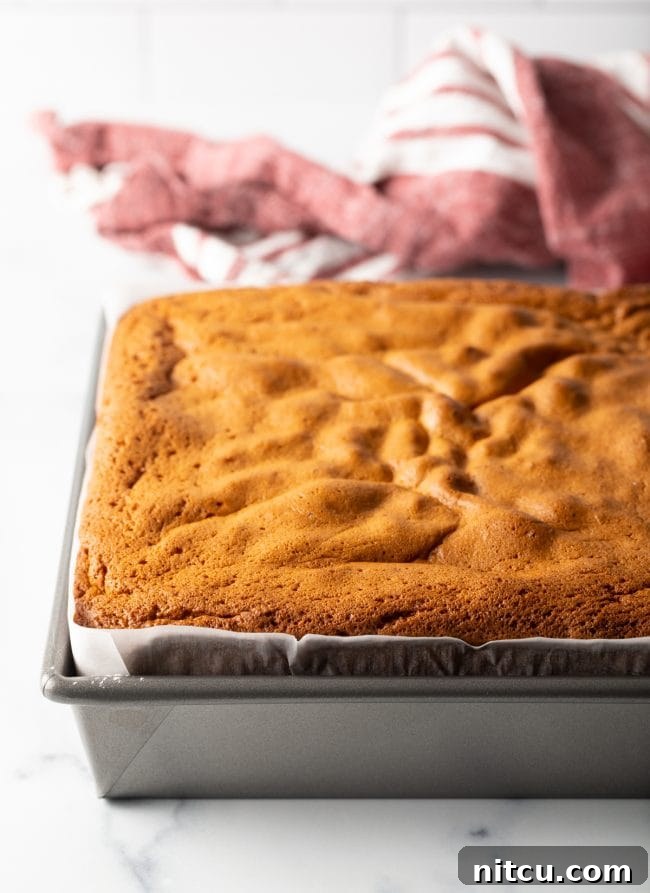
- Upon removing the cake from the oven, immediately and carefully lift it out of the baking pan using the extended edges of the parchment paper. Place the cake, still on its parchment, onto a cooling rack. While the cake is still warm, gently peel off the parchment paper from all sides.
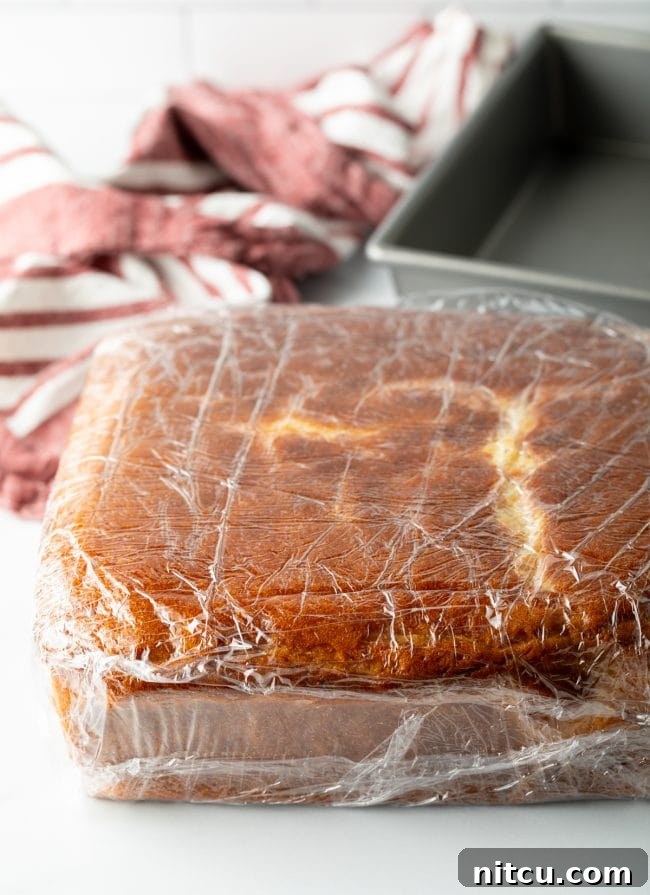
- This next step is crucial for achieving Castella’s signature moist and even texture: Immediately wrap the warm cake tightly in plastic wrap. The residual heat will create steam, which is then reabsorbed by the cake, locking in moisture and ensuring it remains soft and tender.
- Allow the wrapped cake to cool completely to room temperature. However, for the absolute best texture, the longer it stays wrapped, the better. Many bakers recommend letting it rest in the refrigerator overnight, wrapped securely, and then allowing it to return to room temperature before unwrapping and serving. This resting period allows the cake’s flavors to meld and its moisture to fully redistribute, enhancing its legendary softness and elasticity.
Delightful Ways to Serve Your Castella Cake
Once your Japanese Sponge Cake has properly rested and achieved its ideal texture, it’s time to prepare it for serving. Its elegant simplicity makes it versatile for a variety of presentations and accompaniments.
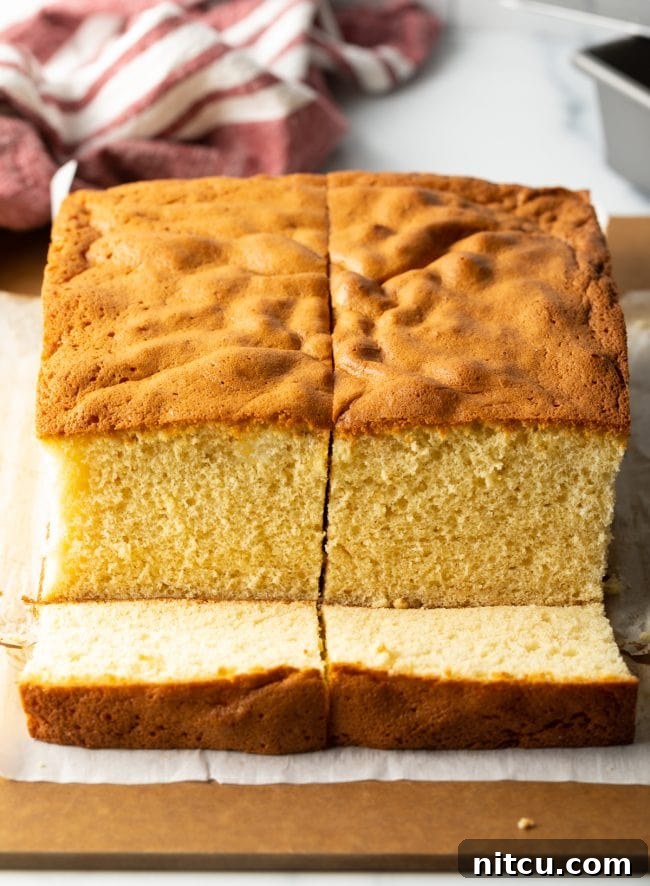
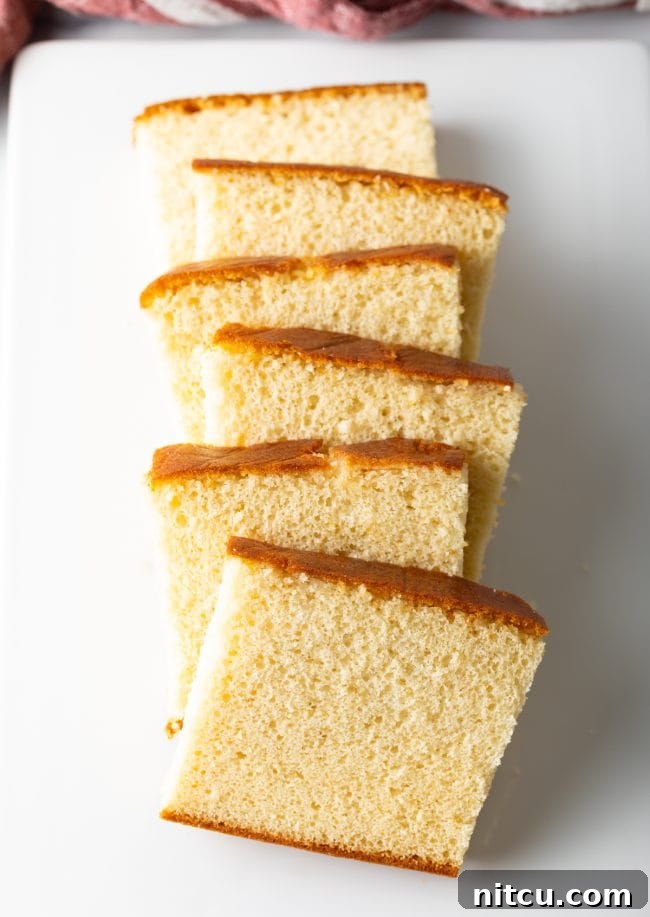
To start, place the cooled cake on a clean cutting board. Using a long, sharp serrated knife, carefully trim off the slightly browned edges from all four sides. This reveals the beautiful, uniform yellow crumb within and ensures every bite is perfectly tender. Next, cut the remaining square cake down the middle, creating two even rectangular loaves. Each loaf can then be sliced into ½ to 1-inch thick pieces, depending on your preference. The precise cuts highlight the cake’s fine, consistent texture.
Traditionally, Castella cake is enjoyed as a light snack or dessert alongside a hot beverage. Its delicate sweetness and airy texture perfectly complement a soothing cup of green tea, black tea, or your favorite coffee. For a more decadent experience, Castella serves as a wonderful blank canvas. Drizzle slices with warm chocolate sauce, a rich caramel sauce, or a vibrant berry coulis. The cake’s ability to absorb flavors without becoming soggy makes it an excellent pairing.
Elevate your dessert by transforming Castella into a Japanese Strawberry Shortcake. Simply layer slices of the cake with freshly whipped cream and an abundance of sweet, ripe strawberry slices. This creates a visually stunning and incredibly delicious treat, especially perfect for spring and summer gatherings. For holiday events, you can lightly dust the cake with powdered sugar or pair it with seasonal fruits. Its mild flavor ensures it pairs well with almost anything, allowing you to get creative with toppings and presentations.
Expert Tips for a Flawless Castella Cake
Achieving that iconic jiggly, fluffy texture of Japanese Sponge Cake requires a few key techniques and careful attention to detail. Here are some indispensable tips and tricks to ensure your baking success:
- Master the Eggs: The most crucial step is vigorously whipping the room-temperature eggs with an electric mixer until they are incredibly light, pale, and voluminous. This process incorporates the necessary air bubbles that provide the cake’s lift, as Castella relies solely on these trapped air pockets, not chemical leaveners. Aim for a thick, ribbon-like consistency where the batter falls from the whisk in a thick stream and holds its shape on the surface for a few seconds. Don’t rush this step!
- Handle Flour with Care: Once you add the cake flour to the aerated egg mixture, mix it in gently and only until just combined. Over-mixing the batter at this stage will develop the gluten in the flour, leading to a tough, dense, and potentially flat cake, rather than the desired soft and jiggly texture. Use a spatula for the final folds to ensure minimal gluten development.
- Don’t Skip the Resting Period: The post-baking resting period, tightly wrapped in plastic wrap, is absolutely vital. This process allows the cake’s internal moisture to redistribute evenly, resulting in an incredibly moist, uniform, and tender crumb. For the ultimate texture, refrigerate the wrapped cake overnight. Then, let it come back to room temperature before unwrapping and slicing. This patience will be greatly rewarded with a superior Castella experience.
- Parchment Paper is Your Friend: Always line your baking pan with parchment paper that extends at least an inch above the rim. Castella cake rises significantly during baking, and this prevents it from overflowing and helps in effortlessly lifting the delicate cake out of the pan once baked.
- Gentle Tapping, Not Pounding: After pouring the batter into the pan, a light tap or two on the counter is enough to release large air bubbles. Resist the urge to tap it vigorously, as this can deflate the precious air you’ve worked so hard to incorporate into the eggs.
Frequently Asked Questions About Castella Cake
Can I make this jiggly cake recipe with all-purpose flour?
Yes, you can create your own “cake flour” substitute at home. For this recipe, which calls for 1 ½ cups of cake flour, measure out 1 ½ cups of all-purpose flour. Then, remove 3 tablespoons of that all-purpose flour. Replace it by sifting in 3 tablespoons of either cornstarch or arrowroot powder. Sifting it ensures it’s well combined and lump-free, mimicking the finer texture of commercial cake flour.
Why is my Castella cake not jiggly?
The primary reason for a less-than-jiggly Castella is usually related to the eggs. Ensure your eggs are at room temperature and are beaten thoroughly until they are very frothy, light, and significantly increased in volume. This creates the necessary air pockets. Another common culprit is over-mixing the batter after adding the flour, which develops gluten and makes the cake dense instead of tender and airy.
What other recipes can I make with Japanese Cotton Sponge Cake?
This light and tender sponge cake is incredibly versatile! It makes an excellent base for trifles, dessert fruit stacks, or even cake pops. Its gentle flavor means it can easily be adapted for different occasions. For a delightful twist, use it as an ice cream cake base. Transform it into a festive Christmas cake by topping it with cream frosting and holiday sprinkles. You can also create a summery strawberry cake by adding 1 teaspoon of strawberry extract to the batter and garnishing the finished cake with fresh strawberries.
How long do leftovers last?
Proper storage is key to maintaining Castella cake’s exquisite texture. Leftovers will keep well for up to 5 days at room temperature, provided they are wrapped tightly in plastic wrap to prevent drying out. If refrigerated, it can last for up to 10 days, again, ensuring it’s well-sealed. For longer storage, you can freeze Castella. Wrap the cooled cake in plastic wrap, then add an additional layer of aluminum foil. It will remain fresh in the freezer for up to 2 months. Thaw at room temperature before serving.
Is Castella cake the same as pound cake?
No, Castella cake and pound cake are distinctly different. Castella cake is celebrated for its light, fluffy, and jiggly Japanese sponge texture, often compared to a chiffon cake due to its airiness. A pound cake, on the other hand, is known for its dense, rich, and buttery crumb, traditionally made with a pound each of flour, butter, eggs, and sugar.
What is the difference between Taiwanese and Japanese Castella cake?
While both share a common origin, Taiwanese Castella cake is typically baked in a water bath, giving it a more moist, soufflé-like, and even more jiggly texture. Japanese Castella cake, as presented in this recipe, is baked directly in the oven, resulting in a slightly firmer but still wonderfully soft and bouncy sponge cake, less like a soufflé and more like a traditional sponge with unique elasticity.
Explore More Delicious Dessert Recipes
If you loved creating and tasting this exquisite Japanese Castella Cake, you’re in for a treat! Our collection features a wide array of dessert recipes to satisfy every craving, from comforting classics to exciting new flavors. Dive into these delightful creations and find your next favorite sweet indulgence.
- Caramel Apple Dump Cake
- No Bake Pumpkin Cheesecake (Bars)
- Texas Sheet Cake with Coffee
- Mint Oreo Chocolate Bark Recipe
- Easy Tiramisu
- Strawberry Crunch Cake
- Mango Pudding (Dairy Free!)
- Chocolate Pudding Cake
- Chocolate Chip Cookie Cake
Ready to Bake? Here’s the Complete Japanese Castella Cake Recipe!
Castella Cake (Wagashi Sponge Cake) Recipe
Fluffy and tender Castella Cake is a classic baked Japanese cake (yakimono wagashi) that is delicious without being overly sweet. Serve this jiggly cake for a lighter treat that everyone will love!
Prep Time: 20 minutes
Cook Time: 45 minutes
Total Time: 1 hour 5 minutes
Servings: 24 slices
Ingredients
- 6 large eggs (room temperature)
- 1 cup granulated sugar
- ¼ cup honey
- 2 tablespoons warm water
- 2 teaspoons vanilla extract
- ½ teaspoon salt
- 1 ½ cup cake flour
Instructions
- Set out an electric stand mixer with a whip attachment. Add the room temperature eggs and sugar to the mixing bowl. Whisk on high for 6-8 minutes until the egg mixture is very light in color and extremely frothy. The egg mixture should expand to look like custard.
- Meanwhile, preheat the oven to 315°F (157°C). Set out an 8 x 8-inch metal pan. Spray the pan with nonstick cooking spray, then line the bottom and sides with parchment paper. Make sure the parchment comes up above the rim of the pan by at least 1 inch (The cake will rise over the lip of the pan).
- Set out a small bowl. Mix the honey, warm water, vanilla extract, and salt together.
- Scrape the mixing bowl with the eggs and turn the mixer on low. Beat in the honey mixture and then slowly add in the flour. Once all the flour is incorporated, turn off the mixer, so you don’t over beat the cake batter.
- Pour the batter into the prepared pan. Tap the cake on the counter once or twice to bring the biggest bubbles to the surface (But don’t tap it so much that you deflate the batter). Bake in the center of the oven for approximately 45 minutes, until the top is dark and puffy.
- Lift the cake out of the pan by the edges of the parchment paper. Peel off the parchment paper and immediately wrap it in plastic wrap, while the cake is still warm. This allows all the moisture to be preserved, for a moist even texture.
- Cool to room temperature before unwrapping. However, the longer it stays wrapped the better the texture will be (I often make this a day ahead, so it can stay wrapped for 24 hours).
- When you’re ready to serve, use a serrated knife to cut all the brown edges off of the sides. Cut the remaining square down the middle into two even loaves. Then slice each loaf into ½ – 1 inch pieces.
Notes
Castella cake must stay well wrapped to preserve its fine moist texture. You can refrigerate it for up to 10 days, or leave it on the counter for up to 5 days.
Nutrition (per 1 slice serving)
Calories: 88kcal, Carbohydrates: 17g, Protein: 2g, Fat: 1g, Saturated Fat: 1g, Polyunsaturated Fat: 1g, Monounsaturated Fat: 1g, Trans Fat: 1g, Cholesterol: 41mg, Sodium: 65mg, Potassium: 25mg, Fiber: 1g, Sugar: 11g, Vitamin A: 60IU, Vitamin C: 1mg, Calcium: 8mg, Iron: 1mg
Recipe Details
Course: Dessert, Snack
Cuisine: Chinese, Japanese, Taiwanese
Author: Sommer Collier