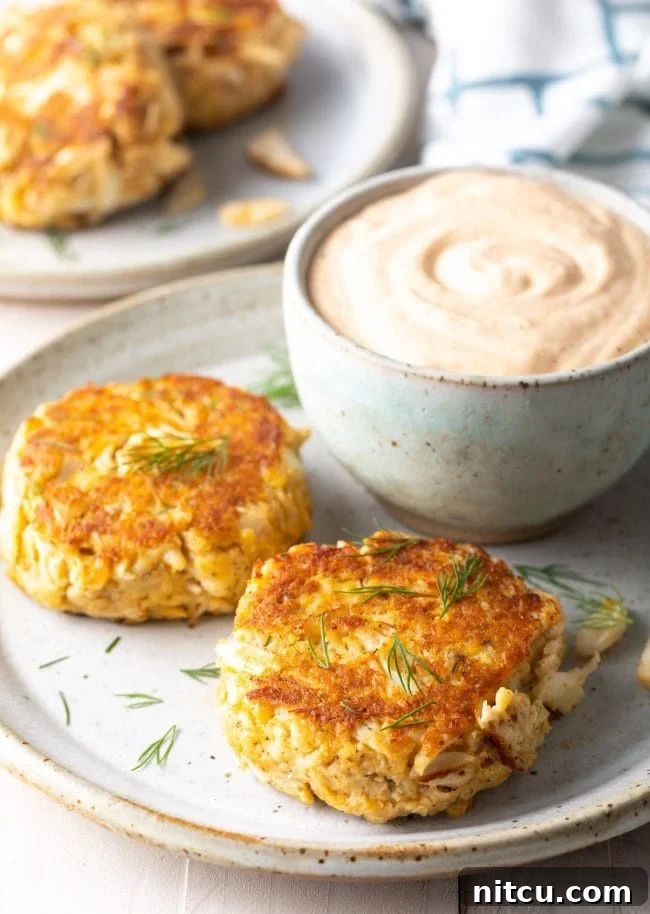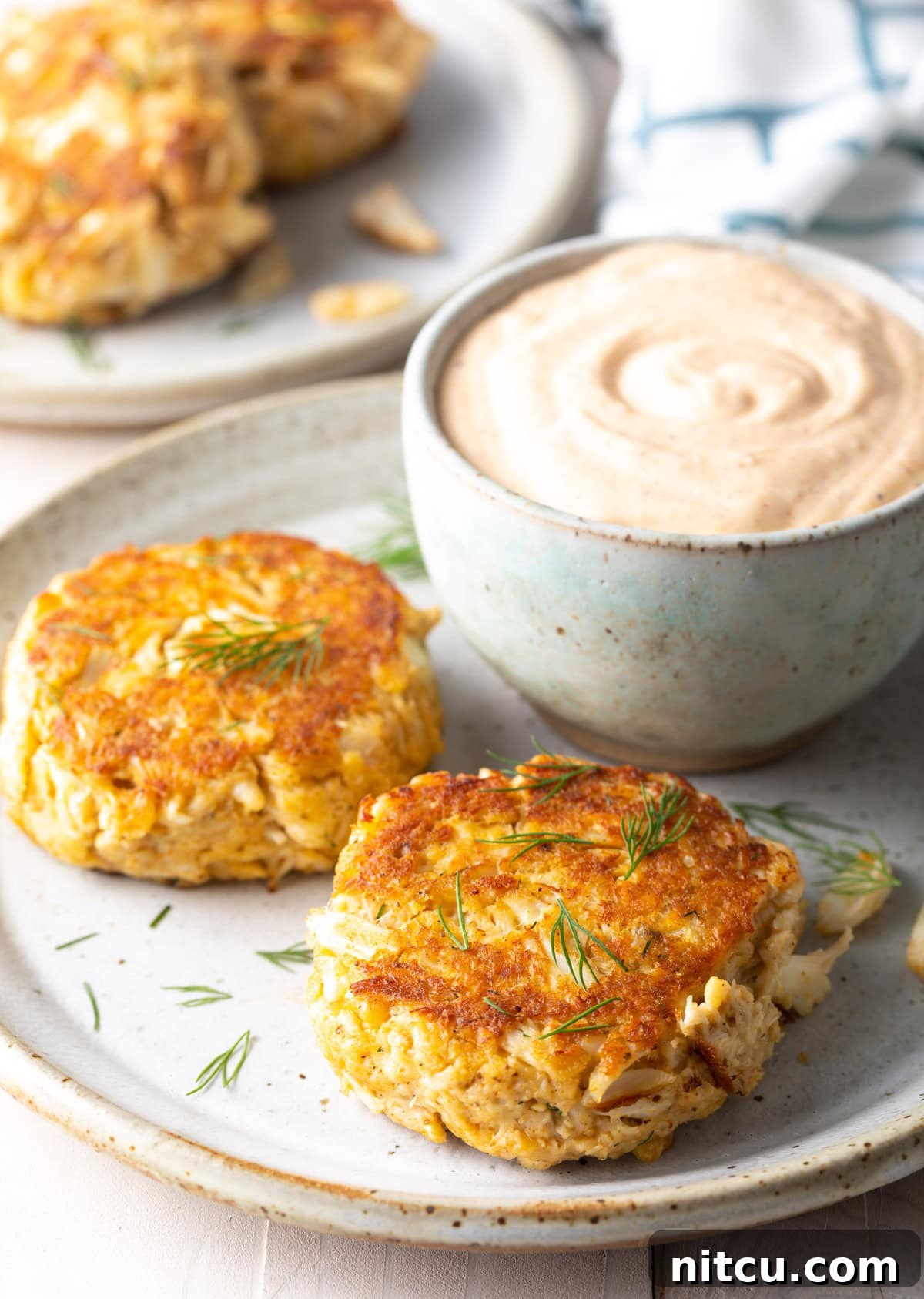
Discover the secret to making the most authentic and delectable Maryland-style Pan Seared Crab Cakes right in your kitchen. This ultimate guide will walk you through crafting crispy, golden crab cakes bursting with fresh, tender crab meat, perfectly balanced with zesty seasonings. Serve these culinary masterpieces with a rich homemade remoulade or a classic tartar sauce for an unforgettable dining experience.
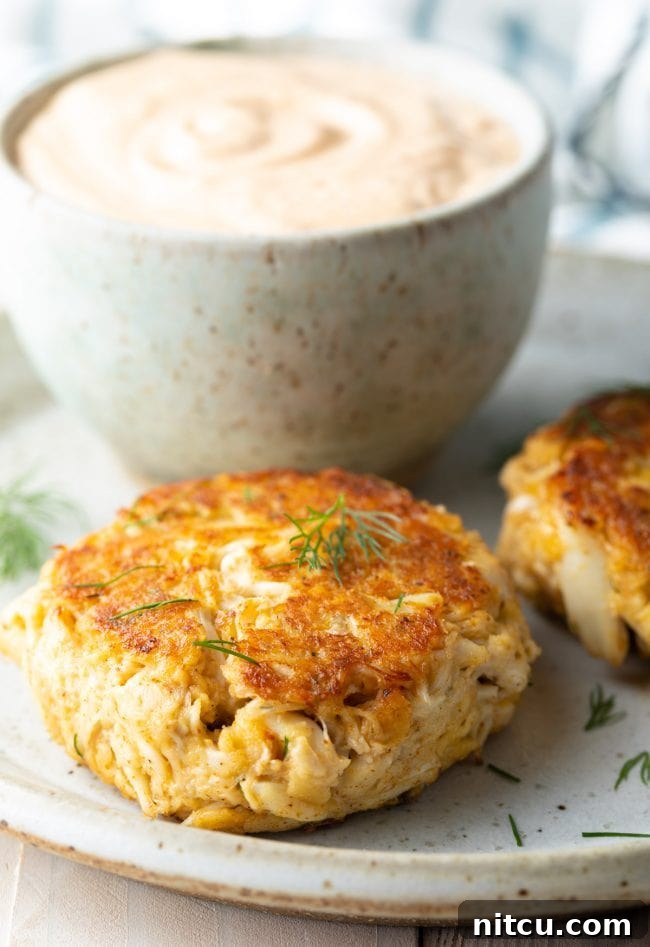

The Essence of Maryland Crab Cakes: A Culinary Journey
For those who appreciate the finer things in seafood, the Maryland-style Pan Seared Crab Cakes represent the pinnacle of flavor and texture. What sets them apart is their dedication to the star ingredient: the crab. Unlike many other recipes that rely heavily on fillers, authentic Maryland crab cakes prioritize generous, succulent chunks of crab meat, held together with just enough binder and seasoning to enhance, not overshadow, the natural sweetness of the seafood.
Our recipe takes this philosophy a step further, employing a thoughtful blend of both fresh jumbo lump crab meat and delicate shredded crab meat. This unique combination ensures each bite is incredibly meaty and tender, creating a crab cake that stands robustly without needing an excess of breading. The shredded crab acts as a natural binder, cleverly mingling with the larger lumps to create a cohesive, flavorful patty, all while offering a slight cost advantage.
Why Our Recipe Stands Out
- Authentic Maryland Tradition: We stay true to the classic minimal-filler approach, ensuring the crab flavor shines.
- Dual Crab Texture: The mix of jumbo lump and shredded crab creates a rich, complex texture and superior binding.
- Perfectly Balanced Flavors: Our precise seasoning blend complements the crab without overpowering it, delivering that signature zesty kick.
- Versatile Cooking Methods: While pan-searing yields an irresistible crispy exterior, we also provide instructions for a healthier baked option.
Why You’ll Adore These Pan Seared Crab Cakes
- Crispy Perfection – Prepare to be captivated by the ideal balance of these crab cakes. Each one boasts a beautifully crisp, golden-brown crust, giving way to an incredibly juicy and tender interior. It’s a textural symphony that will delight your palate.
- Unmatched Versatility – These exquisite crab cakes are wonderfully adaptable to any meal or occasion. Serve them as an elegant main course for a special dinner, a sophisticated appetizer at your next gathering, nestled atop a fresh summer salad, or even tucked into a gourmet seafood sandwich. The possibilities are endless.
- Genuine Crab Flavor – Steer clear of recipes that compromise on quality by using imitation crab. Our recipe proudly features the real deal: generous, succulent lumps of fresh crab meat. This commitment to authentic ingredients ensures a truly superior taste that imitation simply cannot replicate.
While I personally find pan-frying delivers the most satisfyingly crispy exterior, I’ve also included clear oven instructions for those who prefer a lighter, baked alternative. Whichever method you choose, remember to complete your dish with a selection of savory dips to elevate every bite!
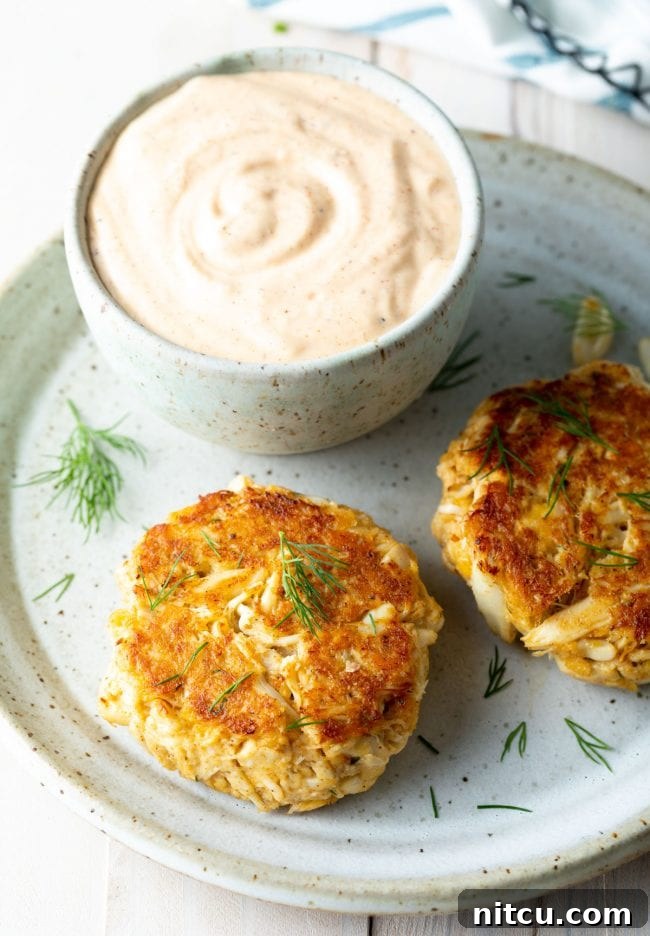
Key Ingredients for Flavorful Crab Cakes: The Building Blocks of Perfection
Crafting exceptional crab cakes begins with selecting the right ingredients. Each component plays a vital role in achieving that perfect balance of flavor, texture, and structural integrity. Here’s a closer look at what you’ll need and why:
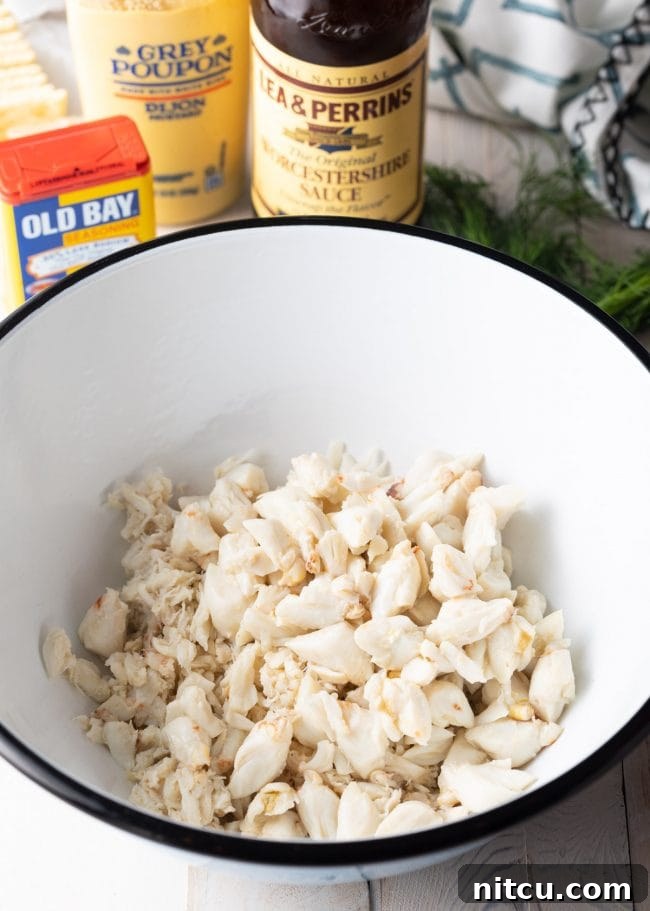
- Crab Meat – The undeniable star of the show. We insist on using both fresh jumbo lump crab meat for those luxurious, meaty bites and a good quality fresh shredded crab meat. This combination is crucial; the jumbo lumps provide substance and a premium feel, while the shredded crab helps to bind the mixture beautifully without adding excessive filler, ensuring a consistently meaty texture throughout. Always ensure your crab meat is well-drained to prevent a soggy mix.
- Saltine Crackers – For the ultimate authentic Maryland-style filling, crushed saltine crackers are our binder of choice. They offer a unique savory depth and a lighter, flakier texture compared to breadcrumbs, contributing to the delicate “crumb” of the crab cake. If unavailable, panko breadcrumbs are a suitable alternative.
- Mayonnaise – This creamy addition not only acts as a binder but also lends moisture and richness to the crab mixture, keeping the cakes tender and flavorful. Feel free to use your preferred variety – regular, low-fat, or even a paleo-friendly mayo will work.
- Egg – A single large egg is essential for binding all the ingredients together, ensuring your crab cakes hold their shape during cooking. Using an egg at room temperature can help it incorporate more smoothly into the mixture.
- Dijon Mustard – A small amount of Dijon mustard provides a delightful tangy kick and a subtle depth of flavor that perfectly complements the sweetness of the crab. It’s a secret ingredient that elevates the overall taste profile.
- Lemon Juice – Freshly squeezed lemon juice brightens the flavors of the crab and the seasonings, adding a vibrant acidity that cuts through the richness and enhances the seafood’s natural taste.
- Fresh Chopped Parsley or Dill – A touch of fresh herbs, either parsley or dill, introduces a fresh, aromatic note. Parsley offers a clean, peppery hint, while dill provides a slightly more herbaceous and distinct flavor. Choose based on your preference for a pop of freshness.
- Old Bay Seasoning – No Maryland crab cake would be complete without the iconic Old Bay seasoning blend. This classic mix of celery salt, red pepper, black pepper, and paprika is the cornerstone of Maryland seafood flavor, providing that signature zesty and slightly spicy profile.
- Butter – Whether you’re pan-frying or baking, butter is key to achieving that desirable perfectly crispy, golden-brown exterior. It adds rich flavor and helps in browning.
Recipe Variations and Dietary Swaps to Suit Your Taste
While our classic recipe is truly exceptional, don’t hesitate to customize your crab cakes to better suit your preferences or dietary needs. Here are a few popular variations:
- Panko Breadcrumbs – If you prefer a slightly different texture, you can easily swap the crushed saltine crackers with panko breadcrumbs. Panko tends to create an even lighter and crispier coating.
- Adjusting Spiciness – For those who enjoy a little heat, stir in a dash of cayenne pepper, a pinch of red pepper flakes, or a spoonful of prepared horseradish into the crabmeat mixture. This adds a wonderful spicy kick that complements the crab beautifully.
- Gluten-Free Option – To make these crab cakes suitable for a gluten-free diet, simply use certified gluten-free saltine crackers or gluten-free breadcrumbs as your binder. The result will be just as delicious!
- Lighter Version with Greek Yogurt – For a lighter, yet still creamy, alternative to mayonnaise, consider replacing it with plain Greek yogurt. This swap reduces fat content while still providing moisture and a slight tang.
- Adding Vegetables – Finely minced bell peppers (red or green) or scallions can be gently folded into the mixture for added crunch and flavor dimension. Ensure they are finely chopped to maintain the crab-forward nature of the cakes.
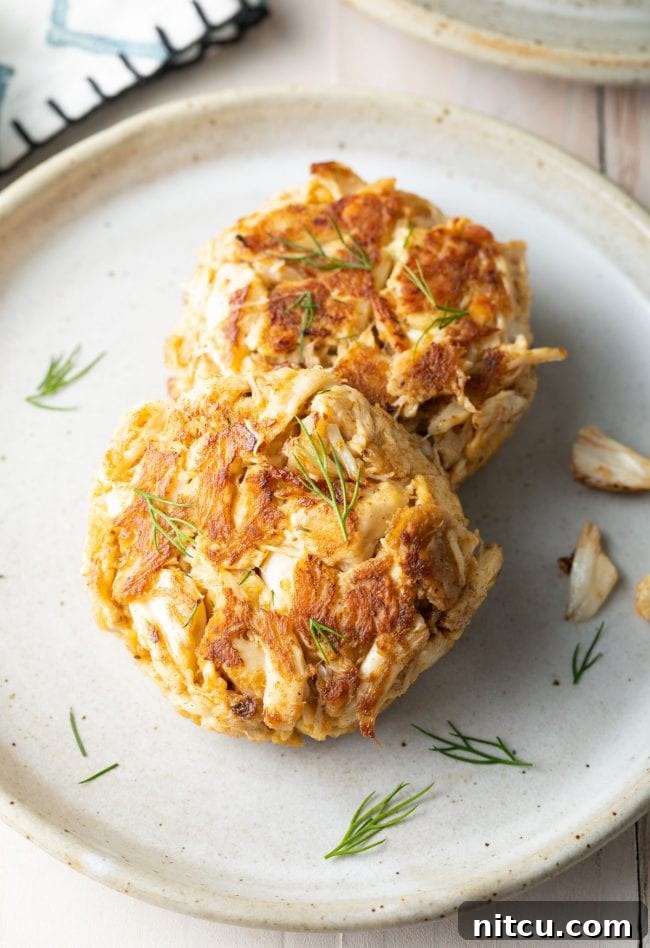
How To Make Pan Seared Crab Cakes: Step-by-Step for Restaurant-Quality Results
Achieving rich, crispy, restaurant-worthy Pan Seared Crab Cakes from scratch is simpler than you might think. With just a few straightforward steps, you can create a truly impressive dish. The best part? From gathering your ingredients to the final sizzling pan, this classic crab cake recipe takes less than an hour to complete, making it perfect for both weeknight dinners and special occasions.
Find the full Pan Seared Crab Cakes recipe with detailed instructions and storage tips in the printable form at the bottom of the post!
Expert Tips for Unforgettable Crab Cakes
Follow these essential tips to ensure your Maryland crab cakes are nothing short of perfect every time:
- Seasoning Wisdom – Be mindful of the salt content already present in Old Bay seasoning and saltine crackers. These ingredients contribute significant savory notes, so there’s generally no need to add extra salt to the mixture. A few grinds of fresh black pepper, however, can enhance the overall flavor if desired.
- Handle with Care – When combining your ingredients, always be gentle. The goal is to keep those beautiful large crab chunks as intact as possible. Over-mixing can break down the delicate crab meat, leading to a less desirable texture. Fold the ingredients together just until they are well incorporated.
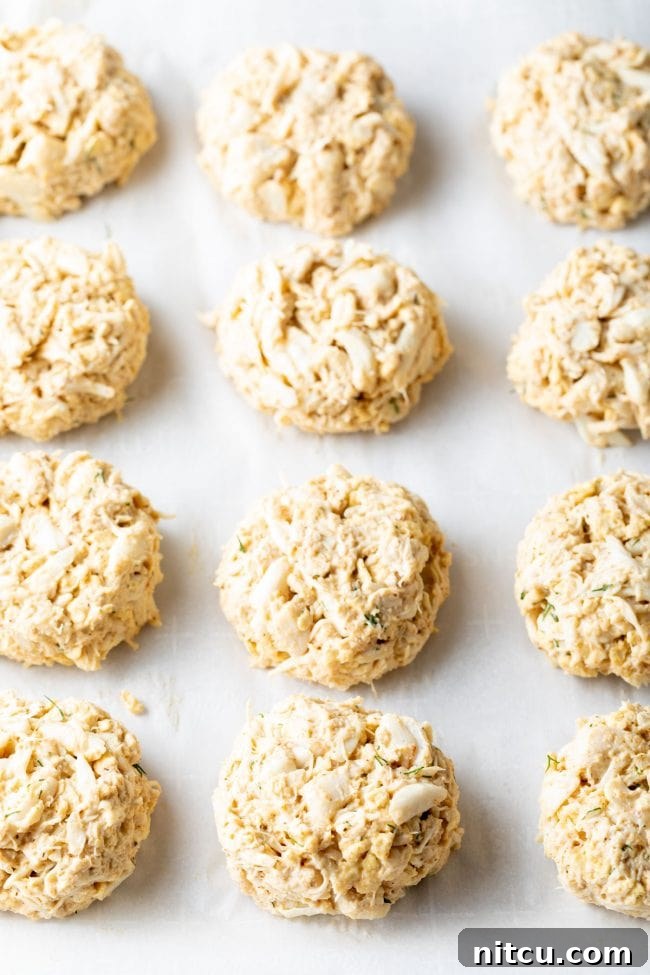
- The Non-Negotiable Chill Time – This step is critical for success and should never be skipped! Once you’ve formed your crab cake patties, chilling them for at least 30 minutes (or up to 4 hours) allows the mixture to firm up and the binders to set. This prevents them from falling apart during cooking and helps them maintain their perfect shape, making this truly the best crab cakes recipe.
- Achieving the Perfect Golden Crust – Whether pan-frying or baking, ensure your butter is sufficiently melted and evenly distributed. For pan-searing, don’t overcrowd the skillet, which can lower the temperature and lead to steaming instead of searing. Cook until deeply golden brown on both sides for maximum flavor and crispness. For baking, the butter drizzled over the cakes helps create a similar golden finish.
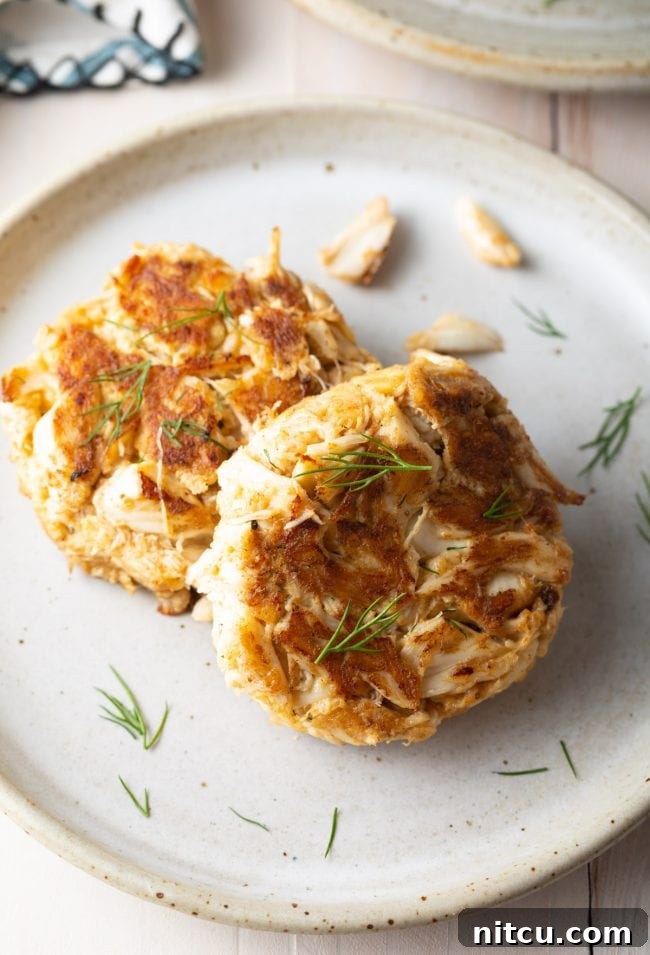
Storage and Reheating Guide for Your Crab Cakes
Proper storage ensures your delicious crab cakes remain fresh and flavorful, whether you’re enjoying leftovers or planning ahead.
- Storing Leftovers – Any leftover cooked crab cakes can be safely stored in the refrigerator. Place them in an airtight container, and they will keep well for up to 4 days. This allows you to savor the flavors for several meals.
- Reheating Leftovers – For reheating, you have a couple of options. You can gently warm them in a microwave for a quick solution, though this might soften the crisp exterior. For best results and to restore some of that crispness, reheat them in the oven at a moderate temperature (around 300-350°F or 150-175°C) for several minutes until heated through. Alternatively, a quick pan-sear can also bring back their desired texture.
- Freezing for Future Feasts – Crab cakes are excellent for freezing, making them a fantastic make-ahead option. To freeze cooked crab cakes, first allow them to cool completely. Then, individually wrap each crab cake tightly in plastic wrap. Once wrapped, place them in an airtight plastic freezer bag or a freezer-safe container. For added protection against freezer burn, you can also wrap the container in a layer of aluminum foil. They will maintain their quality in the freezer for up to 3 months. When ready to enjoy, thaw overnight in the refrigerator before reheating.
Elevate Your Meal: Inspired Serving Suggestions
These Maryland-style crab cakes are truly versatile and can be the star of any meal. Here are some ideas to serve them perfectly:
- Classic Presentation: Serve your warm crab cakes immediately with fresh lemon wedges on the side for a bright, citrusy counterpoint. A sprinkle of sliced green onions or fresh dill makes for a lovely garnish.
- Essential Seafood Sauces: No crab cake experience is complete without the perfect dipping sauce. We highly recommend pairing these fresh Maryland Crab Cakes with one or all of these classic options:
- Zesty and creamy Remoulade Sauce, adding a complex, herbaceous depth.
- Tangy and bright Tartar Sauce, with its refreshing dill and caper notes.
- Perky and spicy Cocktail Sauce, offering a bold kick of horseradish.
- Hearty Side Dishes: Transform your crab cakes into a complete and satisfying meal with these complementary sides:
- Crisp and flavorful Grilled Vegetables, adding a smoky sweetness.
- Savory Lemon Roasted Potatoes, with their tender interior and zesty finish.
- Tender Roasted Asparagus, a simple yet elegant green vegetable.
- Creamy and crunchy Southern Coleslaw, providing a cool, tangy contrast.
- Creative Serving Ideas: Beyond the plate, consider serving crab cakes:
- As mini sliders on soft buns with a dollop of remoulade for a casual appetizer.
- Flaked over a vibrant green salad for a light, luxurious lunch.
- As part of a seafood platter alongside grilled shrimp and scallops.
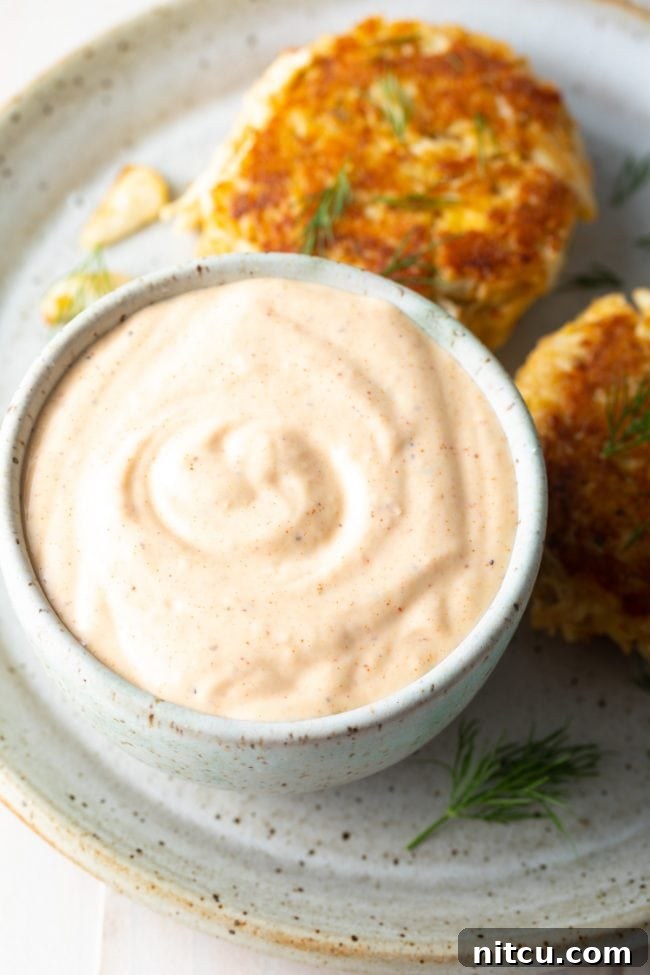

Print Recipe
Leave a Review »
Pan Seared Crab Cakes Recipe
10 minutes
10 minutes
30 minutes
50 minutes
6
crab cakes
Video
Ingredients
-
8
ounces
fresh jumbo lump crab meat
drained well -
8
ounces
fresh shredded crab meat
drained well -
½
cup
crushed saltine crackers
or 1/3 cup panko breadcrumbs -
¼
cup
mayonnaise
-
1
large
egg -
1
tablespoon
Dijon mustard
-
1
tablespoon
lemon juice -
1
tablespoon
fresh chopped parsley
or 1 tsp fresh dill -
2
teaspoons
old bay seasoning
-
3
tablespoons
butter
Instructions
-
Prepare your workstation: Set out a large mixing bowl and a rimmed baking sheet lined with parchment paper. This will facilitate easy mixing and chilling.
-
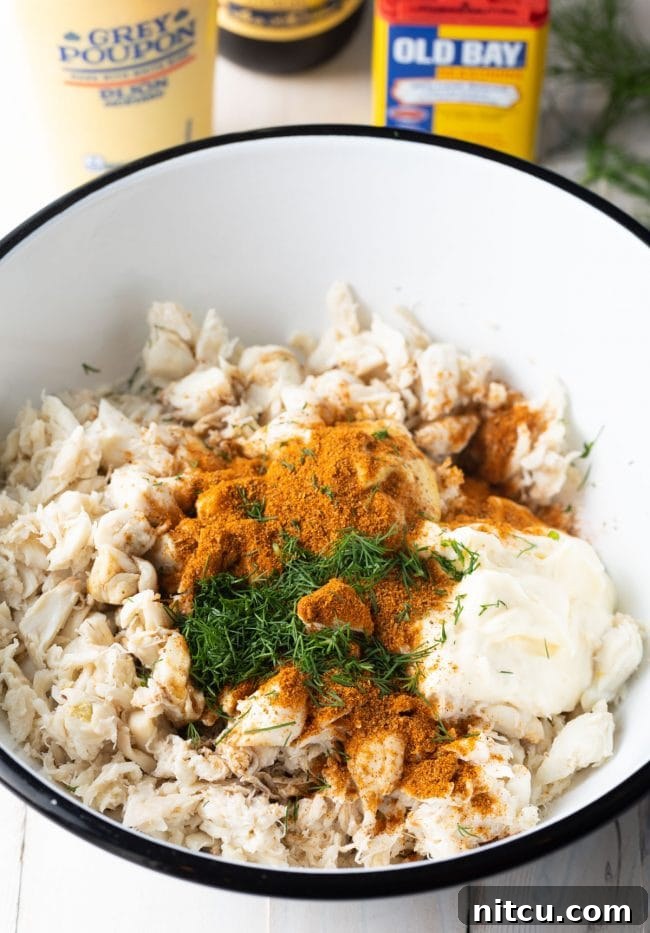
In the large mixing bowl, gently combine all the crab meat (jumbo lump and shredded), crushed saltine crackers, mayonnaise, egg, Dijon mustard, lemon juice, fresh chopped herbs (parsley or dill), and Old Bay seasoning. Mix carefully until just well incorporated, taking care not to break up the large crab chunks.
-
Form the crab cakes: Use a 1/3 cup measuring scoop to portion out 6 equal amounts of the crab mixture. Gently press each portion into a large, sturdy patty, approximately 1 ½ inch thick. Place these formed patties onto the prepared baking sheet. Cover the baking sheet with plastic wrap and chill in the refrigerator for at least 30 minutes, or up to 4 hours. This crucial step helps them set and prevents crumbling during cooking.
-
For Stovetop Cooking (Pan Seared): Heat a large skillet over medium heat. Add the butter and allow it to melt completely and become fragrant. Carefully place the chilled crab cakes into the skillet, ensuring not to overcrowd the pan. Cook for 4-5 minutes per side, or until they achieve a beautiful golden-brown and crispy exterior.
-
For Baked Crab Cakes: Preheat your oven to 450 degrees F (230°C). Melt the butter and gently drizzle it around and over the crab cakes arranged on the baking sheet. Bake for 10-12 minutes, flipping them carefully once after 5 minutes to ensure even cooking and browning. They should be golden and cooked through.
Notes
For an authentic culinary experience, always serve your Maryland Crab Cakes warm, ideally with a side of homemade tartar sauce or a zesty remoulade. These sauces perfectly complement the rich flavors of the crab.
Storage: Cooked crab cakes can be kept fresh for up to 4 days when stored in an airtight container in the refrigerator. To extend their shelf life, especially for meal prepping, individual crab cakes can be wrapped tightly in plastic wrap and then placed together in an airtight bag or another freezer-safe container. They will maintain their quality in the freezer for up to 3 months. For an extra layer of protection against freezer burn, consider wrapping the container in aluminum foil.
Nutrition
Serving:
1
crab cake
,
Calories:
217
kcal
,
Carbohydrates:
5
g
,
Protein:
16
g
,
Fat:
14
g
,
Saturated Fat:
5
g
,
Trans Fat:
1
g
,
Cholesterol:
78
mg
,
Sodium:
840
mg
,
Potassium:
191
mg
,
Fiber:
1
g
,
Sugar:
1
g
,
Vitamin A:
314
IU
,
Vitamin C:
7
mg
,
Calcium:
52
mg
,
Iron:
1
mg
Main, Main Course
American, Southern
Sommer Collier
Cook It? Love It? Rate It!
YOU can help this recipe RANK on Google – TAP 5 STARS so other hungry people can find it. Thank you!
Frequently Asked Questions About Maryland Crab Cakes
Originating from the renowned Chesapeake Bay region, Maryland crab cakes are celebrated for their unparalleled focus on the crab itself. Unlike many other crab cake varieties that might incorporate a significant amount of breading or fillers, authentic Maryland crab cakes are predominantly made of high-quality, fresh crab meat. Only a minimal amount of binder and seasoning is added, carefully chosen to enhance the natural sweetness and delicate flavor of the crab, rather than masking it. This philosophy results in a pure, rich crab experience.
There are a few common reasons why crab cakes might lose their shape. Firstly, you might not be using enough binding ingredients such as egg or mayonnaise, which are crucial for holding everything together. Secondly, failing to chill the formed crab cakes before cooking is a frequent culprit. The refrigeration step allows the ingredients to meld and the binders to firm up, creating a more stable patty that can withstand the heat of cooking. Lastly, over-mixing the crab meat can break down its delicate fibers, reducing its natural ability to bind.
Visually, cooked crab cakes should exhibit a beautiful golden and crispy exterior, regardless of whether they are pan-seared or baked. For an extra layer of certainty, especially if you’re new to making them, you can use a meat thermometer. Insert it into the thickest part of a crab cake; it should register an internal temperature of 145 degrees Fahrenheit (63°C) to ensure they are safely and thoroughly cooked.
While you technically *can* use canned crab meat, we strongly recommend using fresh, high-quality crab meat (jumbo lump and shredded) for the best flavor and texture. Canned crab meat often has a different moisture content and a less vibrant flavor profile, which can significantly impact the final taste and consistency of these Maryland-style crab cakes. If you must use canned, ensure it’s thoroughly drained and consider patting it dry to remove excess moisture.
Absolutely! Preparing the mixture ahead of time is a great way to streamline your cooking process. You can mix all the ingredients and form the patties up to 24 hours in advance. After forming, place them on a parchment-lined baking sheet, cover tightly with plastic wrap, and refrigerate. This not only saves time but also allows the flavors to meld beautifully and the cakes to firm up even more, contributing to better stability during cooking.
More Delicious Seafood Recipes You Might Like
If you loved these Maryland crab cakes, be sure to explore more of our fantastic seafood creations: