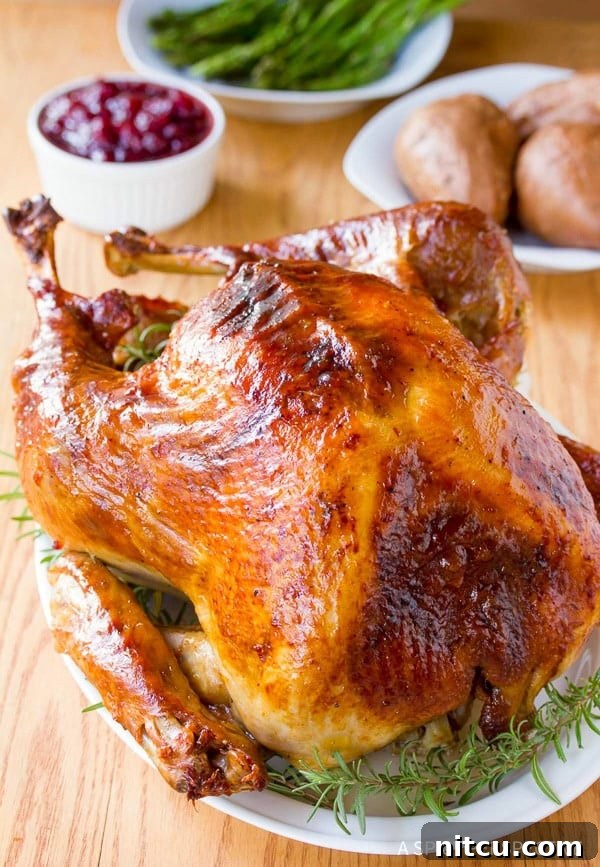
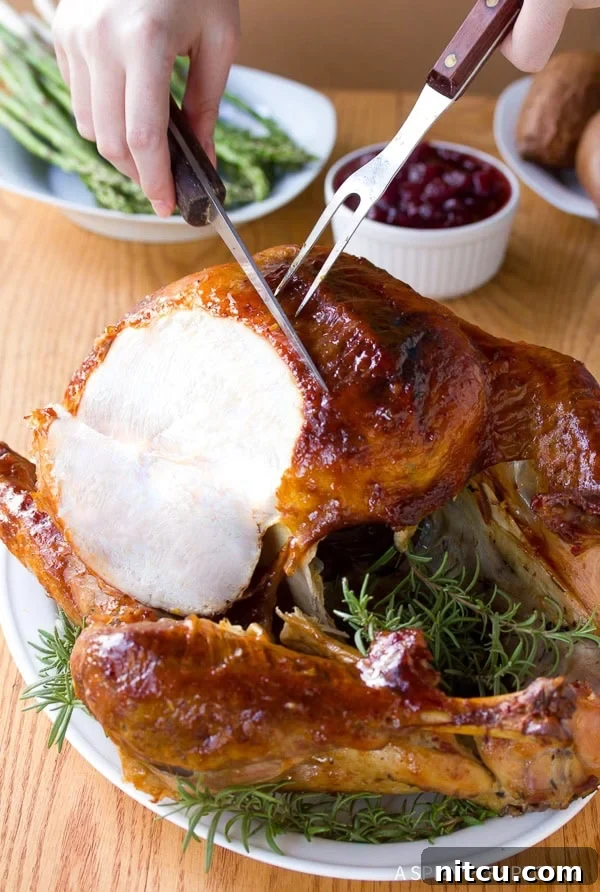
Unlock the secret to the most succulent, flavorful turkey you’ve ever tasted with our ultimate Turkey Brine Recipe. This expertly crafted blend of salt, sugar, and aromatic spices promises a holiday centerpiece that’s incredibly moist from the inside out and boasts an irresistibly crispy, golden-brown skin. Perfect for Thanksgiving, Christmas, or any special occasion, our easy-to-follow brining and roasting instructions will transform your turkey into a culinary masterpiece.

Why This Turkey Brine Recipe Will Be Your New Holiday Tradition
As the holiday season approaches, many home cooks find themselves pondering the age-old question: how can I ensure my turkey is not only cooked to perfection but also bursting with flavor and unbelievably juicy? For years, I’ve been fielding countless questions about the art of turkey brining, a technique that often feels intimidating but is, in reality, quite simple and profoundly impactful.
Common questions often include:
- Is brining truly necessary for my Thanksgiving turkey?
- What exactly does brining do to the turkey, and does it make a significant difference?
- What’s the best method for preparing a homemade turkey brine?
- How long should a turkey soak in brine before it’s ready for roasting?
- Are there any easy and mess-free ways to brine a large turkey?
- Does a brined turkey require additional seasoning before cooking?
- Can I transfer the turkey directly from the brine to the oven?
- What are the consequences of brining a turkey for too long?
It’s clear there’s a strong appetite for comprehensive guidance on turkey brining. This detailed guide is designed to address all these inquiries, providing you with a step-by-step approach to achieving the most flavorful and moist turkey you’ve ever prepared. Prepare to delight your guests with a truly unforgettable holiday meal!
The Indisputable Case for Brining Your Thanksgiving Turkey
If you’re wondering whether to invest the time in brining your holiday turkey, my answer is an emphatic YES! Brining is a non-negotiable step for anyone seeking to elevate their turkey from good to extraordinary. The difference it makes in both taste and texture is simply monumental.
Over my many years of cooking, I’ve heard numerous arguments against brining – that it’s too much effort, or that its impact on flavor is minimal. However, after roasting well over fifty turkeys using various methods, I can confidently state that brining makes all the difference. Each time I’ve attempted a shortcut or a different preparation method, I’ve been met with disappointment, without exception. A simple turkey, perfectly brined and roasted, consistently emerges as the star of any holiday feast, outshining even the most elaborately seasoned or stuffed birds.
Brining isn’t just a technique; it’s a culinary guarantee. It ensures that every bite of your turkey is infused with flavor and retains incredible moisture, preventing the dry, bland turkey that so many people dread. This year, make brining your secret weapon for a truly memorable meal.
The Science Behind the Success: What Brining Accomplishes
Soaking poultry in a flavorful brine achieves three critical outcomes that collectively transform the dining experience. Understanding these benefits will solidify why brining is such an essential step in preparing your holiday turkey:
- Deep Flavor Infusion: Brining allows the salt and aromatics to penetrate deep into the meat, far beyond just the surface. Through the process of osmosis and diffusion, the brine’s flavors are drawn into the turkey’s muscle fibers. This means every morsel, from the breast to the dark meat, is seasoned thoroughly, resulting in a more complex and satisfying flavor profile than surface seasoning alone could ever achieve. The salt also helps to break down some of the proteins, allowing the meat to absorb more moisture and flavor.
- Unmatched Moisture Retention: The salt in the brine denatures proteins in the turkey’s muscle fibers. This process causes the proteins to loosen and unravel, forming a matrix that traps moisture more effectively. As the turkey cooks, this trapped moisture is less likely to escape, leading to an exceptionally plump, juicy, and tender bird. Even if slightly overcooked, a brined turkey will remain significantly more moist than an unbrined one, ensuring a delightful bite every time.
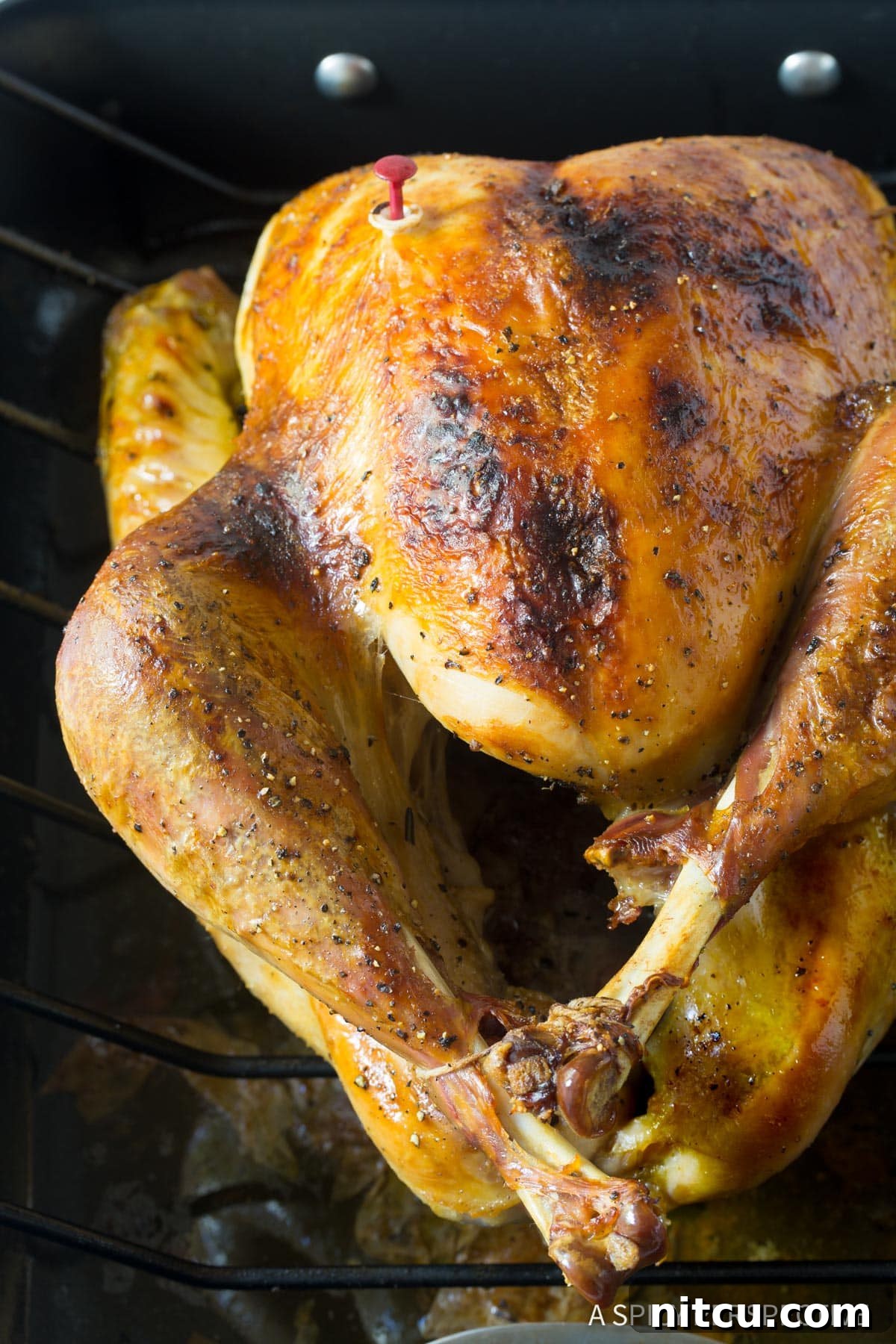
- Crispy, Golden-Brown Skin: Brining doesn’t just work wonders on the meat; it also significantly improves the quality of the skin. The salt interacts with the skin, helping it to dry out and crisp up beautifully during roasting. This results in that coveted, crackling, golden-brown exterior that is visually appealing and adds a delightful textural contrast to the tender meat beneath. Forget soggy skin – a brined turkey promises a gloriously crispy finish.
These transformative results are precisely why brining is a chef’s secret for perfect holiday poultry. Once you experience the difference, you’ll never go back!
Essential Ingredients for the Ultimate Turkey Brine
While the most basic brine consists of just water and salt, our Turkey Brine Recipe elevates this foundation by incorporating additional ingredients that infuse your turkey with rich, complex flavors. Each component plays a vital role in creating a truly exceptional bird:
The preparation is straightforward: you’ll dissolve the salt and sugar in warm water, then mix in the remaining aromatic ingredients to create a potent flavor bath.
- Gallon Warm Water: Serves as the base for our brine, allowing the salt and sugar to dissolve efficiently. You may need more depending on the size of your turkey to ensure it’s fully submerged.
- Brown Sugar: More than just sweetness, brown sugar helps balance the saltiness, adds a subtle caramel note, and contributes to the beautiful browning of the turkey skin during roasting. It’s crucial for depth of flavor.
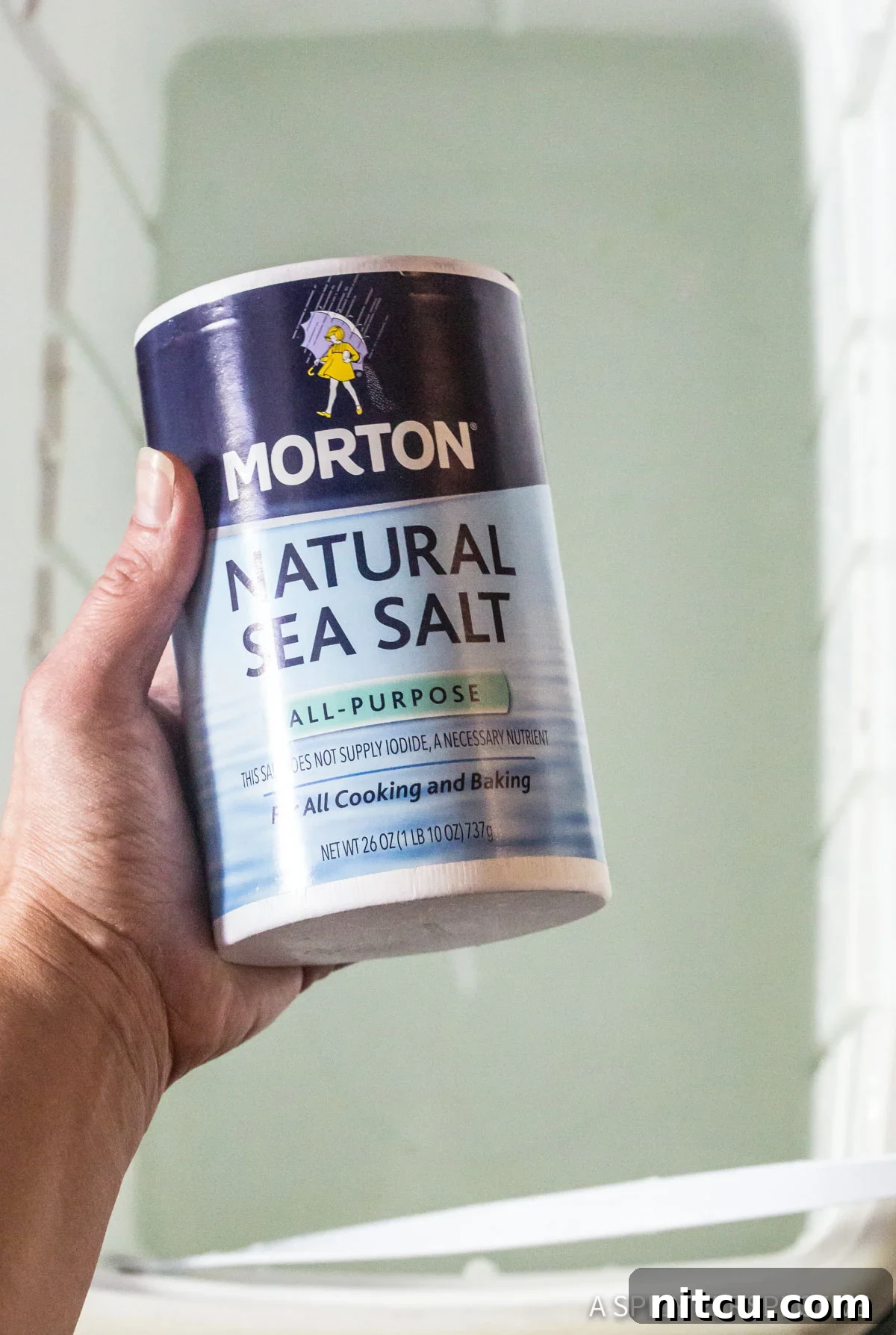
- Sea Salt (or Kosher Salt): The cornerstone of any effective brine. Use a good quality sea salt or kosher salt, as they dissolve well and provide a clean, mineral flavor. Avoid iodized table salt, which can impart a metallic taste.
- Shallots (roughly chopped, or sweet onion): These members of the onion family offer a delicate, sweet, and aromatic flavor that complements poultry without overpowering it. Roughly chopped, they release their essences into the brine.
- Garlic Cloves (smashed): A fundamental flavor enhancer, smashed garlic cloves release their pungent, savory notes more readily into the liquid, deeply flavoring the turkey.
- Whole Peppercorns: These add a subtle, spicy, and woody aroma that rounds out the brine’s profile. Whole peppercorns are preferred as they release their flavor gradually without making the brine overly peppery.
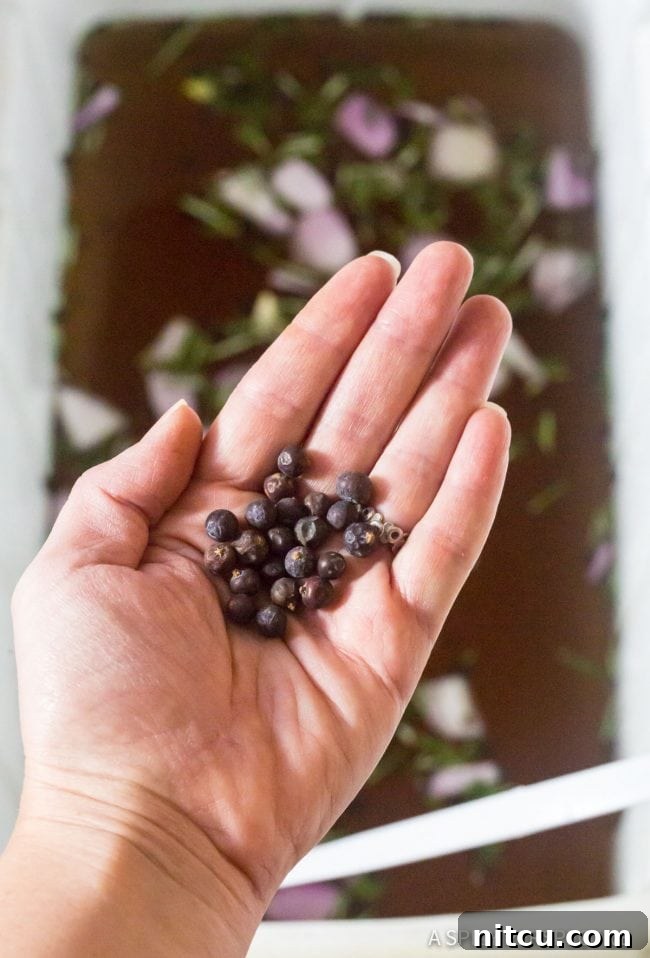
- Dried Juniper Berries (optional, or allspice berries): Juniper berries offer a distinctive piney, slightly citrusy, and resinous flavor that pairs wonderfully with poultry. If unavailable, allspice berries can provide a warm, sweet, and slightly peppery alternative.
- Fresh Rosemary (roughly chopped): Rosemary’s robust, fragrant, and slightly minty notes are classic with turkey, infusing the meat with an herbaceous aroma that evokes holiday warmth.
- Fresh Thyme: Delicate yet distinct, fresh thyme adds an earthy, savory, and slightly floral element that beautifully complements the other herbs and spices, contributing to a harmonious flavor blend.
The Easiest and Cleanest Method for Brining Your Turkey
Brining a turkey can seem like a logistical challenge, especially when refrigerator space is at a premium during holiday preparations. This is precisely why I wholeheartedly recommend brining your turkey in a cooler. This method is not only incredibly efficient but also helps free up valuable fridge space for other essential dishes like pies and casseroles.
Here’s my tried-and-true cooler brining technique:
- Prepare Your Cooler: Start with a thoroughly cleaned cooler. Wash it with hot, soapy water and rinse it well to ensure it’s spotless and food-safe.
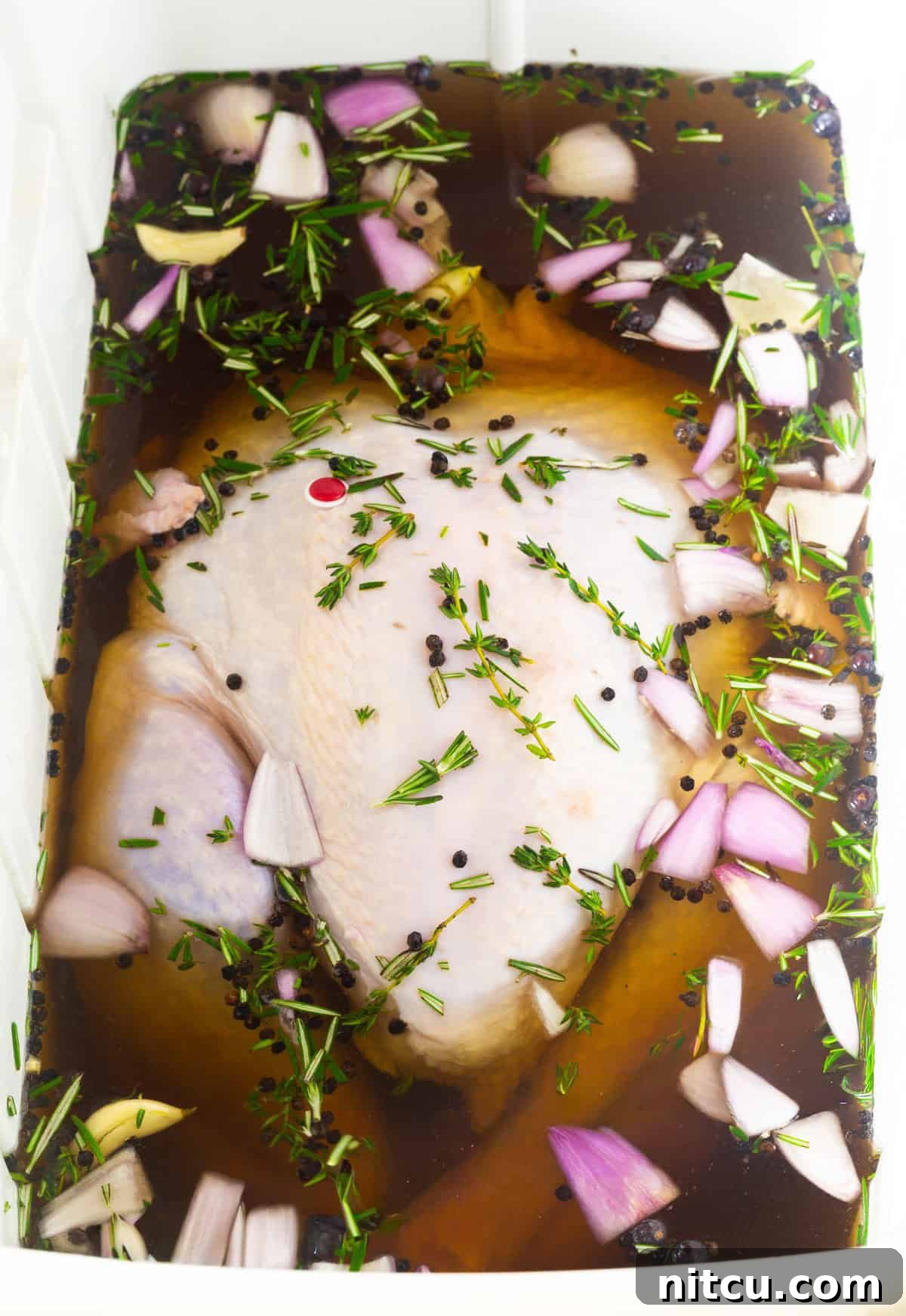
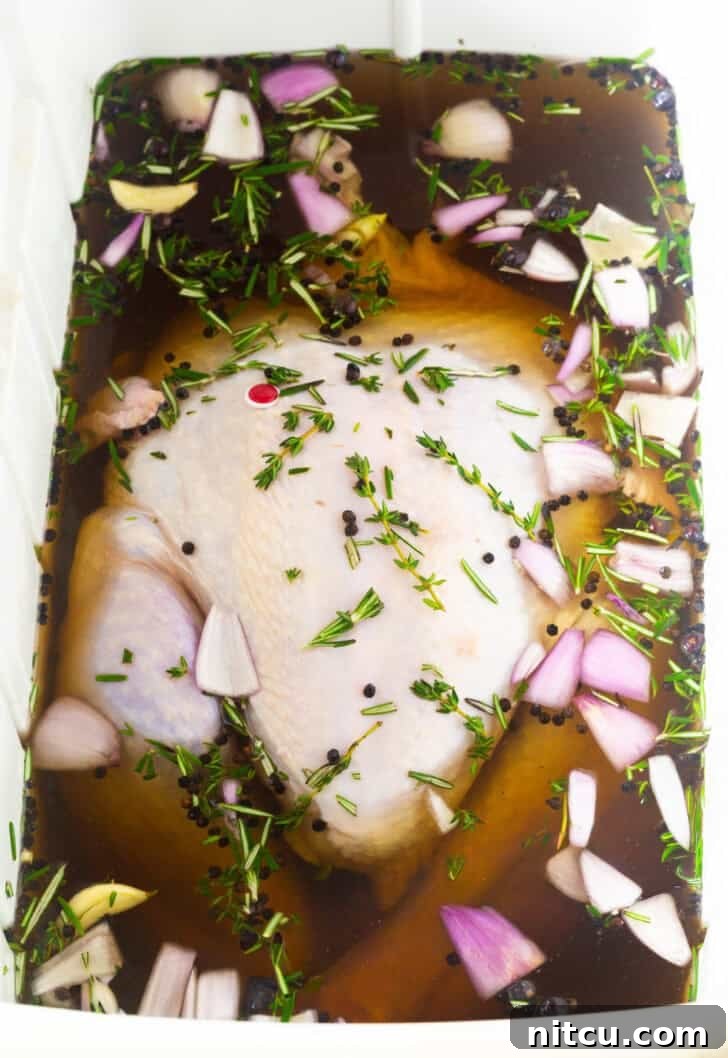
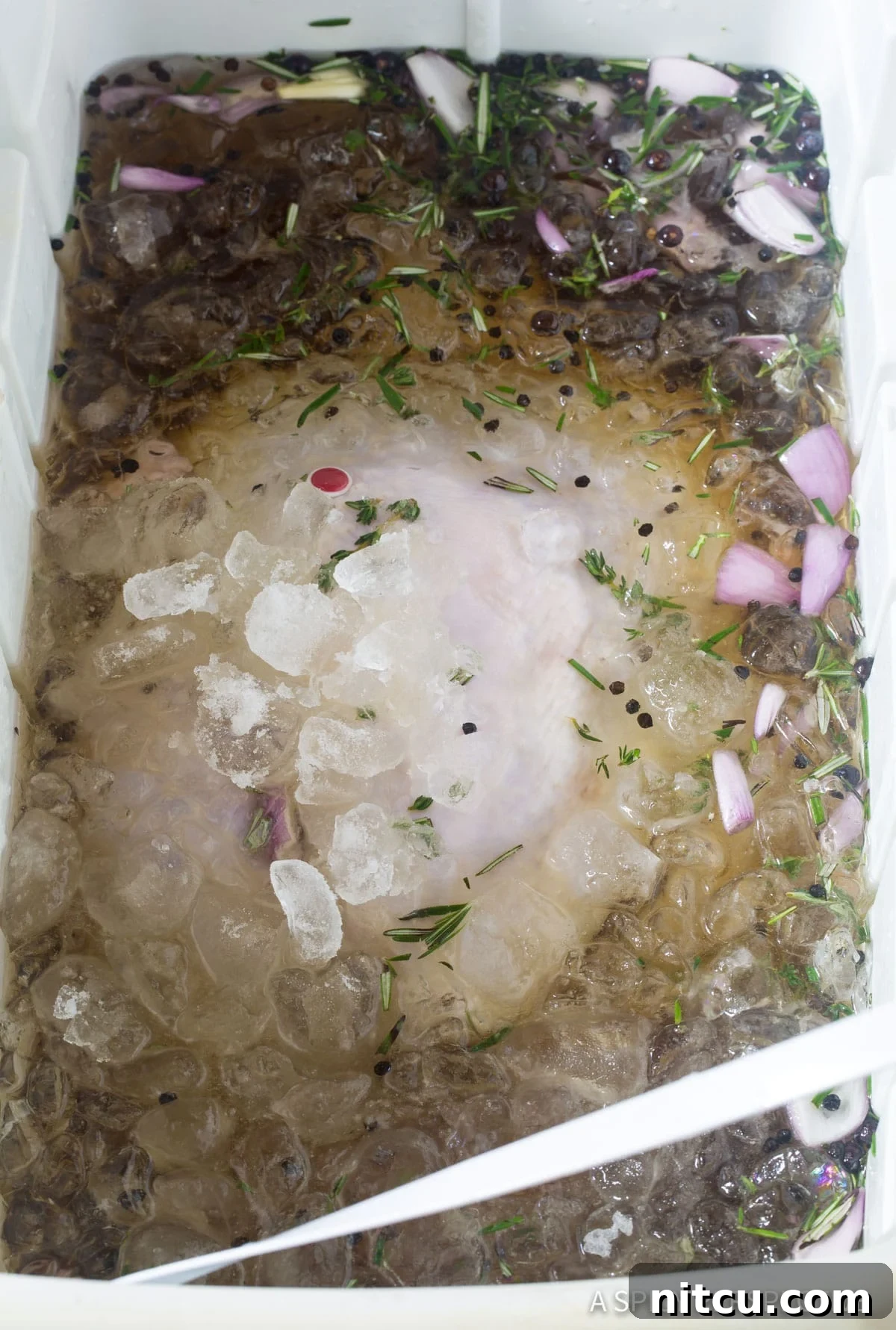
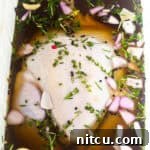
- Mix the Brine: In the clean cooler, combine your warm water, brown sugar, salt, shallots, garlic, peppercorns, juniper berries (if using), rosemary, and thyme. Stir vigorously until the salt and sugar are completely dissolved. The warm water helps speed this process.
- Submerge the Turkey: Carefully place your thawed turkey into the brine, ensuring it is fully submerged. You may need to add an additional half-gallon or more of cold water to guarantee the turkey is completely covered.
- Keep it Cold: This is the crucial step. Fill the remaining space in the cooler with plenty of ice. The ice will keep the turkey at a safe temperature (below 40°F / 4°C) throughout the brining process. Replenish the ice as needed to maintain a consistently cold environment. Your turkey can safely brine in this ice-filled cooler for up to three days, providing ample time for flavor infusion.
- Optional Drying: For the crispiest skin, you can even allow the turkey to air-dry in the cooler, resting it on a rack over ice once the brining is complete. This keeps it cold while the skin dries out.
- Easy Cleanup: Once brining is done, simply drain the brine water (I often pour it into my garden, far from any food prep areas, as a natural salt treatment for weeds). Then, spray the cooler with a disinfectant kitchen cleaner, scrub it clean, and rinse thoroughly with a hose. It’s a remarkably simple and hygienic cleanup process.
If a cooler isn’t an option, you can use a very clean, food-grade bucket or a large stockpot. However, remember that these options will likely require refrigerator space, which can be a challenge with a large turkey. The cooler method offers unparalleled convenience and space-saving benefits for your holiday cooking.
Crafting the Best Thanksgiving Turkey: Brining and Roasting Steps
Creating a truly magnificent Thanksgiving turkey involves careful planning and execution of both brining and roasting. Follow these detailed steps to ensure your turkey is the star of your holiday table:
- Prepare the Brine: Begin by placing one gallon of warm water into a clean, food-grade bucket or cooler. Add the brown sugar, sea salt, roughly chopped shallots, smashed garlic cloves, whole peppercorns, dried juniper berries (if using), fresh rosemary, and fresh thyme. Stir the mixture vigorously until both the salt and sugar are completely dissolved. This ensures even seasoning of your turkey.
- Submerge the Turkey: Carefully lower the thawed turkey into the prepared brine. Add an additional 1/2 gallon of cold water, or more if necessary, to guarantee that the turkey is fully covered by the brine. This complete submersion is crucial for uniform flavor penetration and moisture retention.
- Maintain Temperature and Brine: If using a bucket, cover it tightly with plastic wrap and place it in the refrigerator. For a cooler, fill the remaining space with plenty of ice to keep the turkey at a safe temperature (below 40°F / 4°C). Replenish ice as needed. The turkey should brine for 1 to 3 days.
- Determine Brine Duration by Size: The brining time is vital and depends on your turkey’s weight. For turkeys weighing 15 pounds or under, a brining period of 24 to 36 hours is ideal. For larger turkeys exceeding 15 pounds, you can brine for up to 3 days. Important note: If you choose to brine a smaller turkey for an extended period, reduce the amount of salt in your brine to 1/2 to 3/4 cup to prevent it from becoming overly seasoned.
- Crucial Drying Phase: Before roasting, remove the turkey from the brine water. Place it on a roasting rack set inside a roasting pan. Allow the turkey to air-dry for at least a couple of hours in the refrigerator or cooler over ice. For the absolute crispiest skin, drying it overnight is highly recommended. Pat the skin thoroughly dry with paper towels if needed. The drier the skin, the better it will brown and crisp up.
- Prepare for Roasting: Once the turkey skin is thoroughly dry, generously rub the entire surface with softened butter. While optional, you can stuff the turkey cavity with extra herbs (like rosemary and thyme sprigs) or aromatics (such as half an onion or lemon) for added fragrance, though this is not necessary for flavor after brining.
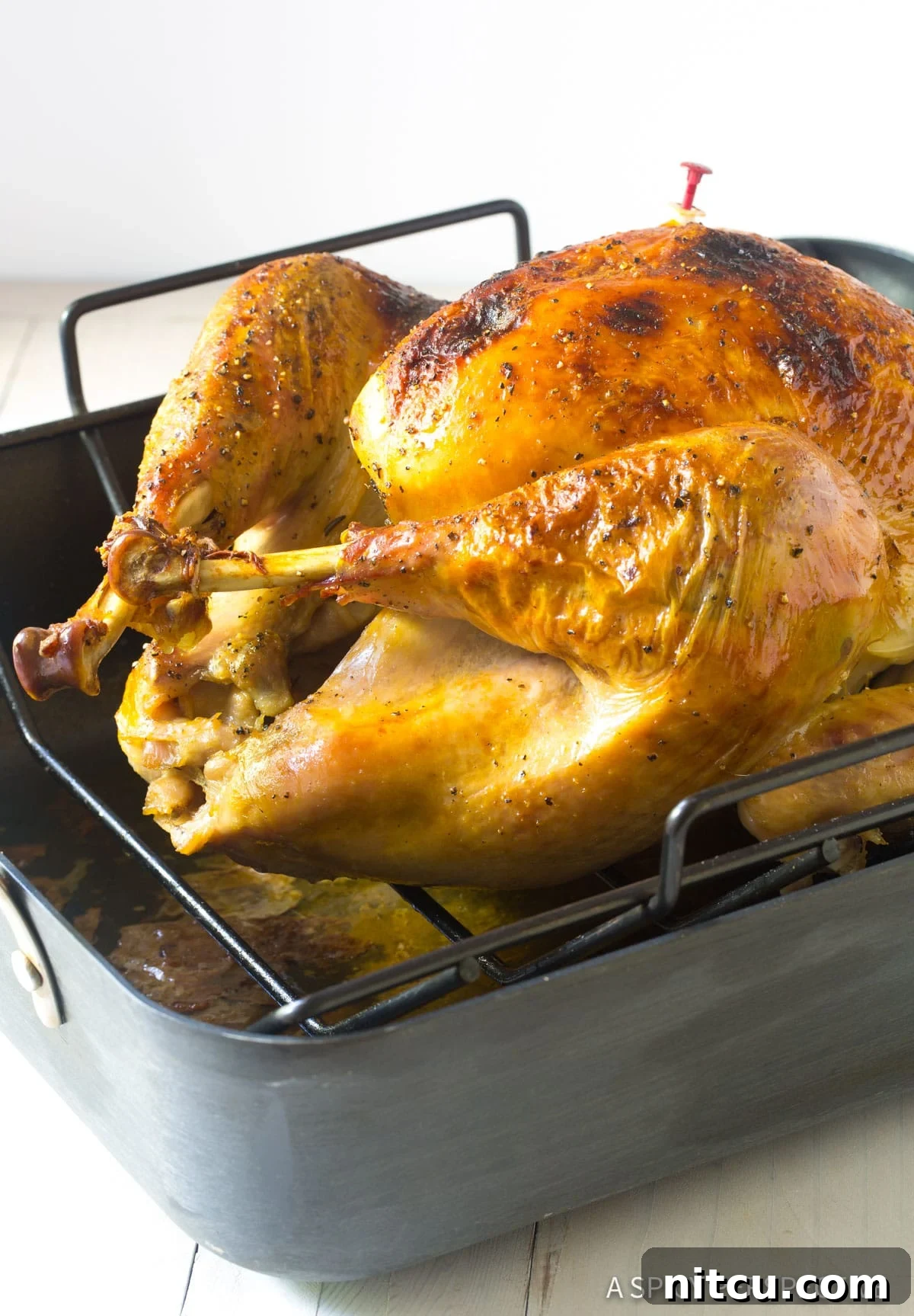
- Roast to Perfection: Preheat your oven to 325°F (160°C). Roast the turkey for approximately 15 minutes per pound. Begin roasting uncovered for the first couple of hours to encourage browning. For the final hour of cooking, lightly tent the turkey with aluminum foil to prevent the breast meat from overcooking and drying out. Always use a meat thermometer inserted into the thickest part of the breast and thigh without touching bone; the turkey is done when the internal temperature reaches 165°F (74°C).
- The Essential Resting Period: Once cooked, remove the turkey from the oven and allow it to rest, uncovered or lightly tented, for at least 25 minutes before carving. This critical step allows the juices to redistribute evenly throughout the meat, ensuring a tender and incredibly juicy result. Skipping this step can lead to dry meat, even after perfect brining and roasting.
For the full Turkey Brine recipe with precise ingredient proportions, detailed instructions, and a video tutorial, please refer to the printable recipe card section further down this post.
Expert Tips & Tricks for a Flawless Turkey
Achieving a perfectly brined and roasted turkey goes beyond just following the recipe. These additional tips and tricks will help you navigate common pitfalls and ensure your holiday turkey is nothing short of spectacular:
- Always Thaw Your Turkey Safely: Never thaw a turkey on the kitchen counter at room temperature. This creates a dangerous breeding ground for bacteria. Always thaw your turkey in the refrigerator, allowing ample time – typically 24 hours for every 4-5 pounds of turkey. A large turkey can take several days to thaw completely. Once fully thawed, it’s ready for brining.
- No Need to Rinse Before Brining: Contrary to popular belief, rinsing your raw turkey before brining is unnecessary and can even be counterproductive. Rinsing raw poultry in the sink can spread bacteria (cross-contamination) around your kitchen. The brine itself will clean and flavor the turkey effectively. Simply remove the turkey from its packaging and place it directly into the brine.
- Verify Doneness with a Meat Thermometer: The only way to truly know if your turkey is safely cooked and perfectly juicy is by checking its internal temperature with a reliable meat thermometer. Insert the thermometer into the thickest part of the breast and thigh, being careful not to touch any bone. Poultry is safely cooked when it reaches an internal temperature of 165°F (74°C).
- Embrace the Resting Time: This step is often overlooked but is absolutely critical for a juicy turkey. Once the turkey reaches its target temperature, remove it from the oven and let it rest for a minimum of 25-30 minutes before carving. During this time, the muscle fibers relax, allowing the juices that have migrated to the center of the bird during cooking to redistribute back throughout the meat. Cutting into the turkey too soon will cause these precious juices to run out, leaving you with a drier bird.
Serving Suggestions for Your Holiday Feast
Once your perfectly brined and roasted turkey is ready, it’s time to complete your holiday spread with an array of delicious side dishes. Here are some of my all-time favorites that pair beautifully with a succulent turkey:
Print Recipe
Leave a Review »
Best Turkey Brine Recipe
10
12
12
10
20
Video
(Video tutorial for the Best Turkey Brine Recipe can be found here.)
Ingredients
- 1 gallon warm water (more as needed)
- 2 cups brown sugar
- 1 cup sea salt
- 3 shallots, roughly chopped
- 6 cloves garlic, smashed
- 2 tablespoons whole peppercorns
- 2 tablespoons dried juniper berries (optional)
- 2 tablespoons fresh rosemary, roughly chopped
- 1 tablespoon fresh thyme
Instructions
-
Place a gallon of warm water in a clean bucket or cooler. Add the brown sugar, salt, shallots, garlic, herbs, and spices. Stir thoroughly to ensure the salt and sugar are completely dissolved.
-
Carefully submerge the turkey in the brine solution. Add an additional 1/2 gallon of cold water (or more) to ensure the brine fully covers the turkey.
-
If using a bucket, cover it securely with plastic wrap and place it in the refrigerator for 1 to 3 days. If using a cooler, fill it generously with ice to maintain a cold temperature for up to 3 days, replenishing ice as needed.
-
Adjust brine time based on turkey size: for turkeys 15 pounds or under, brine for 24 to 36 hours. For turkeys larger than 15 pounds, brine for up to 3 days. *To brine a smaller turkey for a longer period, reduce the salt to 1/2-3/4 cup to prevent over-seasoning.
-
Before roasting, remove the turkey from the brine and place it on a rack in a roasting pan. Allow the turkey skin to air-dry thoroughly for at least a couple of hours. Pat dry with paper towels if necessary. For the crispiest skin, drying overnight in the refrigerator (or cooler over ice) is highly recommended.
-
Once the turkey is dry, rub its skin generously and thoroughly with softened butter. You may stuff the cavity with additional herbs or aromatics if desired, though it’s not essential after brining.
-
Roast the turkey in a preheated oven at 325°F (160°C) for approximately 15 minutes per pound. Roast uncovered for the first two hours for browning, then tent loosely with foil for the final hour to prevent the breast meat from drying out. The internal temperature in the thickest part of the breast and thigh should reach 165°F (74°C).
-
Allow the turkey to rest for at least 25 minutes before carving. This crucial step allows the juices to redistribute throughout the meat, ensuring a tender and incredibly moist result.
Notes
Nutrition Information (Estimated per Serving)
Main Course
American
Sommer Collier
Cook It? Love It? Rate It!
YOU can help this recipe RANK on Google – TAP 5 STARS so other hungry people can find it. Thank you!
Frequently Asked Questions About Turkey Brining
The benefits of brining a turkey are significant and truly elevate your holiday meal. The greatest pros include achieving exceptionally juicy meat, an enhanced and more complex flavor profile that permeates the entire bird, and the highly sought-after golden, crispy skin. These advantages far outweigh any perceived drawbacks. The main “cons” involve the need for advanced planning – typically 2-3 days before you intend to cook your turkey – and the task of cleaning a large brining vessel, like a bucket or cooler, twice. However, most culinary enthusiasts agree that the superior taste and texture of a brined turkey make these minor inconveniences well worth the effort.
The optimal brining time is a critical factor and depends primarily on the size of your turkey and the concentration of salt in your brine. A general guideline is to use 1 cup of salt per gallon of water, and then brine the turkey overnight, typically for 12-18 hours for an average-sized bird (10-14 lbs). However, for larger turkeys or to achieve an even deeper flavor, I often recommend adjusting the water ratio slightly, allowing you to brine the turkey longer for an overall superior bird. For a turkey larger than 15 pounds, you can extend the brining time up to 3 days, ensuring a thorough flavor infusion. Always ensure your turkey remains fully submerged and adequately chilled throughout the entire brining process.
Brining a turkey for an excessively long period can lead to undesirable results. The primary risk is that the turkey will absorb too much salt, resulting in overly salty meat that can be unpleasant to eat. Additionally, extended exposure to the brine can begin to break down the muscle fibers too much, leading to a mushy or spongy texture rather than the desired tender juiciness. To mitigate this risk, especially when brining for longer durations (over 24-36 hours), I often recommend increasing the water-to-salt ratio slightly by adding more water than traditionally suggested. This dilutes the brine concentration, allowing for longer brining without over-salting.
No, generally, additional seasoning is not needed after brining your turkey. The beauty of a well-executed wet brine is that it seasons the meat thoroughly, from the skin down to the bone, with the salt, sugar, and aromatics infused directly into the muscle fibers. The turkey should be perfectly flavorful without any further dry rubs or spice mixtures. However, you can certainly rub the skin with butter, olive oil, or a light coating of herbs (like fresh rosemary or thyme) before roasting to enhance crispiness and add a fresh aromatic touch, but avoid adding more salt-based seasonings.
Absolutely! Our brine recipe provides a fantastic foundation, but you can certainly customize it to your taste preferences. Consider adding ingredients such as apple juice or apple cider for a touch of fruity sweetness and acidity, sliced lemons or oranges for bright citrus notes, or even baking spices like cinnamon sticks and whole nutmeg for a warm, autumnal aroma. A splash of bourbon or brandy can also add a sophisticated depth of flavor. Additional fresh herbs like sage or marjoram are also excellent choices. Experiment with what you love, always keeping in mind the balance of flavors.
While technically possible, for the absolute best results – particularly for achieving that coveted golden-brown, crispy skin – you should always allow the turkey to dry thoroughly after removing it from the brine and before placing it in the oven. Moisture on the skin will steam rather than crisp. By air-drying the turkey for several hours (or even overnight in the refrigerator), you’re promoting dehydration of the skin, which is key for crispiness. After drying, rubbing the skin with butter or oil further enhances its texture and contributes to a beautiful, even browning.
The pan drippings from a brined turkey can sometimes be more concentrated in salt, but they are usually still suitable for making gravy, provided the turkey hasn’t been over-brined. It’s always a good idea to taste the drippings first. If you find them to be overly salty for your gravy, there are simple solutions. You can easily thin them out with low-sodium chicken or turkey broth, or even just water, to achieve your desired flavor balance. You can also incorporate other unsalted liquids or flavor enhancers, like unsalted butter or a splash of wine, to mellow the saltiness and enrich the gravy’s taste. For a comprehensive guide, refer to our turkey gravy recipe.
Both dry brining and wet brining aim to improve the flavor and moisture of poultry, but they achieve this through different mechanisms and yield distinct results. A dry brine involves covering the turkey (or chicken) in a thick layer of salt, sometimes mixed with herbs and spices, but without any added liquid. The salt draws out the turkey’s natural juices, mixes with them, and then those re-absorbed, seasoned juices enhance the meat. Dry brining typically requires less cleanup than wet brining and certainly improves flavor and moisture compared to no brining at all. However, in my humble opinion, it’s still not as effective as a traditional wet brine.
Wet brines, like the one in this recipe, offer several key advantages. They allow you to infuse a much wider array of flavors beyond just salt. You’re flavoring the turkey with a touch of sweetness from brown sugar, fragrant herbs like rosemary and thyme, and aromatic spices such as peppercorns and juniper berries. Furthermore, the liquid medium of a wet brine is incredibly efficient at penetrating all the nooks and crannies of the turkey, ensuring uniform flavor distribution and superior moisture retention throughout the entire bird. While we’ve experimented with both methods extensively, the consistent juiciness, profound flavor, and perfectly crispy skin achieved with a wet brine make it my preferred choice every single time. This technique also works wonders if you choose to brine a whole chicken, delivering amazing flavor and moisture.
Brining is merely the crucial first step on the journey to a perfectly flavorful and moist turkey. Once your turkey has been adequately brined and air-dried as instructed, it’s ready for cooking. You will roast it following the detailed instructions provided earlier in this post, under the “How To Make The Best Thanksgiving Turkey Ever” section. This includes guidance on oven temperature, roasting time per pound, when to tent with foil, and crucial internal temperature checks to ensure a safe and delicious result.
Creative Ideas for Your Leftover Turkey
One of the joys of cooking a large turkey is the abundance of delicious leftovers! Your perfectly brined turkey will be incredibly flavorful, making it ideal for transforming into a variety of exciting dishes. Don’t let those precious leftovers go to waste; here are some fantastic ideas to enjoy them:
More Delicious Holiday Recipes to Complete Your Feast
Elevate your entire holiday meal with these delectable recipes, perfect for complementing your perfectly brined turkey or for any festive gathering: