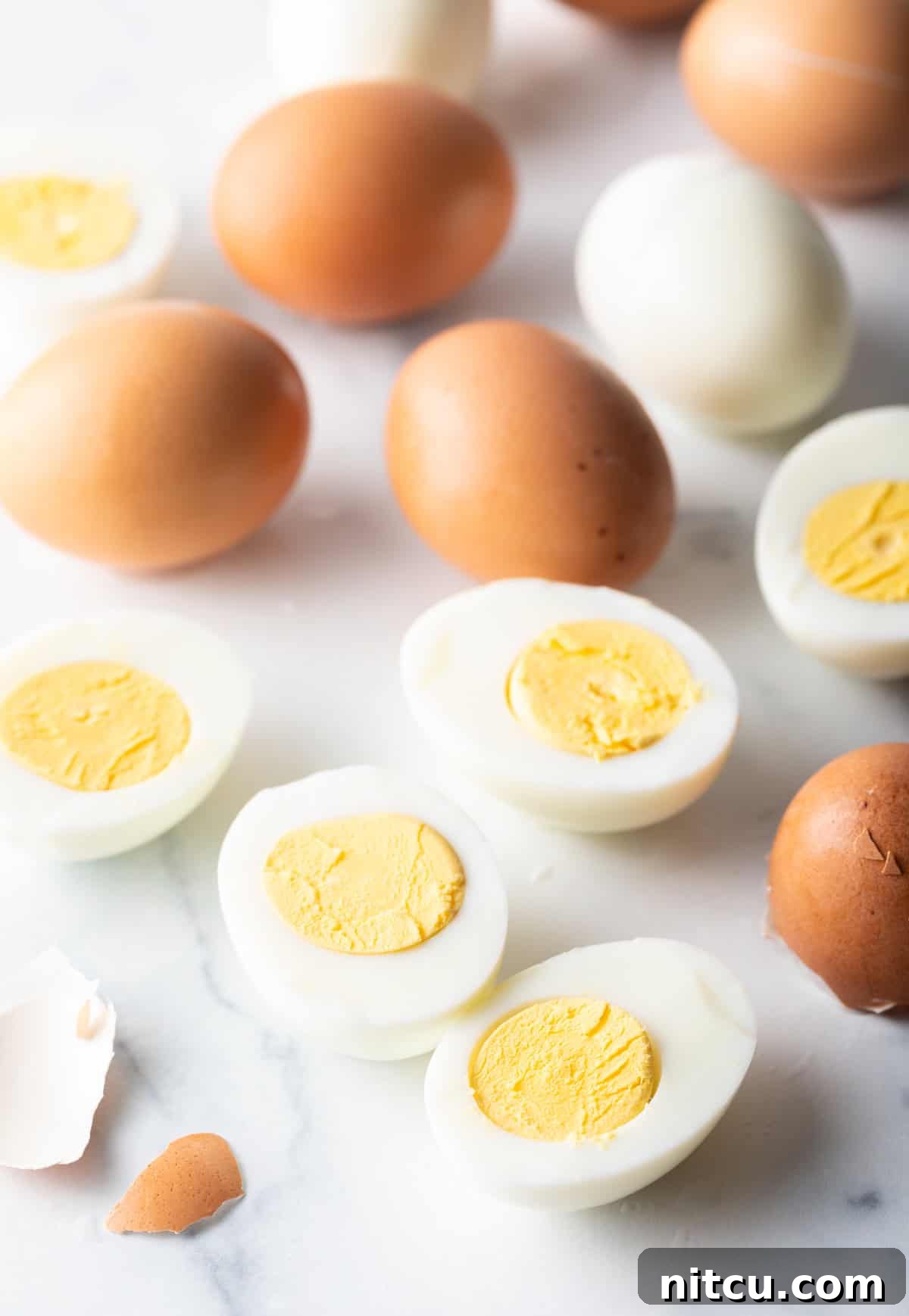
Master the art of perfectly hard-boiled eggs with our step-by-step guide. Achieve easy-to-peel shells, firm, and flawlessly silky yolks every single time!
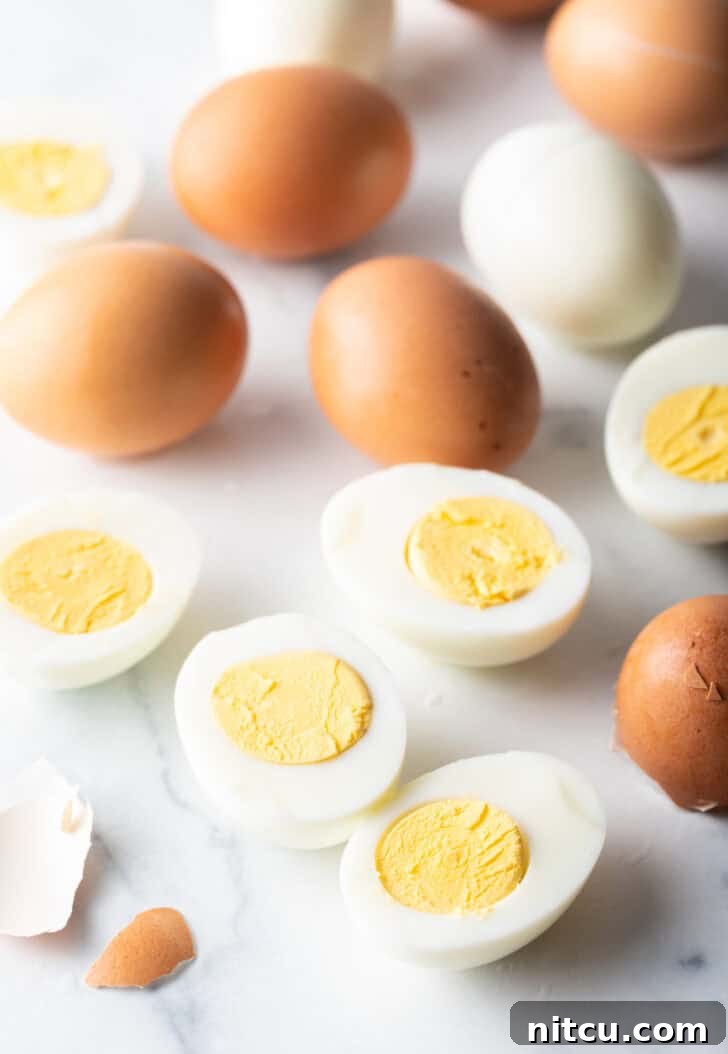
Unlock the Secret to Perfect Hard-Boiled Eggs: Our Go-To Recipe
Hard-boiled eggs are a culinary staple, a foundational recipe every home chef should master, regardless of experience. They are incredibly versatile, nutritious, and a testament to simple cooking done right. For years, we’ve meticulously tested and refined countless methods to bring you the definitive guide to making perfect hard-boiled eggs that are genuinely easy to peel. Say goodbye to frustrating shell fragments and unsightly green rings around your yolks. Our proven technique promises consistent results, ensuring beautiful, firm, and tender yolks with minimal effort.

Sommer’s Expert Tips for Flawless Eggs
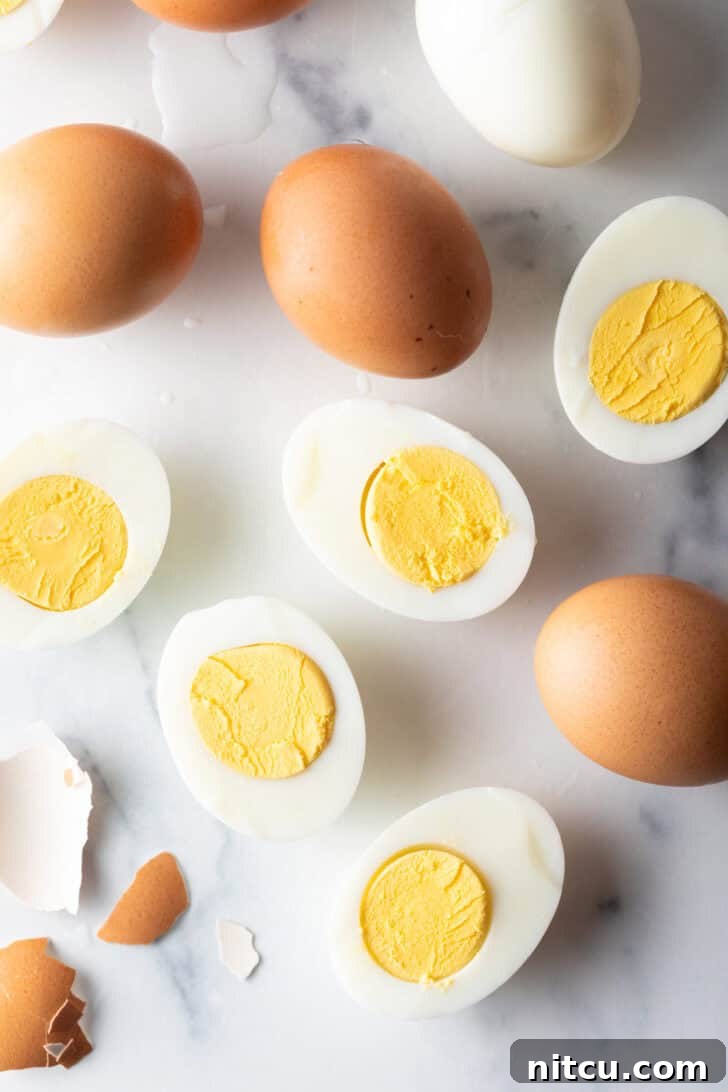
This comprehensive guide walks you through every foolproof step of hard-boiling eggs. We’ll share invaluable tips to prepare you before you even start, alongside the ultimate tricks for peeling the perfect egg effortlessly. With these simple yet effective techniques, you are practically guaranteed to achieve eggs with firm, tender, and vibrant yellow yolks – no more of that dreaded gray-green discoloration. Our method is designed for success, turning a seemingly basic task into a consistent win in your kitchen.
These versatile hard-boiled eggs aren’t just for breakfast. They’re a fantastic addition to various salads, a convenient and healthy snack or on-the-go breakfast, and a protein-packed ingredient in countless savory dishes. Boil a dozen today and keep them refrigerated to enjoy throughout the week, offering a delicious and nutritious boost of protein whenever you need it. From quick snacks to elaborate meals, perfectly cooked hard-boiled eggs elevate any dish.
Essential Preparatory Tips for Hard-Boiling Eggs
Achieving perfectly cooked and effortlessly peelable hard-boiled eggs begins even before the water heats up. Knowing a few simple tricks can make all the difference, transforming a potentially frustrating process into a consistently smooth one. These foundational tips are key to unlocking the best results every time:
- Opt for Older Eggs: Fresh eggs are notoriously difficult to peel because the inner membrane adheres very tightly to the shell. As eggs age, the pH level changes, causing the membrane to separate more easily from the cooked egg white. Using eggs that have been in your refrigerator for about a week or two will significantly improve peelability.
- Incorporate an Acidic Element into the Water: Adding a small splash of distilled white vinegar or a squeeze of lemon juice to your boiling water is a game-changer. This acidic addition helps to slightly soften the eggshell and, more importantly, aids in the denaturation of the egg white, causing it to coagulate and pull away from the shell more readily. This simple step can dramatically reduce sticking.
- Prepare an Ice Bath Ahead of Time: Before your eggs even start cooking, have a large bowl filled with ice and cold water ready. This “ice bath” is crucial for stopping the cooking process immediately after the eggs are done and is a non-negotiable step for easy peeling and preventing overcooked yolks.
- Gentle Cracking Before the Ice Bath: Once the eggs are cooked, gently tap them on a hard surface or against each other (while still in the pot or carefully transferred) to create tiny cracks across the shell. This allows the ice water to seep between the shell and the egg white during the chilling process, further aiding in separation.
- Never Skip the Ice Bath (Shocking): The rapid cooling provided by an ice bath does two vital jobs. Firstly, it halts the cooking, preventing the yolk from developing the undesirable grayish-green ring (caused by a reaction between iron and sulfur compounds). Secondly, the sudden temperature change causes the egg white to contract, pulling away from the shell and making it much easier to peel.
- Rinse and Dry for a Clean Finish: After peeling, quickly rinse your hard-boiled eggs under cold water. This ensures that any tiny fragments of eggshell that might still be clinging to the surface are thoroughly removed. Then, gently pat the eggs dry with a clean, lint-free paper towel or a soft dishtowel before storing or serving.
Essential Ingredients and Equipment for Hard-Boiling Eggs
Making perfect hard-boiled eggs requires only a few basic ingredients and standard kitchen tools. Quality ingredients and appropriate equipment contribute significantly to the success of your endeavors.
- Eggs: For consistent results, we recommend using large eggs. Ideally, bring them to room temperature before cooking. This helps prevent cracking when they’re introduced to hot water and promotes more even cooking. Older eggs (about a week or two past their purchase date) are also preferred for easier peeling.
- Vinegar: Distilled white vinegar is the best choice. As mentioned, a tablespoon added to the water assists in softening the shell and separating the egg white, leading to a smoother peeling experience. Lemon juice can be used as an alternative.
- Water: You’ll need enough cold water to fully submerge your eggs in the cooking pot, ensuring they are covered by at least one inch of water.
- Ice: A generous amount of small ice cubes is essential for creating an effective ice bath, which is critical for stopping the cooking process and facilitating easy peeling.
Regarding equipment, a large, deep cooking pot is necessary. It’s important that the pot is spacious enough to accommodate all your eggs without overcrowding them. While the eggs can gently touch each other (which can actually help prevent excessive bouncing around during boiling), they should not be stacked or packed too tightly. Overcrowding can lead to uneven cooking and more cracks.
Step-by-Step Guide: How to Make Perfect Hard-Boiled Eggs
Follow these detailed instructions to achieve consistently perfect, easy-to-peel hard-boiled eggs. This method focuses on precise timing and temperature control for optimal results.
Determining the Ideal Cooking Time for Your Eggs
The cooking time for hard-boiled eggs can be adjusted to achieve different yolk consistencies:
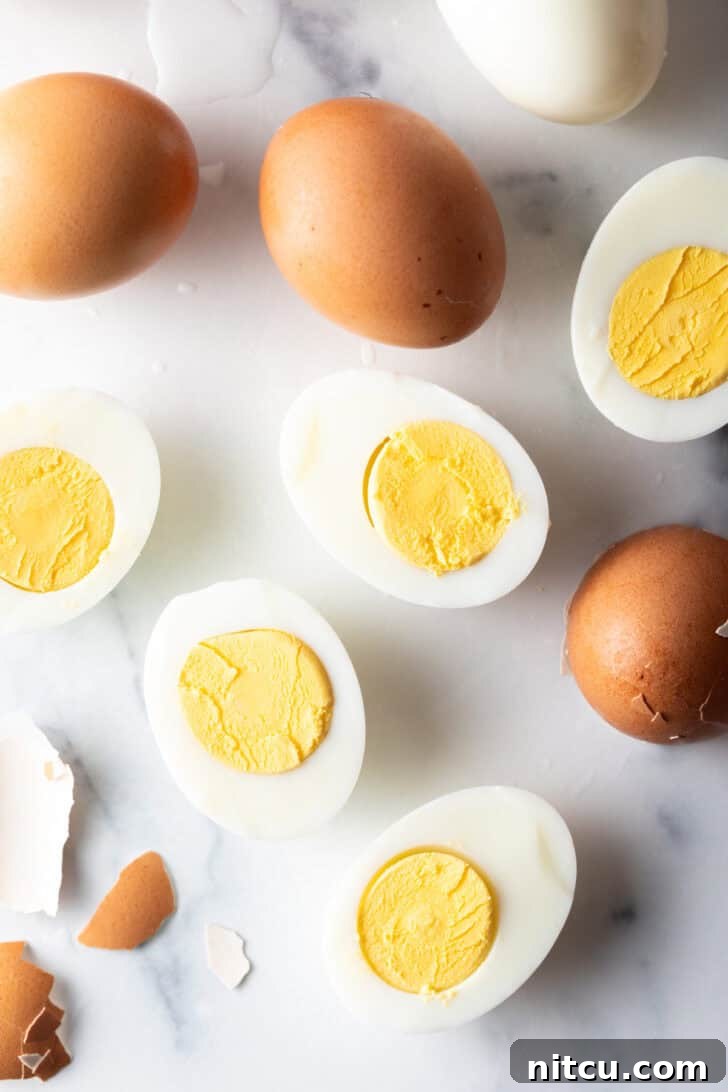
- For Soft-Boiled (Jammy/Custard-like) Eggs: If you prefer a cooked but slightly softer, jammy, or custard-like interior, set your timer for 9-10 minutes once the water reaches a boil. This timing results in a beautifully creamy yolk that’s perfect for toast, salads, or simply enjoyed with a pinch of salt.
- For Fully Cooked and Firm Eggs: For classic hard-boiled eggs with a yolk that is fully cooked and firm throughout, boil them for 12 minutes in the saucepan. This ensures a solid, crumbly texture ideal for egg salad, deviled eggs, or as a hearty snack.
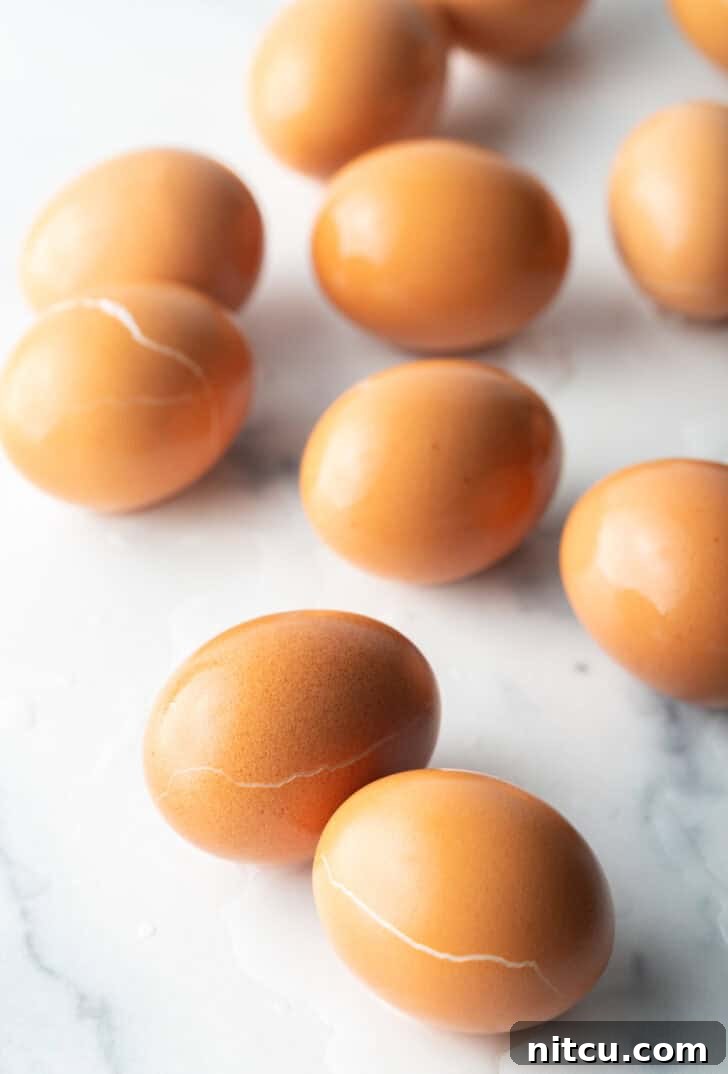
Pro Tip: Avoid Overcooking. It’s crucial not to boil the eggs for longer than recommended. Overcooked yolks often develop an unappetizing grayish-green ring around the perimeter, a result of a reaction between sulfur in the egg white and iron in the yolk. While perfectly safe to eat, this discoloration detracts from the visual appeal. Slight cracking during cooking is actually a beneficial occurrence, as it can aid in making the eggs easier to peel later on.
Expert Techniques for Effortless Hard-Boiled Egg Peeling
The key to easily peeling hard-boiled eggs lies in a combination of proper cooking and immediate post-cooking treatment. Follow these expert tips for a smooth and frustration-free peeling experience:
- Prevent Overcooking from the Start: The very moment your water just begins to boil and small bubbles appear, take the pot off the heat. Do not wait for a vigorous rolling boil, as this can cause the eggs to crack too prematurely and aggressively, potentially leading to overcooking and making peeling more challenging.
- Rapid Cooling is Crucial: The ice bath, or “shocking” process, is not optional. Immersing the hot eggs immediately into ice water instantly halts the cooking process, preventing the yolks from overcooking and turning green. More importantly for peeling, the sudden temperature change causes the egg white to contract and pull away from the shell, significantly reducing stickiness. Ensure your ice bath has plenty of ice for maximum effectiveness.
- Crack Them While Submerged in Water: Once the eggs have cooled sufficiently in the ice bath, gently tap them to create small cracks all over the shell, ideally while they are still partially submerged in the water. This allows some water to seep in between the membrane and the egg white. This internal lubrication, combined with the rapid cooling, helps to gently push the shell away from the firm white, making it practically pop off during peeling.
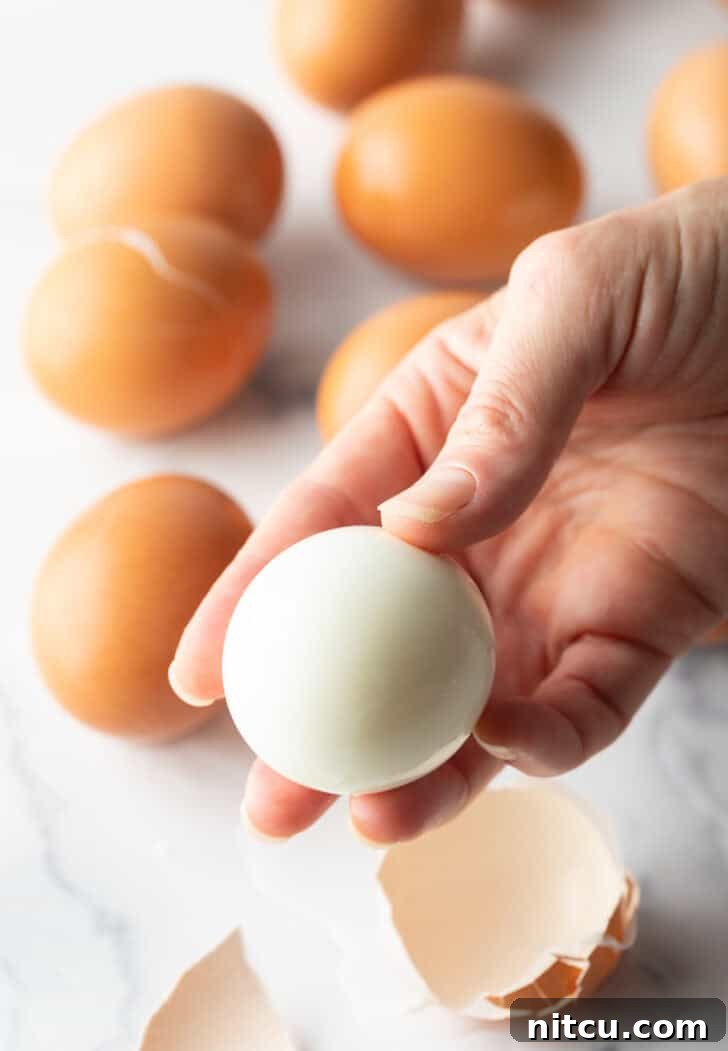
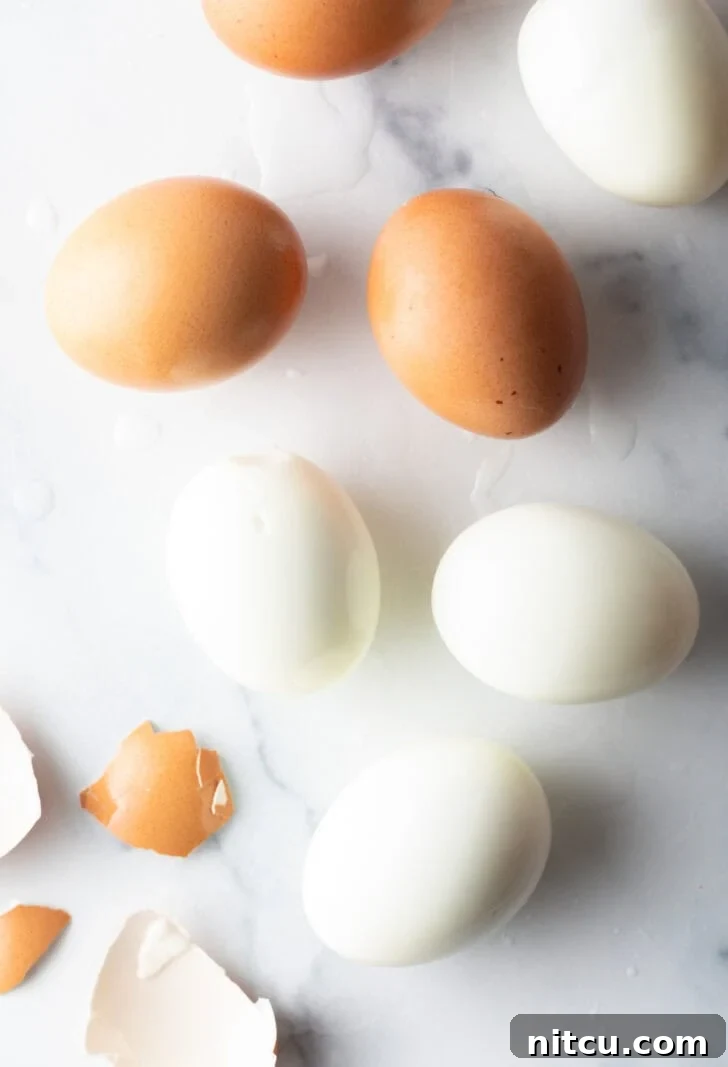
- Gentle Rolling for Initial Cracks: Before you start peeling, place a hard-boiled egg sideways on a clean, firm countertop. Using the palm of your hand, gently roll the egg back and forth with light pressure. The goal is to create a network of fine cracks across the entire shell without squishing the egg itself. This technique breaks up the shell into smaller, more manageable pieces for easier removal.
- Lift and Peel, Don’t Rub: When you begin to peel, try to get the tips of your thumbs or fingers under a larger section of the cracked shell. Then, lift up and away in a steady motion. Resist the urge to rub or scrape the shell off with your nails, as this often leads to digging into the egg white and removing large chunks along with the shell, leaving a less-than-perfect appearance. Aim for larger sections of shell to come off at once.
Creative Culinary Uses for Your Perfect Hard-Boiled Eggs
The beauty of perfectly hard-boiled eggs lies in their incredible versatility. This delicious, protein-packed powerhouse can be incorporated into countless dishes, making meal prep and healthy eating effortless. Where do we even begin to explore their potential?
Let’s start with the most important meal of the day: Hard-boiled eggs are brilliant to have on hand for a quick, nutritious breakfast. Enjoy them simply on their own, sliced onto creamy Avocado Toast, or as a satisfying topping for a vibrant Breakfast Salad (yes, it’s a real and incredibly delicious concept!).
Moving on to lunchtime, picnics, and potlucks, hard-boiled eggs are a star ingredient in many classic cold and creamy salad recipes:
- Deviled Egg Potato Salad: A comforting blend of creamy potatoes and the rich flavor of deviled eggs.
- Creamy Deviled Egg Pasta Salad: A delightful twist on two favorites, combining pasta with the beloved flavors of deviled eggs.
- Best Potato Salad Recipe Ever (Seriously): Elevated by the addition of perfectly diced hard-boiled eggs.
- And, of course, the ever-popular egg salad for delicious egg salad sandwiches, a timeless classic!
Speaking of deviled eggs, this recipe serves as a magnificent base for creating all kinds of deviled egg variations, some with exciting twists:
- Avocado Deviled Eggs with Bacon and Pomegranate: A gourmet take, offering creamy avocado, crispy bacon, and a burst of pomegranate sweetness.
- Deviled Eggs with Capers AKA Angel Eggs: A sophisticated version with the briny tang of capers.
- Pimento Cheese Deviled Eggs: A Southern-inspired delight, combining the classic pimento cheese flavor with creamy egg yolk.
Firm and tender hard-boiled eggs are also fabulous for adding essential protein and texture on top of crunchy, cold, and refreshing salads and bowls, turning a simple dish into a complete meal:
- Summer Cobb Salad: A colorful and hearty salad, perfectly complemented by sliced hard-boiled eggs.
- Guatemalan Fiambre Salad: A traditional, elaborate salad often featuring beautifully arranged eggs.
- Protein Power Bowls: An excellent addition for a significant protein boost to any customized bowl.
They are also incredibly delicious for adding extra protein and richness to warm savory dishes, such as comforting ramen noodles! Here are a few of our favorites:
- Chicken Katsu Ramen: A flavorful ramen dish, made even better with a perfectly halved hard-boiled egg.
- Slow Cooker Chicken Ramen Noodles: Easy and comforting, enhanced by the creamy yolk of a hard-boiled egg.
Beyond these, explore other flavorful dishes like Chilaquiles with Marinated Skirt Steak, where a fried or hard-boiled egg can complement the savory flavors, or Chicken Congee (Jook Rice Porridge), where a sliced hard-boiled egg adds substance and creaminess.
For a SUPER fun, delicious, and exciting way to transform your hard-boiled eggs, you absolutely must try this Spicy Beet Pickled Eggs recipe! They offer a vibrant color and a tangy, zesty flavor that is truly unique.
Frequently Asked Questions About Hard-Boiling Eggs
No, for perfect hard-boiled eggs, it’s always best to start with cold water. Placing eggs directly into already boiling water can cause them to crack due to the sudden temperature change and often leads to overcooking. Starting with cold water and bringing it to a boil with the eggs ensures a more gradual and even cooking process, helping to prevent the dreaded green ring around the yolk and making them easier to peel.
Hard-boiled eggs, when stored properly, can last for a significant period. The best way to store them is in an airtight container to prevent any strong odors from permeating their delicate flavor and to keep them fresh. If stored well, they will keep for up to a week in the refrigerator. This makes them an excellent option for meal prepping healthy snacks or quick additions to meals throughout the week.
Both methods are acceptable, but there’s a slight advantage to keeping the shells on. Eggs with their shells left intact will generally keep fresh for a few days longer in the refrigerator, as the shell acts as a natural protective barrier. If you peel them, store them in an airtight container with a damp paper towel to maintain moisture and prevent them from drying out.
Absolutely! This is a fantastic hard-boiled egg recipe for preparing eggs that you intend to dye for Easter. The method ensures firm whites and perfect yolks, which are ideal for handling and coloring. However, if you plan to dye the eggs after boiling, it’s crucial that you DO NOT crack them in the water during the cooling process, as cracks will allow the dye to seep into the egg white. Also, be sure to let the eggs cool completely and dry them thoroughly before proceeding with the dyeing process for the best results.
Discover More Egg-cellent Recipes!
If you’ve enjoyed mastering the perfect hard-boiled egg, you’ll love exploring these other incredible egg-based recipes. Eggs are a culinary marvel, and these dishes showcase their versatility and deliciousness:
- Easy Egg Bites Recipe: Perfect for meal prep or a quick, protein-packed breakfast on the go.
- Huevos Rancheros: A vibrant and flavorful Mexican breakfast classic that’s a true crowd-pleaser.
- How to Make Over Easy Eggs: Master the technique for perfectly runny yolks and tender whites.
- Easy Eggs Benedict Casserole: All the indulgent flavors of Eggs Benedict in a convenient casserole form.
- Egg White Frittata with Spinach: A light, healthy, and customizable frittata, ideal for any meal.
- Homemade Egg Drop Soup: A comforting and quick Chinese-inspired soup, perfect for a cozy evening.
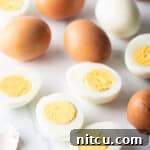
Perfect Hard-Boiled Eggs (Easy Peel!)
Prep Time: 10 minutes
Cook Time: 10 minutes
Chill Time: 25 minutes
Total Time: 45 minutes
Learn step-by-step the best way to hard boil eggs so they’re easy to peel and have perfect, firm, and silky yolks every time!
Servings: 12 eggs
Ingredients
- 12 large eggs
- 1 tablespoon white vinegar or lemon juice
- Water
- Ice
Instructions
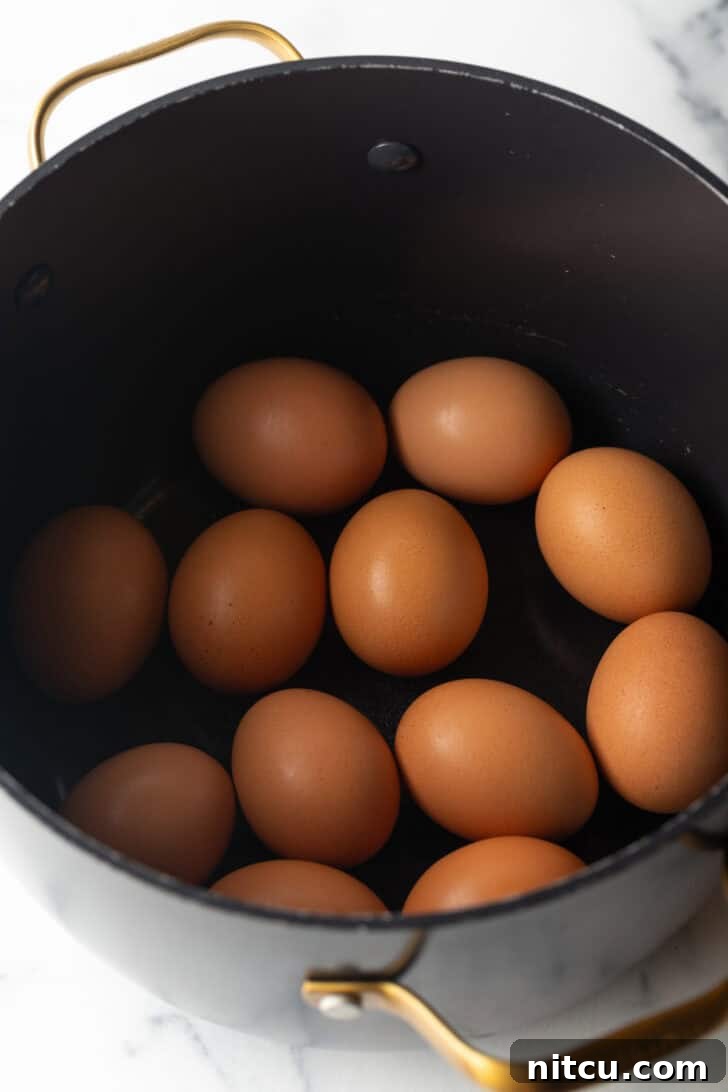
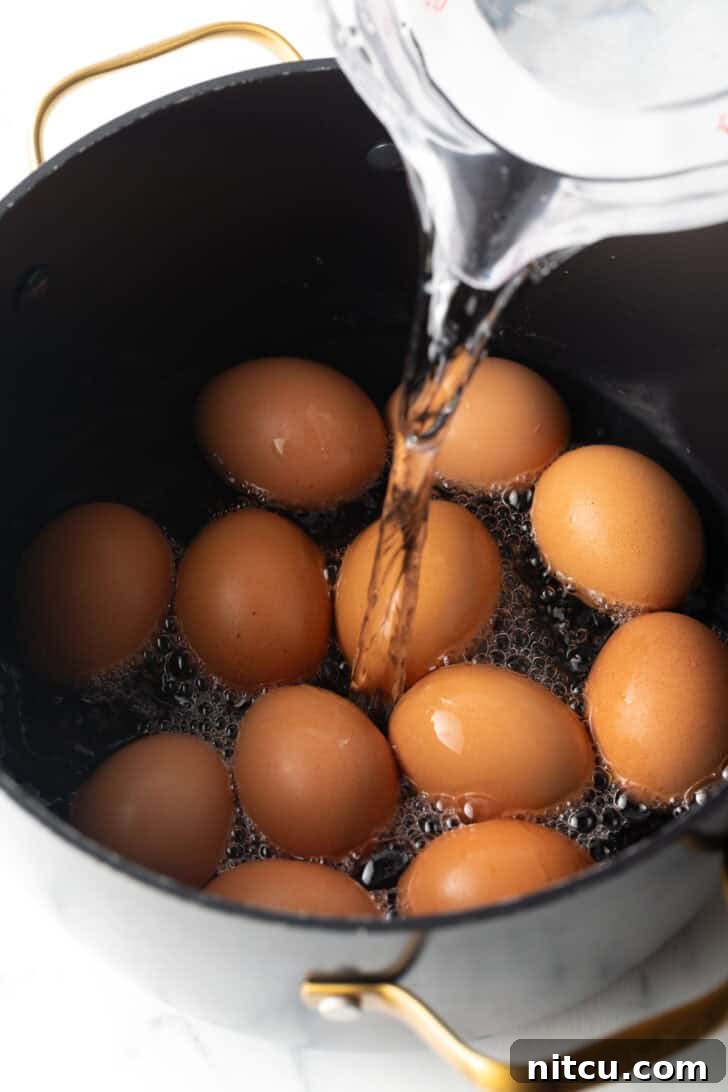
- Place the eggs in a medium saucepan. Cover the eggs with cold water, ensuring the water level is at least 1 inch above the top of the eggs. Pour in 1 tablespoon of vinegar or lemon juice.
- Place the pot over high heat. Bring the water to a full boil. The moment the water begins to boil vigorously, set your timer for 9-12 minutes.
- For soft-boiled eggs with a cooked but slightly softer, custard-like interior, stop the cooking process at 9-10 minutes.
- For fully cooked and firm hard-boiled eggs, boil for 12 minutes.
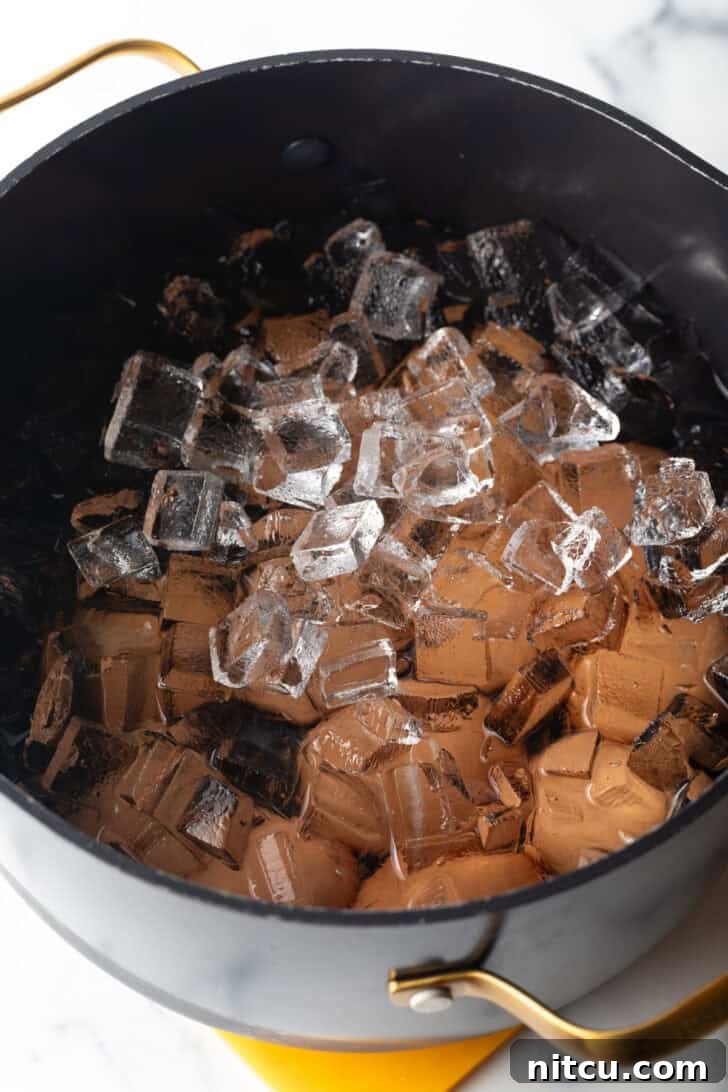
- Once the timer goes off, immediately remove the pot from the heat. Quickly fill the pot generously with ice to rapidly bring down the temperature of the eggs and completely stop them from cooking. You may need to dump off some hot water before adding more ice. Allow the eggs to cool and shock in the ice bath for at least 25-30 minutes before proceeding to peel. (Do not boil longer than recommended to avoid a grayish-green ring around the yolk.)
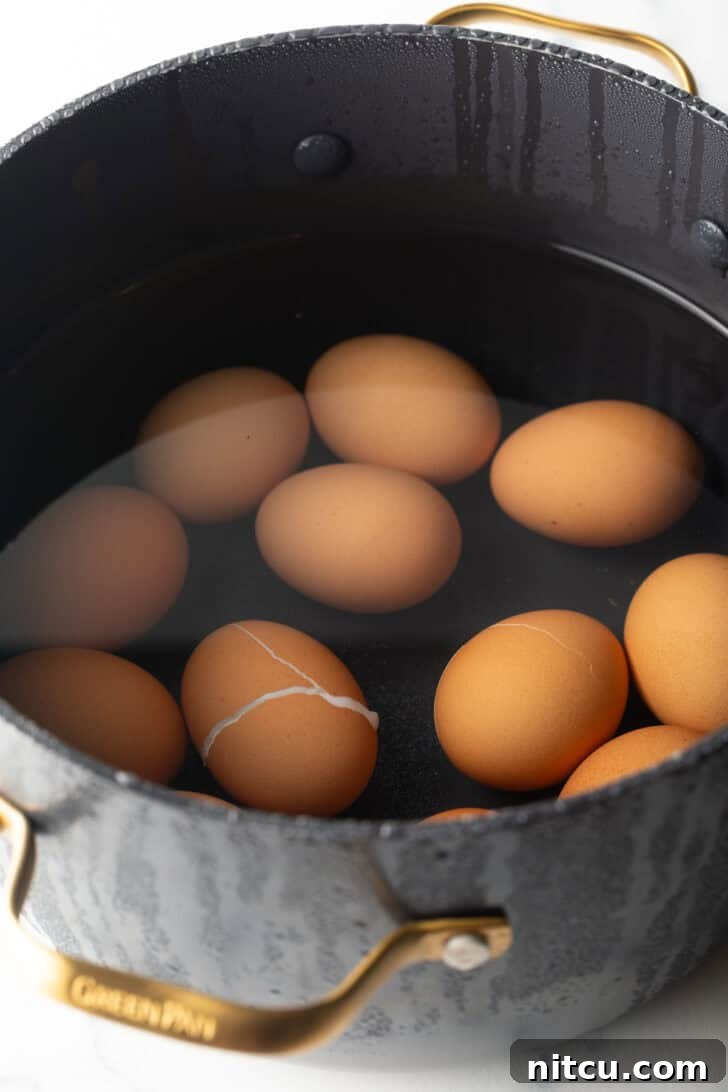
- While the eggs are cooling in the ice water, gently tap any uncracked eggs on the bottom of the pot or a hard surface to create small cracks in their shells. This allows the cold water to seep in between the shell and the egg white, which aids significantly in easier peeling.
- Remove the cooled eggs from the ice water. Gently tap the eggs again on a hard surface to further crack the shell if needed. Locate the most obvious opening or crack and begin to peel off larger sections of the eggshell, using your thumbs and fingers to lift away the shell.
- Once all the eggs are peeled, give them a quick rinse under cold water to remove any lingering shell debris, ensuring a perfectly clean finish.
- Serve the eggs immediately, or place them in an airtight container and refrigerate until you are ready to use them. Properly stored hard-boiled eggs will maintain their freshness for up to a week.
Notes
Best ways to make hard-boiled eggs easier to peel:
- Start with older eggs. Eggs that have been in the fridge longer tend to separate from their shells more easily.
- Add an acidic ingredient to the water (vinegar or lemon juice). This helps soften the shell and aids in the separation of the egg white.
- Gently crack the eggs before resting them in ice water, allowing water to seep between the shell and egg layer.
- Shock the eggs in an ice bath immediately after cooking. This stops the cooking process and causes the egg white to contract, making shells much easier to remove and preventing the dreaded gray ring.
- When ready to peel, gently roll the egg on a solid surface to create a network of small cracks. Then, start peeling from an obvious opening, lifting the shell away rather than rubbing. Rinse eggs after peeling to remove any small shell fragments.
Nutrition
Serving: 1 egg
Calories: 63kcal
Carbohydrates: 0.3g
Protein: 6g
Fat: 4g
Saturated Fat: 1g
Polyunsaturated Fat: 1g
Monounsaturated Fat: 2g
Trans Fat: 0.02g
Cholesterol: 164mg
Sodium: 63mg
Potassium: 61mg
Sugar: 0.2g
Vitamin A: 238IU
Calcium: 25mg
Iron: 1mg
Course: Appetizer, Breakfast, How To, Salad, Side Dish, Snack
Cuisine: American
Author: Sommer Collier