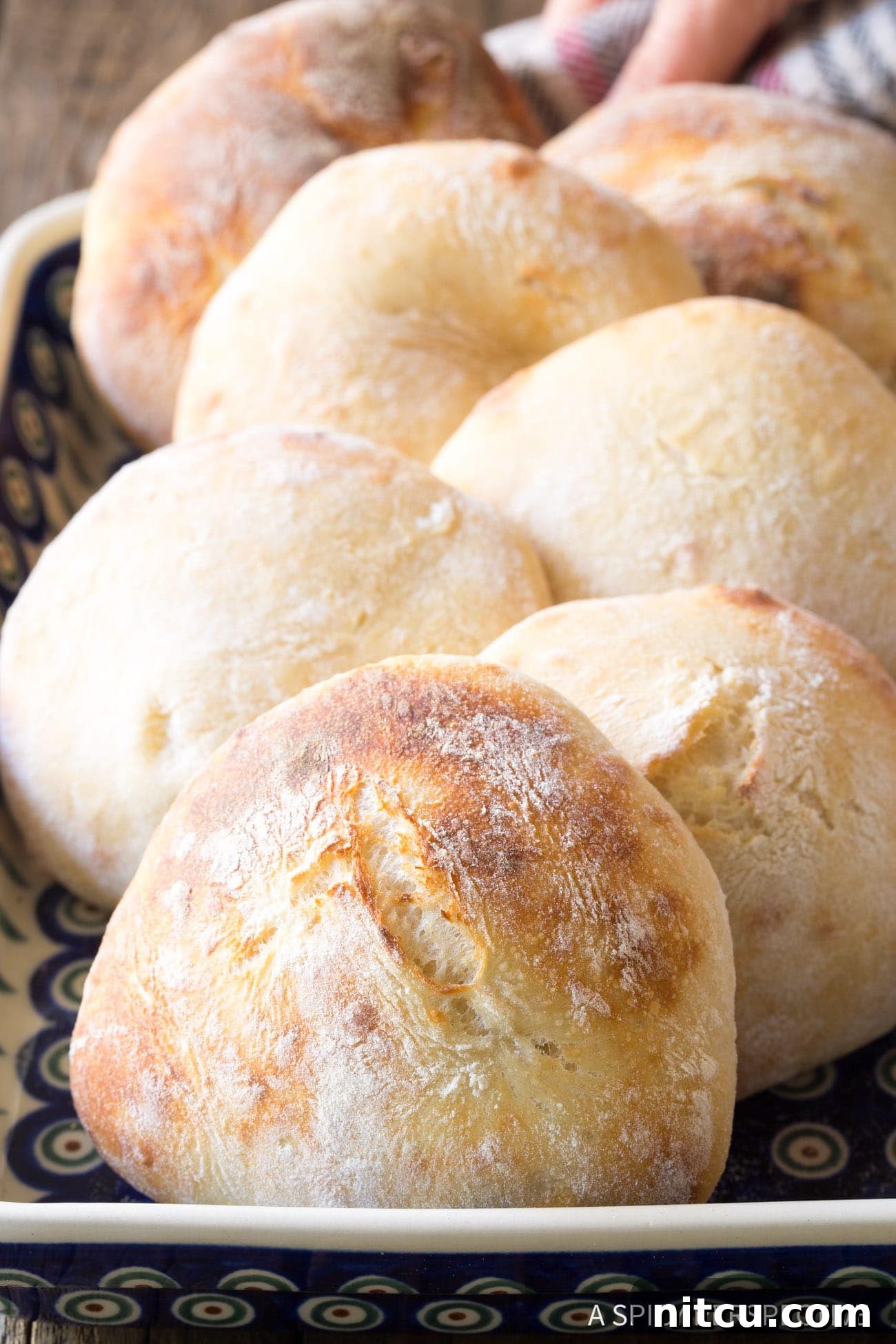
Discover the irresistible allure of Croatian Lepinja Bread, a rustic, bubbly, and profoundly satisfying homemade flatbread that promises to elevate your sandwich experience. Hailing from the picturesque “Land of a Thousand Islands,” this authentic Balkan bread offers a soft, chewy texture and a subtle sweetness that makes it an absolute standout, perfect for any meal.
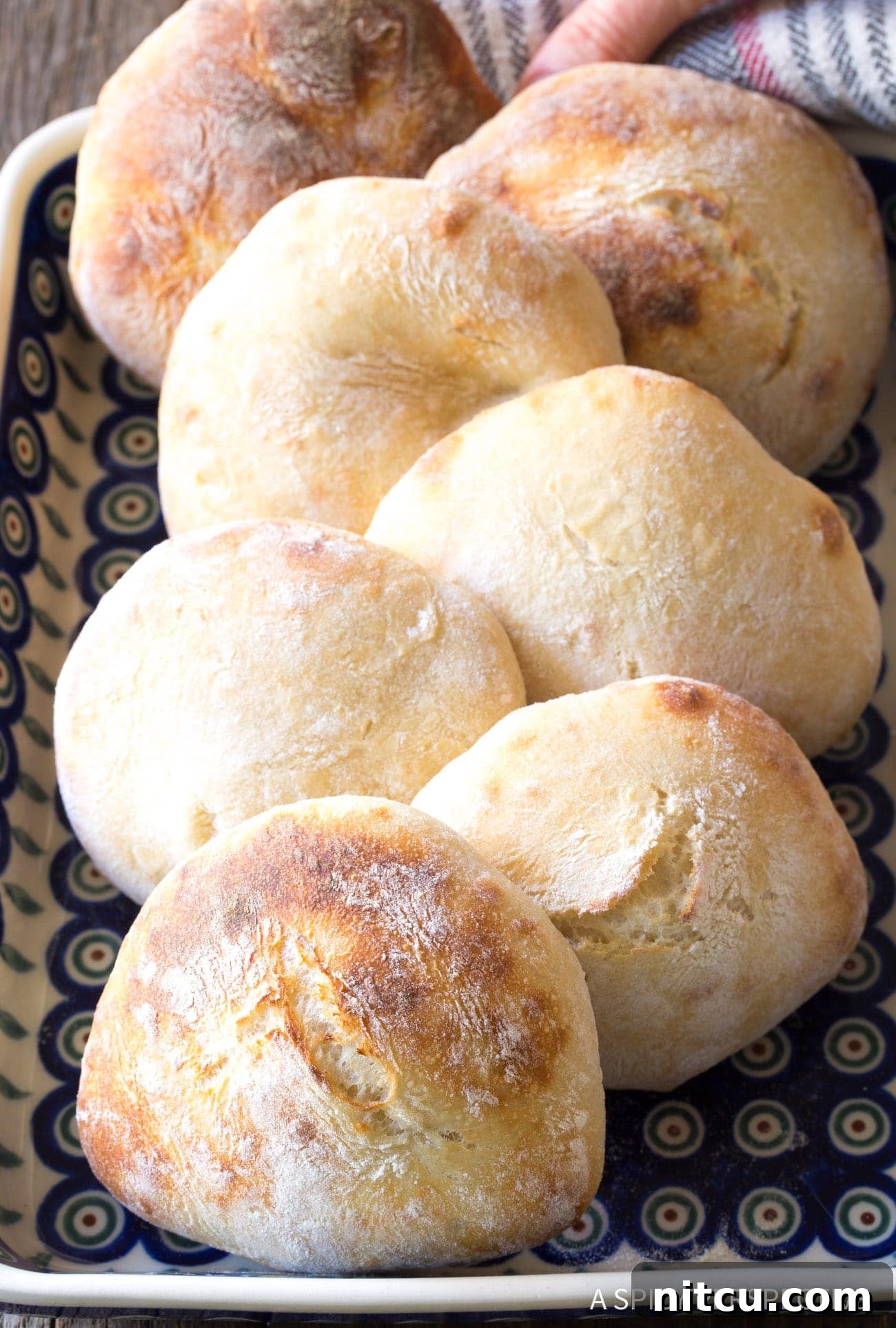
Lepinja Bread: A Culinary Souvenir from the Balkans
Have you ever encountered a bread so extraordinary that with the first bite, your entire body seems to relax in pure, unadulterated pleasure? A moment where you slowly chew, savoring every second of the rich, comforting carbohydrate experience? This is precisely the sensation that awaits you with Lepinja bread.
Last year, during a memorable journey through Croatia, I discovered many enchanting aspects of the country. Yet, above all else, it was the bread – specifically Lepinja – that left an indelible mark on my culinary memory. It’s more than just a simple flatbread; it’s a taste of history, hospitality, and pure comfort.
Often referred to as “Lepinje” in the plural, this regional Balkan flatbread gracefully transcends geographical and political borders across Southeastern Europe. This culinary gem proves that truly good food knows no boundaries. You’ll find delicious variations of Lepinja enjoyed not only in Croatia but also extensively throughout Bosnia, Slovenia, and Serbia. It is frequently served as the perfect accompaniment to Bosnian Cevapi – small, flavorful grilled minced meat sausages – creating an iconic pairing cherished across the region.
What Makes Authentic Croatian Lepinja Bread So Special?
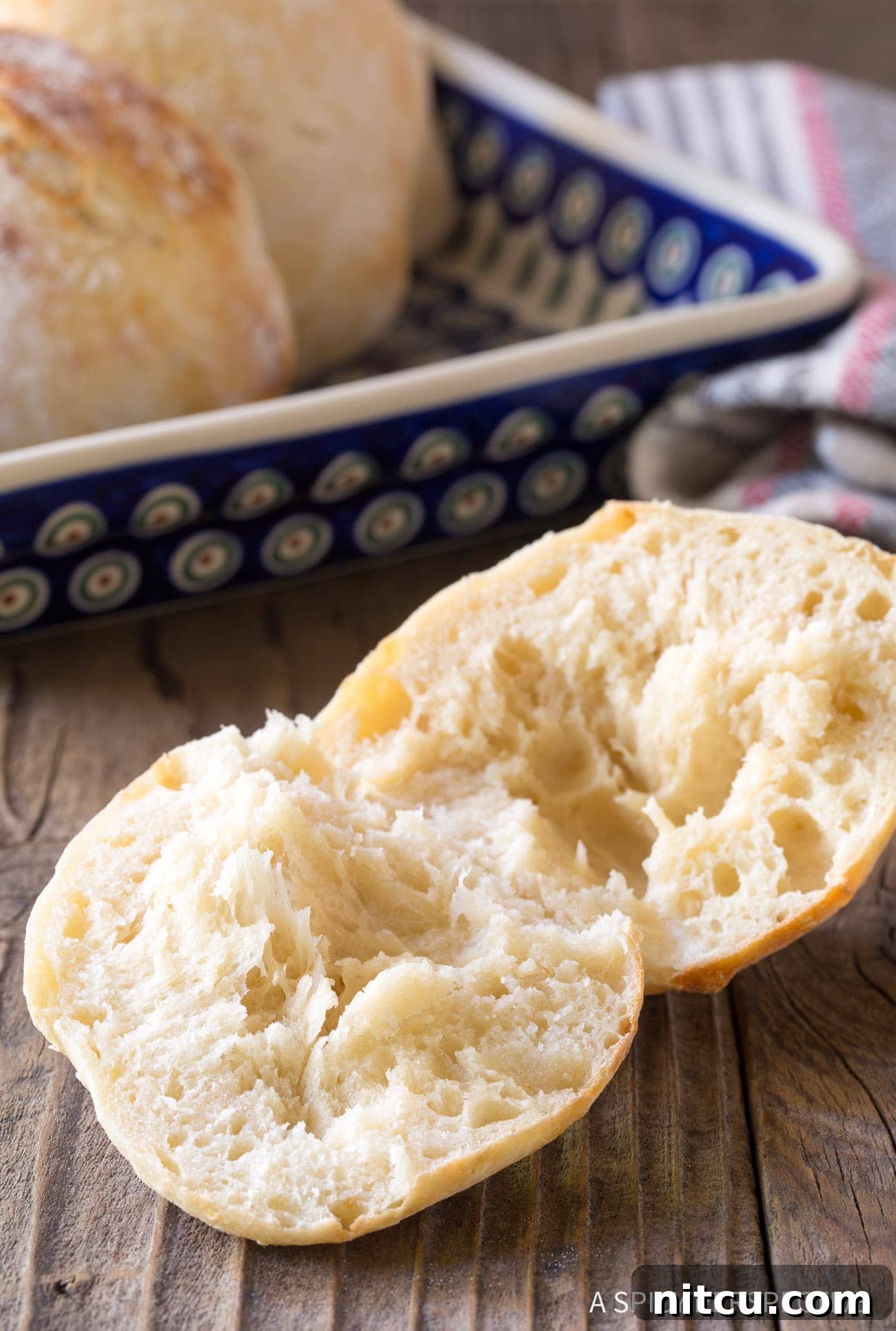
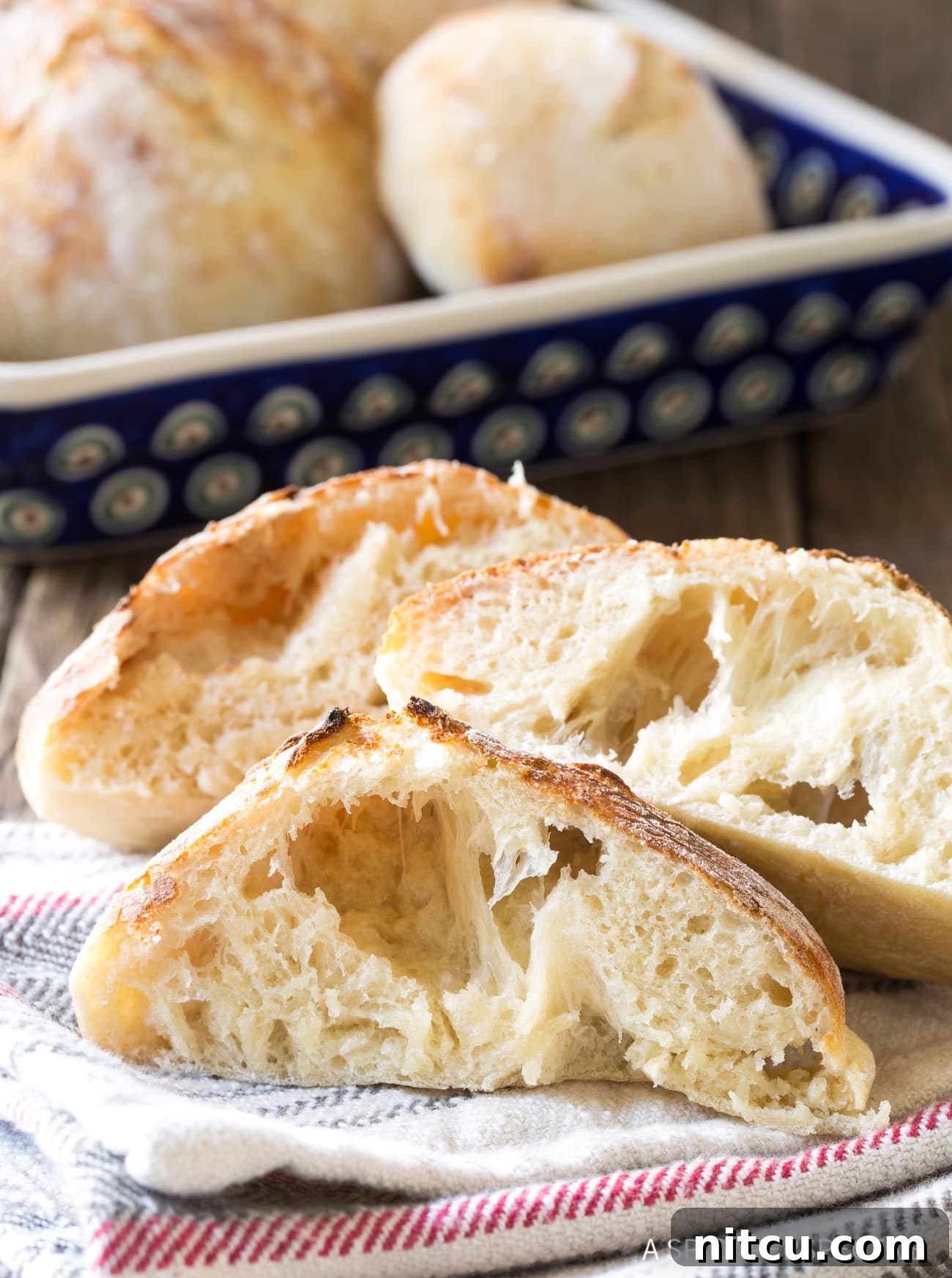
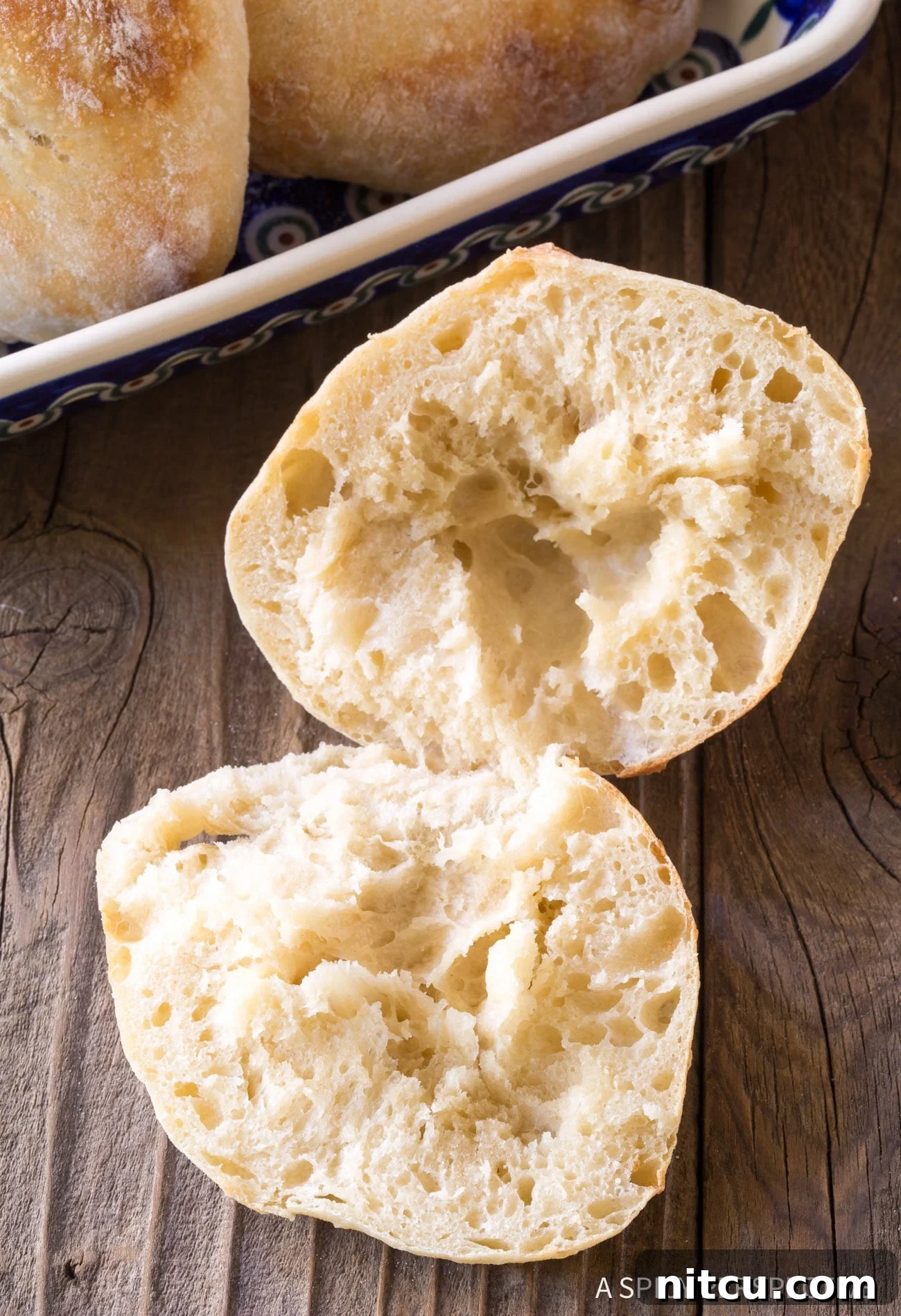
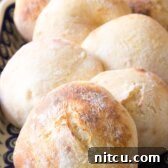
The remarkable mouthfeel of Croatian Lepinja flatbread is something truly unforgettable. Its soft, airy, and distinctly bubbly texture, coupled with a satisfyingly chewy pull, sets it apart. Imagine the best qualities of a rustic ciabatta bread combined with the tender resilience of Middle Eastern flatbread varieties, but taken to an entirely new level. For many, once you’ve tasted genuine Lepinja, it becomes the ultimate benchmark against which all other breads are measured.
What’s truly fascinating about this Croatian staple is that its core ingredients are surprisingly humble and similar to many other bread recipes: good quality bread flour, active yeast, a touch of salt, and a hint of sugar. The secret to its unparalleled texture and taste doesn’t lie in exotic ingredients, but rather in the meticulous and time-honored techniques of its proofing and baking methods. It’s these specific steps that transform simple components into a bread that’s anything but ordinary.
Mastering the Art of Making Lepinja at Home
Creating authentic Croatian Lepinja Bread in your own kitchen requires patience and adherence to a specific proofing process. The key to achieving its characteristic gaping bubbles and wonderful air pockets, which make it ideal for stuffing with delicious sandwich fillings, is allowing the dough to rise not once, not twice, but three distinct times. This multi-stage fermentation is crucial for developing both flavor and that signature airy texture.
While this traditional process might initially seem like it could take an entire day, there are smart techniques to optimize your time. By utilizing your oven at its lowest temperature setting – or ideally, its dedicated “proof” setting – you can significantly reduce the overall proofing time, potentially cutting it in half. This controlled warm environment helps the yeast activate more efficiently, encouraging a steady and consistent rise.
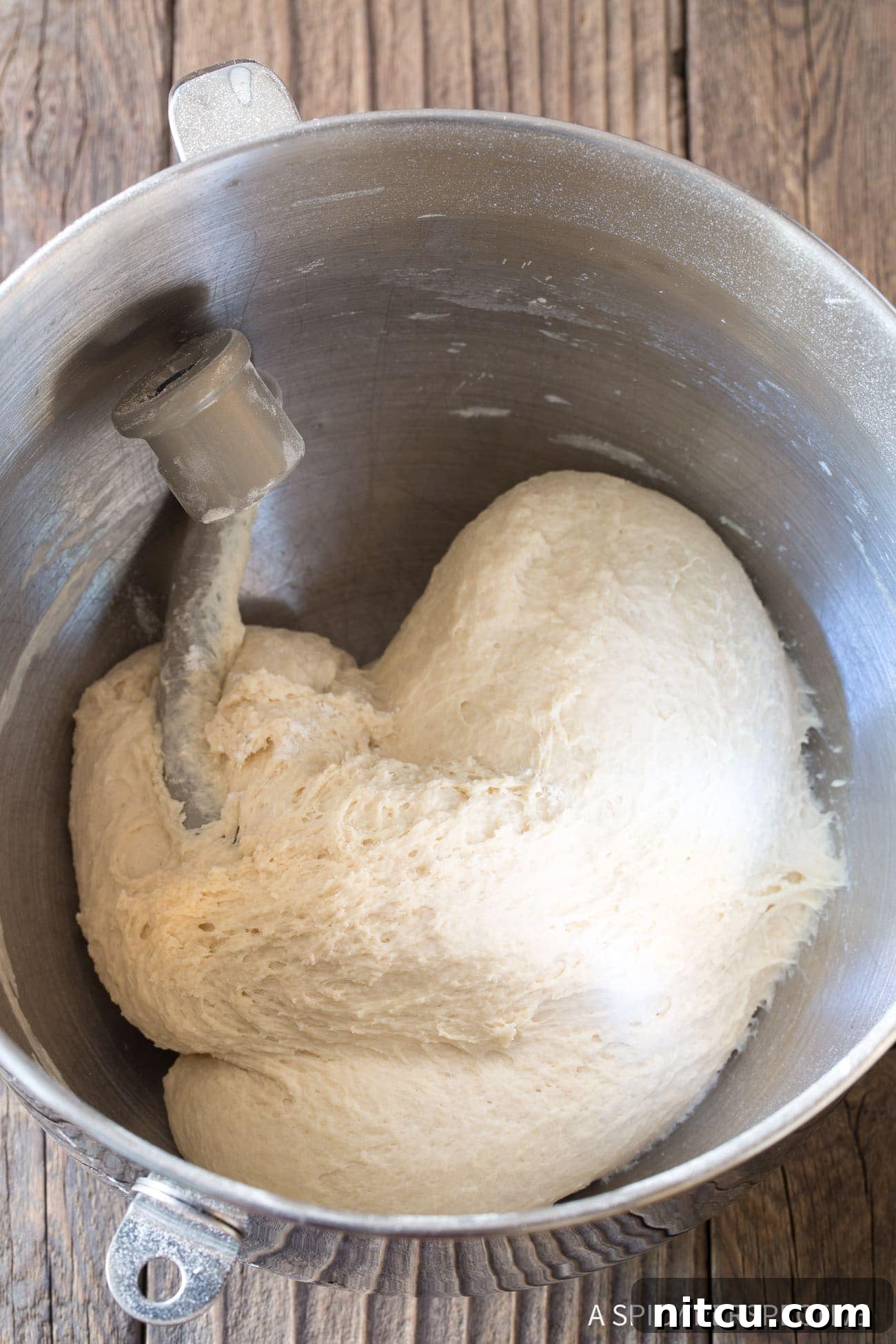
One of the distinctive qualities of Croatian Lepinja Bread dough is its high hydration, which results in a very sticky consistency. For this reason, we highly recommend performing most of the kneading with a reliable stand mixer equipped with a dough hook attachment. This not only makes the process significantly easier but also minimizes direct handling of the dough, which is beneficial for developing its delicate structure. After the initial kneading, you can often place the entire mixing bowl, covered, directly into your proofing oven without needing to transfer or touch the dough again until the second rise.
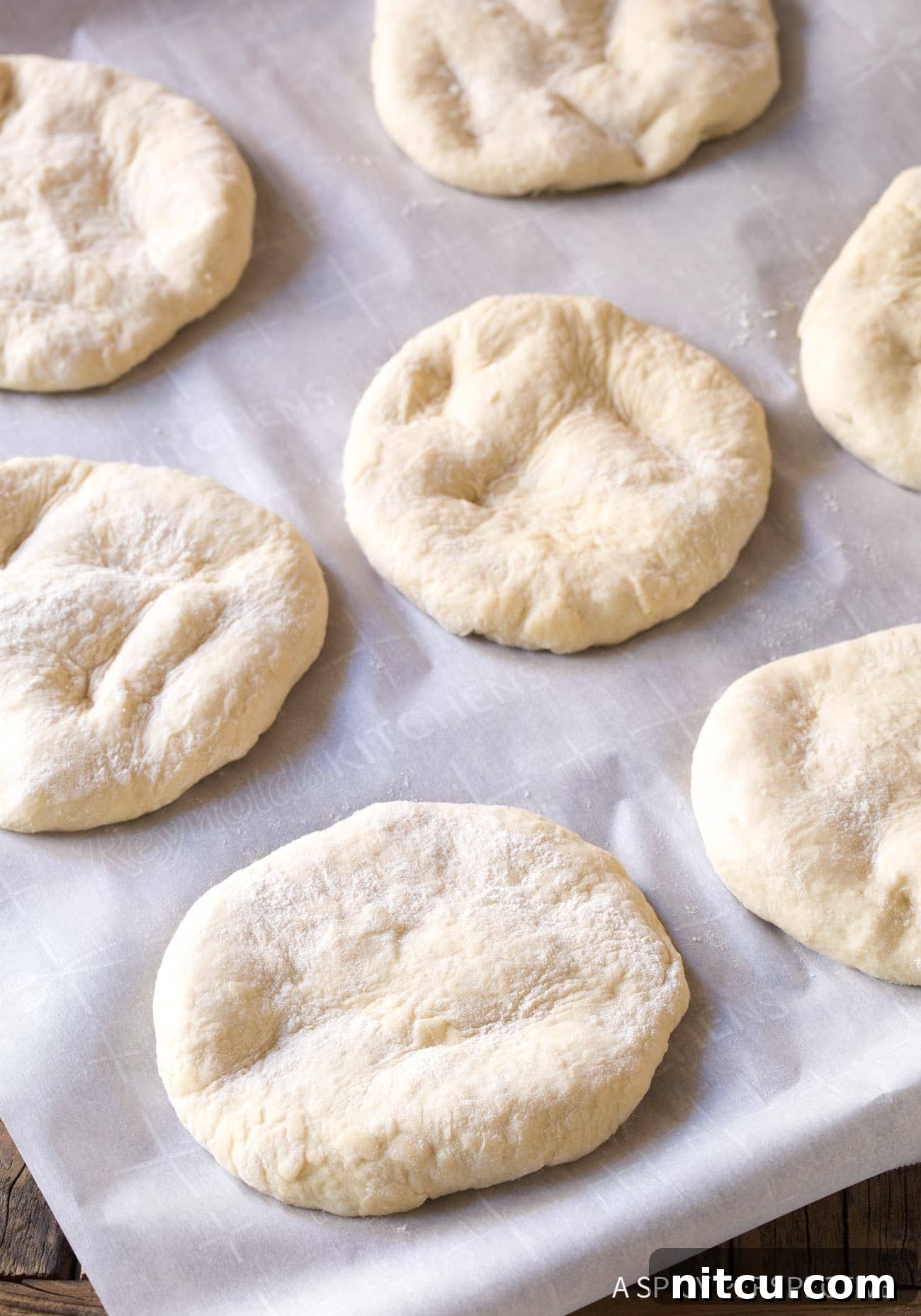
The kneading and rising process is then repeated for the second proof. After the final rise, the dough is ready to be transformed into individual loaves. Gently turn the proofed dough out onto a generously floured work surface. Divide it into twelve equal pieces, taking care to handle it as little as possible. For each piece, gently knead it lightly and roll the edges underneath to form neat, round discs. Then, press these mounds flat with your hand, creating the characteristic shape of Lepinja. Don’t worry if the flattened dough retains some finger marks; these actually contribute to the rustic charm and unique texture of the finished bread. Finally, the shaped dough pieces undergo one last crucial proof before baking, ensuring maximum airiness.
Unlock the Secret: Get the Full (Printable) Lepinja Recipe Below!
Baking Notes for Perfect Lepinja: The Science of Steam and Heat
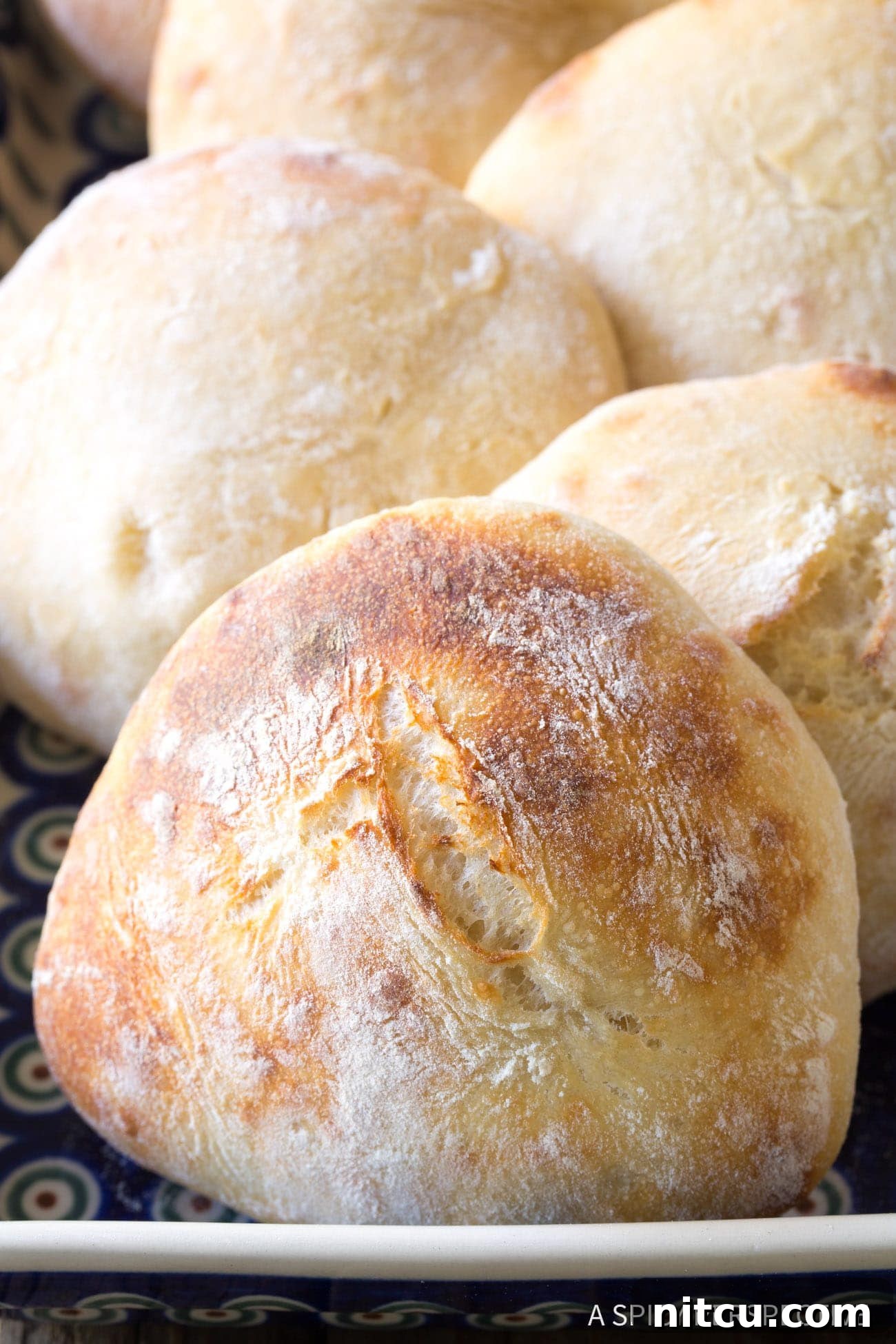
Beyond the critical 3-step proofing process, the true secret to achieving an astonishingly good Croatian Lepinja Bread lies in its baking environment. This bread demands to be baked at a very high temperature, typically around 550 degrees Fahrenheit (287 degrees Celsius). Simultaneously, introducing a pan of water on a lower rack in the oven is essential. This water creates a steamy atmosphere, which plays a pivotal role in the bread’s final texture and appearance.
The steam prevents the crust from forming too quickly, allowing the dough to expand maximally during the initial phase of baking. This ensures that the bread remains exceptionally moist and tender on the inside, preventing it from drying out. As the baking progresses, the steam helps to create a thin, crackly, and beautifully alluring external crust, which contrasts perfectly with the soft, airy interior. This combination of intense heat and strategic steam results in a bread that is both delicate and robust, a testament to traditional baking wisdom.
If you’ve ever been hesitant to try your hand at bread-making, our Croatian Lepinja Bread recipe is the perfect place to begin your journey. It’s a forgiving yet rewarding recipe that yields truly spectacular results. You absolutely can do this! The key is to meticulously follow the listed kneading and proofing times provided in the recipe below. Resist the urge to rush any of these crucial steps, and you will be rewarded with the most tantalizingly pillowy, flavorful bread you have ever tasted. Prepare to impress yourself and everyone lucky enough to share a bite.
Versatile Serving Suggestions for Croatian Lepinja Bread
The beauty of Lepinja bread lies in its incredible versatility. So light, fluffy, and subtly sweet, it’s absolutely delightful enjoyed simply as-is, perhaps with a generous smear of soft, room-temperature butter to highlight its inherent flavors. However, its true calling often comes as a foundational element for a wide array of delicious meals and snacks.
Most traditionally, Lepinja serves as the ultimate sandwich bread, particularly famed for holding savory fillings like sausages, richly spiced kafta, flavorful grilled meats, or succulent skillet meat and vegetable combinations. Its robust yet tender structure is perfect for soaking up juices and complementing hearty flavors. Beyond these traditional pairings, Lepinja is equally fantastic for everyday use, whether as a delicious vessel for deli meats and cheeses, or as a sophisticated accompaniment to various dips like ajvar or hummus.
Don’t limit Lepinja to just lunch or dinner! Its gentle sweetness and airy texture make it an excellent choice for breakfast sandwiches, offering a delightful twist to your morning routine. You can also easily scale down the portions to create smaller, individual dinner rolls, perfect for accompanying stews, soups, or any main course. The possibilities are truly endless with this adaptable and delectable Croatian staple. Experience the authentic taste of the Balkans with every bite, no matter how you choose to enjoy it!
Explore More Authentic Croatian Recipes
If the taste of homemade Lepinja bread inspires you, we invite you to delve deeper into the rich and diverse flavors of Croatian cuisine. Discover other beloved traditional dishes that celebrate the country’s culinary heritage:
- Croatian Cheese Strukli Recipe: A delightful pastry filled with a creamy cheese mixture, perfect for breakfast or a light meal.
- Croatian Chicken Skillet: A hearty and flavorful dish featuring tender chicken, mushrooms, and peppers, ideal for a comforting family dinner.
Print Recipe
Leave a Review »
Croatian Lepinja Bread Recipe
30 minutes
16 minutes
1 hour
2 hours 36 minutes
12 loaves
Ingredients
- 6 cups sifted bread flour
- 1 packet dry active yeast (2 1/4 teaspoons)
- 2 tablespoons granulated sugar
- 1/3 cup whole milk, lukewarm
- 2 1/3 cups water, lukewarm
- 2 1/2 teaspoons salt
Instructions
-
Preheat the oven to the “proof” setting. If your oven does not have this setting, set it to the lowest temperature possible, around 160-175 degrees F (70-80°C). Move the oven rack to the lowest position to make room for a mixing bowl.
-
Warm the milk until it’s just barely above body temperature (lukewarm). Pour the milk and sugar into the bowl of an electric stand mixer and sprinkle the dry active yeast over the top. Allow the yeast to “sponge” or foam for 5-10 minutes. This indicates the yeast is active. (If the liquid ingredients are too hot, they will kill the yeast instead of activating it.)
-
Once the yeast is foamy, pour in the salt and lukewarm water. Using a dough hook attachment, turn the mixer on low and gradually add the flour, one cup at a time. Let the mixer run for 6-8 minutes, thoroughly kneading the dough. The dough will be noticeably sticky, which is desired for its texture.
-
Cover the mixing bowl tightly with plastic wrap and place it in the warm oven for the first rise, approximately 1 hour.
-
After an hour, gently flour your hands and “punch down” the dough to release the air. Fold it over a couple of times within the bowl. Alternatively, you can briefly knead the dough again with the mixer to avoid excessive handling. Re-cover the bowl and return it to the proofing oven for a second rise, for another 30 minutes.
-
Line two baking sheets with parchment paper. Generously flour a clean work surface. Carefully dump the risen dough onto the surface and divide it into 12 equal pieces. For each piece, gently knead it once or twice, then roll the edges underneath to create round mounds. Flatten these mounds with your hand to form discs, and arrange them on the prepared baking sheets. It’s perfectly fine if the flattened dough retains finger marks; they add to the rustic character.
-
Place the baking sheets back in the proofing oven for a third and final rise, for 20 minutes. While they proof, remove them momentarily to adjust the oven racks: one at the bottom, and one in the center. Place a large, oven-safe baking dish filled with water on the lower rack to generate steam during baking. Then, reset the oven temperature to a very high 550 degrees F (287°C).
-
Once the oven is fully preheated to 550°F, bake one sheet of rolls at a time for 6 minutes. Then, switch the oven to the broiler setting (with the heat source from above) and broil for 1-2 minutes until the tops of the rolls achieve a beautiful golden-brown color and a crisp crust. Immediately reset the oven back to 550 degrees F, and repeat the baking and broiling process with the second sheet of Lepinja. Allow the freshly baked Lepinja bread to cool slightly on a wire rack before enjoying!
Nutrition
Breakfast
Croatian
Sommer Collier
Baked This Recipe? We’d Love Your Feedback!
Share your experience and help others discover this delicious Croatian Lepinja Bread. Your comments and reviews are greatly appreciated!