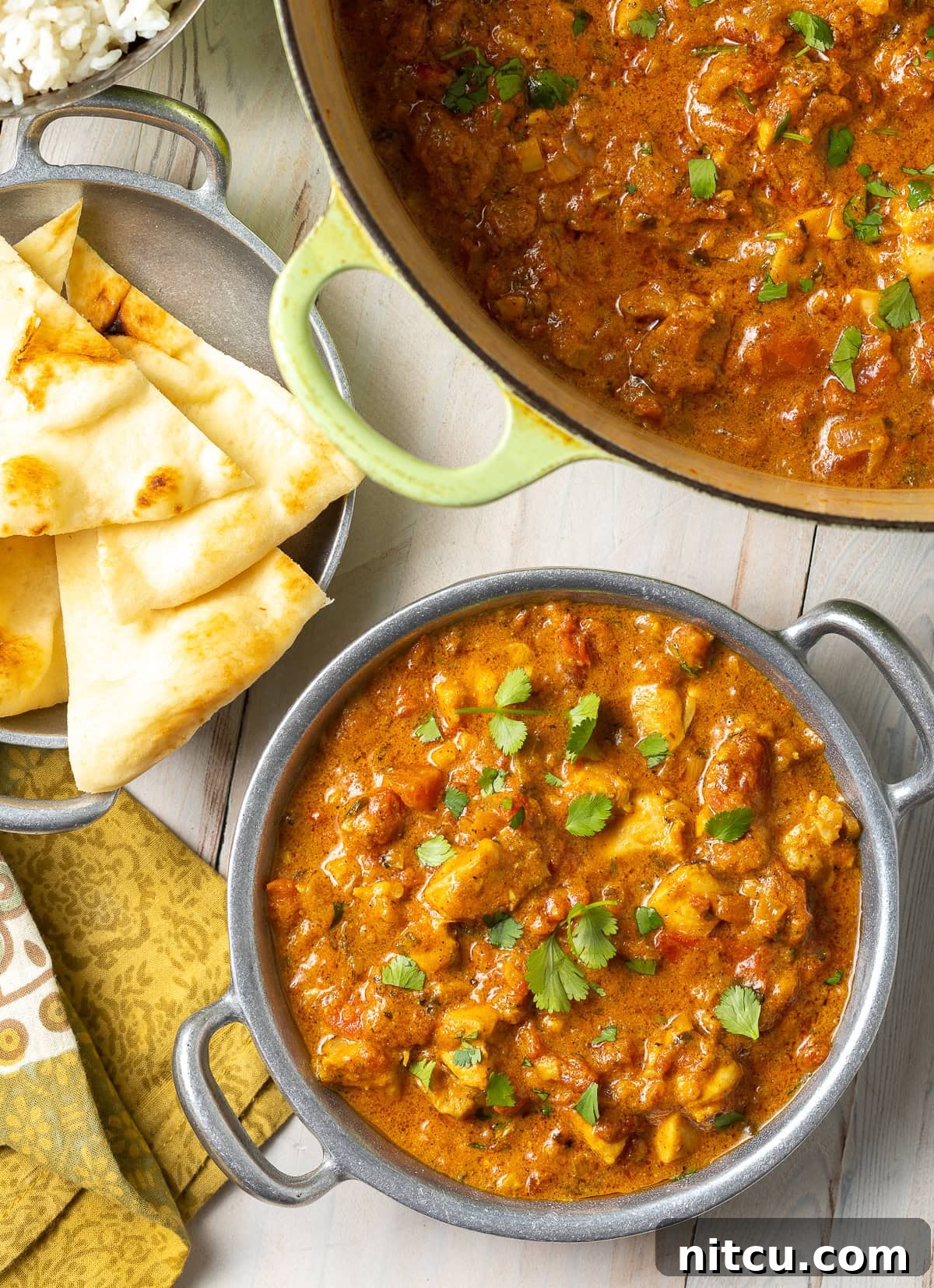
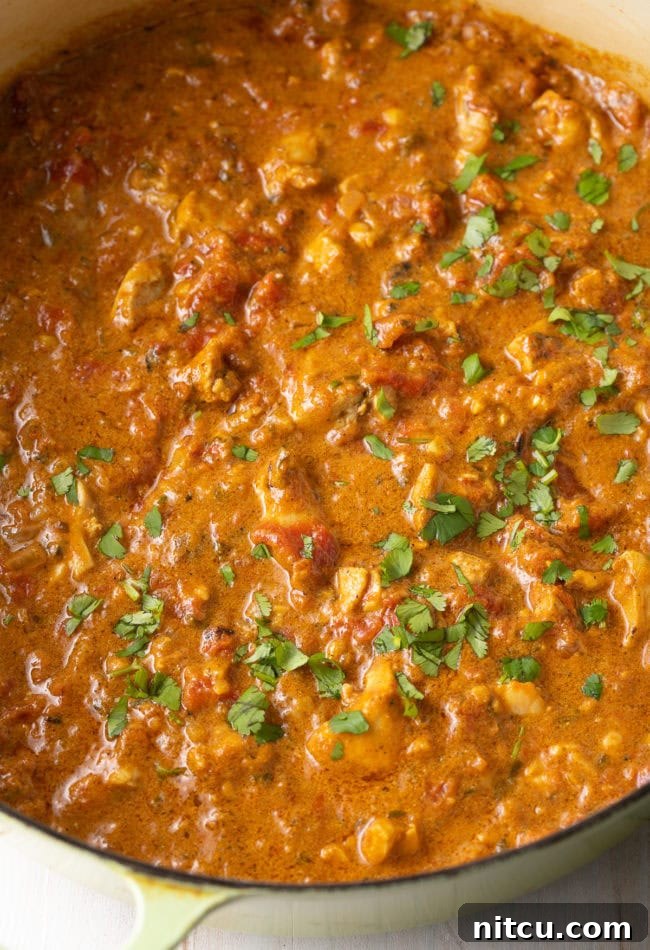
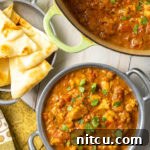
Unlock the vibrant flavors of India with our effortless Madras Curry Recipe. This simple chicken curry promises the rich, complex taste of a classic Indian dish, yet it comes together in under an hour! Crafted with authentic Madras curry powder and creamy coconut milk, this delightfully spicy and satisfying meal is perfect for any night of the week.
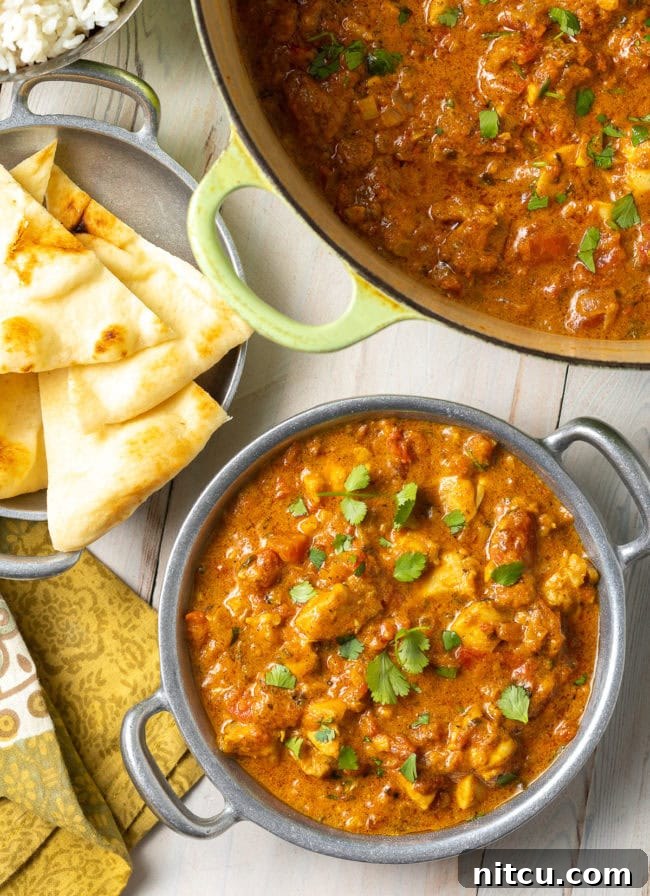
Madras Curry: Fast, Flavorful, and Unforgettable!

A Personal Culinary Journey: My Love for Indian Curries
My culinary journey with Indian food began during three transformative summers spent living and working across various villages and bustling cities in India. These immersive experiences offered me a unique opportunity to learn countless Indian recipes and traditional cooking methods firsthand. Among the many incredible dishes, curries stood out as the most commonly prepared and cherished main and side dishes, leaving an indelible mark on my palate and memory.
There’s something profoundly comforting about a rich, deeply flavorful curry after a long day. The aromatic spices, carefully layered and slow-cooked, fill the kitchen with an enchanting fragrance, creating an atmosphere of warmth and anticipation. The moment you delve into a bowl of fluffy rice generously coated with a bright, hot, zesty, and creamy curry, the worries of the outside world simply melt away. It’s an experience that nourishes both the body and the soul.
Among the diverse world of Indian curries, Chicken Madras Curry holds a special place in my heart, thanks to its intriguing history and vibrant flavor profile. This Easy Madras Curry Recipe is a spicier rendition compared to typical yellow curries, making it a perfect choice for those who appreciate a significant kick of heat. It’s a dish that truly embodies the spirited essence of Southern Indian cuisine.
The Best Part: Despite its complex flavors, this recipe goes from start to finish in less than an hour. You don’t have to compromise on authenticity or depth of flavor, even on the busiest weeknights. You’ll be amazed at how effortlessly you can create such a spicy, scrumptious, and deeply satisfying Indian meal at home.
Essential Ingredients for an Authentic Madras Curry
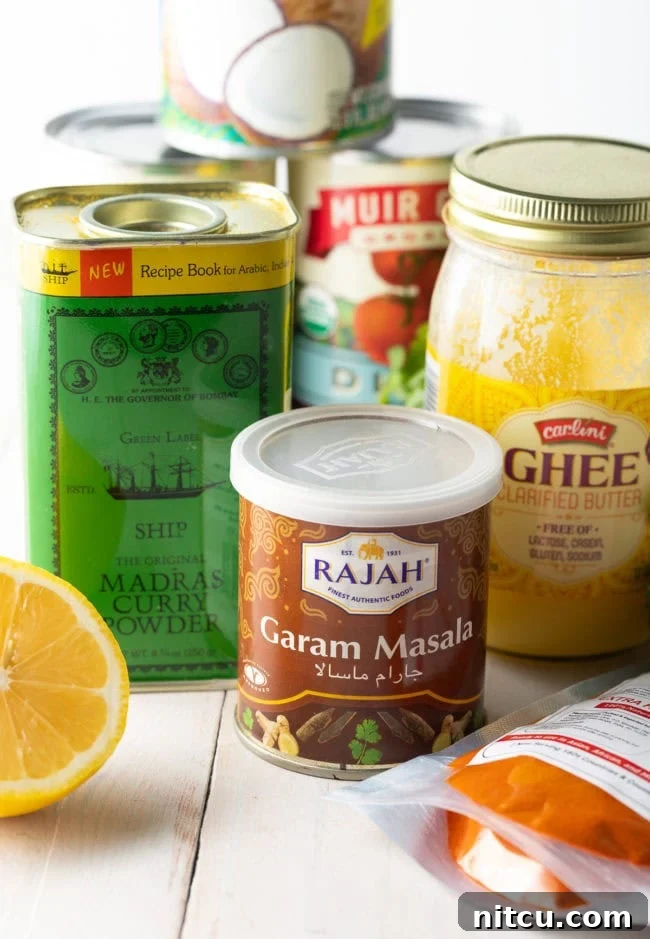
The beauty of Indian cuisine lies in its vast array of curries, each boasting a unique blend of spices and utilizing diverse proteins and fresh produce. To recreate our quick and delicious Madras Chicken Curry, you’ll need a selection of vibrant ingredients:
- Vegetable Oil or Ghee: Ghee, or clarified butter, offers a deeply nutty and traditional flavor, while vegetable oil provides a neutral base. Choose what suits your preference.
- Red Onion: Finely chopped, red onion forms the aromatic foundation of our curry, caramelizing to create a sweet, savory depth.
- Cilantro: Freshly chopped cilantro adds a bright, herbaceous finish, quintessential to Indian dishes.
- Garlic Cloves: Minced garlic provides a pungent, aromatic punch that is essential in almost any savory Indian recipe.
- Fresh Ginger: Grated fresh ginger adds a warm, spicy, and zesty note, complementing the other aromatics perfectly.
- Diced Tomatoes: Canned diced tomatoes contribute acidity and body to the sauce. For a smoother curry, a good quality tomato puree can be used as an alternative to avoid chunks.
- Unsweetened Coconut Milk: Canned unsweetened coconut milk lends a rich, creamy texture and helps balance the heat of the spices, creating a luscious sauce.
- Madras Curry Powder: This is the star spice blend! Madras curry powder is known for its distinctive red hue and robust, spicy flavor, often containing a higher proportion of red chilies. You can typically find it at your local grocery store, specialty food shops like Whole Foods, or order it conveniently online.
- Garam Masala: A fragrant blend of ground, roasted spices, garam masala adds warmth and a nuanced aroma to the curry. For the freshest and most potent flavor, consider making your own blend at home using our easy recipe!
- Salt: Essential for enhancing all the flavors in the dish.
- Kashmiri Chili Powder (or Cayenne): Kashmiri chili powder provides a beautiful deep red color and a moderate heat without being overwhelmingly spicy. Cayenne pepper can be used as a substitute if Kashmiri chili powder is unavailable, but use it sparingly as it is much hotter.
- Skinless, Boneless Chicken Thighs: Cut into 1-inch pieces, chicken thighs are ideal for curry due to their tender texture and rich flavor that holds up well during simmering. Chicken breasts can also be used, though they may require shorter cooking times to prevent drying out.
- Lemon Juice: A squeeze of fresh lemon juice at the end brightens the entire dish, cutting through the richness and enhancing the overall flavor profile.
Crafting Your Madras Curry: A Simple Approach to Deep Flavors
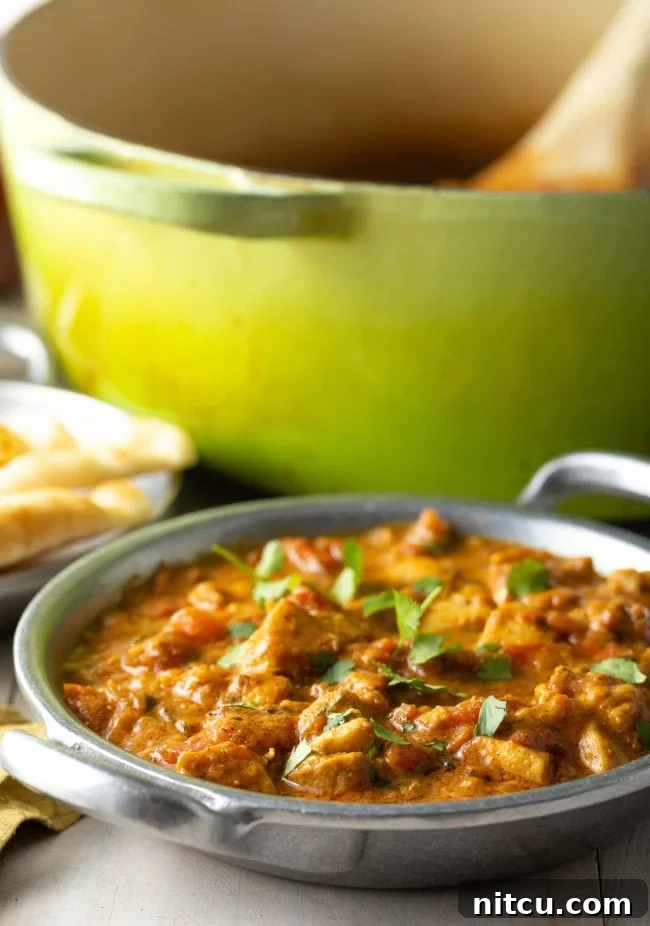
While many traditional Indian curries are renowned for their intricate flavors, often achieved through lengthy cooking processes and layered additions of numerous ingredients, my recipe streamlines this complexity. I’ve discovered how to achieve that same profound depth of flavor in a mere fraction of the time. The secret lies in a carefully balanced blend of aromatic ground spices and the luxurious creaminess of coconut milk, culminating in the best Madras chicken curry you can make at home, quickly!
For the complete Madras Curry Recipe, including precise ingredient proportions, step-by-step instructions, and a visual guide, please refer to the detailed recipe card found towards the bottom of this post.
Perfect Pairings: Elevate Your Madras Curry Experience
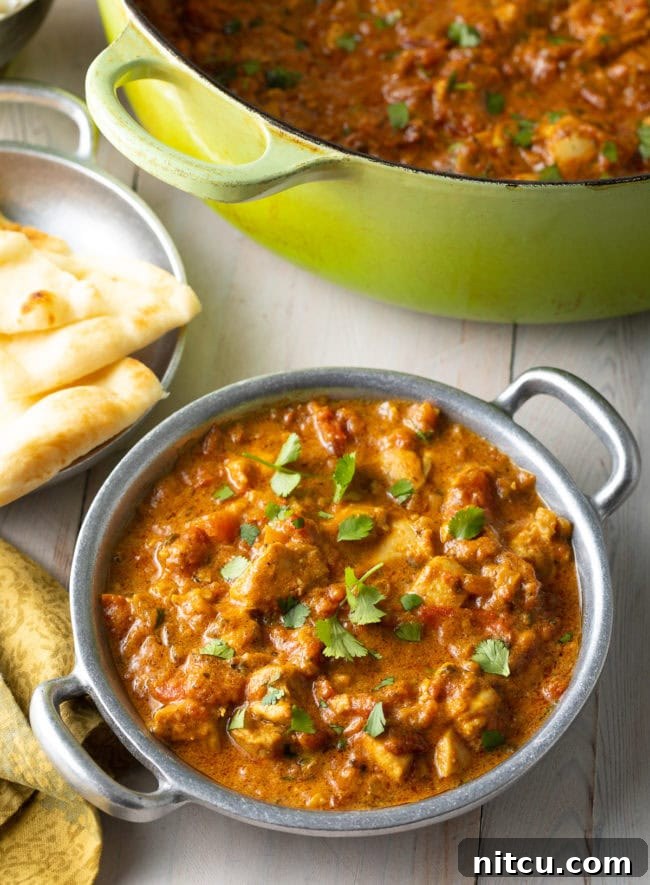
This spicy chicken Madras curry is a meal in itself, but its rich, aromatic sauce truly shines when paired with complementary sides. For an authentic Indian dining experience, consider these serving suggestions:
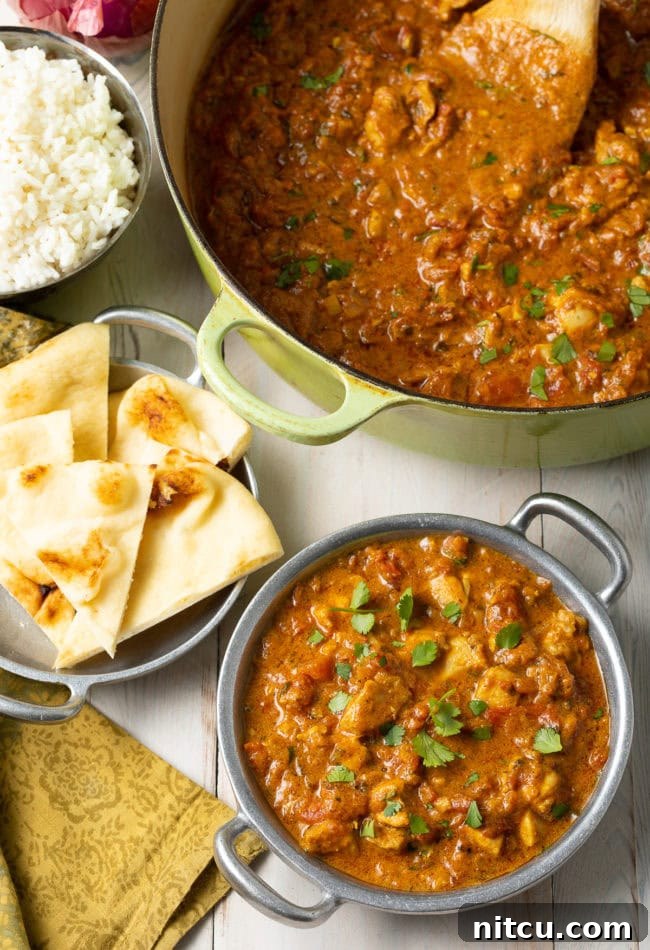
- Basmati Rice: Serve your curry over a generous scoop of freshly cooked Basmati Rice. Its fragrant, long grains are the perfect canvas for soaking up every drop of the flavorful sauce.
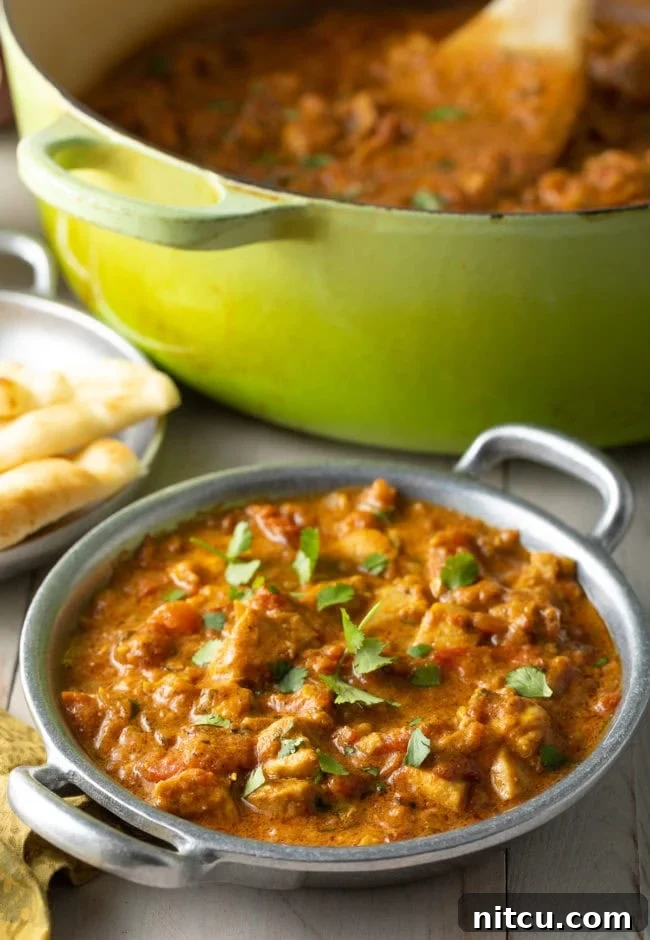
- Naan Bread: No Indian curry is complete without warm, fluffy, and slightly crispy naan bread. It’s ideal for dipping into the rich sauce and scooping up tender pieces of chicken.
- Authentic Chai Tea: To cool your palate and complete the authentic Indian meal, sip on a cold glass of Authentic Chai Tea. Its spiced sweetness provides a wonderful contrast to the curry’s heat.
- Indian Yogurt Sauce (Raita): Offer a side of cooling Indian Yogurt Sauce (Raita). Its refreshing qualities, often enhanced with cucumber and mint, beautifully temper the curry’s spice.
- Kachumber Salad: A vibrant Kachumber Salad, made with diced cucumbers, tomatoes, and onions, dressed in lemon juice and spices, adds a refreshing crunch and tangy counterpoint to the rich curry.
Expert Tips & Creative Variations for Your Madras Curry
Making a delicious Madras curry is straightforward, but a few tips and variations can help you customize it to your liking and ensure the best results every time:
- Chicken Choice: While chicken thighs are recommended for their juiciness and flavor retention, you can certainly use chicken breast. If opting for breast meat, be mindful not to overcook it, as it tends to dry out more easily. Alternatively, bone-in chicken pieces can be used for even deeper flavor, though cooking times will need to be adjusted accordingly. Always ensure chicken is cooked through to a safe internal temperature.
- Adjusting the Spice Level: Madras curry is celebrated for its heat, which comes primarily from the Madras curry powder and additional Kashmiri chili powder or cayenne pepper. If you are sensitive to spice, begin by adding only a small dash (¼ teaspoon) of Kashmiri chili powder or cayenne. Taste and gradually add more if you desire a spicier kick. You can also use less Madras curry powder initially and adjust to your preference.
- Meat Alternatives: For a delicious twist, consider using strips of beef or lamb instead of chicken! These meats stand up beautifully to the robust flavors of Madras curry and offer a satisfying alternative. Ensure they are cut into uniform pieces for even cooking.
- Vegetarian/Vegan Option: This recipe is incredibly adaptable for vegetarian and vegan diets. Simply omit the chicken and use vegetable oil instead of ghee. Stir in hearty vegetables like diced potatoes, sweet potatoes, cauliflower, or chickpeas for a fulfilling plant-based curry.
- Sourcing Quality Spices: The flavor of your curry heavily relies on the quality and freshness of your spices. Try to purchase whole spices and grind them yourself, or buy from a reputable spice vendor to ensure maximum aroma and potency.
- Resting the Curry: Like many stews and braises, curry flavors deepen and meld beautifully upon resting. If possible, let the curry sit for 10-15 minutes after cooking before serving. This allows the flavors to truly harmonize.
Frequently Asked Questions About Madras Curry
The distinction of Madras curry lies in its vibrant red hue and pronounced heat. Most traditional Indian curries feature a blend of toasted, aromatic spices such as turmeric, coriander, cumin, ginger, and cardamom, resulting in a generally yellow color with subtle warmth and rich savoriness. Madras masala powder, however, takes the typical curry blend up a notch by incorporating significant amounts of red chilies, or a thoughtful combination of chili and paprika. This addition imbues Madras curry with its characteristic fiery kick and beautiful deep red color, which harmonizes wonderfully with creamy coconut milk and fresh herbs.
Both classic yellow curries and Madras masala curry frequently include garam masala, a complex blend of roasted spices that might feature cumin, coriander, green and black cardamom, cinnamon, nutmeg, cloves, bay leaves, peppercorns, fennel, mace, and dried chilies. Interestingly, creating your own roasted garam masala blend at home is surprisingly simple and yields superior freshness and aroma!
Madras curry originates from Southern India, specifically the city now known as Chennai (formerly Madras). It gained significant popularity among British colonizers and traders during the 17th century. However, the specific name “Madras curry” as we know it today didn’t emerge until it was introduced to British restaurants in the 1970s. Over time, the dish has evolved and been reinterpreted in various ways, but its hallmark remains a deep red, rich, and distinctly spicy sauce.
Yes, a Madras curry recipe is typically quite spicy. It’s designed to deliver a noticeable amount of heat, but generally, it’s not so intense that the average person cannot enjoy it. If you have a low tolerance for spicy foods, Madras curry might be a bit challenging. In that case, you might prefer a milder alternative like my Butter Chicken Curry for a gentler, yet equally delicious, Indian culinary experience.
Madras curry is named after the city of Madras, which is now officially known as Chennai, located in Southern India. This regional association highlights its historical origins and distinct flavor profile within Indian cuisine.
Absolutely! This easy chicken curry recipe is inherently dairy-free if you opt for vegetable oil instead of ghee. To make it vegetarian-friendly and completely vegan, simply substitute the chicken with robust plant-based alternatives such as chickpeas and diced potatoes, or even hearty vegetables like cauliflower and sweet potatoes. The rich, spicy sauce pairs wonderfully with these ingredients, creating a satisfying meat-free meal.
This chicken curry recipe is an excellent choice for make-ahead meal prep. The flavors of Madras curry actually tend to deepen and become even more harmonious as the dish sits, allowing all the components to meld together beautifully. Store any leftovers in an airtight container in the refrigerator for up to 4 days. You can either keep leftover rice separately to reheat with the curry or simply prepare fresh rice when you’re ready to enjoy your meal. Due to the coconut milk, which can sometimes alter texture upon freezing and thawing, I do not recommend freezing leftovers for this particular recipe.
Looking for More Delicious Indian-Inspired Recipes?
Ready to make this incredible Madras Chicken Curry? Find all the details, including prep time, total time, and comprehensive nutritional information, in the printable recipe card below.
A printable version of this recipe is available at the end of this post.
Madras Curry Recipe with Chicken
10 minutes
40 minutes
50 minutes
Easy Madras Curry is an easy chicken curry recipe that has the wonderfully deep flavors of a classic Indian curry, but is ready in less than an hour! Made with spicy Madras curry and creamy coconut milk, this zesty dish is perfectly rich and satisfying.
6 people
Ingredients
- ¼ cup ghee or oil
- 1 cup chopped red onion about half a large onion
- ½ cup chopped cilantro
- 5-6 cloves garlic minced
- 3 tablespoons fresh grated ginger
- 30 ounces diced tomatoes 2 – 15 ounce cans
- 15 ounces unsweetened coconut milk
- 2 tablespoons Madras curry powder
- 1 tablespoon garam masala
- 1 teaspoon salt
- ¼ – ½ teaspoon Kashmiri chili powder or cayenne
- 1 ½ – 2 pounds boneless chicken thighs
- 1 tablespoon lemon juice
Instructions
-
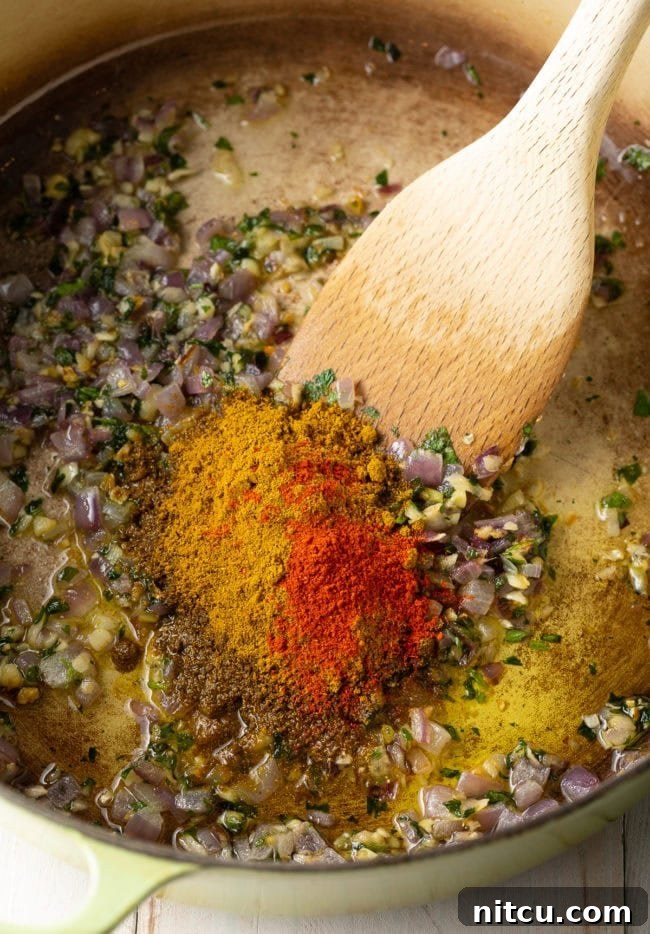
Set a large Dutch oven or heavy-bottomed saucepot over low heat. Add the ghee (or oil), chopped red onion, fresh cilantro, minced garlic, and grated ginger. Sauté these aromatics, stirring occasionally, for 10-12 minutes until the onions become very soft and translucent. This slow sautéing builds the foundational flavor of your curry.
-
While the aromatics are cooking, prepare your chicken. Cut the boneless chicken thighs into uniform 1-inch pieces. This ensures even cooking and perfect bite-sized portions.
-
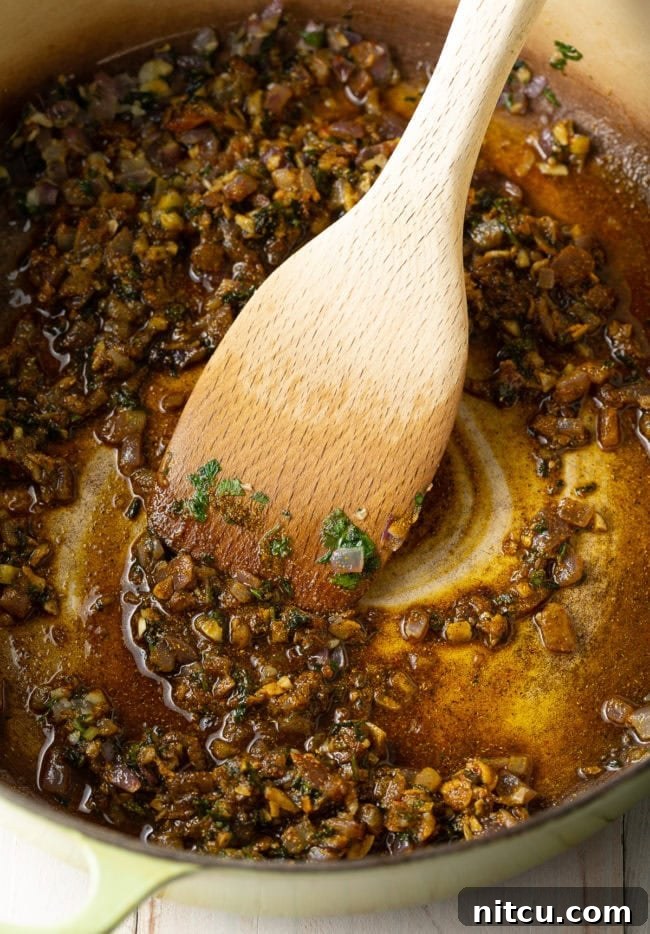
To the softened aromatics, add the Madras curry powder, garam masala, salt, and Kashmiri chili powder (or cayenne). Stir well to combine, allowing the spices to toast gently for another 5 minutes. This step is crucial for blooming the spices and enhancing their fragrance and flavor.
-
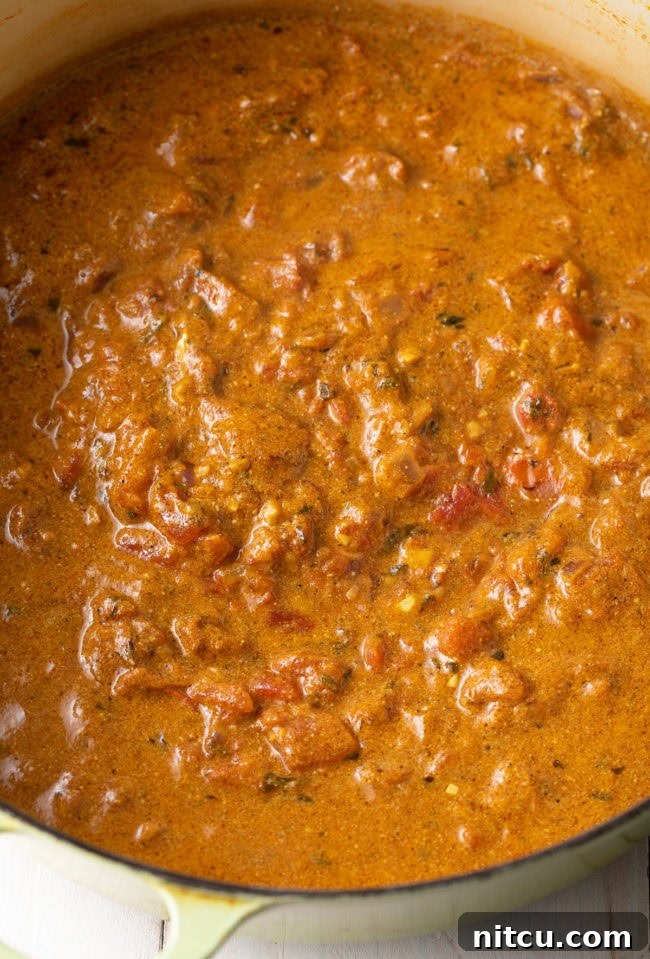
Increase the heat to medium. Pour in the diced tomatoes and unsweetened coconut milk. Stir everything together thoroughly, then bring the mixture to a gentle simmer. Allow it to simmer, uncovered, for 10 minutes, letting the flavors marry and the sauce begin to thicken.
-
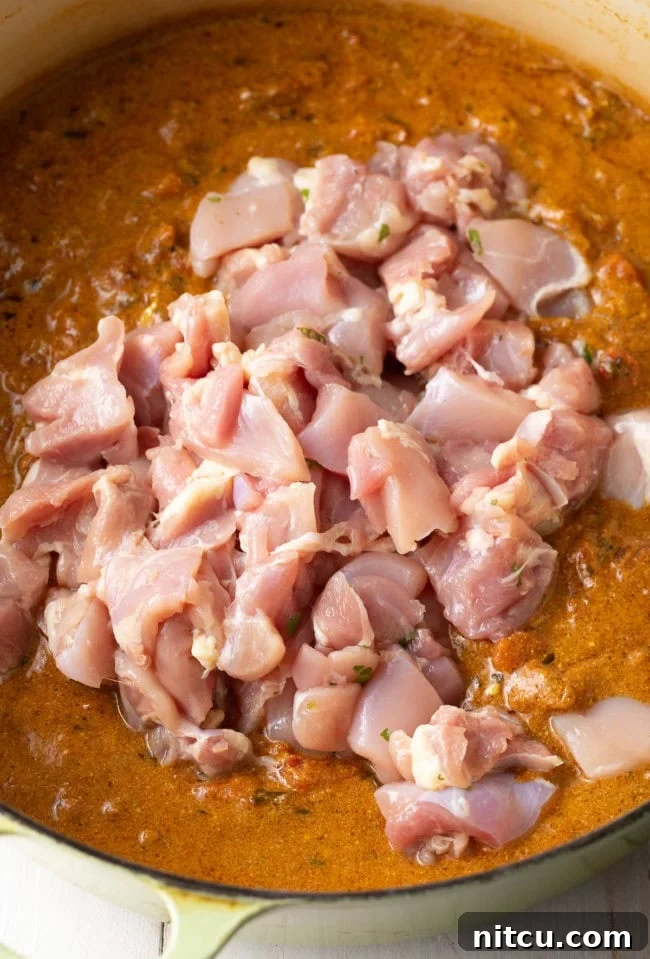
Stir the prepared chicken pieces into the fragrant sauce. Cover the Dutch oven and continue to simmer for 15-20 minutes, stirring occasionally, until the chicken is cooked through and tender.
-
When the curry is ready to serve, stir in the fresh lemon juice. This final touch brightens the dish and balances the richness. Spoon the vibrant curry over freshly cooked basmati rice and garnish with extra chopped cilantro for a burst of freshness.
Notes
For a delicious Vegetable Madras Curry, simply omit the chicken from the recipe and stir in diced potatoes and chickpeas during step 5. You can also add other hearty vegetables like cauliflower florets or green beans.
Nutrition Facts
Serving Size: 1 cup
- Calories: 698 kcal
- Carbohydrates: 12g
- Protein: 45g
- Fat: 52g
- Saturated Fat: 17g
- Cholesterol: 279mg
- Sodium: 611mg
- Potassium: 910mg
- Fiber: 3g
- Sugar: 5g
- Vitamin A: 507IU
- Vitamin C: 18mg
- Calcium: 85mg
- Iron: 4mg
(Nutritional information is an estimate and may vary depending on specific ingredients and preparation methods.)
Main Course
Indian