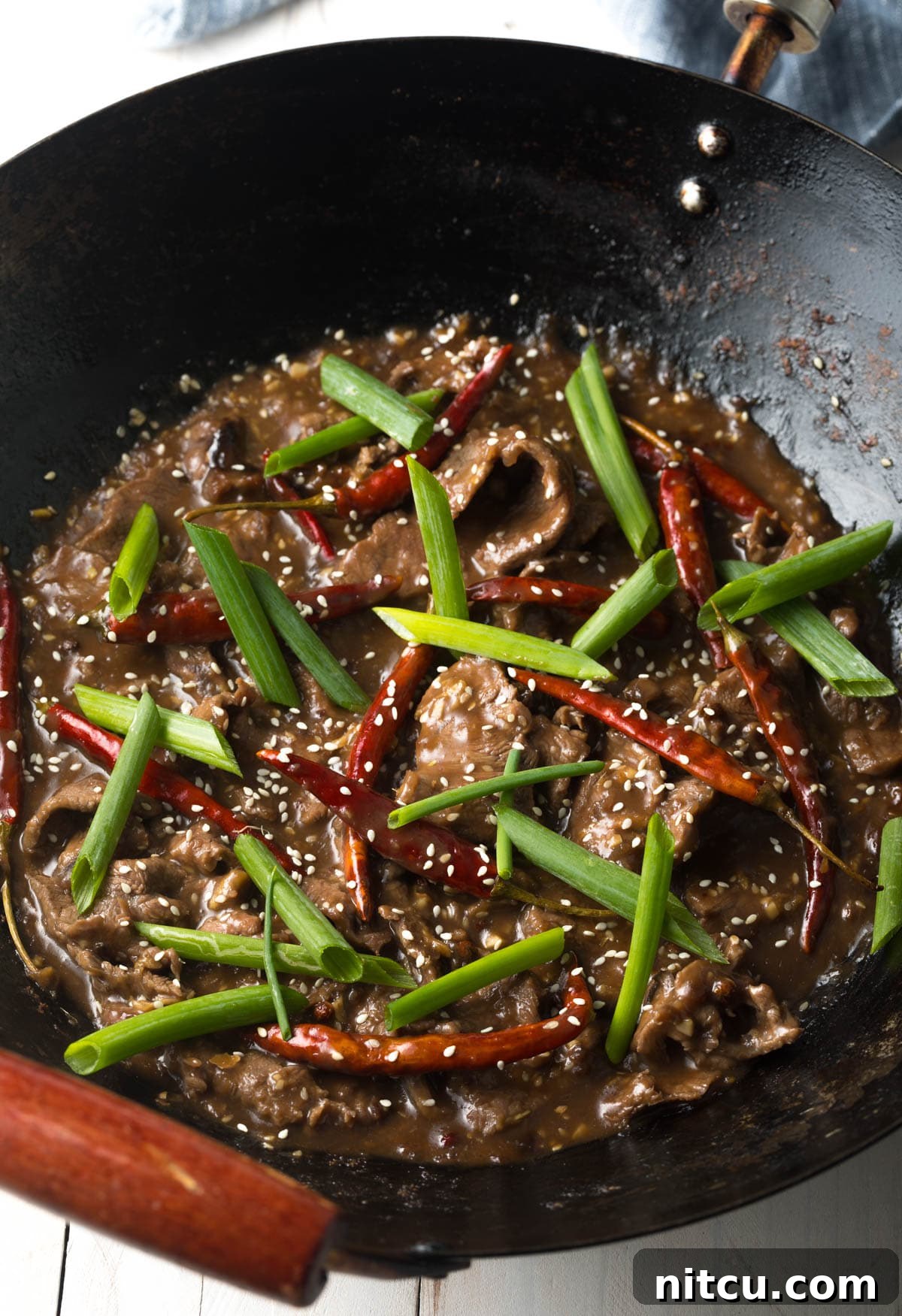
Unleash Bold Flavors: Your Guide to Easy Low-Carb Szechuan Beef
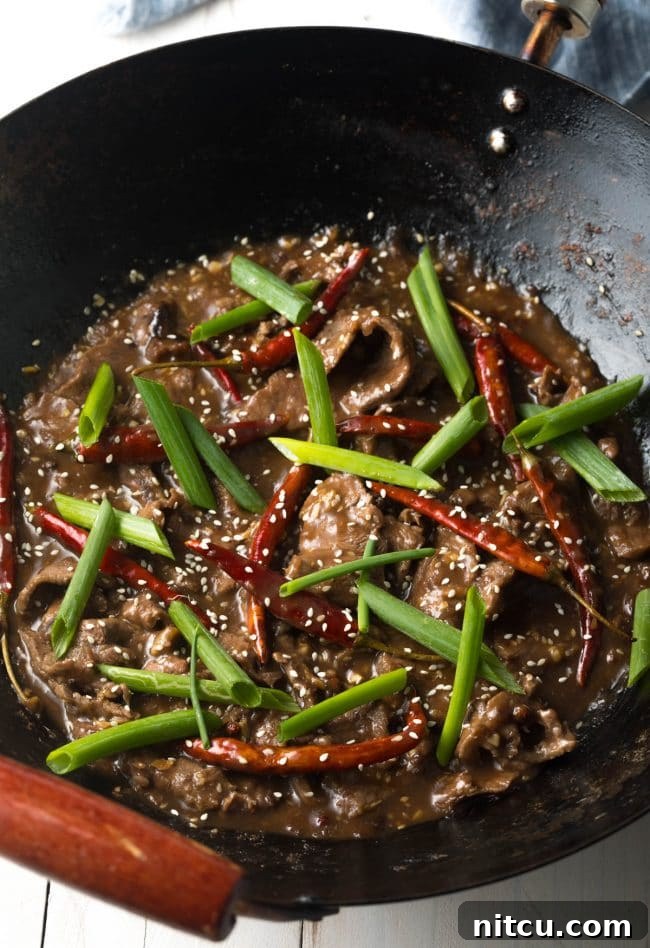
Low-Carb Crispy Szechuan Beef: A Healthier Take on a Classic
For many, the mention of Szechuan Beef conjures images of perfectly breaded, deep-fried morsels of beef, cloaked in a glossy, sticky-sweet, and undeniably spicy glaze. If this is your go-to restaurant order, you might be wondering how such a dish could ever be considered “low-carb” or even “crispy” without the traditional preparation methods.
You’re not wrong to be skeptical. This recipe, while delivering all the explosive flavors you crave from authentic Szechuan cuisine, steps away from the conventional deep-frying and heavy breading. It’s an adaptation, a culinary reimagining that proves you don’t need excessive carbs or oils to achieve incredible taste and texture.
Our rendition of Szechuan Beef is meticulously crafted to be significantly lower in carbohydrates compared to most restaurant versions or traditional recipes. We achieve a delightful texture without the need for deep-frying, and our stir-fry sauce maintains that quintessential spicy-sweet balance without an overload of sugar. The result is a dish that is not only healthier but also remarkably quick and simple to prepare in your own kitchen, allowing you to enjoy the rich, nuanced flavors of Szechuan without the guilt or lengthy cooking process.
Mastering the Easy Szechuan Beef Recipe at Home
The core philosophy behind this recipe is encapsulated in one word: easy. Often, the allure of preparing traditional ethnic dishes at home is overshadowed by perceived complexities. These might include searching for obscure ingredients, investing in specialized kitchen equipment, or dedicating hours to intricate preparation steps. Many authentic Szechuan-style recipes, with their extensive ingredient lists and laborious techniques, can indeed seem daunting to the home cook.
However, we believe that experiencing the vibrant world of Szechuan flavors shouldn’t be an exclusive endeavor reserved for professional chefs or those with boundless time. This recipe offers a streamlined, leaner, and more accessible version of classic Szechuan sesame beef stir-fry. It condenses the essence of the cuisine, allowing you to enjoy its exciting and unique characteristics without the usual fuss. While it might not adhere to every single traditional step, it carefully preserves the “show-stopper” ingredients and flavor profiles that define Szechuan cooking.
The beauty of this simplified approach lies in its practicality. You gain the satisfaction of creating a flavorful, restaurant-quality dish from scratch, tailored to your dietary preferences (like low-carb), and fitting easily into a busy schedule. This recipe proves that you can achieve a deeply satisfying and authentically inspired Szechuan meal without sacrificing convenience or your precious time. It’s an invitation to explore global flavors with confidence and ease.
Unveiling the Unique Szechuan Flavor Profile
To truly appreciate this Szechuan Beef recipe, it’s essential to understand the distinctive flavor profile that sets Szechuan (also spelled Sichuan or Schezwan) cuisine apart. Originating from the Sichuan Province in southwestern China, this culinary style is celebrated globally for its audacious and often fiery use of spices, paired with a fascinating array of contrasting tastes and sensations.
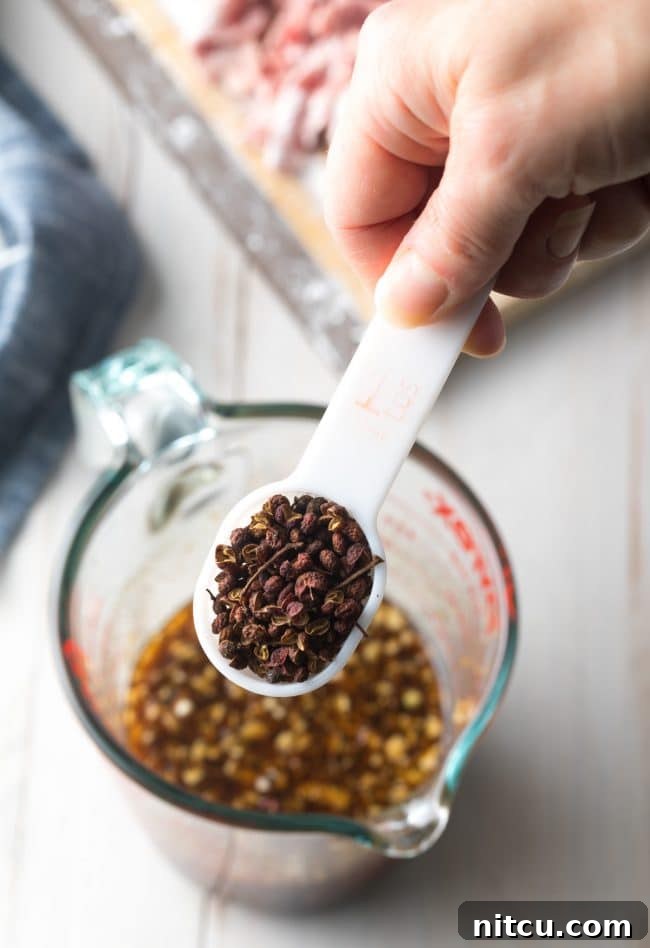
The hallmark of Szechuan flavor, often described as “ma la,” translates to “numbing and spicy.” This signature sensation is primarily delivered by two iconic ingredients that are central to our stir-fry today: Szechuan peppercorns and Szechuan chile peppers. Szechuan peppercorns are not simply “hot” in the way a traditional chile is. Instead, they induce a unique, gentle tingling or even slightly numbing sensation on the tongue. This peculiar effect isn’t intensely spicy on its own, but it magically enhances and amplifies the heat and aromatic complexity of other ingredients, adding an unparalleled depth and intrigue to the dish.
Complementing the numbing quality of the peppercorns are Szechuan chile peppers, which provide the direct, exhilarating heat. When these two elements – the tingling peppercorn and the fiery chile – come together, they create the complex, multi-dimensional flavor experience that makes Szechuan cuisine so captivating and beloved worldwide. This interplay of sensations is what truly defines the authentic character of many Szechuan recipes, including our beef stir-fry.
What to Expect: The Exquisite Taste of Szechuan Beef
Prepare your palate for an extraordinary culinary journey when you bite into Szechuan Beef. Thanks to the generous application of those distinctive tingling Szechuan peppercorns and the vibrant heat from dried chiles, this dish offers an explosion of rich, contrasting flavors that are both complex and incredibly satisfying. The taste experience is a symphony of sensations, far beyond mere spice.
- It’s deeply rich and robust, with the savory essence of tender beef at its core.
- There’s a foundational salty note, perfectly balancing the other elements.
- A subtle sweetness emerges, contributing to the addictive complexity without overpowering the spice.
- A pleasant tanginess, derived from the rice wine, adds brightness and cuts through the richness.
- Most notably, it’s layered with unique spicy qualities that transcend typical Western heat. The “ma la” combination of numbing and fiery sensations creates an exhilarating and truly memorable flavor profile.
If you find yourself in a situation where you must choose between Szechuan peppercorns and Szechuan chiles, prioritize the peppercorns. Their distinctive numbing effect on the palate is arguably the defining characteristic that truly “makes” Szechuan cuisine. However, for those seeking the complete experience, both are highly recommended. Should Szechuan chile peppers be unavailable, don’t fret! You can easily substitute them with another small, hot dried chile variety, or even a good pinch of crushed red pepper flakes, adjusted to your preferred level of heat.
Essential Ingredients for Your Szechuan Beef Stir Fry
Crafting this incredible Szechuan Beef stir-fry requires a balance of pantry staples and a few key authentic ingredients. Here’s a breakdown of what you’ll need to gather:
- Soy Sauce: The backbone of savory Asian cooking. Opt for a low-sodium and gluten-free variety if preferred, to control salt intake and accommodate dietary needs.
- Hoisin Sauce: A wonderfully sweet and savory soybean and vinegar-based sauce that adds depth. Look for gluten-free options to keep this recipe inclusive.
- Rice Wine: Crucial for authentic flavor and tenderness. Shaoxing wine is traditional, but Mirin (a Japanese sweet rice wine) or even dry sherry can be excellent substitutes if Shaoxing is hard to find.
- Brown Sugar: A small amount adds a touch of necessary sweetness to balance the heat and tang. For a stricter low-carb approach, your favorite sugar substitute can be used.
- Ginger: Freshly grated ginger provides a bright, pungent warmth. Do not skip this!
- Garlic Cloves: Freshly minced garlic is essential for its aromatic foundation, adding a pungent kick.
- Szechuan Peppercorns: These are non-negotiable for true Szechuan flavor. They deliver that unique “ma la” numbing sensation that defines the cuisine.
- Flat Iron Steak: Or flank steak. These cuts are ideal for stir-frying because they are flavorful and become tender when thinly sliced against the grain.
- Cornstarch: Used to lightly coat the beef, it helps create a tender texture and also thickens the sauce beautifully. Arrowroot powder is a great gluten-free alternative.
- Sesame Oil and Peanut Oil: A combination of oils is best for stir-frying. Peanut oil has a high smoke point perfect for high-heat cooking, while sesame oil adds a distinct, nutty aroma at the end.
- Szechuan Chile Peppers: These provide the fiery heat. Whole dried Asian chiles are traditional, but crushed red pepper flakes work well in a pinch for heat.
- Scallions: Also known as green onions, these are a vital fresh garnish, adding a crisp texture and mild oniony flavor that brightens the entire dish.
- Sesame Seeds: The “Asian sprinkles” add a lovely nutty crunch and visual appeal to the finished Szechuan Beef.
Step-by-Step Instructions for Perfect Szechuan Beef
Preparing this flavorful Szechuan Beef is straightforward. Follow these steps for a delicious and authentic-tasting meal:
- Prepare the Sauce: In a liquid measuring cup or small bowl, combine all the ingredients designated for the stir-fry sauce. Slice the scallions into 1.5-inch segments and set them aside for later garnish. Allow the ginger, garlic, and Szechuan peppercorns to infuse into the sauce while you prepare the beef. This brief soaking time allows the flavors to meld beautifully.
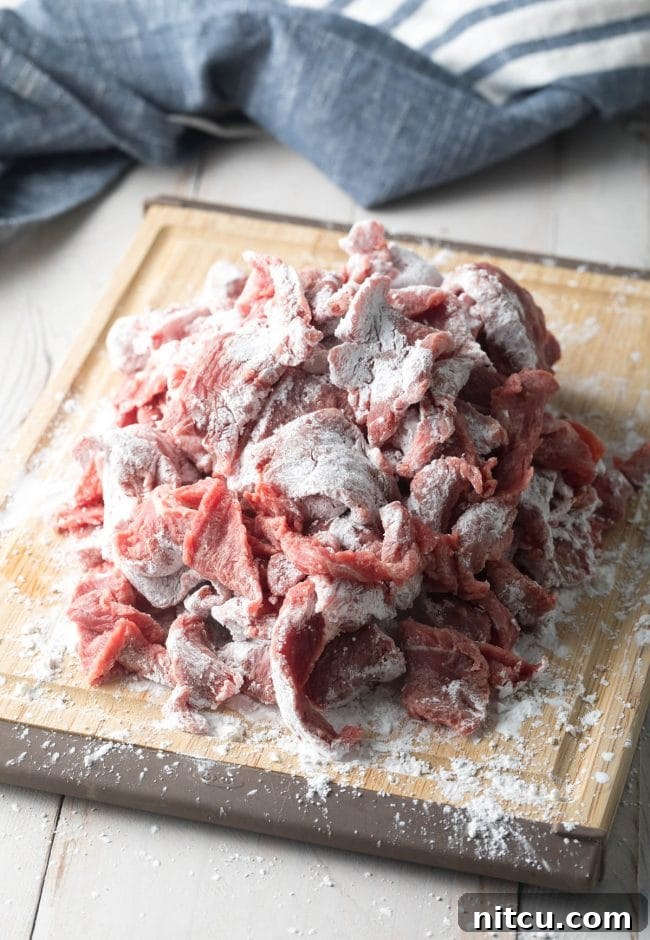
- Prepare the Beef: Lay your flat iron steak (or flank steak) on a clean cutting board. Slice the beef thinly against the grain. This is crucial for tenderness. Once sliced, toss the beef strips thoroughly with the cornstarch (or arrowroot powder) until each piece is lightly coated. This coating will protect the beef from overcooking and help thicken the sauce.
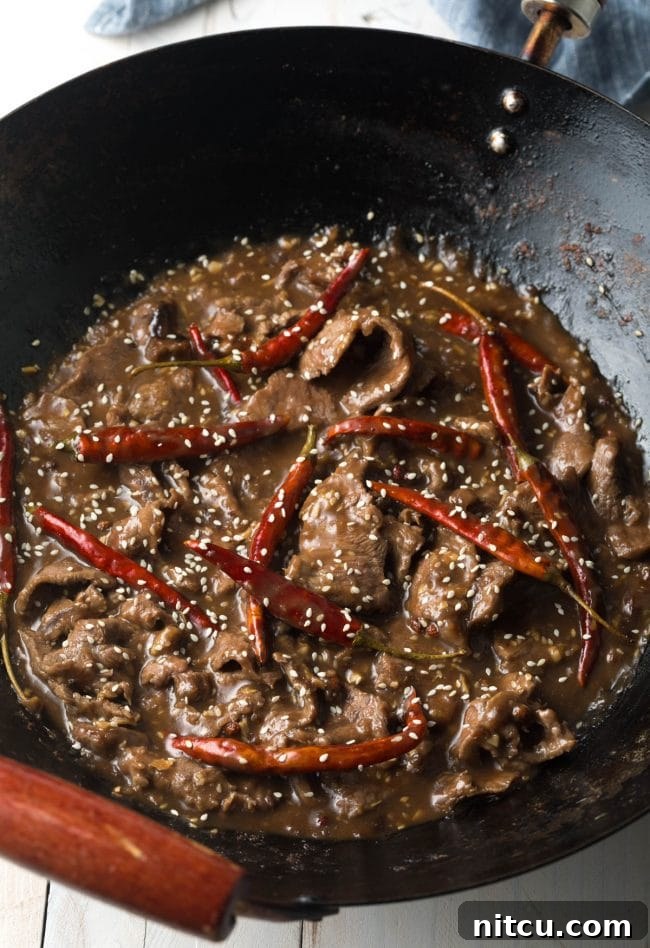
- Stir-Fry the Beef: Place a wok or an extra-large skillet over high heat. Add both the sesame oil and peanut oil. Wait until the oil begins to faintly smoke – this indicates it’s hot enough for proper stir-frying. Carefully add the cornstarch-coated beef strips and the Szechuan chiles to the hot oil. Stir-fry them quickly, constantly moving the beef around the wok to ensure even cooking and searing on all sides. This usually takes just 2-4 minutes until the beef is mostly cooked and beautifully browned.
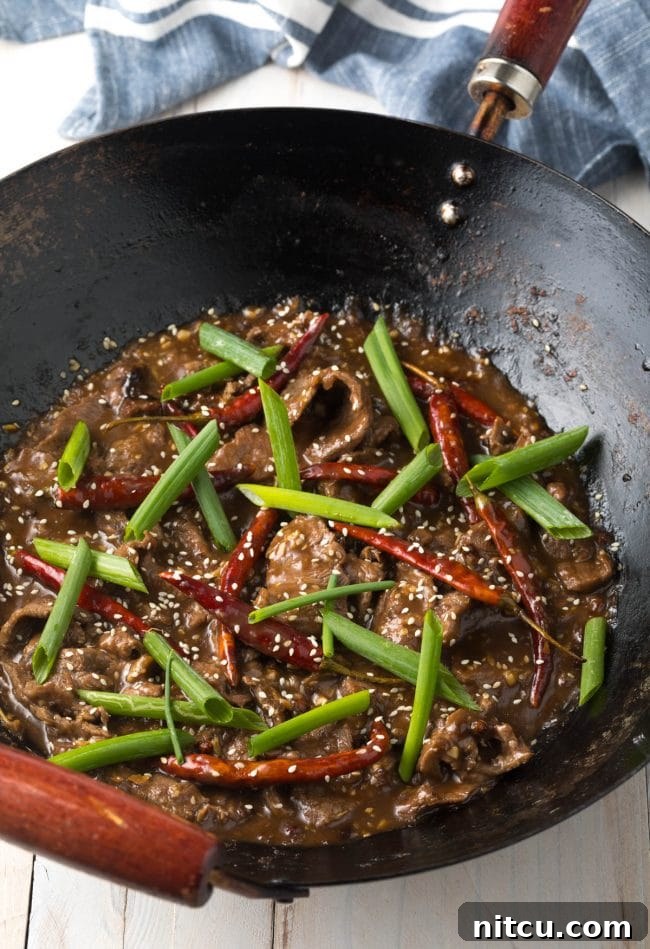
- Combine and Thicken: Once the beef is nearly cooked through, pour in the prepared marinade sauce. Stir continuously, allowing the sauce to come to a simmer. As it simmers, the cornstarch from the beef and the sauce itself will work to thicken it to a glossy, desirable consistency. This step flavors the beef deeply. As soon as the sauce reaches your preferred thickness, remove the wok from the heat immediately to prevent overcooking the beef. Serve the Szechuan Beef warm, generously sprinkled with the reserved chopped scallions and sesame seeds.
Frequently Asked Questions About Szechuan Beef
How Long Do Leftovers Last?
Leftover Szechuan Beef can be stored in an airtight container in the refrigerator for up to 3 to 4 days. It reheats well on the stovetop or in the microwave, though the beef might lose a bit of its initial crispness.
What Can I Substitute The Szechuan Peppercorns With?
The unique numbing sensation of Szechuan peppercorns is difficult to replicate exactly. While you can add crushed red pepper for heat, it will not provide the same tingling “ma la” effect. If Szechuan peppercorns are unavailable, consider trying a blend of black peppercorns and a tiny pinch of ground cloves, though the authentic sensation will still be somewhat diminished. For the most genuine experience, it’s worth seeking them out.
What Is A Less Hot Version Of The Peppers?
If you prefer a milder dish or are particularly sensitive to heat, you have a few options. You can significantly reduce the number of Szechuan chile peppers, or omit them entirely. Instead, you can use a very small amount of crushed red pepper flakes to introduce a subtle warmth without overwhelming your palate. Alternatively, focus on the Szechuan peppercorns for their unique numbing effect without adding the fiery chiles.
What To Serve With It?
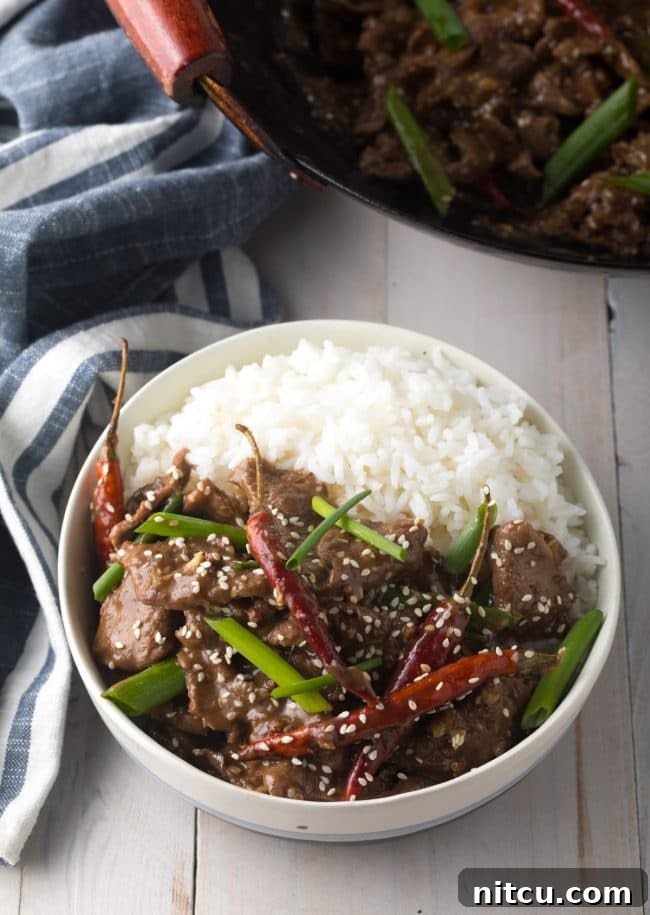
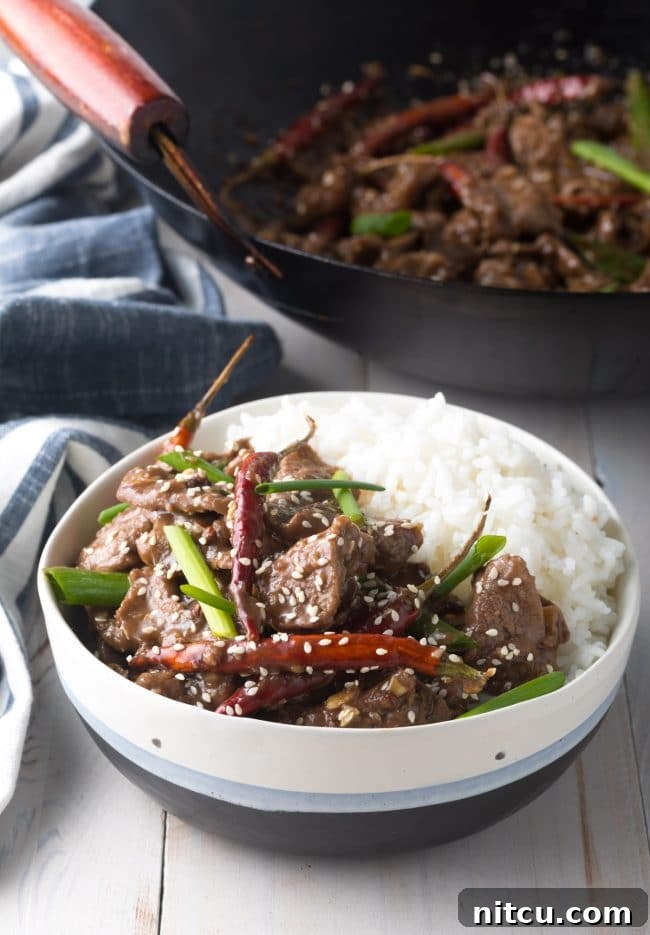
Szechuan Beef is traditionally served over a bed of fluffy white rice, which provides a neutral base to absorb the rich, spicy sauce. For a low-carb alternative, serve it with cauliflower rice. It also pairs wonderfully with a side of stir-fried vegetables like sliced onions, colorful bell peppers, crisp water chestnuts, or even steamed broccoli. Adding nuts like cashews or peanuts at the end can provide an extra layer of crunch and richness.
What Is The Difference Between Hunan Beef, Ginger Beef, Mongolian Beef, Sesame Beef, and Szechuan Beef?
While often grouped under “Chinese Beef Stir-fries,” these popular dishes each possess distinct characteristics:
- Szechuan Beef: Typically features thinly sliced beef that is often breaded and deep-fried, then coated in a highly spicy and moderately sweet sauce. It is defined by the “ma la” (numbing and spicy) sensation from Szechuan peppercorns and chiles, often garnished with fresh scallions or bean sprouts. Our recipe offers a low-carb, stir-fried version of this classic.
- Ginger Beef: This is primarily a Westernized Chinese-Canadian invention. It typically involves crispy, deep-fried beef strips coated in a sweet and sour ginger sauce, often including carrots and a milder spice profile compared to Szechuan Beef.
- Mongolian Beef: Characterized by tender slices of flank steak in a rich, dark brown sauce that is predominantly sweet and savory, with a hint of garlic and ginger. It is typically not spicy and is often stir-fried with scallions and sometimes other vegetables like broccoli or mushrooms.
- Sesame Beef: Another popular Americanized Chinese dish, often closely related to Szechuan or Hunan Beef. Its defining characteristic is a generous coating of toasted sesame seeds over beef that is usually crispy and glazed in a sweet, savory, and often mild sauce. The terms Szechuan Beef and Sesame Beef are sometimes used interchangeably in less authentic settings.
- Hunan Beef: Hailing from Hunan Province, this dish is renowned for its intense spiciness, often considered hotter than Szechuan cuisine but without the signature numbing effect of Szechuan peppercorns. It relies on fresh chiles for its heat and can sometimes incorporate a wider array of vegetables in its preparation.
Tips for Achieving Crispy Beef Without Deep-Frying
To get a satisfying texture similar to deep-fried beef in a stir-fry, a few tricks can help: ensure your beef is thinly sliced, pat it completely dry before coating with cornstarch, and use a very hot wok with enough oil to sear quickly. Don’t overcrowd the pan; cook the beef in batches if necessary to maintain high heat and achieve that desirable crisp exterior.
Can I Prepare Parts of This Recipe in Advance?
Absolutely! The stir-fry sauce can be mixed up to 2-3 days in advance and stored in the refrigerator. You can also slice the beef and coat it with cornstarch a few hours before cooking, keeping it covered in the fridge. This makes weeknight meal prep even faster.
Explore More Asian-Inspired Recipes
If you’ve enjoyed the bold flavors of our Easy Low-Carb Szechuan Beef, you’ll love diving into these other fantastic Asian-inspired dishes. Expand your culinary repertoire and discover new favorites:
- Traditional Pot Stickers: Classic Chinese dumplings, perfect as an appetizer or light meal.
- Paleo Chinese Dumplings: A healthier, gluten-free twist on the beloved pot sticker.
- Cantonese Pork Pan Fried Noodles: Savor crispy noodles topped with savory pork and vegetables.
- Panda Express Orange Chicken: Recreate this takeout favorite right in your own kitchen.
- Paleo Lemon Chicken: A light and zesty chicken dish, compliant with paleo dietary guidelines.
- Instant Pot Sweet Soy Chicken Thighs: Effortlessly tender and flavorful chicken thighs made in a pressure cooker.
- Instant Pot Sesame Chicken: Another quick and delicious chicken recipe, perfect for busy weeknights.
- Sheet Pan Mongolian Beef: An incredibly simple sheet pan method for a classic beef dish.
- See ALL Our International Recipes for more global culinary adventures!
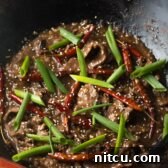
Easy Szechuan Beef Recipe
10 minutes
10 minutes
20 minutes
6
Ingredients
For the Stir Fry Sauce:
- 1/4 cup low sodium soy sauce (I use GF)
- 3 tablespoons water
- 2 tablespoons hoisin sauce (GF)
- 2 tablespoons mirin rice wine (or Shaoxing)
- 2 tablespoons brown sugar *optional
- 2 tablespoons fresh grated ginger
- 4-6 cloves garlic, minced
- 1 tablespoon Szechuan peppercorns
For the Beef:
- 1 1/2 pounds flat iron steak (or flank steak)
- 1 1/2 tablespoon cornstarch (or arrow root)
- 1 tablespoon sesame oil
- 2 tablespoon peanut oil
- 6-12 whole dried Szechuan chile peppers (or crushed red pepper to taste)
- 1 bunch scallions, cut into 1.5 inch segments
- 1 tablespoon sesame seeds
Instructions
- In a liquid measuring cup, add all the ingredients for the stir fry sauce. Slice the scallions and set aside. Allow the ginger, garlic, and Szechuan peppercorns to soak while you slice the beef.
- Lay the flat iron steak on a cutting board. Cut the beef against the grain into thin slivers. Then toss the beef strips with the corn starch.
- Set a wok (or XL skillet) over high heat. Add both oils. When the oil starts to smoke, carefully toss in the beef strips and Szechuan chiles. Quickly move them around the wok to stir fry the beef on both sides.
- Once the beef is mostly cooked (2-4 minutes) stir in the sauce. Allow the sauce to simmer and thicken. Once it reaches your desired consistency, turn off the heat. Serve warm, sprinkled with chopped scallions and sesame seeds.
Notes
- You can find Szechuan peppercorns and chile peppers at grocery stores with good international sections, at Asian markets, and online.
- Although Szechuan chile peppers are traditionally served in the stir fry, they are not meant to eat. You can take them out before serving if you like.
- If you are very sensitive to heat, skip the Szechuan chile peppers and use a small amount of crushed red pepper instead.
- Shaoxing wine is Chinese, yet Mirin is Japanese and often much easier to find. You can use either.
Nutrition
Calories: 329kcal,
Carbohydrates: 10g,
Protein: 23g,
Fat: 19g,
Saturated Fat: 5g,
Cholesterol: 75mg,
Sodium: 528mg,
Potassium: 451mg,
Fiber: 1g,
Sugar: 6g,
Vitamin A: 315IU,
Vitamin C: 1.7mg,
Calcium: 40mg,
Iron: 3.5mg
Main Course
Chinese
Sommer Collier