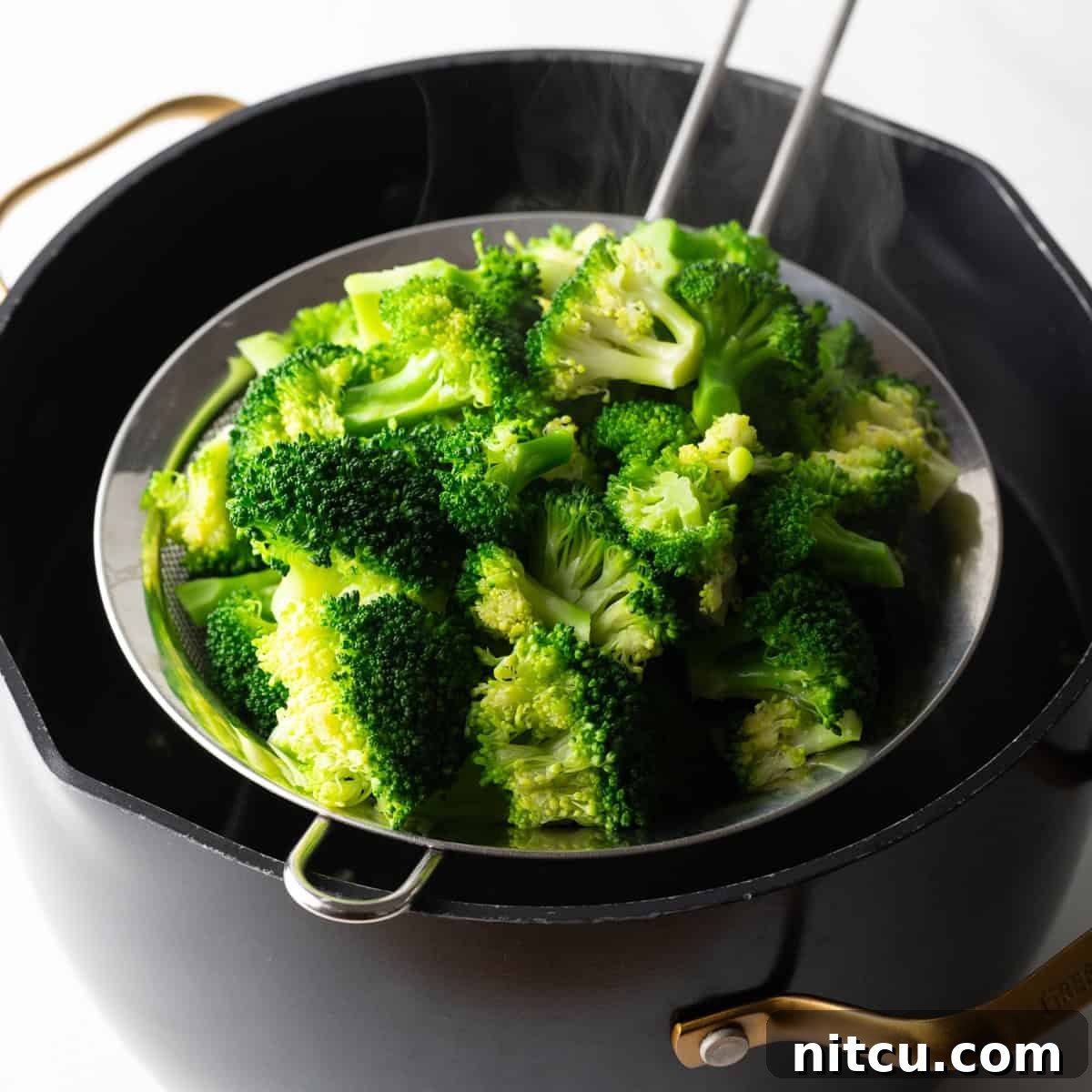
The Ultimate Guide to Perfectly Boiled Broccoli on Your Stovetop
Master the art of cooking broccoli with this simple, foolproof guide. Learn how to achieve fork-tender, vibrant green florets every time, whether you’re serving them as a healthy side dish or incorporating them into your favorite savory recipes. Discover the easy steps to blanch broccoli and unlock its full potential!
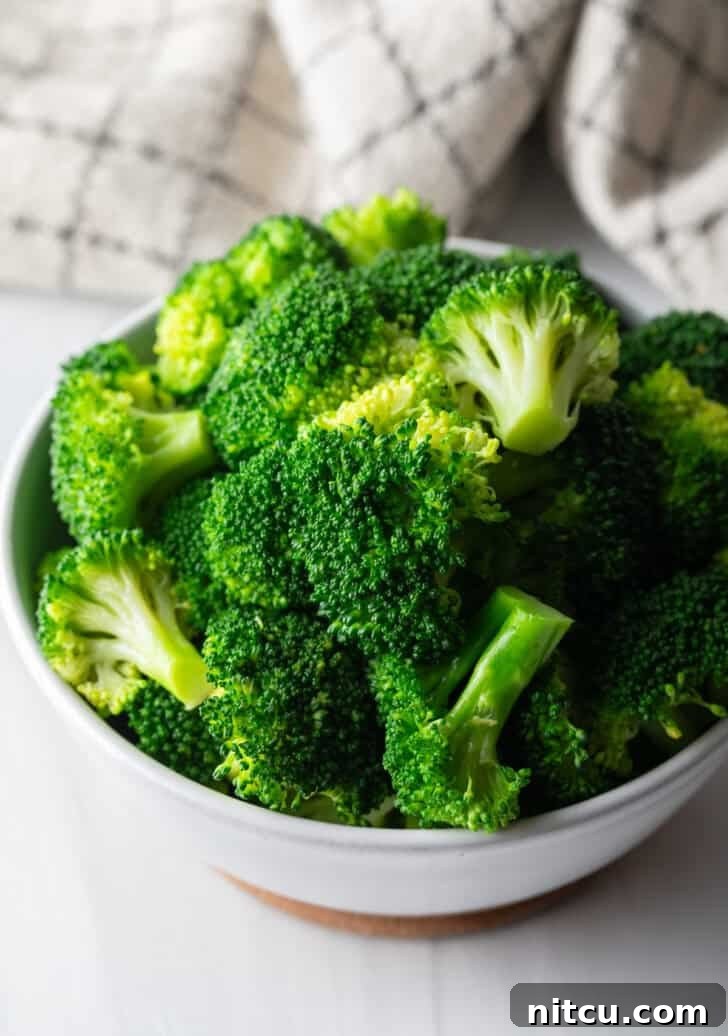

Sommer’s Culinary Insights: Embracing Broccoli’s Versatility
As an avid home cook, I can confidently say I’m a huge fan of broccoli. Every part, from the fluffy, tender florets to the sturdy, slightly sweet stems, offers a delightful texture and flavor. It seems many readers share my enthusiasm, as our sweet and spicy roasted broccolini and Panda Express copycat super greens recipes consistently win over both long-time broccoli lovers and even those who claim to be skeptics!
While various cooking methods like oven roasting and steaming are fantastic for bringing out broccoli’s irresistibly earthy, subtly bitter, and naturally sweet flavors, sometimes you need a method that’s quick, efficient, and reliable. That’s where stovetop boiling comes in.
It’s true that boiling can sometimes get a bad rap for nutrient loss or bland results. However, when done correctly, boiling is an incredibly useful technique for cooking broccoli quickly and effectively. It’s perfect when you need tender broccoli in a flash for a side dish or as a component in a more complex recipe.
Why You’ll Love This Easy Broccoli Boiling Guide
- Speed and Efficiency: Go from raw broccoli to perfectly cooked, tender florets in just minutes, using nothing more than a single pot on your stovetop. It’s ideal for busy weeknights!
- Effortless Customization: This recipe typically yields about 4 cups of cooked broccoli, which is perfect for 4 servings. You can easily scale it down for a solo meal or cook multiple batches to prepare a larger quantity for meal prep or gatherings.
- Unmatched Versatility: Once boiled, broccoli transforms into a nutritious and adaptable ingredient. Enjoy it simply as a healthy side dish, or integrate it into a wide array of recipes, from light salads to hearty comfort foods.
This guide is a staple for any home cook. Be sure to bookmark it and save it to your favorite recipe board so you can easily reference it whenever you need to blanch or boil fresh broccoli quickly and perfectly!
Mastering the Perfect Boil: Your Step-by-Step Guide to Tender Broccoli
Achieving perfectly boiled broccoli is all about attention to detail and precise timing. Follow these steps for consistently delicious results:
Selecting and Preparing Your Broccoli
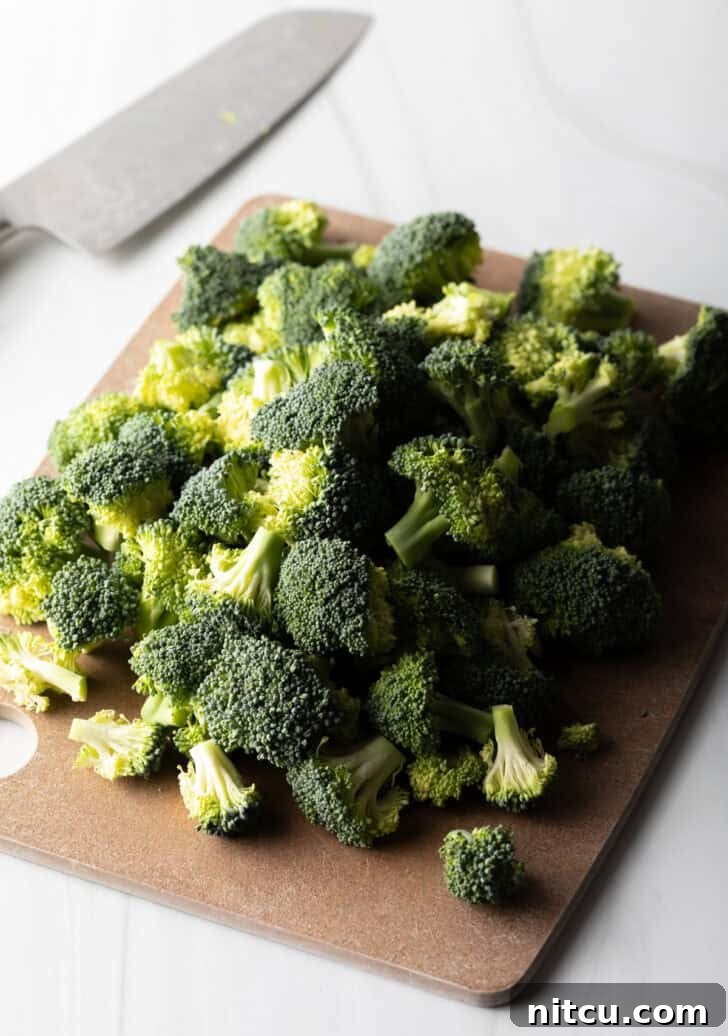
Start with fresh, vibrant green broccoli. Look for firm stems and tightly closed florets without any yellowing. Before boiling, it’s crucial to prepare your broccoli properly.
- Cleaning: Rinse the broccoli head thoroughly under cold running water to remove any dirt or debris.
- Cutting into Florets: Use a sharp knife to carefully cut the broccoli into uniform, bite-sized florets, ideally around 1 to 2 inches in size. The exact dimensions aren’t as important as ensuring the pieces are roughly the same size. This consistency is key for even cooking, preventing some pieces from becoming mushy while others remain undercooked. Don’t discard the stems! You can peel and chop them into smaller pieces to boil alongside the florets, as they are also delicious and packed with nutrients.
- Time-Saving Tip: If you’re short on time, don’t hesitate to purchase a bag of pre-cut broccoli florets from your local grocery store. Just ensure they are fresh and firm.
Setting Up Your Pot and Water
The right setup is crucial for successful boiling.
- Choose the Right Pot: Use a large pot that can comfortably hold the broccoli and plenty of water, allowing the florets to submerge fully and move freely.
- Add Water and Salt: Fill the pot with approximately 8 cups of water for every 4 cups of broccoli. This ensures enough volume to maintain a rolling boil once the broccoli is added. Critically, add a generous tablespoon of salt to the water. Salting the water not only seasons the broccoli from the inside out but also helps to enhance its natural flavor and keeps it vibrant green.
- Bring to a Rolling Boil: Place the pot over high heat and bring the water to a vigorous, rolling boil. You’ll see large, active bubbles breaking the surface. This high heat is essential for a quick cook, which helps retain nutrients and color.
The Boiling Process: Timing is Everything
This is where precision makes all the difference.
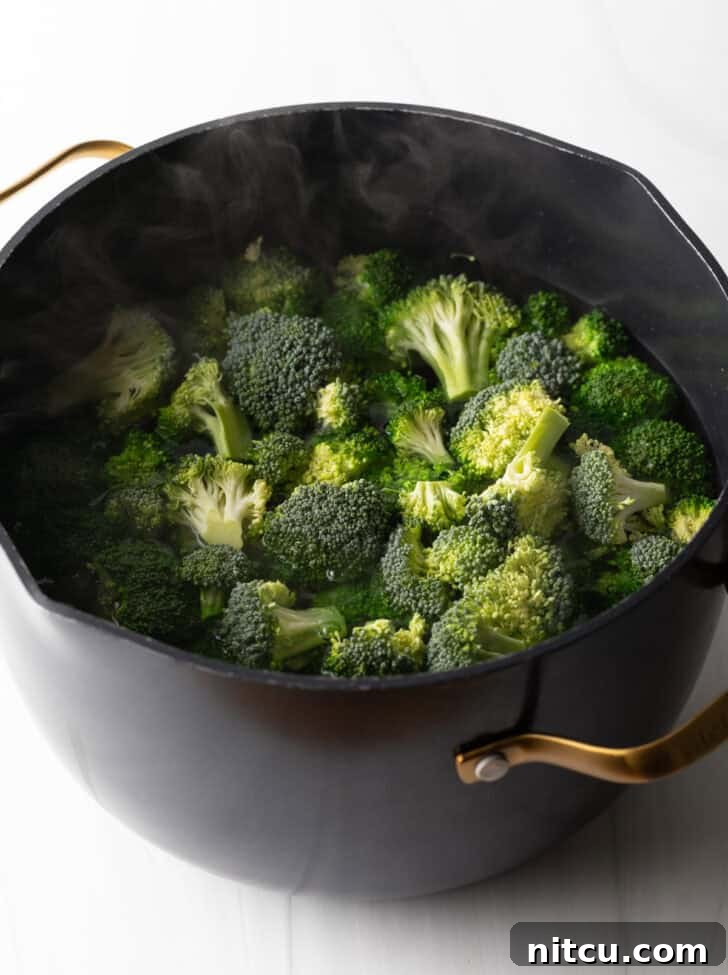
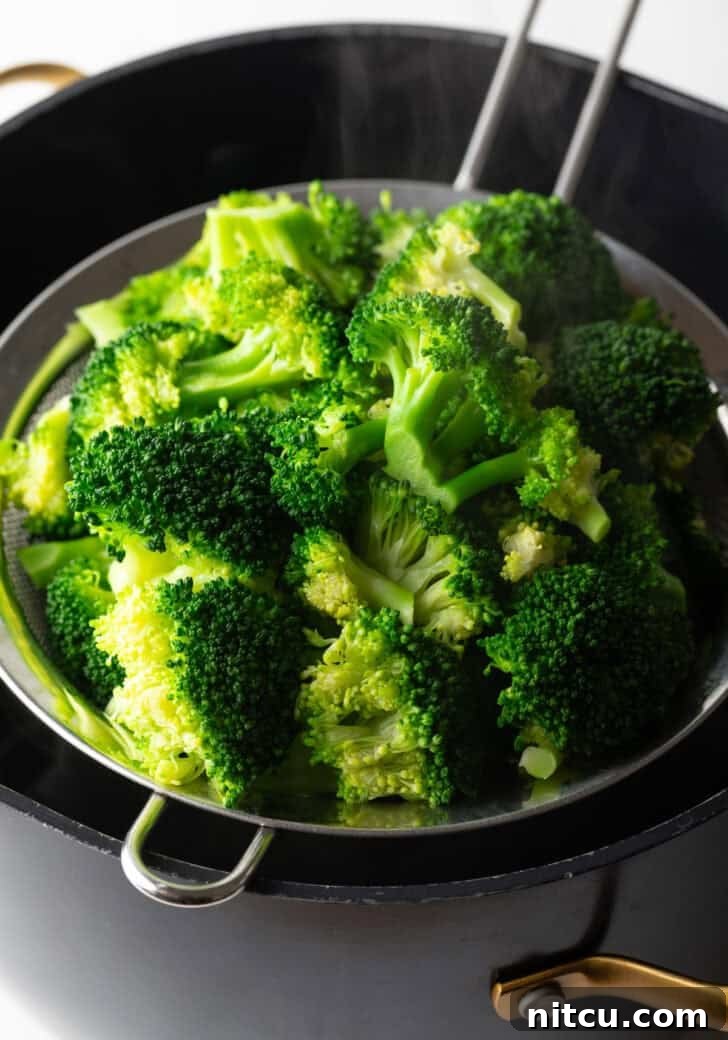
- Add Broccoli: Once the water is at a full rolling boil, carefully drop the prepared broccoli florets (and stems, if using) into the pot.
- Stir and Cook Briefly: Give the broccoli a quick stir to ensure all pieces are submerged. Cook for a very short duration, typically 1 to 2 minutes. The goal is to cook the broccoli until it is bright green, slightly tender-crisp, and can be easily pierced with a fork but still offers a slight resistance or “bite” in the center. Avoid overcooking, which leads to dull color, mushy texture, and significant nutrient loss.
- The “Al Dente” Rule: For most recipes, you want your boiled broccoli to be “al dente” – cooked, but still firm to the bite. If you plan to add it to another dish that will cook further (like a casserole or soup), cook it for the shorter end of the time range (1 minute).
Draining and Finishing
- Quick Removal: As soon as the broccoli reaches your desired doneness, immediately remove it from the boiling water. Use a slotted spoon or a fine-mesh skimmer to quickly lift the florets out. Alternatively, you can carefully drain the entire pot through a colander.
- Optional Ice Bath (for Blanching): If you’re blanching the broccoli specifically to stop the cooking process and preserve its vibrant color and crisp-tender texture for later use or a cold dish, immediately transfer the cooked broccoli to a bowl of ice water for a minute or two. This “shocks” the broccoli, halting the cooking. Drain thoroughly before using. For serving immediately as a hot side dish, an ice bath is not necessary.
- Serve or Use Immediately: Serve your perfectly boiled broccoli as is, perhaps with a dash of seasoning, or incorporate it into your chosen recipe.
Find the complete, detailed guide for How to Boil Broccoli, including specific instructions, storage tips, and a video tutorial, in the printable recipe card at the bottom of this post.
Delectable Serving Suggestions for Boiled Broccoli
Boiled broccoli is an incredibly versatile vegetable that can elevate almost any meal. Here are some delicious ideas to serve your perfectly cooked florets:
As a Quick and Flavorful Side Dish
The simplest way to enjoy boiled broccoli is as a last-minute vegetable side dish, pairing beautifully with almost any main protein. Elevate its natural taste with these simple additions:
- Cheesy Delights: A sprinkle of shaved or grated Parmesan cheese is a classic choice. For an extra indulgent and kid-approved treat, pour a generous amount of our creamy cheese sauce for broccoli over the top.
- Simple Seasonings: Sometimes, less is more. A dash or two of garlic powder, a pinch of crushed red pepper flakes for a subtle kick, or a sprinkle of nutritional yeast for a cheesy, umami flavor can make your entire meal pop.
- Rich Dressings and Sauces: Drizzle warm, tender, and fluffy florets with rich and creamy dressings. Our all-purpose tahini sauce, savory garlic Parmesan sauce, or luscious garlic butter sauce are fantastic options. For a lighter take on a fast-food favorite, try it with burger sauce.
Protein Pointer: Want to add a boost of protein to your boiled broccoli? Serve it alongside a dollop of whipped cottage cheese dip, a side of homemade classic queso, or a warm bowl of queso blanco. It’s an incredibly satisfying combination!
Creative Ways to Incorporate Boiled Broccoli into Your Meals
Beyond being a simple side, perfectly cooked broccoli is a versatile ingredient that can enhance the flavor and nutrition of countless dishes. Its light and fresh taste makes it an excellent addition to both lighter and heartier meals.
In Creamy Pasta Dishes and Noodles
Toss your tender florets into rich and creamy pasta dishes to add a fresh, green crunch and a boost of nutrients. It pairs wonderfully with:
- Creamy fettuccine Alfredo
- Comforting cheddar cheese pasta
- “Fancy” Boursin cheese pasta
- Classic beef and noodles
- Ultra-buttery garlic butter noodles
Enhancing Soups, Bowls, and Stir-Fries
Add partially cooked or blanched broccoli to dishes that will continue to cook, ensuring it doesn’t get overdone. It’s a fantastic addition to:
- Our fan-favorite mean green Buddha bowls for a healthy, vibrant meal.
- Simple and protein-packed teriyaki chicken bowls.
- Lean and nourishing chicken detox soup or a rustic white bean and kale soup.
- Any homemade stir-fry for added texture and nutrients.
As a Substitute in Baked Goods and Casseroles
Blanched florets can often be used interchangeably with frozen and thawed bagged vegetables in a variety of recipes. They are perfect for:
- Making fluffy broccoli cornbread.
- Adding to hearty casseroles for extra nutrition and color.
- Substituting for spinach in quiches, like our deep dish vegetarian quiche.
- And so much more – the possibilities are truly endless!
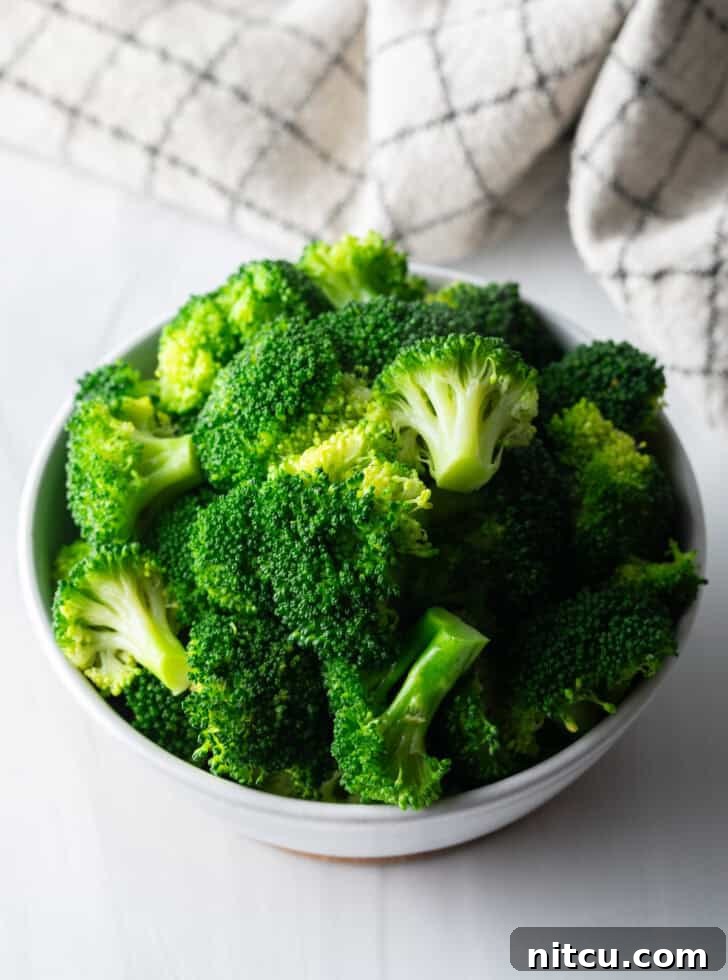
Broccoli: A Nutritional Powerhouse
Beyond its delicious taste and versatility, broccoli is celebrated for its incredible health benefits, making it a valuable addition to any diet. This cruciferous vegetable is packed with essential vitamins, minerals, and antioxidants that support overall well-being.
- Rich in Vitamin C: Broccoli is an excellent source of Vitamin C, a powerful antioxidant that boosts the immune system, promotes skin health, and aids in collagen production.
- Good Source of Vitamin K: Essential for blood clotting and bone health, Vitamin K is abundant in broccoli.
- Fiber-Rich: High in dietary fiber, broccoli supports digestive health, helps regulate blood sugar levels, and contributes to a feeling of fullness, which can aid in weight management.
- Antioxidant Properties: Broccoli contains various antioxidants, including sulforaphane, indole-3-carbinol, and carotenoids, which help protect cells from damage caused by free radicals and may reduce the risk of chronic diseases.
- Mineral Content: It provides important minerals like potassium (beneficial for blood pressure), iron (vital for oxygen transport), and calcium (crucial for bone density).
- Low in Calories: With its high nutrient density and low-calorie count, broccoli is a fantastic food choice for those looking to maintain a healthy weight without sacrificing essential nutrients.
By incorporating boiled broccoli into your meals, you’re not just adding a tasty vegetable; you’re also infusing your diet with a powerful dose of health-promoting compounds. While some nutrients can be lost during boiling, the quick blanching method described ensures that a significant portion of these beneficial elements are retained, making it a smart and healthy cooking choice.
Print Recipe
Leave a Review »
How to Boil Broccoli on the Stove
Cook Time: 2 minutes
Total Time: 7 minutes
Video
Ingredients
- 4 cups fresh broccoli florets
- 8 cups of water
- Salt
Instructions
- Set a large pot of water over high heat. Bring to a boil and add a generous tablespoon of salt to the water.
- Meanwhile, cut the broccoli into bite-size florets, about 1-2 inches, removing extra stem when needed.
- Once the water reaches a rolling boil, drop the broccoli into the water. Stir and cook for 1-2 minutes.
- The broccoli should be bright green and slightly undercooked, so it still has a slightly firm bite in the center. Use a skimmer to quickly remove the broccoli.
- Serve as-is, or use in recipes that require blanched broccoli.
Notes
Nutrition
Calories: 21kcal,
Carbohydrates: 4g,
Protein: 2g,
Fat: 0.2g,
Saturated Fat: 0.1g,
Polyunsaturated Fat: 0.1g,
Monounsaturated Fat: 0.02g,
Sodium: 36mg,
Potassium: 192mg,
Fiber: 2g,
Sugar: 1g,
Vitamin A: 378IU,
Vitamin C: 54mg,
Calcium: 38mg,
Iron: 0.4mg
Cuisine: American
Frequently Asked Questions About Boiled Broccoli
Blanching is a cooking technique where produce is briefly immersed in boiling water, usually for only a minute or two, followed immediately by plunging it into ice water. This partially cooks the vegetable, preserving its color, texture, and some nutrients, while halting the cooking process. It’s especially useful when you want to prepare vegetables for later use in a dish that requires further cooking, ensuring they don’t become overcooked or soggy. The ice bath is crucial to stop the cooking and maintain a crisp-tender texture.
Both boiling and steaming are fast and simple methods for cooking broccoli, and both help retain the majority of its essential nutrients. Steaming tends to preserve slightly more vitamins and minerals compared to boiling, as the broccoli isn’t directly submerged in water. However, the difference is often not significant, especially with quick boiling or blanching methods. Boiling offers the advantage of very rapid cooking and can be a preferred method for certain textures or for pre-cooking before adding to other recipes. Ultimately, the “better” method often comes down to personal preference for texture and the specific recipe’s needs.
For perfectly tender-crisp broccoli florets and stems, boil them for only 1 to 2 minutes. This short cooking time is key to retaining their bright green color and a pleasant, firm bite. The broccoli should be soft enough to easily pierce with a fork but still have a slight resistance. Overcooking will result in dull-colored, mushy broccoli with a diminished flavor and nutrient profile. Always aim for that “al dente” texture.
For the best flavor and texture, it’s always recommended to enjoy boiled broccoli shortly after it’s cooked. However, if you have leftovers or are preparing it for meal prep, cooked broccoli will store well in an airtight container in the refrigerator for up to 3 to 5 days. You can then easily reheat it gently in the microwave or add it directly to other dishes as they cook, maintaining its quality and convenience.
Yes, you can boil frozen broccoli using a similar method, but the cooking time will be shorter, typically 30 seconds to 1 minute, as it has already been blanched before freezing. Add frozen broccoli directly to boiling salted water without thawing. Cook until bright green and tender-crisp, then drain immediately. Be careful not to overcook, as frozen vegetables can become mushy more quickly.