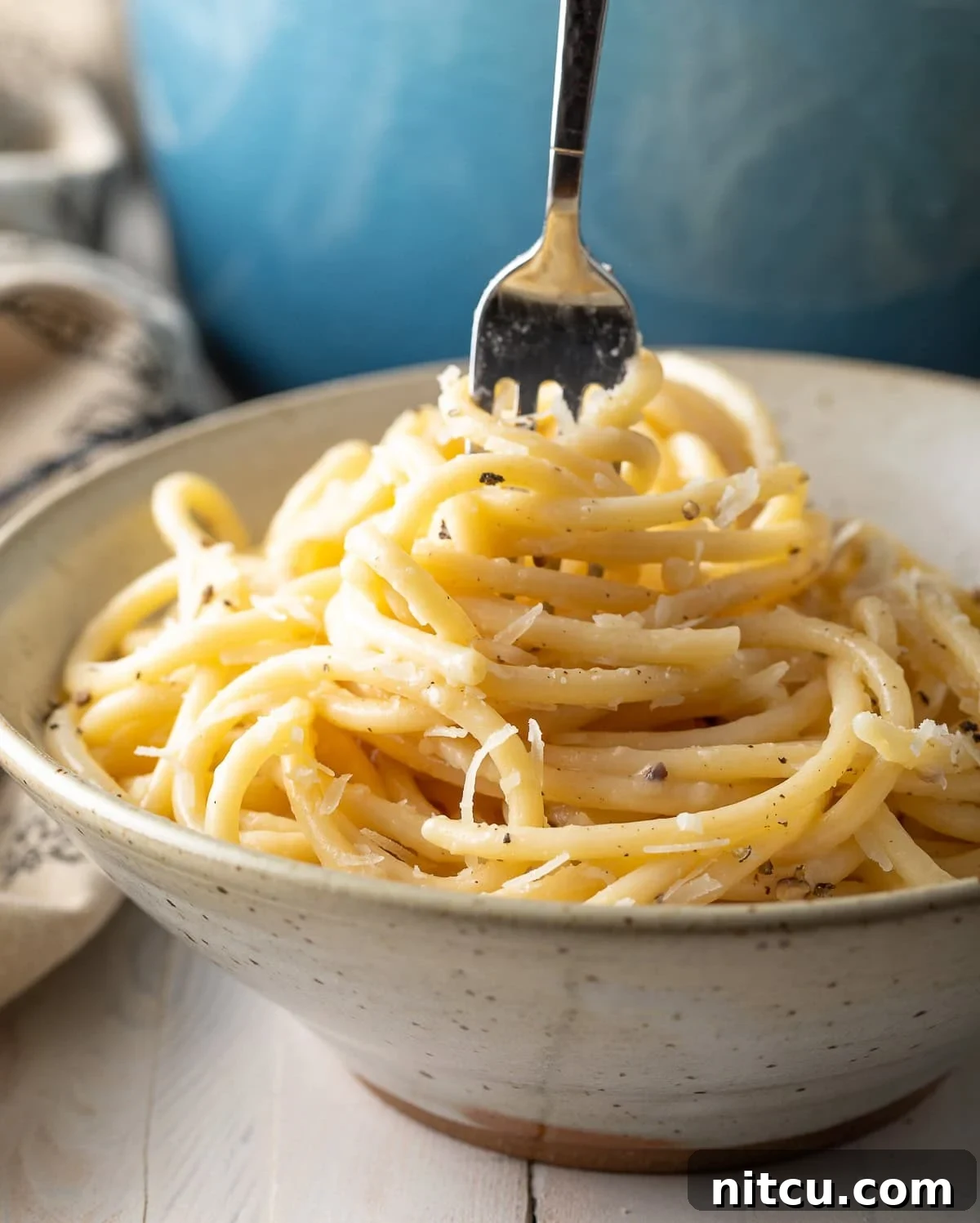
Cacio e Pepe Recipe: Discover the art of creating authentic Cacio e Pepe, mastering the techniques used by top chefs with just a handful of quality ingredients and a secret twist. Prepare for a truly extraordinary pasta experience!
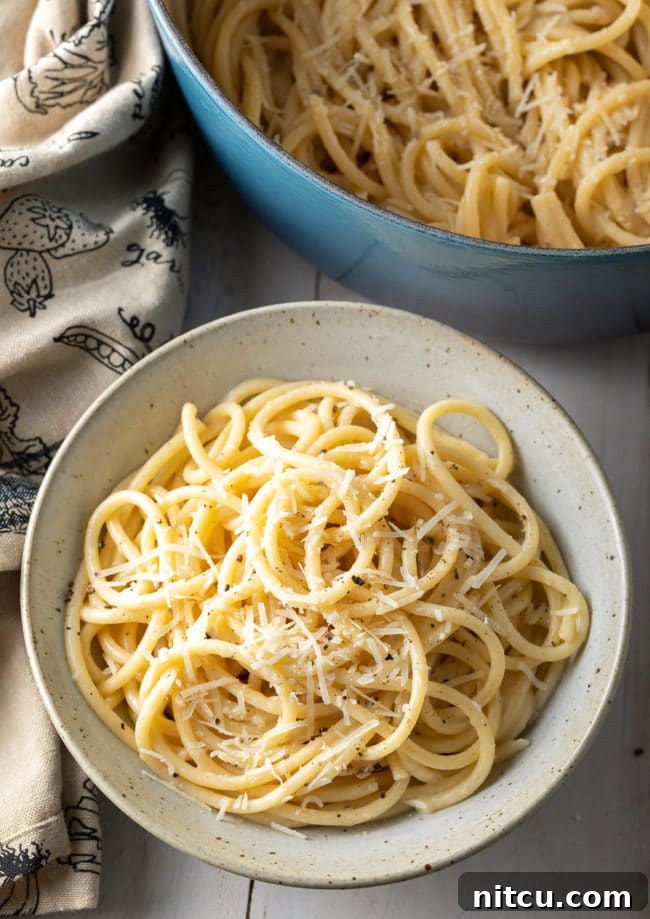

Unlocking the Magic of Cacio e Pepe: Sommer’s Expert Tips
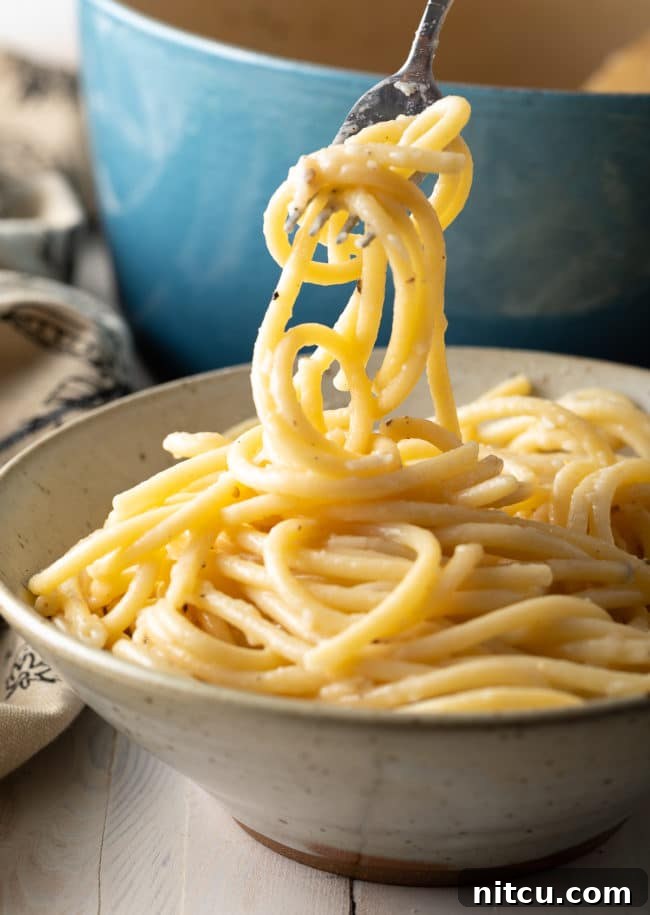
Prepare yourselves, fellow food enthusiasts, for a truly exceptional culinary journey! Today, we’re diving deep into the world of fresh, fabulous, and unequivocally addictive Cacio e Pepe. This isn’t just a pasta dish; it’s an ode to simplicity, a silky embrace of robust cheese flavor, and a testament to how humble ingredients can achieve extraordinary results. If you’ve been seeking the perfect romantic meal or a delightful treat to impress, look no further. This recipe for Cacio e Pepe is designed to be the star of your menu, promising a taste of Roman elegance right in your own kitchen.
Often considered one of Italy’s most classic and deceptively simple pasta dishes, Cacio e Pepe translates literally to “cheese and pepper.” Originating from Rome, its brilliance lies in its minimal ingredient list and a technique that transforms them into a luxurious, creamy sauce that clings perfectly to every strand of pasta. While it appears straightforward, mastering the emulsification of cheese and starchy pasta water is the secret to its velvety texture and intense flavor. This guide will walk you through achieving that restaurant-quality finish, ensuring your Cacio e Pepe is nothing short of perfection.
What Elevates Our Cacio e Pepe Recipe Above the Rest?
The culinary world is rich with variations of Cacio e Pepe recipes, and many of them are undoubtedly delicious. However, our unique approach incorporates several key techniques and ingredient choices that guarantee a superior outcome. We believe these distinctions will not only simplify your cooking process but also enhance the depth of flavor and the exquisite texture of your finished dish. Here’s why you absolutely must try our method for the best Cacio e Pepe:
The Efficiency of One-Pot Cooking for Maximum Flavor
Forget the hassle of multiple pots and pans. Our method embraces the elegance of one-pot cooking, making this dish incredibly convenient and surprisingly easy to clean up. This isn’t merely a gimmick; it’s a fundamental aspect of creating the perfect Cacio e Pepe. By cooking the pasta directly in the same vessel that will house the sauce, you ensure that every bit of precious starchy liquid remains in the pot. This starchy water is absolutely critical for emulsifying the cheese and pepper into a rich, luscious sauce that evenly coats the pasta. Draining the pasta would mean losing this essential component, compromising the desired texture and creaminess. Our one-pot approach ensures optimal starch retention, leading to a perfectly balanced and incredibly flavorful sauce.
Embracing Bucatini: The Secret to a Superior Texture
While fresh pasta always offers an unparalleled experience, if time or availability prevents you from using it, the choice of dried pasta becomes paramount. For Cacio e Pepe, we enthusiastically recommend bucatini over traditional spaghetti. Why? Bucatini, though similar in appearance to spaghetti, features a small hole running through its center. This unique characteristic is a game-changer. When you bite into bucatini, it offers a slight give, mimicking the delightful resistance and chewiness of freshly made pasta far better than solid spaghetti strands. This internal tunnel also acts as a miniature reservoir, capturing and holding the creamy, peppery sauce, delivering an explosion of flavor with every single bite. Trust us, once you try Cacio e Pepe with bucatini, you’ll understand the difference.
The Flavor Infusion: Boiling Pasta in Chicken Broth
Here lies our celebrated secret ingredient and transformative cooking tip: instead of plain water, we boil the pasta in high-quality chicken broth. This simple swap profoundly infuses the pasta with an extra layer of savory depth even before the cheese is introduced. The pasta absorbs the rich flavors of the broth as it cooks, resulting in a more complex and satisfying base for your Cacio e Pepe. For those seeking a vegetarian option, a robust vegetable broth works equally well, providing that essential umami boost. You will be astonished at how much this single step elevates the overall taste profile of the dish.
Unleashing Aroma: The Art of Toasted Pepper
The “pepe” in Cacio e Pepe is not to be underestimated. One small but impactful detail that significantly boosts the flavor is to toast the freshly cracked black pepper before it’s mixed into the pasta. Dry toasting the pepper in the hot pan releases its essential oils, intensifying its aroma and flavor. This process brings out a warm, complex spiciness that is far more nuanced and pronounced than simply adding raw pepper. It’s a simple step that makes an immense difference, ensuring the pepper component is as vibrant and integral as the cheese.
The Perfect Harmony: Two Cheeses for Double the Flavor
While some traditional Cacio e Pepe recipes call for only Pecorino Romano, we advocate for a masterful blend of two distinct cheeses: Pecorino Romano and Parmigiano Reggiano. Pecorino Romano, made from sheep’s milk, offers a sharp, salty, and tangy profile with a slightly crumbly texture. Parmigiano Reggiano, made from cow’s milk, contributes a nutty, umami-rich flavor and a silkier melt. Combining these two cheeses creates a more balanced, complex, and utterly irresistible sauce. The interplay of their distinct characteristics adds layers of deliciousness that take this Cacio e Pepe recipe to an entirely new level of gourmet satisfaction.
The Non-Negotiable: Freshly Grated Cheese Off the Block
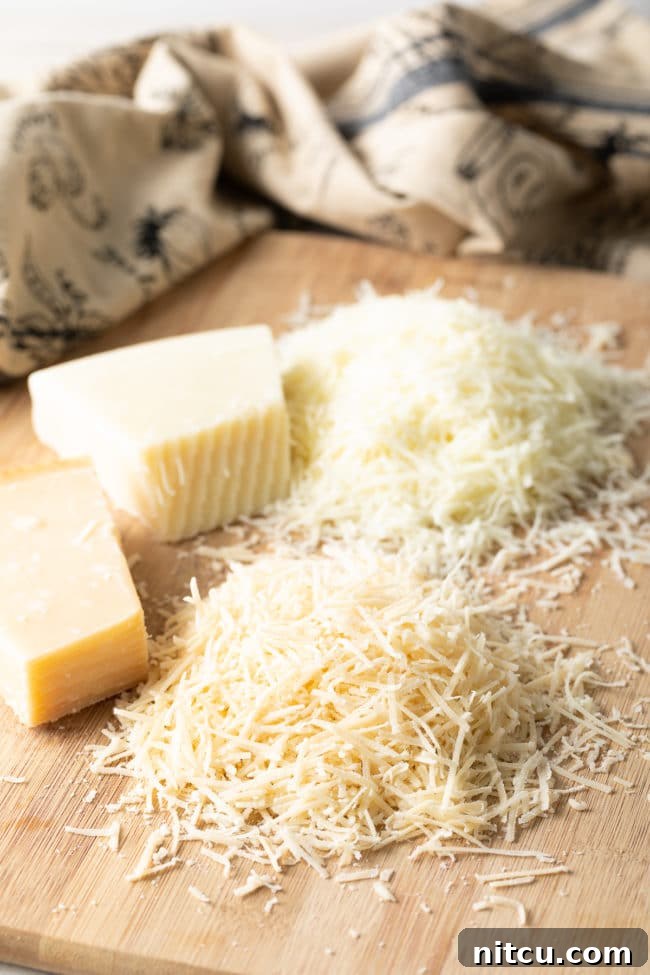
We understand the temptation to reach for pre-grated, packaged cheese for convenience. However, for an authentic and truly exquisite Cacio e Pepe, this is one shortcut you absolutely must avoid! Freshly grated cheese off the block is paramount. Pre-grated cheeses often contain anti-caking agents like cellulose, which prevent them from melting smoothly and impart a slightly chalky texture. Freshly grated Pecorino Romano and Parmigiano Reggiano, on the other hand, melt beautifully into a velvety, emulsified sauce, offering superior flavor, texture, and melting ability. This step is crucial for achieving the characteristic lusciousness of this dish.
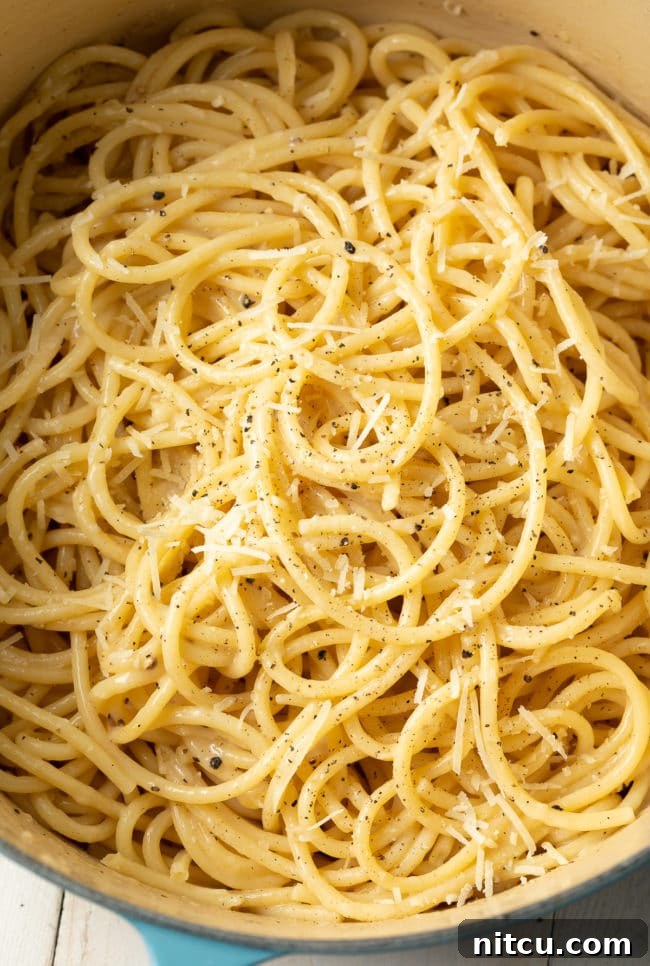
Essential Ingredients for Your Perfect Cacio e Pepe
Creating an unforgettable Cacio e Pepe relies on high-quality, fresh ingredients. With such a simple recipe, each component plays a starring role in the final flavor profile. Here’s a closer look at what you’ll need, along with tips for selecting the best:
- Cracked Black Pepper: Opt for whole peppercorns and crack them fresh just before toasting. Pre-ground pepper lacks the intense aroma and pungency that toasted fresh pepper brings to the dish. Look for high-quality, whole black peppercorns for the best results.
- Bucatini Pasta: As discussed, bucatini is our top choice for its unique texture and sauce-holding capabilities. Whether fresh or dried, ensure you choose a reputable brand that produces good quality pasta with a slightly rough texture, which helps the sauce adhere. If bucatini is unavailable, a good quality spaghetti can be a substitute, but bucatini truly makes a difference.
- Chicken Broth: This is our “secret ingredient” for infusing flavor. Use a good quality, low-sodium chicken broth to control the overall saltiness of your dish. For a vegetarian version, a rich vegetable broth will work beautifully, adding depth without meat. Avoid overly seasoned broths that might overpower the subtle flavors of cheese and pepper.
- Unsalted Butter: Butter forms the silky base of our sauce, contributing richness and helping to emulsify the cheese and starchy pasta water. Choose a high-quality unsalted butter to allow you to adjust the seasoning precisely.
- Parmesan Cheese (Parmigiano Reggiano): Freshly grated off the block is non-negotiable. Look for authentic Parmigiano Reggiano with its characteristic nutty, slightly sweet, and umami-rich flavor. It melts smoothly and contributes a crucial element of flavor.
- Pecorino Cheese (Pecorino Romano): Also freshly grated off the block. Pecorino Romano, a hard, salty sheep’s milk cheese, provides the traditional sharp, piquant flavor that is a hallmark of Cacio e Pepe. If you are budget-minded and can only choose one high-quality cheese, Pecorino Romano is often considered the more traditional and assertive flavor for this Roman classic.
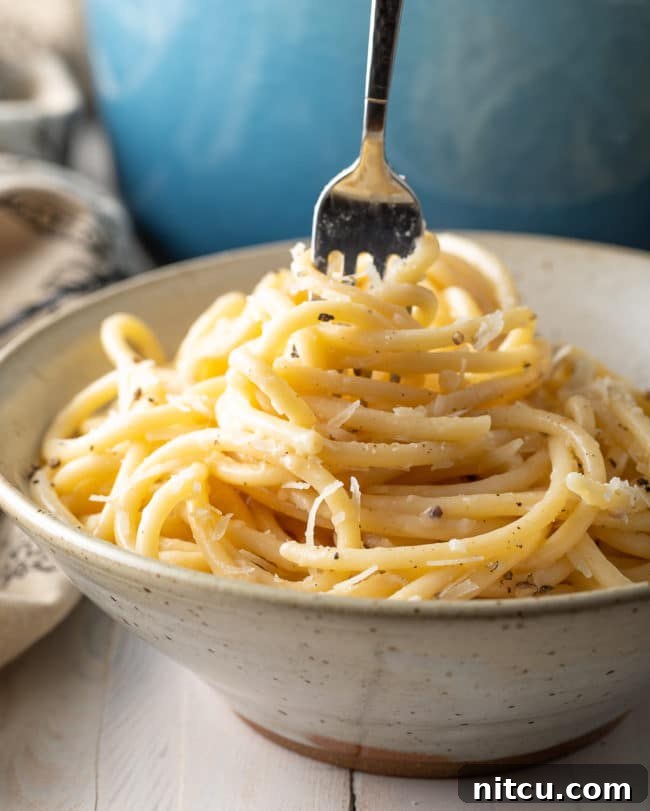
Mastering the Art of Cacio e Pepe: A Step-by-Step Guide
Crafting the perfect Cacio e Pepe is all about technique and timing. While the ingredient list is short, each step contributes significantly to the final creamy, peppery perfection. Follow these detailed instructions to achieve a truly authentic and delicious result.
Important Tip for Success: Choosing the Right Pot
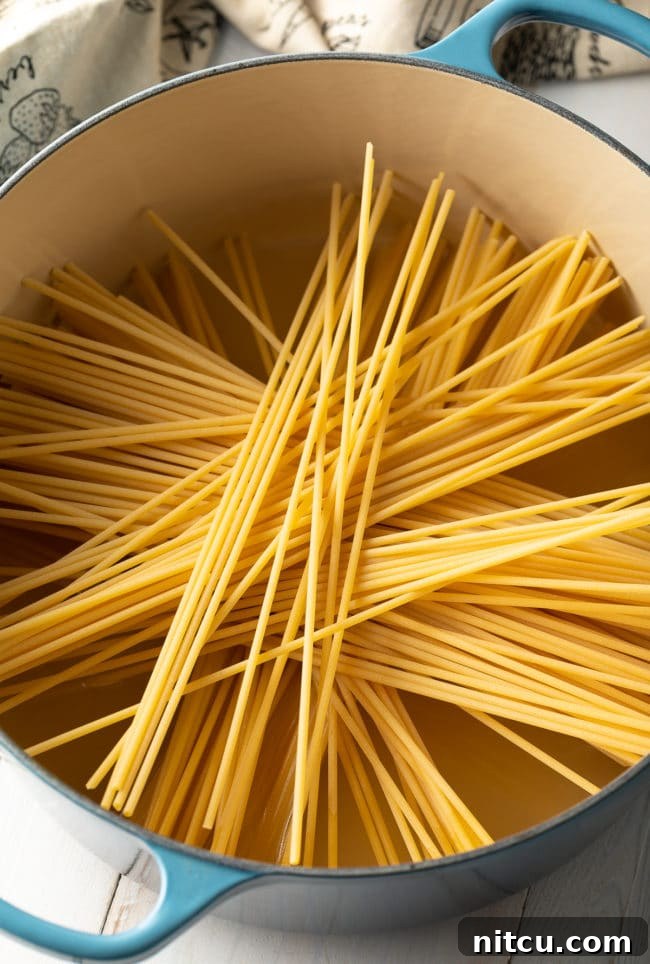
Before you begin, select a large, wide sauté pan or saucepot (at least 6-quart capacity) with a tight-fitting lid. The key here is width. The pasta, especially bucatini, should be able to lie relatively flat and be fully submerged in the liquid. This ensures even cooking and optimal starch release into the broth, which is vital for our sauce. A wider surface area also allows for better evaporation of the broth, concentrating flavors.
Here’s how to make this iconic Roman dish:
- Prepare Your Pan and Toast the Pepper: Place your chosen dry pot over medium heat. Add the freshly cracked black pepper directly to the dry pot. Toast the pepper for 1-2 minutes, shaking the pan occasionally to prevent burning. You’ll notice a distinct, fragrant aroma filling your kitchen – this is the oils releasing and intensifying the pepper’s flavor. Once toasted, immediately transfer the pepper to a small plate and set aside. This prevents it from burning and becoming bitter while you cook the pasta.
- Cook the Bucatini in Broth: Return the pot to the stove. Add the bucatini and 5 cups of chicken or vegetable broth. Include a generous pinch of salt at this stage. Ensure the pasta is fully submerged in the broth. Cover the pot and bring the liquid to a rolling boil over high heat. Once boiling, remove the lid and stir the pasta vigorously with tongs or a wooden spoon to prevent it from sticking together. Continue boiling, uncovered, stirring occasionally, until the pasta is perfectly al dente. This usually takes 7-8 minutes, but always refer to your pasta package instructions for precise timing. The pasta should still have a slight bite in the center.
- Monitor Broth and Prepare for Sauce: While the pasta cooks, closely observe the broth level. By the time the pasta reaches al dente, there should be just a small amount of liquid remaining in the pan, roughly 1/4 to 1/2 inch. This starchy liquid is the foundation of your sauce. Simultaneously, grate your Pecorino Romano and Parmigiano Reggiano cheeses into a fine mound.
- Create the Silky Sauce: Remove the pot from the heat immediately when the pasta is al dente and the broth is reduced. Add the butter to the pasta in the pan, stirring well to ensure it melts and coats the pasta evenly. The residual heat from the pasta and the pan will help this process.
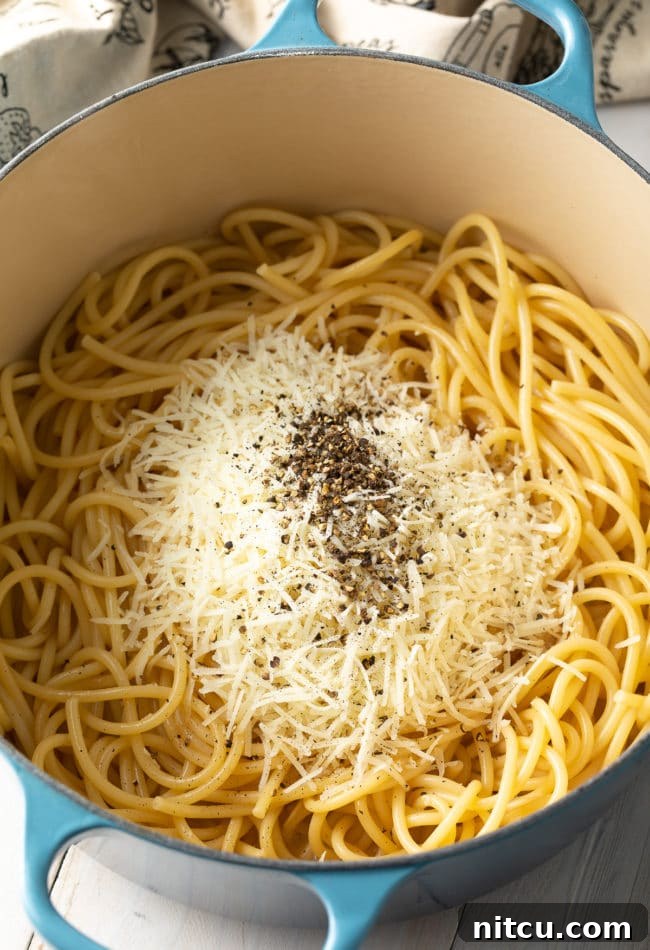
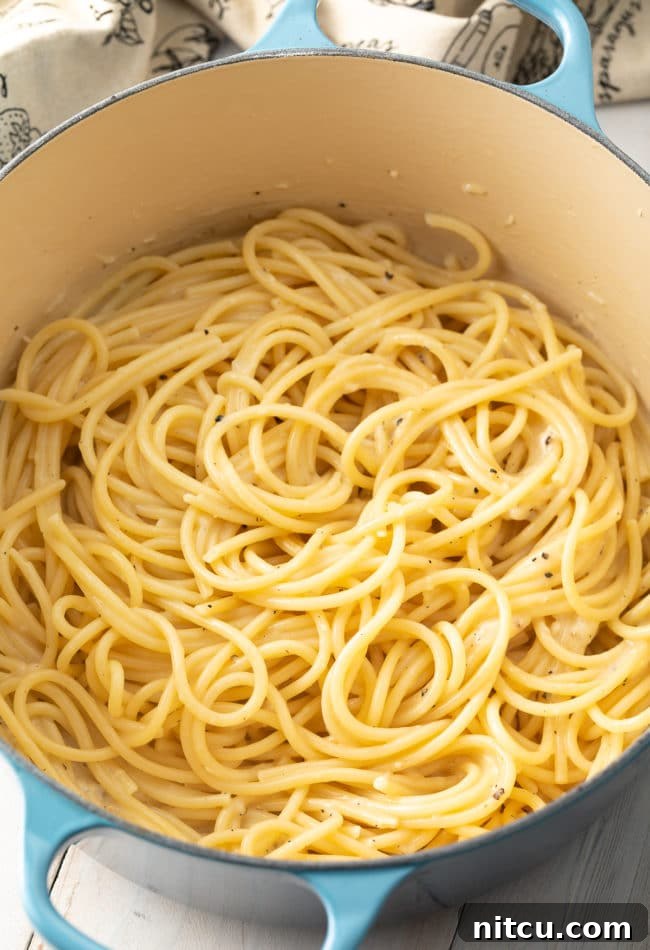
- Emulsify and Serve: Now, add the toasted cracked pepper back into the pan along with both freshly grated cheeses. Work quickly and stir continuously, using tongs or a spatula, until the cheeses melt and combine with the starchy broth and butter to form a smooth, glossy, and creamy sauce that perfectly coats the bucatini. The key is constant agitation and the perfect temperature (not too hot, not too cold) to achieve a beautiful emulsion. If the sauce seems too thick, add another splash of warm chicken broth (from the 6th cup, if needed) to loosen it to your desired consistency. Serve immediately, perhaps with an extra sprinkling of cheese and pepper for garnish.
Find the full Cacio e Pepe recipe with precise ingredient proportions, detailed instructions, and a video tutorial in the comprehensive printable form at the bottom of this page.
Exploring Delightful Cacio e Pepe Variations
While the beauty of Cacio e Pepe lies in its minimalist perfection, culinary creativity knows no bounds. Strictly speaking, adding extra ingredients means it’s no longer *traditional* Cacio e Pepe, but that doesn’t mean you can’t create something equally delicious and complementary. These additions can enhance the dish without overshadowing its core character. Here are some inspiring ideas to experiment with:
- Roasted Garlic: Adding a few cloves of roasted garlic, mashed into a paste and stirred in with the cheese, introduces a mellow, sweet, and aromatic depth that beautifully complements the peppery cheese.
- Fresh Greens (Spinach or Kale): Wilt in a handful of fresh baby spinach or thinly sliced kale during the last minute of cooking the pasta. They add a touch of color, freshness, and a subtle earthy note, along with an extra boost of nutrients.
- Crushed Red Pepper Flakes: For those who crave an extra kick, a pinch of crushed red pepper flakes toasted alongside the black pepper will add a pleasant warmth and heat, intensifying the “pepe” aspect.
- Roasted Red Peppers: Sweet, smoky roasted red peppers, finely diced and stirred into the finished pasta, offer a vibrant color and a burst of sweet-savory flavor that pairs wonderfully with the cheesy sauce.
- Toasted Nuts: A sprinkle of toasted pine nuts or finely chopped walnuts on top adds a delightful crunch and nutty complexity that provides a textural contrast to the smooth pasta.
- A Dollop of Basil Pesto: While straying further from tradition, a small spoonful of fresh basil pesto swirled in at the very end can introduce a bright, herbaceous freshness that invigorates the dish.
- Grilled Shrimp: For a more substantial meal, top your Cacio e Pepe with perfectly grilled or pan-seared shrimp. The delicate sweetness of the shrimp creates a fantastic pairing with the robust cheese and pepper.
- Minced Anchovies: For an umami bomb, finely minced anchovies (dissolved in a bit of olive oil before adding to the butter) will introduce an incredible depth of savory flavor without making the dish taste overtly fishy.
Discover More Comforting Pasta Delights
Frequently Asked Questions About Cacio e Pepe
What Exactly is Cacio e Pepe?
Originating from the heart of Rome, Cacio e Pepe is a timeless Italian pasta dish whose name literally means “cheese and pepper.” It’s revered for its elegant simplicity, featuring just a few core ingredients: Pecorino Romano cheese, black pepper, and pasta, emulsified with starchy pasta water. The result is a light, velvety dressing that coats every strand of al dente pasta, offering a profound depth of savory, peppery, and nutty flavors. It’s a sophisticated take on comfort food, elevating the humble combination of pasta, butter, and cheese into a truly gourmet experience.
What Differentiates Cacio e Pepe from Fettuccine Alfredo?
While both Cacio e Pepe and Alfredo sauces are cheesy pasta dishes, they possess significant differences in origin, ingredients, and flavor profile. Cacio e Pepe is an authentic Roman dish, showcasing the raw, intense flavors of high-quality cheese and pepper, emulsified solely with starchy pasta water and a touch of fat (butter or olive oil). The sauce is light, allowing the pasta itself to shine. In contrast, Alfredo sauce, primarily an Italian-American creation, is typically made with heavy cream, butter, and often flour (for a roux), in addition to Parmigiano Reggiano. This results in a much thicker, richer, and often milder sauce that heavily coats the pasta, offering a distinct creaminess that differs from the sharp, intense simplicity of Cacio e Pepe.
Can This Cacio e Pepe Recipe Be Frozen for Later?
For the absolute best experience, Cacio e Pepe should be enjoyed immediately after it’s prepared. Due to the delicate nature of the emulsified sauce, which relies on the interaction of starchy water, butter, and cheese, the dish tends to lose its ideal texture and creaminess over time. The pasta continues to absorb the sauce, leading to a less vibrant flavor and a stickier consistency. Therefore, it is not recommended for make-ahead meal prep or freezing. However, if you find yourself with leftovers, don’t despair! To revive them, simply add a splash or two of warm chicken (or vegetable) broth while gently reheating on the stovetop. This will help loosen the sauce and bring back some of its original appeal.
Are Other Broths, Such as Vegetable Broth, Suitable for This Recipe?
Absolutely! While chicken broth is recommended for its savory depth, you can certainly use other broths. Vegetable broth is an excellent substitute if you are aiming for a vegetarian dish, providing a similar umami foundation to the pasta. Mushroom broth could also be an intriguing option, adding an earthy complexity. The key is to choose a good quality broth that complements the other flavors without overpowering them, ideally a low-sodium version to control the seasoning.
What Should I Do if My Sauce is Too Thick or Too Thin?
Achieving the perfect consistency for Cacio e Pepe sauce is an art. If your Cacio e Pepe sauce appears too tight or thick before serving, simply add another splash or two of warm chicken or vegetable broth, stirring continuously, until it reaches your desired silky consistency. Conversely, if your sauce appears too thin, this could be due to too much broth remaining after cooking the pasta or insufficient starch. You can try reducing the liquid slightly over very low heat while stirring, or, as a last resort, add a tiny bit more freshly grated cheese (which will thicken it as it melts). Learning to balance the starch and cheese is part of mastering this dish.
Can I Experiment with Different Types of Cheese?
For a truly classic and authentic Cacio e Pepe, Pecorino Romano and Parmigiano Reggiano are the traditional and highly recommended cheeses, as their distinct profiles are integral to the dish’s signature flavor. However, if you’re feeling adventurous and wish to explore new flavors, you can experiment with other hard, aged cheeses. Keep in mind that altering the cheese will inherently change the character of the dish. Look for other dry, firm, salty cheeses that grate and melt well. Just remember that the unique pungency of Pecorino and the nutty notes of Parmesan are what define the true Roman Cacio e Pepe.
Print Recipe
5 stars (9 reviews) | Leave a Review »
Cacio e Pepe Recipe
Prep Time: 5 minutes
Cook Time: 15 minutes
Total Time: 20 minutes
Learn How To Make Cacio e Pepe, like a pro! This easy one-pot Cacio e Pepe Recipe is utterly divine!
Servings: 6
Video
Epic Cacio e Pepe Recipe: Learn How To Make Cacio e Pepe like Top Chef’s do it, with just 6 ingredients… Including our secret ingredient! (Video Link: https://content.jwplatform.com/videos/WqI6yM5F.mp4)
Ingredients
Adjust unit system: US Customary – Metric
- 1 teaspoon fresh cracked black pepper
- 1 pound dried bucatini or spaghetti (or fresh-made!)
- 5-6 cups chicken broth (or vegetable broth)
- 2 tablespoons butter
- 1 cup freshly grated parmesan cheese (off the block)
- 1 cup freshly grated pecorino cheese (off the block) *If you are budget-minded and only want to buy one block of cheese, go with pecorino!
Instructions
- Set a large 6+ quart saucepot or sauté pan (with a lid) over medium heat. Make sure the pot/pan is wide enough to account for the length of the pasta. It should be able to fit flat on the bottom, so it is fully submerged in liquid. (Do not add these ingredients yet; just check for size.)
- Add the cracked pepper to the dry pot and toast the pepper for 1-2 minutes. Shake the pan to roll the pepper around. When it releases a strong peppery aroma, dump it out on a plate for later use.
- Add the bucatini and 5 cups chicken broth. Throw in a large pinch of salt. Make sure the pasta is fully submerged. Cover the pot and bring to a boil. Once boiling, stir the pasta vigorously, so it doesn’t stick together, then continue boiling, uncovered, until al dente, usually 7-8 minutes. (Check your package instructions, so you don’t overcook the pasta. It should just be slightly firm in the middle.)
- Meanwhile, grate the cheeses. Once the pasta reaches al dente, there should be just a little broth left in the pan. (about 1/4-1/2 inch liquid) Add the butter to the pasta, and stir well to coat.
- Then toss in the cracked pepper and both cheese. Stir while the cheeses melt. Then serve immediately with a sprinkling of extra cheese!
Notes
Cheese: Make sure to use blocks of cheese, and grate it fresh. It makes all the difference!
Broth: If you feel your Cacio e Pepe has tightened up too much before serving, feel free to add another splash or two of chicken broth to loosen the cheese sauce. For a vegetarian version use vegetable broth.
Nutrition
| Serving: | 1.5 cups |
| Calories: | 455 kcal |
| Carbohydrates: | 59 g |
| Protein: | 22 g |
| Fat: | 14 g |
| Saturated Fat: | 8 g |
| Cholesterol: | 39 mg |
| Sodium: | 1222 mg |
| Potassium: | 365 mg |
| Fiber: | 3 g |
| Sugar: | 2 g |
| Vitamin A: | 316 IU |
| Vitamin C: | 14 mg |
| Calcium: | 406 mg |
| Iron: | 2 mg |
Course: Main Course, Pasta
Cuisine: Italian
Author: Sommer Collier
Cook It? Love It? Rate It! YOU can help this recipe RANK on Google – TAP 5 STARS so other hungry people can find it. Thank you!